The Native Michigan Plant That Crawls Across Bare Soil And Helps Stop Erosion Before It Starts
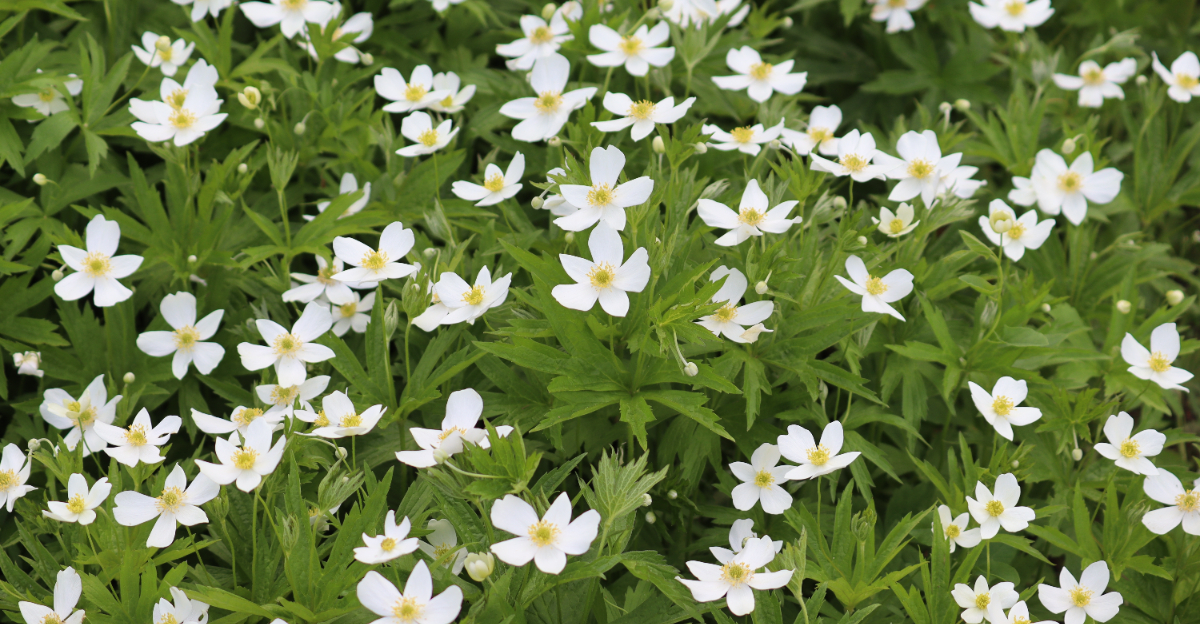
Bare soil in a Michigan yard is an open invitation for trouble.
Rain moves across it fast, taking the top layer with it every time a storm rolls through, and the slope doesn’t have to be dramatic for erosion to become a real and visible problem over a season or two.
Most fixes involve hauling in mulch repeatedly or fighting to establish grass in spots where it never quite takes hold.
There’s a native Michigan plant that solves this differently, spreading low across the ground on its own, stitching itself into the soil with a root system that holds everything in place and handles the job season after season without any help.
It handles shade, tolerates dry stretches once established, and looks intentional rather than like a last resort. For problem areas that have resisted every other fix, this one tends to stick.
1. What Canada Anemone Is And Why Michigan Gardeners Use It
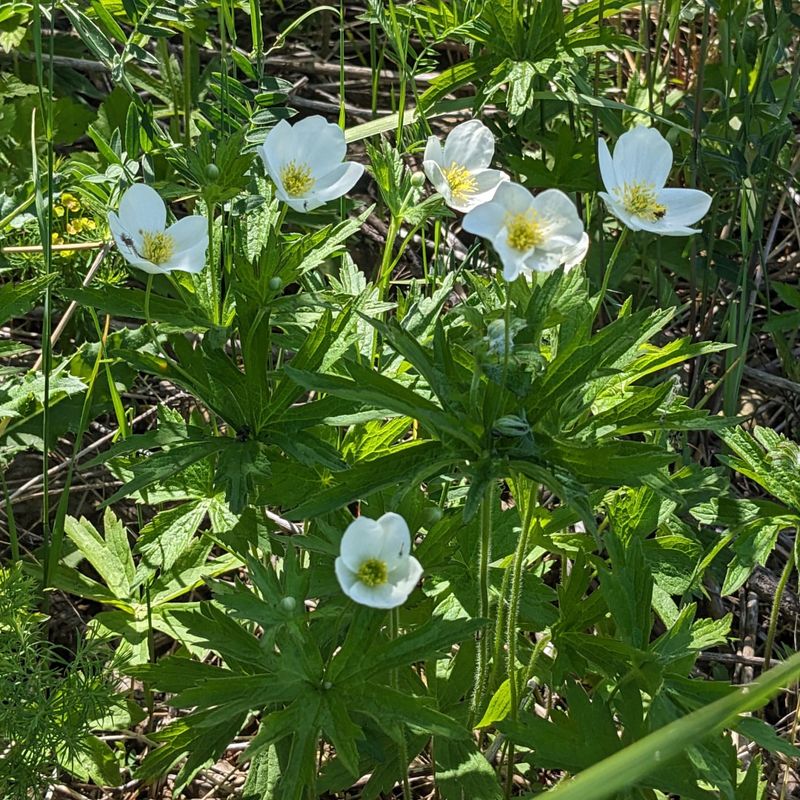
Some plants just have a way of showing up and taking charge, and Canada anemone is one of them.
Known by its botanical name Anemone canadensis, this native perennial has been growing across Michigan and much of North America long before any of us started planning our gardens.
Its bright white flowers bloom from late spring into early summer, sitting above attractive, deeply lobed green leaves that create a lush, full look wherever the plant settles in.
Michigan gardeners have started paying serious attention to this plant because it fills a real need. Problem areas like steep banks, wet corners, utility strips, and spots where grass just refuses to cooperate are exactly where Canada anemone steps up.
It spreads through underground stems called rhizomes, forming colonies that cover the ground thickly over time.
That spreading habit is both its greatest strength and something to plan around carefully. In a large, open area where you want quick, reliable coverage, it is outstanding.
In a small, tidy mixed border with delicate neighbors, it will quickly overwhelm everything around it.
Knowing where to place it makes all the difference, and Michigan gardeners who give it the right spot are rewarded with a low-maintenance, beautiful native groundcover that truly earns its place in the landscape.
2. Its Rhizomes Help Hold Bare Soil
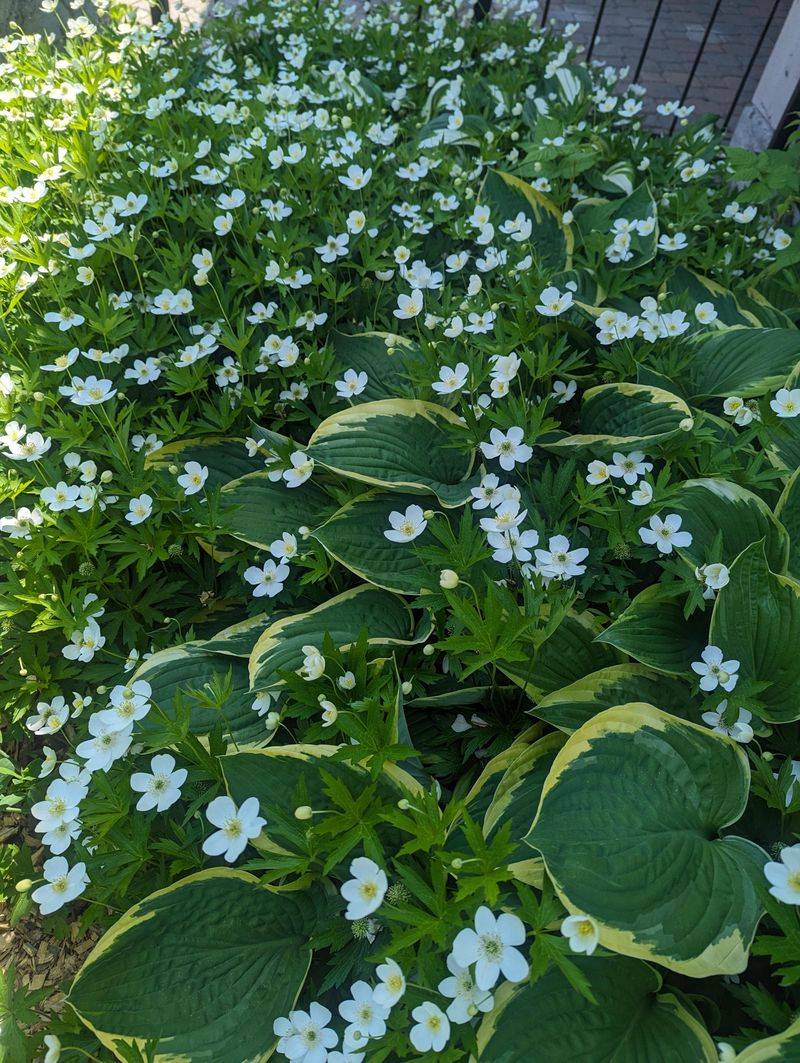
Underground, Canada anemone is working harder than most people realize. The plant spreads through a network of rhizomes, which are horizontal underground stems that push outward from the original plant and send up fresh shoots as they go.
Over time, these rhizomes weave through the soil in a way that holds it together from below, creating a living web that bare ground simply cannot match.
On slopes and banks where rain can wash loose soil downhill, this underground structure is genuinely valuable. Water still flows over the surface, but the rhizome network underneath slows the process of soil shifting and eroding away.
The dense colony of stems and leaves above ground also intercepts rainfall before it hits the soil directly, which reduces the impact of heavy drops that can dislodge surface particles.
Your Michigan Garden Changes Every Week. Your Plan Should Too.
Gardening in Michigan changes quickly throughout the season. Every Friday you’ll receive a simple weekly plan showing exactly what to plant, prune, fertilize, harvest, and protect so you never miss the right timing.
Compared to bare ground or a thin layer of loose mulch, an established Canada anemone colony offers real stability. Mulch can wash away in a heavy rain.
Bare soil has nothing holding it in place at all. A thriving stand of Canada anemone, with its layered root-and-rhizome system working below and its leafy canopy working above, creates a much more resilient surface.
For Michigan gardeners dealing with erosion-prone areas, this combination of above-ground coverage and below-ground anchoring is exactly what those problem spots need.
3. It Spreads Quickly Where Conditions Are Right
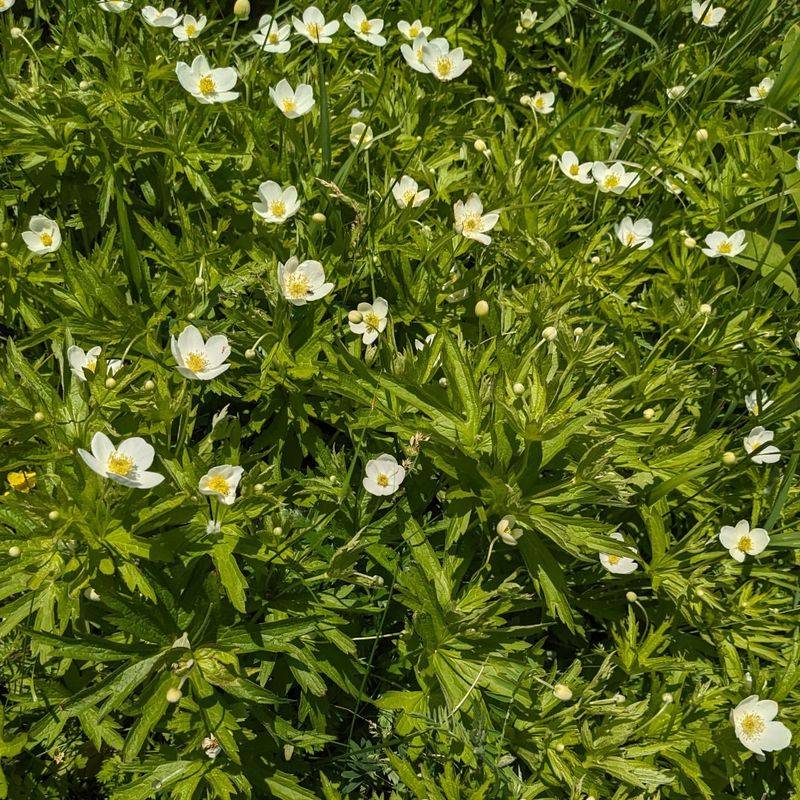
Planting Canada anemone for the first time can feel a little underwhelming, and that is completely normal.
In year one, the plant mostly focuses on settling in, developing its root and rhizome system below the surface rather than expanding dramatically above it.
You might see modest leafy growth but not much outward movement, and that is actually a sign the plant is doing exactly what it should.
Year two is when things start to get interesting. The rhizomes begin pushing outward, and new shoots appear beyond the original planting area.
By the end of the second growing season, a single plant or small group can spread noticeably, especially in a site with consistent moisture and decent sunlight.
By year three, a well-placed Canada anemone planting can cover a surprisingly large patch of ground.
How fast it spreads depends on a few key factors. Moist soil encourages the rhizomes to move quickly, while dry or compacted soil slows them down.
Full sun generally supports faster spread than deep shade. Closer plant spacing at the start helps colonies fill in faster, and keeping new plantings watered through the first season gives them the strong start they need.
Realistic expectations matter here. Canada anemone is not an instant groundcover, but given two to three growing seasons in a good site, it delivers impressive, reliable coverage that keeps expanding year after year.
4. It Performs Best In Moist Soil And Sun To Part Shade
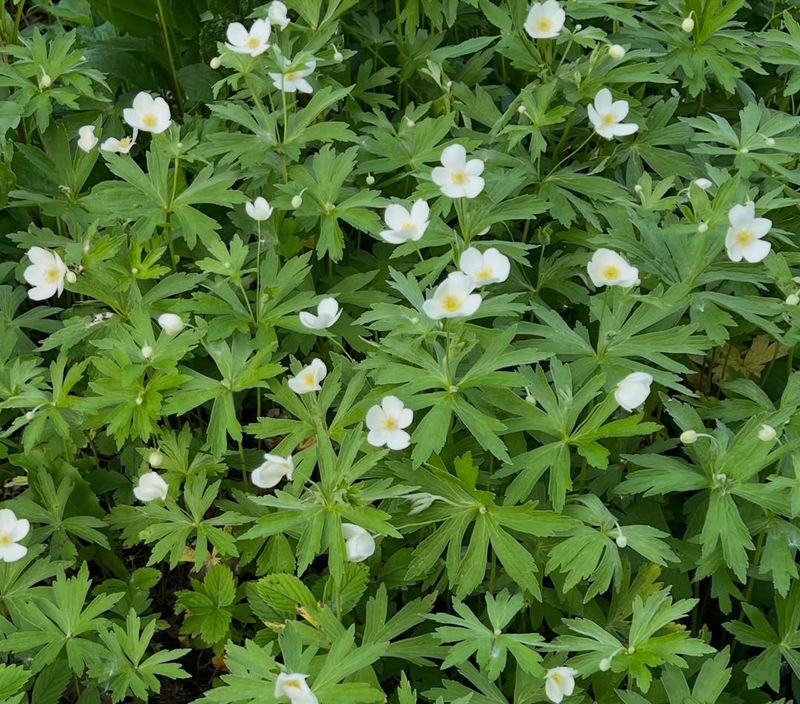
Matching the right plant to the right conditions is one of the most important things any gardener can do, and Canada anemone is no exception. This plant genuinely thrives in moist to average soil with full sun to part shade.
Give it those conditions and it rewards you generously. Push it into dry, sandy soil or deep shade and it will struggle, spreading slowly if at all and looking far less vibrant than it should.
Michigan has plenty of spots where Canada anemone fits naturally. The edges of rain gardens are a great example, where soil stays consistently moist after storms but drains between events.
Moist slopes and banks are another strong match, especially where you want coverage without constant maintenance.
Open naturalized areas along property edges, near ponds or drainage swales, and in spots where lawn grass thins out due to moisture are all excellent candidates.
Clay soil is not a dealbreaker for this plant, which is good news for many Michigan gardeners who deal with heavy soils regularly.
Canada anemone can handle clay reasonably well, particularly in sites that stay moist. What it cannot handle well is prolonged drought or very dry, fast-draining sandy soil.
A little part shade can actually help in drier spots by reducing moisture loss, but the best results always come from sites where consistent soil moisture is available throughout the growing season.
5. It Can Replace Some Non-Native Groundcovers In The Right Sites
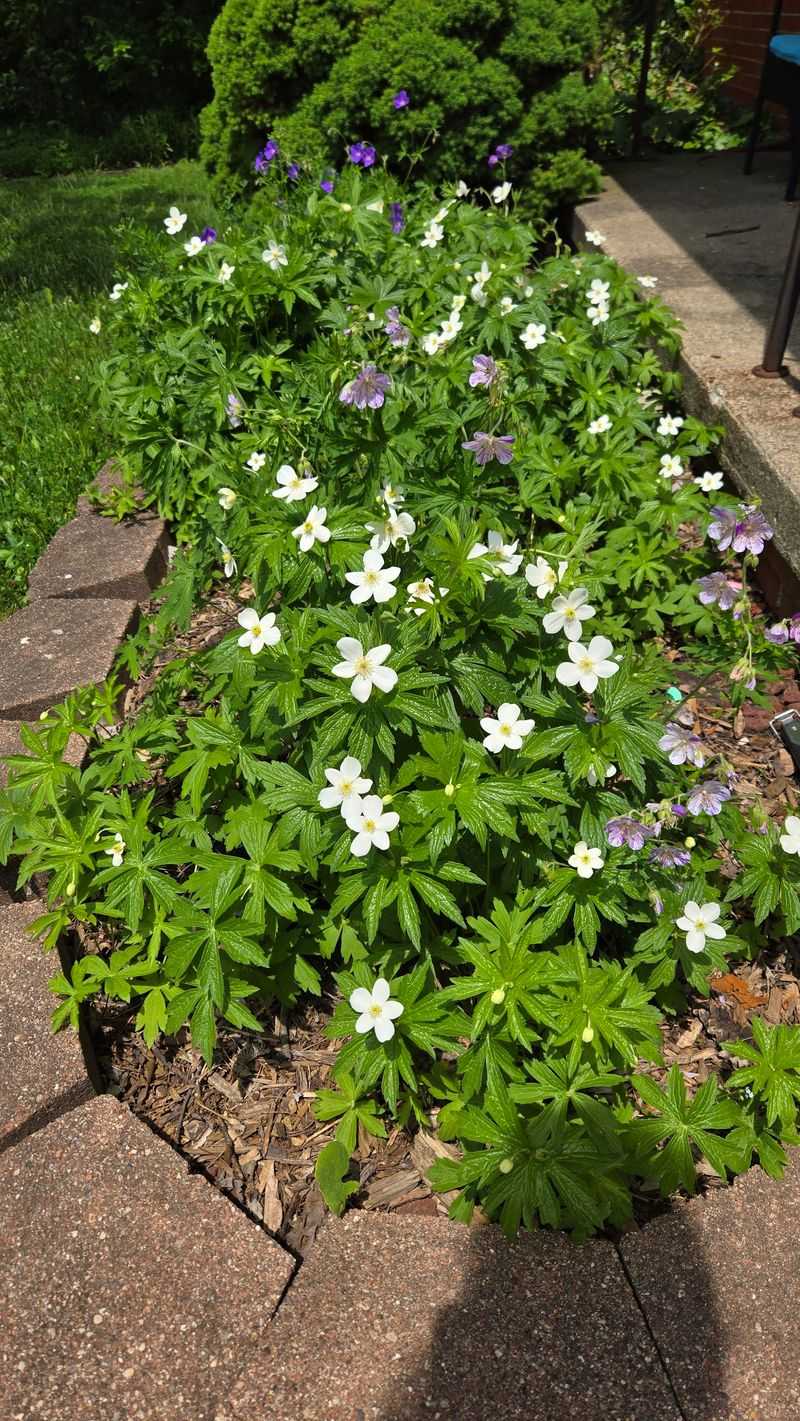
Many Michigan yards still have non-native groundcovers doing the heavy lifting in shady corners and along slopes.
Plants like vinca, English ivy, Japanese pachysandra, and barberry are common sights, and while they cover ground effectively, they come with real downsides.
Several of these species spread beyond gardens into natural areas, pushing out native plants and reducing habitat quality for local wildlife.
Canada anemone offers a compelling alternative in sites where spreading is actually welcome. It covers ground aggressively, handles moist conditions beautifully, and does all of this while supporting the local ecosystem rather than working against it.
Native bees, flies, and small beneficial insects recognize its flowers as a food source in a way they simply do not respond to many non-native ornamentals.
The practical comparison matters too. Vinca and English ivy are evergreen, which gives them a winter advantage on slopes, but both are considered invasive in many parts of the Midwest.
Canada anemone goes dormant in winter, so it is not a perfect swap in every situation.
However, for sites where spring through fall coverage is the primary goal and where a truly native, ecologically supportive plant is preferred, it is a strong and responsible choice.
Replacing even one section of invasive groundcover with a native like Canada anemone is a meaningful step toward a healthier, more connected Michigan landscape.
6. It Covers Soil Early Enough To Reduce Spring Erosion
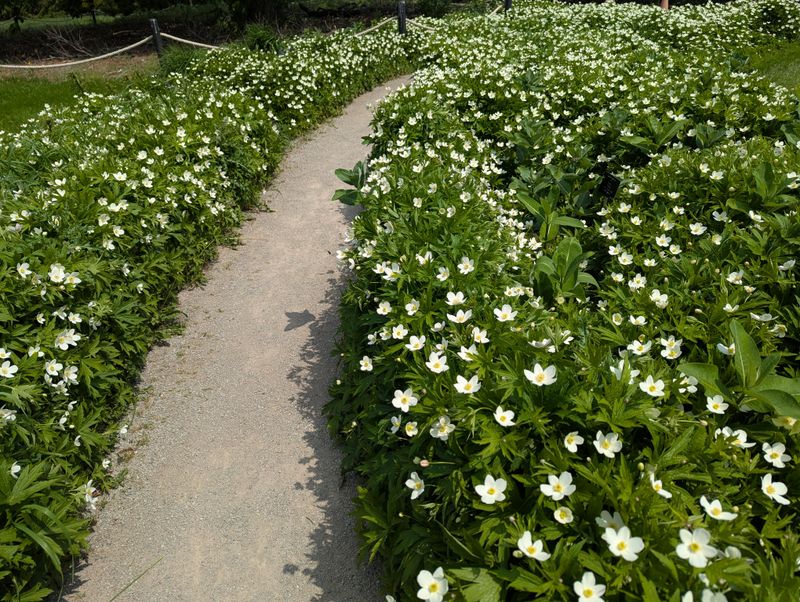
Spring in Michigan can be rough on bare soil. Snowmelt, heavy April rains, and the freeze-thaw cycle that loosens the ground all happen at the same time that slopes and banks are most exposed.
If there is nothing covering the soil during those weeks, runoff carries it downhill fast, and the damage adds up quickly over multiple seasons.
Canada anemone has a helpful trait that makes it particularly useful in this situation. Established colonies return early in spring, sending up fresh shoots while many other plants are still dormant.
That early green growth starts covering soil right when the risk of erosion is at its highest. It is not a complete solution on its own, but it closes an important window of vulnerability that bare ground cannot address at all.
One honest note worth making: Canada anemone is not evergreen. Its top growth fades in late fall and does not provide the same winter soil protection that evergreen groundcovers offer.
During winter months, the rhizome network underground still holds soil in place, but the above-ground canopy is gone until spring returns.
Gardeners who need year-round surface coverage on steep slopes may want to combine Canada anemone with other strategies, such as erosion control fabric during establishment or a layer of coarse mulch to bridge the winter gap while the colony matures.
7. It Supports Pollinators And Beneficial Insects
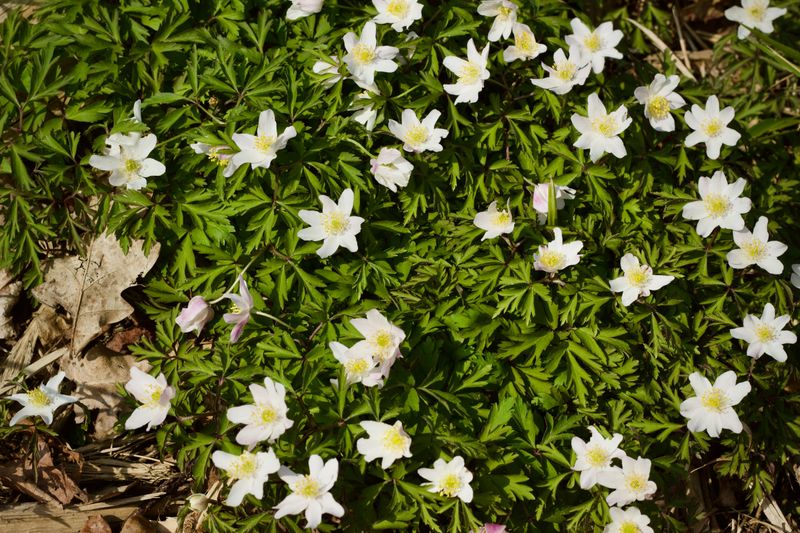
Those cheerful white flowers are not just pretty to look at. Canada anemone blooms from late May through June in most of Michigan, and during that window its open, bowl-shaped flowers are actively visited by a variety of early-season pollinators.
Native bees, hoverflies, small wasps, and other beneficial insects find the flowers easy to access and worth revisiting throughout the bloom period.
Planting Canada anemone near a vegetable garden is a move that pays off in more ways than one. Beneficial insects that visit the flowers are also the same insects that help control aphids, caterpillars, and other garden pests nearby.
More pollinators in the area generally means better fruit and vegetable set too, so the ripple effects of a healthy native planting go well beyond the plant itself.
For anyone building a native plant garden or a naturalized area in Michigan, Canada anemone fits neatly into a layered planting that supports insects across the season.
It is not a monarch butterfly magnet or a hummingbird favorite, but it reliably draws in the smaller, often-overlooked pollinators and beneficial insects that form the foundation of a healthy garden ecosystem.
Pairing it with other Michigan natives that bloom at different times creates a continuous food source for insects from early spring through fall, making the whole yard more alive and ecologically connected than a monoculture of lawn ever could be.
8. It Needs Room And Boundaries
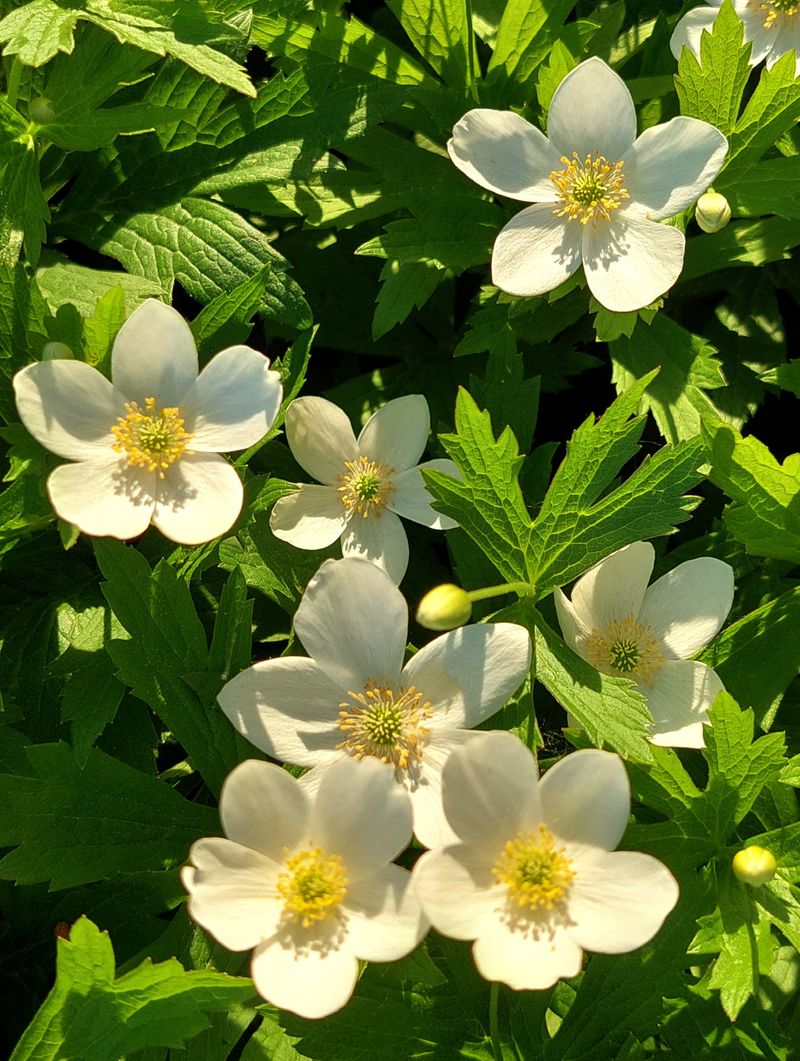
Honesty is the best policy when it comes to Canada anemone and space. This plant spreads enthusiastically, and while that is exactly what you want in the right location, it can become a real headache in the wrong one.
Tucking it into a small formal border alongside delicate perennials is a recipe for frustration. Within two or three seasons, it will crowd out its neighbors and fill every available inch of space it can reach.
The sites where it truly excels in Michigan are open slopes, moist banks, large naturalized areas, rain garden edges, and spots where lawn grass struggles to establish or stay healthy.
These are places where coverage matters more than precise control, and where the plant’s spreading habit is a feature rather than a problem.
Utility easements, the back edges of properties, and areas transitioning into wooded naturalized zones are all strong candidates.
When you do plant it near garden beds or pathways, physical boundaries make a big difference. A deep mowing strip, a buried root barrier, or a solid edging material installed at least six inches deep can slow rhizome spread significantly.
Regular mowing along the edges of a Canada anemone planting also keeps it from creeping into lawn areas.
Plan for containment from the start rather than trying to manage it after the fact, and this plant becomes a reliable workhorse rather than a garden management challenge.
9. Establish It From Plugs Or Divisions
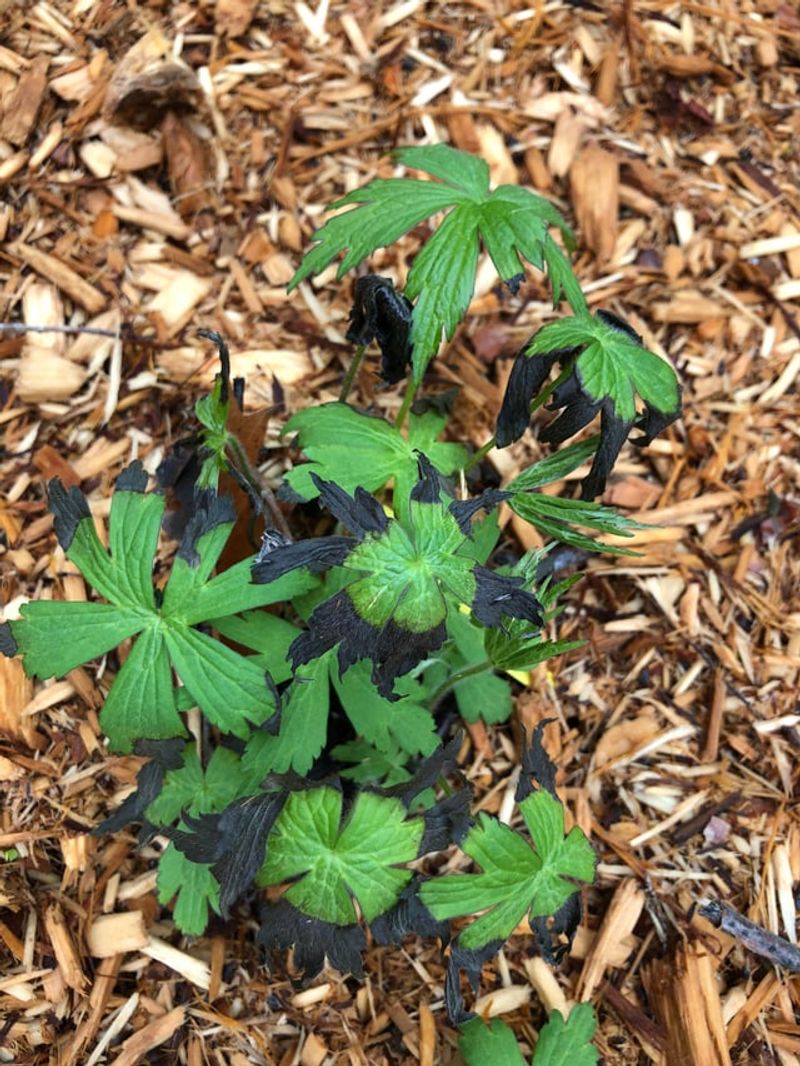
Starting Canada anemone from seed is possible but slow and inconsistent, and most Michigan gardeners find that plugs or divisions are a much more reliable way to get a planting established quickly.
Nursery plugs are widely available from native plant suppliers, and divisions from an existing colony transplant easily in spring or early fall when the soil is moist and temperatures are moderate.
Spacing matters more than many people expect. Planting plugs or divisions about 18 to 24 inches apart gives each plant enough room to establish without overcrowding in the first season, while still allowing the colony to fill in within two to three years.
Closer spacing, around 12 inches, speeds up coverage but costs more upfront if you are buying plugs. For large areas on a budget, starting with wider spacing and being patient is perfectly reasonable.
First-season watering is the most important care step. Canada anemone is tough once established, but during that first summer it needs consistent moisture to develop the strong rhizome network that will carry it forward.
Water deeply once or twice a week during dry spells and keep the area weeded, since weeds compete aggressively with young plants before the colony can close in and shade them out.
Signs that your planting has taken hold include new shoots appearing several inches beyond the original crowns, which usually happens by midsummer of the second growing season and signals that the rhizomes are actively moving and the colony is on its way.