The Lawn Habits Michigan Gardeners Are Dropping To Help Reduce Ticks
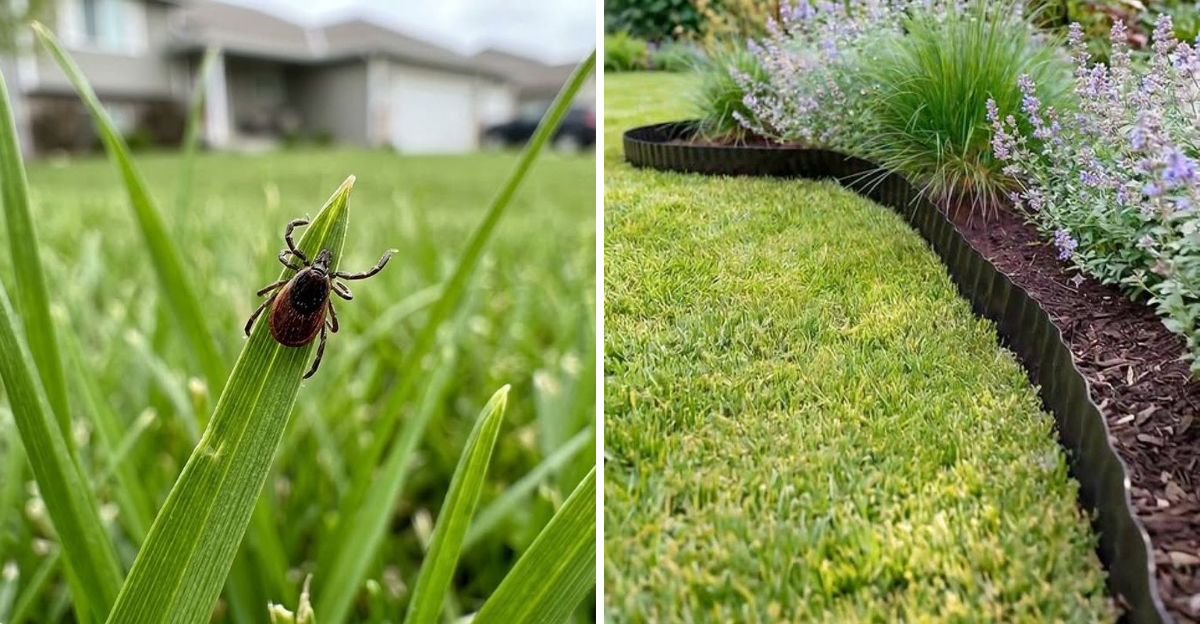
Some of the most common lawn care habits in Michigan turn out to be working directly against tick management without most homeowners realizing it.
The connection isn’t obvious at first because these are things that make a yard look well maintained, the kind of practices that get passed down as standard good advice.
But certain routines around mowing, leaf management, border maintenance, and ground cover create exactly the conditions ticks prefer for shelter, moisture, and movement through a yard.
Michigan gardeners who started examining their habits with tick habitat in mind found that dropping just a few of them made a noticeable difference in tick pressure through the season.
None of the changes require a major yard overhaul. Some of them actually reduce the overall workload, which makes the decision to drop them considerably easier than expected.
1. Mowing The Whole Yard At The Same Height
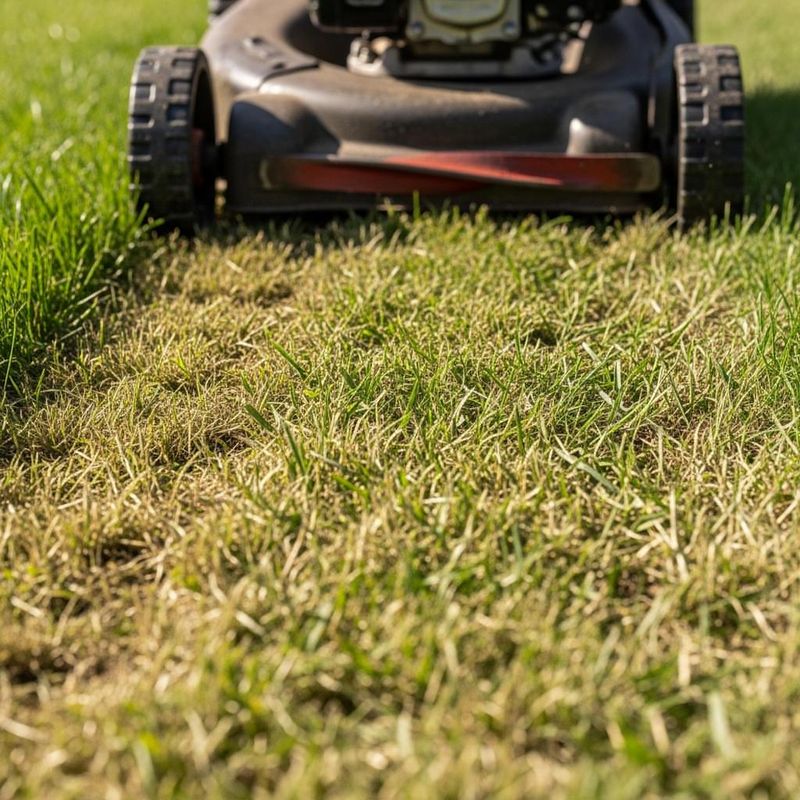
Not all grass grows the same way, and treating every part of your yard identically can actually work against you.
Sunny areas, shaded spots, and lawn edges near woods all have different needs, and lumping them together is a habit many Michigan gardeners are now reconsidering.
Ticks tend to move inward from brushy, wooded borders, so those transitional zones deserve extra attention.
Keeping border areas trimmed a bit tighter than the center of the yard creates less cover for ticks moving through. Shaded turf near fences or tree lines tends to stay damp longer, which ticks love.
Adjusting mowing height by zone rather than using a single setting for everything is a small change that can have a real impact on tick activity over the course of a season.
Michigan gardeners who manage edges more aggressively have noticed a cleaner, more defined yard boundary. It takes only a small adjustment to your mowing routine to start making those border strips less inviting.
Pay attention to where your lawn meets natural areas, because that transition zone is exactly where tick activity tends to be highest throughout the summer months.
2. Blowing Grass Clippings Into Fence Lines
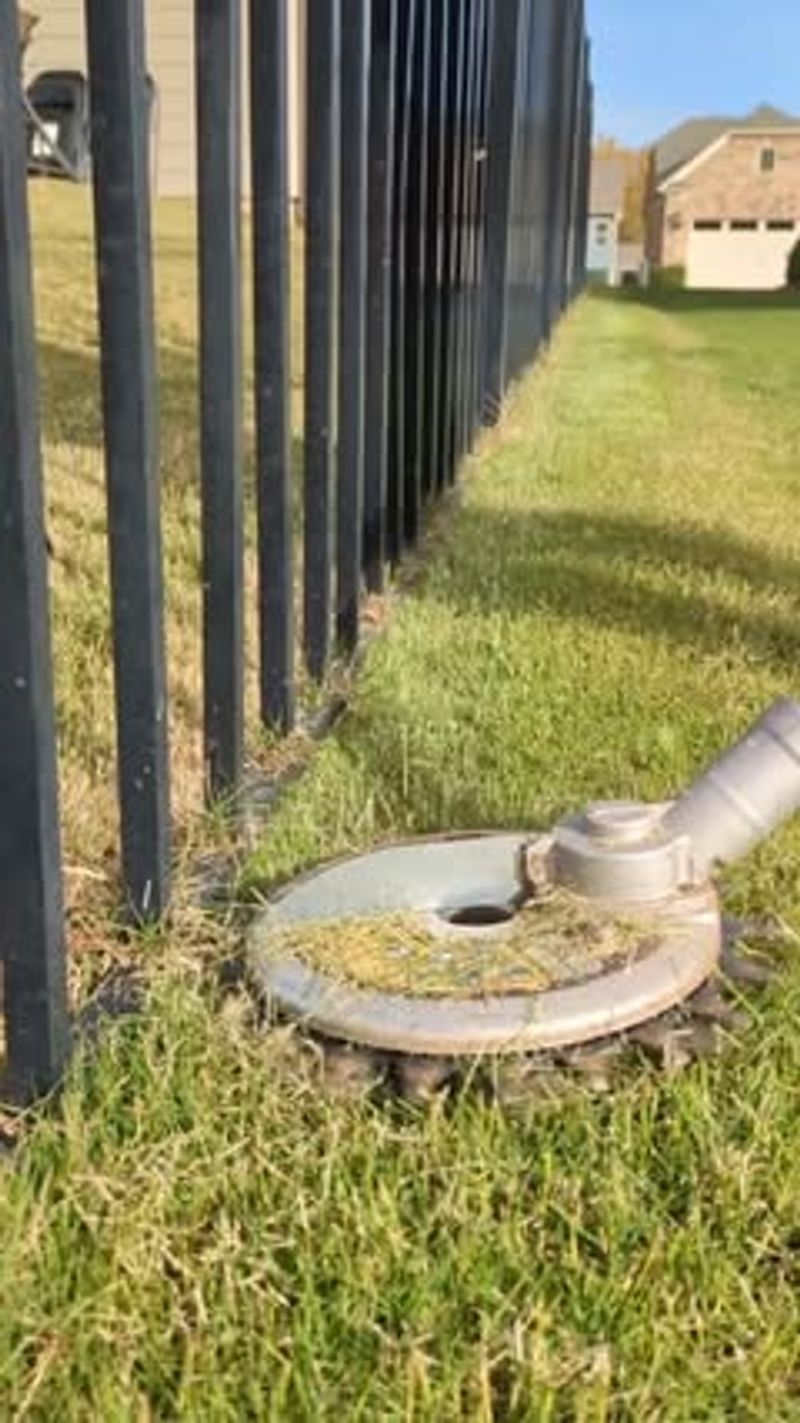
Grass clippings piling up along fence lines might seem harmless, but that damp, layered organic matter creates exactly the kind of sheltered environment ticks enjoy.
When clippings collect under shrubs or near wooded borders, moisture gets trapped close to the ground and stays there much longer than you might expect.
That combination of shade and dampness is a setup ticks are happy to take advantage of.
Many Michigan gardeners are now choosing to either mulch clippings thinly back into the lawn or bag them in areas close to wooded edges and fence lines.
Mulching lightly across the main turf is actually great for soil health, but letting thick clumps accumulate in corners or along borders is a different story.
Those spots become mini refuges that are hard to manage once the habit sets in.
Changing where your clippings end up is one of the easiest adjustments you can make during a regular mowing session. It costs nothing extra and takes very little extra effort.
Your Michigan Garden Changes Every Week. Your Plan Should Too.
Gardening in Michigan changes quickly throughout the season. Every Friday you’ll receive a simple weekly plan showing exactly what to plant, prune, fertilize, harvest, and protect so you never miss the right timing.
A few seasons of better clipping management along fence lines and shaded borders can noticeably reduce the damp, sheltered spots that make your yard feel like an attractive stopover for ticks moving through the property.
3. Letting The Lawn Creep Into Wooded Areas
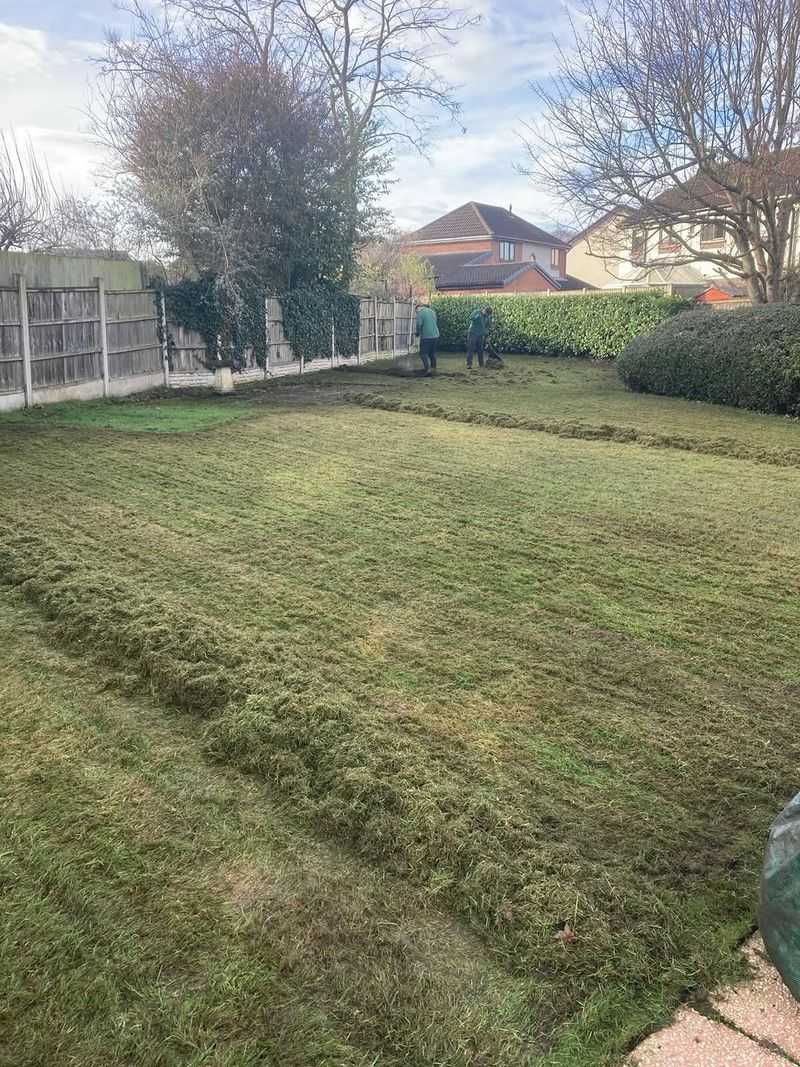
When lawn edges blur into brushy, wooded areas without a clear boundary, it creates a smooth travel path for ticks moving from natural habitat into your yard.
Many Michigan gardeners used to let turf just naturally fade into the tree line, thinking it looked more organic and relaxed.
However, that gradual transition zone is one of the most tick-friendly features a yard can have.
Creating a defined border between your mowed lawn and natural areas is now a priority for tick-aware gardeners across the state.
Some use a gravel or wood chip barrier a few feet wide along the wooded edge, which acts as a buffer zone that ticks are less likely to cross.
Others simply maintain a sharp mow line and trim back any brush that creeps toward the lawn side of the boundary.
The clearer and more consistent that division stays throughout the season, the less opportunity ticks have to migrate easily into the areas where your family actually spends time.
Wooded edges are a natural part of many Michigan properties, and nobody is suggesting you clear your trees.
A simple, well-kept boundary is all it takes to make that wooded charm work in your favor rather than against you when tick season is in full swing.
4. Only Mowing The Center Of The Yard
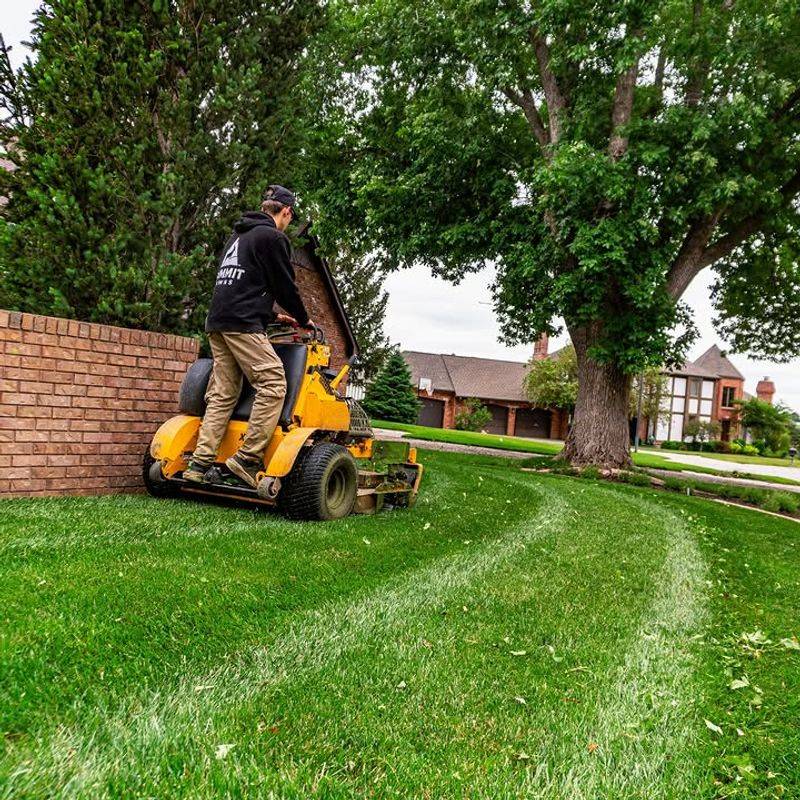
It is surprisingly common for homeowners to keep the main lawn looking sharp while completely ignoring the strips of grass growing along sheds, behind garages, near ditches, and around property edges.
Those forgotten spots might feel out of sight and out of mind, but they function as easy travel corridors for ticks moving around your property.
Neglected strips along structures and boundaries tend to grow tall and stay shaded and damp.
Ticks do not need a large habitat to thrive. A narrow band of tall, unmown grass behind a shed or along a drainage ditch is more than enough to shelter them and give them a pathway toward your main yard and living spaces.
Michigan gardeners are increasingly treating these edge strips as part of their regular mowing route rather than an afterthought.
Adding those strips to your weekly or biweekly mowing schedule does not take much extra time, but the payoff is significant.
Run the mower or a string trimmer along fences, around structures, beside ditches, and near any unmaintained borders consistently throughout the season.
Keeping the entire perimeter of your yard managed, not just the pretty center section, closes off the travel routes ticks rely on to move from rough areas into the spaces your family uses most.
5. Watering The Lawn Late In The Evening
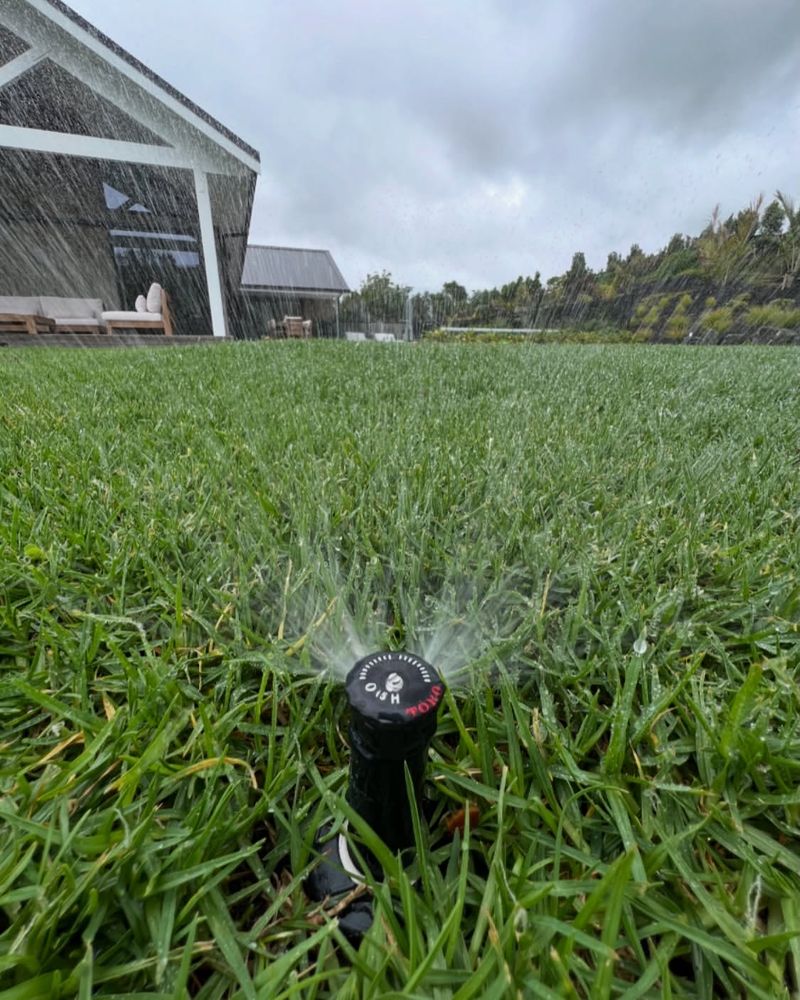
Evening watering feels convenient after a long day, and for years it was just what many Michigan gardeners did without thinking twice.
The problem is that watering late leaves grass damp through the night, especially in shaded yards where moisture has nowhere to go once the sun goes down.
Ticks are strongly drawn to moist environments, and a lawn that stays wet overnight gives them exactly the conditions they prefer.
Shifting irrigation to early morning makes a real difference. Morning watering allows the sun and natural airflow to dry out the grass throughout the day, so by evening the lawn is much drier than it would be after a late watering session.
That drying window is important in Michigan, where shaded yards under mature trees can already struggle to dry out quickly on their own.
Gardeners who made this simple schedule swap noticed their lawns were firmer and drier underfoot by afternoon, which is a good sign that surface moisture is not lingering.
Drip irrigation or soaker hoses aimed at plant roots rather than spraying across the entire lawn surface can also help reduce widespread surface dampness.
Timing your watering thoughtfully is one of the most straightforward changes you can make to reduce the kind of moist conditions that make your yard a more comfortable place for ticks to settle.
6. Leaving Thick Thatch Unmanaged
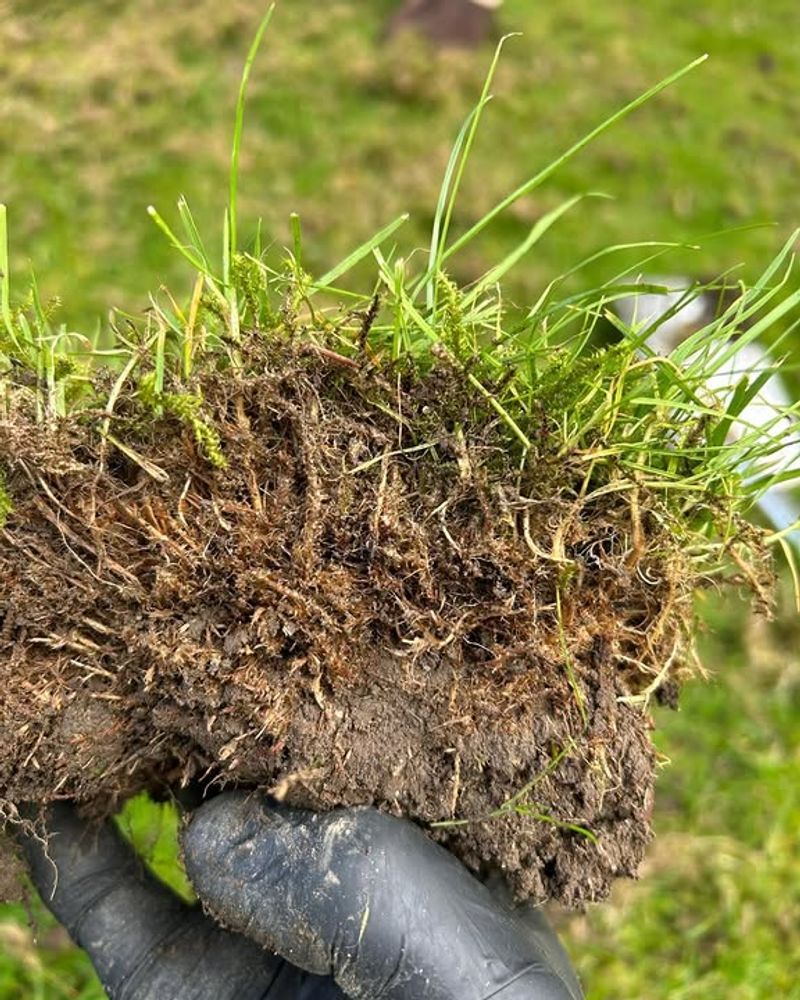
Thatch is that spongy layer of old grass stems, roots, and organic debris that builds up between the green grass blades and the soil surface.
A thin layer of thatch is totally normal and even beneficial, but when it gets thick and dense, it starts trapping moisture and creating a warm, humid microenvironment right at ground level.
That is a setup that benefits ticks far more than it benefits your lawn. Heavy thatch can also make it harder for sunlight and airflow to reach the soil, which compounds the moisture problem significantly.
Michigan lawns under heavy tree cover are especially prone to thatch buildup because organic matter breaks down more slowly in shaded, cooler spots.
Gardeners who regularly dethatch their lawns in spring or fall are removing that damp, insulating layer and opening up the surface to better air circulation.
Dethatching does not need to happen every single year for every lawn. Check your thatch depth by pulling up a small section of turf. If the spongy layer is more than about half an inch thick, it is worth addressing.
A simple raking or a power dethatcher for larger areas can make the lawn feel firmer and drier underfoot almost immediately, and it takes away one of the key environmental features that makes your grass an appealing habitat for ticks throughout the growing season.
7. Skipping Regular Trimming Around Lawn Obstacles
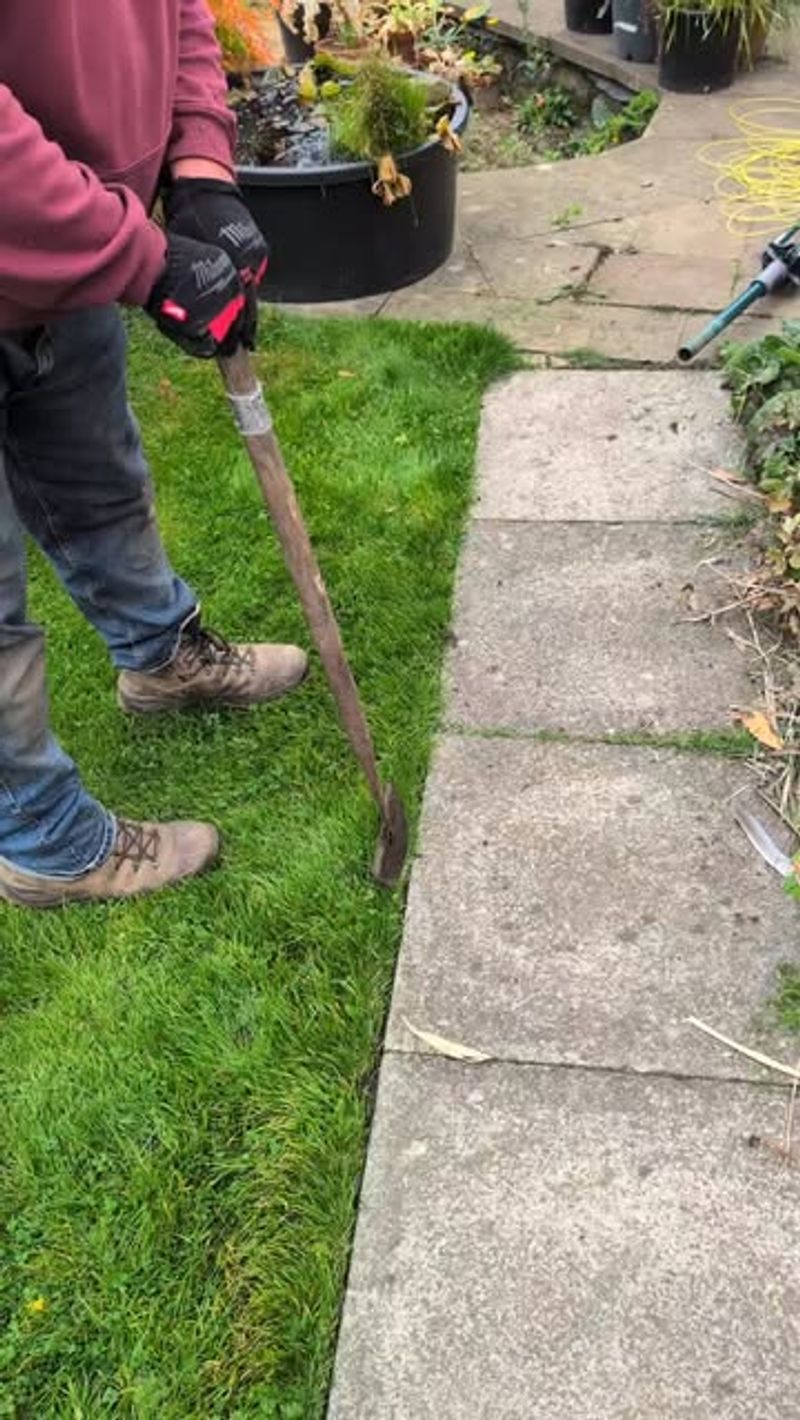
Mailbox posts, tree bases, raised bed edges, retaining walls, and decorative garden borders all share one thing in common: they are the spots most people skip during a regular mowing session.
The grass that grows up around these obstacles often gets missed week after week, and before long there is a shaggy collar of tall, sheltered grass hugging every structure in the yard.
Those little patches add up fast. Each one of those untrimmed collars is a small but real tick habitat. They stay shaded, hold moisture longer than the open lawn, and provide ground-level cover that ticks are well-suited to use.
Michigan gardeners who used to rely on mowing alone are now adding a regular string trimmer pass around every obstacle as a standard part of their yard routine.
It might take an extra ten to fifteen minutes per session, but hitting every post, wall, bed edge, and tree base with a trimmer keeps those shaggy collars from forming in the first place.
Consistency is key here. Doing it once and then skipping several weeks allows the growth to come right back.
Staying on top of these spots throughout the tick-active months, roughly spring through early fall in Michigan, keeps the entire yard managed rather than leaving a patchwork of trimmed and untrimmed zones that ticks can easily take advantage of.
8. Letting Fallen Fruit Sit On The Lawn
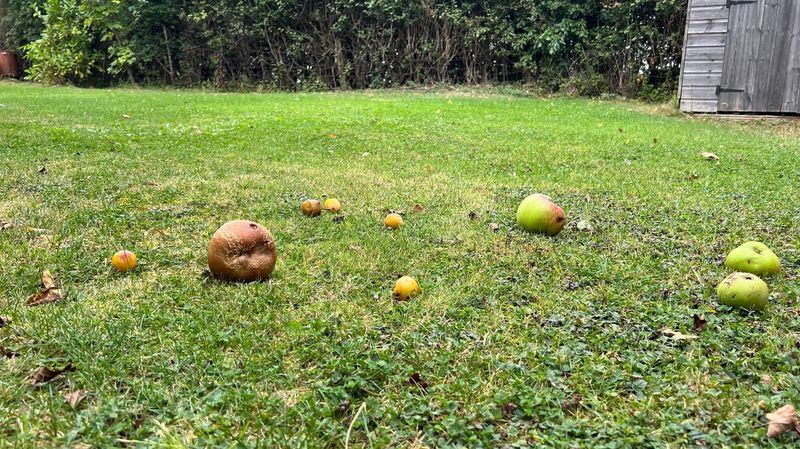
Fruit trees are a beautiful feature in many Michigan yards, but the fruit they drop creates a problem that goes beyond a messy lawn.
Fallen crabapples, pears, apples, and berries attract deer, squirrels, mice, and other wildlife that wander through yards foraging for easy food.
Those animals can carry ticks on their fur, and a yard that regularly draws them in becomes a repeated tick delivery point throughout the season.
Leaving fallen fruit to sit and ferment on the lawn is a habit that gardeners are increasingly choosing to break.
Picking up dropped fruit regularly, especially during peak dropping periods in late summer and fall, reduces the food source that pulls wildlife into close contact with the areas your family uses.
It also reduces the damp, decomposing organic matter on the lawn surface that can create its own moisture and cover issues.
You do not have to remove your fruit trees to solve this problem. Consistent cleanup is all it takes.
A few passes with a rake or a fruit picker tool every week or two during the dropping season keeps the lawn clear and makes it far less attractive to the wildlife visitors that bring ticks along for the ride.
Compost fallen fruit away from the main lawn area if possible, or bag it for disposal so the attractant is fully removed from the yard environment.
9. Using Dense Lawn Borders As A Design Feature
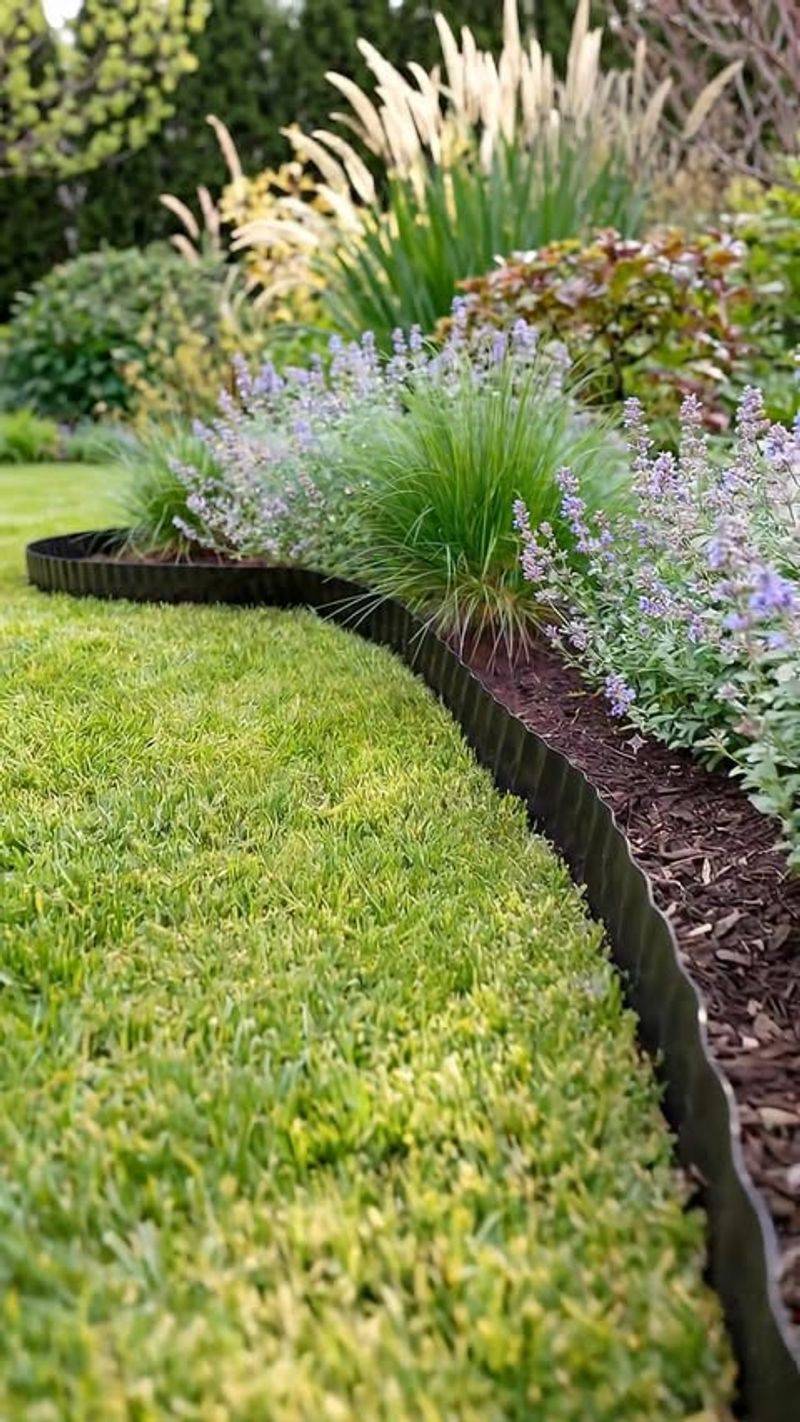
Thick, lush unmown borders can look stunning in garden design magazines, but when those borders sit right next to patios, walkways, and play zones in a Michigan yard, they introduce a real tick risk into the spaces families use most.
Dense, tall border plantings hold moisture, provide ground cover, and create exactly the kind of sheltered transition zone that ticks move through comfortably.
The closer those borders are to high-traffic areas, the higher the exposure potential.
Gardeners are rethinking where and how they use dense borders, especially on properties near woods or open fields.
Moving thick plantings further from active outdoor living areas, or replacing them with lower-growing, well-spaced alternatives, keeps the aesthetic appeal without putting dense tick-friendly cover right beside a patio chair or a child’s play set.
It is a design adjustment that does not require giving up on beautiful landscaping altogether.
Choosing ground covers and border plants that stay lower, dry out faster, and allow better airflow at ground level is a practical middle ground many Michigan gardeners are finding works well.
Ornamental grasses trimmed regularly, low-spreading perennials, or tidy mulched beds can all create attractive borders without the dense, damp mat of growth that makes thick unmown borders such a comfortable environment for ticks.
10. Treating Tick Prevention As A One-Time Spring Cleanup
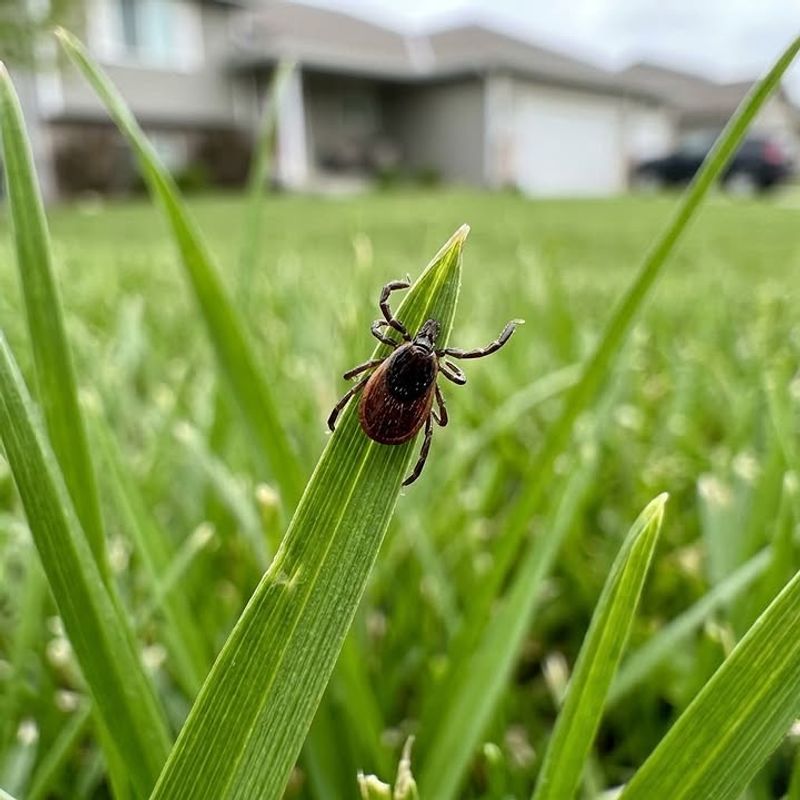
Spring cleanup feels like a fresh start, and for many Michigan gardeners it used to mark the end of tick-prevention thinking for the year. One good rake-out, a mow, maybe some edge trimming, and then the yard felt handled.
The reality is that ticks are active from early spring all the way through late fall in Michigan, and a single seasonal effort at the beginning of the year leaves a long stretch of prime tick season completely unaddressed.
Ongoing management throughout the active season is what actually keeps tick pressure low.
That means consistently trimming edges, managing moisture, cleaning up fallen fruit, and keeping clippings out of border areas all the way from spring through October.
Ticks do not stop being active just because the spring rush is over, and neither should your prevention habits.
Building tick-aware practices into your regular lawn routine rather than treating them as a one-time event is the shift Michigan gardeners are making. Think of it less like a seasonal project and more like a consistent part of how you manage your outdoor space.
Small, repeated efforts throughout the growing season are far more effective than one big push in April followed by months of inattention.
A yard that stays managed all season long is a yard that gives ticks far fewer opportunities to settle in and thrive from one month to the next.