Common Mistakes North Carolina Gardeners Make When Planting Blueberries In Backyard Beds
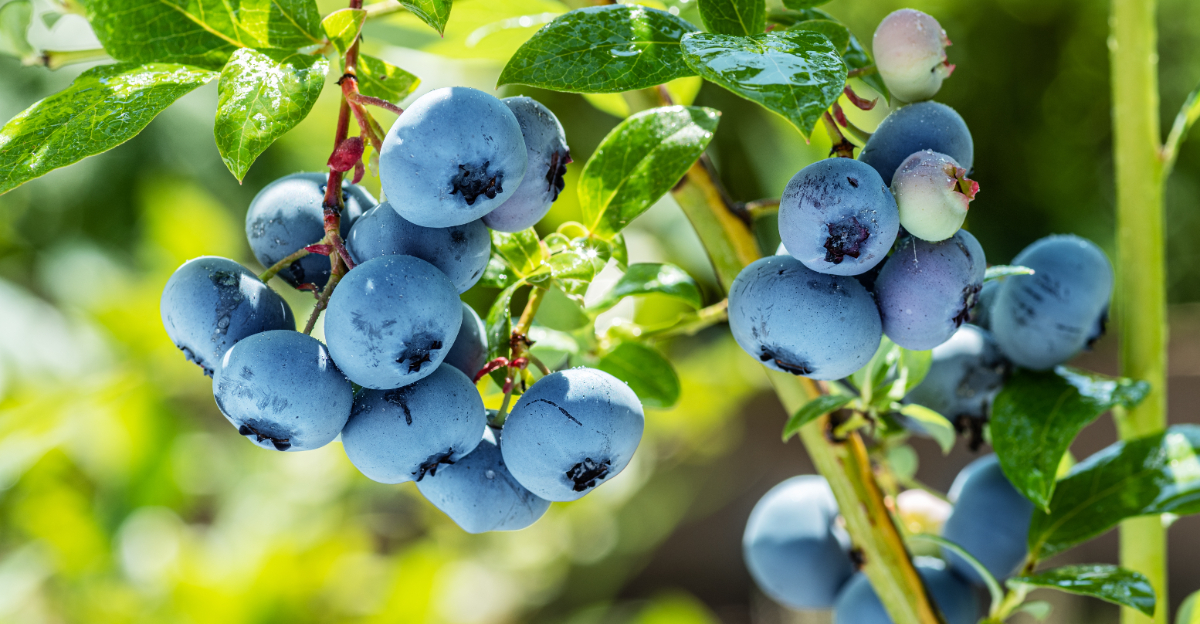
Blueberries seem straightforward until you actually try growing them in a North Carolina backyard and realize how specific these plants are about their conditions.
The fruit is expensive at the store, the bushes look manageable at the nursery, and the idea of picking your own berries every summer is genuinely appealing.
But more North Carolina gardeners struggle with blueberries than succeed with them on the first attempt, and the reasons are almost always the same from yard to yard.
Soil chemistry is the biggest factor, and it’s one that most people underestimate until the plants spend two seasons barely growing and producing almost nothing.
Several other mistakes layer on top of that and compound the problem in ways that are hard to diagnose without knowing what to look for.
Getting blueberries right in North Carolina is very doable, but it starts with understanding exactly where most backyard plantings go wrong.
1. Planting Too Close Together
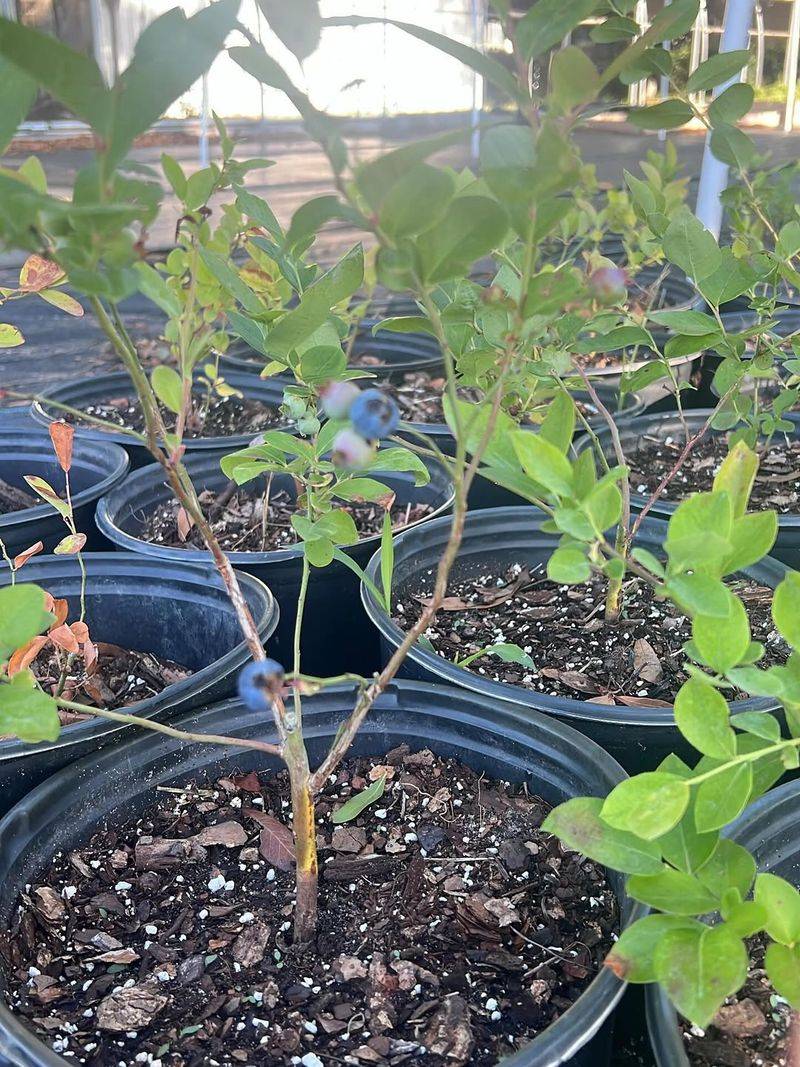
Picture a row of blueberry bushes so crowded together that you can barely slip your hand between them. It looks lush at first, but that tight spacing is quietly working against you.
When plants grow too close, air cannot move freely between the branches, and that trapped moisture becomes a welcome mat for fungal diseases like mummy berry and botrytis.
Most highbush blueberry varieties, which are the most popular in North Carolina, need about four to six feet between each plant.
Rabbiteye blueberries, another great choice for the Piedmont and Coastal Plain regions, need even more room, typically five to eight feet apart.
Rows themselves should be spaced at least ten feet from each other to give you walking room and to help sunlight reach the lower branches.
Proper spacing does more than prevent disease. It also encourages each plant to develop a fuller, stronger root system, which directly supports bigger and more flavorful fruit.
Crowded roots compete for water and nutrients, and nobody wins that fight. Before you dig a single hole, measure out your bed and mark each planting spot.
Taking five extra minutes to plan your spacing correctly will pay off with healthier plants, easier harvests, and noticeably better berries season after season.
2. Ignoring Soil Acidity
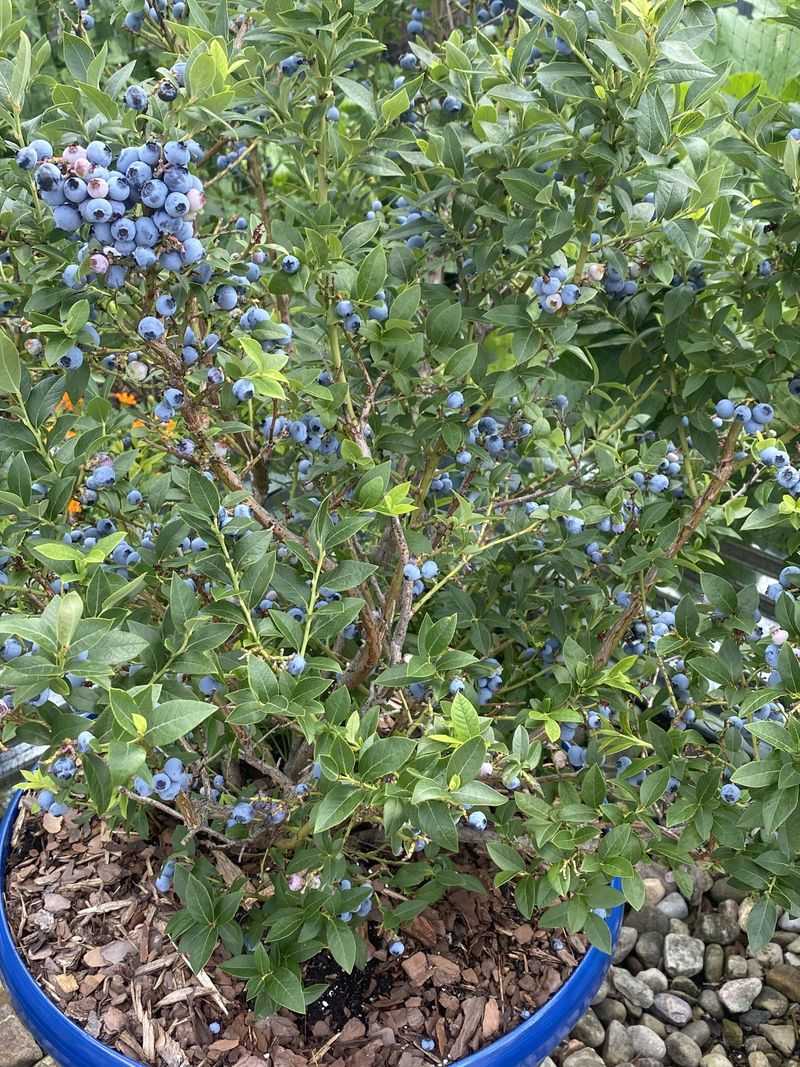
Blueberries are picky about their soil, and that pickiness is actually rooted in science. These plants evolved in naturally acidic environments, so their roots are built to absorb nutrients best when the soil pH sits between 4.5 and 5.5.
Push that number above 6.0, and your plants will struggle to pull in iron, manganese, and other minerals they need, even if those minerals are physically present in the soil.
North Carolina soils vary widely across the state. Some areas in the Piedmont already lean acidic, while others need significant adjustment.
A basic soil test through the NC State Extension service costs very little and gives you a clear picture of where your pH stands before you plant. If your soil reads too high, elemental sulfur is the most reliable amendment to bring it down gradually.
Your North Carolina Garden Changes Every Week. Your Plan Should Too.
Gardening in North Carolina changes quickly throughout the season. Every Friday you’ll receive a simple weekly plan showing exactly what to plant, prune, fertilize, harvest, and protect so you never miss the right timing.
Timing matters a lot here. Elemental sulfur works slowly, sometimes taking six months to a year to fully lower pH, so apply it well before planting.
Work it into the top six to eight inches of soil, retest after a few months, and adjust again if needed. Pine bark fines mixed into your planting bed also help maintain acidity over time.
Skipping this step is one of the most common reasons North Carolina gardeners end up with yellowing leaves and tiny, underwhelming berries despite giving their plants plenty of care.
3. Planting In Poorly Drained Areas
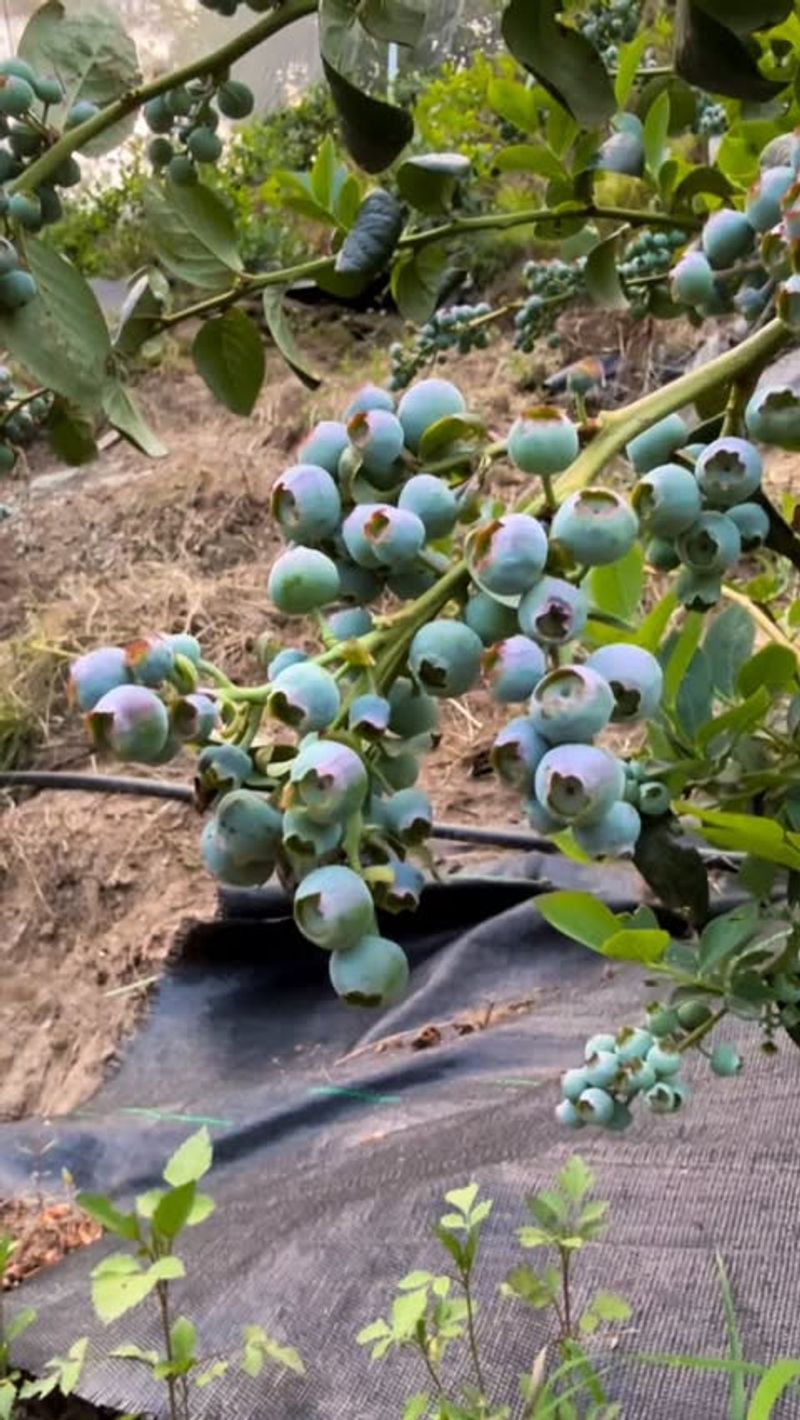
Blueberries love moisture, but they absolutely cannot stand having their roots sitting in water. It sounds like a contradiction, but the difference between moist soil and waterlogged soil is enormous for these plants.
Roots need oxygen to function properly, and when soil stays saturated for too long, that oxygen disappears and root rot sets in fast.
Low-lying spots in your yard, areas near downspouts, and spots where puddles form after rain are all wrong choices for a blueberry bed. Walk around your yard after a good rain and take note of where water collects.
Those areas might look fertile, but they are traps for blueberry roots.
Raised beds are one of the smartest solutions North Carolina gardeners can use. Building a bed just eight to twelve inches above the natural ground level dramatically improves drainage and gives you control over your soil mix.
Fill raised beds with a blend of native soil, pine bark fines, and aged compost to create a loose, well-aerated growing environment.
If you prefer in-ground planting, amend your soil deeply with organic matter and consider planting on a slight mound to encourage water to run away from the root zone.
Also, never plant blueberries deeper than they grew in their nursery container. Planting too deep restricts the crown and invites moisture-related problems that are hard to fix once the plant is established.
4. Neglecting Mulch Application
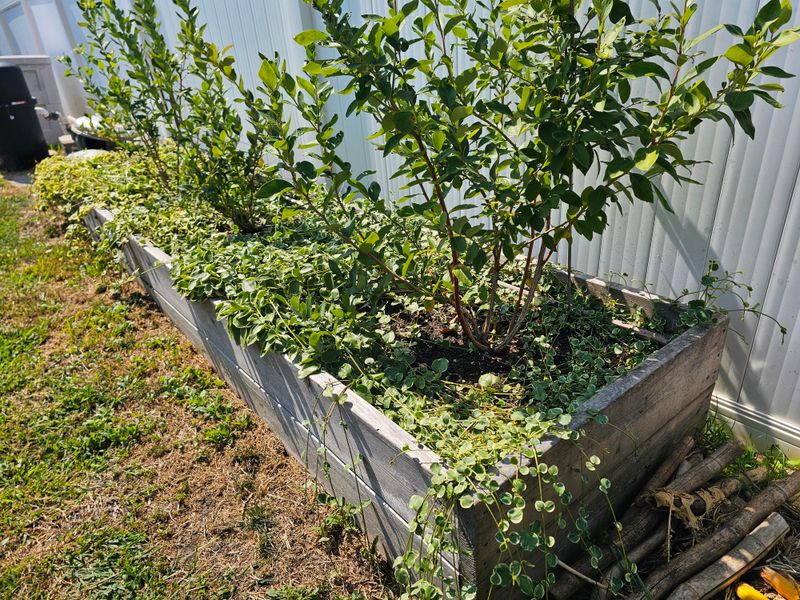
Mulch might seem like a small detail, but for blueberries it is practically a necessity.
These plants have shallow, fibrous root systems that sit close to the soil surface, making them especially vulnerable to temperature swings, moisture loss, and weed competition.
A good layer of mulch addresses all three of those problems at once.
Pine bark fines, wood chips, or pine needles work beautifully for blueberries because they break down slowly and contribute to soil acidity as they decompose.
Apply a layer two to four inches deep around each plant, spreading it out at least two feet from the base in every direction.
Keep the mulch a few inches away from the main stem to avoid trapping excess moisture directly against the crown.
During North Carolina summers, soil temperatures can climb high enough to stress shallow roots and dry out the top layer quickly. Mulch acts as insulation, keeping roots cooler in summer and warmer during cold snaps in winter.
It also slows evaporation dramatically, which means you water less often and your plants stay consistently hydrated between rain events. Weeds are another real threat to young blueberry plants because they compete aggressively for water and nutrients.
A thick mulch layer suppresses most weed growth without the need for chemical herbicides. Refresh your mulch layer each spring as it breaks down to keep all these benefits working season after season.
5. Failing To Provide Enough Sunlight
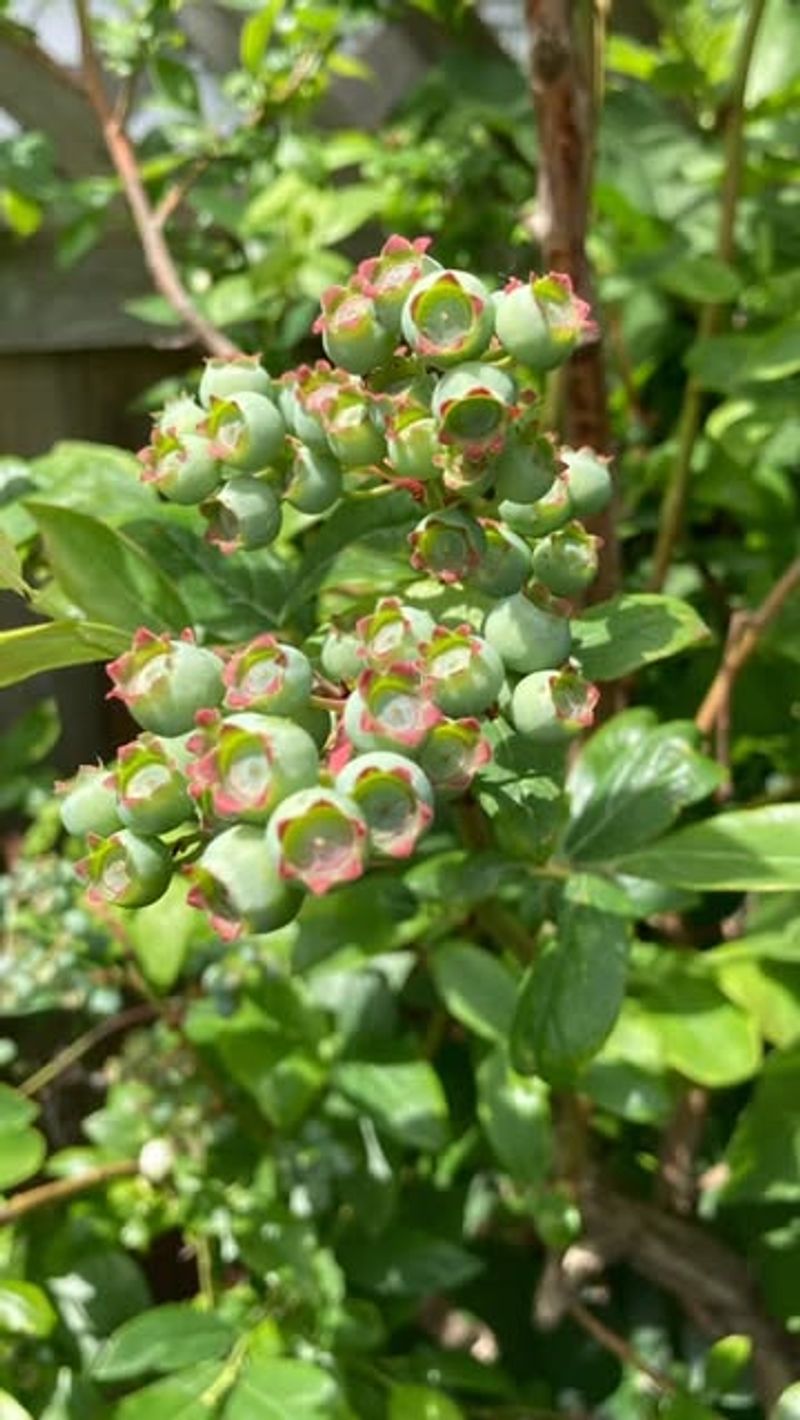
Sunlight is the engine behind every blueberry harvest. Without enough of it, your plants will survive but they will not thrive, and the difference shows up clearly in flower production, fruit set, and berry size.
Blueberries need a minimum of six to eight hours of direct sunlight every day to produce a meaningful crop, and more sun almost always means more fruit.
Many North Carolina homeowners make the mistake of tucking blueberry plants near fences, under trees, or along the shaded side of a structure.
Those spots might seem convenient or aesthetically pleasing, but the reduced light causes plants to put energy into reaching for the sun rather than developing fruit.
Flowers become sparse, and the berries that do form tend to be smaller and less sweet.
Before choosing a planting site, spend a day watching how sunlight moves across your yard. Note which areas stay bright from morning through afternoon and which areas fall into shade by midday.
South-facing or west-facing spots tend to collect the most light in North Carolina. If nearby trees are the problem, strategic pruning of overhead branches can open up a surprising amount of additional light without removing the tree entirely.
For established blueberry beds that have become shaded over time, thinning out any surrounding shrubs or hedges can make a noticeable difference in your annual harvest without requiring you to relocate the entire planting.
6. Not Choosing Compatible Cultivars
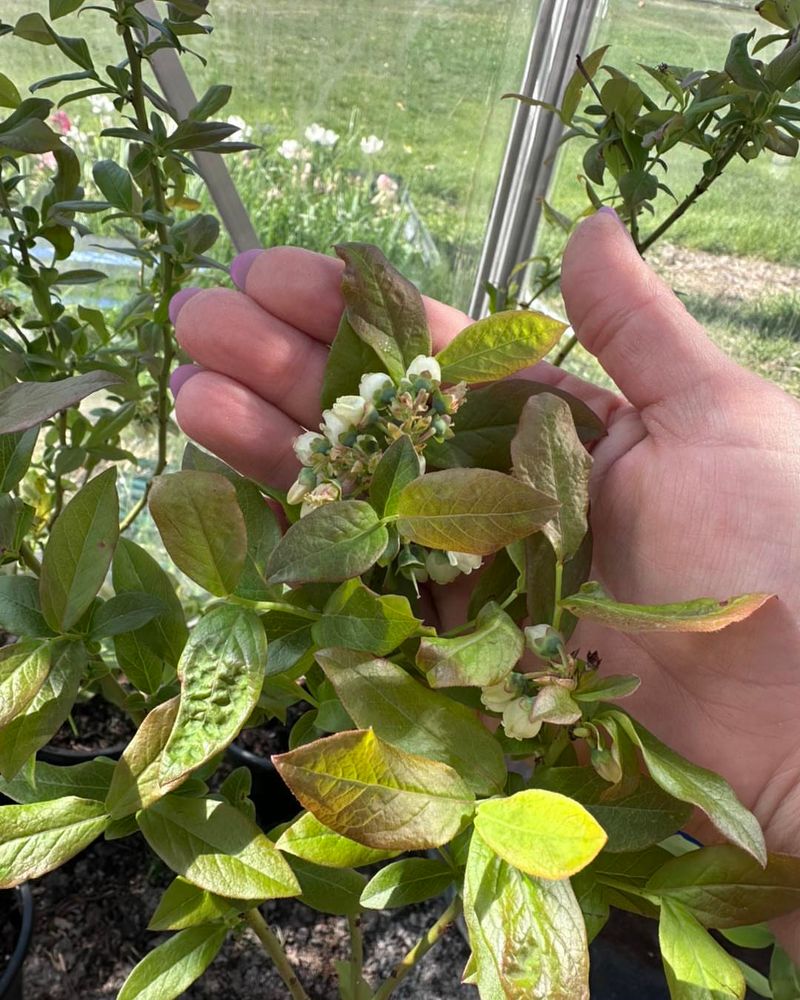
Blueberries are not great at going it alone. Most varieties produce far better fruit when they have at least one or two compatible neighbors to cross-pollinate with.
Planting a single variety, no matter how well you care for it, often results in smaller berries, lower yields, and a shorter harvest window than you could achieve with a little planning. North Carolina is fortunate to support several blueberry types.
Rabbiteye varieties such as Tifblue, Climax, and Brightwell perform especially well in the Piedmont and Coastal Plain, while southern highbush varieties like O’Neal, Bluecrop, and Legacy do well in the cooler western Piedmont.
Pairing an early-season variety with a mid-season and a late-season variety not only improves cross-pollination but also stretches your harvest from late spring well into summer.
When selecting cultivars, check that they bloom at roughly the same time so that pollen is actually available when the flowers open. Two varieties that flower weeks apart will not benefit each other much.
Your local NC State Extension office or a reputable local nursery can give you region-specific pairing recommendations based on your county.
Plant at least two different varieties, ideally three, within about fifty feet of each other to give pollinators easy access to both.
You will notice the difference in your berry clusters almost immediately during your first real harvest season.
7. Overfertilizing With Nitrogen
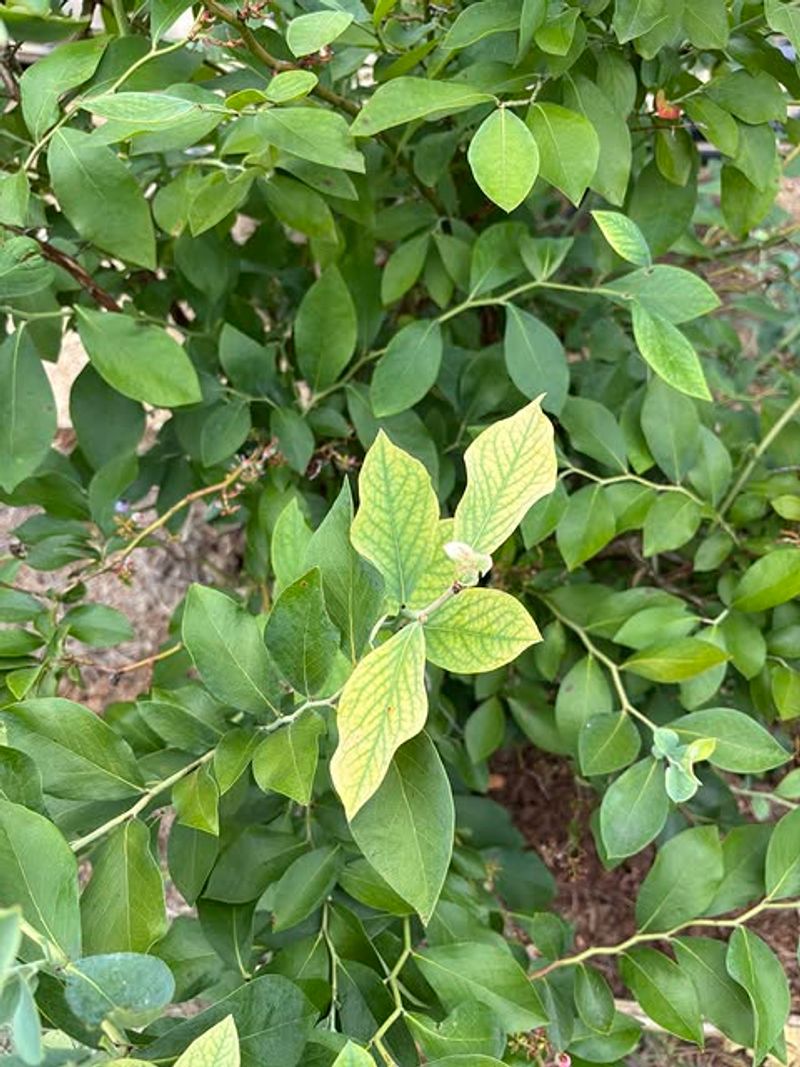
More fertilizer does not always mean more fruit, and blueberries are a perfect example of that truth.
Nitrogen is the nutrient most commonly over-applied in home gardens, and while it does encourage fast, leafy growth, too much of it actually steers the plant away from flower and fruit development.
You end up with a beautiful, bushy green plant that produces almost nothing worth picking. Blueberries are naturally light feeders compared to many other fruiting plants.
In the first year after planting, most experts recommend applying only a small amount of fertilizer, roughly one ounce of an acid-forming fertilizer like ammonium sulfate per plant, split into two applications.
The first application goes in about a month after planting, and the second follows six weeks later. Never fertilize in fall, as this can push new tender growth that gets damaged in winter cold.
As plants mature, you can gradually increase amounts, but always follow package directions carefully and consider getting a soil test every two to three years to check actual nutrient levels.
Organic options like cottonseed meal or fertilizers formulated specifically for blueberries and acid-loving plants are excellent choices because they release nutrients slowly and reduce the risk of over-application.
Watch your plants for signs of too much nitrogen, such as extremely dark green leaves with little to no flowering, and scale back your feeding schedule if you notice those signs.
8. Ignoring Pest And Disease Management
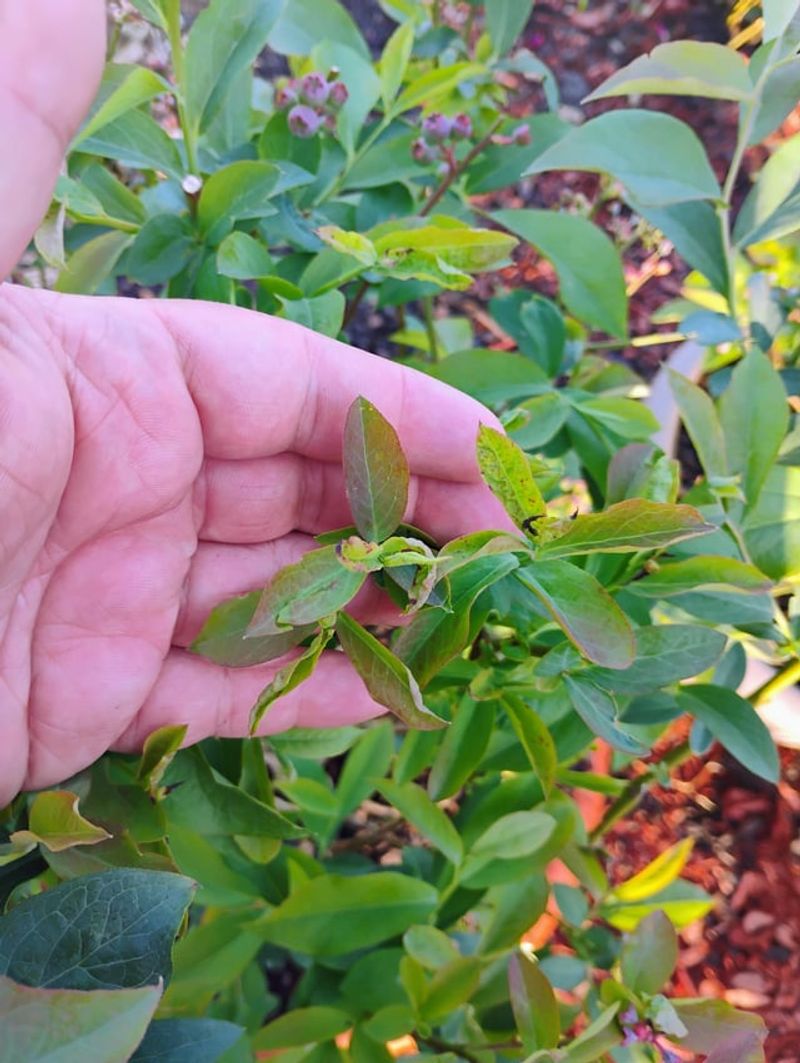
Blueberries are relatively hardy, but they are not immune to trouble. Aphids, spotted wing drosophila, blueberry tip borers, and birds are among the most common threats North Carolina gardeners face.
Fungal issues like mummy berry, anthracnose, and botrytis blight can also show up quickly when conditions are right, especially during warm, wet springs.
The smartest approach is to check your plants regularly rather than waiting for a problem to become obvious. Walk through your berry patch every few days during the growing season and look closely at leaves, stems, and developing fruit.
Catching an aphid colony early, before it spreads, is much easier to manage than dealing with a full infestation.
Birds are enthusiastic blueberry fans, and a simple netting system draped over your bushes before berries ripen can save your entire harvest.
Integrated pest management, or IPM, is a practical strategy that combines physical controls, biological controls, and minimal targeted chemical treatments only when truly necessary.
Encouraging beneficial insects like ladybugs and lacewings by planting companion flowers nearby helps keep pest populations in check naturally.
Remove any shriveled or infected berries from the plant and the ground promptly, since these can harbor fungal spores that spread to healthy fruit.
Keeping your bed clean, well-pruned, and properly mulched reduces the conditions that allow most pests and diseases to get a foothold in the first place.
9. Planting Without Water Access
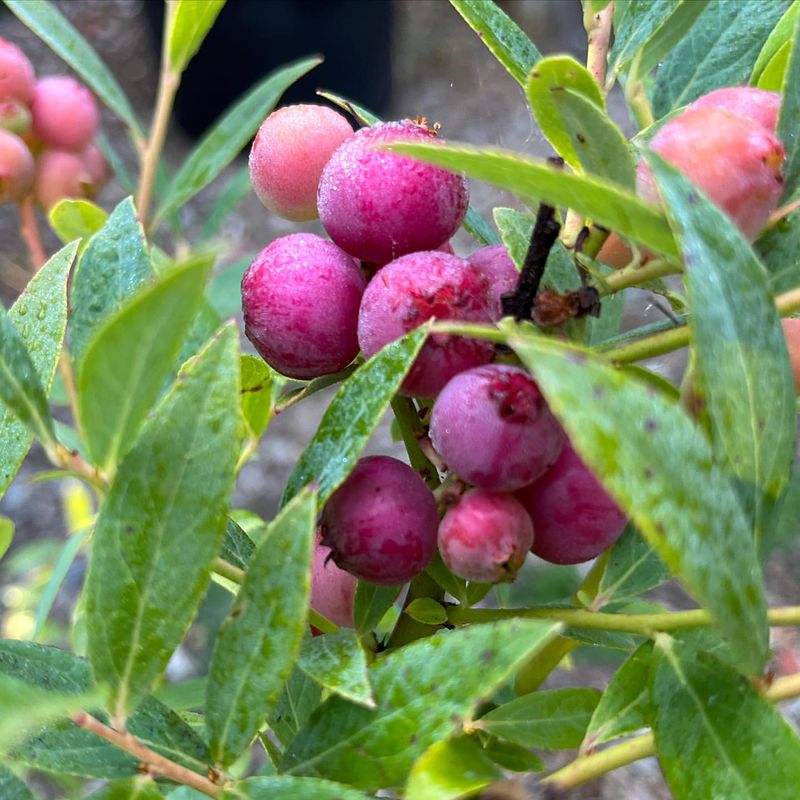
Water access might sound like an obvious thing to plan for, but it is surprisingly easy to overlook when you are excited about getting your new blueberry bed planted.
Blueberries need consistent moisture, especially during their first two years when roots are still establishing.
A plant that dries out repeatedly during this critical period will be slow to grow, slow to fruit, and far more vulnerable to stress overall.
North Carolina summers can bring stretches of dry heat that drain soil moisture faster than you might expect.
During dry spells, established blueberry plants typically need about one to two inches of water per week, and young plants may need even more frequent attention.
Relying on rainfall alone is risky, especially from July through September when dry periods are common across much of the state.
Drip irrigation is one of the best investments you can make for a blueberry bed. It delivers water slowly and directly to the root zone, reducing evaporation and keeping foliage dry, which helps prevent fungal problems.
Soaker hoses are a more affordable alternative that works similarly well. If you plan to hand-water, make sure your planting site is close enough to a water source that you will actually do it consistently.
Setting up a simple rain gauge nearby helps you track how much natural rainfall your bed receives each week so you can water only when needed and avoid overdoing it.