What It Means When A Fox Starts Showing Up In Your North Carolina Yard Every Evening In June
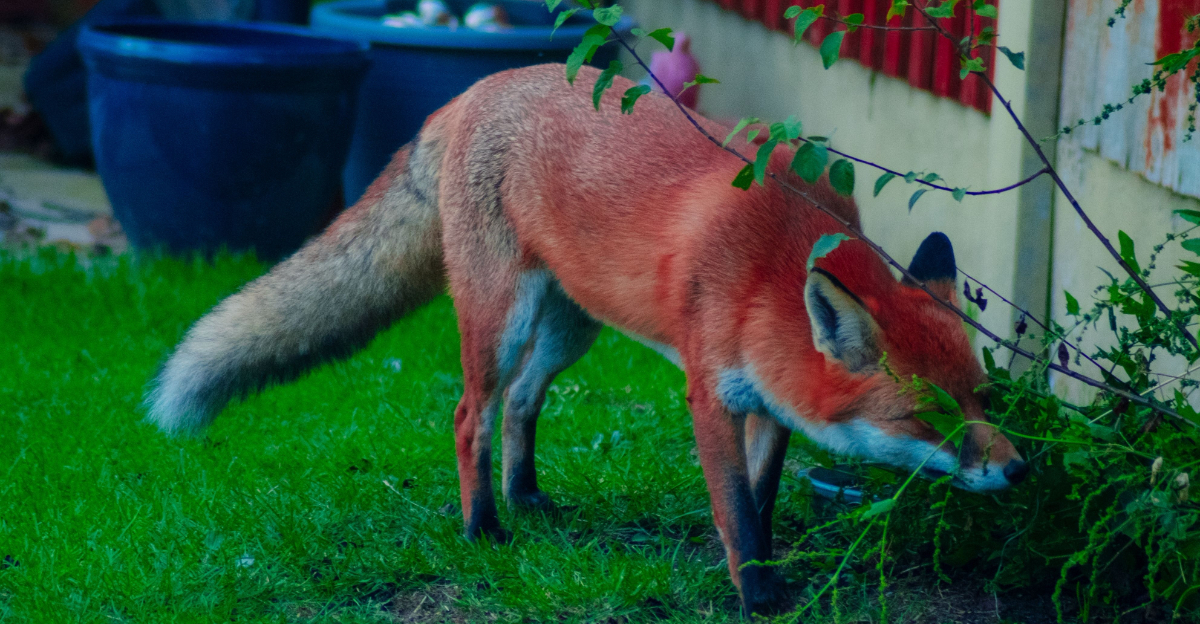
A fox trotting through the yard once is a pleasant surprise. A fox showing up at roughly the same time every evening starts to feel like something more deliberate, and it usually is.
North Carolina’s red fox population has adapted remarkably well to suburban and semi-rural environments, and a fox with a regular evening route through your yard is responding to something specific about what your property offers.
June in particular is a loaded month for fox behavior, and the timing of those visits tells you something meaningful about what’s likely happening just out of sight.
For most North Carolina homeowners the answer is reassuring. For some, especially those with small pets or backyard chickens, it raises questions worth thinking through.
Either way, a regular fox visitor is one of the more interesting signals a yard can send about the ecosystem quietly operating around your home.
1. The Fox Is Likely Foraging For Food
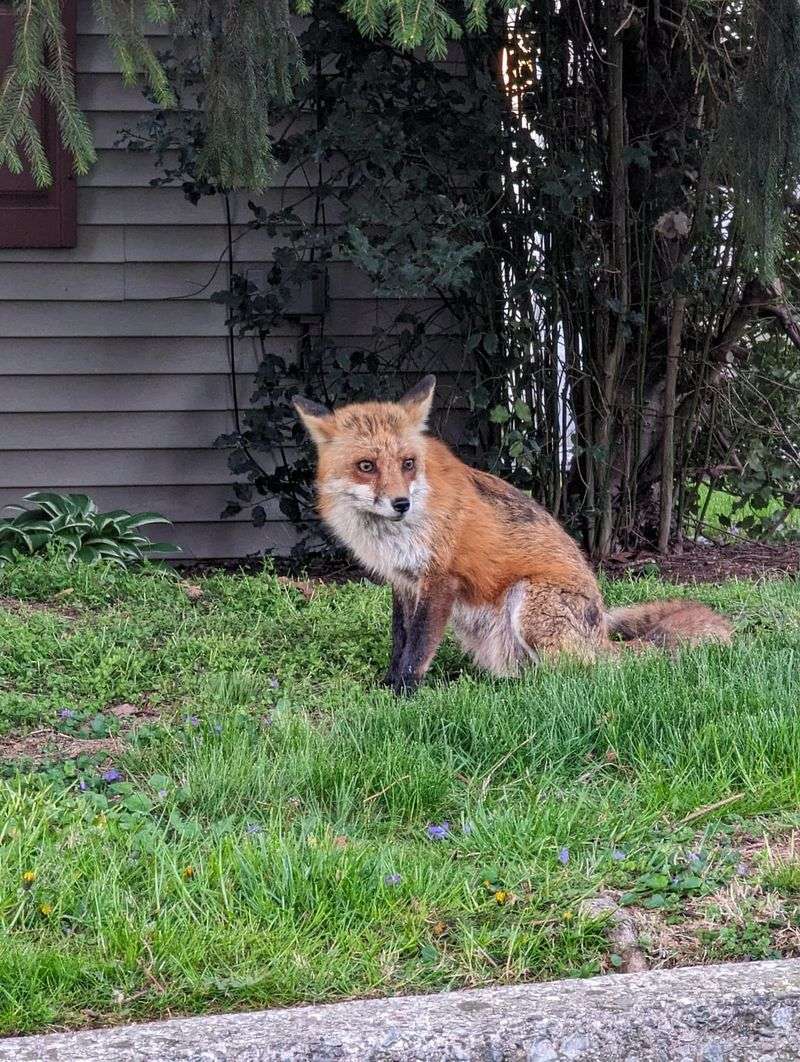
Food is almost always the number one reason a fox keeps returning to the same spot. In June, North Carolina yards are practically a buffet for these sharp-nosed hunters.
Beetles, earthworms, grasshoppers, and cicadas are all active near the soil surface, and a fox’s sensitive nose can detect them with impressive accuracy even through thick grass.
Foxes are opportunistic omnivores, which means they eat both animals and plants depending on what’s available.
During early summer, wild berries like blackberries and mulberries begin ripening across North Carolina, and fallen fruit near trees becomes an easy, energy-rich snack.
Small rodents like voles and mice that live in garden edges are also high on their menu.
June is especially demanding for foxes because many adults are still providing food for their growing kits. That extra pressure pushes them to expand their foraging range and visit new areas, including residential yards.
Keeping your lawn mowed short and picking up fallen fruit regularly can naturally reduce some of this attraction. The fox isn’t being bold or aggressive.
It’s simply doing what it does best: finding the easiest meal available before nightfall settles in completely.
2. It Could Indicate Nearby Den Sites

When a fox shows up at the exact same time every evening, that kind of routine usually points to something close by. Foxes are creatures of habit, and they tend to travel predictable routes from their den to their foraging areas.
If your yard falls along that path, you may be living very close to an active den without even knowing it.
In North Carolina, foxes commonly establish dens in brushy fence lines, hollow logs, overgrown hillsides, or the edges where woods meet open lawn. They prefer spots that offer both cover and a clear view of approaching threats.
Brush piles left from yard cleanups, spaces beneath old sheds, and dense stands of privet or honeysuckle are all classic den candidates in suburban areas.
You don’t need to panic or rush to remove anything. Foxes are generally non-confrontational, and a well-placed den away from your main living areas rarely causes real problems.
Your North Carolina Garden Changes Every Week. Your Plan Should Too.
Gardening in North Carolina changes quickly throughout the season. Every Friday you’ll receive a simple weekly plan showing exactly what to plant, prune, fertilize, harvest, and protect so you never miss the right timing.
Walk the perimeter of your property and look for worn paths in the grass, small openings in thick vegetation, or scattered feathers and bones that suggest a feeding area nearby.
Giving the den a wide berth and keeping noise levels low around that zone helps everyone coexist peacefully through the summer season.
3. May Be Protecting Its Young

June is prime kit season for red foxes across North Carolina. Kits born in late March or April are now six to ten weeks old, growing fast, and beginning to explore the world just outside the den entrance.
Adult foxes, especially the mother vixen, stay extremely active during this period as they work tirelessly to keep their young fed and safe.
When a fox visits your yard repeatedly during the evening hours, it may actually be using your property as part of a larger feeding loop. The adults scout areas close to the den, grab food quickly, and return.
Your yard’s insects, rodents, and fallen fruit make it an efficient stop on that nightly circuit. The fox isn’t being reckless. It’s being a devoted parent.
You might even notice the fox appearing slightly thinner or more focused than usual. Raising kits burns a tremendous amount of energy, and adults push themselves hard through early summer.
If you happen to spot smaller, fuzzier foxes near the edges of your yard in the coming weeks, those are likely the kits beginning their own exploration. Watching from a window or quiet distance is a genuinely rewarding experience.
Just avoid approaching or attempting to interact, since a protective parent fox will always prioritize its family’s safety first.
4. Opportunities For Wildlife Observation
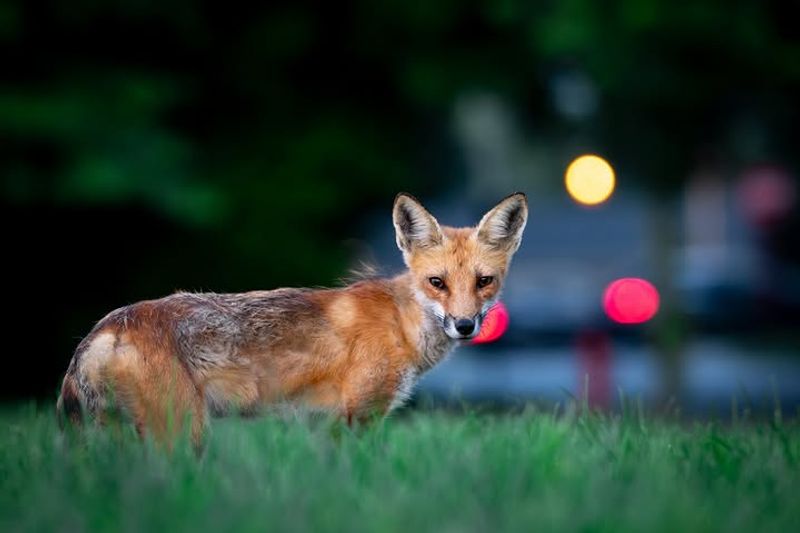
Not every wildlife encounter needs a solution. Sometimes a fox in your yard is simply a gift, a rare front-row seat to the natural world that most people only see in documentaries.
North Carolina sits within a rich ecological zone where suburban green spaces connect to forests, wetlands, and farmland, creating ideal corridors for wildlife movement right through residential neighborhoods.
Watching a fox move through your yard teaches you something real about local ecosystems. You’ll notice how it pauses, tilts its head, and listens before pouncing on a hidden insect.
That behavior, called mousing, is one of the most impressive hunting techniques in the animal kingdom. Kids especially tend to become completely fascinated once they understand what they’re actually watching.
Setting up a simple trail camera near the area where the fox appears most often can reveal an entire hidden world of nighttime activity you’d otherwise miss completely.
Many North Carolina homeowners are surprised to discover deer, raccoons, opossums, and owls all passing through the same corridor.
The key to safe observation is keeping a respectful distance and never attempting to feed the fox directly, since feeding wild animals disrupts their natural instincts and can cause long-term behavioral problems.
Enjoy the visits as they are, wild, unscripted, and genuinely fascinating.
5. Avoid Leaving Pet Food Outside
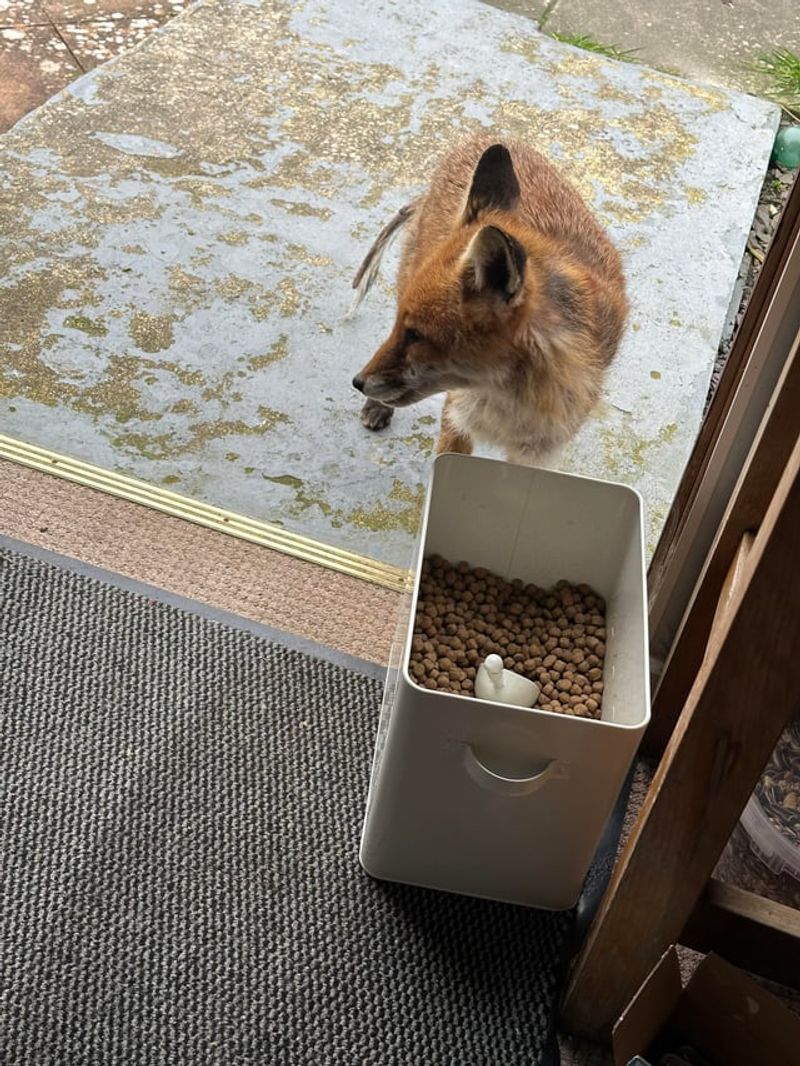
Pet food left outside overnight is one of the most reliable ways to turn a passing fox into a nightly regular. Dry kibble, wet food, and even water bowls can signal to a fox that your yard is a safe and easy place to find calories.
Once that pattern gets established, it becomes surprisingly hard to break, because foxes have excellent spatial memory and will return to rewarding locations again and again.
The fix is straightforward but requires consistency. Bring all pet food and water bowls inside before dusk, since that’s when fox activity typically ramps up.
Even empty bowls carry scent residue that can attract curious animals. If you have outdoor cats, consider transitioning them to a feeding schedule that keeps all food indoors by late afternoon.
Beyond foxes, outdoor pet food also attracts raccoons, opossums, coyotes, and rats, so removing it benefits your whole yard environment.
Some homeowners also place food near the edge of the yard thinking they’re being kind, but this actually encourages foxes to lose their natural wariness of humans, which can create problems down the road.
A fox that forages naturally stays sharp, healthy, and appropriately cautious around people. Keeping your yard food-free after sunset is one of the simplest and most effective steps you can take toward peaceful coexistence.
6. Assess Yard Habitat Features
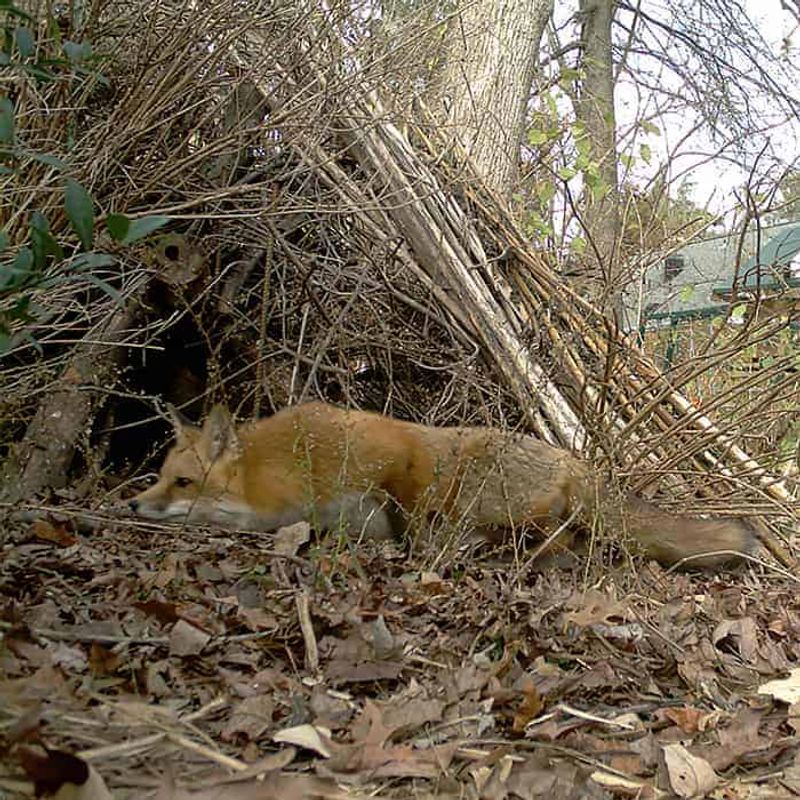
Your yard might be more fox-friendly than you realize, and that’s not necessarily a bad thing, but it’s worth understanding exactly what’s drawing them in. Foxes gravitate toward yards that offer both food and cover simultaneously.
Tall unmowed grass provides hunting grounds for small rodents. Brush piles and wood stacks create shelter.
Dense shrub borders give them a sense of security while they move through open spaces.
Walking your yard with fresh eyes can reveal a lot. Look for areas where vegetation is thick and undisturbed, especially along fence lines or near structures like sheds and detached garages.
These spots are prime real estate for foxes looking for a quiet, concealed path through the neighborhood. Even a small gap under a fence or deck can feel like an invitation to an animal searching for shelter.
You don’t need to strip your yard bare to manage fox visits. Targeted changes make a real difference.
Mowing grass regularly, clearing debris piles, and sealing gaps beneath outbuildings removes the most attractive habitat features without turning your yard into a sterile, wildlife-free zone.
Native shrubs and garden plants can stay. It’s the dense, tangled, hard-to-see corners that matter most.
A little thoughtful maintenance goes a long way toward striking a balance between a beautiful, wildlife-friendly yard and one that stays manageable and comfortable for your whole family.
7. Understand Seasonal Behavior Patterns

Fox sightings tend to spike in June for reasons that have everything to do with the season itself.
North Carolina’s early summer brings longer days, warmer nights, and an explosion of insect and small mammal activity, all of which align perfectly with peak fox foraging time.
Evening hours between 7 and 10 PM become especially active as foxes take advantage of the cooler temperatures and abundant prey.
Red foxes in North Carolina follow a fairly predictable annual rhythm. Winter is spent surviving and conserving energy.
Spring brings mating and denning. By June, adults are focused almost entirely on feeding growing kits and building up their own strength for the rest of summer.
That urgency makes them bolder and more visible than at other times of year, which is why so many homeowners notice them for the first time in June.
By late July and August, fox activity in residential yards typically decreases as kits become more independent and begin establishing their own territories.
So the evening visits you’re seeing right now are likely temporary, tied directly to this specific window of the year.
That’s actually reassuring news for anyone feeling unsure about the situation. Knowing that this is a natural, seasonal pattern rather than a permanent change helps put the whole experience in the right perspective.
Summer foxes are a normal part of North Carolina’s wild calendar.
8. Consider Safety Precautions For Pets

Small pets and foxes sharing the same outdoor space deserve some thoughtful planning.
Healthy red foxes rarely pose a serious threat to adult dogs, but small breeds, puppies, and outdoor cats can occasionally attract unwanted attention, especially during June when a protective adult fox is actively working to feed its kits.
Taking a few smart precautions makes the whole situation much more manageable.
Supervision is the single most effective tool. Walking small dogs on a leash during evening hours, when fox activity peaks, removes the uncertainty entirely.
For cats that spend time outdoors, bringing them inside before dusk is a simple habit that significantly reduces any risk of an uncomfortable encounter.
Motion-activated lights around the yard can also discourage foxes from lingering near your home’s immediate perimeter.
If you have outdoor rabbit hutches, chicken coops, or guinea pig enclosures, reinforcing them with hardware cloth rather than standard chicken wire is a smart upgrade.
Foxes are clever and persistent, and a poorly secured enclosure is an open invitation. Hardware cloth with small openings resists digging and chewing far better than lighter materials.
Installing an apron of wire buried several inches underground around the base of any enclosure adds another reliable layer of protection.
None of these steps require dramatic changes to your routine. A few targeted upgrades and consistent supervision keep everyone comfortable and safe throughout the summer months.
9. Encourage Native Plants And Insects

One of the most rewarding ways to respond to regular fox visits is by leaning into the ecology that’s already working in your yard.
Native plants are the foundation of a healthy local food web, and when you grow them, you naturally support the insects, small mammals, and birds that foxes depend on for food.
That might sound like it would attract more foxes, but it actually does the opposite over time.
A yard rich in native plantings supports balanced populations of prey animals rather than creating the kind of concentrated, easy food sources that cause foxes to fixate on one location. Think of it as spreading the buffet across a wider landscape.
North Carolina native plants like coneflowers, native grasses, wild bergamot, and serviceberry support pollinators and beetles that in turn feed rodents and ground-foraging birds, creating a diverse, self-regulating ecosystem.
When foxes have access to naturally distributed food across a broad territory, they don’t need to return to the same yard every single evening.
Their foraging routes become wider and more varied, which means shorter, less frequent visits to any one spot.
Planting natives also benefits your garden in countless other ways, from reduced watering needs to better soil health to the simple joy of watching butterflies and fireflies fill your yard on warm June evenings.
It’s a genuinely beautiful way to coexist with the wildlife around you.