9 Reasons North Carolina Gardeners Should Be Growing Okra Every Summer
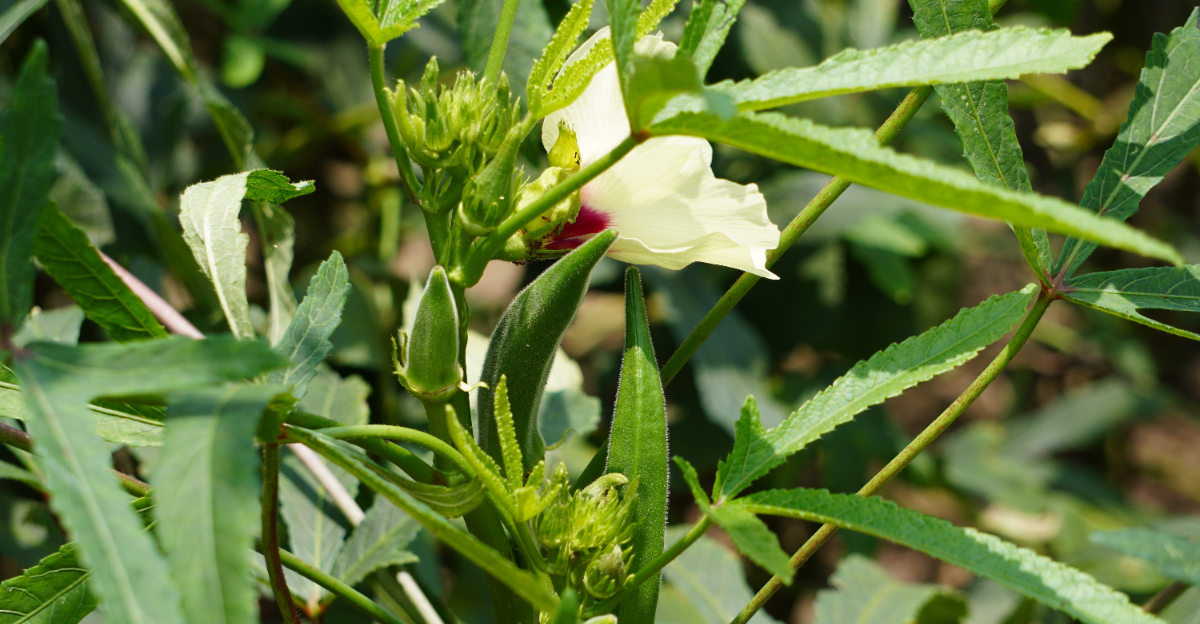
Okra gets a mixed reputation, mostly from people who’ve only ever had it prepared one way.
But talk to longtime North Carolina gardeners and okra comes up again and again, not just as a food crop but as one of the most reliable, hard-working plants you can put in a summer garden.
It shrugs off heat that makes tomatoes sulk and peppers stall. It keeps producing when other vegetables have long since given up on the season. And the reasons to grow it go well beyond what ends up on the plate.
Okra does things for the garden around it, for pollinators, for soil, for the general rhythm of a productive summer bed, that most people never consider because they wrote it off before giving it a real chance.
Nine reasons are listed here, and by the third one, you may already be reconsidering.
1. Thrives In North Carolina Heat
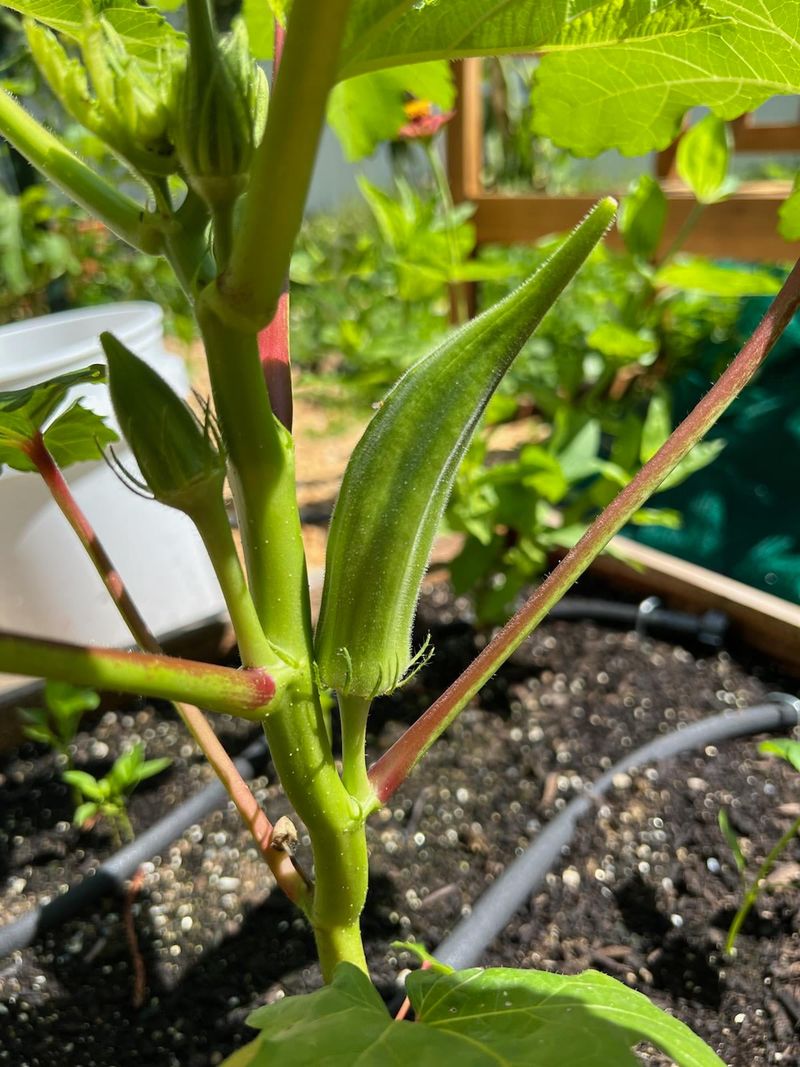
Few vegetables actually enjoy the blazing heat of a North Carolina summer, but okra is one of them. While tomatoes struggle and lettuce bolts, okra just keeps on growing.
Temperatures between 75 and 95 degrees Fahrenheit are basically its sweet spot, making it a natural fit for the Piedmont, Coastal Plain, and even the warmer parts of the Mountain region.
Okra thrives in full sun, which means it needs at least six to eight hours of direct sunlight daily. The more sun it gets, the better it performs.
Plant it in well-draining soil with a pH between 6.0 and 6.8, and it will reward you with strong, upright growth all season long.
Watering is straightforward too. About one inch of water per week is usually enough, though during the hottest stretches of July and August, a little extra goes a long way.
Sandy loam soils common across eastern North Carolina drain well and warm up fast, giving okra the conditions it craves. Adding compost before planting boosts nutrients without overcomplicating things.
Honestly, once the soil is warm and the sun is shining, okra practically takes care of itself through the hottest months of the year.
2. Produces Abundant Edible Pods Quickly
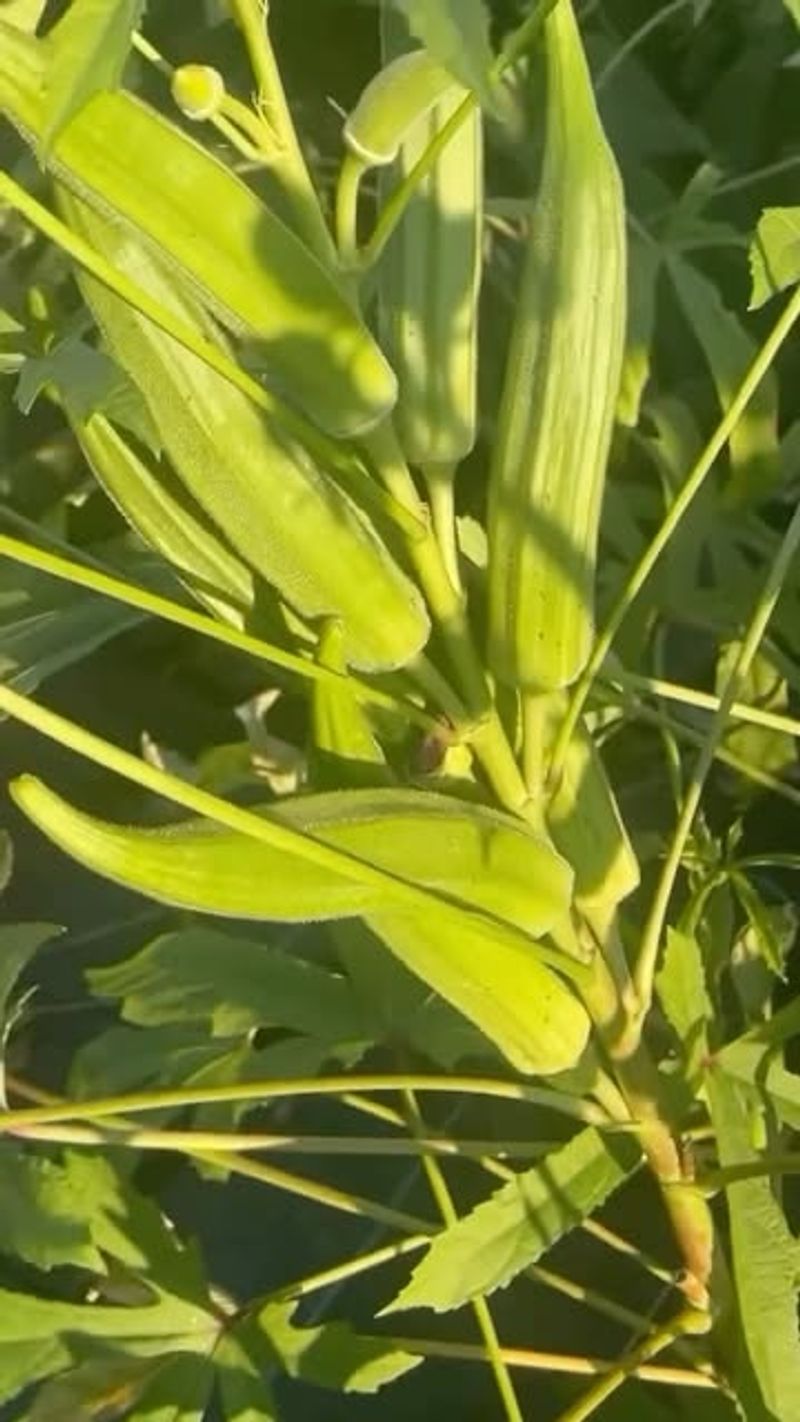
One of the most exciting things about growing okra is how fast it starts producing. From transplant to first harvest, you are typically looking at just 50 to 65 days.
Direct-sown seeds germinate quickly in warm soil, and once plants hit their stride, pods appear almost faster than you can pick them.
The key to keeping production going strong is harvesting regularly. Pods should be picked when they are two to four inches long, which is usually every two to three days during peak season.
Waiting too long causes pods to become tough and fibrous, and the plant slows down pod production as a result. Stay on top of picking, and the plant keeps flowering and setting new pods all summer.
A single okra plant can produce dozens of pods throughout the season, which adds up quickly across even a small row of six to eight plants. For families who love okra in stews, stir-fries, or pickled, that kind of output is a real bonus.
Your North Carolina Garden Changes Every Week. Your Plan Should Too.
Gardening in North Carolina changes quickly throughout the season. Every Friday you’ll receive a simple weekly plan showing exactly what to plant, prune, fertilize, harvest, and protect so you never miss the right timing.
Harvesting in the morning when temperatures are cooler makes the job easier and keeps pods fresher longer. Keep a basket nearby every time you walk through the garden, because with okra, there is almost always something ready to pick.
3. Low Maintenance Once Established
Gardeners with busy schedules will appreciate okra more than almost any other summer vegetable. Once plants are a foot tall and growing vigorously, they need surprisingly little attention.
No constant pruning, no complicated feeding schedules, and no daily fussing required.
Soil preparation before planting does most of the heavy lifting. Work in two to three inches of compost before sowing seeds or setting out transplants.
This gives okra the nutrients it needs for the whole season without requiring frequent fertilizer applications. A light side-dressing of balanced fertilizer about six weeks into the season can give plants a small boost, but it is rarely urgent.
Watering is the main task to stay on top of, especially during dry spells. A deep watering two to three times per week is more effective than shallow daily watering because it encourages roots to grow deeper into the soil.
Mulching around the base of plants with straw or wood chips helps retain moisture and keeps weeds from competing for nutrients.
Okra’s naturally sturdy stems and broad leaves also shade the ground beneath them, which cuts down on weed growth over time.
Southern gardeners have relied on okra for generations precisely because it handles the heat and humidity with ease, asking very little while giving back so much.
4. Supports Pollinators With Its Flowers
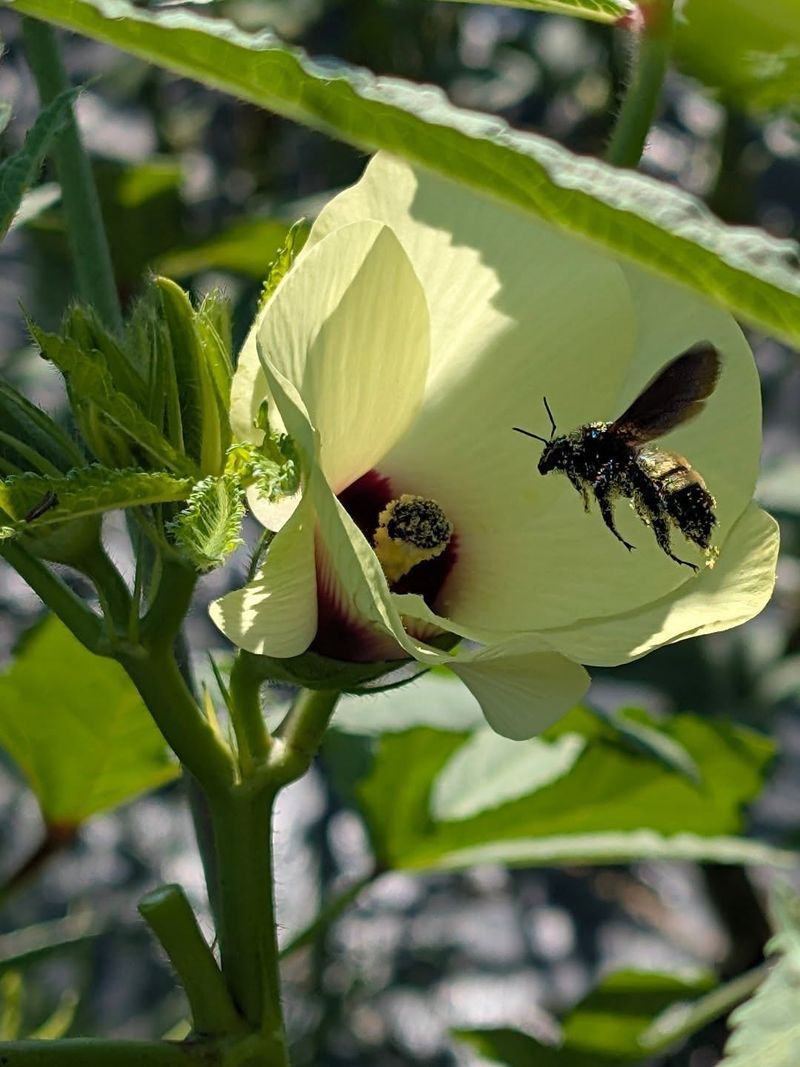
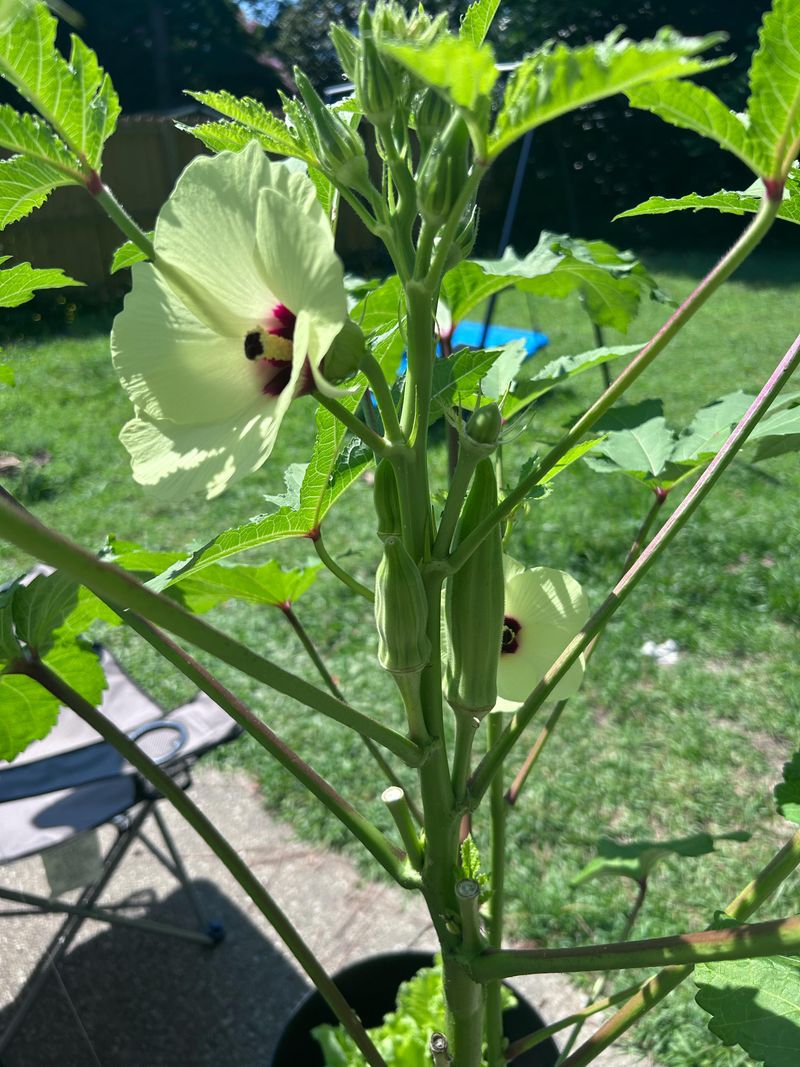
Okra flowers are genuinely stunning. Large, creamy yellow blooms with deep burgundy centers open each morning and attract bees, butterflies, and other beneficial insects throughout the growing season.
Gardeners who want to support pollinators while also growing food will find okra to be one of the most rewarding plants they can add to their yard.
Each flower opens for only one day before closing and beginning pod formation, so the blooms cycle through quickly. This means there is almost always a fresh flower open somewhere on the plant during peak season.
Planting okra near other flowering vegetables like squash, cucumbers, or beans creates a diverse pollinator corridor that benefits the entire garden. Placement matters when it comes to maximizing pollinator visits.
Okra grows tall, sometimes reaching six feet or more, so placing it on the northern or eastern side of the garden prevents it from shading shorter plants while still keeping it accessible to bees and butterflies.
Blooms typically appear in mid to late summer in North Carolina, right when many pollinators are most active. Avoiding pesticide sprays during morning hours, when flowers are open and bees are foraging, protects these helpful visitors.
Supporting pollinators through okra planting creates a healthier, more productive garden ecosystem overall, which benefits every plant growing nearby.
5. Heat-Tolerant Roots Reduce Transplant Shock
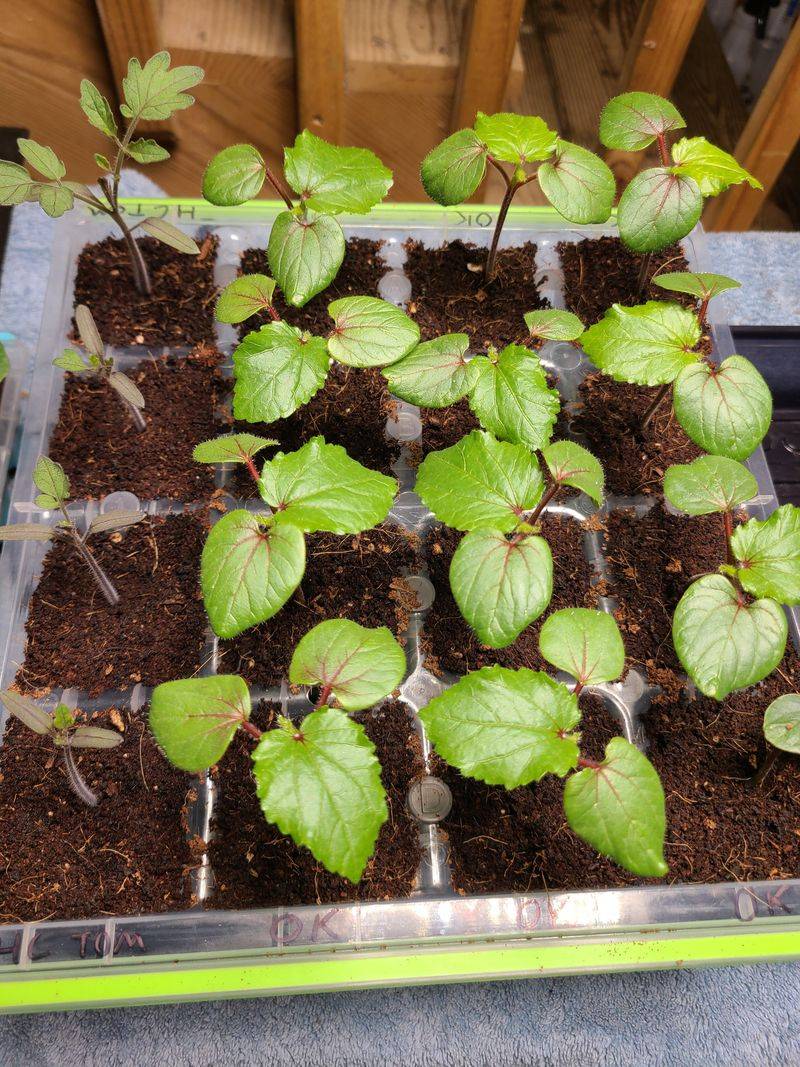
Many summer vegetables struggle when moved from containers into the ground, but okra handles the transition better than most.
Its root system develops quickly and adapts well to warm soil conditions, which are exactly what North Carolina summers provide from late spring onward.
For best results, direct sowing okra seeds into the garden after soil temperatures reach at least 65 degrees Fahrenheit is the most reliable approach. Soil thermometers are inexpensive and worth using because planting into cold soil slows germination significantly.
If starting transplants indoors, use biodegradable pots so roots are not disturbed at planting time, since okra taproots do not like being handled roughly.
Planting depth matters more than many gardeners realize. Sow seeds about one inch deep and space plants twelve to eighteen inches apart in rows two to three feet apart.
This spacing allows good airflow and gives roots room to expand without competition. After planting, apply a two to three inch layer of mulch around the base of each plant to lock in soil moisture and regulate temperature.
Okra’s roots actively seek out moisture even during dry stretches, making it more drought-tolerant than peppers or beans once it is established.
A consistent watering routine during the first two weeks after transplanting or germination gives roots the stable environment they need to anchor the plant for the entire growing season.
6. Can Be Grown In Containers Or Raised Beds
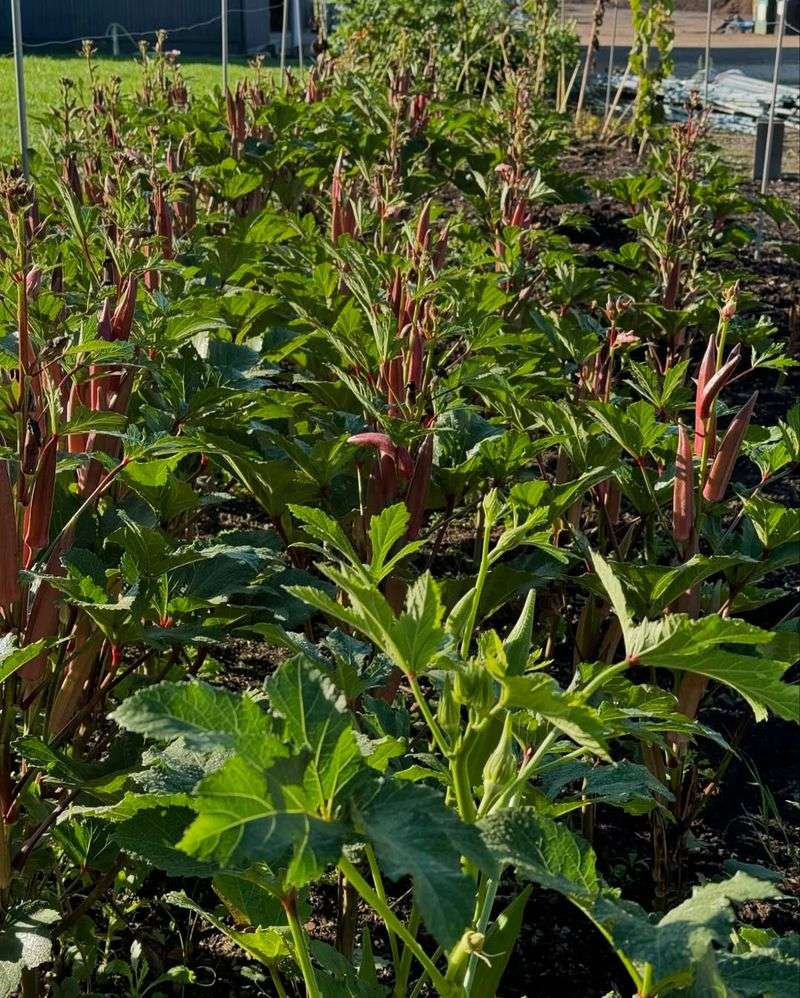
Not everyone has a large in-ground garden, and okra does not require one. Container growing and raised beds both work well for this versatile vegetable, making it accessible to renters, urban gardeners, and anyone working with limited outdoor space.
For containers, choose pots that are at least twelve inches deep and twelve inches wide per plant. Okra roots need room to grow downward, so depth is more important than width.
Use a high-quality potting mix blended with compost for drainage and nutrients. Terra cotta pots dry out faster than plastic ones, so check moisture levels daily during hot weather and water whenever the top inch of soil feels dry.
Raised beds are arguably even better for okra because they warm up quickly in spring, drain efficiently, and allow for customized soil blends. Fill raised beds with a mix of topsoil, compost, and a small amount of coarse sand to keep drainage sharp.
North-facing placement of tall okra plants within a raised bed ensures shorter companions like herbs and greens still receive full sun. Full sun exposure of six to eight hours daily remains essential regardless of the growing setup.
Whether on a balcony, a small patio, or a dedicated garden area, okra adapts to the space it is given and produces reliably when its basic needs for warmth, sunlight, and consistent moisture are met throughout the summer months.
7. Resistant To Many Common Garden Pests
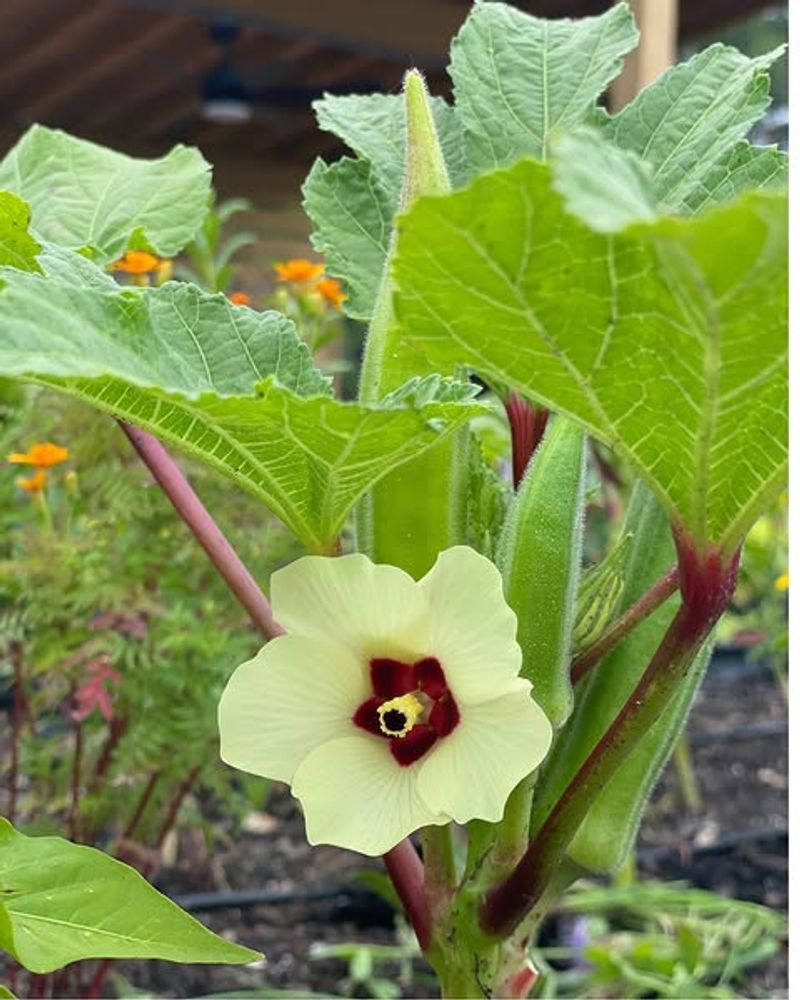
Gardeners who have battled aphids on squash or caterpillars on tomatoes all summer will appreciate how relatively unbothered okra tends to be.
Compared to many other warm-season vegetables, okra has a strong natural resistance to several common garden pests, which makes it a low-stress addition to any planting plan.
Corn earworms, stink bugs, and aphids can occasionally appear on okra plants, but populations rarely reach damaging levels when cultural practices are solid.
Keeping plants well-spaced improves airflow, which discourages fungal issues and makes it harder for pests to hide and multiply.
Inspecting plants two to three times per week during peak season allows you to catch any early infestations before they spread.
Companion planting adds another layer of natural protection. Marigolds planted nearby repel aphids and nematodes, while basil is said to deter certain insects and improve overall garden health.
Dill and fennel attract beneficial predatory insects like lacewings and parasitic wasps that feed on common pests.
Avoiding overhead watering keeps foliage dry, which reduces the risk of fungal leaf spot, one of the more common issues in humid North Carolina summers.
Rotating okra to a different garden bed each year also prevents soil-borne diseases from building up.
With a few smart practices in place, okra moves through summer with minimal pest interference, leaving you more time to enjoy the harvest.
8. Adds Texture And Height To Summer Gardens
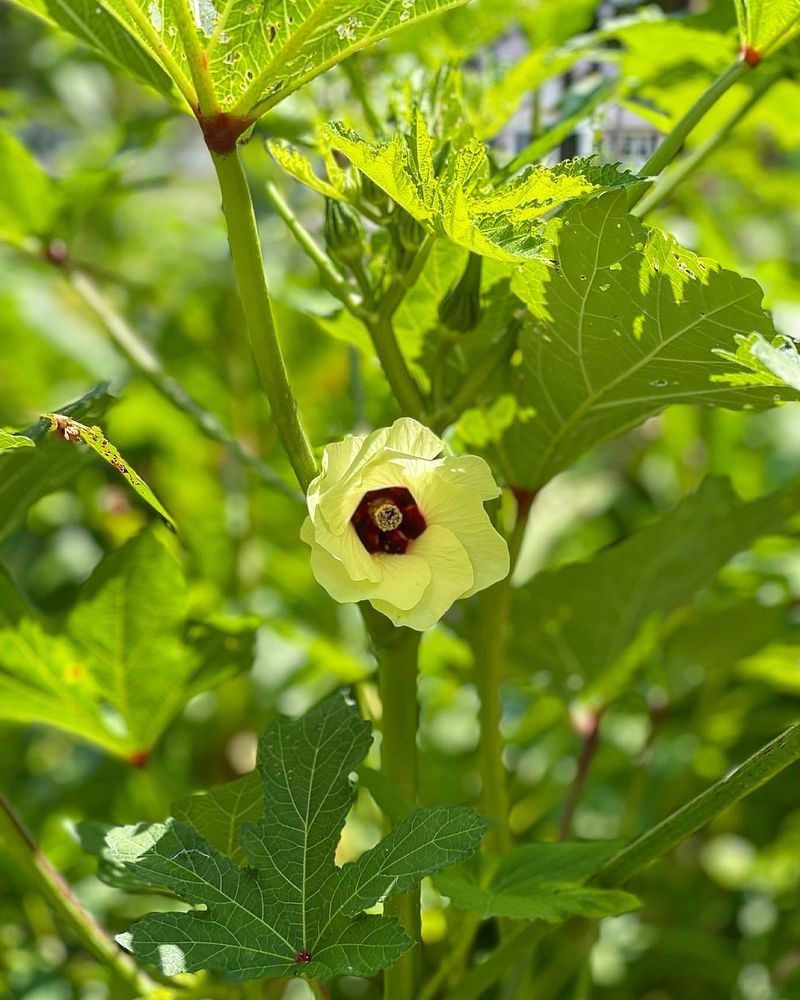
Walk past a mature okra plant and it is hard not to stop and look. The broad, deeply lobed leaves have a tropical feel, the stems grow thick and upright, and the showy flowers add bursts of color throughout the day.
Okra is not just a food crop; it is a genuinely attractive garden plant that adds visual structure to any summer planting.
Most varieties reach four to six feet tall by midsummer, with some heirloom types pushing even higher. This vertical presence creates a natural backdrop for shorter plants like peppers, eggplant, and herbs growing in front of them.
Placing okra along the back edge of a garden bed or border makes great use of vertical space without crowding lower-growing neighbors.
Spacing plants eighteen inches apart in rows keeps airflow healthy while still allowing enough density to create that lush, full look that makes a summer garden feel productive and alive.
Dwarf varieties like ‘Clemson Spineless 80’ or ‘Baby Bubba’ stay shorter and work well in tighter spaces or container setups.
Combining okra with bold-colored flowers like zinnias or sunflowers creates a visually striking combination that looks as good as it grows.
Beyond the practical harvest, having okra in the garden simply makes the space feel more vibrant and purposeful from late June all the way through the end of summer.
9. Produces For Multiple Weeks Through Summer
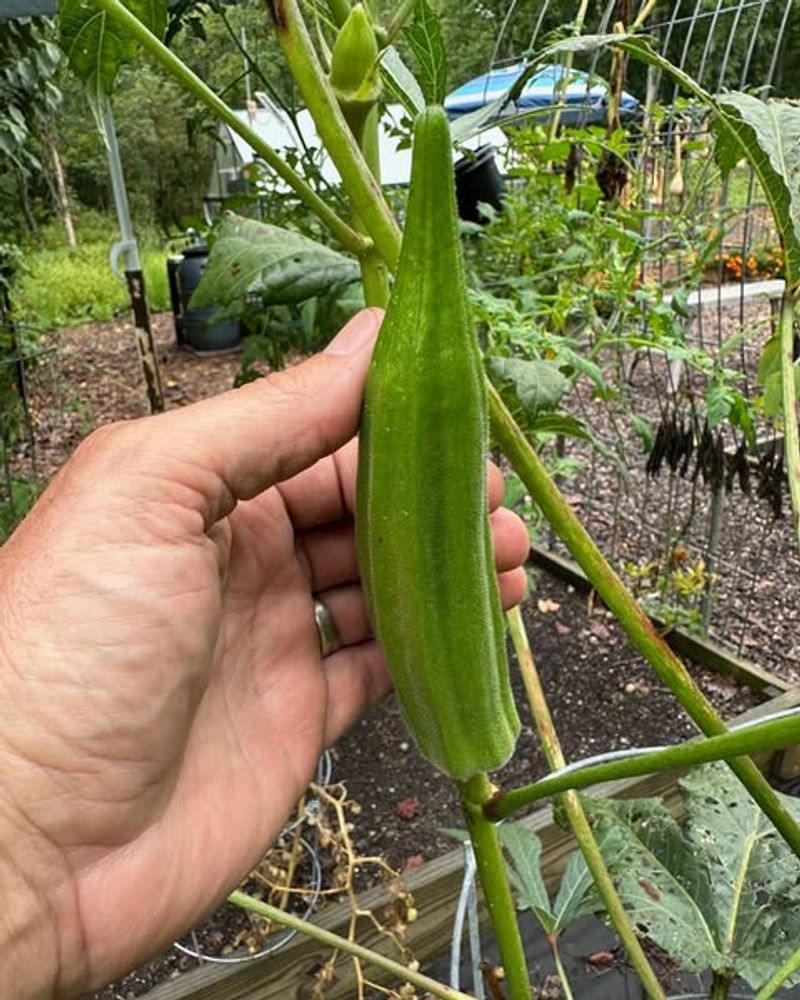
One of okra’s greatest strengths is its staying power. Unlike some vegetables that produce a single big flush and then slow down, okra keeps going week after week when given the right care.
A well-maintained planting can produce fresh pods from late June all the way through September in most parts of North Carolina.
Consistent harvesting is the single most important factor in keeping production strong. When pods are left on the plant past their prime, the plant shifts its energy toward seed development rather than new flowering.
Picking every two to three days during peak season prevents this from happening and keeps the plant in a continuous production cycle.
Watering plays a big supporting role in long-term yield. Deep, infrequent watering encourages roots to grow deeper and access more moisture during dry spells.
During August heat waves, increasing watering frequency slightly helps plants push through without dropping flowers prematurely.
A light feeding with a balanced fertilizer around the midpoint of the season can refresh nutrient levels in sandy soils that may have depleted over time.
Succession planting, or starting a second small batch of seeds three to four weeks after the first, ensures a staggered harvest that extends fresh pod availability even further into fall.
With a little planning and regular attention, okra delivers one of the most extended and reliable harvests of any summer vegetable you can grow in North Carolina.