Why You Should Grow Passionflower Vine Along Your Fence In Pennsylvania
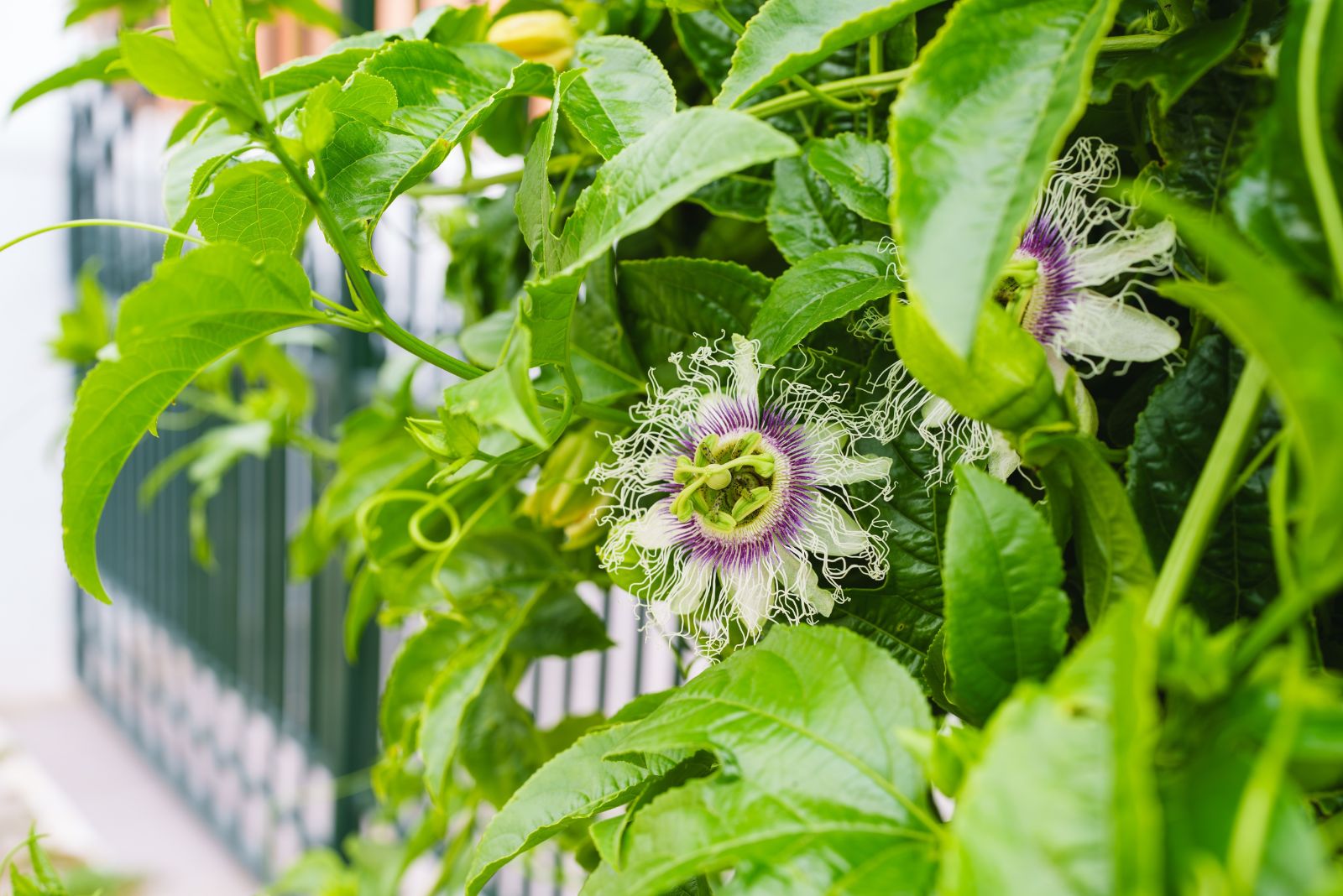
Passionflower vine is not what most Pennsylvania gardeners picture when they think about what to grow along a fence, and that unfamiliarity is exactly what makes it worth a closer look.
The blooms are extraordinary, complex and layered in a way that does not look like anything else growing in a mid-Atlantic garden, and they appear repeatedly through the season rather than in a single burst that is over before you have fully appreciated it.
What makes passionflower even more compelling in Pennsylvania is everything happening beyond the visual.
It is a native vine, which means it belongs here in a way that most fence line plants do not, and its relationship with native butterfly species makes it genuinely valuable to the local ecosystem.
It handles Pennsylvania summers without complaint, comes back reliably each year, and produces a presence along a fence that ornamental non-native vines spend much more effort trying to achieve. Once it is established, it earns its space every single season.
1. The Vine Has Show-Stopping Flowers
Picture opening your back door on a summer morning and seeing a fence covered in flowers that look like they belong in a tropical rainforest. That is exactly what passionflower vine delivers.
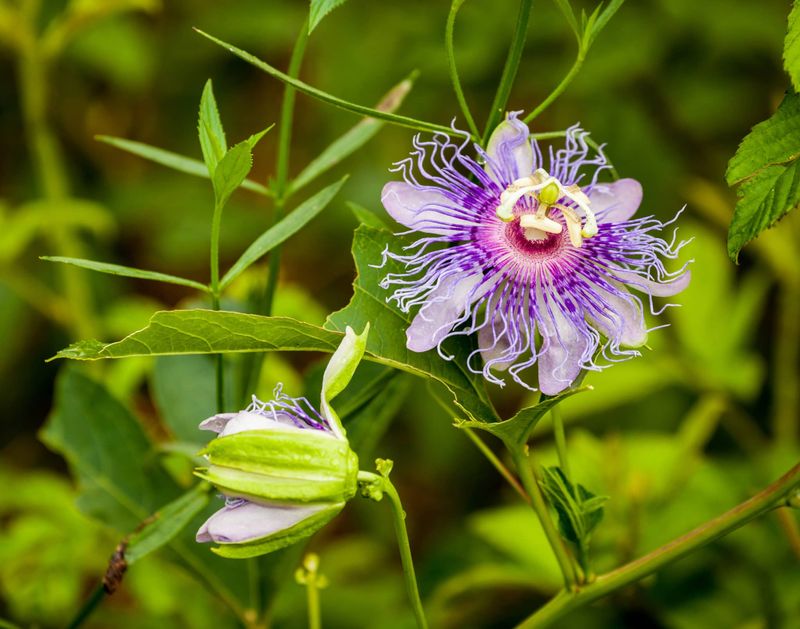
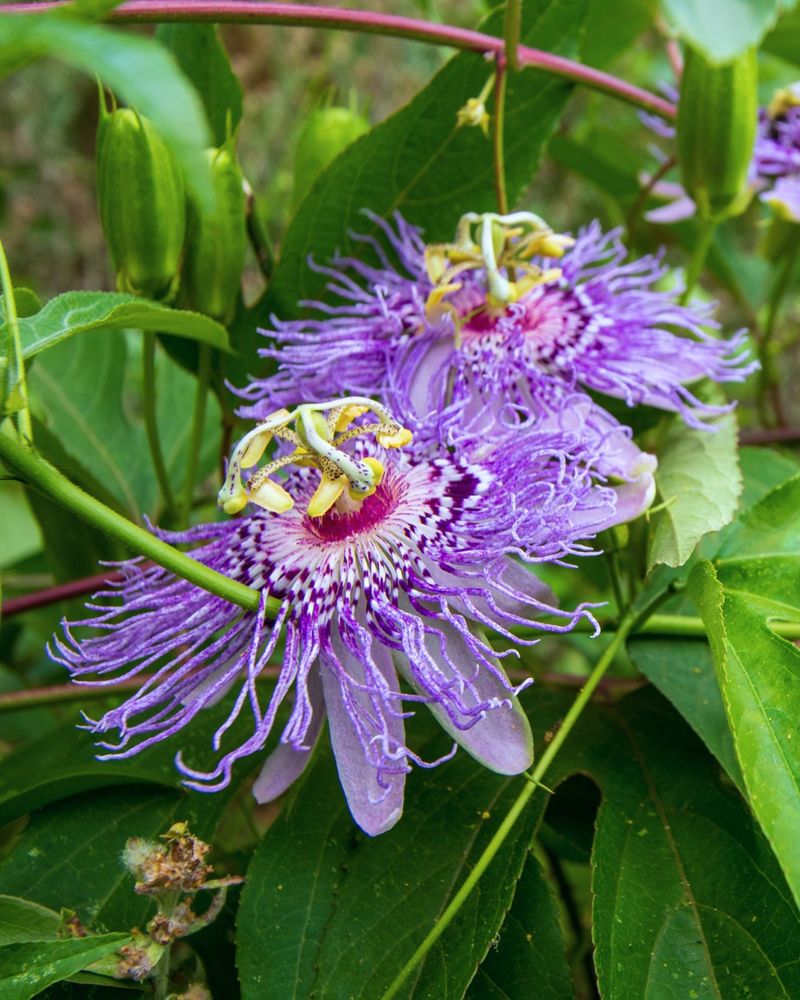
The blooms are unlike anything else you will find in a typical Pennsylvania garden. Each flower features a layered design with bold petals, a crown of colorful threadlike filaments, and a striking center that almost looks hand-painted.
The flowers usually appear in shades of purple, blue, and white, creating a vibrant display that grabs attention from across the yard. Neighbors will stop and stare.
Guests will ask what that incredible plant is. The blooms typically open during the warmer months, giving you weeks of breathtaking color right along your fence line.
What makes passionflower even more special is how unique each bloom looks up close. The detail in every flower is so intricate that it seems almost impossible for nature to create something so precise.
Kids and adults alike find themselves leaning in to get a better look. Growing passionflower vine is like hanging living artwork on your fence, and it refreshes itself every single day with brand-new blossoms.
You do not need to be a master gardener to enjoy this kind of beauty. Simply plant it, give it some support, and watch your fence transform into something truly extraordinary throughout the growing season.
2. It Is A Pollinator Magnet
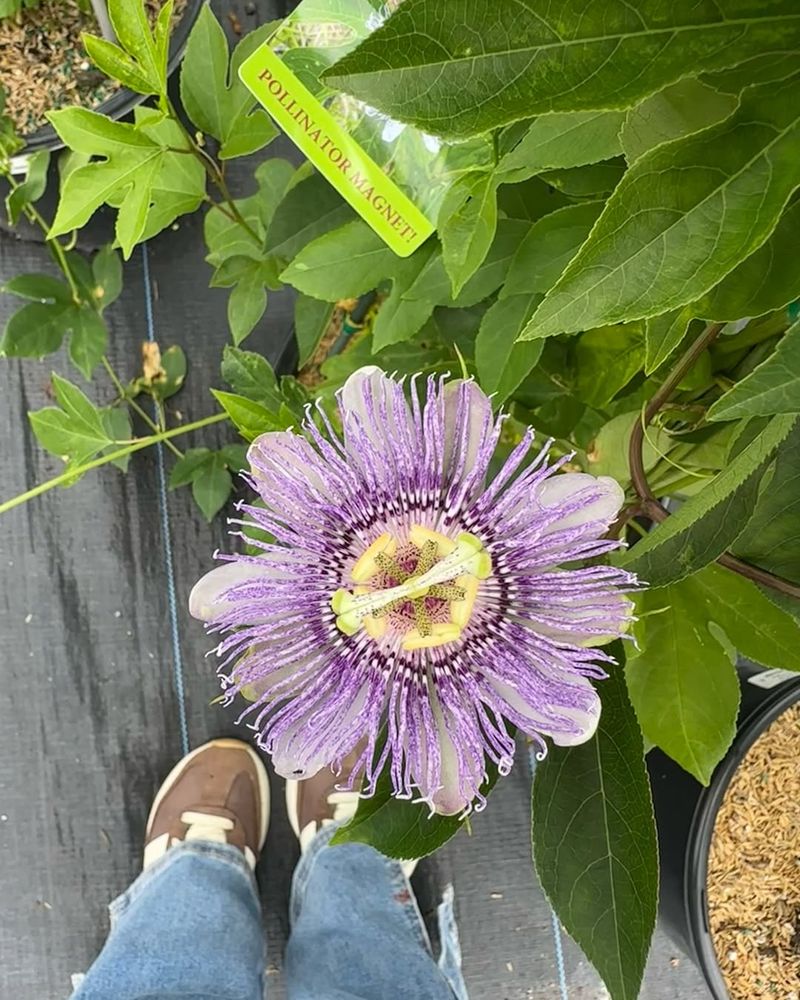
Bees, butterflies, and hummingbirds are some of the most valuable visitors a garden can have, and passionflower vine is like a neon welcome sign for all of them. The flowers produce generous amounts of nectar, which pollinators absolutely love.
On a warm afternoon, you might spot several different species buzzing and fluttering around your fence at the same time. It turns your yard into a lively, buzzing ecosystem.
Pennsylvania gardens can sometimes struggle to attract pollinators, especially in neighborhoods where native plants are rare. Passionflower vine is a native plant, so local bees and butterflies already recognize it as a trusted food source.
Your Pennsylvania Garden Changes Every Week. Your Plan Should Too.
Gardening in Pennsylvania changes quickly throughout the season. Every Friday you’ll receive a simple weekly plan showing exactly what to plant, prune, fertilize, harvest, and protect so you never miss the right timing.
Planting it along your fence helps fill an important gap in the local food web. The more pollinators visit your yard, the better your vegetable garden and flower beds will perform, since many plants rely on pollinators to produce fruit and seeds.
Hummingbirds are especially drawn to the bright blooms and will return to your fence repeatedly once they discover the vine. Watching a hummingbird hover and feed just a few feet away is one of those magical garden moments that never gets old.
Children find it fascinating, and it makes spending time in the yard feel like a mini nature adventure. Supporting pollinators also helps the broader environment, since bee and butterfly populations face serious pressure from habitat loss.
Planting passionflower vine is a simple, beautiful way to do your part for Pennsylvania wildlife right from your own backyard.
3. It Has Edible Fruit
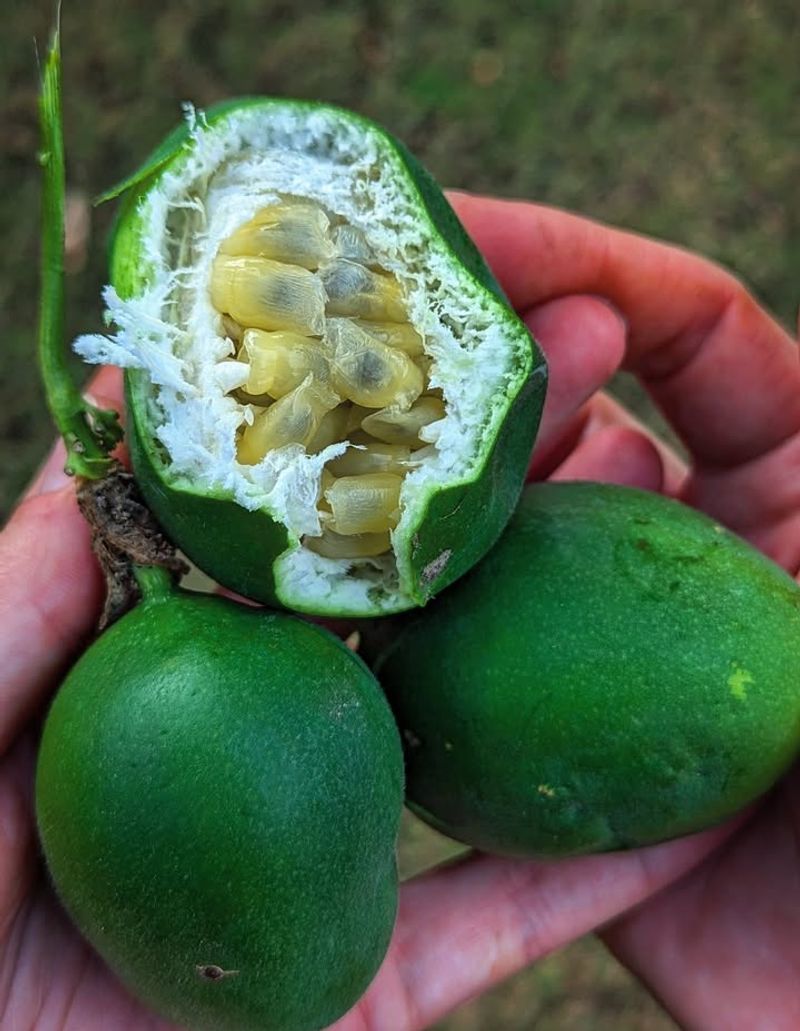
Most people grow passionflower vine for its flowers, and then they get a delightful surprise: fruit. Passionflower vines grown in Pennsylvania can produce small passionfruit, especially the native Passiflora incarnata variety, also known as maypop.
The fruit ripens in late summer to early fall and has a sweet, tropical flavor that is hard to describe but easy to love. Once you taste one fresh off the vine, you will wonder why you did not plant this sooner.
The fruit can be eaten fresh by scooping out the pulp, which is full of seeds surrounded by a juicy, fragrant flesh. You can also use it in recipes like smoothies, jams, jellies, and desserts.
Some people add the pulp to lemonade for a refreshing summer drink that feels fancy without much effort. It is a fun way to bring something a little exotic into your everyday cooking right from your own backyard.
Harvesting your own food always feels rewarding, and maypop fruit makes that experience even more exciting because most people have never tried it before. Kids especially enjoy the thrill of picking something unusual and tasting it for the first time.
The fruit is also nutritious, containing vitamins and antioxidants that support good health. Growing an edible vine along your fence means you are getting double the value from the same plant.
You get stunning flowers through summer and fresh, flavorful fruit to enjoy as the season winds down. That is a combination that is hard to beat in any Pennsylvania garden.
4. Passionflower Vine Has Fast-Growing Coverage
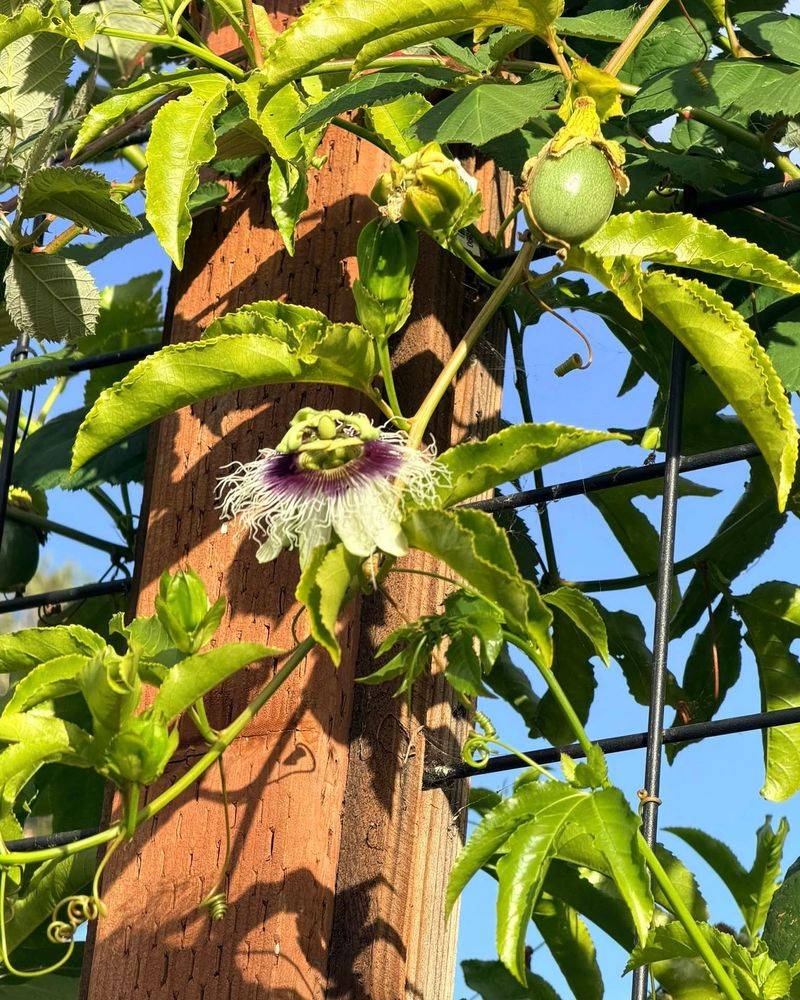
Nobody wants to stare at a bare, boring fence all season long. Passionflower vine fixes that problem faster than almost any other climbing plant you can choose.
Under the right conditions, this vine can grow several feet in a single season, quickly covering a fence with a thick layer of lush green leaves and colorful blooms. If you want results you can actually see and enjoy this year, passionflower vine delivers.
The vine uses tendrils to grab onto fence slats, wire, and trellises, pulling itself upward without much help from you. Once it gets going, it spreads enthusiastically across whatever surface it can reach.
This makes it perfect for creating a natural privacy screen along your yard boundary. Instead of building a taller fence or planting a row of shrubs that take years to fill in, you can have dense, beautiful coverage in just one growing season.
Vertical gardening is a smart way to make the most of small yard spaces, and passionflower vine is one of the best plants for doing exactly that. It adds layers of texture and color without taking up precious ground space.
The leafy coverage also helps block wind and reduce noise from nearby streets or neighbors. In Pennsylvania summers, a vine-covered fence can even help shade nearby garden beds, keeping the soil cooler and reducing how often you need to water.
Fast growth, natural beauty, and real practical benefits all wrapped into one easy-to-grow plant make passionflower vine a top pick for any fence project.
5. It Is Drought Tolerant
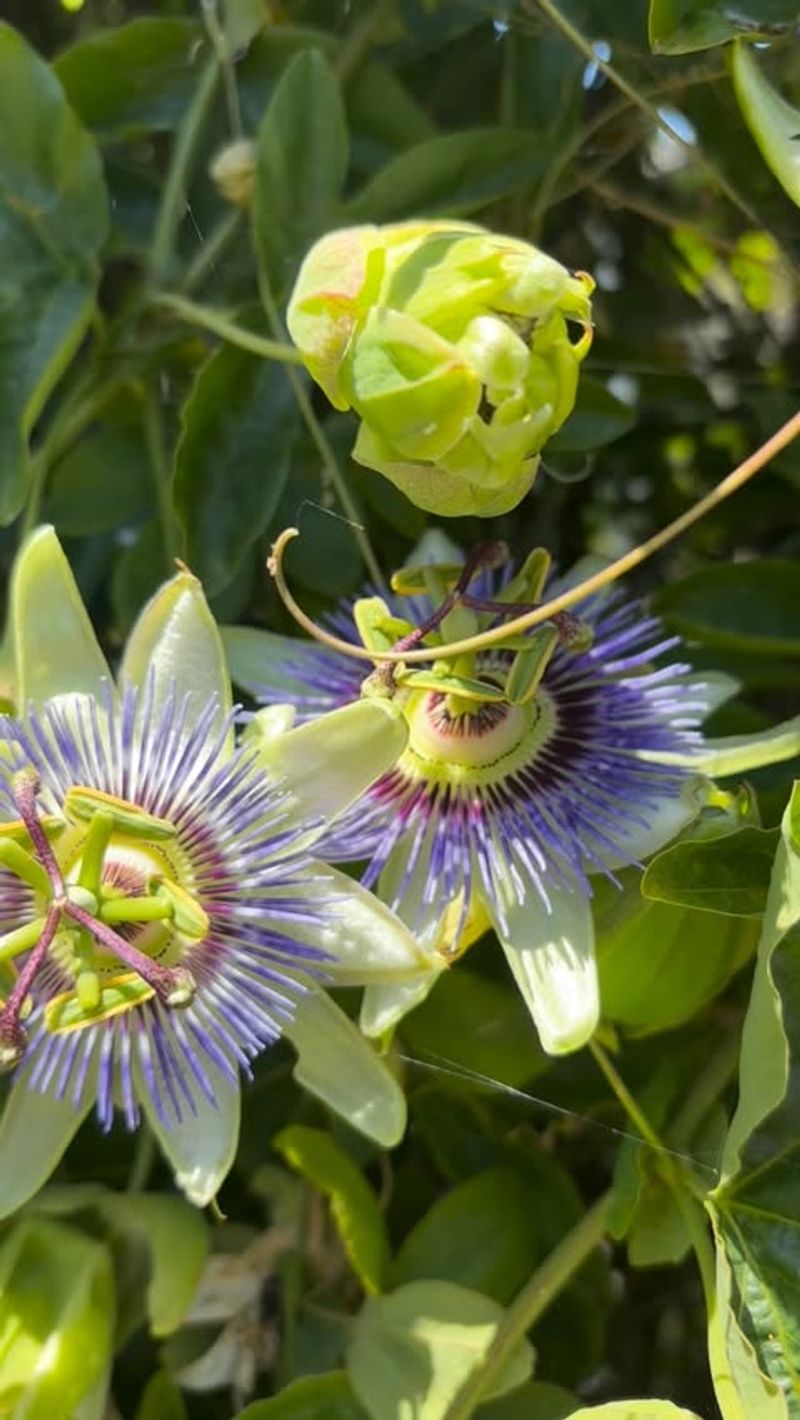
Pennsylvania summers can get hot and dry, especially in July and August when rain sometimes disappears for weeks at a time. Many garden plants struggle during these stretches, leaving gardeners scrambling to keep things alive with extra watering.
Passionflower vine handles those dry spells like a champ. Once it gets established in its first season, it develops a deep root system that pulls moisture from lower in the soil, keeping it healthy even when the surface is bone dry.
The native Passiflora incarnata is particularly well-suited to Pennsylvania’s climate because it evolved right here in the eastern United States. It is already adapted to the region’s weather patterns, including those unpredictable summer dry spells.
You will not need to hover over it with a hose every afternoon. This makes it a fantastic low-maintenance option for busy homeowners who want a beautiful yard without spending hours on upkeep.
Choosing plants that can handle drought also makes good environmental sense. Using less water in the garden reduces your household water consumption, which is better for local water supplies and your utility bill.
Passionflower vine gives you all of that without sacrificing any of its visual appeal. Even during the driest weeks of summer, the vine keeps producing flowers and foliage that make your fence look lush and alive.
For Pennsylvania gardeners who want reliability, beauty, and low maintenance in one package, drought-tolerant passionflower vine checks every single box without asking much in return.
6. It Is Wildlife-Friendly
Some plants just feed wildlife. Passionflower vine actually raises it. The vine serves as the sole host plant for Gulf Fritillary and Zebra Longwing butterflies, meaning these species can only lay their eggs on passionflower leaves.
When the caterpillars hatch, they feed on the foliage before transforming into some of the most beautiful butterflies in North America.
Planting passionflower vine along your fence gives these species a place to complete their entire life cycle right in your yard.
Watching caterpillars munch on leaves, form chrysalises, and eventually emerge as butterflies is one of the most incredible nature experiences you can have at home. It turns your fence into a front-row seat to one of nature’s most amazing transformations.
Kids are absolutely captivated by this process, and it creates wonderful opportunities to teach them about ecosystems, life cycles, and the importance of protecting native species.
Pennsylvania is home to a rich variety of wildlife, and every native plant you add to your yard helps support that biodiversity. Passionflower vine connects your garden to a much larger ecological network.
Birds also visit the vine to search for caterpillars and insects, adding even more life and movement to your outdoor space. Supporting native butterflies through host plants is one of the most meaningful things a home gardener can do for local wildlife conservation.
You are not just growing a plant. You are building a small but important habitat that benefits the entire local ecosystem, one fence panel at a time.