Pennsylvania Gardeners Should Take These Steps While Drought Conditions Continue
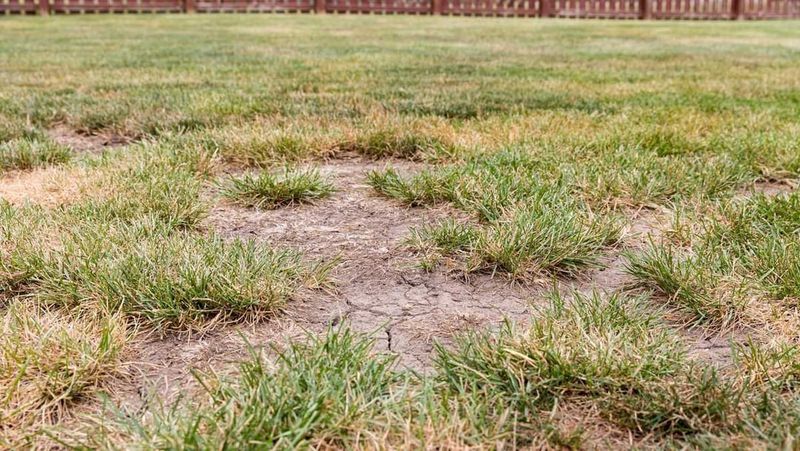
Pennsylvania gardens are baking right now, and the usual approach to watering is not going to cut it.
Drought conditions across the state have quietly changed the rules, and gardeners who keep doing what they always did in a normal rainfall year will spend twice as much water getting half the results.
The good news is that drought gardening is not complicated once you understand what it actually demands.
It rewards precision over volume, timing over habit, and a few hours of smart preparation over daily frantic watering sessions that accomplish surprisingly little.
Whether you are in Chester County or Crawford County, the plants in your yard are sending clear signals about what they need right now, and the steps that protect them during an extended dry stretch are more straightforward than many gardeners expect.
Working smarter matters far more than watering harder, and the difference between a garden that holds on through a drought and one that unravels often comes down to a handful of decisions made in the first week.
Here is where to start.
1. Check Your County Status First
Not every county in Pennsylvania is under the same drought conditions right now.
The Pennsylvania Department of Environmental Protection tracks drought watches, warnings, and emergencies by county, and those categories carry very different meanings for your watering habits.
A drought watch means conditions are developing. A drought warning means restrictions are likely coming. A drought emergency means serious limitations are already in place.
Before you water anything, visit the PA DEP drought information page or your local water authority website.
Some municipalities have already issued outdoor watering restrictions, while neighboring townships may still be operating normally.
Assuming your area has no rules could lead to fines or, worse, a depleted local water supply that hurts everyone around you.
Penn State Extension also publishes updates on soil moisture deficits across the state, which gives a clearer picture of how stressed your specific region actually is.
Your county conservation district can be another helpful local resource. These agencies understand the land, the soil types, and the garden pressures unique to your corner of Pennsylvania.
Checking your county status takes less than five minutes.
That five minutes could save you water, money, and the frustration of learning your well-meaning efforts were actually against local rules. Knowledge is the first tool every drought-season gardener needs before picking up a hose.
2. Water Early And Deeply
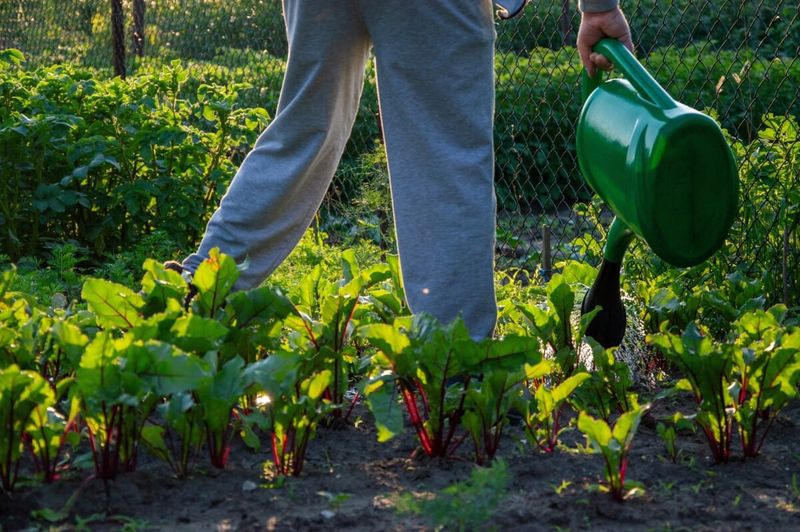
Timing your watering makes a dramatic difference when rainfall is scarce.
Early morning, ideally between 5 a.m. and 9 a.m., is the best window because temperatures are cooler and wind is usually calm.
Less water evaporates before it reaches the roots, which means every drop counts far more than a midday sprinkle that mostly disappears into the air.
Watering deeply is just as important as watering at the right time.
A shallow sprinkle only wets the top inch or two of soil, which actually encourages roots to stay near the surface where they are most vulnerable to heat.
Your Pennsylvania Garden Changes Every Week. Your Plan Should Too.
Gardening in Pennsylvania changes quickly throughout the season. Every Friday you’ll receive a simple weekly plan showing exactly what to plant, prune, fertilize, harvest, and protect so you never miss the right timing.
When you water deeply, roots chase moisture downward and become more resilient during extended dry periods. Aim to soak the soil at least six inches down, especially for vegetables and shrubs.
A simple way to check depth is to push a wooden dowel or a long screwdriver into the soil after watering.
If it slides in easily for several inches, you have reached the root zone. If it stops after an inch or two, your plants need more time under the hose or drip line.
Deep watering every two to three days is almost always more effective than light watering every single day.
Roots grow stronger, water goes further, and your garden handles heat stress with much more stability than plants that rely on constant surface moisture.
3. Aim Water At The Soil
Sprinklers are satisfying to watch, but during a drought they are one of the least efficient tools in your garden shed.
A significant portion of overhead spray never reaches the soil at all. It lands on leaves, evaporates in the heat, or drifts away in a light breeze. Redirecting where your water goes is one of the fastest improvements you can make this season.
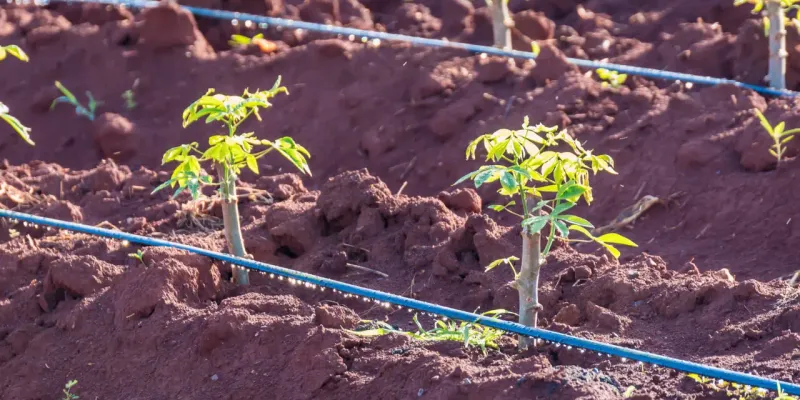
Drip irrigation and soaker hoses deliver water directly to the root zone, which is the only place it actually helps the plant.
Soaker hoses are particularly affordable and easy to set up. You simply snake them along your planting rows and connect them to a standard hose bib. Water seeps slowly into the soil at a rate the ground can absorb without runoff.
Drip systems with emitters can be customized for raised beds, container gardens, and perennial borders.
Many home improvement stores in Pennsylvania carry basic drip kits that are simple enough to install in an afternoon. Even using a watering can aimed directly at the base of each plant beats a sprinkler during dry stretches.
Keeping foliage dry also reduces the risk of fungal problems, which can flare up when stressed plants are repeatedly wet on the surface.
Precision watering protects roots, conserves water, and keeps your plants healthier all the way through a difficult drought season.
4. Mulch Before Heat Builds
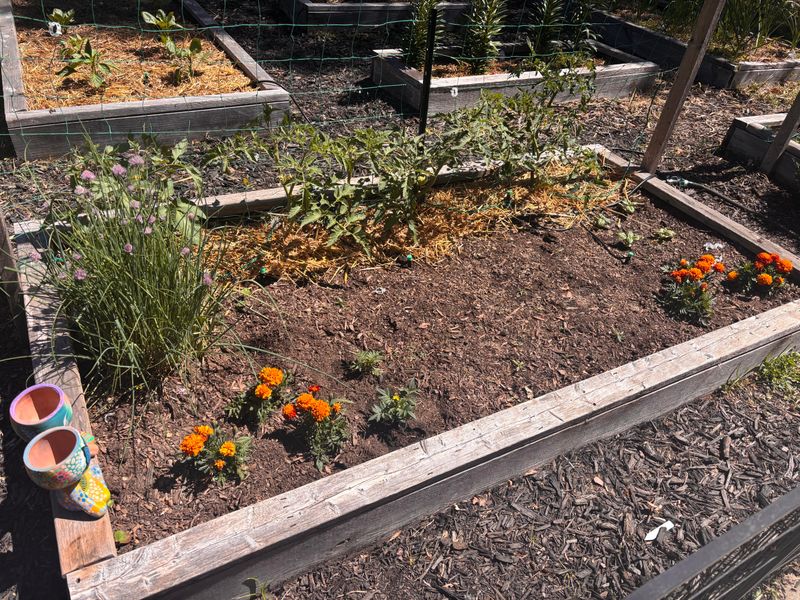
Mulch might be the single most powerful tool a drought-season gardener has.
A two to three inch layer of organic mulch acts like a blanket over your soil, slowing evaporation dramatically and keeping soil temperatures cooler during the hottest parts of the day.
Cooler, moister soil means roots stay comfortable longer between watering sessions.
Wood chips, shredded bark, straw, and leaf mold all work well as mulch materials. Straw is especially popular for vegetable gardens because it is light, inexpensive, and breaks down over the season to add organic matter to the soil.
Whatever material you choose, spread it evenly across the root zone of your plants, keeping it a few inches away from the base of stems and trunks to prevent moisture-related rot.
If you have not mulched yet this season, now is a good time to prioritize it.
Waiting until the soil is completely parched makes the job harder because dry soil takes longer to rehydrate. Mulching over slightly moist soil locks that moisture in before the next round of heat arrives.
Penn State Extension recommends mulching as one of the most cost-effective strategies for water conservation in home gardens.
A single afternoon of spreading mulch can reduce your watering frequency by as much as half, which is a meaningful reduction when every gallon matters for your garden and your community.
5. Pull Weeds While Small
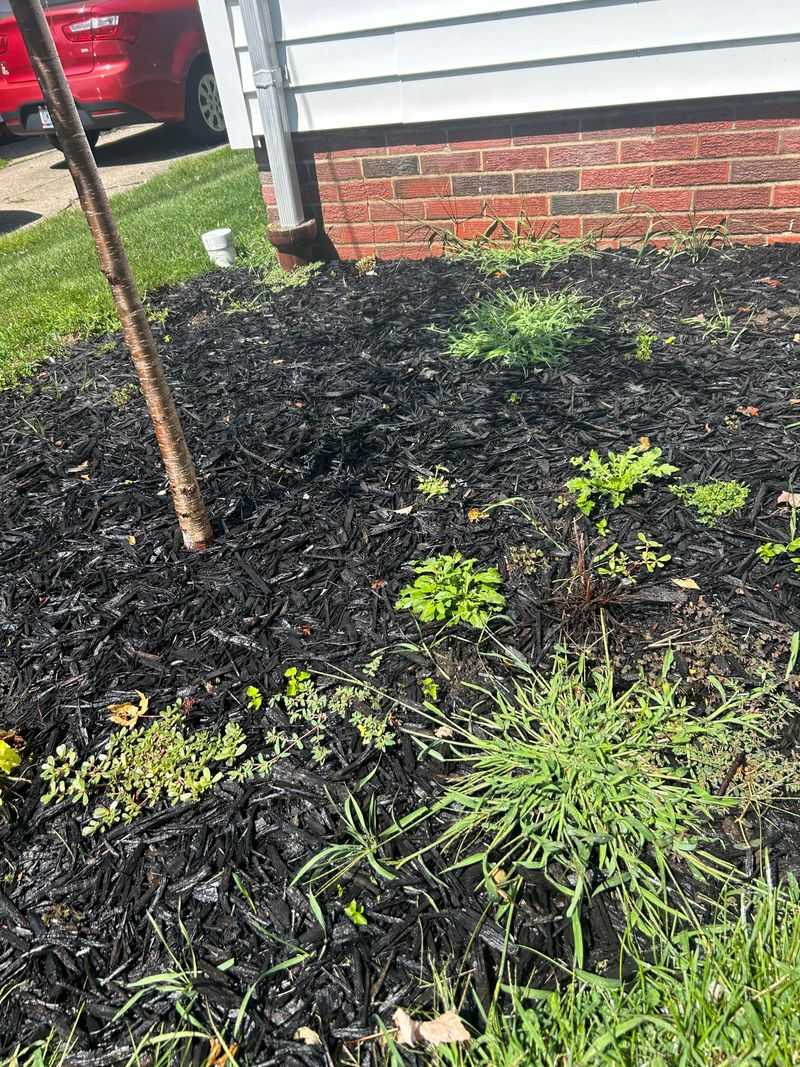
Weeds are sneaky competitors. During normal rainfall years, a few extra weeds in the garden are mostly a cosmetic annoyance.
During a drought, they become a genuine problem because every weed is drinking the same limited water your vegetables, flowers, and shrubs desperately need.
Removing weeds early and consistently is one of the most practical steps you can take right now.
Small weeds are much easier to pull than large ones, and they have had less time to establish deep root systems that compete aggressively for moisture.
The best moment to weed is shortly after a light rain or after you have watered, when the soil is slightly soft. Roots release cleanly from moist ground, which means less effort and fewer broken stems left behind to regrow.
Focus your weeding energy on the areas closest to your most valued plants first.
Vegetable beds, newly established perennials, and young shrubs should be your priority zones. Weeds growing far from your main planting areas are lower priority and can wait until conditions ease.
A sharp hoe or hand weeder makes the job faster and less taxing on your back and knees.
After pulling weeds, add a fresh layer of mulch over the cleared area to slow the return of new weed seedlings.
Staying ahead of weeds during drought is genuinely one of the most water-efficient habits a Pennsylvania gardener can build this season.
6. Delay New Planting Projects
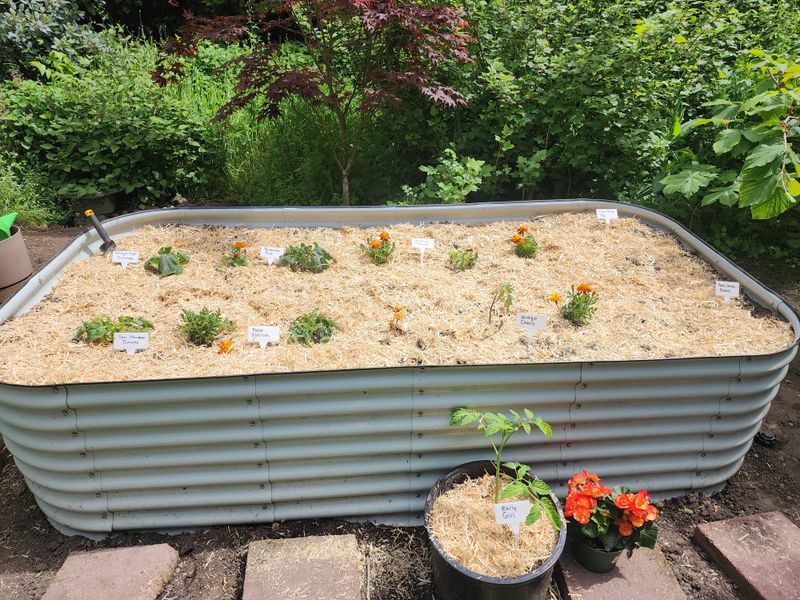
Planting something new during a drought is a setup for struggle.
Freshly transplanted seedlings, perennials, and shrubs have not yet developed the root systems they need to find water on their own.
They depend almost entirely on the gardener to supply consistent moisture, and during drought conditions that demand is relentless and difficult to meet without wasting significant water.
Postponing nonessential planting projects until drought conditions ease is a practical and smart decision.
Nursery plants kept in their containers can survive in a shaded spot with careful watering for several weeks.
Many experienced Pennsylvania gardeners use this waiting period to improve the planting bed, add compost, and plan spacing so the actual planting day goes smoothly when conditions improve.
If you absolutely must plant something, choose the coolest part of the day, water the hole thoroughly before placing the plant, and mulch immediately afterward.
Water new transplants every day for the first week and monitor them closely for signs of heat stress, which often shows up as wilting in the early afternoon even when the soil is moist.
Seed starting for fall crops is a different situation.
Starting seeds indoors or in a shaded nursery bed uses far less water than establishing transplants in full sun.
Late summer plantings of cool-season vegetables like lettuce, kale, and spinach can be timed to coincide with the return of fall rains, making them a smart drought-season strategy.
7. Group Plants By Water Needs
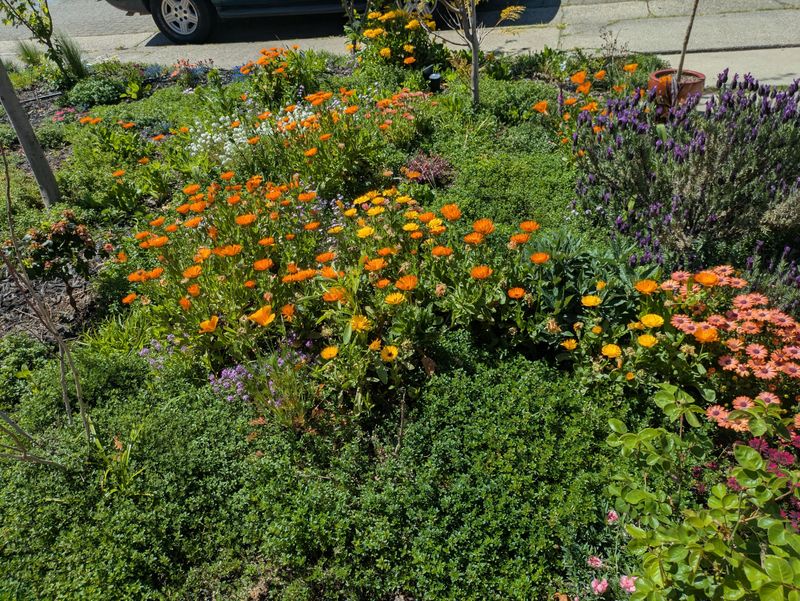
Hydrozoning is a concept that sounds technical but is really just common sense.
Plants that need more water should be grouped together, and plants that can manage on less should be grouped separately.
When you mix high-water and low-water plants in the same bed, you end up either overwatering the drought-tolerant ones or underwatering the thirsty ones. Neither outcome is great when water is scarce.
Container plants are the easiest to regroup right now.
Moving pots into shadier spots reduces their water demand significantly without harming most species. Clustering containers together also creates a slightly more humid microclimate, which slows moisture loss from both the soil and the leaves.
In your in-ground beds, take a mental inventory of which plants are highest priority.
Food crops, recently established plants, and specimen plants you care most about should receive water first.
Mature, established trees and native shrubs that have been in the ground for several years are generally far more capable of handling dry spells on their own.
Reorganizing your irrigation approach based on plant priority rather than convenience is one of the clearest ways to stretch a limited water supply.
Understanding each plant’s actual water requirement helps gardeners make smarter decisions during drought rather than treating every plant in the yard as equally urgent.
Triage thinking keeps your most valued plants in strong shape when water is tight.
8. Save Rainwater Where Allowed
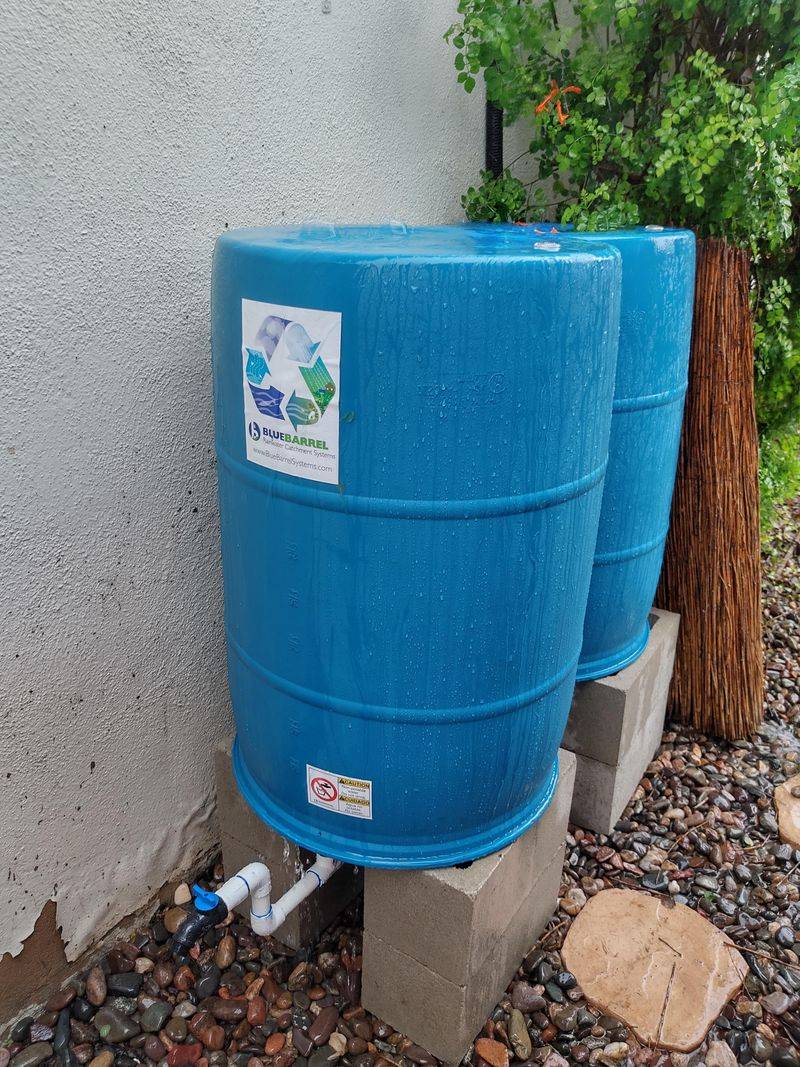
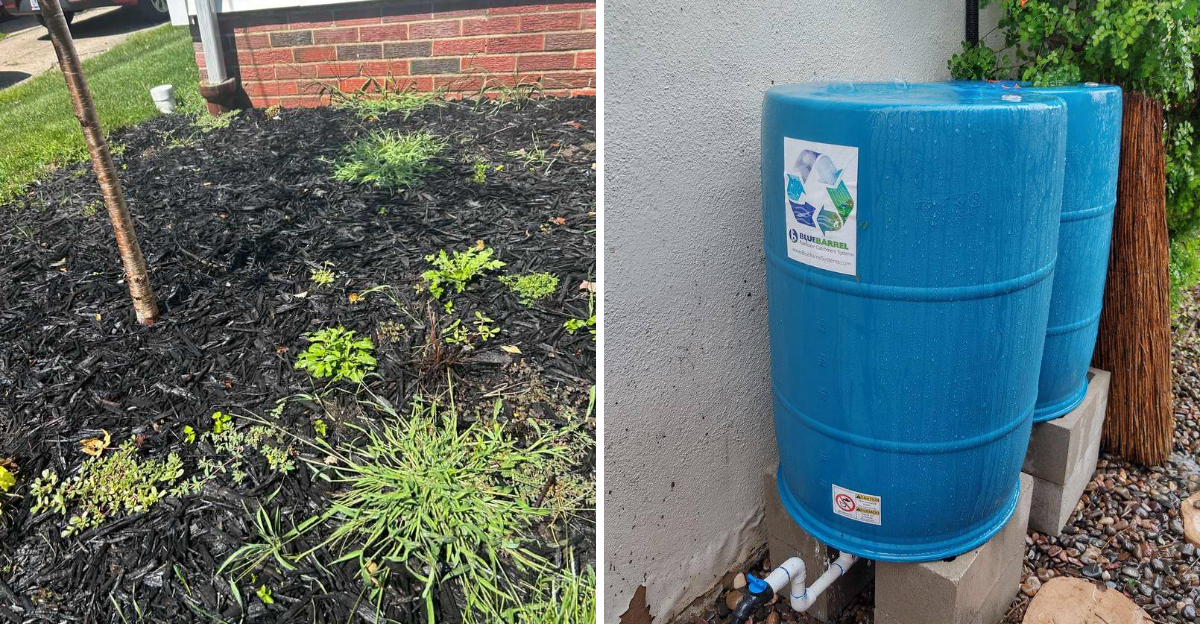
Rain barrels are one of the most satisfying tools a home gardener can add during a drought. When rain does fall, even a modest shower can fill a standard 50 to 55 gallon barrel quickly.
That stored water can then be used slowly over the following days to water containers, vegetable beds, and newly established plants without drawing from your municipal supply or well.
Before setting up a rain barrel in Pennsylvania, check your local municipality’s rules.
Most areas in the state allow residential rainwater collection, but some communities or water authorities may have specific guidelines about how the water can be used or how the barrel must be covered and screened.
The PA DEP website and your local water authority are the right places to check for current rules.
Roof runoff collected in a barrel should be used on ornamental plants and vegetable foliage with some caution, particularly if your roof has older shingles or if the water has been sitting for a long time.
Using barrel water at the soil level rather than spraying it on edible parts of plants is the safest approach for food gardens.
Position your barrel in a shaded area if possible to slow algae growth and keep the water cooler.
A simple mosquito screen over the top prevents breeding. Even one barrel makes a noticeable difference during an extended dry stretch, and the water costs you nothing but the time to set it up properly.