These Native Oregon Ferns Are So Dense Weeds Simply Can’t Break Through
A shady Oregon bed can look peaceful until weeds start sneaking through every open patch. That is where dense native ferns can change the whole feel of the space.
Their fronds spread wide, layer over the soil, and turn bare ground into a lush green carpet that looks natural instead of messy.
Under trees, along woodland edges, or beside a north facing wall, the right fern can make a difficult spot feel planted on purpose.
The appeal is not just beauty. A thick fern planting can shade the soil so well that weeds have a much harder time finding room to grow.
Once these plants settle in, they bring that cool forest look many Oregon gardens were made for.
Give them the right spot, and they can make shade gardening feel easier, richer, and far more rewarding.
1. Western Sword Fern Creates A Thick Evergreen Wall Of Fronds
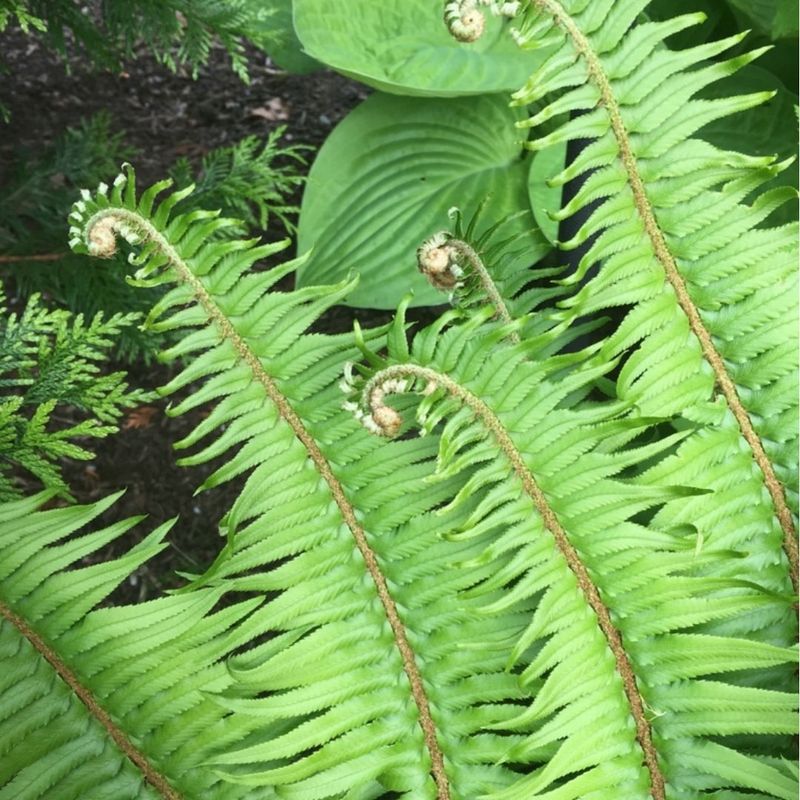
Few plants in this region are as dependable as the Western Sword Fern. It grows in huge, arching clusters that can reach up to four feet tall and just as wide.
That sheer size alone is enough to shade out most weeds before they ever get started.
The fronds stay green all year long, which means weed coverage does not take a break in winter. Even when other plants go dormant, this fern keeps doing its job.
Gardeners across the Pacific Northwest love it for exactly that reason.
It thrives in deep shade under trees where grass and flowers refuse to grow. Once established, it spreads slowly but steadily, filling in bare patches without becoming invasive.
You barely need to water it after the first season.
The dense canopy of fronds blocks sunlight from reaching the soil below. Without light, weed seeds simply cannot sprout.
This natural weed-blocking ability makes it one of the most practical ground cover choices in shaded yards.
Planting it is easy. Space plants about two to three feet apart, and within a couple of seasons, they will knit together into a solid, weed-smothering mass.
Mulch lightly between new plants while they fill in.
This fern also looks beautiful alongside native shrubs like Oregon grape or red flowering currant, creating a natural garden that practically takes care of itself all year round.
2. Deer Fern Fills Shady Gaps With Dense Native Texture
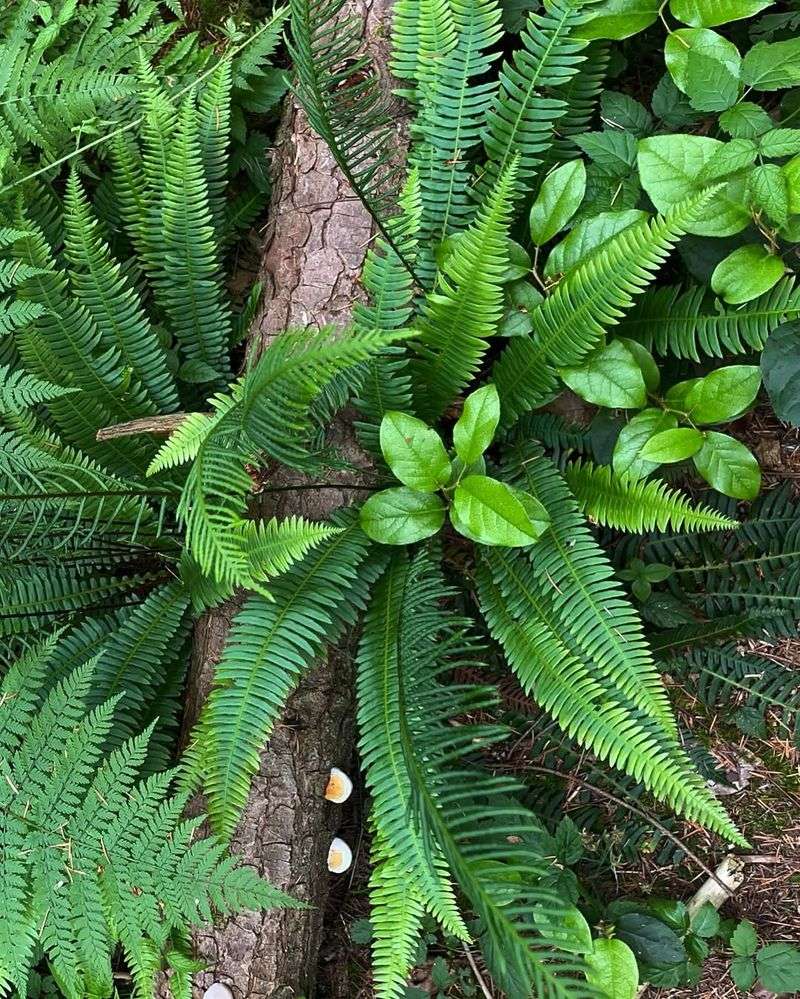
Not every fern makes such a striking visual statement while also being incredibly practical. Deer Fern has two distinct types of fronds growing at once.
The flat, spreading ones hug the ground, while the taller, upright ones rise above them, creating a layered look that fills space beautifully.
That layered growth habit is exactly what makes it so good at blocking weeds. The low fronds cover the soil tightly, leaving very little room for anything unwanted to sneak in underneath.
It is like a two-level defense system working around the clock.
This fern loves the kind of wet, shady spots that are tough to plant in. Stream banks, north-facing slopes, and the soggy corners of yards are all places where Deer Fern truly excels.
Your Oregon Garden Changes Every Week. Your Plan Should Too.
Gardening in Oregon changes quickly throughout the season. Every Friday you’ll receive a simple weekly plan showing exactly what to plant, prune, fertilize, harvest, and protect so you never miss the right timing.
It handles standing moisture far better than most ornamental plants.
Unlike some native ferns that take years to establish, Deer Fern gets going relatively quickly. Within one to two seasons, it starts filling in gaps and building that dense texture gardeners are looking for.
It is semi-evergreen in most parts of this state, holding its color through mild winters.
Pairing it with mosses or native ground covers like wild ginger creates a rich, woodland-style planting. The overall effect feels natural and effortless.
Once it settles in, you will spend far less time pulling weeds from those tricky shaded areas of your yard.
3. Lady Fern Covers Moist Shade With Fast, Feathery Growth
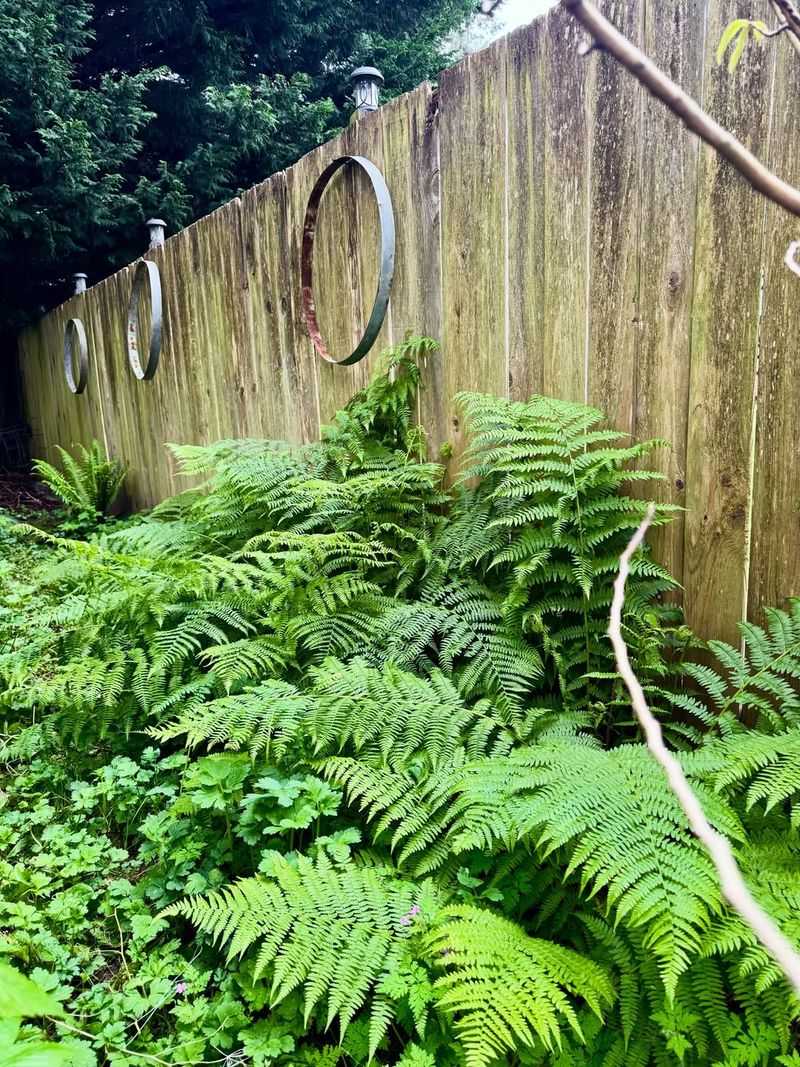
Speed is one of Lady Fern’s greatest advantages. Among native ferns in this region, few grow as fast or fill in as quickly.
If you have a bare, shady patch that keeps filling up with weeds, this plant can take over that space before the season is halfway done.
The fronds are light and feathery, with a soft, almost lacy texture that adds real elegance to the garden.
They can reach up to five feet tall in ideal conditions, creating a tall canopy of green that shades the ground heavily.
Weeds underneath simply do not stand a chance.
Lady Fern spreads through underground rhizomes, slowly expanding its colony outward each year. This spreading habit is what makes it such an effective ground cover over time.
You plant it once, and it keeps doing the work for you season after season.
It prefers moist, rich soil and does best in areas that get little to no direct sun. Streamside plantings, shaded rain gardens, and spots near downspouts are all great locations.
It handles seasonal flooding without any trouble at all.
One thing to keep in mind is that Lady Fern goes dormant in winter, so it will not provide year-round coverage on its own. Pairing it with an evergreen fern like Western Sword Fern fills that seasonal gap nicely.
Together, they create a weed-blocking team that works every month of the year without much effort from you.
4. Giant Chain Fern Turns Damp Corners Into A Weed-Shading Mass
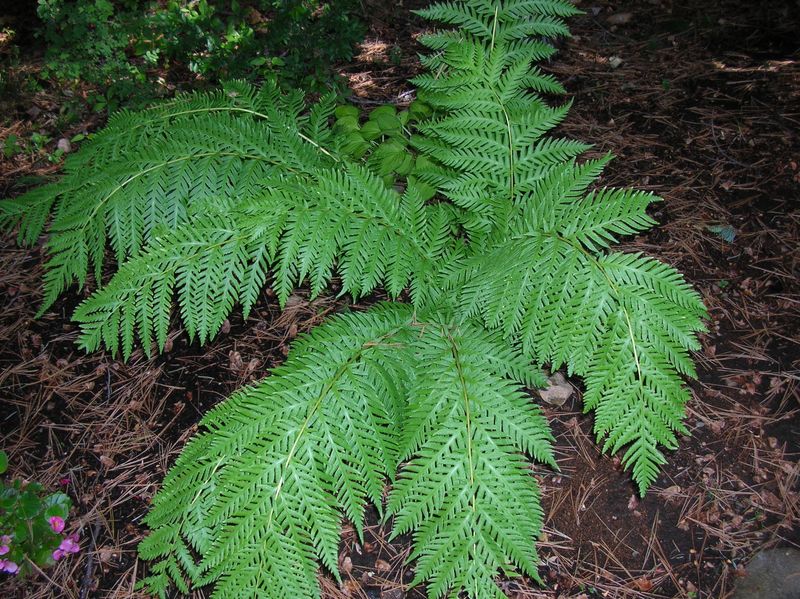
When you want maximum impact in a damp, shaded spot, nothing beats the sheer presence of Giant Chain Fern.
It is the largest native fern in this state, with fronds that can stretch up to nine feet long in ideal conditions.
That kind of size creates an almost instant weed-blocking canopy.
The fronds arch dramatically outward and downward, covering enormous amounts of ground.
Beneath that canopy, the soil stays shaded and cool, which makes it nearly impossible for weeds to get the sunlight they need to grow.
It is one of the most effective natural weed suppressors available to home gardeners.
This fern is built for wet conditions. It thrives along stream banks, in boggy low spots, and in any corner of the yard that tends to stay soggy.
Most ornamental plants struggle in those areas, but Giant Chain Fern absolutely loves them.
Because of its massive size, it works best in larger garden spaces. Planting it in a tight area can overwhelm smaller plants nearby.
Give it room to spread, and it will reward you with a bold, tropical-looking display that stays green through much of the year.
Did you know this fern has been growing in the Pacific Northwest for thousands of years? It is deeply adapted to our regional climate.
That long history means it handles our wet winters and dry summers with ease, needing very little from you once it settles into its spot.
5. Maidenhair Fern Softens Wet Shade With Layered Green Cover
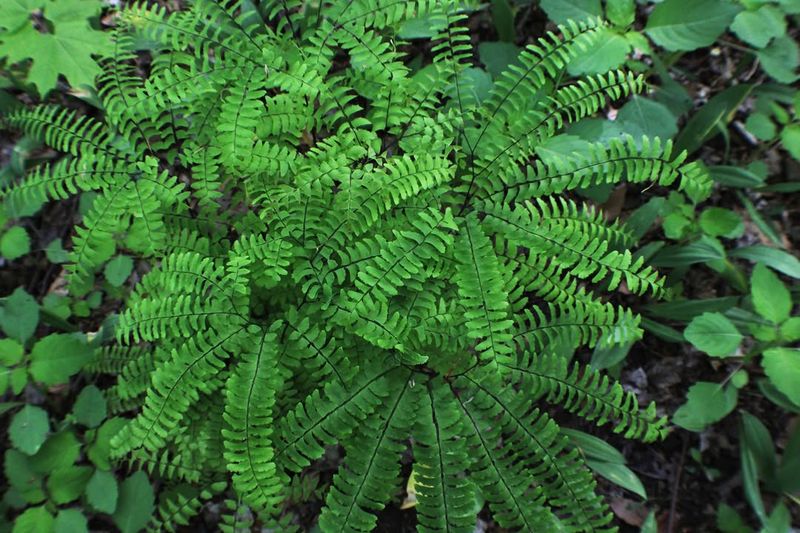
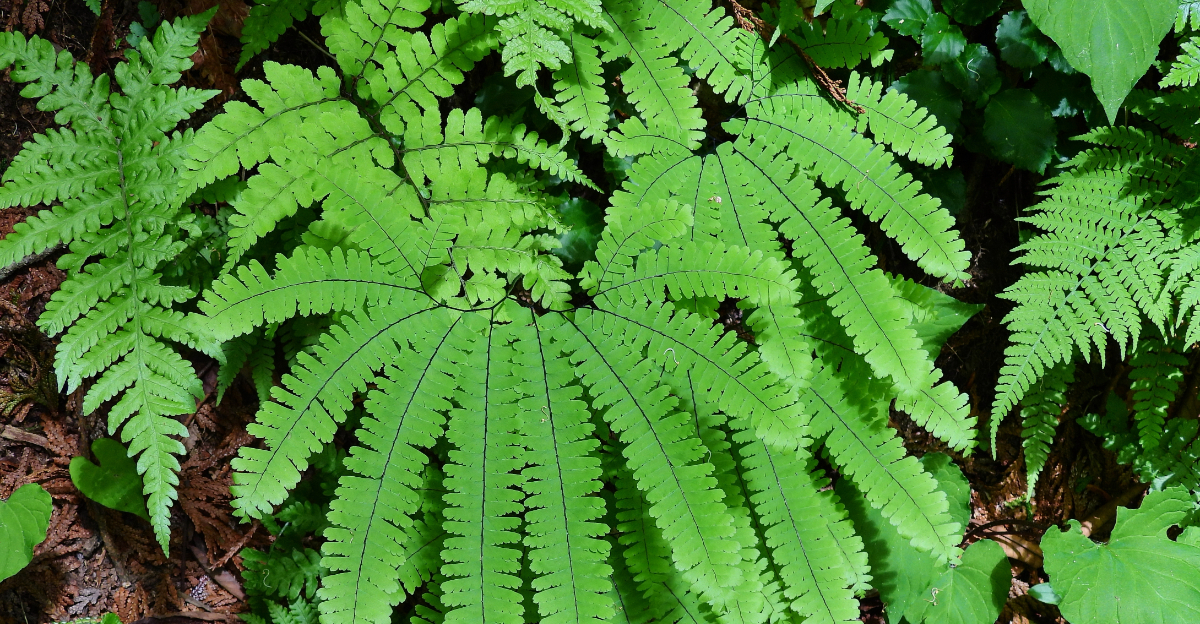
There is something almost magical about the way Maidenhair Fern moves. Its delicate, fan-shaped leaflets flutter at the slightest breeze, and they are held on thin, dark stems that look almost like black wire.
The contrast between those dark stems and the bright green leaflets is genuinely beautiful.
Beyond its looks, this fern is a surprisingly effective weed suppressor in moist, shaded spots. It grows in layered, spreading clumps that gradually fill in the ground around it.
Each year, the colony expands a little more, slowly closing off any open soil where weeds might try to establish themselves.
It prefers spots with consistent moisture and protection from wind. Shaded slopes near water features, the north side of buildings, and areas beneath large-leafed plants are all great fits.
It does not like to dry out, so consistent soil moisture is the key to keeping it happy and full.
Maidenhair Fern grows at a moderate pace, so patience is part of the deal. But once it gets going, it builds a dense, layered mat of growth that is hard for weeds to penetrate.
The coverage it provides feels natural and effortless.
Pairing it with Deer Fern or native mosses creates a stunning, low-maintenance woodland planting. The textures complement each other beautifully.
For anyone who wants a garden that looks like a serene forest floor, Maidenhair Fern is a must-have native plant worth every bit of the wait.
6. Oak Fern Spreads Lightly Through Cool Woodland Soil
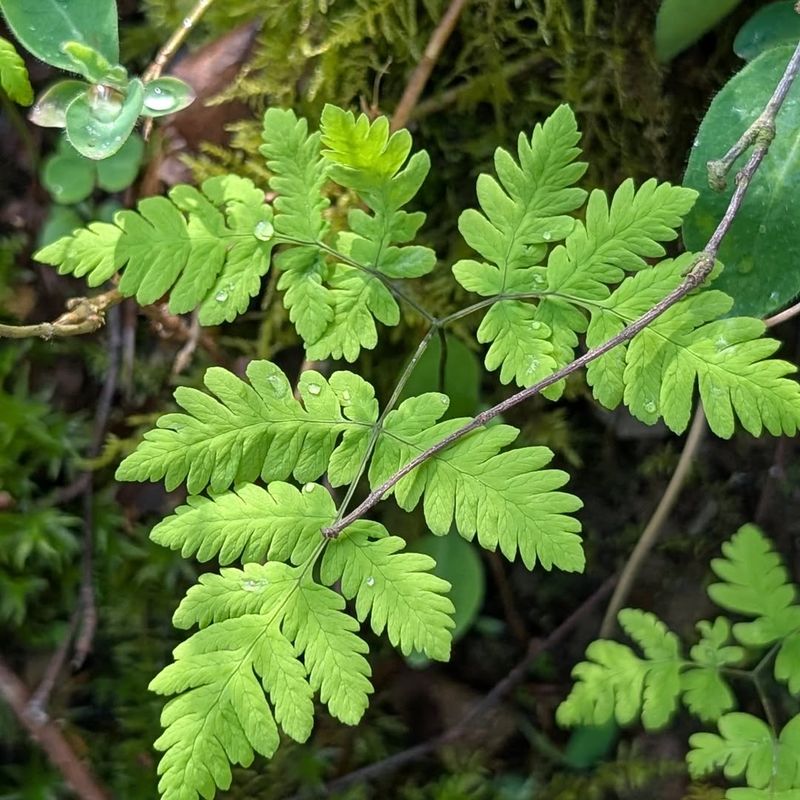
Cool, shaded woodland gardens have a quiet charm, and Oak Fern fits right into that world. It is a smaller, more delicate fern compared to others on this list, but do not underestimate what it can do.
Its triangular fronds spread horizontally in a way that covers ground efficiently and beautifully.
The fronds have a distinctive three-part shape that looks almost geometric. Each leaflet fans out in a different direction, creating a flat, spreading canopy close to the ground.
That low-growing habit is exactly what makes it so good at shading out weed seeds before they can sprout.
Oak Fern prefers cool, moist soil with lots of organic matter. It does well in the understory of conifer forests or in shaded garden beds with rich, amended soil.
In northern and higher-elevation parts of this state, it is especially at home.
It spreads through rhizomes, slowly creeping outward each season. The growth is gentle and non-aggressive, which means it plays well with other native plants.
You can use it to fill gaps between larger ferns without worrying about it taking over the whole bed.
For gardeners who want a naturalistic look, Oak Fern is a wonderful choice. It gives the garden a wild, woodland floor feel that is hard to achieve with ornamental plants.
Combine it with mosses, wild ginger, or native violets for a layered ground cover that keeps weeds out while looking completely at home in the landscape.
7. Licorice Fern Tucks Into Mossy Spots Where Weeds Struggle
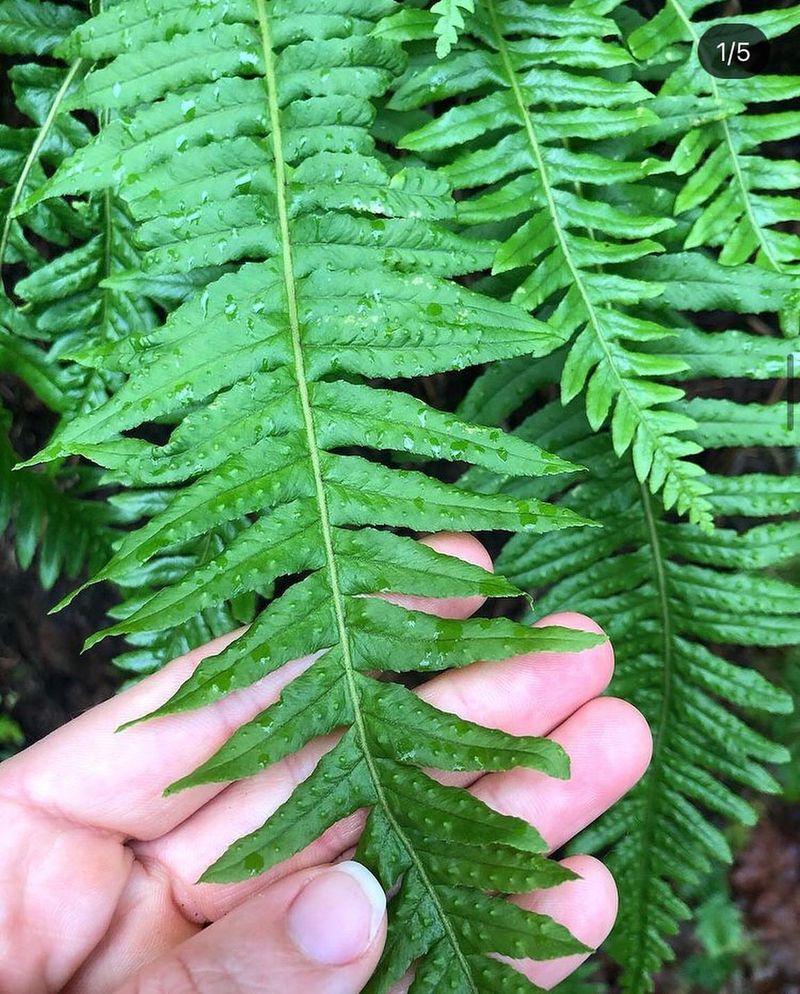
Licorice Fern does something most ferns cannot do. It grows on mossy rocks, fallen logs, and even the bark of big maple trees.
That ability to colonize vertical and rocky surfaces makes it one of the most uniquely useful native plants for tricky spots in the garden.
The name comes from the licorice-like scent and flavor of its rhizomes, which native peoples in this region used for centuries.
That long history with the land speaks to just how well adapted this fern truly is to our local environment.
In the garden, it tucks into crevices, slopes, and mossy patches where weeds have a hard time getting any grip at all. Its fronds are medium-sized and lance-shaped, forming a low, spreading cover wherever it finds a foothold.
Weeds simply cannot compete in the rocky or mossy spots this fern calls home.
One of its most interesting traits is its seasonal pattern. It goes dormant in summer when conditions get dry, then comes back vigorously in fall when the rains return.
This cycle is perfectly matched to our regional wet and dry seasons.
For gardeners with rocky walls, mossy stumps, or shaded slopes, Licorice Fern is a creative and practical solution. It adds texture and life to surfaces that most plants ignore entirely.
Once established, it requires almost no care and keeps spreading naturally through the moist months, filling in spots that would otherwise become weed magnets during the rainy season.
8. Fragile Fern Fills Damp Shade With Delicate Native Greenery
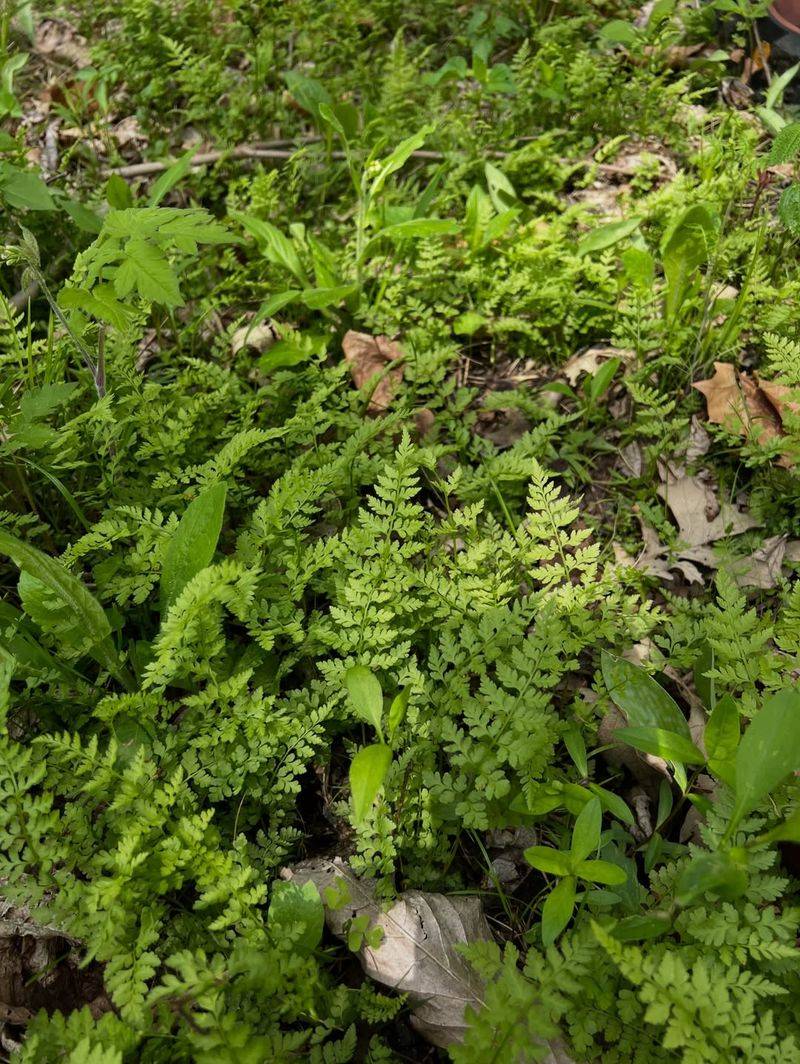
Do not let the name fool you. Fragile Fern is tougher than it sounds, especially when planted in the right conditions.
It thrives in cool, damp shade where the soil stays consistently moist and the sun barely reaches the ground.
In those spots, it grows into a soft, airy carpet of pale green that is genuinely lovely to look at.
The fronds are small and finely divided, giving the plant a light, feathery appearance. That delicate texture actually works in its favor when it comes to ground coverage.
The fronds lay close to the soil surface, shading it in a way that limits weed germination without overwhelming neighboring plants.
It spreads gently through rhizomes, filling in damp areas at a modest pace. Because it is not aggressive, it works well in mixed plantings with other small native ferns or woodland wildflowers.
It adds softness without taking over the whole space.
Fragile Fern is a great choice for rain gardens, shaded stream edges, or any low spot in the yard that stays wet longer than the rest.
It handles seasonal waterlogging with ease, which makes it useful in areas where most plants would struggle to survive.
For gardeners who want a delicate, natural look in challenging wet spots, this fern delivers beautifully. It brings a sense of quiet, woodland charm to areas that might otherwise be left bare and weedy.
Give it moisture and shade, and it will reward you with season after season of soft, weed-suppressing green coverage.