7 Things You Should Never Add To Your Virginia Vegetable Garden
Virginia dirt keeps secrets. One season your beds overflow with produce, the next your plants sputter out quietly with no explanation in sight.
That was my reality when carefully watered, freshly seeded plants began wilting, tasting flat, and delivering half the harvest they promised. No drought.
No obvious pest. Just a slow, invisible undoing I had accidentally set in motion myself.
Could the very materials you trust most be the ones quietly working against you? The answer hides inside the stuff most gardeners toss in without a second thought.
Virginia’s clay-heavy soil and thick summer humidity already punish small errors generously.
Add the wrong compost, the wrong mulch, or the wrong amendment, and you hand those problems extra fuel.
The biggest culprits wear the most innocent labels. They sit in garden centers looking perfectly harmless.
That reputation is precisely what keeps gardens underperforming year after year. Knowing the difference is not gardening trivia. It is the whole game.
1. Fresh (Raw) Manure
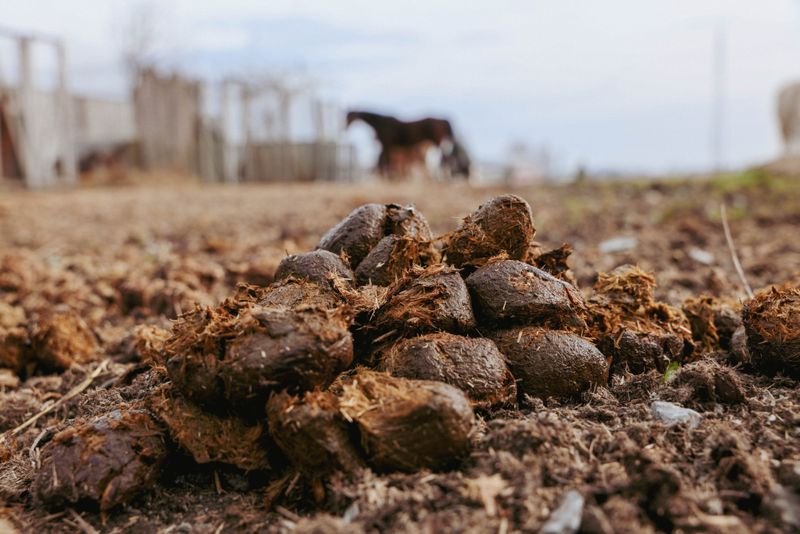
Fresh manure smells like trouble, and in a vegetable garden, it really is.
Gardeners have used animal waste as fertilizer for centuries, but there is a critical difference between aged compost and raw manure dumped straight from the barn.
Fresh manure from cows, horses, and chickens carries harmful bacteria like E. coli and Salmonella that can contaminate the vegetables you plan to eat.
Virginia’s warm, humid season can encourage bacterial activity in the soil. That means pathogens in raw manure may reach your crops more readily than in cooler, drier climates.
Root vegetables like carrots and radishes that grow directly in the soil are especially at risk, but leafy greens and low-hanging fruits face serious exposure too.
The USDA’s National Organic Program requires raw manure to be applied at least 120 days before harvest for crops touching the soil.
Most home gardeners skip this step entirely because they do not know it exists. Skipping it puts your whole family at risk every time someone takes a bite of a fresh salad from the backyard.
Aged or composted manure that has been properly heated to at least 131 degrees Fahrenheit for several days is a completely different story.
That process breaks down pathogens and creates a rich, safe soil amendment your garden will love.
If you are not sure how old or how hot your manure source has been processed, keep it far away from your vegetable beds and opt for a bagged, certified compost instead.
2. Black Walnut Leaves, Hulls, Or Wood Chips
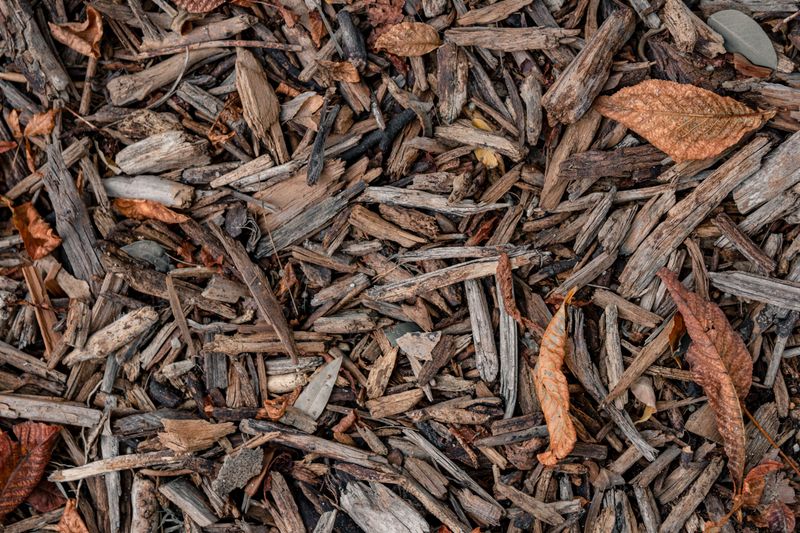
Black walnut trees are gorgeous, and if you have one in your Virginia yard, you probably feel lucky. That feeling changes fast once you notice your tomatoes wilting for no obvious reason.
Black walnut trees produce a natural chemical called juglone, and it is one of the most powerful plant toxins found in any common backyard tree.
Juglone seeps into the soil through fallen leaves, rotting hulls, and even the roots of the tree itself. Some plants tolerate it just fine, but many popular vegetables absolutely cannot.
Your Virginia Garden Changes Every Week. Your Plan Should Too.
Gardening in Virginia changes quickly throughout the season. Every Friday you’ll receive a simple weekly plan showing exactly what to plant, prune, fertilize, harvest, and protect so you never miss the right timing.
Tomatoes, peppers, eggplants, and potatoes are among the most sensitive crops, and they can show serious decline within days to weeks of juglone exposure.
The sneaky part is that gardeners often bring this problem on themselves. They see a pile of free wood chips or a heap of fallen leaves and think, why not mulch the garden?
If those materials came from a black walnut tree, the juglone inside them goes straight into the bed and the damage begins before you even notice something is wrong.
Virginia has a healthy black walnut population, especially in the Piedmont and mountain regions, so this is a real and local concern.
Always identify the source of any leaves, hulls, or wood chips before spreading them in your garden. A simple rule works well here: if you are not certain what tree it came from, do not use it.
Choose wood chips from known safe trees like oak or maple, and your plants will thank you for the caution.
3. Grass Clippings From Chemically Treated Lawns
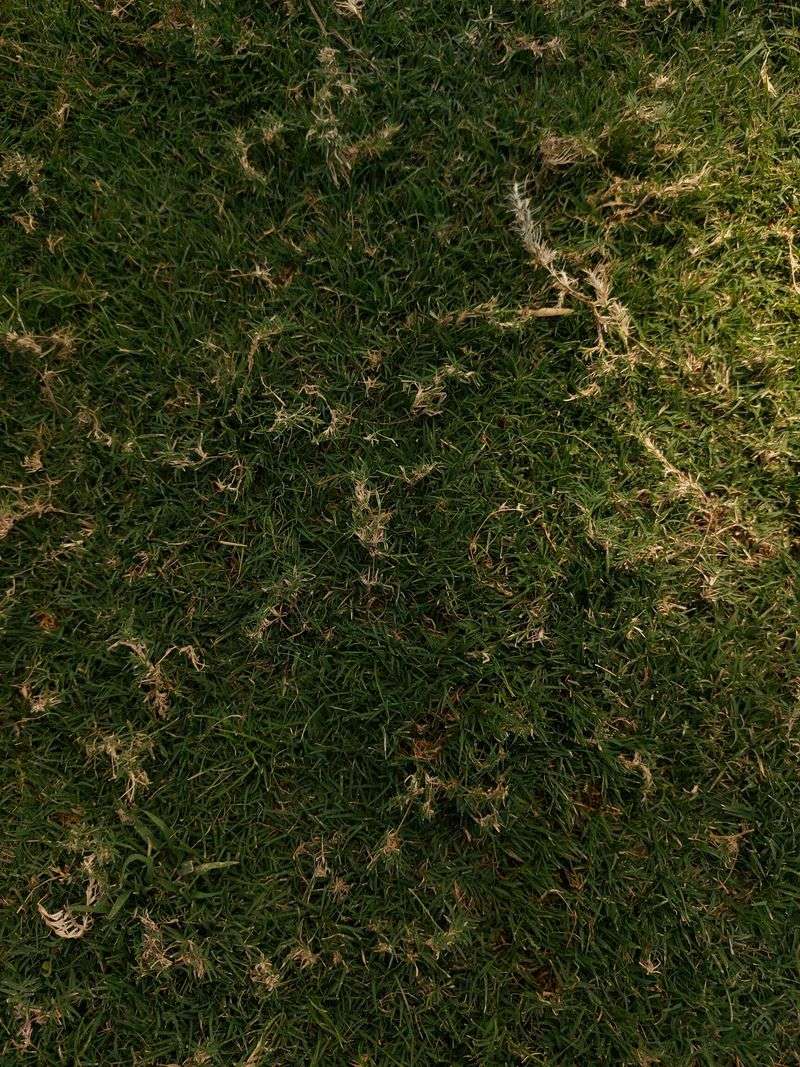
Grass clippings seem like the perfect garden freebie. They break down quickly, add nitrogen to the soil, and help suppress weeds when used as mulch.
But clippings from a lawn that has been sprayed with herbicides or pesticides carry those chemicals right into your vegetable garden.
Certain herbicides, especially those containing aminopyralid or clopyralid, are remarkably persistent.
They can survive composting, survive rain, and survive months in the soil before finally breaking down.
Gardeners across the country have reported distorted, cupped leaves and stunted growth in tomatoes and beans after applying treated grass clippings, even when the clippings had been composted first.
Virginia homeowners tend to keep well-manicured lawns, and lawn care services apply herbicides and pesticides regularly throughout the spring and summer.
If your neighbor shares clippings, or if you mow your own treated lawn and bag the results, using those clippings in the vegetable bed is a gamble you do not want to take.
The damage can derail an entire planting season before you ever trace it back to the source. Safe alternatives exist and are easy to find.
Untreated grass clippings from an organic lawn make excellent mulch and compost material. You can also use straw, shredded leaves from non-toxic trees, or wood chips from safe sources.
When in doubt, ask your lawn care provider exactly what products were applied and when before you ever consider using those clippings near food crops.
One bad batch of mulch can set your garden back further than you expect.
4. Creosote Or Pentachlorophenol-Treated Lumber
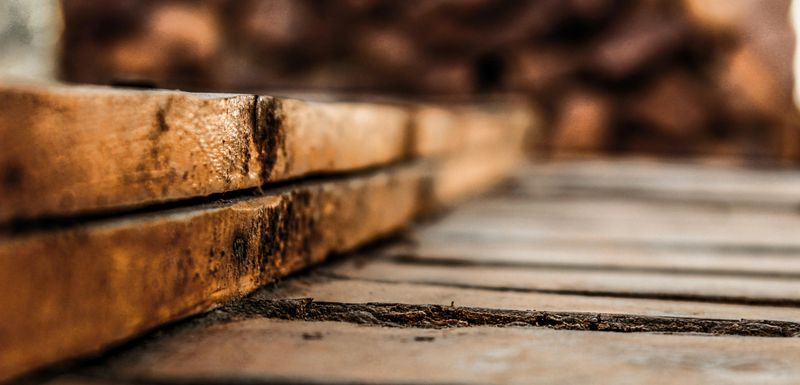
Old railroad ties look rustic and sturdy, which is exactly why so many gardeners grab them for raised bed borders.
But those dark, heavy timbers are soaked in creosote, a coal tar derivative packed with toxic compounds.
Using them around your food crops is one of the most common and least-talked-about garden mistakes in suburban Virginia.
Creosote leaches into the surrounding soil over time, especially during Virginia’s hot summers when the wood heats up and releases its oils more aggressively.
The chemicals in creosote include polycyclic aromatic hydrocarbons, several of which are classified as probable human carcinogens.
Some plants can absorb these compounds through their roots, which raises real concerns about what may transfer into the food you grow and eat. Pentachlorophenol-treated lumber presents a similar problem.
The EPA significantly restricted residential use of this preservative during the 1980s, though treated wood from that era still surfaces in salvage yards and old properties today.
If you are repurposing old wood without knowing its history, you are taking a serious chance. The safest choice for raised vegetable beds is untreated cedar, redwood, or pine.
These woods resist rot naturally and do not release harmful chemicals into your growing space. You can also use composite lumber made specifically for garden use or galvanized metal raised bed kits.
A vegetable garden is meant to feed your family, and the materials surrounding it should be just as clean as the food growing inside it.
5. Cat Or Dog Manure
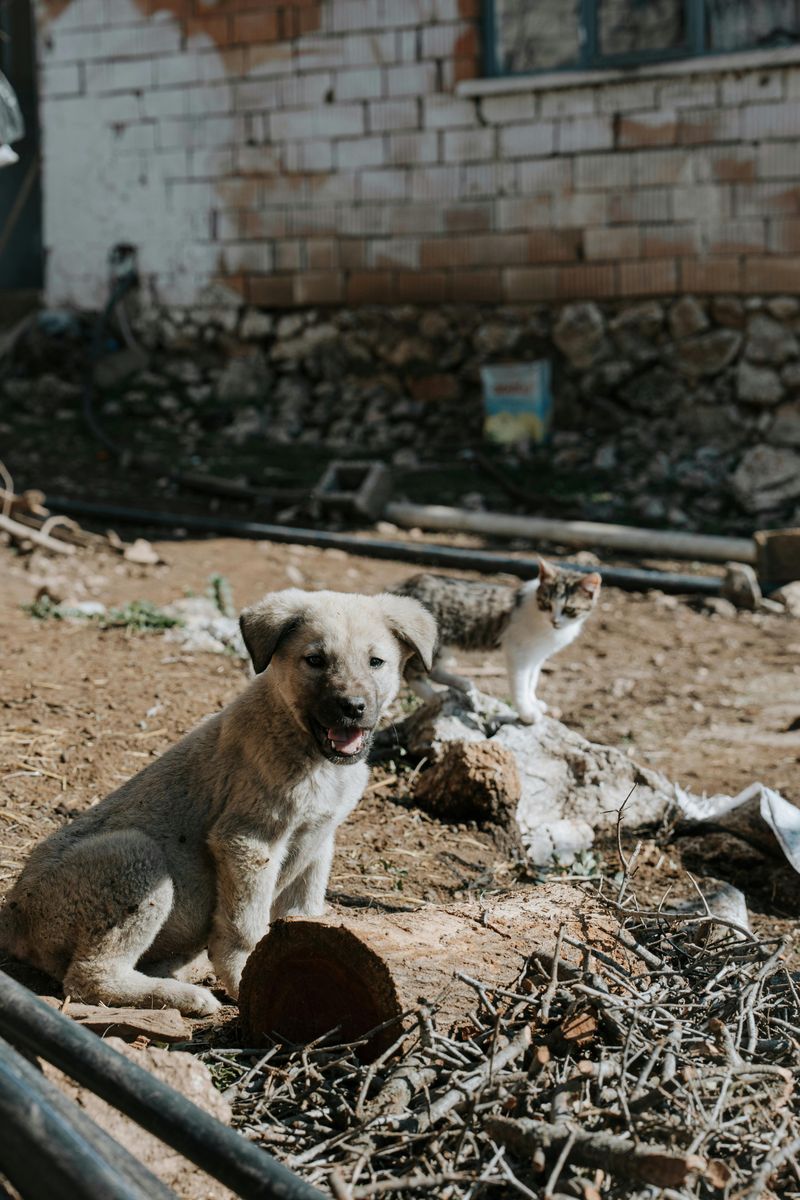
Pet waste feels like a natural fertilizer since it comes from living animals. Here is the hard truth: cat and dog manure are nothing like the composted cow or chicken manure sold at garden centers.
They carry parasites, bacteria, and viruses that pose genuine health risks to humans.
Toxoplasma gondii is a parasite found in cat feces that can infect humans and cause serious illness, particularly in pregnant women and people with weakened immune systems.
Dog waste frequently contains roundworms, hookworms, and parvovirus. None of these organisms care that your garden looks beautiful or that your intentions were good.
Unlike herbivore manure from cows or horses, carnivore waste from pets is unlikely to break down safely through standard home composting temperatures alone.
The pathogens in pet feces are more heat-resistant and require specialized processing that most home compost setups simply cannot achieve.
Adding pet waste to a backyard compost pile does not make it safe for food gardens. Virginia’s Extension Service strongly discourages using pet waste anywhere near edible crops.
If you have pets that roam the garden, installing a low fence around your vegetable beds keeps waste out and protects your plants from other forms of disruption too.
For those who want to do something constructive with pet waste, dedicated pet waste composters exist that process it separately from food garden compost.
Keep it out of the vegetable patch entirely, and your harvest will be safer for everyone who eats it.
6. Compost Or Hay From Unknown Sources
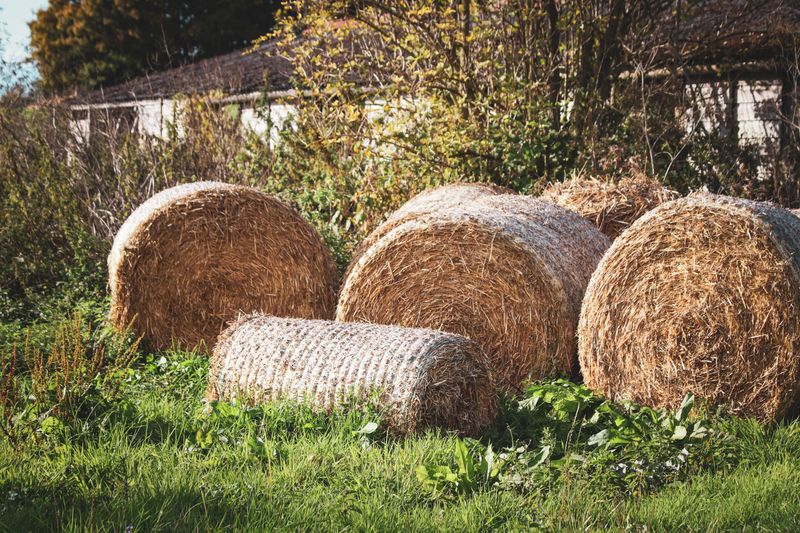
Free compost sounds like a gardener’s dream, but compost from unknown sources can quietly become your garden’s biggest problem.
Not all compost is created equal. Unknown sources can bring weed seeds, herbicide residues, heavy metals, or pathogens straight into your beds.
Once those problems are in the soil, getting rid of them takes seasons, not days.
Hay is one of the sneakiest culprits. Farming hay fields are often sprayed with persistent herbicides to control broadleaf weeds before harvest.
When that hay is baled and later used as garden mulch or compost material, those herbicides transfer directly into your vegetable beds and can stunt or slow plant growth for an entire growing season.
Municipal compost programs vary widely in quality and testing standards. Some cities and counties in Virginia produce excellent, well-tested compost that is safe for food gardens.
Others collect yard waste from properties treated with chemicals and may not screen for herbicide contamination before distributing the finished product.
Before accepting free compost or hay from any source, ask specific questions. Find out where the material came from, what went into it, and whether it has been tested for herbicide residues or heavy metals.
Certified organic compost from reputable suppliers is a safer investment than a free pile of unknown material.
Your soil is the foundation of everything you grow, and protecting it from contamination at the start is far easier than fixing the damage after the fact.
7. Large Amounts Of Wood Ash Without Testing PH First
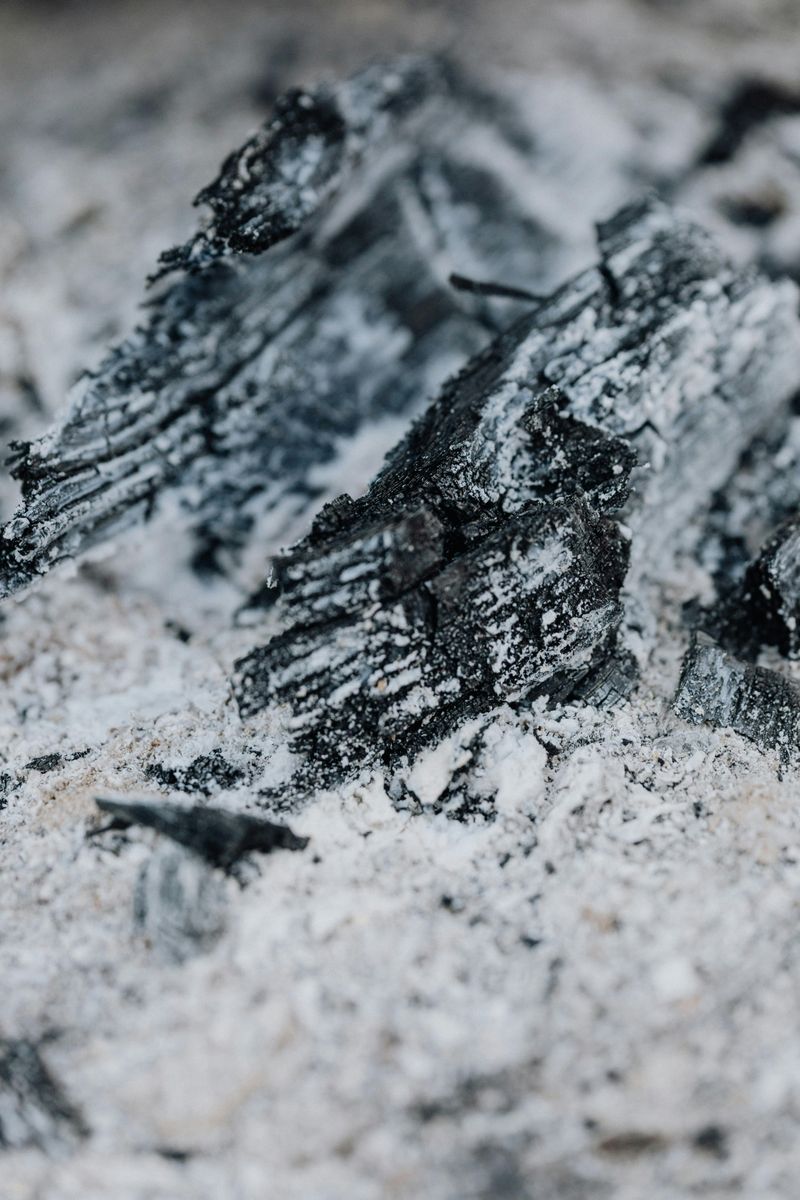
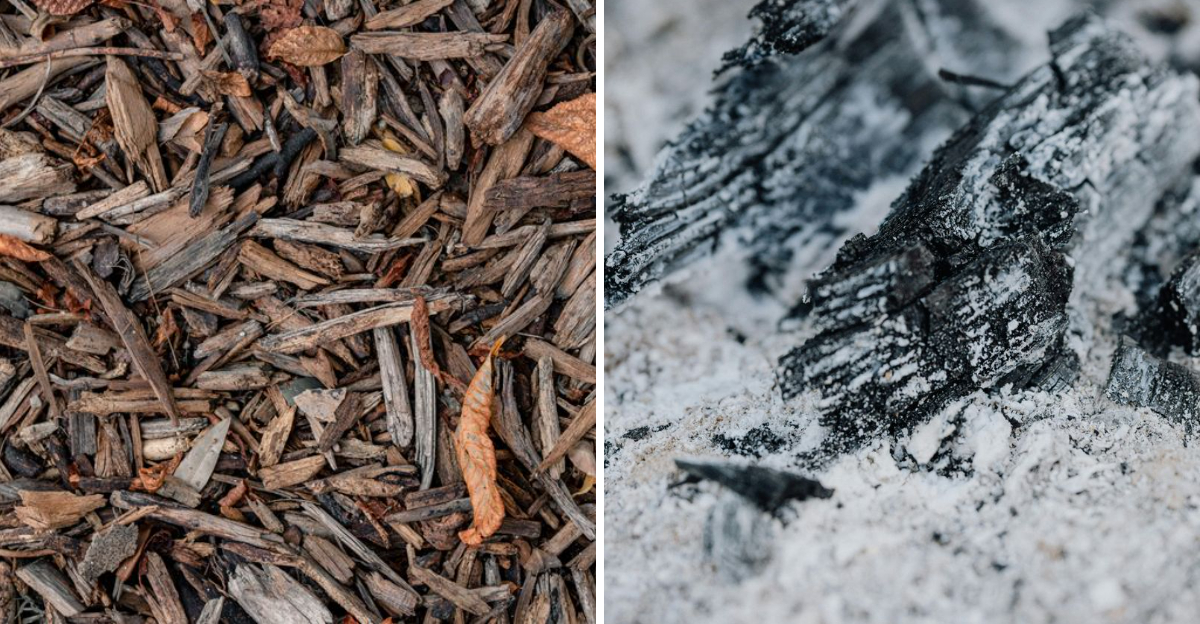
Wood ash looks innocent sitting next to the fireplace. It carries an old-fashioned reputation, and in small amounts, it can genuinely benefit certain soils.
But adding large quantities without testing your pH first can quietly push your Virginia garden from productive to struggling.
Wood ash is highly alkaline, with a pH that typically ranges between 9 and 11 depending on the wood source.
Most vegetables prefer a slightly acidic to neutral soil, somewhere between 6.0 and 7.0. Virginia soils already tend toward acidity in many regions.
Adding ash without checking can push the pH well beyond that comfortable range. At that point, plants can no longer absorb nutrients properly, even when those nutrients are sitting right there in the soil.
The symptoms of over-alkalized soil look confusingly similar to nutrient deficiency. Yellow leaves, poor growth, and low yields can all point to pH imbalance rather than a lack of fertilizer.
Gardeners often respond by adding more fertilizer, which does nothing to fix the actual problem and can make things worse.
A simple soil test from Virginia Cooperative Extension costs very little and takes the guesswork completely out of the equation.
If your soil tests below 6.0, a modest application of wood ash can help raise it toward a better range.
If it is already neutral or above, skip the ash entirely. Knowing your numbers before you amend anything is the single smartest habit any Virginia vegetable gardener can build.