Why July Heat Makes Virginia Tomato Plants Grow Leggy And Weak
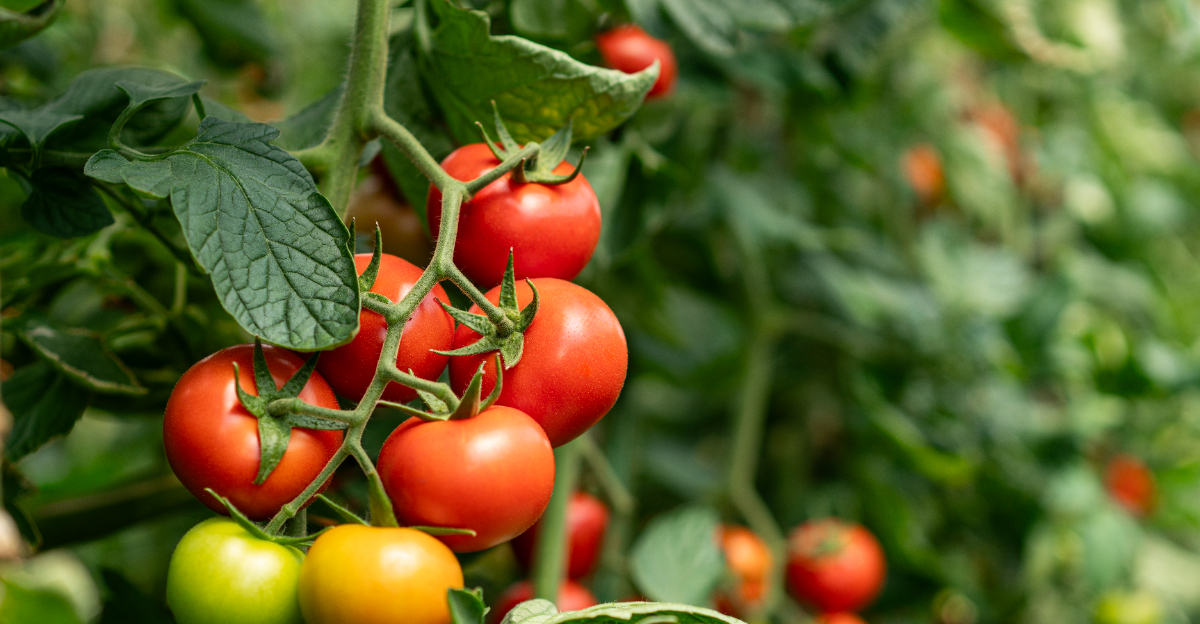
Your tomato plants were thick and green just weeks ago. Now June is winding down, and those same stems are already stretching upward like they’re reaching for something just out of view.
The leaves cluster near the top while the bottom looks bare and tired. If you garden in Virginia, you know this heat does not play around. Plants that once stood sturdy now lean, wobble, and struggle to hold their own weight.
Your tomatoes are not failing on purpose. Something in their environment is pushing them to grow this way, and July’s intense sun and humidity are often the hidden culprits.
Once you know what is driving the stretch, you can act before those weak stems snap under the weight of ripening fruit.
Why July Heat Triggers Legginess In Tomato Plants
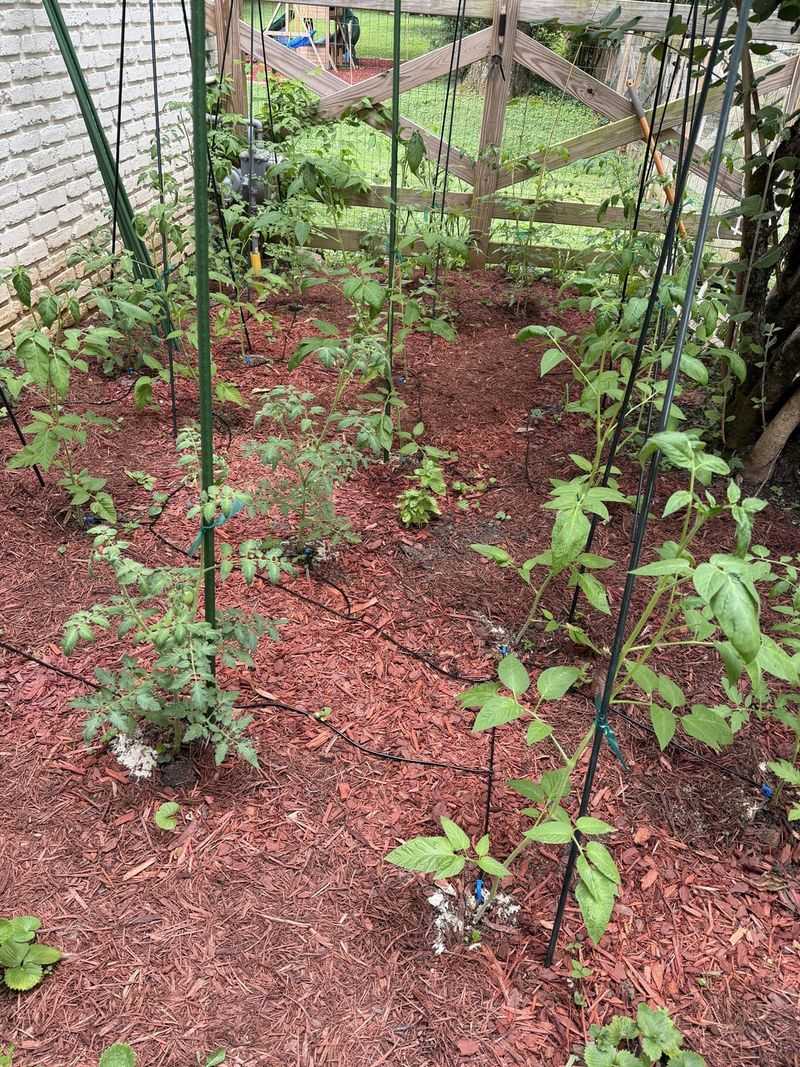
Heat does strange things to tomato plants. When temperatures push past 90 degrees, tomatoes shift into survival mode fast.
Normally, a tomato plant balances two jobs: making food and growing new tissue. July heat tips that balance sideways in a hurry.
The plant stops putting energy into thick, sturdy stems. Instead, it puts energy into upward growth rather than thickening, creating those long, floppy growth patterns we call leggy.
This upward stretch is the plant’s stress response, often driven by a mix of heat, humidity, and reduced light penetration through the canopy.
Warm nights above 70 degrees add another layer of stress, leaving plants with less time to recover and making existing legginess harder to reverse.
During cool nights, tomatoes typically recover and build stronger tissue. Hot nights cut into that recovery window, adding to the plant’s overall stress.
The result is soft, elongated stems that cannot support heavy fruit. Those stems bend easily and snap under the weight of developing tomatoes.
Gardeners often blame poor soil or bad seeds for this problem. The real culprit is usually the July heat working against the plant biology.
Recognizing this stress-driven legginess early gives you a fighting chance. Acting quickly means you can still rescue a struggling plant before the damage becomes permanent.
Signs Your Tomato Plants Are Becoming Leggy
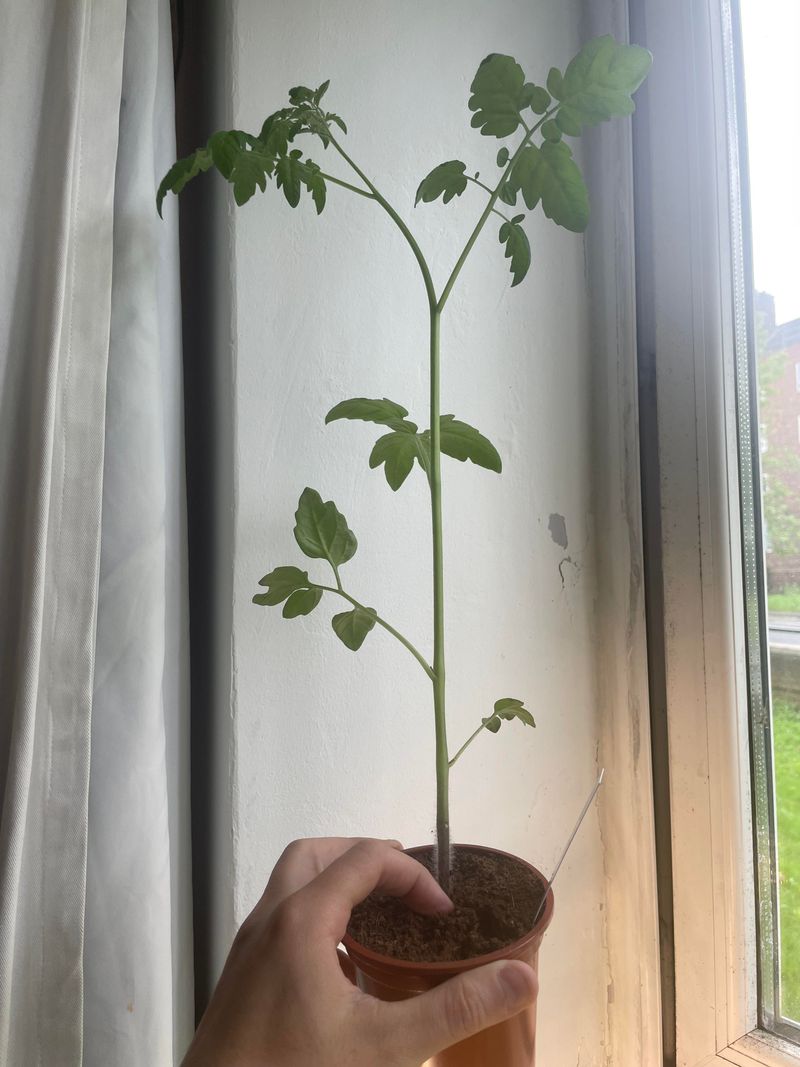
Spotting legginess early is half the battle. Your plants will show you clear warning signs before things get out of hand.
The first clue is stem thickness. Healthy stems feel firm and look thick; leggy stems feel soft and look pencil-thin.
Check the spacing between leaf sets on each stem. Wide gaps between leaves mean the plant is stretching instead of filling out properly.
Another sign is the color of the leaves themselves. Pale green or yellowish leaves often signal that the plant is stressed and redirecting limited energy upward.
Look at how the plant holds itself up. A strong tomato stands relatively upright; a leggy one droops and leans without support.
Fewer flower clusters than expected is another red flag. When plants focus on stretching stems, flower production drops sharply during peak heat.
Some gardeners notice their plants look tall but oddly sparse. Lots of height with very few branches is a textbook sign of legginess.
Your Virginia Garden Changes Every Week. Your Plan Should Too.
Gardening in Virginia changes quickly throughout the season. Every Friday you’ll receive a simple weekly plan showing exactly what to plant, prune, fertilize, harvest, and protect so you never miss the right timing.
Touch the stem near the base of the plant. If it bends easily under light pressure, the structural integrity has already weakened.
Virginia summers sneak up fast, and plants can shift from healthy to leggy within two weeks. Checking your garden every few days during July keeps you ahead of the problem.
Catching these signs early means your intervention will be far more effective. A little observation now saves a lot of frustration later in the season.
How Virginia’s Summer Climate Adds To The Problem
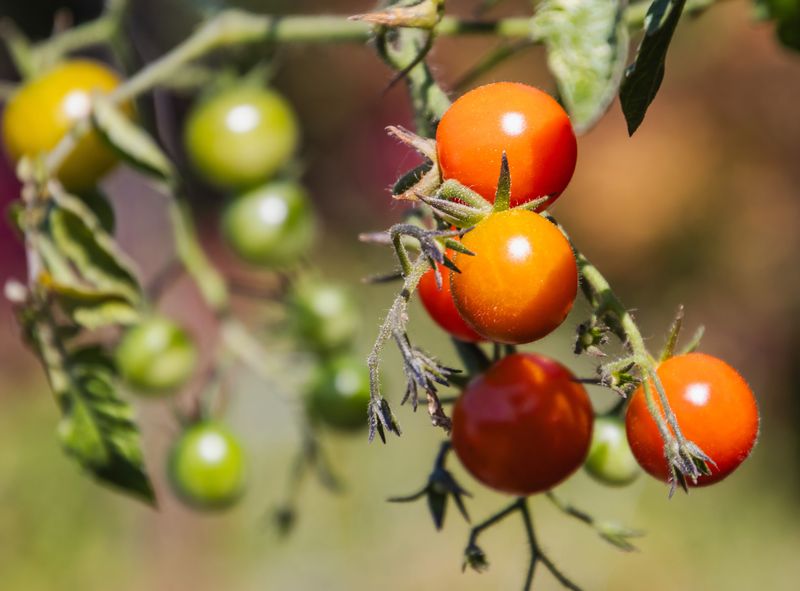
Virginia summers are a special kind of brutal for tomato growers. The combination of heat and humidity creates conditions that push plants past their comfort zone daily.
Most tomato varieties prefer daytime highs around 75 to 85 degrees. July in central and northern Virginia routinely blows past that range before noon.
Humidity makes the problem worse in a specific way. High moisture in the air slows the plant’s ability to cool itself through normal water release from its leaves.
When a plant cannot cool down efficiently, heat stress builds up faster. That stress accelerates the leggy growth response we see in mid-summer gardens.
Southern Virginia gardeners deal with even more intense conditions. The southern part of the state sits closer to humid subtropical climate patterns that amplify summer heat effects.
Clay-heavy soils common across much of the state also trap heat near the root zone. Roots sitting in warm soil struggle to absorb water properly, adding more stress to an already struggling plant.
Urban gardeners face an additional layer of difficulty. Concrete, asphalt, and buildings create heat islands that push local temperatures even higher than surrounding rural areas.
The combination of air heat, soil heat, and humidity puts extra strain on tomato plants. Many gardens see weaker, leggier growth by mid-July as a result.
Knowing your local microclimate helps you plan smarter. Shade cloth, raised beds, and air flow improvements can offset some of what the climate throws at your garden.
Pruning And Staking Tips To Support Leggy Stems
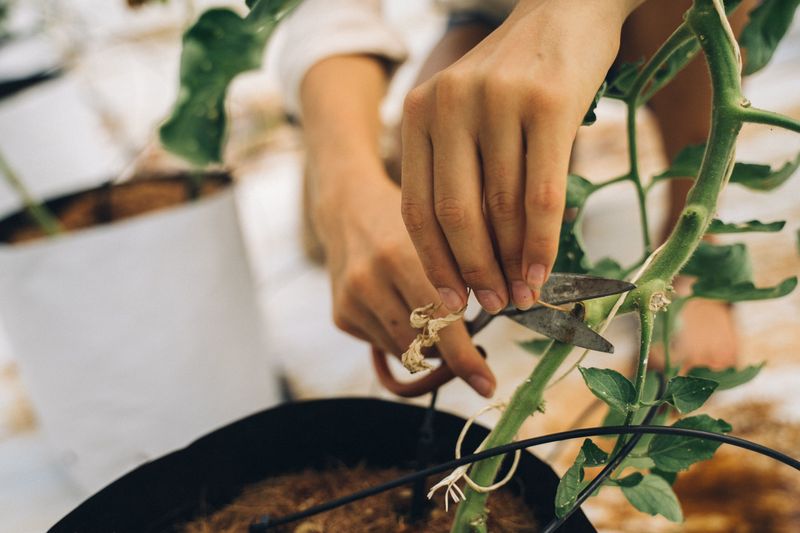
A leggy tomato plant is not a lost cause. Smart pruning and solid staking can bring it back to a productive state fairly quickly.
Start by removing suckers growing from the crotch between the main stem and side branches. Suckers steal energy and make legginess worse when left unchecked.
Use clean, sharp scissors or pruning shears for every cut. Dirty tools spread disease between plants, which is the last thing a stressed tomato needs in July.
After pruning, focus on support. A single sturdy stake driven at least 12 inches into the ground gives the main stem something reliable to lean against.
Tie the stem to the stake using soft garden twine or stretchy plant ties. Avoid wire or string that can cut into the soft, weakened stem tissue.
Tomato cages work well for shorter varieties, but tall leggy plants often outgrow standard cages quickly. Consider using two stakes connected by horizontal supports for better coverage.
Pinching the very top growing tip of an extremely leggy plant can redirect energy downward. This encourages the plant to build out side growth instead of continuing to stretch up.
After pruning, give the plant a few days to adjust before doing more cutting. Removing too much at once shocks an already heat-stressed plant.
Consistent pruning through the rest of the season keeps new leggy growth from taking over again. Your tomatoes will reward that steady attention with stronger stems and better fruit production.
Watering And Mulching Adjustments For Hot July Days
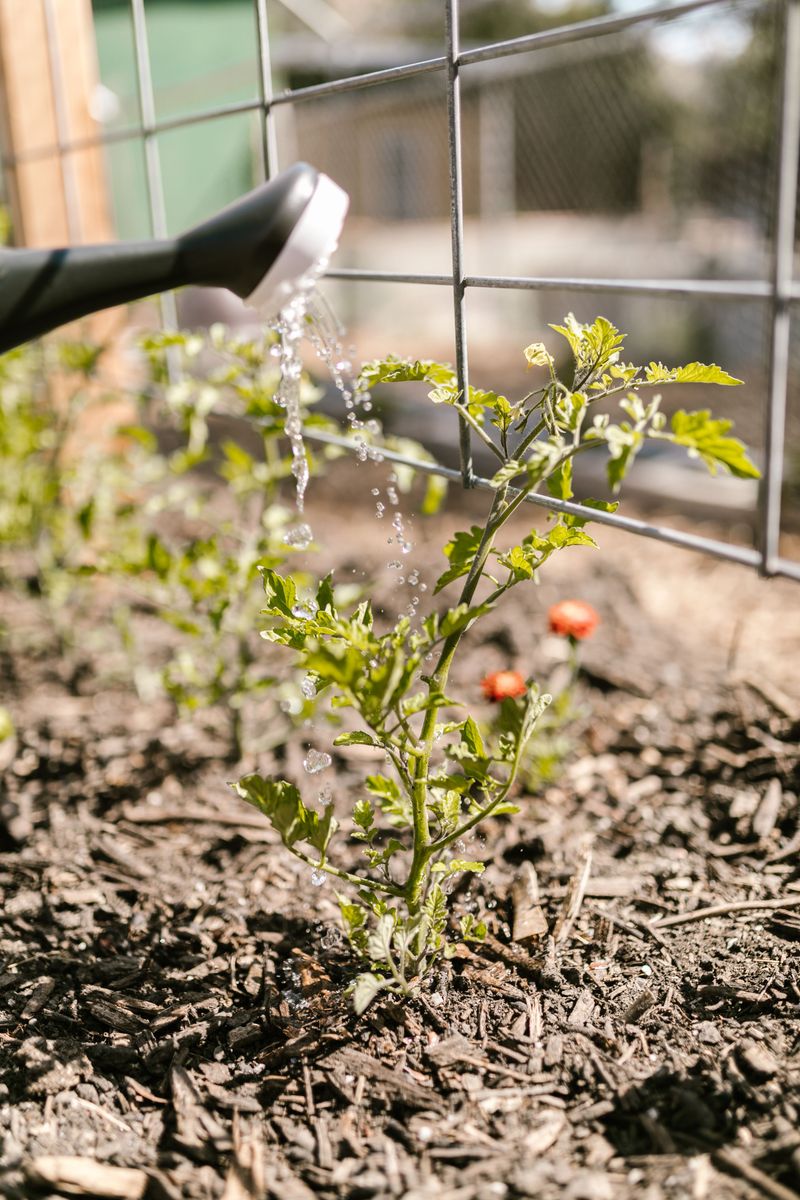
Water and mulch are your two most powerful tools during a July heat wave. Used correctly, they protect roots and slow down heat stress significantly.
Deep watering beats shallow watering every single time in summer. Shallow watering encourages roots to stay near the hot soil surface instead of growing deeper where it is cooler.
Water your tomatoes at the base, not from above. Wet leaves in hot sun create conditions for fungal problems that compound the stress your plants already face.
Early morning is the best watering window by far. Morning water soaks in before afternoon heat can evaporate it, giving roots a full day of moisture access.
Aim for about one to two inches of water per week during peak summer. Sandy soils dry out faster, so check moisture levels every other day to stay on track.
Mulch is the unsung hero of summer tomato care. A three to four inch layer of straw or wood chips around the base of each plant keeps soil temperatures dramatically lower.
Cooler soil means healthier roots, and healthier roots mean a stronger plant overall. Mulch also reduces how often you need to water, which saves both time and money.
Pull mulch slightly away from the main stem to prevent rot at the base. A small gap of two to three inches around the stem is all you need.
Combining deep watering with solid mulching gives leggy Virginia tomato plants a real chance to recover and produce through the rest of the season.
Preventing Legginess In Future Growing Seasons
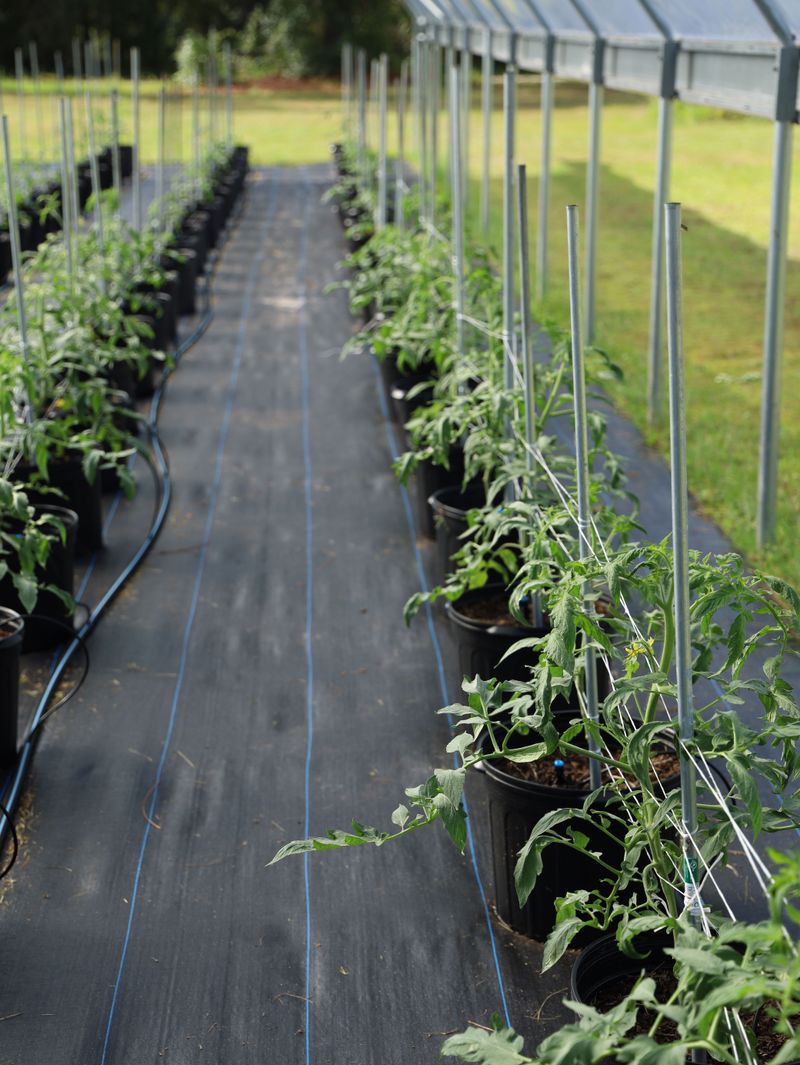
Prevention beats correction every time in the garden. A few smart choices before July arrives can keep your tomato plants strong and compact all season long.
Start by choosing heat-tolerant tomato varieties suited for hot climates. Varieties like Solar Fire, Heatmaster, and Florida 91 hold up better when temperatures climb into the danger zone.
Planting on time matters more than most gardeners realize. Getting transplants in the ground by mid-May in most of the state gives plants time to establish before brutal heat arrives.
Shade cloth rated at 30 to 40 percent coverage can make a noticeable difference during peak summer afternoons. It blocks enough light to reduce heat stress without starving plants of the sun they need.
Building raised beds with quality compost-rich soil improves drainage and keeps roots at a more stable temperature. Good soil structure also supports stronger stem development from the very beginning.
Spacing plants correctly prevents crowding, which traps heat and humidity between stems. Give each plant at least 24 to 36 inches of breathing room in every direction.
Adding a layer of compost in spring feeds beneficial soil organisms that help plants handle stress better. Healthy soil biology is a quiet but powerful defense against summer heat damage.
Keeping a simple garden journal helps you track what worked and what did not each year. Patterns become obvious quickly when you have notes to look back on.
Smart planning now means stronger, more compact Virginia tomato plants going into next July’s heat.