The Best Plant Shapes To Mix In California Front Yards For Year-Round Structure
A front yard can look full in spring and still feel flat the rest of the year. The secret is not only choosing pretty plants.
Shape matters just as much. Rounded shrubs, upright accents, soft grasses, low mounds, and spreading groundcovers all play different roles in a California landscape.
When those shapes work together, the yard feels polished even when flowers are not the main event.
This is what gives a garden staying power through dry summers, mild winters, and quiet bloom periods.
A strong mix can guide the eye, frame the entry, soften hard edges, and keep the space from looking random.
Once you start seeing plants by shape, not just color, front yard design becomes much easier.
The right forms can make your landscape look planned, balanced, and welcoming all year.
1. Rounded Shrubs Give The Yard Its Bones
Every well-designed yard needs a foundation, and rounded shrubs are exactly that. They are the backbone of the front yard.
Without them, everything else looks scattered and unplanned.
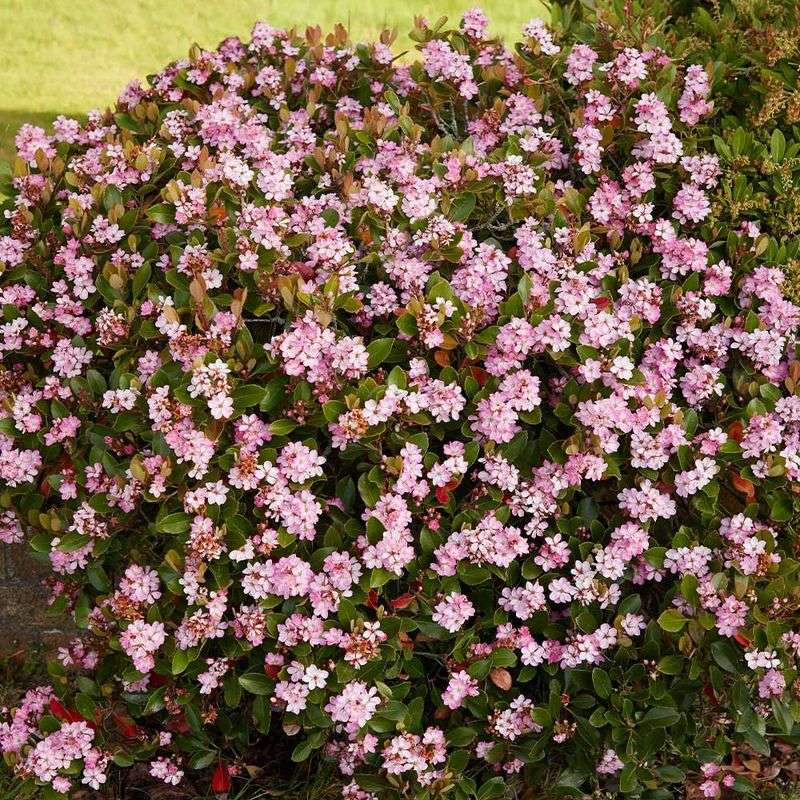
Rounded shrubs like pittosporum, boxwood, and dwarf myrtle hold their shape through the seasons. They give the eye a place to rest.
When you place them at regular intervals along a path or bed edge, they create rhythm and order in the yard.
One of the best things about rounded shrubs is how well they play with other plant shapes. Place a spiky agave nearby and the contrast is striking.
Tuck a low groundcover at their base and the whole planting looks finished and intentional.
In this state, rounded shrubs are easy to maintain because many of them are drought-tolerant once established. Plants like Indian hawthorn and manzanita naturally grow in a round form with little pruning needed.
That means less work for you over time.
Try grouping three rounded shrubs of different sizes together in one bed. Use a large one in the back, a medium one in the middle, and a small one up front.
That simple layering trick adds depth without making the yard feel crowded. Rounded shrubs are not glamorous, but they are essential.
They quietly hold the whole design together all year long.
2. Upright Plants Add Height Without Bulk
Not every yard has room for a wide spreading tree, but almost every yard has room for something tall and narrow.
Upright plants solve the problem of adding height without eating up valuable space. They draw the eye upward and make a yard feel larger than it really is.
Good choices for this shape include Italian cypress, sky pencil holly, and columnar apple trees. These plants grow tall without spreading wide.
They are perfect for small yards, narrow side strips, or spots where you want height but not bulk.
Upright plants also work well as natural dividers. You can line them along a property edge to create a soft privacy screen.
Or use a single upright plant as a focal point at the end of a path to pull people through the yard.
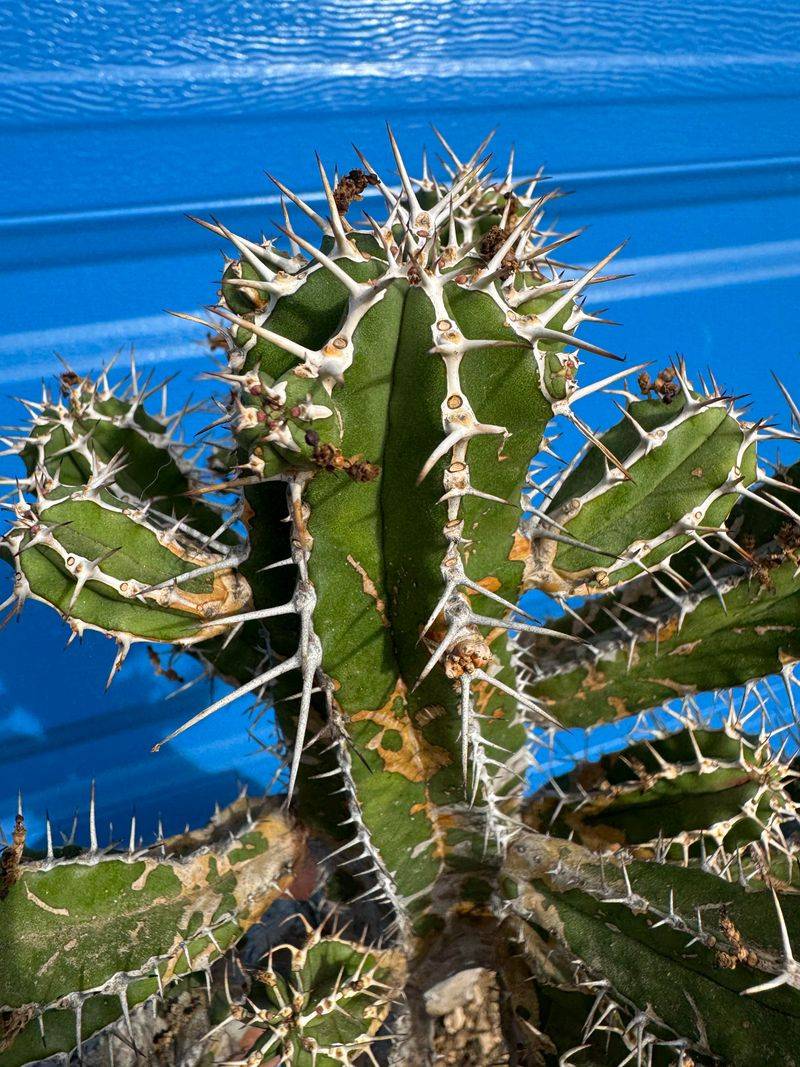
In warmer parts of our state, upright succulents like the golden barrel cactus stacked with a tall euphorbia can create a sculptural look that feels bold and modern.
Your California Garden Changes Every Week. Your Plan Should Too.
Gardening in California changes quickly throughout the season. Every Friday you’ll receive a simple weekly plan showing exactly what to plant, prune, fertilize, harvest, and protect so you never miss the right timing.
In cooler northern regions, upright conifers hold their shape and color even through wet winters.
The trick with upright plants is spacing. Give them enough room so they do not look crowded, but place them close enough that they feel like part of a group.
Two or three upright plants together always look more intentional than just one standing alone in the middle of a bed.
3. Mounding Plants Soften Harsh Edges
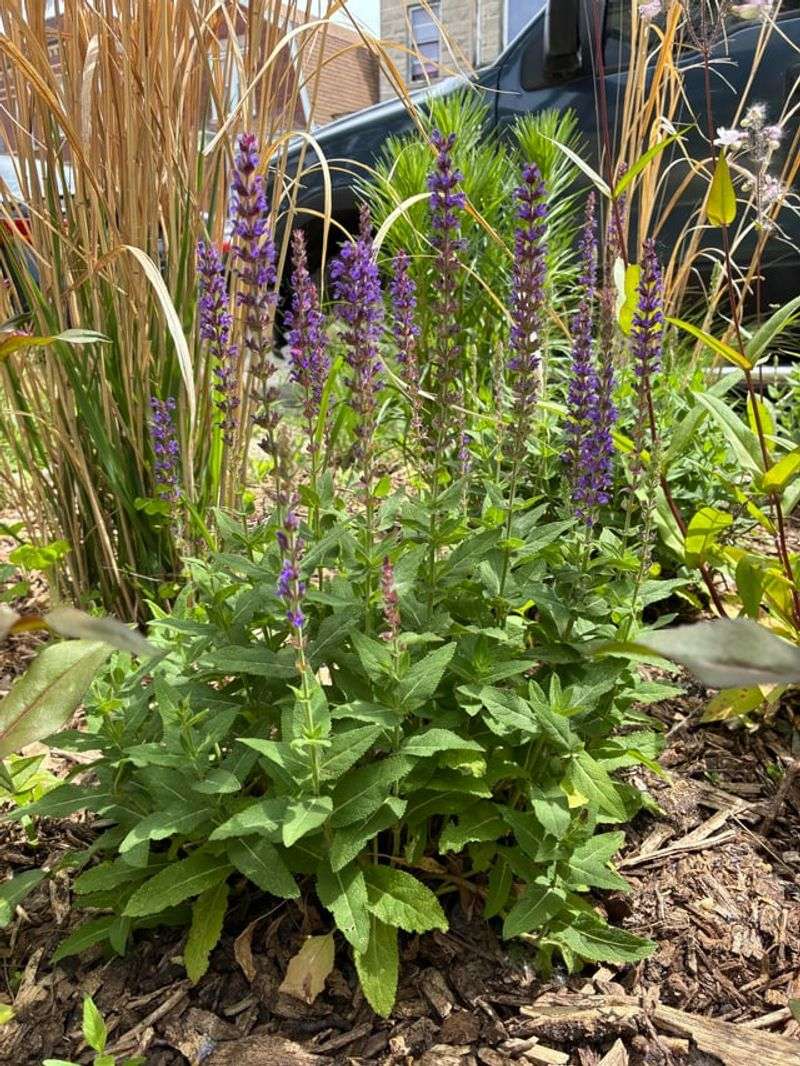
Hard edges are everywhere in a front yard. Concrete driveways, brick borders, and wooden retaining walls can make a yard feel stiff and uninviting.
Mounding plants fix that problem beautifully. A mounding plant grows in a gentle dome shape that naturally softens whatever is next to it. Lavender, salvia, and catmint are classic examples.
They billow slightly over edges, blur the line between hardscape and garden, and make everything feel more relaxed and welcoming.
What makes mounding plants so useful is their versatility. They work in formal yards and casual cottage gardens alike.
In a formal yard, shear them lightly to keep a tidy dome shape. In a relaxed yard, let them grow freely for a more natural, flowing look.
Many mounding plants also bloom for long stretches of the year in our mild climate. Russian sage, for example, produces soft purple flowers from spring through fall.
That means color and texture at the same time, which is a great value in any planting.
For the best effect, plant mounding shapes at the front edge of a bed where they can spill slightly forward. Layer taller plants behind them so the mounding form is fully visible from the street.
This layering approach makes even a simple bed look thoughtfully designed. Mounding plants are the friendly, easygoing members of the yard that make everyone feel at ease.
4. Spiky Plants Create Instant Drama
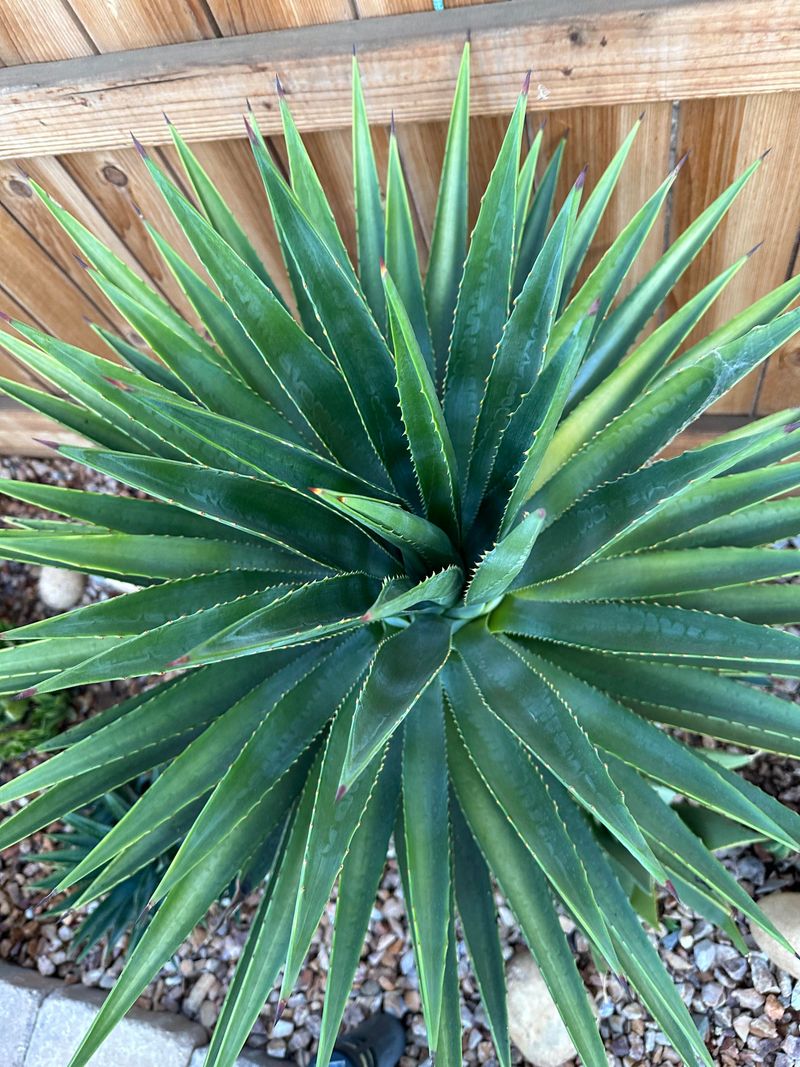
Some plants walk into a yard and immediately demand attention. Spiky plants are exactly like that.
Their sharp, pointed leaves create strong lines that contrast with every other shape in the garden. One well-placed agave can completely transform a flat, boring bed.
Agave, yucca, and aloe are the superstars of this category in our state. They thrive in full sun, need very little water, and look striking in every season.
Their bold geometry makes them perfect focal points in both modern and desert-style yards.
The contrast between spiky and soft is one of the most powerful tricks in garden design. Place an agave next to a mounding lavender and the difference in texture and shape creates instant visual interest.
The eye bounces between the two forms, and the whole bed looks more dynamic.
Spiky plants also work well in containers near a front door. A pair of matching agaves flanking an entry creates a bold, welcoming statement.
Choose a compact variety so the plant stays manageable as it grows over the years.
One thing to keep in mind is placement around walkways. Some agaves have sharp spine tips that can be hazardous near paths where people walk closely.
Choose softer-tipped varieties like soft agave or foxtail agave for high-traffic spots. With the right placement, spiky plants bring energy and character to a yard that no other shape can replicate.
5. Low Groundcovers Pull Everything Together
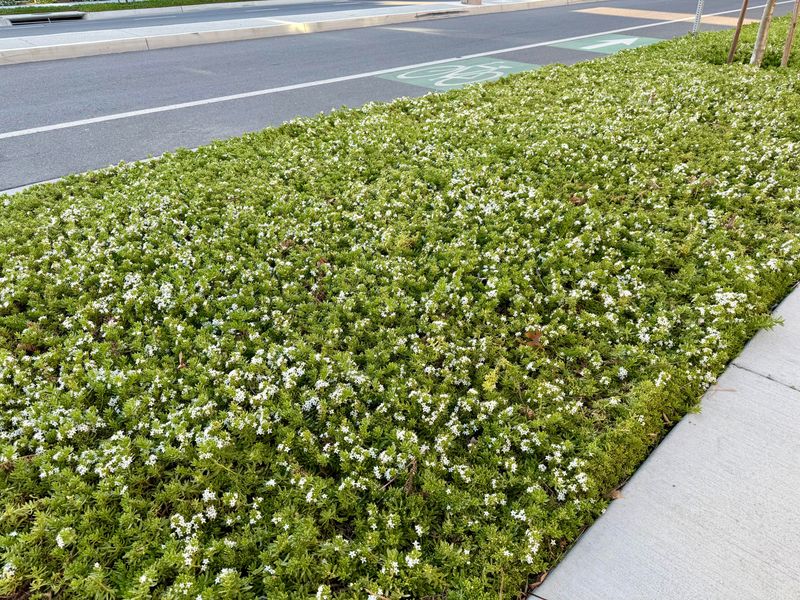
A yard full of interesting plants can still look messy if there is nothing tying it all together at ground level. Low groundcovers are the quiet unifiers of any planting design.
They fill in the gaps, suppress weeds, and create a visual floor that makes everything above look more intentional.
In our state, dymondia, creeping thyme, and dwarf mondo grass are popular groundcover choices. They stay low, spread slowly to fill space, and require very little care once established.
Many are also drought-tolerant, which is a huge bonus in our dry summers.
Groundcovers work especially well between stepping stones and around the base of larger shrubs. They soften the transition from hardscape to planting and make a yard feel cohesive rather than patchy.
Even a small strip of groundcover can make a bed look much more polished.
Color matters here too. Silver-leaved groundcovers like dymondia reflect light and brighten shady spots.
Green groundcovers like creeping wire vine add a lush, cool tone. Choose a color that complements the plants around it rather than competing with them.
For a low-maintenance front yard, replace sections of lawn with a mix of groundcovers and mulch. This approach reduces water use dramatically while still giving the yard a green, finished look.
Groundcovers are the unsung heroes of great yard design. They may not get noticed right away, but the yard would not look right without them.
6. Arching Grasses Add Movement
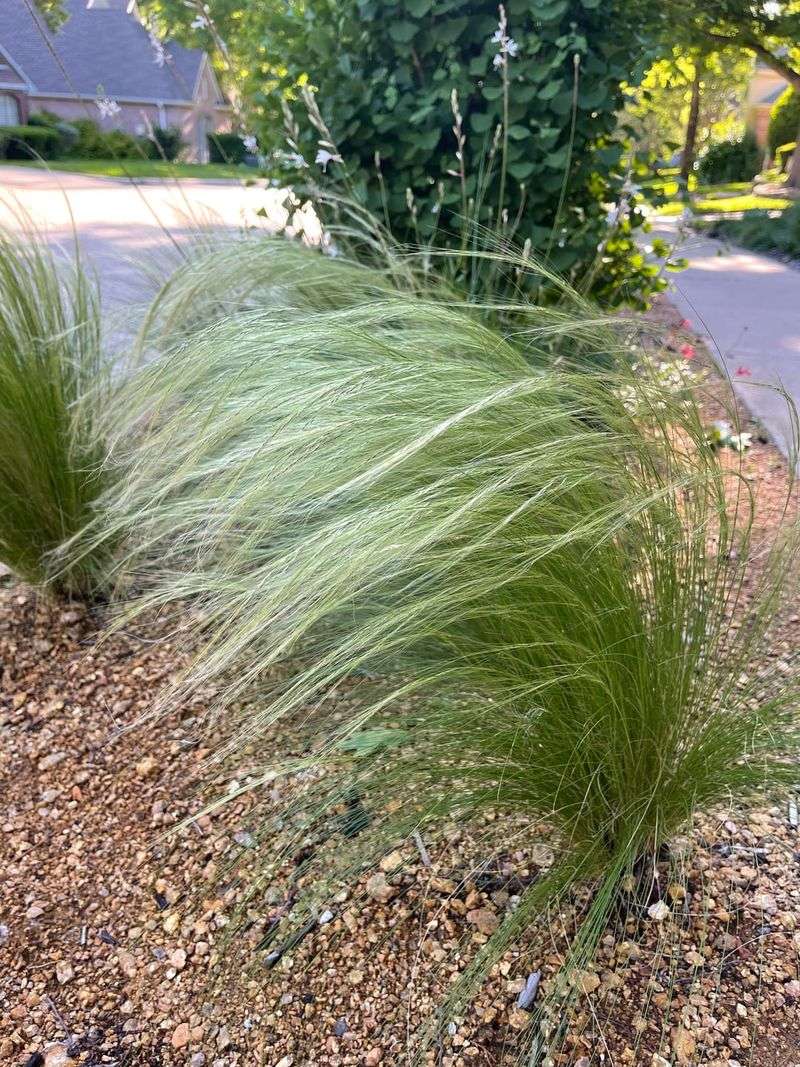
Most plants just stand there. Ornamental grasses do something completely different.
They move. When a breeze passes through a planting of Mexican feather grass or blue oat grass, the whole bed comes alive in a way that no other plant can match.
The arching form of ornamental grasses is also visually unique. The leaves curve gracefully outward from a central clump, creating a fountain-like shape that softens everything around it.
This makes them excellent partners for spiky agaves or stiff upright plants that need a little softening nearby.
In our state, ornamental grasses are incredibly practical. Many are drought-tolerant, deer-resistant, and low-maintenance.
Blue grama grass and Berkeley sedge work well in a range of conditions from coastal gardens to hot inland valleys. They add texture and movement without needing much attention.
Arching grasses also look great in mass plantings. A sweep of feather grass across a sunny slope creates a meadow-like effect that feels natural and relaxed.
It is a great alternative to lawn in areas that are hard to water or mow.
Cut ornamental grasses back hard once a year in late winter to keep them looking fresh. New growth will emerge quickly and the plant will look full and healthy again within weeks.
Grasses bring a sense of life and energy to a yard that feels impossible to achieve with any other plant shape.
7. Columnar Plants Frame Entries And Paths
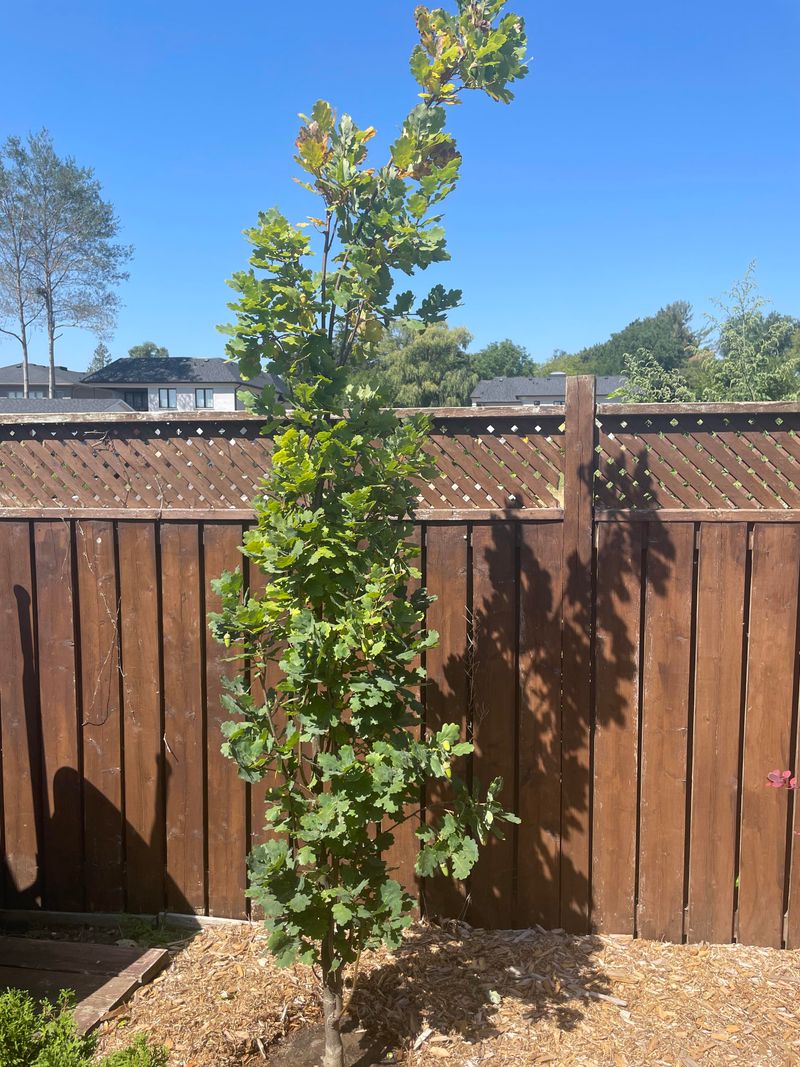
There is something deeply satisfying about a front path that feels like it is leading somewhere important. Columnar plants create that feeling.
When you place two matching columnar plants on either side of an entry or along a path, the whole yard gains a sense of order and arrival.
Italian cypress is the classic choice for this purpose in our state. Its dark green, pencil-thin form has been used in formal gardens for centuries.
But there are plenty of other options too. Sky pencil holly, columnar juniper, and even columnar apple trees work beautifully for framing entries in smaller yards.
The key with columnar plants is symmetry. Use matching pairs on either side of a door or gate.
Odd numbers work fine in a border, but for framing an entry, two matching plants create the strongest visual impact. They signal to visitors that they are entering something special.
Columnar plants also solve a tricky design problem. When a yard has a long, flat front edge, it can look monotonous from the street.
Placing a pair of tall columnar plants at the far corners of the yard creates visual anchors that frame the whole property and give it a finished, polished look.
Keep in mind that columnar plants grow tall over time. Choose a variety that fits the scale of your home.
A giant cypress in front of a small house can feel overwhelming. Match the plant size to the architecture for the best results.
8. Trailing Plants Soften Walls And Raised Beds
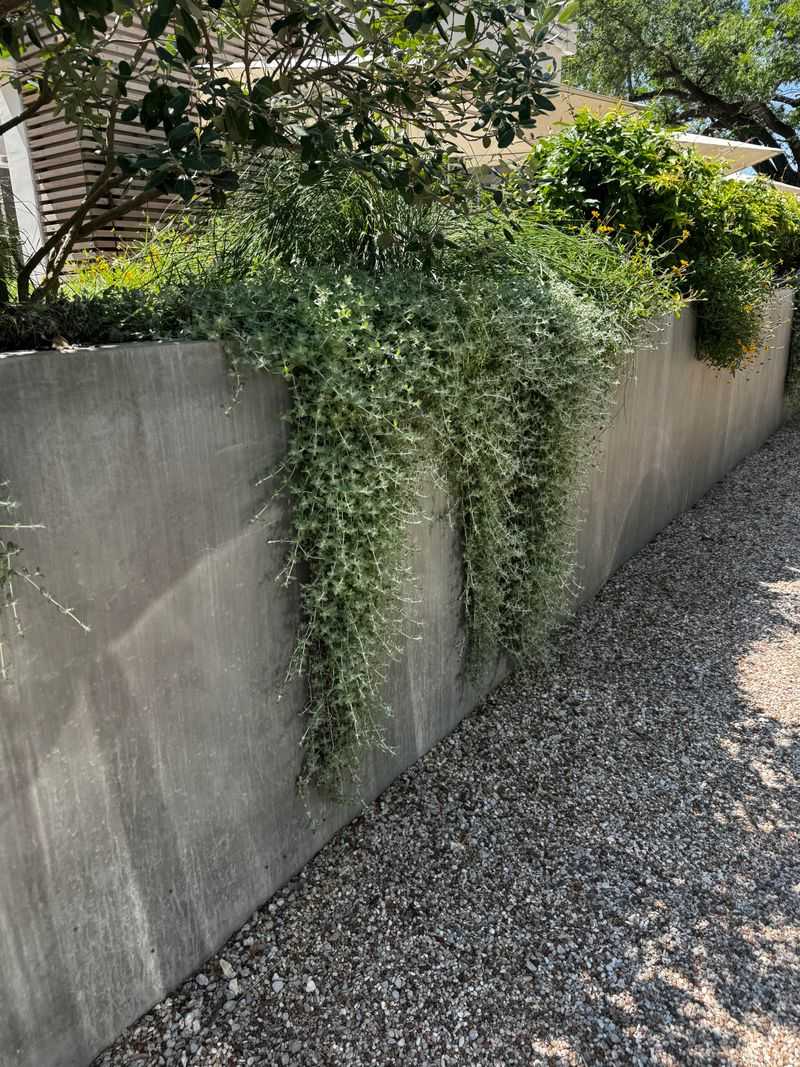
Walls and raised beds are great for adding structure to a yard, but they can look harsh and heavy without something to soften them. Trailing plants are the perfect solution.
They spill over edges, cascade down walls, and transform hard surfaces into something lush and inviting.
Trailing rosemary is one of the best plants for this job in our state. It grows quickly, smells wonderful, and produces small blue flowers in winter when most other plants are quiet.
Let it drape over a retaining wall and it will soften the whole structure within a season.
Creeping lantana is another excellent choice for trailing over walls and slopes. It blooms in bright clusters of yellow, orange, and pink, and it thrives in full sun with very little water.
In warmer parts of our state, it stays evergreen and blooms almost year-round.
The trailing form works especially well in layered planting designs. Place a trailing plant at the front edge of a raised bed with taller plants behind it.
The trailing foliage will spill forward and down, creating a natural, flowing transition from the bed to the ground below.
For a cohesive look, repeat the same trailing plant along the full length of a wall rather than mixing multiple varieties.
Repetition creates unity and makes a long wall feel like a deliberate design choice rather than a random collection of plants.