Why California Pepper Plants Drop Every Flower In Summer Heat
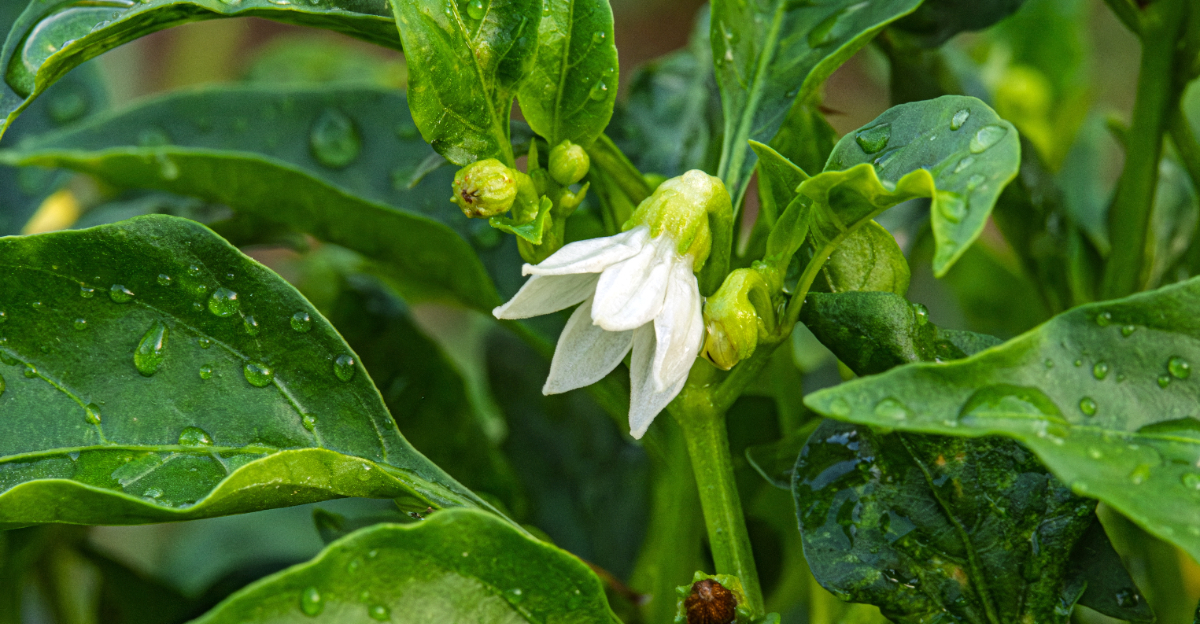
Pepper flowers dropping in summer can make the whole plant feel like it is teasing you. One day it is covered in tiny blooms.
A few hot afternoons later, the flowers are on the soil and there is not a pepper in sight. California heat can push peppers past their comfort zone fast, especially when nights stay warm or watering gets uneven.
The plant may still look alive and leafy, which makes the problem even more confusing. Flower drop is often the pepper’s way of pausing fruit production until conditions improve.
The good news is that this setback does not always mean the season is ruined.
Once you understand what heat does to pepper blooms, you can help the plant recover and start setting fruit again when the weather gives it a chance.
1. Summer Heat Can Stop Fruit Set
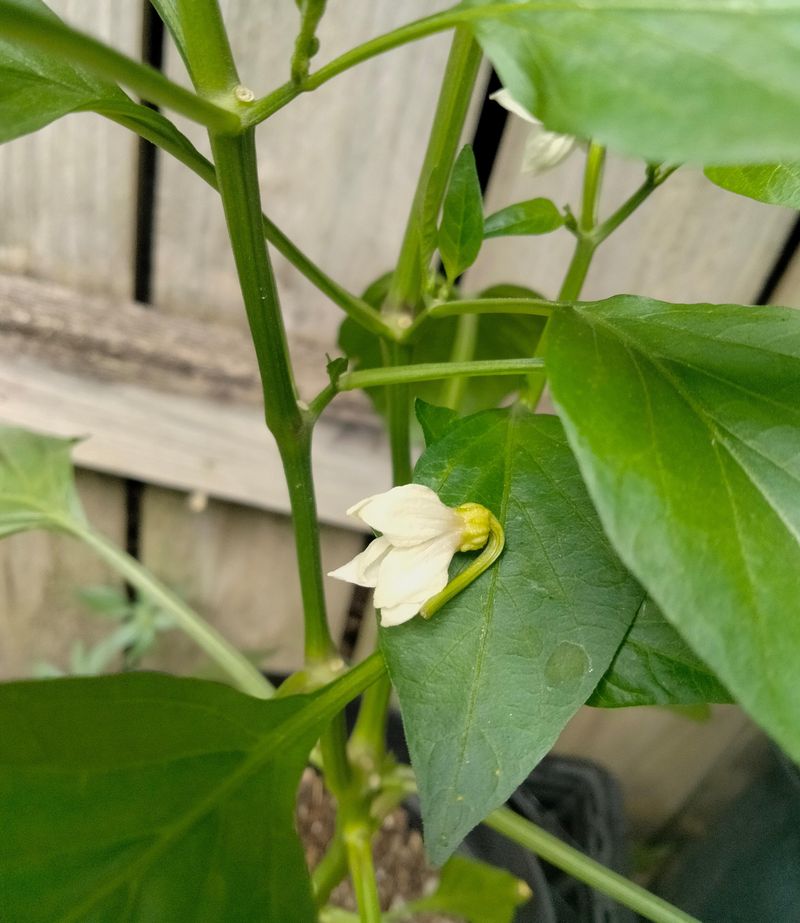
Hot summer days in our state can push temperatures well above what pepper plants can handle. Most peppers set fruit best when daytime temps stay between 70 and 85 degrees Fahrenheit.
Once the thermometer climbs past 95 degrees, the plant starts shutting down its reproductive process.
Fruit set is the moment when a flower gets pollinated and starts turning into a pepper. High heat disrupts that process at the cellular level.
The plant cannot complete pollination, so it drops the flower instead of wasting energy on a bloom that will never become fruit.
Gardeners often notice this happening in July and August when heat waves roll through. The plant looks healthy, the leaves are green, and new flowers keep forming, but none of them stick around long enough to set.
It can feel discouraging, but the plant is not giving up.
You can help by adding shade cloth over your pepper beds during peak afternoon hours. A 30 to 40 percent shade cloth blocks enough intense sun to keep temperatures more manageable.
Some gardeners use tall companion plants like sunflowers or corn on the west side of their pepper rows to cast natural afternoon shade.
Once evening temperatures cool down again, pollination can resume. Fruit set often rebounds quickly after a heat wave passes.
Patience and shade are your two best tools during the hottest weeks of summer.
2. Warm Nights Make Flowers Drop
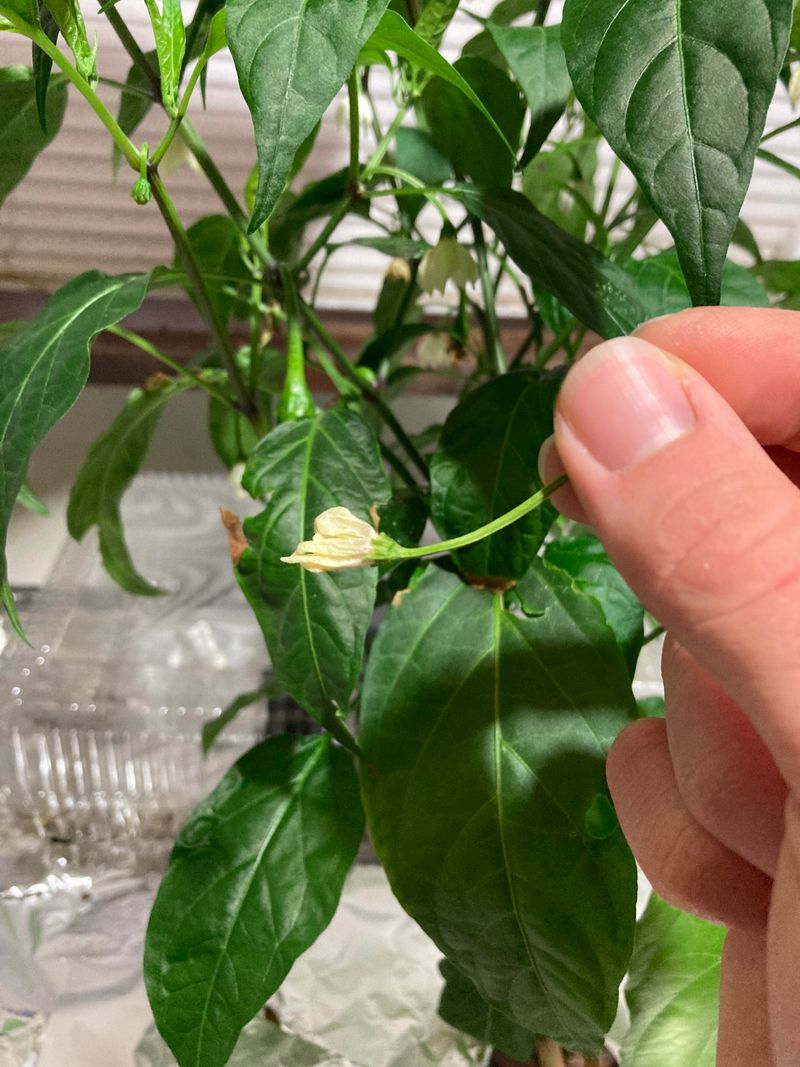
Nighttime temperatures matter just as much as daytime highs when it comes to pepper flowering.
Most gardeners focus on the afternoon heat, but warm nights are quietly causing just as much trouble.
Peppers need nights that cool down to at least 65 to 70 degrees to hold onto their flowers.
When nights stay above 75 degrees for several days in a row, the plant gets stressed. It cannot recover from the daytime heat because there is no cool window for it to reset.
The flowers end up dropping early because the plant is running on empty by morning.
Our state sees stretches of warm nights in inland valleys and southern regions during July and August.
Coastal areas tend to stay cooler at night, which is one reason pepper growers near the coast often get better fruit set during heat waves.
Your California Garden Changes Every Week. Your Plan Should Too.
Gardening in California changes quickly throughout the season. Every Friday you’ll receive a simple weekly plan showing exactly what to plant, prune, fertilize, harvest, and protect so you never miss the right timing.
Mulching your garden beds heavily can help moderate soil temperature overnight. A thick layer of straw or wood chips keeps the root zone cooler, which helps the whole plant stay calmer through warm nights.
Watering in the early morning also helps the soil absorb moisture before the heat of the day arrives.
You cannot control the weather, but you can create a more comfortable microclimate around your plants.
Consistent mulching and smart watering habits can make warm nights a little less damaging to your pepper harvest.
3. Pollen Fails In Extreme Heat
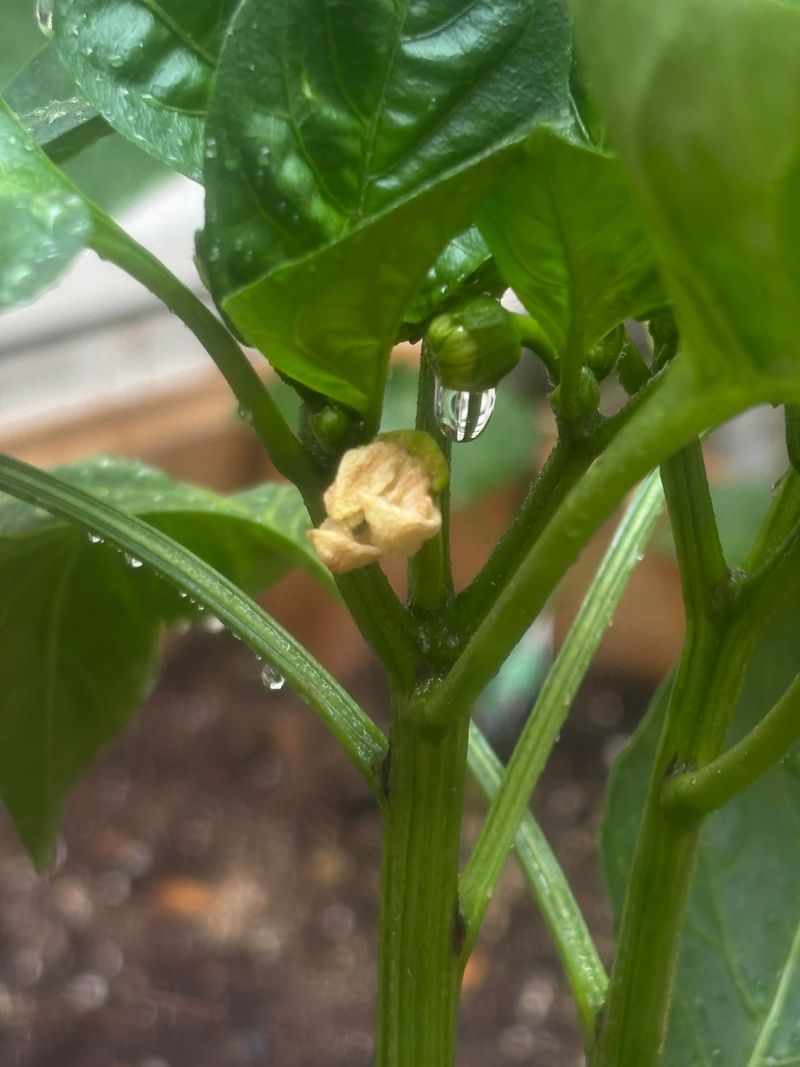
Pepper flowers carry pollen that must travel from the stamen to the pistil for pollination to happen. When temperatures climb too high, that pollen gets damaged and stops working.
Scientists call this pollen sterility, and it is one of the main reasons flowers drop in extreme heat.
Pollen becomes non-viable when daytime temperatures stay above 95 degrees for more than a few hours. The tiny grains dry out, lose their ability to germinate, and cannot fertilize the flower.
Without successful pollination, the plant has no reason to keep the bloom attached.
Even if a bee visits the flower, it cannot transfer pollen that has already been damaged by heat. The visit happens, but nothing sticks.
The flower drops within a day or two, looking perfectly normal from the outside but having failed on the inside.
One practical fix is to mist your pepper plants lightly in the morning. This raises humidity around the flowers just enough to protect pollen during the hottest part of the day.
Do not mist in the afternoon because wet leaves in strong sun can cause other problems.
Planting heat-tolerant pepper varieties also helps. Some types like Anaheim, Poblano, and many sweet banana peppers handle high temperatures better than bell peppers.
Choosing the right variety for your climate is one of the smartest moves a gardener can make before the season even starts.
4. Dry Soil Makes It Worse
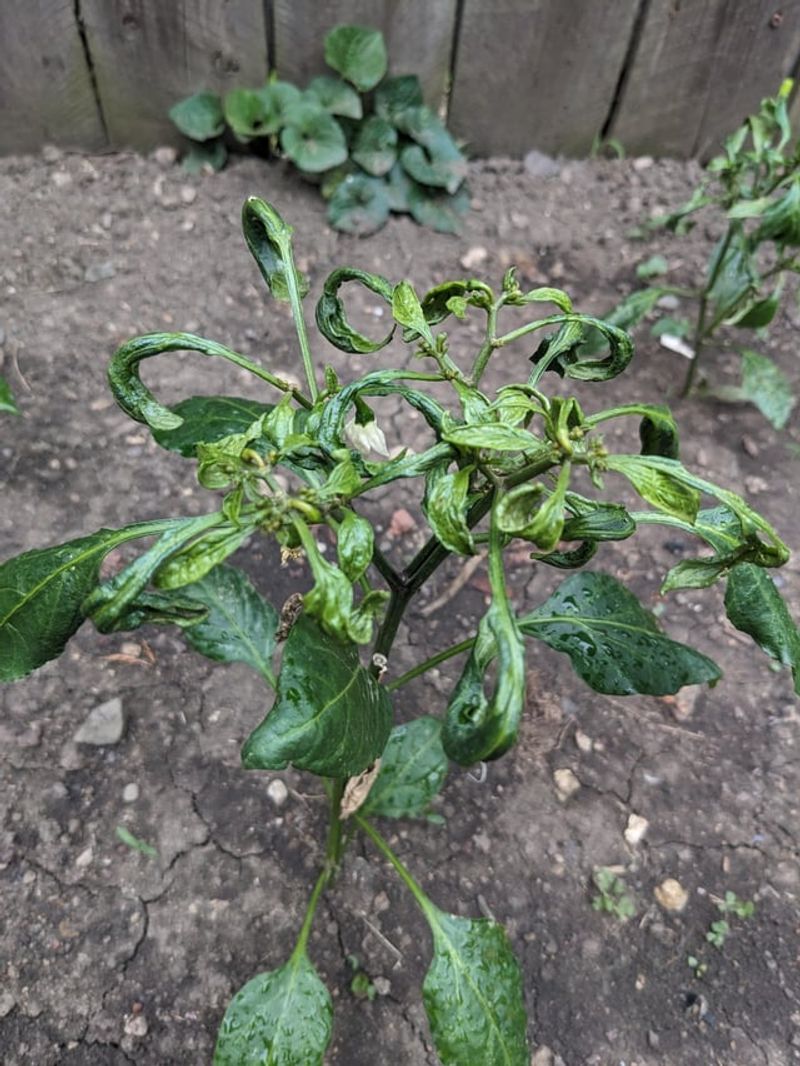
Dry soil and high heat are a bad combination for pepper plants. When the soil dries out completely between waterings, the plant goes into stress mode fast.
One of the first things it does is drop its flowers to conserve energy and moisture.
Peppers like consistent soil moisture, not soggy ground but also never bone dry. During summer heat waves, the soil can dry out much faster than usual.
A pot or raised bed that stays moist for two days in spring might dry out in just one day during a July heat wave.
Checking soil moisture every day during peak summer heat is a smart habit. Push your finger about two inches into the soil near the base of the plant.
If it feels dry at that depth, it is time to water. Do not wait for the plant to look wilted before you act.
Drip irrigation is one of the best investments a pepper grower can make. It delivers water slowly and directly to the root zone, keeping moisture levels steady without wetting the leaves or flowers.
Consistent moisture reduces the stress that leads to flower drop.
Adding compost to your soil before planting also improves moisture retention. Compost acts like a sponge, holding water longer and releasing it slowly to the roots.
A soil that holds moisture well gives your peppers a much better chance of keeping their flowers through the hottest weeks of summer.
5. Uneven Watering Stresses Roots
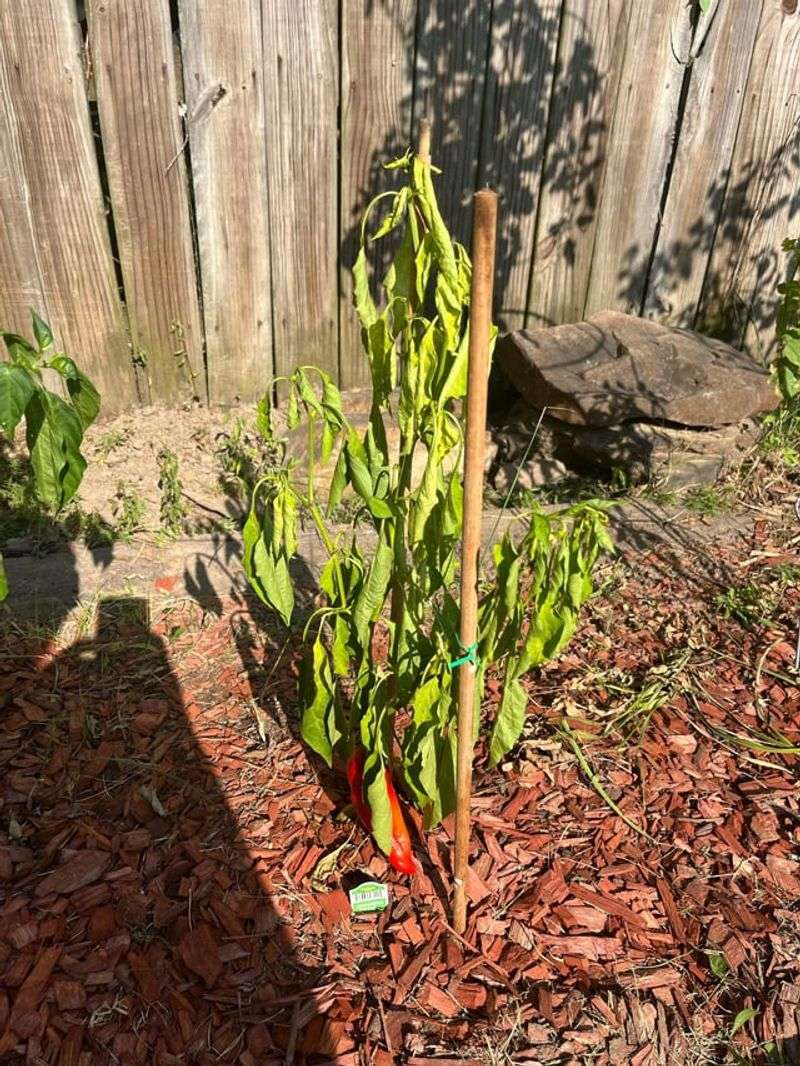
Watering a little one day and a lot the next is harder on pepper plants than most gardeners realize. Roots need steady moisture to function well.
When the soil swings from very dry to very wet and back again, the roots get confused and the plant reacts by dropping flowers.
This kind of stress is called moisture stress, and it affects how the plant moves nutrients and water up to its flowers. An uneven supply means the flowers do not always get what they need at the right time.
They end up falling off before they can be pollinated.
Setting a regular watering schedule helps a lot. In hot weather, most pepper plants in garden beds need water every one to two days.
Container plants may need daily watering or even twice a day during extreme heat. Consistency is the key word here.
Soaker hoses are a great low-cost option for keeping moisture even across a garden bed. They run along the base of the plants and release water slowly into the soil.
Pairing them with a simple timer takes the guesswork out of watering and keeps things steady even when you are busy or away.
Mulch plays a supporting role here too. A two to three inch layer of straw or shredded leaves slows down evaporation between waterings.
It acts as a buffer that keeps the soil from swinging between extremes, giving your pepper roots the steady environment they need to support healthy flowering.
6. Containers Heat Up Fast
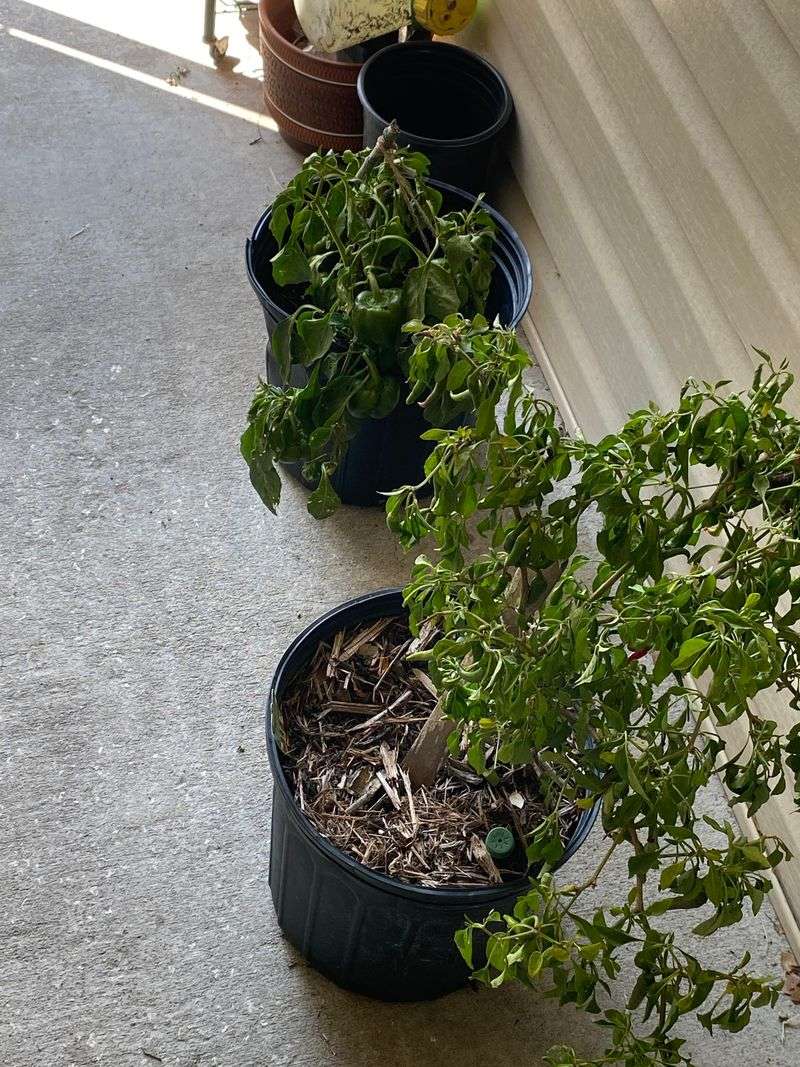
Growing peppers in pots is popular, especially in small yards and patios across our state. But containers come with a serious summer downside.
They heat up much faster than garden beds, and that trapped heat can push root zone temperatures to damaging levels within just a few hours of morning sun.
Dark plastic pots absorb the most heat. On a 95-degree day, the soil inside a black pot can reach 120 degrees or higher.
Roots cannot function properly at those temperatures, and the plant responds by dropping flowers and slowing growth to survive.
Switching to light-colored or white containers makes a noticeable difference. White and tan pots reflect sunlight instead of absorbing it, keeping the root zone significantly cooler.
Fabric grow bags are another excellent option because they allow air to circulate around the roots and naturally regulate temperature.
Placing pots in a spot that gets morning sun but afternoon shade is a smart container strategy. The plant still gets enough light to grow well, but the hottest hours of the day are less intense.
Even moving a pot a few feet can change its heat exposure significantly.
Wrapping pots in burlap or placing them inside a larger decorative pot with air space between the two layers also helps insulate the roots.
These are simple fixes that can reduce container heat stress enough to keep flowers attached and fruit setting through the summer months.
7. Too Much Nitrogen Pushes Leaves
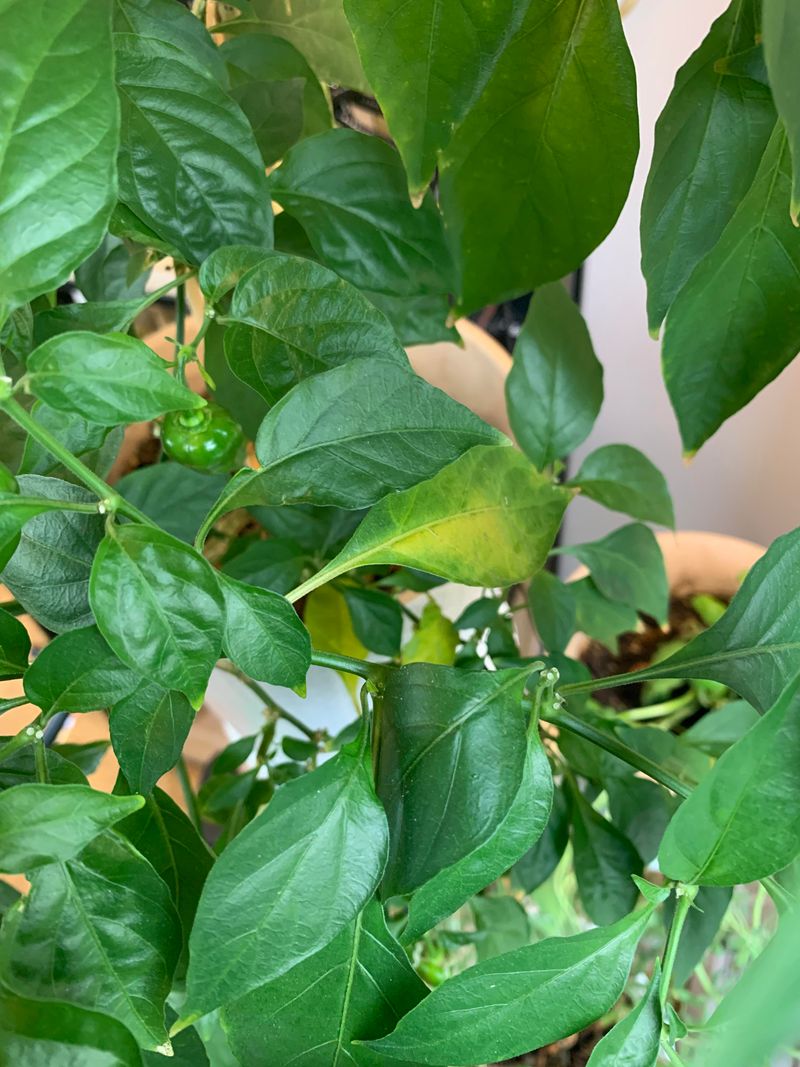
Fertilizer is supposed to help plants grow, but too much of the wrong kind can actually work against your pepper harvest. Nitrogen is the nutrient responsible for leafy, green growth.
When peppers get too much of it during flowering season, they put all their energy into making more leaves instead of holding onto their blooms.
A plant loaded with nitrogen looks beautiful at first. The leaves are big, dark green, and glossy.
But look closer and you will notice very few flowers, or flowers that drop quickly without setting fruit. The plant is thriving in one way while failing in the one that matters most to the gardener.
During the flowering and fruiting stage, peppers need more phosphorus and potassium than nitrogen. These nutrients support root health, flower development, and fruit formation.
Switching to a fertilizer with a lower first number on the label, like a 5-10-10 blend, helps redirect the plant’s energy toward fruit.
Avoid using heavy nitrogen fertilizers like blood meal or high-nitrogen lawn food anywhere near your pepper beds in summer. Even runoff from a neighboring lawn treatment can affect your plants.
Read labels carefully and choose products made specifically for vegetables in the fruiting stage.
Soil testing once a year is a great habit. It tells you exactly what your soil already has so you are not guessing.
Over-fertilizing is a surprisingly common reason for flower drop, and a simple soil test can help you avoid it entirely.
8. Big Peppers Drop Flowers First
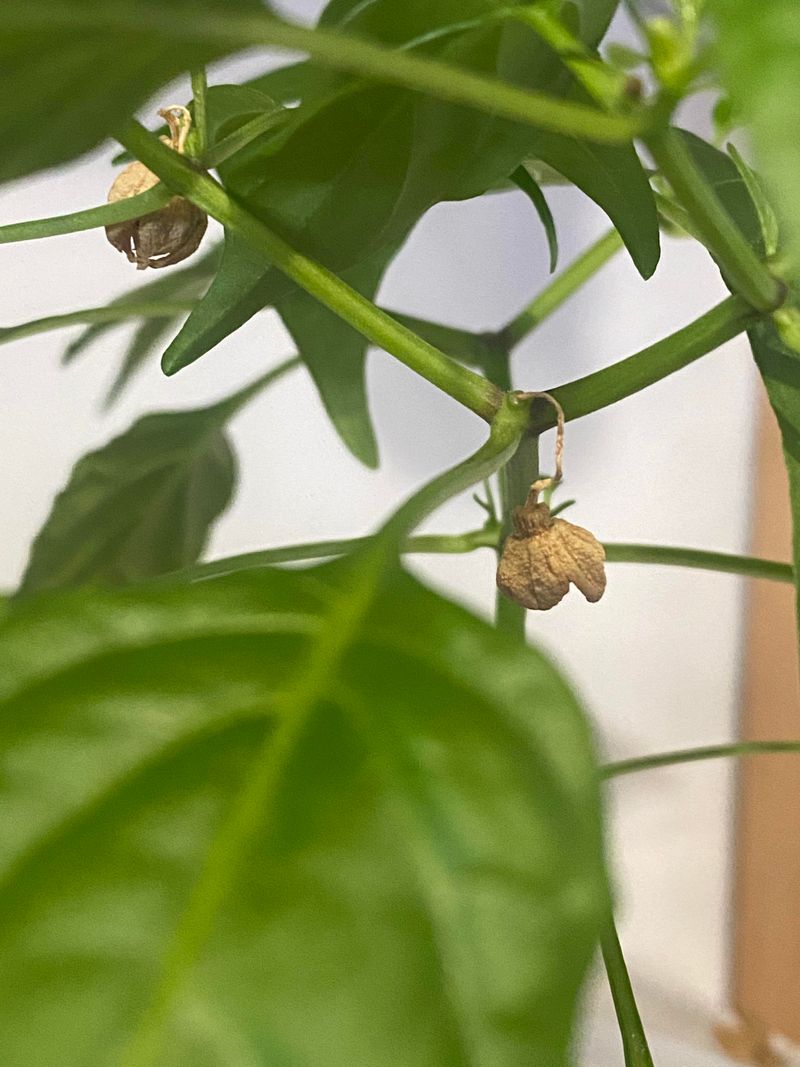
Not all pepper varieties handle summer heat the same way. Large-fruited types like bell peppers are especially prone to flower drop when temperatures spike.
They require more energy to produce each fruit, so the plant is quicker to abandon flowers when conditions get stressful.
Bell peppers have a longer time-to-harvest than smaller types like jalapenos or banana peppers. That longer commitment means the plant is more selective about when it starts the process.
If heat or drought hits during flowering, the plant cuts its losses fast and waits for better conditions.
Smaller pepper varieties tend to be tougher in hot weather. Cayenne, serrano, and Thai peppers often keep flowering and setting fruit even when temperatures are climbing.
Their smaller fruit size requires less energy per pepper, so the plant can afford to keep going even under stress.
If you love bell peppers but struggle with flower drop every summer, try planting them earlier in the season. Getting them established and flowering before the worst heat arrives gives them a head start.
Many gardeners in warmer inland areas start bell peppers in February or March so fruit is already forming before July hits.
You can also look for heat-tolerant bell pepper varieties developed specifically for hot climates.
Seed companies have made real progress breeding peppers that hold their flowers better in high temperatures.
Checking the variety description before you buy can save you a lot of frustration later in the season.