The Most Underrated Texas Patio Plants That Deter Both Ticks And Mosquitoes
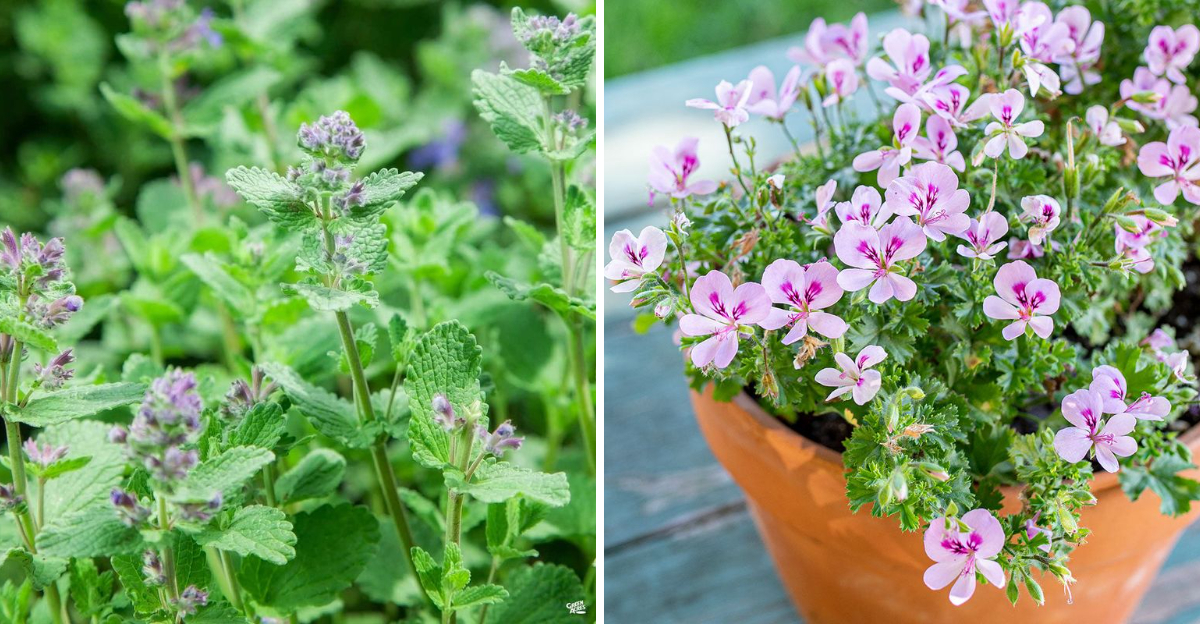
Nothing ruins a perfect Texas evening on the patio faster than bugs. Ticks and mosquitoes are relentless, and between the itchy bites and the very real health risks they carry, keeping them away from your outdoor space is serious business.
Most people reach for sprays and chemicals, but those come with their own set of problems. Here’s some good news though.
Nature already figured this one out. There are some seriously underrated patio plants that do a remarkable job of deterring both ticks and mosquitoes naturally. No chemicals, no fuss. Just beautiful, fragrant plants that bugs absolutely cannot stand.
And the best part is that most of them are perfectly suited for the Texas climate, meaning they won’t tap out when the summer heat gets brutal. These plants pull double duty.
They make your patio look amazing while quietly doing the hard work of keeping the bugs at bay. Some of them you’ve probably never even considered for your outdoor space. Ready to transform your patio into a bug free zone? Let’s get into it.
1. American Beautyberry
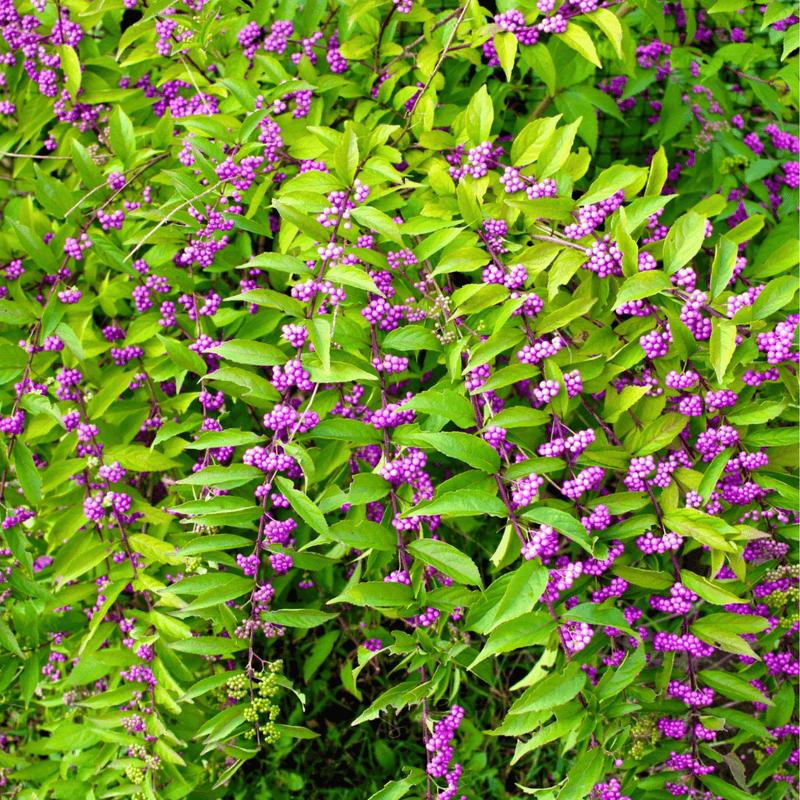
Walk through almost any Texas woodland in late summer and you will likely spot a shrub covered in the most vivid purple berries you have ever seen. That is American Beautyberry, and it is honestly one of the most underrated native plants in the entire state.
Beyond its eye-catching looks, this plant has a seriously impressive reputation when it comes to repelling insects.
Native Americans historically crushed the leaves of this plant and rubbed them on their skin to ward off mosquitoes and ticks.
Researchers at the USDA later confirmed that the leaves contain compounds called callicarpenal and intermedin, both of which showed strong repellent activity against mosquitoes, ticks, and even fire ants. That is a pretty remarkable trio of pests for one plant to tackle.
Growing American Beautyberry on your Texas patio is surprisingly simple. It tolerates heat well, thrives in partial shade, and can grow in large containers if you choose a compact variety.
The crushed leaves are what release the repellent compounds most effectively, so brushing against the plant or gently crushing a few leaves near your seating area can help boost its bug-fighting power.
This plant is also a magnet for birds and pollinators, which makes it a win for your whole yard ecosystem. It can grow quite large in the ground, reaching six feet or more, but container planting keeps it manageable on a patio.
If you want one native Texas plant that pulls double duty as both a stunning ornamental and a natural pest deterrent, American Beautyberry is your best starting point.
2. Lemongrass
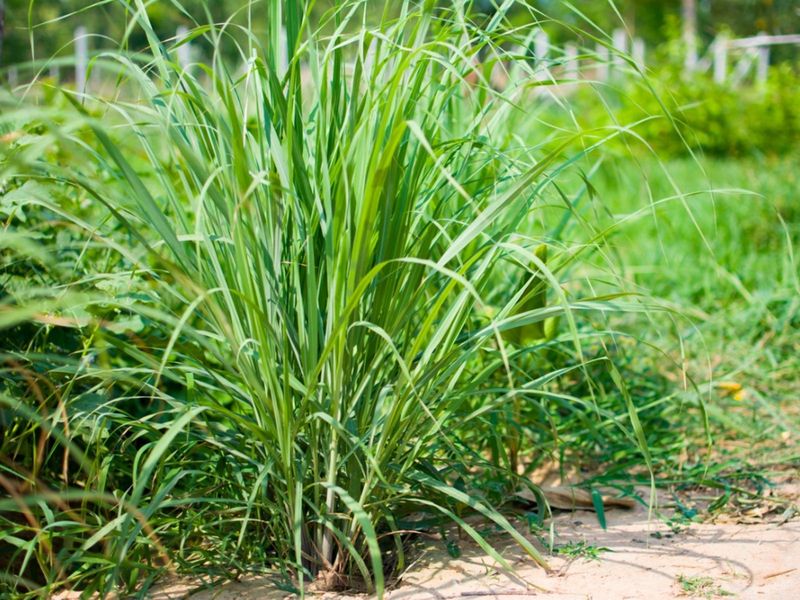
Few plants make as bold a statement on a Texas patio as lemongrass. Its tall, arching blades can reach four to six feet high, giving your outdoor space a tropical, resort-like feel.
But lemongrass is not just a pretty face. It contains citronella oil, the same compound found in those familiar yellow candles sold at every hardware store come spring.
Your Texas Garden Changes Every Week. Your Plan Should Too.
Gardening in Texas changes quickly throughout the season. Every Friday you’ll receive a simple weekly plan showing exactly what to plant, prune, fertilize, harvest, and protect so you never miss the right timing.
Research on lemongrass essential oil shows real promise for repelling both mosquitoes and ticks. Studies have found that the oil can reduce mosquito landing rates significantly under controlled conditions.
That said, it is worth being honest here: the living plant alone is not going to create a bug-free force field around your patio. The repellent effect is most noticeable when leaves are bruised or crushed, releasing the volatile oils into the air nearby.
Think of lemongrass as one helpful layer in a bigger strategy rather than a complete solution on its own.
Placing a pot near your seating area and occasionally brushing the leaves can give you a small but genuine boost in mosquito and tick deterrence. The fresh citrusy scent is also a pleasant bonus for anyone sitting outside.
Lemongrass absolutely loves Texas summers. It thrives in full sun, handles heat and humidity without complaint, and grows fast in large containers with well-draining soil.
Water it regularly, and it will reward you generously. One important note: lemongrass is frost-sensitive, so bring it indoors or to a sheltered spot when temperatures drop in winter. With a little seasonal care, this plant can be a patio staple for years to come.
3. Lemon Eucalyptus
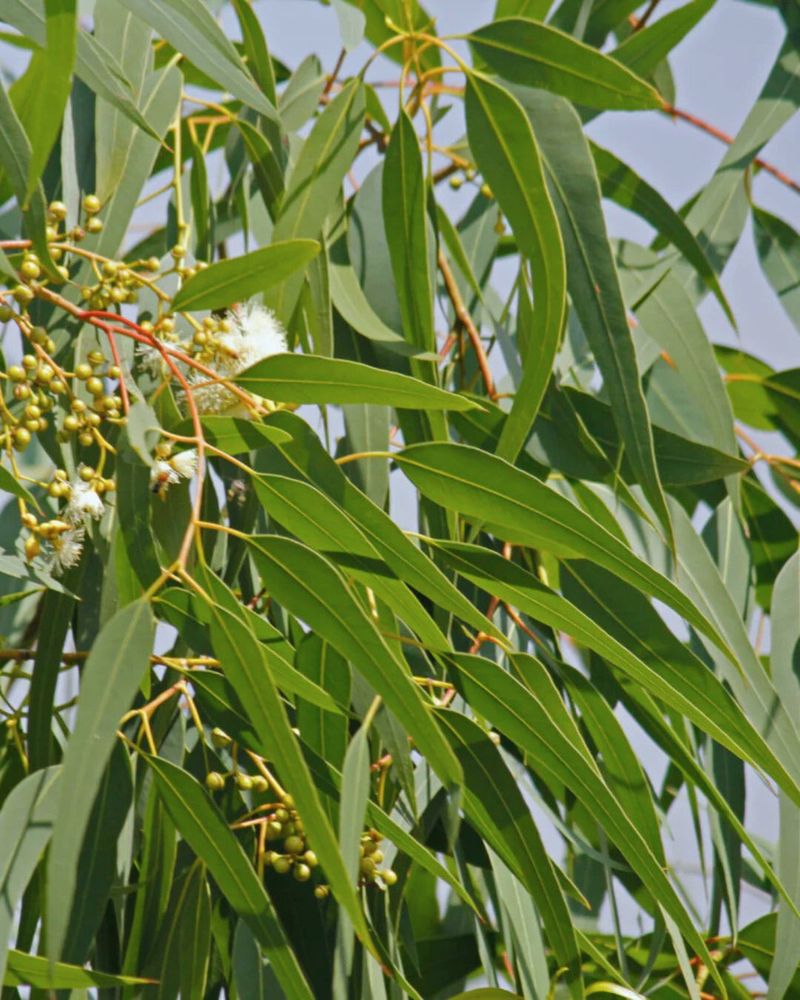
If you have ever checked the label on a CDC-recommended insect repellent, you may have noticed an ingredient called oil of lemon eucalyptus, often listed as OLE or PMD.
That ingredient comes from the lemon eucalyptus tree, and it is one of the few plant-based repellent compounds that has earned official recognition from both the CDC and the EPA for protecting against mosquitoes and ticks.
That alone makes this plant worth knowing about. Lemon eucalyptus is not a Texas native, but it grows well here in containers and enjoys the warm climate. It has a bright, lemony-herbal scent that humans find refreshing and insects find deeply unappealing.
The leaves contain citronellal and other volatile compounds that contribute to its repellent properties. Crushing a few leaves and rubbing them between your palms gives you a quick, natural aromatic experience that hints at why this plant has earned such scientific attention.
Growing lemon eucalyptus on your patio requires a large container, full sun, and well-draining soil. It can grow vigorously, so occasional pruning keeps it patio-friendly.
Texas summers suit it well, though it will need protection or indoor shelter during rare hard freezes.
One important clarification: the CDC-approved repellent OLE is a refined extract, not simply the crushed leaf of the plant.
The living plant offers some aromatic deterrence but should not be treated as a replacement for applying a proper repellent when you are heading into tick-heavy areas.
Still, as a patio companion that smells wonderful, looks attractive, and adds a genuine layer of natural protection to your outdoor environment, lemon eucalyptus earns its place on this list with confidence.
4. Catnip
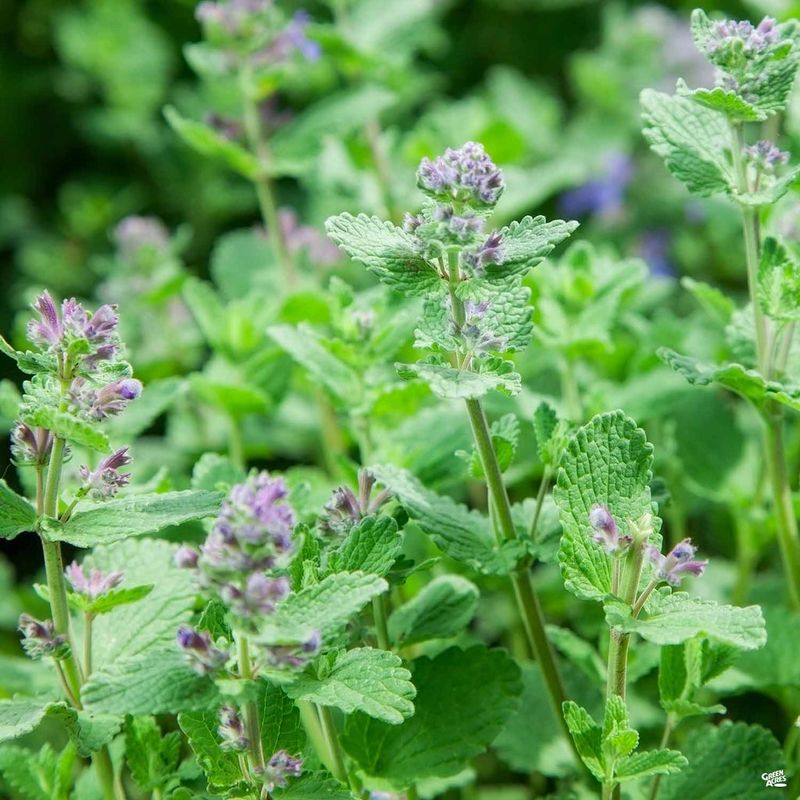
Most people think of catnip as nothing more than a toy for their cats, but this humble herb has a surprisingly impressive scientific resume when it comes to repelling insects.
Researchers at Iowa State University found that nepetalactone, the compound in catnip that makes cats go wild, is actually a more effective mosquito repellent than DEET in some laboratory settings. That is a fact that tends to raise a few eyebrows.
Beyond mosquitoes, catnip oil has also shown repellent activity against ticks in research studies.
While the living plant is less potent than a concentrated extract, having it on your patio still contributes a gentle aromatic deterrence, especially when the leaves are disturbed or lightly brushed.
The plant releases its oils more actively on warm days, which conveniently aligns with peak mosquito activity in Texas.
Catnip is incredibly easy to grow. It thrives in containers, tolerates Texas heat reasonably well with some afternoon shade, and comes back reliably each season.
It grows low and bushy, making it a neat addition to a container garden or patio railing planter. The small white or lavender flowers it produces in summer are also attractive to beneficial pollinators like bees.
One fun reality to prepare for: if neighborhood cats know your patio exists, they will find your catnip. Placing the pot in a slightly elevated or protected spot can help keep it intact.
Despite the cat-traffic risk, catnip remains one of the most underrated and research-backed patio herbs for natural insect deterrence, and it is remarkably affordable and easy to find at most garden centers across Texas.
5. Scented Geranium / Rose Geranium
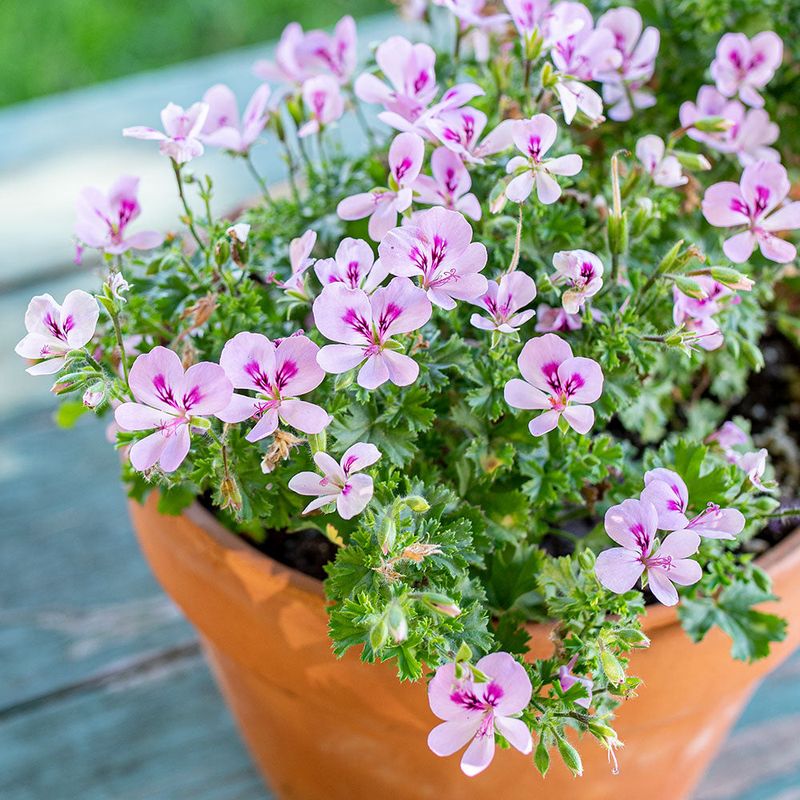
Scented geraniums are not the same as the common red geraniums you see lining every front porch in spring.
These are a different, far more aromatic group of plants, and rose geranium in particular has earned serious attention from researchers studying natural insect repellents.
The leaves smell like a cross between roses and citrus, and that fragrance is exactly what makes bugs uncomfortable.
Geranium essential oil and a compound called geraniol have been studied for both mosquito and tick repellency. Several studies found that geraniol-based products reduced tick attachment rates and deterred mosquitoes in field conditions.
The living plant continuously releases small amounts of these volatile compounds, especially on hot days when the oils become more active in the air around your patio seating area.
Rose geranium is an excellent container plant for Texas. It prefers full sun to partial shade, handles heat well, and has a naturally tidy, mounding growth habit that looks polished in pots.
Good drainage is essential since it does not like sitting in wet soil. Regular watering during summer heat keeps it healthy, and occasional light pruning encourages bushier, more fragrant growth.
Beyond pest deterrence, scented geraniums have a long history in aromatherapy and natural perfumery. Running your fingers across the leaves releases an immediate burst of fragrance that is genuinely pleasant to be around.
You can also use the leaves in sachets, homemade sprays, or potpourri. For a patio plant that combines good looks, wonderful fragrance, and documented insect-repelling properties, rose geranium is a standout choice that far too few Texas gardeners know about.
6. Lavender
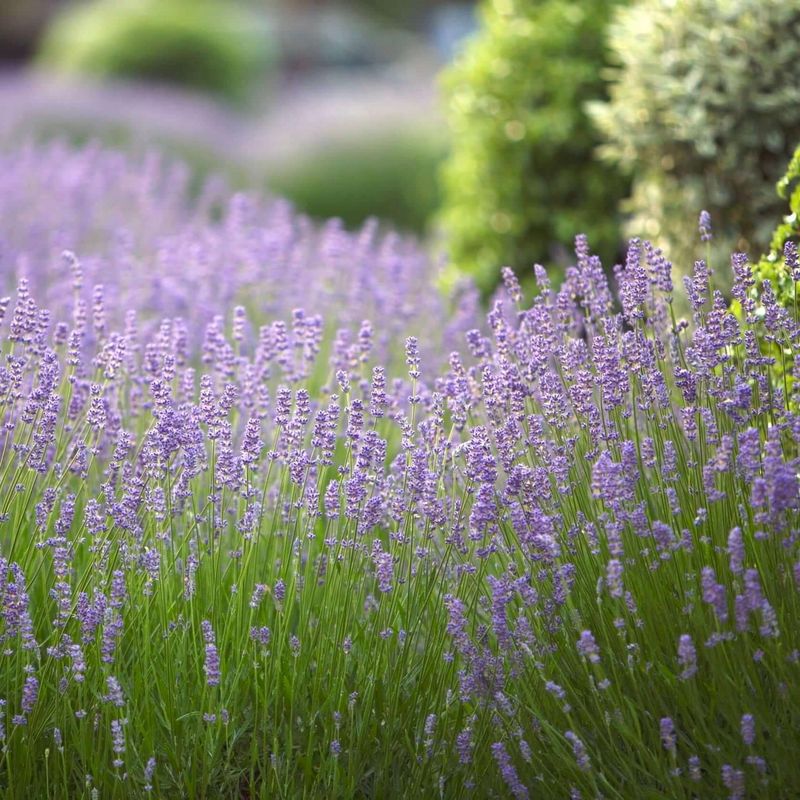
Lavender is one of those plants that almost everyone loves the smell of, and it turns out mosquitoes and ticks feel very differently about it.
Lavender essential oil has been studied for both tick-repellent and mosquito-deterrent activity, with several studies confirming that linalool and linalyl acetate, two key compounds in lavender, contribute meaningfully to its insect-repelling reputation.
It is a rare case where the science lines up nicely with what your nose already suspected. Growing lavender in Texas requires a little extra attention compared to cooler climates. The biggest challenge is drainage.
Lavender roots absolutely cannot sit in wet soil, which means Texas clay soil in the ground is often a recipe for disappointment.
Containers with excellent drainage solve this problem beautifully and also give you the flexibility to move the plant to a sunnier or more sheltered spot as needed throughout the season.
Spanish lavender and Provence lavender tend to perform better in Texas heat than English lavender varieties. Place your container in full sun, water deeply but infrequently, and make sure the pot has drainage holes that actually work.
The reward is a compact, beautifully fragrant plant that blooms from spring into summer and fills your patio air with one of the most universally beloved scents in the plant world.
Cutting a few stems and placing them near your outdoor seating area, or even tucking dried bundles under cushions, can extend the repellent effect beyond the living plant itself.
Lavender also attracts bees and butterflies while pushing away pests, making it one of the most well-rounded container plants any Texas patio gardener can invest in this season.
7. Rosemary
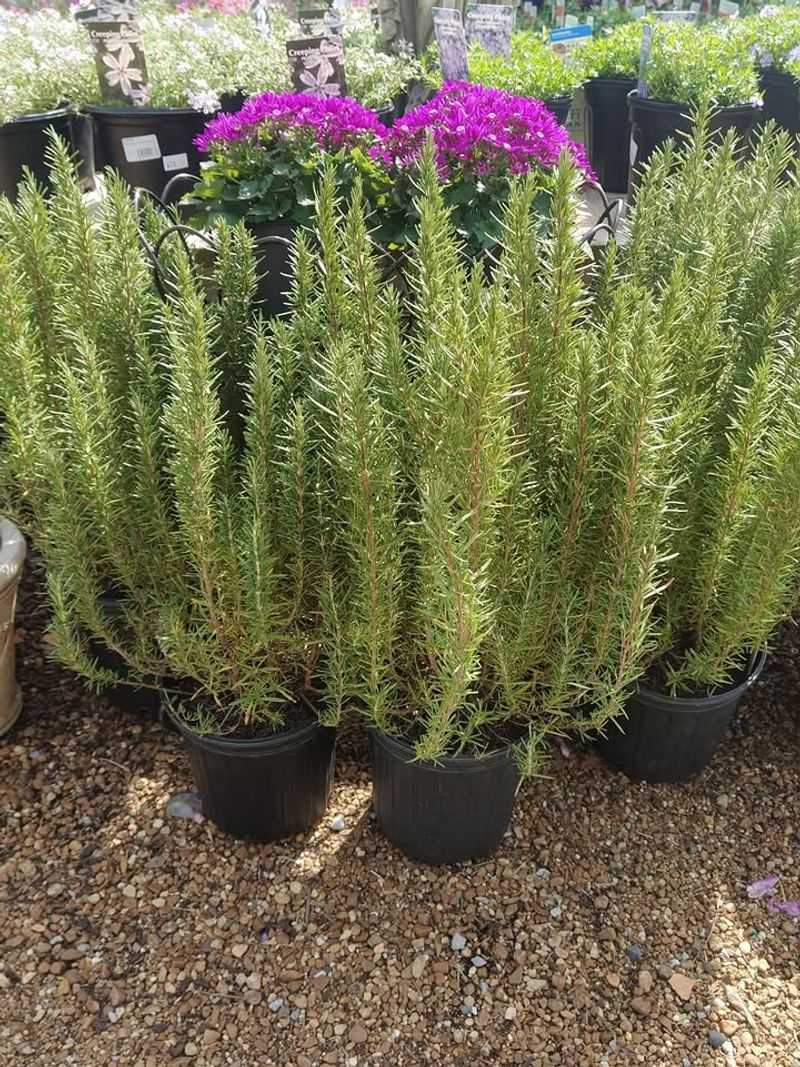
Rosemary is practically made for Texas. It loves heat, tolerates drought once established, thrives in full sun, and looks gorgeous year-round with its dense, needle-like foliage and delicate blue flowers.
Most people grow it purely as a culinary herb, but rosemary has another side to its story that not enough gardeners talk about: its potential as a natural tick and mosquito deterrent.
Rosemary oil has appeared in tick-repellent research, and some studies have shown it can reduce tick activity under certain conditions. The results are genuinely promising but also worth keeping in perspective.
Rosemary is not as potent as stronger repellents like DEET or OLE, and the living plant offers a milder effect than a concentrated extract. Still, in the context of a patio filled with multiple repellent plants, rosemary adds a real and fragrant layer to your overall strategy.
The volatile oils in rosemary become more active in heat, which means a Texas summer afternoon is actually when your rosemary plant is working hardest on your behalf.
Brushing the branches as you walk past releases a burst of aromatic compounds that mosquitoes find distinctly unappealing.
Some people toss a few sprigs onto a backyard fire or grill to create a smoke that helps clear the immediate area of flying insects.
From a practical standpoint, rosemary is one of the easiest plants on this list to maintain. It rarely needs much water, tolerates neglect better than most herbs, and can grow into an impressively full shrub over time.
Whether you want a cooking herb, a fragrant patio accent, or a modest natural pest deterrent, rosemary handles all three roles with quiet, reliable confidence.