These Are The Fig Varieties That Actually Work In Western Oregon Gardens
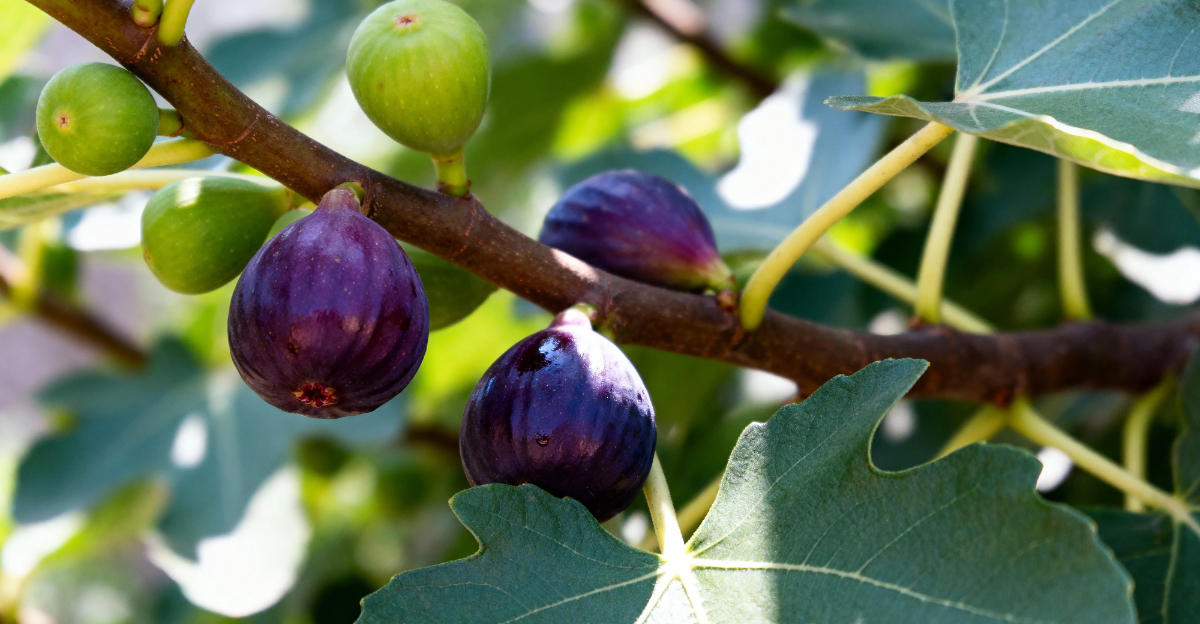
Western Oregon can be tricky fig country. The winters are mild enough to tempt gardeners, but the summers do not always bring the long dry heat figs love.
That is why variety choice matters so much. A fig that thrives in a hotter region may stay stubborn, split in wet weather, or ripen too late before cool nights return.
The best picks for western Oregon are the ones that can handle cooler conditions and still finish fruit in time. Some are known for early ripening.
Others earn a spot because they stay productive in coastal or valley gardens with less intense heat. When the match is right, a fig tree can feel surprisingly at home.
Choose carefully, and your garden has a much better chance of giving you sweet fruit instead of a tree full of almost ripe promises.
1. Desert King Is The Western Oregon Classic
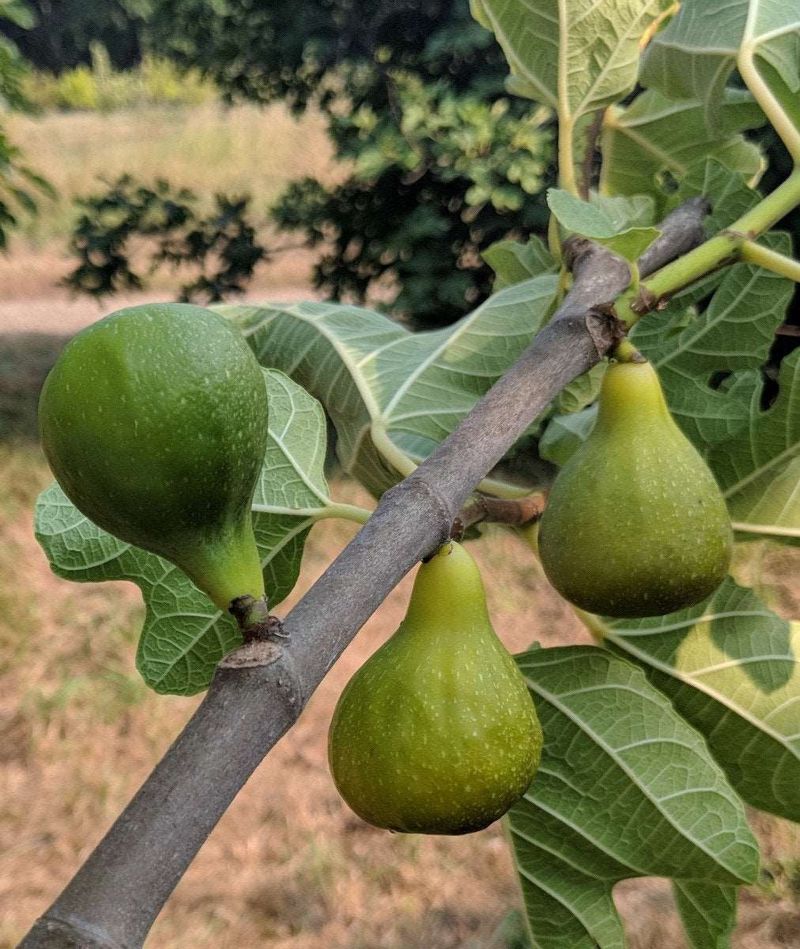
Ask any experienced fig grower in this region which variety to start with, and Desert King will almost always come up first. It has earned that reputation honestly.
This fig was practically built for the cool, wet climate found west of the Cascades, and it shows in how reliably it produces fruit even in cloudy summers.
Desert King is what growers call a breba variety. That means it produces its main crop on last year’s wood in early summer, before the weather even has a chance to fully warm up.
That is a huge advantage here, where long, warm falls are not guaranteed. You get sweet, green-skinned figs with a rich strawberry-red interior without needing a heat wave to make it happen.
The tree itself grows vigorously and can get quite large if left unpruned. Many gardeners train it against a south-facing wall or fence to maximize warmth and keep it manageable.
It handles the wet winters well and bounces back quickly in spring. Frost can damage new growth, but established trees recover without much trouble.
If you only plant one fig in your yard, Desert King is the one most growers in this state would recommend without hesitation.
It is dependable, flavorful, and genuinely suited to the conditions you are working with here.
2. Lattarula Ripens Reliably In The Northwest
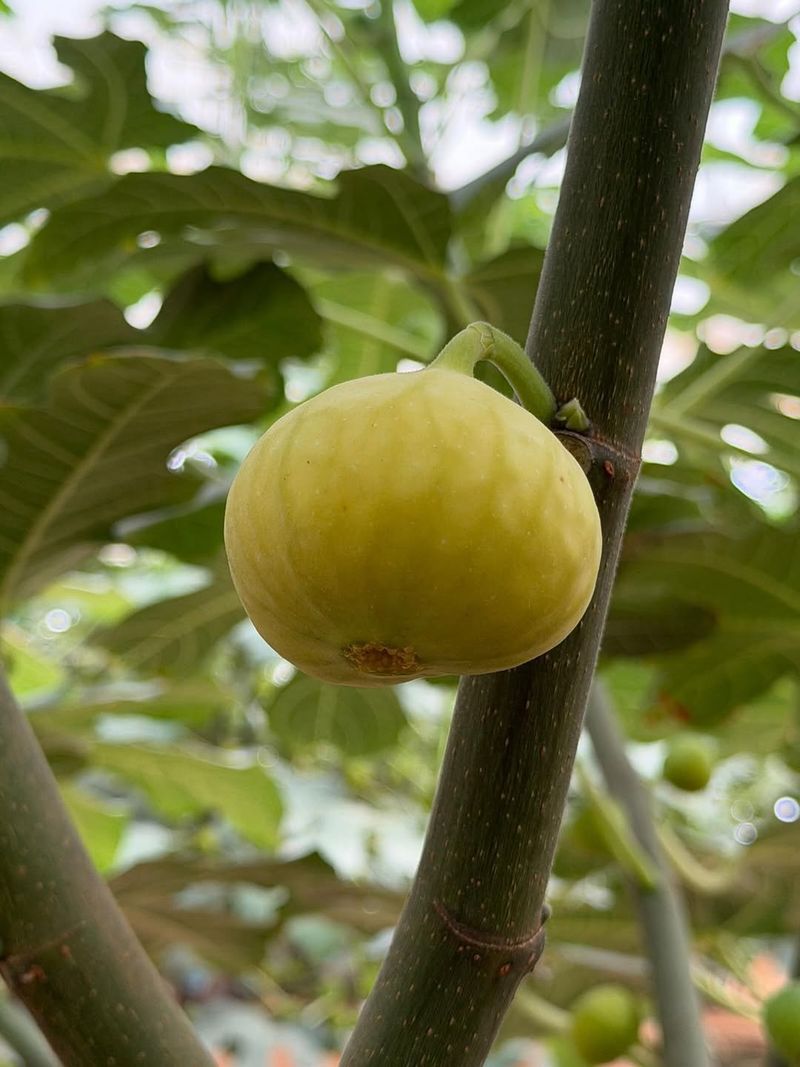
Sometimes called the Italian Honey Fig, Lattarula has built a quiet but loyal following among gardeners across the Pacific Northwest.
It does not get as much attention as Desert King, but those who grow it tend to rave about the flavor.
The fruit is pale yellow-green with a honey-sweet, amber interior that tastes like something out of a Mediterranean market.
What makes Lattarula stand out is its ability to ripen fruit consistently even in cooler seasons. It produces a decent breba crop and follows up with a main crop when conditions cooperate.
In warmer spots around the Willamette Valley, both crops come in well. In cooler coastal areas, the breba crop is usually your best bet for a full harvest.
The tree has a moderate growth rate and stays a bit more compact than Desert King, which makes it easier to manage in smaller yards.
Your Oregon Garden Changes Every Week. Your Plan Should Too.
Gardening in Oregon changes quickly throughout the season. Every Friday you’ll receive a simple weekly plan showing exactly what to plant, prune, fertilize, harvest, and protect so you never miss the right timing.
It appreciates a sheltered, sunny location and does well planted near a south or west-facing wall.
Winter protection like a thick layer of mulch around the base helps younger trees get through their first few cold seasons. Once established, Lattarula is surprisingly tough.
The fruit quality alone makes it worth the effort. Gardeners who love sweet, mild figs with a delicate flavor consistently rank this variety among their favorites in the Northwest.
3. White Kadota Handles Cool Oregon Seasons
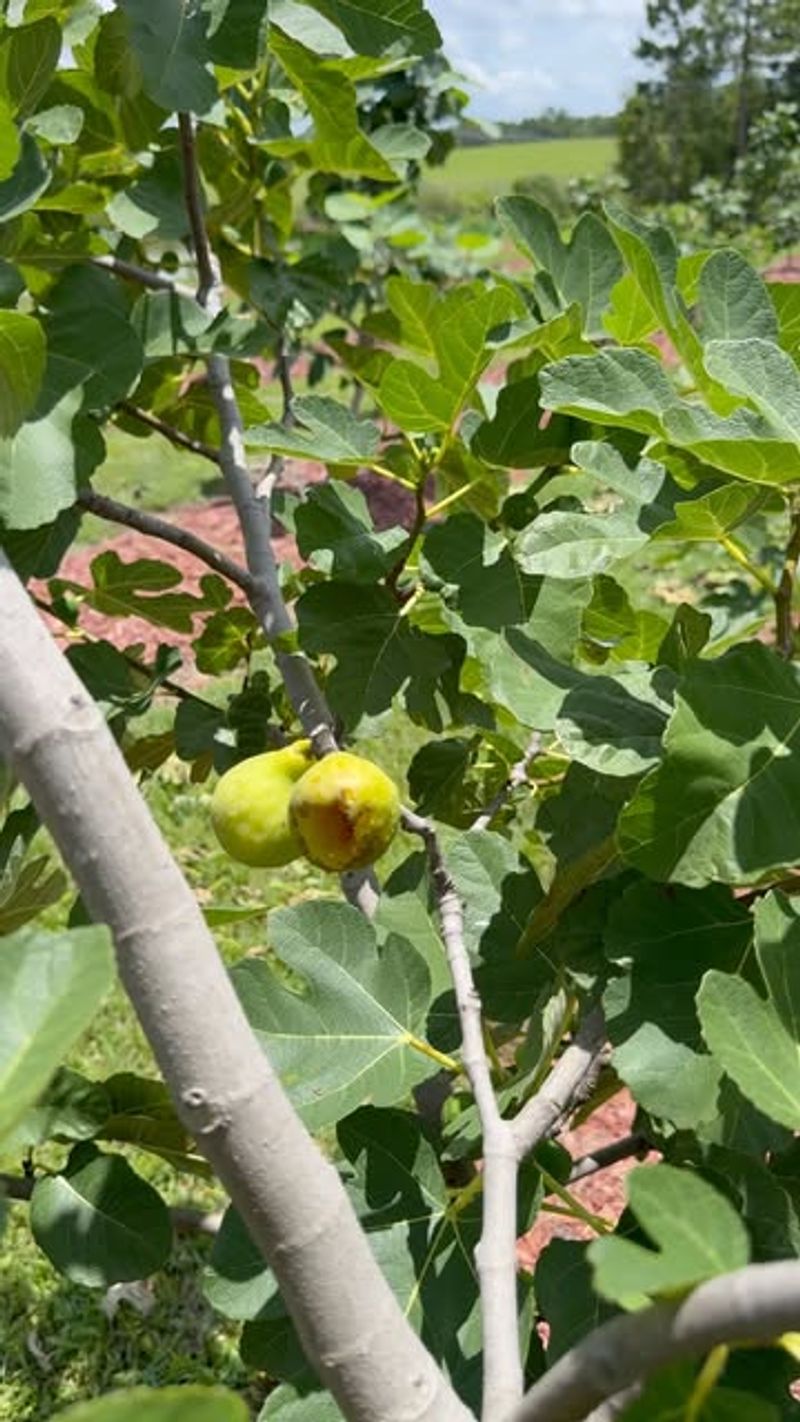
White Kadota has a long history in American fig growing, and for good reason. Originally popularized in California, it might seem like an odd choice for a cooler, wetter climate.
But gardeners in this state have found that with the right placement, White Kadota holds its own surprisingly well through the kind of seasons this region is known for.
The fruit is thick-skinned and firm, which actually works in its favor here. Thin-skinned figs tend to split and mold in wet weather, but White Kadota handles moisture better than many other varieties.
The flavor is mild and sweet with a slightly nutty quality that many people prefer for fresh eating and preserving. The pale, nearly white flesh makes for a beautiful jam or dried fig too.
Planting White Kadota in a warm, well-drained spot is key. A south-facing wall or raised bed helps it get the extra heat it needs to fully ripen.
It is not the most cold-hardy fig on this list, so younger trees benefit from some winter protection during hard freezes. That said, established trees tend to recover well from light frost damage.
Gardeners who put in the effort to site this tree correctly are usually rewarded with a steady harvest of good-quality fruit.
It is a solid choice for anyone who wants a versatile fig that works for both fresh eating and home preserving.
4. Brown Turkey Can Work In Warm Sheltered Spots
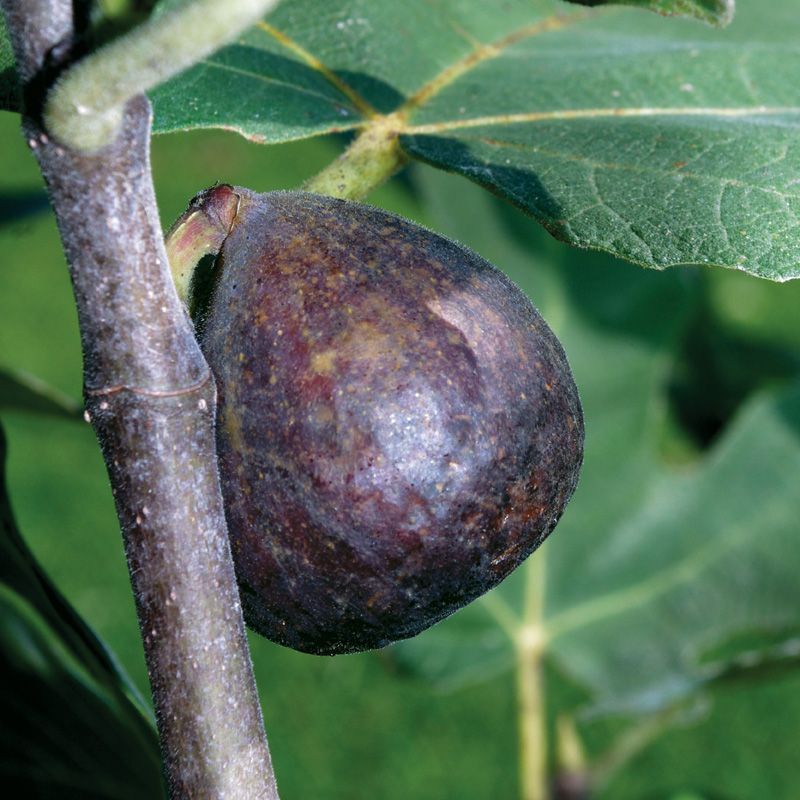
Brown Turkey is probably the most widely sold fig variety in North American nurseries, and that widespread availability sometimes makes gardeners assume it will grow anywhere without much thought. In this state, that assumption can lead to disappointment.
Brown Turkey does have potential here, but it needs the right conditions to really deliver.
The variety performs best in warm, sheltered microclimates. Think south-facing walls, protected courtyards, or spots that trap extra heat from pavement or masonry.
In these locations, and in the warmer parts of the Willamette Valley, Brown Turkey can ripen a solid main crop of medium to large, purplish-brown figs with sweet, pinkish flesh.
The flavor is pleasant and mild, making it a crowd-pleaser for fresh eating.
Where Brown Turkey struggles is in open, exposed spots with cool summer temperatures and heavy cloud cover. Without enough heat accumulation, the fruit may not fully ripen before the fall rains arrive.
The good news is that this variety is fairly cold-hardy and bounces back from frost damage reliably. If you have a particularly warm corner of your yard or garden, Brown Turkey is worth a try.
Just manage your expectations in cooler years and focus on maximizing heat at the planting site.
With the right setup, it can be a productive and rewarding tree that surprises even skeptical gardeners in this region.
5. Olympian Fits The Cooler Maritime Climate
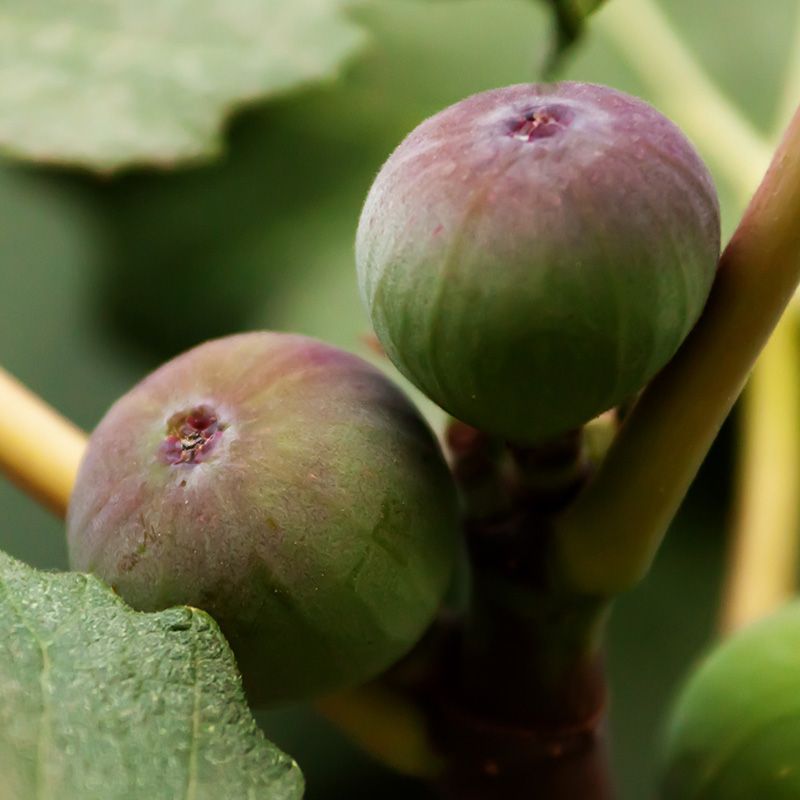
Developed right here in the Pacific Northwest, Olympian is a variety with a story that feels local. It was selected specifically for its ability to perform in the cool, maritime conditions found west of the Cascades, which makes it one of the most logically suited choices for gardeners in this state.
When a fig variety is bred with your exact climate in mind, that matters.
Olympian produces large, dark purple figs with a rich, sweet flavor and strawberry-colored interior. It is primarily a main-crop variety, which means it ripens in late summer and early fall.
In warmer years, the harvest can be impressive. Even in cooler summers, it tends to ripen more fruit than many other main-crop varieties because it was selected for exactly that ability.
The tree grows vigorously and can reach a good size, so give it room or plan to prune it regularly.
It handles the wet winters in this region without much complaint and shows solid cold hardiness for an established tree.
Younger trees still benefit from mulching and some wind protection during their first couple of winters.
Gardeners who have tried multiple varieties often come back to Olympian as a reliable workhorse that delivers both quality and quantity.
It is not always easy to find at local nurseries, but it is worth tracking down. This variety feels like it was made for this part of the world because, in a very real sense, it was.
6. Negronne Is Hardy Enough For Cooler Gardens
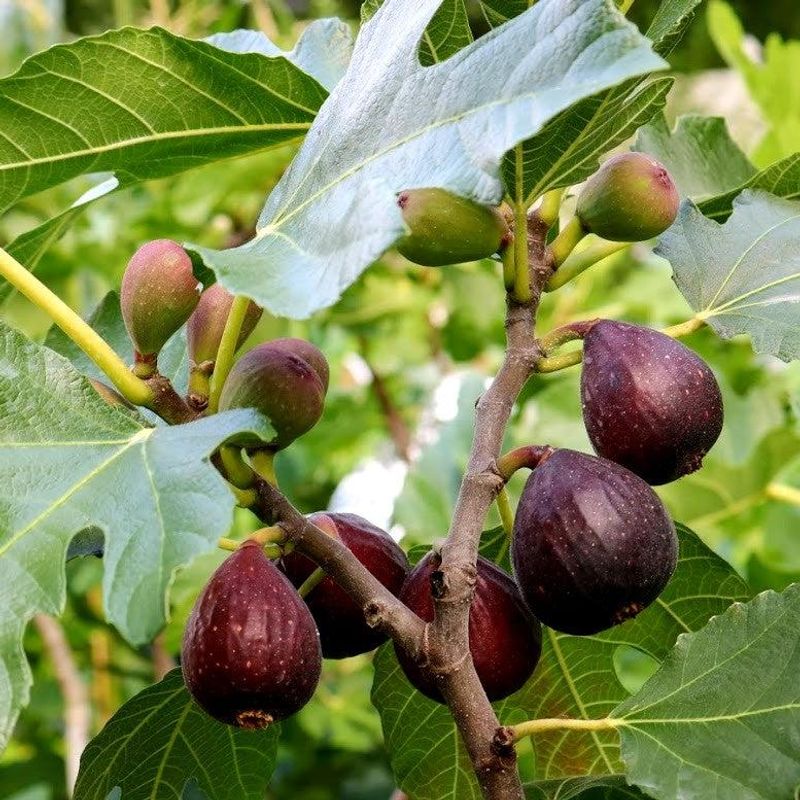
Negronne goes by a few names depending on where you find it. Some nurseries sell it as Violette de Bordeaux, and others label it simply as a black fig. Whatever the tag says, the fruit is unmistakable.
Small to medium in size, nearly black on the outside, and bursting with a deep, rich, berry-like sweetness that is hard to find in other varieties.
What makes Negronne especially interesting for cooler gardens is its cold hardiness. It is considered one of the more frost-tolerant fig varieties available, which gives it an edge in spots that other figs might find too challenging.
It also ripens relatively early in the season, which is a big plus when your summers are short and unpredictable.
The tree tends to stay smaller than many other fig varieties, which makes it a great option for container growing or tighter garden spaces.
Planting it in a pot and moving it to a sheltered location for winter is a popular strategy in cooler parts of this state.
Even in the ground, a good layer of mulch and a protected spot near a structure can make a real difference. The fruit quality is exceptional.
Gardeners who grow Negronne often describe it as one of the most flavorful figs they have ever tasted.
For anyone willing to give it the right care and location, this variety offers a genuinely rewarding growing experience in cooler conditions.
7. Stella Is Worth Trying In Protected Sites
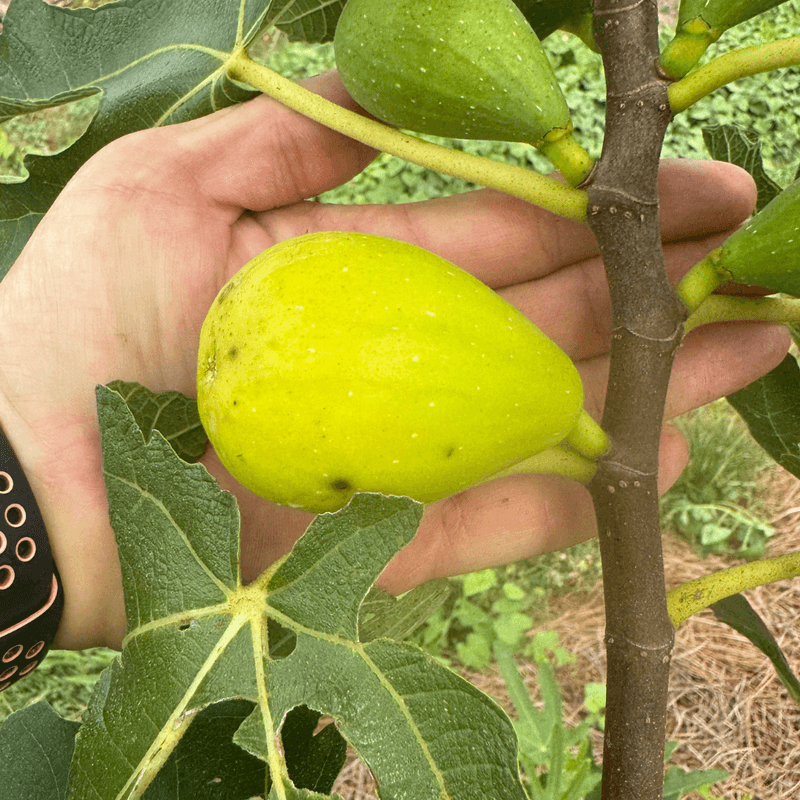
Stella is a newer variety that has been generating real excitement among fig enthusiasts in the Pacific Northwest.
It is not as well-known as Desert King or Brown Turkey, but gardeners who have grown it in sheltered spots are reporting impressive results.
Sometimes a newer variety earns its buzz the honest way, through actual performance in real gardens.
The fruit is medium-sized with dark, reddish-purple skin and a sweet, rich interior. Stella is known for ripening relatively early in the season, which is one of its biggest advantages in a climate where the window for late-season ripening can be narrow.
Getting fruit to table before the fall rains arrive is always a priority here, and Stella tends to deliver on that front.
The catch is that Stella really does need a protected site to show its best. A warm south or southwest-facing wall, a sheltered courtyard, or a microclimate that traps extra heat will make a noticeable difference in both fruit quality and yield.
In exposed or shaded locations, results can be inconsistent. For gardeners who have the right spot available, though, Stella is absolutely worth adding to the mix.
It pairs well with Desert King as a companion planting, giving you an early breba crop from one tree and a flavorful main crop from the other.
Together, they stretch the fresh fig season across much of the summer and into early fall.