These 9 Flowers Bring Fresh Color To Oregon Gardens In Mid-Summer
Mid summer can leave an Oregon garden looking a little tired. Spring flowers have faded, early perennials may be slowing down, and dry spells can make beds feel less lively than they did a few weeks ago.
That is when the right flowers make all the difference. They step in with fresh color just when the garden needs a second spark.
Some bring bold blooms for sunny borders. Others brighten containers, cottage beds, or pollinator patches without asking for constant attention.
The best mid summer flowers do more than fill space. They keep the yard cheerful, active, and worth looking at when the season starts to feel stretched thin.
Add the right mix now, and your Oregon garden can feel colorful again instead of coasting toward fall.
1. Dahlias
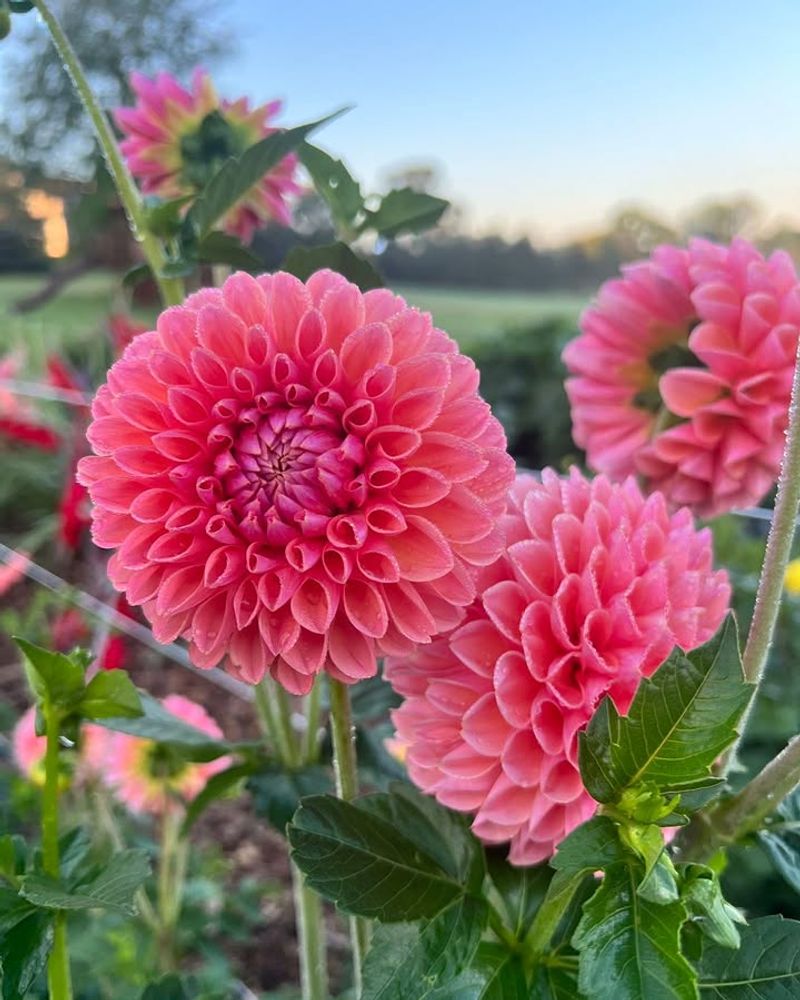
Few flowers command attention quite like dahlias. These showstoppers produce blooms that range from the size of a dinner plate to tiny, pom-pom-shaped buttons.
They come in nearly every color imaginable, except true blue, which makes them one of the most versatile flowers you can grow.
In our state, dahlias truly hit their stride in mid-summer. They love the warm days and cool nights that are common here.
Plant the tubers in spring after the last frost, and by July, you will have a garden full of bold, layered blooms that seem almost too beautiful to be real.
Deadheading spent flowers regularly keeps new blooms coming all season long. Give them full sun and well-drained soil for the best results.
Dahlias also make excellent cut flowers, so you can bring that garden color right inside your home.
Fun fact: dahlias are actually native to Mexico and were once used as a food source by the Aztecs. Today, they are grown purely for their jaw-dropping beauty.
If you only add one flower to your garden this summer, make it a dahlia. You will not regret it.
2. Crocosmia
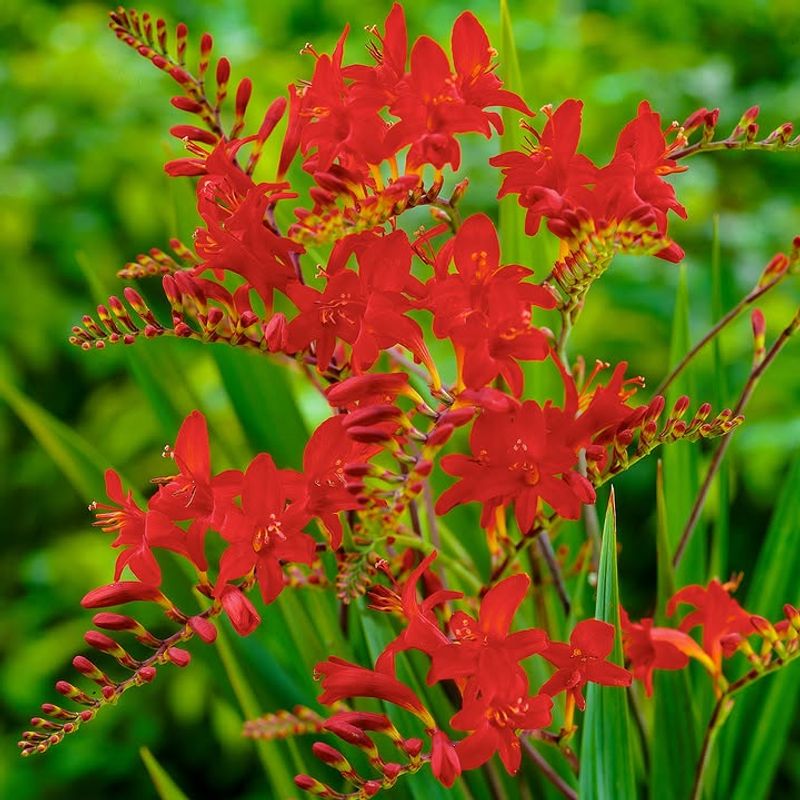
Crocosmia is one of those flowers that looks like it belongs in a tropical paradise, yet it thrives right here in the Pacific Northwest.
The arching stems carry clusters of vivid orange, red, or yellow blooms that sway gently in the summer breeze. It is bold, it is dramatic, and it is nearly impossible to ignore.
Hummingbirds absolutely adore crocosmia. The tubular shape of the flowers is perfectly designed for their long beaks.
Planting a patch near a window or patio means you will have a front-row seat to one of nature’s best shows all summer long.
One of the best things about this plant is how little fuss it needs. Once established, it spreads on its own through underground corms, filling in gaps in garden beds naturally.
In mild areas of our state, it can even stay in the ground year-round without much protection.
Crocosmia pairs beautifully with ornamental grasses or dark-leafed plants that let its fiery colors pop. Plant it in a sunny spot with decent drainage, and it will reward you generously.
Did you know crocosmia originates from South Africa? It traveled a long way to become one of the most beloved mid-summer flowers in Pacific Northwest gardens.
Your Oregon Garden Changes Every Week. Your Plan Should Too.
Gardening in Oregon changes quickly throughout the season. Every Friday you’ll receive a simple weekly plan showing exactly what to plant, prune, fertilize, harvest, and protect so you never miss the right timing.
3. Salvia
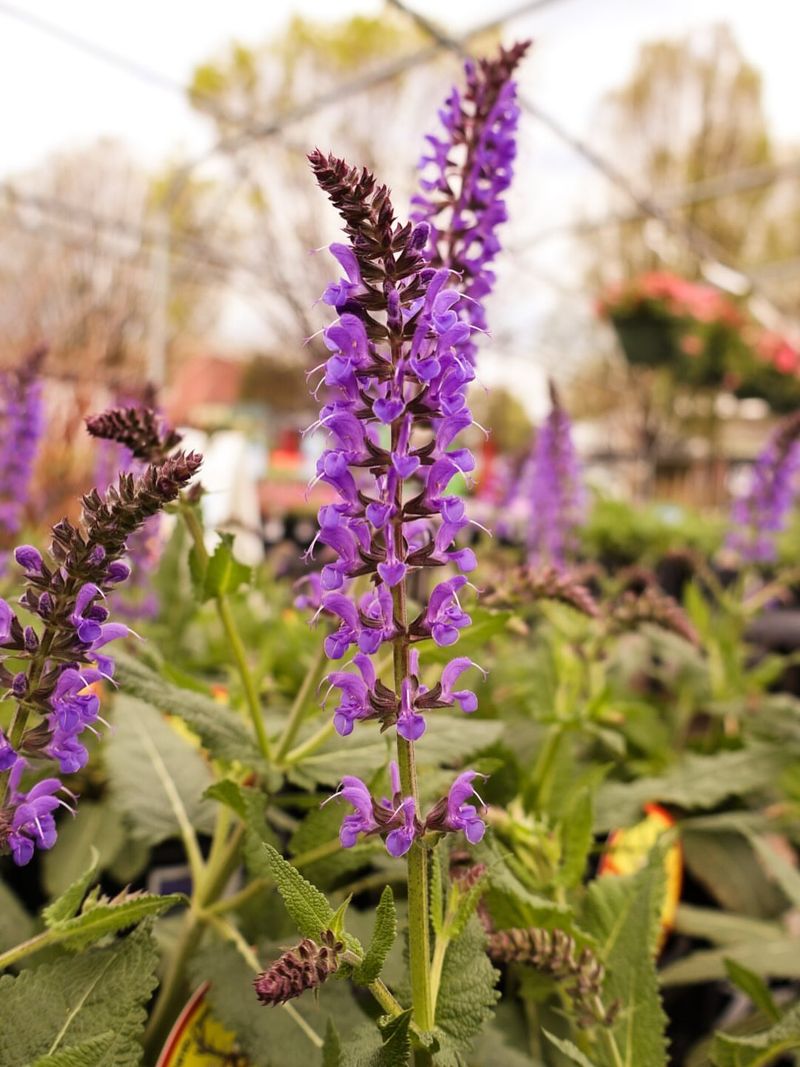
There is something deeply satisfying about a well-grown salvia in full bloom. The tall, spiky flower stalks rise up in shades of purple, blue, red, and pink, creating a vertical element that adds real structure to any garden bed.
Mid-summer is when salvias truly show off, pumping out bloom after bloom without much encouragement.
Pollinators go absolutely wild for salvia. Bees, butterflies, and hummingbirds flock to these flowers like they are the best restaurant in town.
If supporting local wildlife is important to you, salvia is one of the easiest ways to do it.
Most salvia varieties are drought-tolerant once they get established, which is great news for gardeners in the drier parts of our state. They prefer full sun and well-drained soil.
Cutting them back halfway after the first big flush of blooms often triggers a second wave of flowers later in the season.
Annual salvias like Salvia splendens bring fiery red color that lasts all the way to fall. Perennial types like Salvia nemorosa come back year after year with very little care.
Either way, you are getting a reliable, hard-working plant that earns its place in the garden every single summer without fail.
4. Penstemon
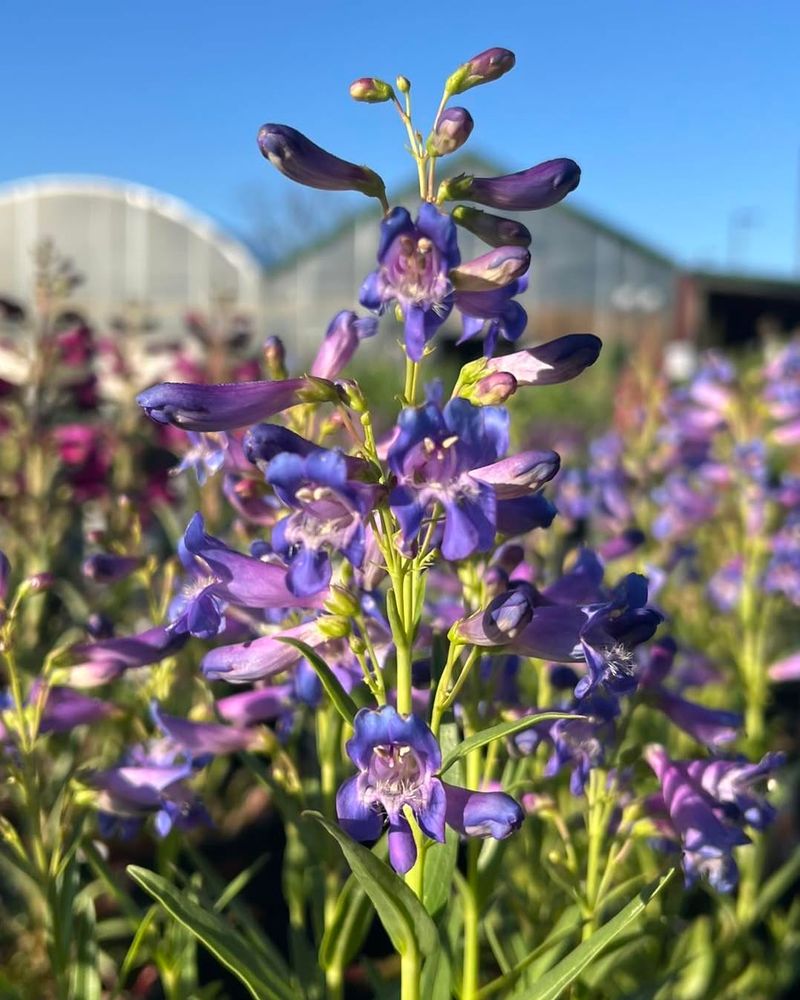
Penstemon is one of the true stars of the Pacific Northwest garden, and it does not get nearly enough credit.
Also known as beardtongue, this native wildflower produces clusters of tubular blooms in shades of pink, purple, red, and white. It looks wildly beautiful without requiring much work at all.
Because many penstemon species are native to our region, they are perfectly adapted to local soils and weather patterns. They handle dry summers with ease and bounce back reliably each spring.
That kind of toughness makes them a dream plant for gardeners who want beauty without constant babysitting.
Hummingbirds are especially fond of penstemon. The long, tube-shaped flowers are tailor-made for hummingbird feeding.
Plant a row of them along a fence or pathway, and you will have a steady stream of tiny, winged visitors all season long.
Penstemon looks stunning when planted in masses or mixed with ornamental grasses and other native plants.
It thrives in full sun and rocky or sandy soil, making it a natural fit for slopes or dry garden beds where other plants struggle.
Avoid overwatering, as penstemon prefers lean conditions. Once established, it is one of the most self-sufficient flowers you can grow, returning year after year with very little help from you.
5. Daylilies
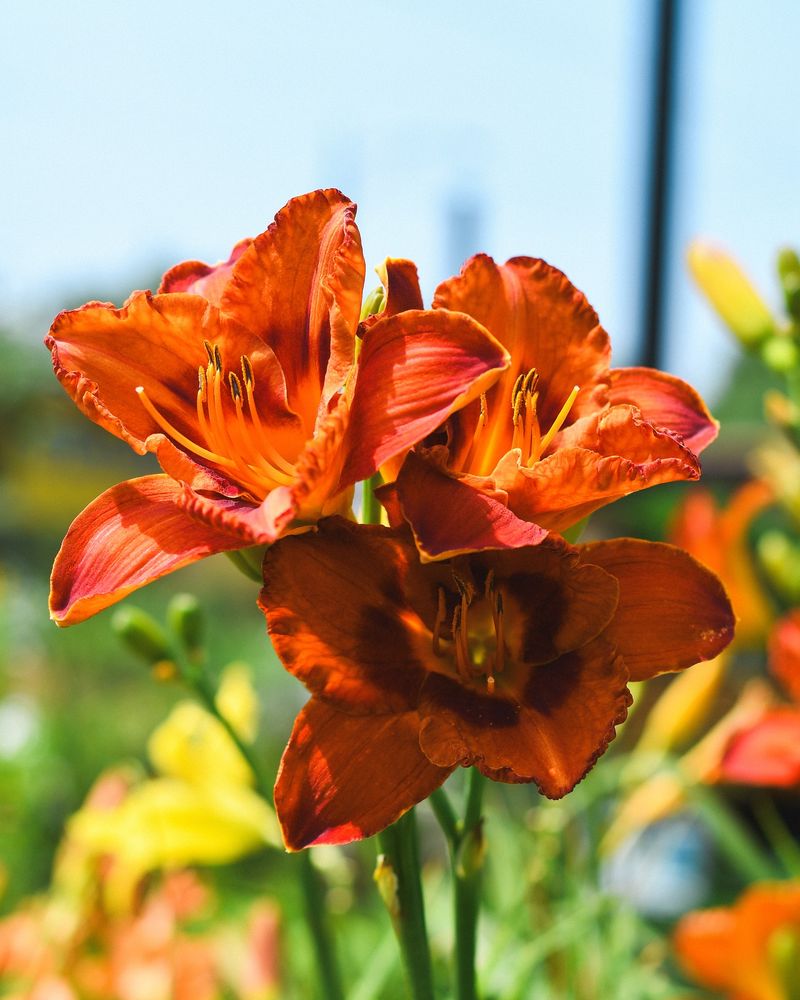
Daylilies have a reputation for being practically indestructible, and honestly, that reputation is well earned.
Each individual flower only lasts a single day, but each plant produces so many buds that the show goes on for weeks.
Mid-summer is peak season for most varieties, and the color range is truly breathtaking.
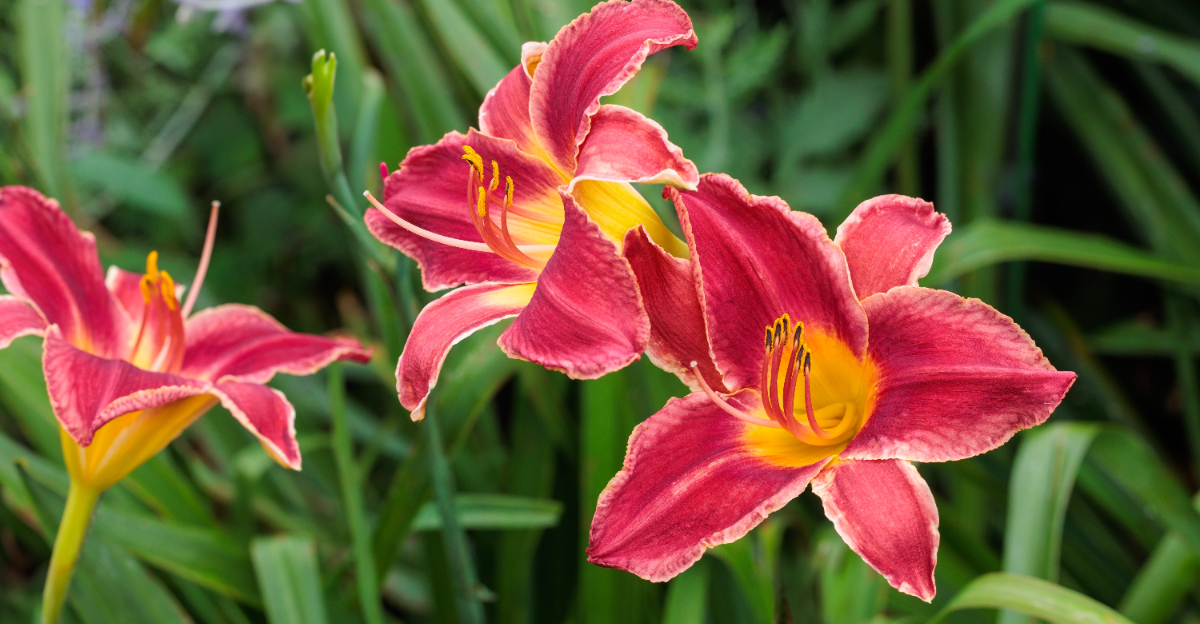
From soft buttery yellows to deep burgundy reds and everything in between, daylilies offer a shade for every garden style. They grow in clumps that get bigger and better each year, spreading slowly without becoming invasive.
Dividing them every few years keeps them blooming at their best.
One of the biggest advantages of daylilies is their flexibility. They tolerate a wide range of soil types, from clay-heavy ground to sandy patches.
Full sun brings the most blooms, but they handle partial shade surprisingly well too. Few flowers are this forgiving while still looking this good.
Daylilies also hold up beautifully in summer heat, which makes them a reliable choice during the warmer stretches that our state occasionally experiences in July and August.
Pair them with ornamental grasses or black-eyed Susans for a cheerful, cottage-garden look.
Minimal watering, no serious pest problems, and season-long color make daylilies one of the smartest investments any home gardener can make for a mid-summer display.
6. Russian Sage
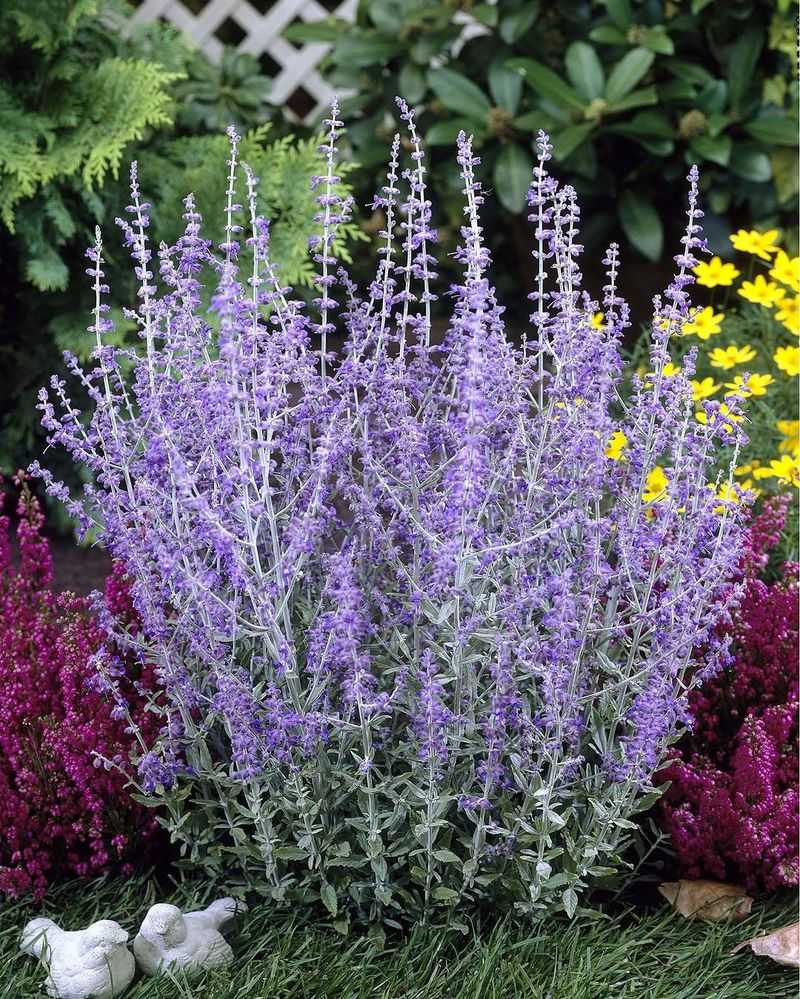
Russian sage has a kind of wild, airy elegance that few other plants can match. The silvery stems are covered in tiny, lavender-blue flowers that create a soft haze of color from mid-summer all the way into fall.
It is the kind of plant that looks effortless, even though it is doing a tremendous amount of work in the garden.
Despite the name, Russian sage is not actually a sage and does not come from Russia. It originates from central Asia and belongs to the mint family.
The leaves have a pleasant herbal scent when brushed against, which is a nice bonus on a warm summer evening.
In our state, Russian sage thrives in full sun and well-drained soil. It is extremely drought-tolerant once established, which makes it ideal for the drier eastern parts of the region.
It also handles wind and heat without complaint, proving that toughness and beauty can absolutely go hand in hand.
This plant works beautifully as a backdrop for shorter, bolder flowers like dahlias or daylilies.
The soft blue-purple color calms down louder hues and creates a balanced, layered look.
Cut it back hard in early spring to keep it compact and encourage fresh, vigorous growth. Russian sage is a low-maintenance powerhouse that rewards patient gardeners with months of stunning, wispy color.
7. Yarrow
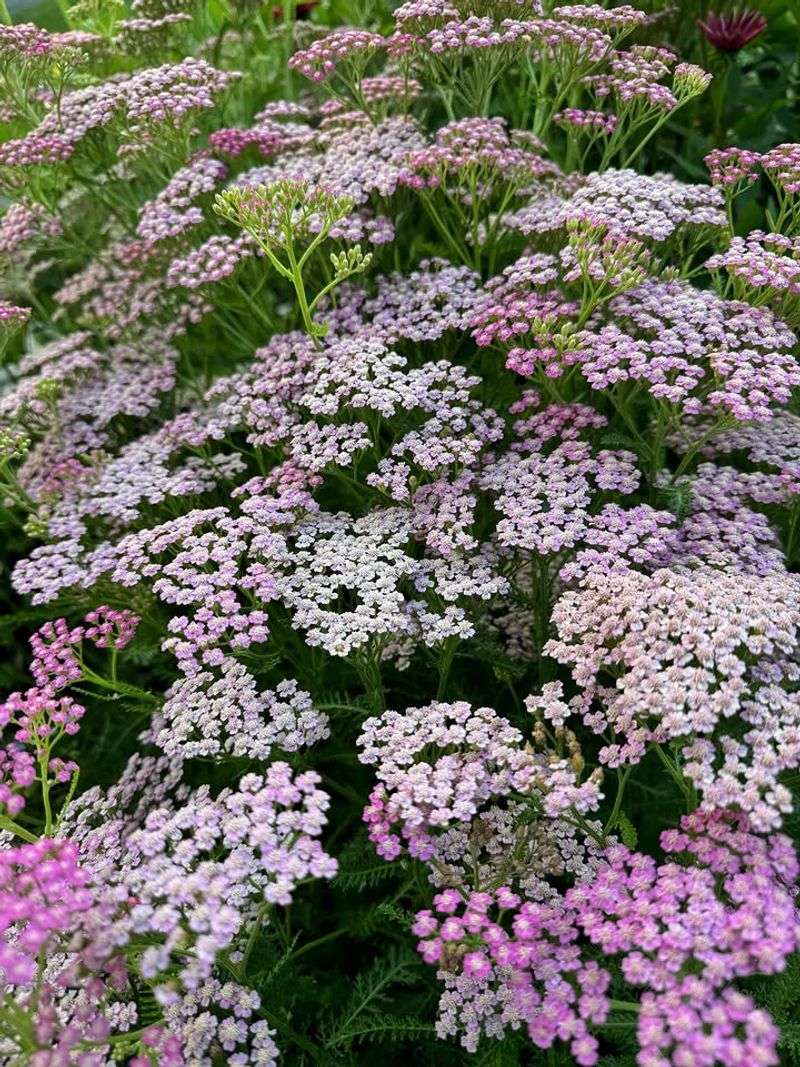
Yarrow is the kind of plant that makes you look like a much more experienced gardener than you might actually be.
The flat-topped flower clusters sit on top of feathery, aromatic foliage and come in shades of yellow, white, pink, and red.
Mid-summer is when yarrow puts on its most impressive display, drawing in pollinators from all directions.
Butterflies especially love yarrow. The wide, flat flower heads are perfect landing pads for feeding.
A single clump in full bloom can attract dozens of butterflies on a warm summer afternoon, turning your garden into a lively, buzzing ecosystem.
Yarrow is also one of the toughest plants you can grow. It handles poor soil, drought, and heat without skipping a beat.
In fact, overly rich or wet soil can actually make it flop and sprawl, so lean growing conditions suit it best. Our state’s summer climate is nearly perfect for it.
Cutting yarrow for dried flower arrangements is another great reason to grow it. The blooms hold their color well when dried, making them a wonderful addition to wreaths or bouquets long after summer ends.
Yarrow has a long history as a medicinal herb used by various cultures for centuries, adding a layer of interesting backstory to an already impressive plant. Plant it, enjoy it, and let it do its thing.
8. Bee Balm
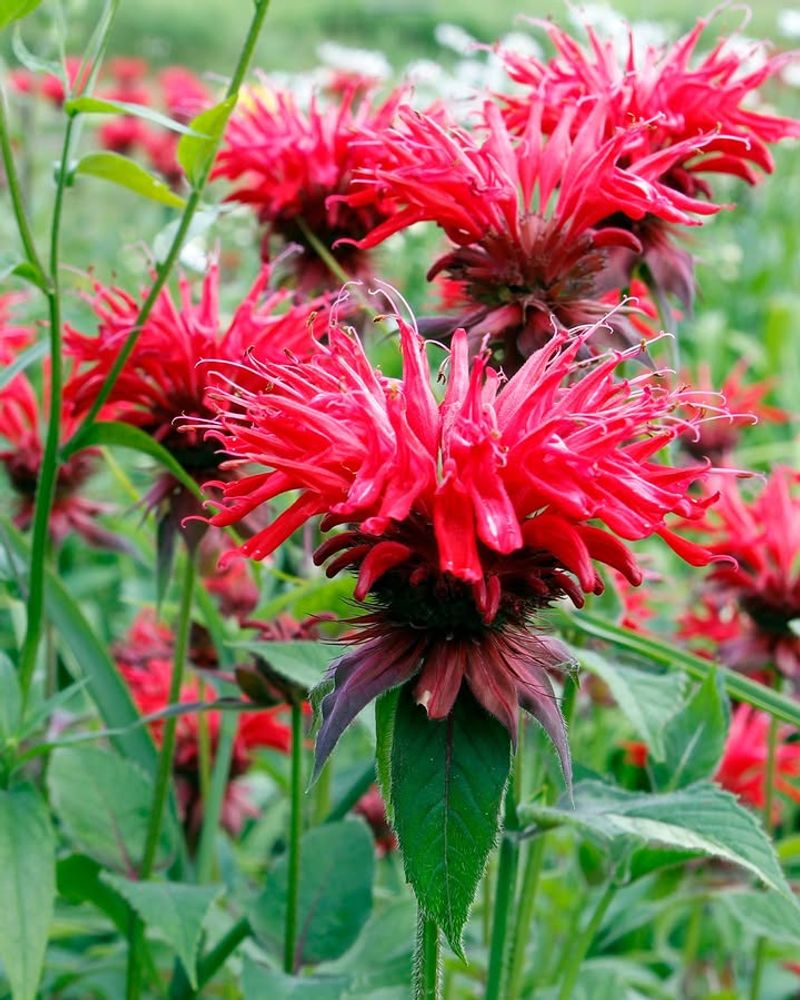
Bee balm is one of those plants that earns its name every single day it is in bloom. The shaggy, crown-like flowers burst open in shades of red, pink, purple, and white, and the pollinators come rushing in almost immediately.
Hummingbirds, bees, and butterflies treat bee balm like an all-you-can-eat buffet from mid-summer onward.
Beyond its wildlife value, bee balm has a rich history as a Native American medicinal plant. The leaves were used to make teas and herbal remedies long before European settlers arrived.
Today, the leaves still carry a pleasant, oregano-like scent that adds sensory interest to the garden even when the plant is not in bloom.
In our state’s mild, moist climate, bee balm can spread enthusiastically through underground runners.
Planting it in a contained area or dividing it every couple of years keeps it from taking over nearby garden beds.
Good air circulation around the plants also helps prevent powdery mildew, which can be an issue in humid conditions.
Bee balm pairs wonderfully with other mid-summer bloomers like salvia, penstemon, and yarrow. It prefers moist, well-drained soil and full to partial sun.
The taller varieties can reach up to four feet, creating an impressive vertical statement in the back of a border.
For anyone wanting to support pollinators while enjoying vivid summer color, bee balm is simply one of the best choices available.
9. Verbena
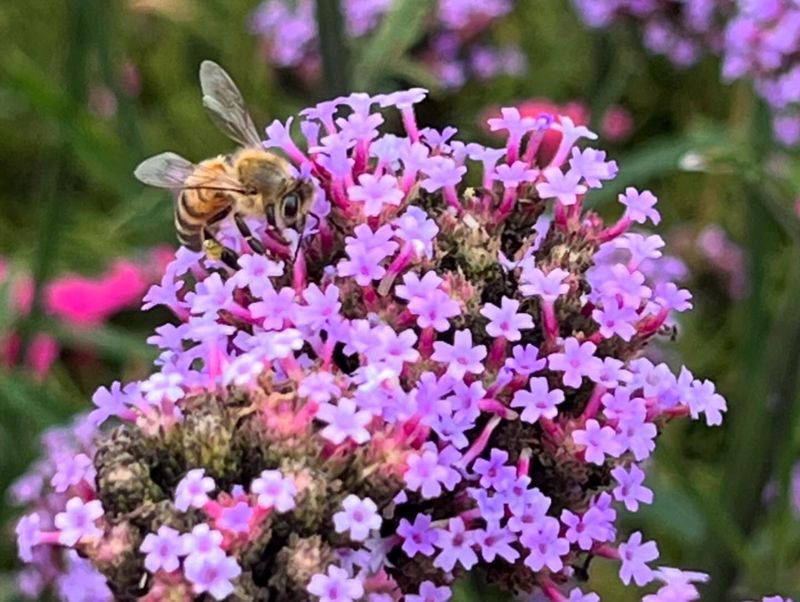
Verbena brings a cheerful, almost carefree energy to the mid-summer garden. The small, tightly clustered flowers come in vivid shades of purple, pink, red, and white, and they bloom in dense mats or trailing cascades depending on the variety.
Few flowers deliver this much color for this little effort during the hottest weeks of summer.
Trailing verbena works beautifully in hanging baskets, window boxes, or spilling over the edges of raised garden beds. Upright varieties like Verbena bonariensis grow tall and airy, with tiny purple flower clusters that seem to float above everything else in the garden.
Both types attract butterflies in impressive numbers.
Heat and sun are where verbena truly shines. It thrives during the warm stretches that our state experiences in July and August, continuing to bloom even when other plants start to fade.
Deadheading spent blooms encourages fresh flowers to form, though many modern varieties are self-cleaning and need very little attention.
Verbena is also an excellent choice for gardeners working with limited space. It grows quickly and fills in gaps between larger plants with ease.
Well-drained soil and a sunny spot are really all it needs to perform at its peak.
Whether you use it as a ground cover, a container plant, or a border filler, verbena delivers reliable, eye-catching color from mid-summer straight through to the first cool days of fall.