What To Plant In Oregon Raised Beds From June Through October For Non-Stop Harvests
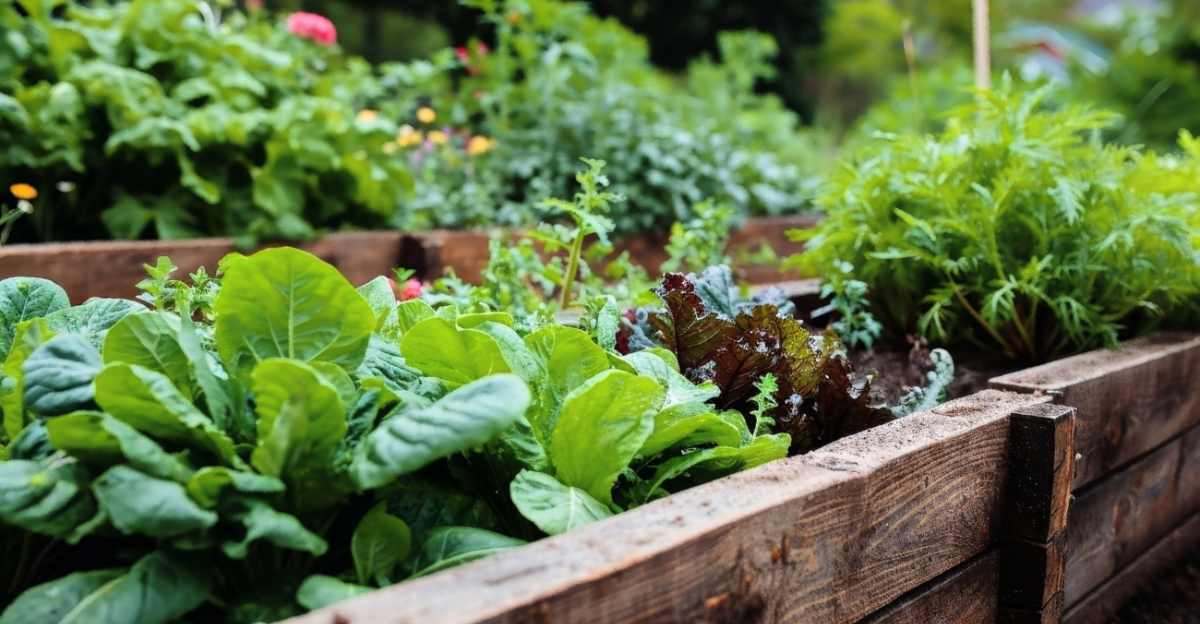
Raised beds can keep an Oregon garden productive long after the first spring crops are gone. June is not the end of planting season.
It is the start of a steady rhythm that can carry fresh food into fall. Warm soil, longer days, and easier bed control give gardeners a real advantage.
The trick is knowing what to plant next, then keeping open spaces filled as each crop finishes.
Fast greens, root crops, herbs, beans, brassicas, and cool season favorites can all take turns in the same beds.
A smart plan keeps the harvest moving instead of leaving empty soil behind. Plant a little at the right times, and your raised beds can stay useful, colorful, and full of something worth picking for months.
1. Lettuce For Fast Repeat Harvests
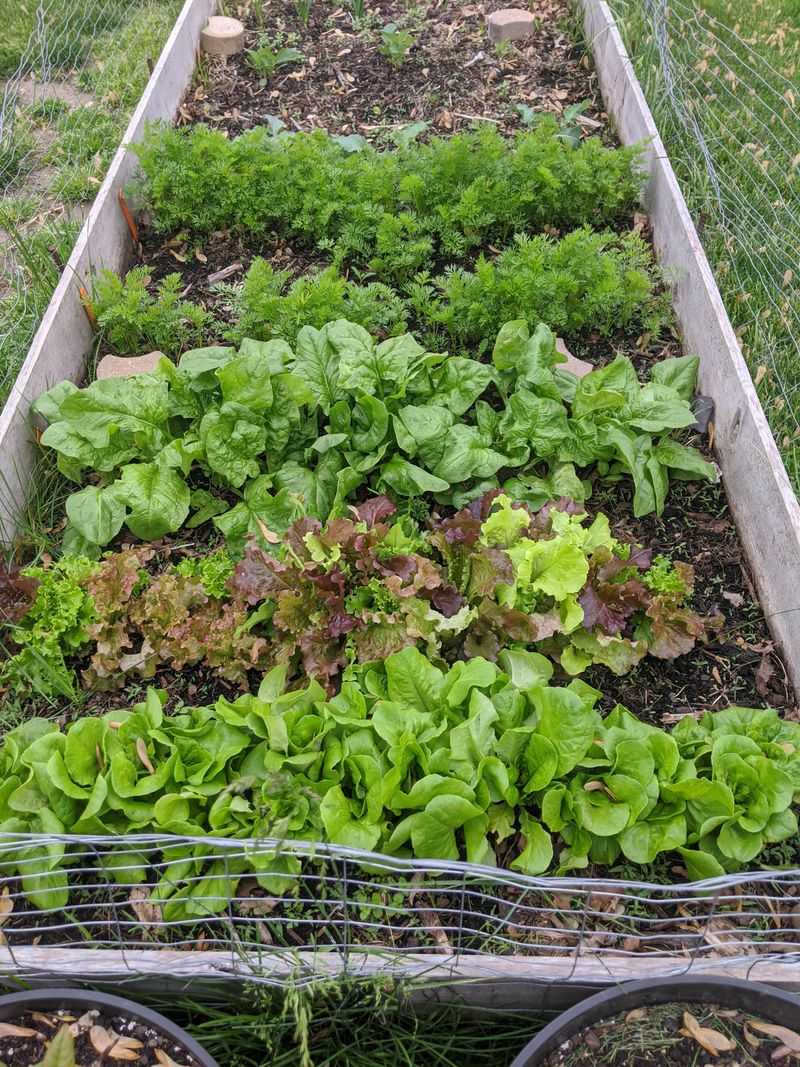
Few vegetables reward a gardener as quickly as lettuce does. You can go from seed to salad bowl in as little as 30 days with the right variety.
That kind of speed makes it one of the most satisfying crops to grow in a raised bed.
Plant lettuce in June for a strong early summer harvest. As temperatures climb in July and August, switch to heat-tolerant varieties like Jericho or Nevada.
These types are less likely to bolt, meaning they stay leafy and tasty instead of turning bitter and going to seed.
The best technique for non-stop harvests is called cut-and-come-again. You snip the outer leaves and let the center keep growing.
One plant can give you multiple harvests over several weeks.
By late August, start a fresh round of seeds for a fall crop. Lettuce actually prefers cooler weather, so September and October are ideal growing months in most parts of this state.
Raised beds warm up faster than ground soil, which gives your seedlings a head start.
Keep the soil moist but not soggy. Lettuce has shallow roots, so it dries out faster than deeper-rooted crops.
A light layer of mulch helps hold moisture and keeps the soil temperature steady. Mixing leaf colors and textures also makes your raised bed look beautiful while keeping your salad bowl full all season long.
2. Bush Beans For Mid-Summer Picking
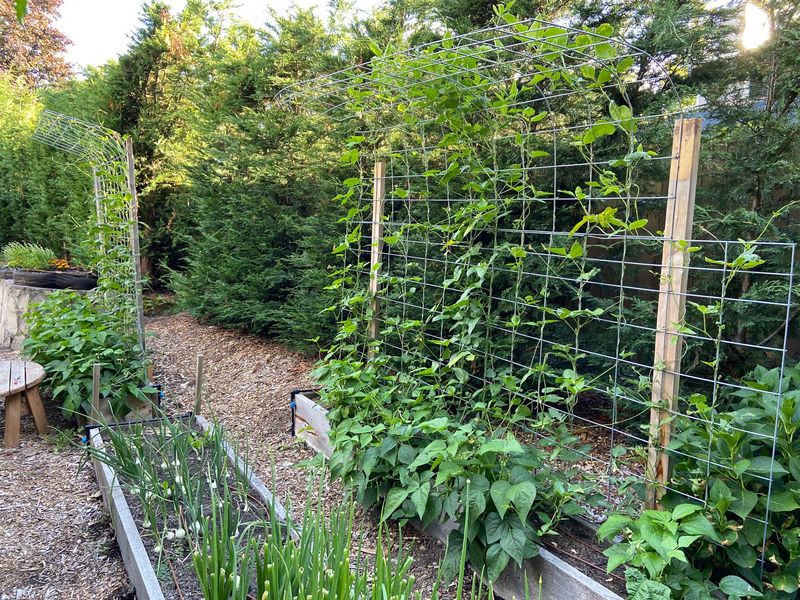
There is something deeply satisfying about snapping a fresh green bean right off the plant. Bush beans are one of the most productive crops you can grow in a raised bed during the summer months.
They take up very little space and produce heavily in a short window.
Plant seeds directly into your raised bed in June once the soil has warmed to at least 60 degrees. Bush beans do not transplant well, so direct seeding is the way to go.
Space seeds about four to six inches apart for good airflow and strong production.
Most bush bean varieties are ready to pick in 50 to 60 days. That means a June planting gives you beans in late July or early August.
Once pods start forming, check your plants every two to three days. Picking regularly encourages the plant to keep producing.
For a longer harvest window, try succession planting. Put in a first round in early June and a second round two to three weeks later.
Your Oregon Garden Changes Every Week. Your Plan Should Too.
Gardening in Oregon changes quickly throughout the season. Every Friday you’ll receive a simple weekly plan showing exactly what to plant, prune, fertilize, harvest, and protect so you never miss the right timing.
This staggers the harvest so you are not flooded with beans all at once.
Bush beans are also great for the soil. They fix nitrogen, which naturally feeds the bed for future crops.
After the bean season ends, chop the plants and work them into the soil as green compost. Your next crop will thank you for it.
3. Cucumbers That Keep Producing Into August
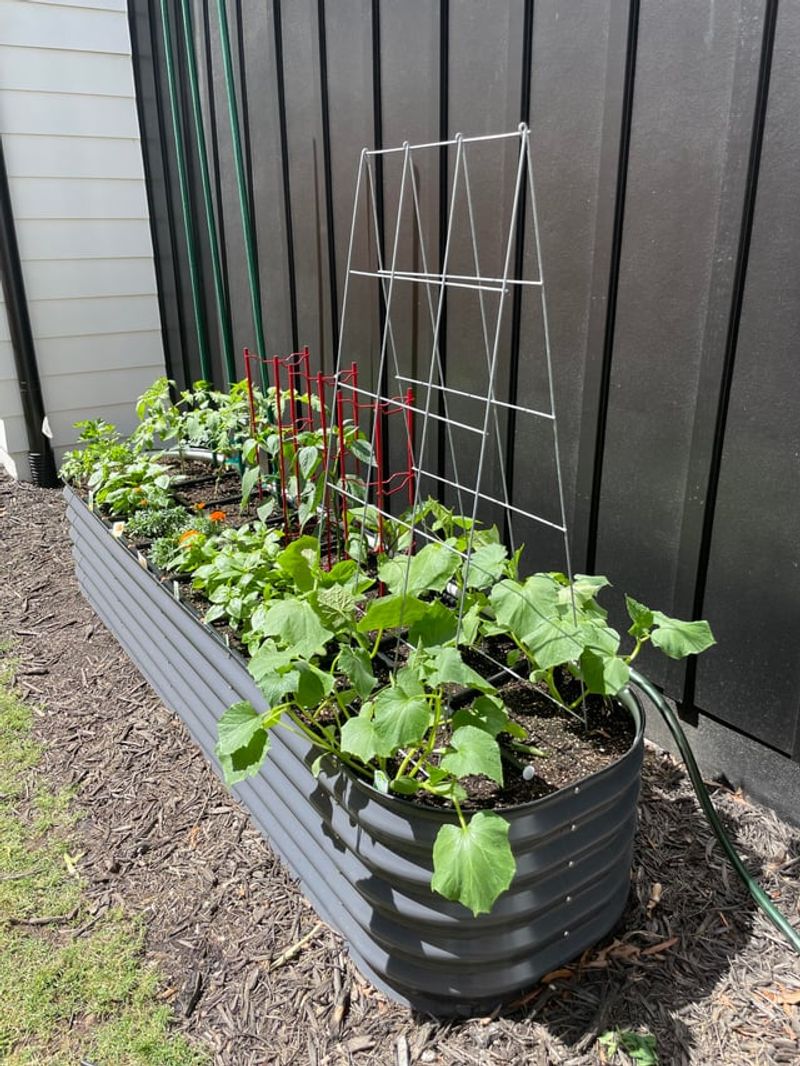
Cucumbers are warm-season champions that thrive when the summer heat is at its peak. Planted in June, they have plenty of time to establish strong vines and start producing fruit before the weather starts to cool.
The key is giving them something to climb.
A simple trellis or wire cage saves space in a raised bed and keeps the fruit off the soil. Vertical growing also improves airflow, which reduces the risk of mildew on the leaves.
Cucumbers are prone to powdery mildew in our humid Pacific Northwest summers, so good airflow matters a lot.
Water consistently and deeply. Uneven watering causes bitter-tasting cucumbers and cracked skin.
A drip line or soaker hose works well in raised beds because it delivers moisture right to the roots without wetting the foliage.
Pick cucumbers when they reach six to eight inches long. Leaving overripe fruit on the vine signals the plant to slow production.
The more you pick, the more the plant produces. Varieties like Spacemaster and Straight Eight do well in raised beds across the Pacific Northwest.
Start checking for harvest about 50 to 60 days after planting. With consistent care, your vines can keep producing into late August.
Plant a second round of seeds in early July if you want to extend the harvest even further into the early fall weeks.
4. Basil Loves Warm Raised Beds
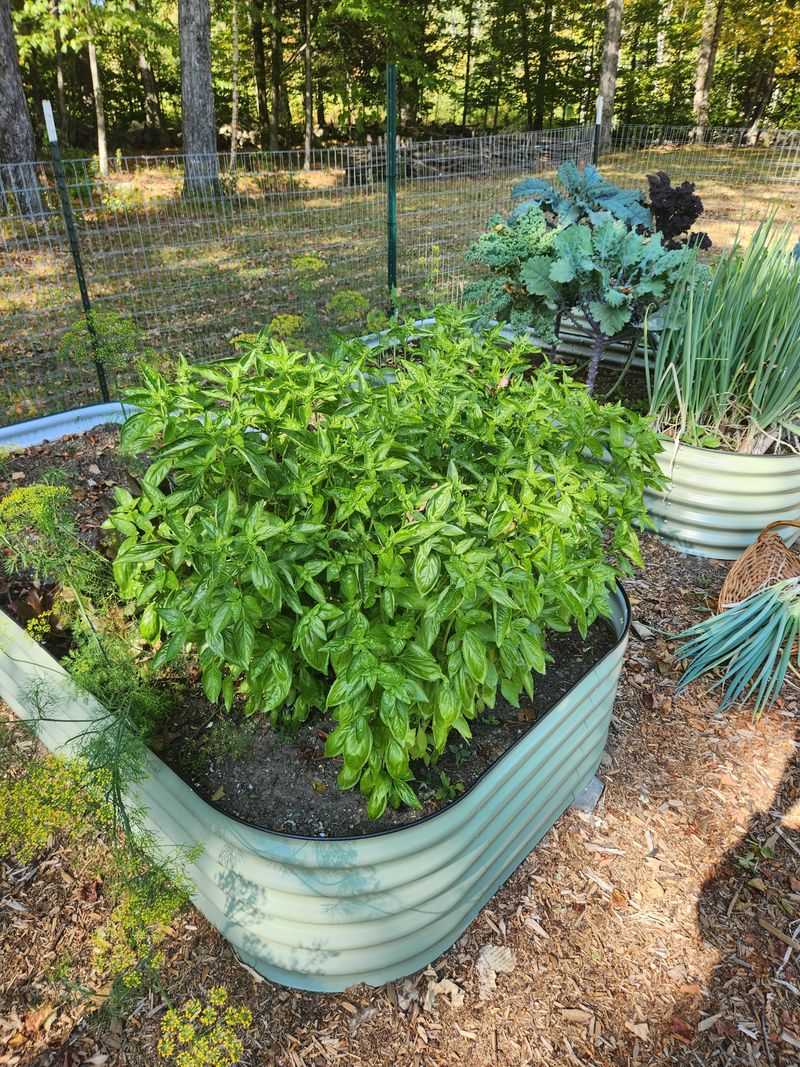
Warm soil is exactly what basil craves, and raised beds deliver just that. Because raised beds drain well and warm up faster than in-ground garden plots, they create the perfect environment for this heat-loving herb.
Plant transplants or seeds in June after all frost risk has passed. Place basil in a sunny spot that gets at least six to eight hours of direct sunlight each day.
Less sun means fewer flavorful oils in the leaves, and the whole point of growing basil is that incredible fresh aroma and taste.
Full sun keeps plants compact, bushy, and packed with flavor.
Pinching off the flower buds is one of the most important things you can do. Once basil flowers, the leaves turn bitter and production slows down.
Pinch the tops regularly to keep the plant focused on leaf growth instead of seed production.
Basil grows beautifully alongside tomatoes, peppers, and other warm-season crops. Some gardeners swear it improves the flavor of nearby tomatoes, though the real benefit is that it helps repel certain garden pests.
Either way, it is a great companion plant for summer raised beds.
Harvest leaves frequently by snipping just above a leaf node. This encourages branching and gives you more leaves over time.
Fresh basil is perfect for pesto, pasta, salads, and pizza. Growing your own means you always have a handful ready whenever you need it.
5. Zucchini Grows Fast In Rich Soil
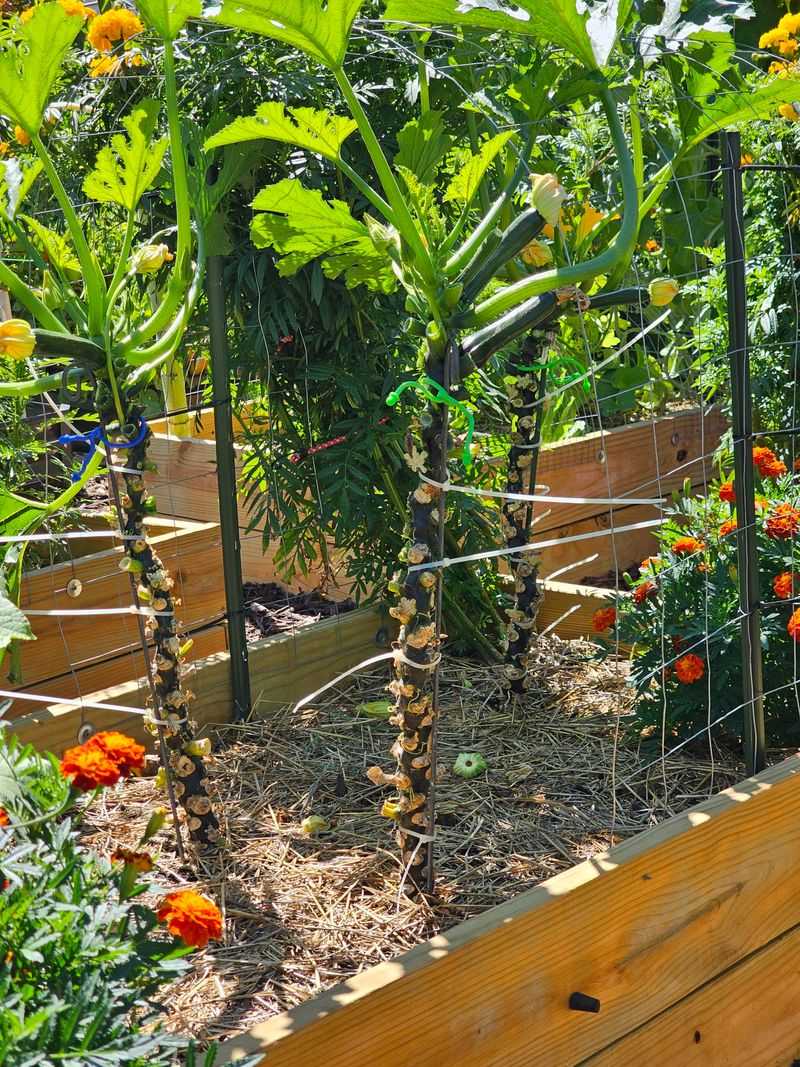
Ask any gardener what the most productive plant in their raised bed is, and there is a good chance they will say zucchini.
This vegetable grows so fast that you can practically watch it change size from one day to the next.
Plant one or two starts in June and get ready for an impressive harvest.
Rich, well-amended soil is the secret to strong zucchini production. Mix in compost before planting to give roots the nutrients they need.
Raised beds with good drainage prevent the root rot that can slow down squash plants in wetter parts of this state.
Zucchini plants get big, so plan for space. Each plant can spread two to three feet in every direction.
In a small raised bed, one or two plants is usually enough. Overcrowding limits airflow and makes plants more vulnerable to powdery mildew.
Harvest zucchini when it is six to eight inches long. At that size, the flesh is tender and the skin is thin.
Fruit left on the plant too long becomes tough and seedy, and it also slows down new fruit production. Check plants every day once they start producing.
Zucchini is one of the most versatile vegetables in the kitchen. Grill it, saute it, shred it into bread, or slice it raw into salads.
A single plant from June can keep your kitchen stocked with fresh squash well into August with very little effort.
6. Carrots For Late Summer And Fall Harvests
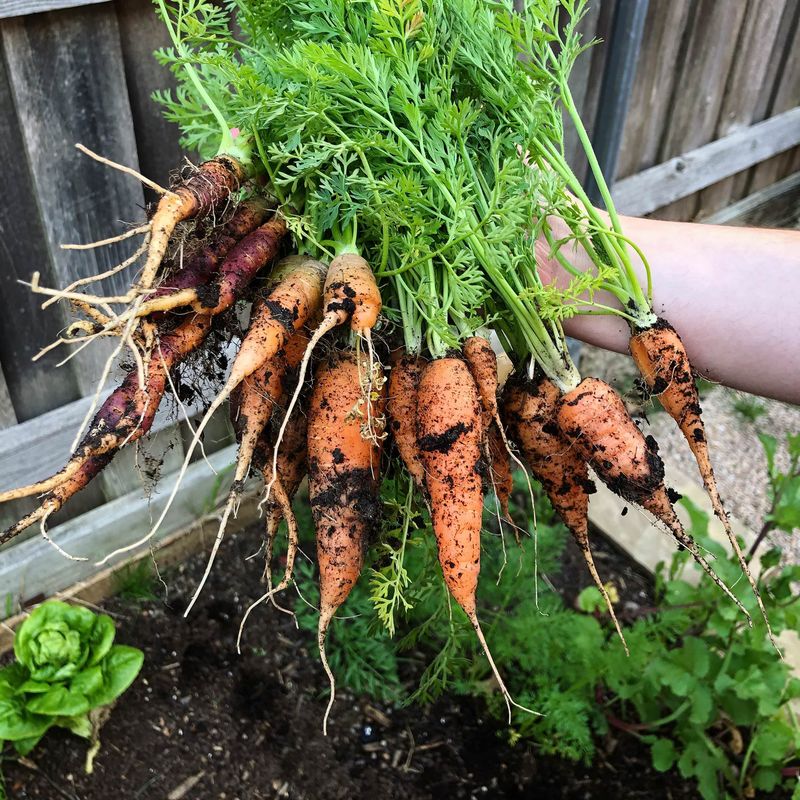
Carrots are one of those crops that actually get sweeter after a light frost. That makes them a perfect fit for a late summer planting that stretches into fall.
Sow seeds in July or early August for carrots that are ready to pull in October when the weather has cooled down nicely.
Loose, deep, rock-free soil is essential for straight, well-formed carrots. Raised beds are ideal because you control the soil mix completely.
Add sand and compost to create a light, airy texture that lets roots grow down without resistance. Rocky or compacted soil leads to forked, stunted carrots.
Carrot seeds are tiny and slow to germinate. Keep the soil surface consistently moist for the first two weeks after sowing.
A thin layer of vermiculite or fine compost over the seeds helps hold moisture without forming a hard crust that blocks sprouting.
Thin seedlings to about two inches apart once they reach an inch tall. Crowded carrots compete for space and end up small and misshapen.
Thinning feels wasteful, but it is one of the most important steps for a good harvest.
Varieties like Nantes and Danvers do well in Pacific Northwest raised beds. They are shorter and thicker than traditional carrots, which makes them better suited to even moderately deep beds.
Pull a few in late September to check size, and harvest the rest before the ground freezes in late fall.
7. Kale Handles Cooling Fall Weather Beautifully
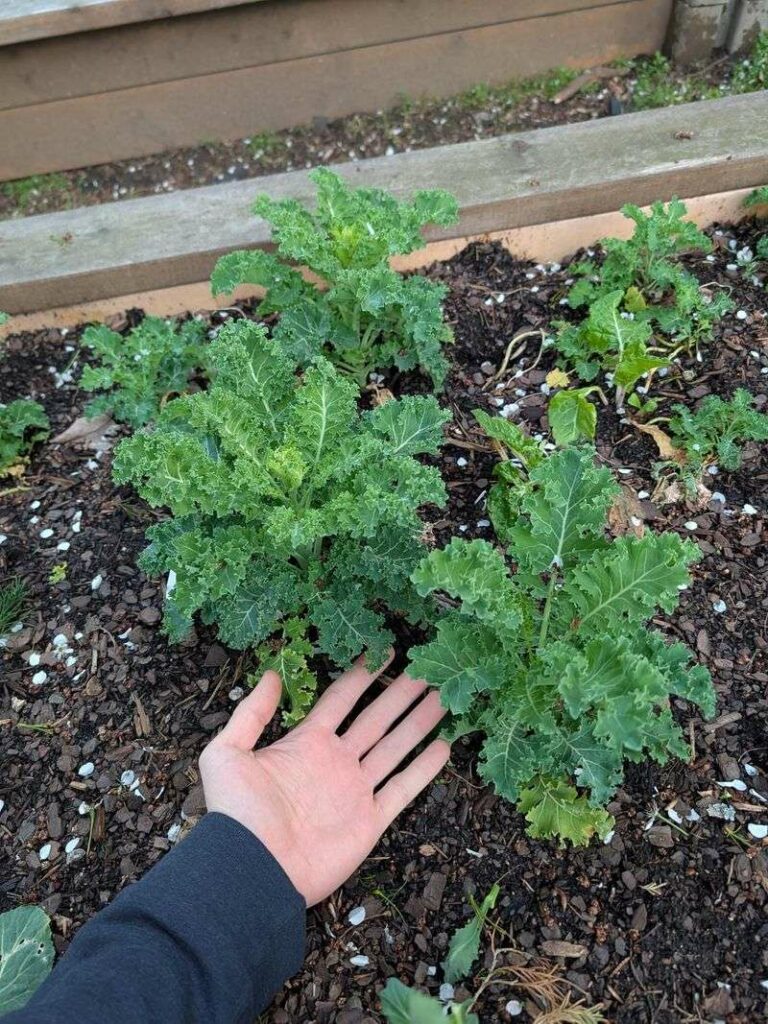
Cold weather does not slow kale down. In fact, a light frost makes it taste better.
The chill converts starches in the leaves into sugars, giving fall kale a sweeter, more mellow flavor than summer-grown kale.
That is one reason it has become such a popular crop for Pacific Northwest gardeners. Start seeds or transplants in late July or early August for a strong fall harvest.
Kale needs about 60 to 80 days to reach full size, so timing your planting right ensures you have mature leaves ready by late September or October.
Raised beds in this state stay warm enough in fall to keep kale growing well past the first light frost.
Lacinato kale, also called dinosaur kale or Tuscan kale, is a top performer in raised beds. Its long, dark, bumpy leaves are tender and flavorful.
Red Russian kale is another excellent choice with frilly, purplish leaves that look beautiful in the garden.
Harvest the outer leaves first, leaving the center crown intact. The plant will keep pushing out new leaves from the center all season long.
A single plant can provide harvests for weeks or even months with this technique.
Kale is loaded with vitamins and minerals. It works well in soups, stir-fries, smoothies, and salads.
Growing it in a raised bed means the leaves stay cleaner and are easier to wash than ground-grown kale. It is a true fall garden workhorse.
8. Swiss Chard Keeps Producing For Months
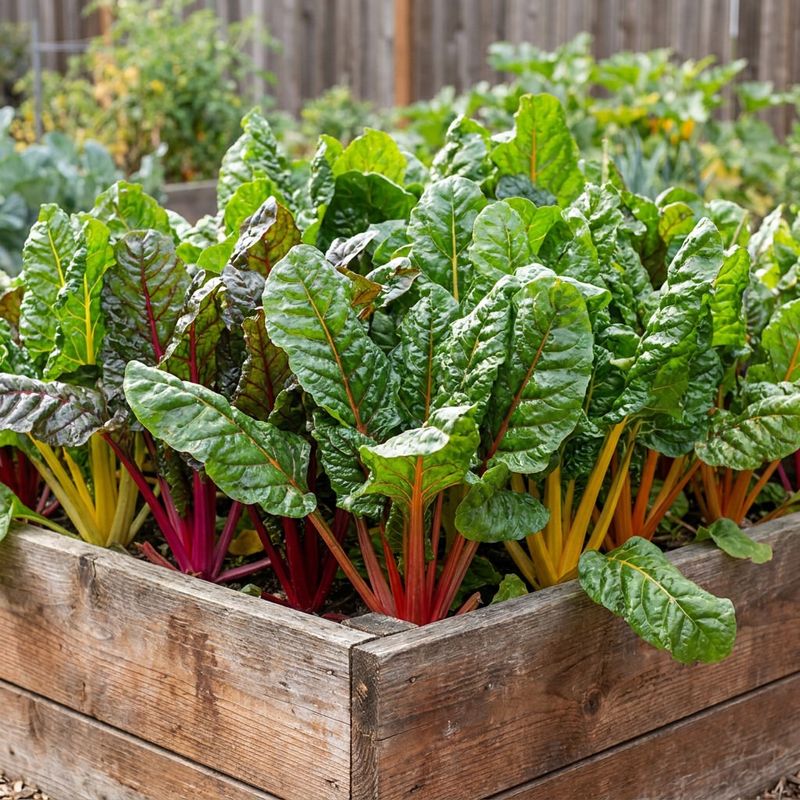
If you want one plant that works hard from June all the way through October, Swiss chard is your answer.
It handles both summer heat and fall cold with ease, making it one of the most reliable crops for a long Pacific Northwest growing season. Few leafy greens can match its staying power.
Plant transplants or seeds in June for a harvest that starts in midsummer. Chard grows quickly and can be ready to harvest in about 50 to 60 days from seed.
The colorful stems in red, yellow, orange, and white make it one of the most visually striking plants in any raised bed.
Harvest outer leaves regularly to keep the plant producing. Do not take more than one-third of the plant at a time.
Leaving the inner leaves intact allows the plant to keep growing strong through the rest of the season.
Swiss chard is incredibly versatile in the kitchen. Use it like spinach in sautes, soups, and egg dishes.
The stems can be cooked separately and have a slightly different texture than the leafy parts. Both parts are edible and nutritious.
Chard rarely needs much fussing. Keep it watered and fed with a light application of balanced fertilizer every few weeks.
It is resistant to most common garden pests and diseases, which makes it a low-stress crop for busy gardeners. Plant it once and enjoy it for months without replanting.
9. Radishes Grow Fast Between Bigger Crops
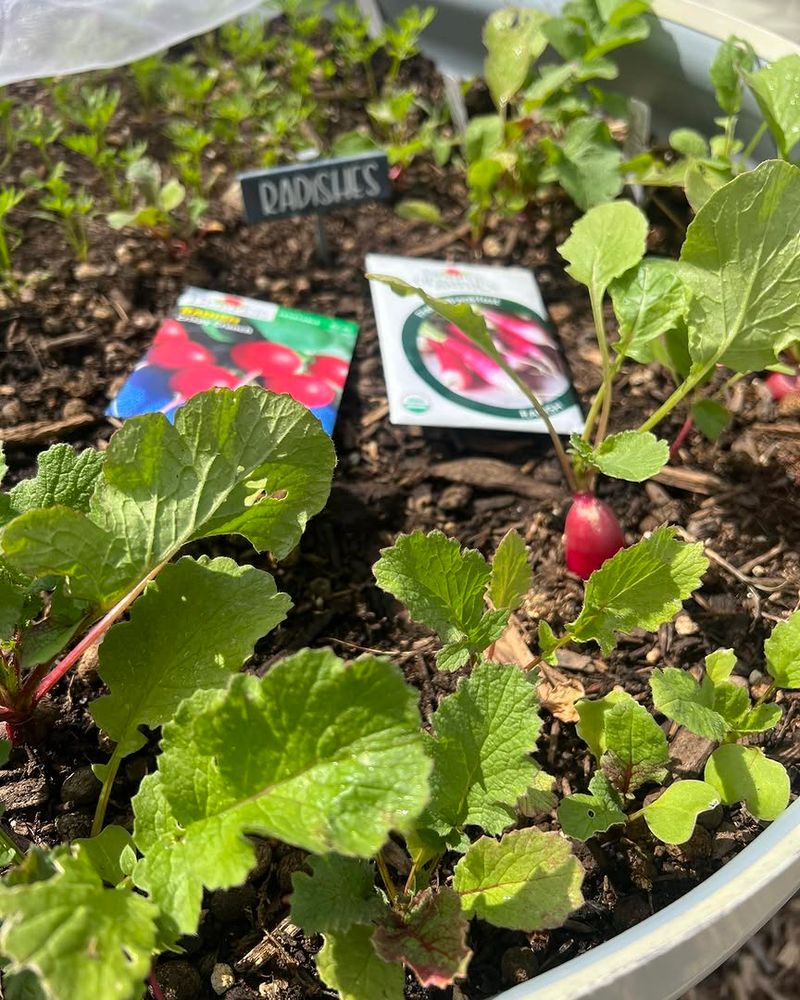
Radishes might be the most underrated vegetable in the raised bed garden. They grow from seed to harvest in as little as 25 days.
That speed makes them perfect for filling empty spaces between slower-growing crops like carrots, tomatoes, and kale.
Sow radish seeds directly into the bed anytime from June through September. They prefer cooler temperatures, so early June and late August through September are the sweet spots for the crispest, mildest flavor.
Summer-grown radishes can turn hot and pithy if they stay in the ground too long.
Thin seedlings to about two inches apart after they sprout. Crowded radishes push against each other and end up small and oddly shaped.
Give each one a little room and they will reward you with round, smooth, beautiful roots.
French Breakfast and Cherry Belle are two popular varieties that do well in Pacific Northwest raised beds. French Breakfast is elongated and mild.
Cherry Belle is perfectly round and crisp. Both are ready in about 25 to 30 days, making them ideal for succession planting every two weeks.
Beyond eating, radishes serve a useful purpose in the garden. Their fast growth breaks up compacted soil and their roots create pathways for water and air.
Some gardeners plant them as a cover crop between seasons. They are cheap, fast, and productive.
Few crops give you as much return for so little effort in a raised bed.
10. Spinach Makes A Strong Fall Comeback
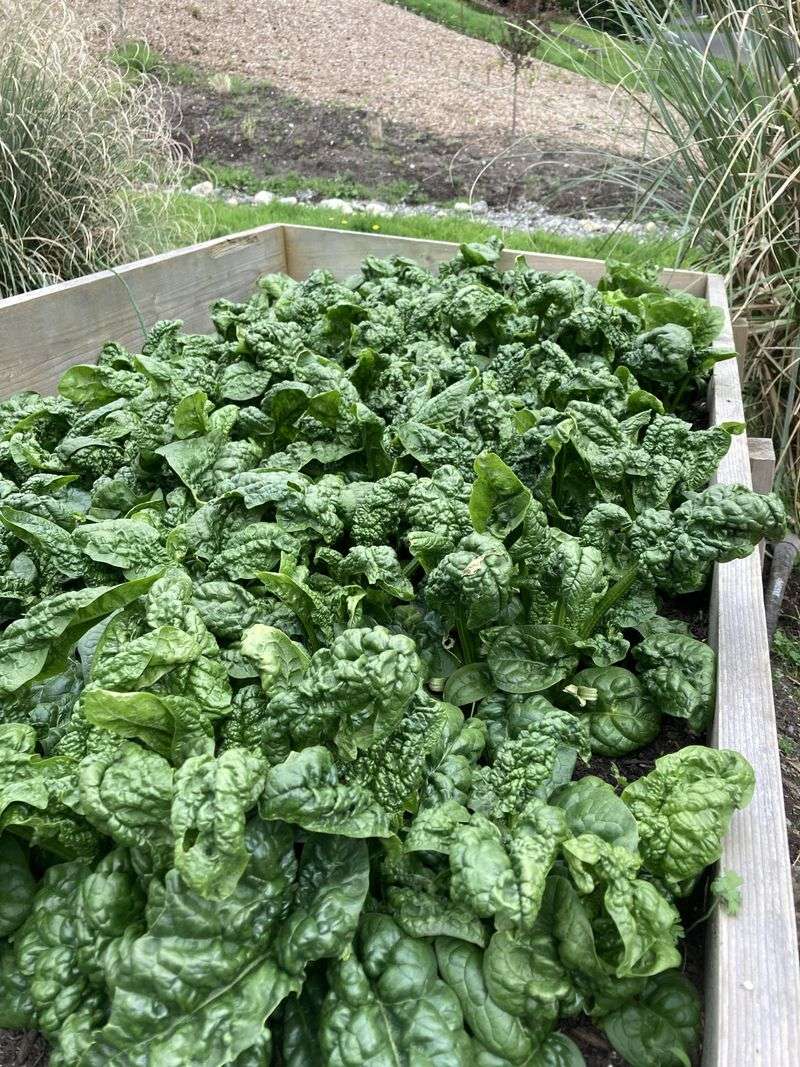
Spinach has a reputation for being finicky in summer heat, and that reputation is well-earned. High temperatures make it bolt quickly, turning the leaves bitter and tough.
But come late summer and fall, spinach absolutely thrives. Cooler nights and shorter days are exactly what this leafy green needs.
Sow seeds in late August or early September for a fall harvest that can last well into October. Raised beds are ideal for fall spinach because they drain well and warm up quickly on cool mornings.
That extra warmth helps seeds germinate faster and gives young plants a strong start.
Choose bolt-resistant varieties like Bloomsdale Long Standing or Tyee. These types hold up better in fluctuating temperatures and are less likely to go to seed before you get a good harvest.
Baby spinach varieties also work well for quick, repeated harvests.
Sow seeds about half an inch deep and one to two inches apart. Once seedlings reach a few inches tall, thin them to about four inches apart.
The thinnings are edible and make a great addition to salads.
Harvest outer leaves once the plant is established, or cut the whole plant an inch above the soil for a cut-and-come-again harvest. Spinach can handle light frosts, which means your fall planting can keep producing even after temperatures drop in October.
A simple row cover adds extra protection and extends your harvest even further into the season.
11. Green Onions Fit Into Almost Any Empty Space
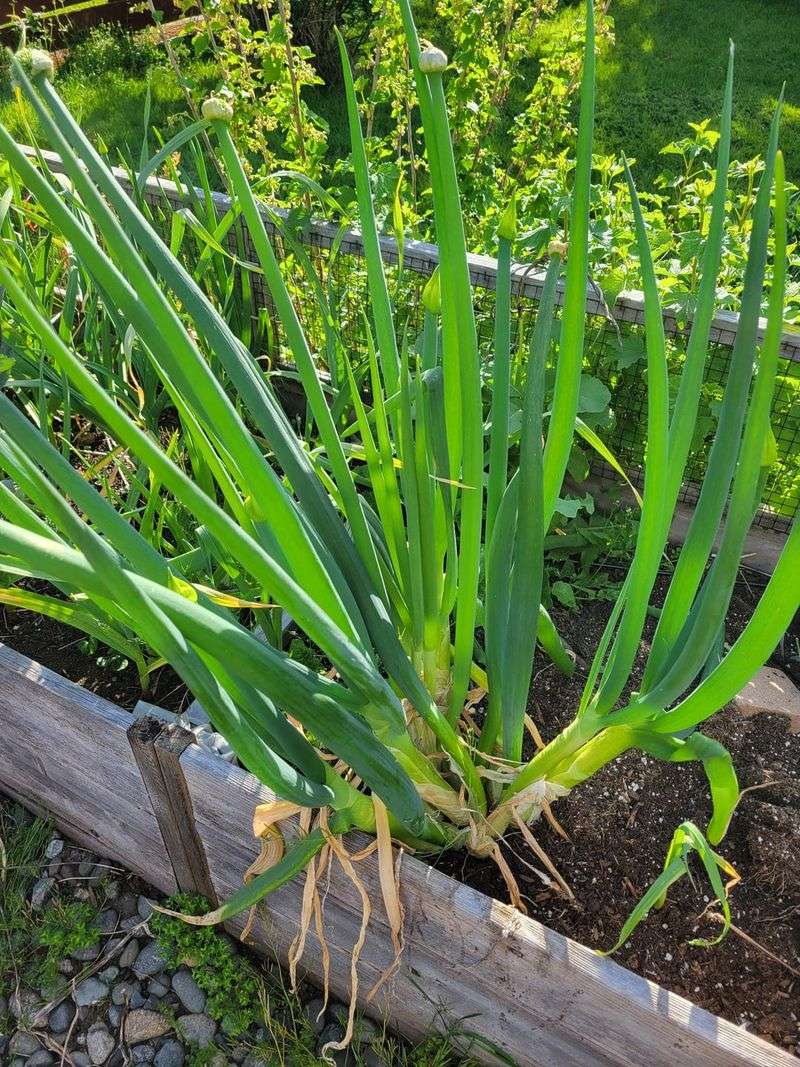
Green onions are the ultimate gap-filler in a raised bed garden. They grow straight up, take almost no horizontal space, and can be tucked in alongside nearly any other crop.
If you have a few inches of bare soil anywhere in your bed, green onions can go there.
Plant sets or seeds in June for a midsummer harvest, then replant again in August for a fall crop.
Green onions are ready to harvest in about 60 to 70 days from seed, or much sooner if you are planting sets. You can start pulling them as soon as they reach pencil thickness.
White Lisbon and Evergreen Hardy White are two excellent varieties for Pacific Northwest raised beds. Both handle cooler fall temperatures well and keep producing into late October.
Evergreen Hardy White is especially cold-tolerant and can sometimes survive through a mild winter in lower-elevation areas of this state.
Harvest green onions by pulling the whole plant, or snip the green tops and leave the bulb in the ground to regrow. The regrowth method gives you multiple harvests from a single planting.
It also frees up space above the soil for light while roots continue working underground.
Green onions add fresh flavor to stir-fries, soups, tacos, salads, and scrambled eggs. Growing a constant supply in your raised bed means you never have to buy a bunch at the store again.
They are one of the easiest, most useful crops any home gardener can grow.
12. Snap Peas For A Fresh Fall Harvest
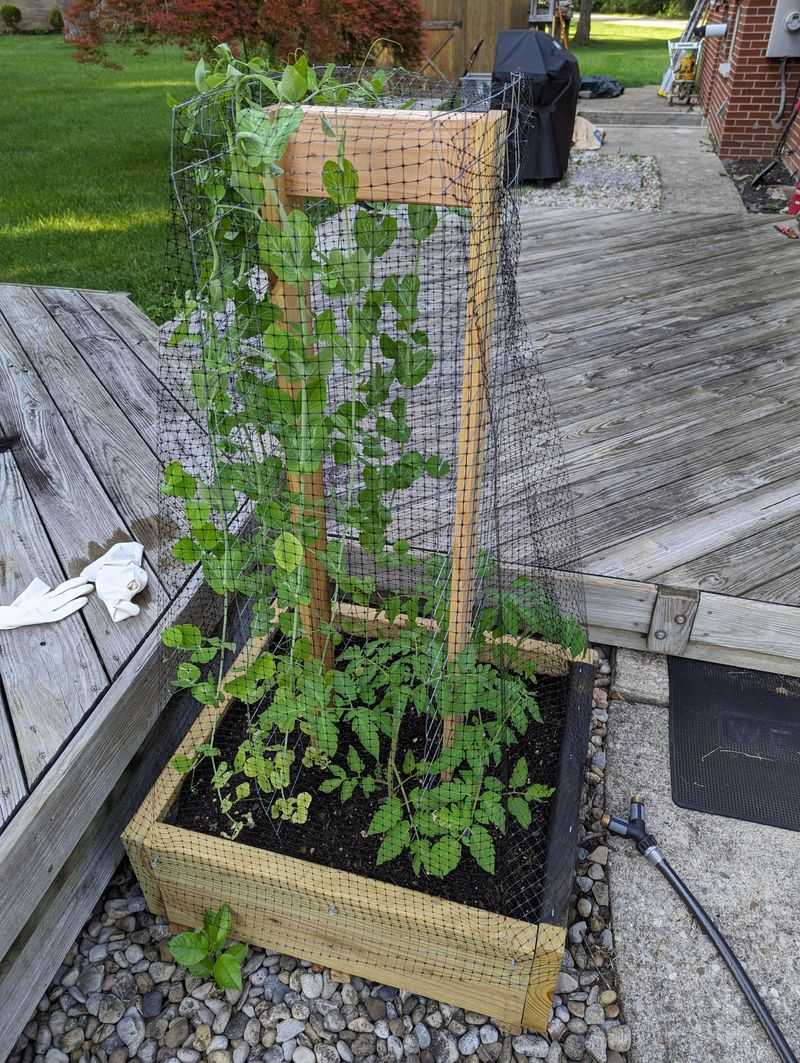
Most gardeners think of snap peas as a spring crop, but they make an equally impressive showing in the fall.
Cooler temperatures produce sweeter, crunchier pods, and in our state, the mild September and October weather is perfect for a second round of peas before the season ends.
Sow seeds directly into the raised bed in late July or early August. Count back about 60 to 70 days from your expected first frost date to time your planting right.
In the Willamette Valley and coastal areas, that window gives you plenty of growing time. Northern and higher-elevation regions may need to plant a week or two earlier.
Give peas something to climb. A simple trellis made of bamboo stakes and twine works perfectly in a raised bed.
Vertical growing saves space and keeps pods off the soil, which reduces rot and makes harvesting much easier.
Sugar Snap and Cascadia are two top-performing varieties for Pacific Northwest fall gardens. Cascadia is especially resistant to powdery mildew, which can be a problem in the damp fall air.
Both produce sweet, plump pods that are perfect for snacking right off the vine.
Pick pods when they are plump and the peas inside are fully rounded. Regular picking keeps the vines producing longer.
Snap peas are one of the most enjoyable crops to harvest because the reward is instant. Pull a pod, snap it open, and eat it warm from the garden. There is nothing quite like it.