Why California Avocado Trees Get Brown Leaf Tips And What’s Causing It
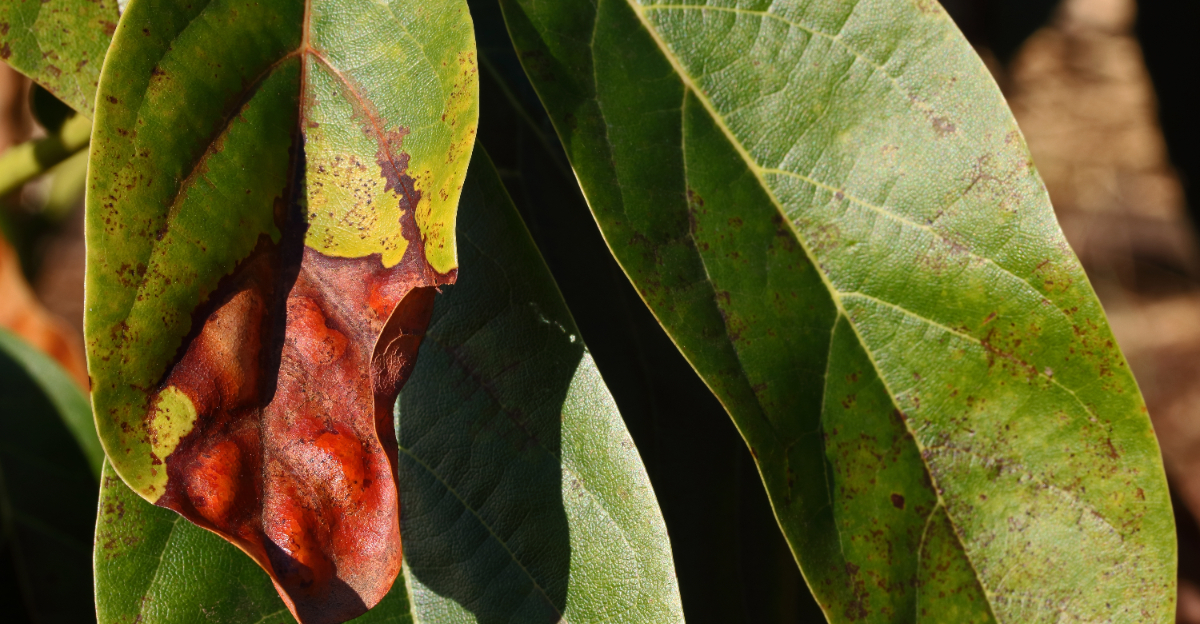
Brown tips on avocado leaves can make a healthy tree look stressed fast. At first, it may seem like a small cosmetic issue.
Then more leaves show crispy edges, the canopy looks tired, and the tree starts sending a clear warning that something is off.
In California, avocado trees often deal with dry air, salty water, uneven watering, and soil that does not drain the way roots prefer.
The tricky part is that several problems can look almost the same on the leaves. A tree may need deeper watering, better drainage, or a break from built up salts around the roots.
Guessing can make the issue linger longer than it should. Once you understand what those brown tips are trying to tell you, it becomes much easier to protect the tree before stress affects growth and fruit.
1. Brown Leaf Tips Usually Start Underground
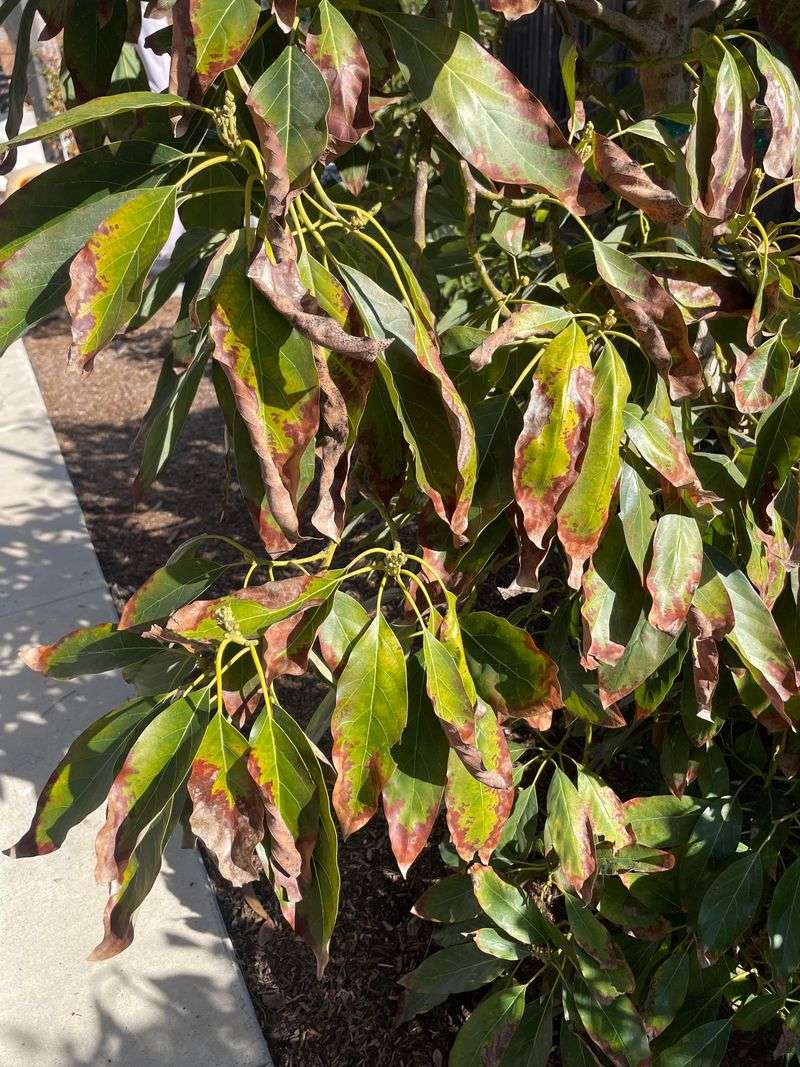
Most people look up at the leaves when they notice browning, but the real story is often happening beneath the soil. Avocado roots are surprisingly fragile.
They sit close to the surface and are very sensitive to changes in the soil environment around them.
When roots are stressed, the tree cannot pull water and nutrients up efficiently. That stress shows up first at the tips of the leaves, which are the farthest point from the roots.
Think of it like a garden hose with low pressure. The water barely reaches the end.
Compacted soil is a big culprit here. When the ground is packed too tightly, roots struggle to breathe and spread.
Avocado roots need oxygen just as much as they need water. Without good air pockets in the soil, roots start to weaken and function poorly.
Poor drainage makes things even worse. If water sits around the roots for too long, it creates a soggy environment where roots cannot work properly.
That lack of function cuts off the steady supply of moisture the leaves need to stay healthy.
Loosening the soil around your tree with a light mulch layer can make a big difference. Mulch keeps the soil from compacting, holds some moisture, and regulates temperature.
A three to four inch layer of wood chips spread around the base, but kept away from the trunk, gives roots a much better environment to thrive in.
2. Your Irrigation Water May Be Slowly Burning The Leaves
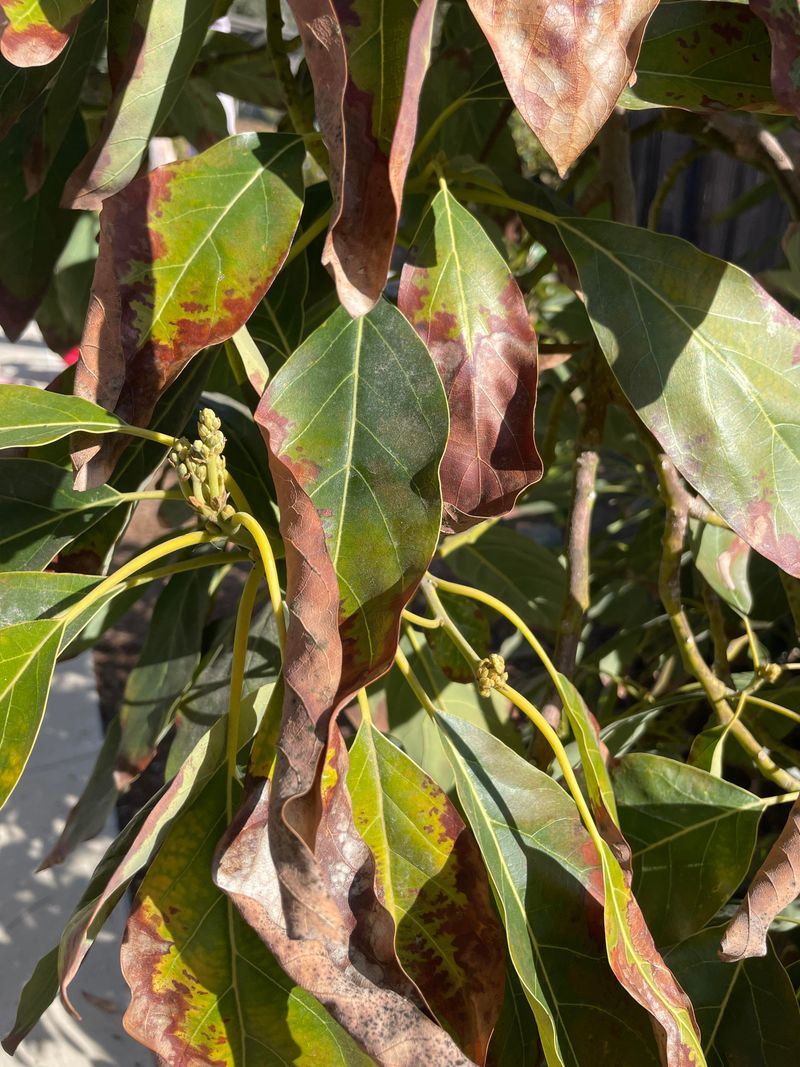
Tap water in many parts of this state carries a surprising amount of dissolved minerals. Calcium, magnesium, chloride, and sodium are common.
These minerals are not always harmful in small amounts, but they build up over time in the soil around your tree’s roots.
As water evaporates from the soil surface, those minerals stay behind. They accumulate session after session, year after year.
Eventually, the salt concentration around the roots gets high enough to actually pull moisture out of the root tissue instead of letting it in.
This process is called osmotic stress. The roots become less effective at absorbing water even when the soil feels moist.
The leaves respond by drying out at the tips, which are the last to receive water under normal conditions.
Your California Garden Changes Every Week. Your Plan Should Too.
Gardening in California changes quickly throughout the season. Every Friday you’ll receive a simple weekly plan showing exactly what to plant, prune, fertilize, harvest, and protect so you never miss the right timing.
You might notice the browning gets worse during hot months when evaporation is faster. That pattern is a strong clue that your water quality could be the issue.
A simple soil test or water quality report from your local utility can confirm salt levels.
One of the easiest fixes is deep watering on a regular schedule. Pushing water deep into the soil flushes some of those salts down past the root zone.
Switching to filtered or low-sodium water, if possible, also helps slow the buildup. Catching this problem early makes the recovery process much smoother for your tree.
3. Shallow Watering Traps Salt Around Avocado Roots
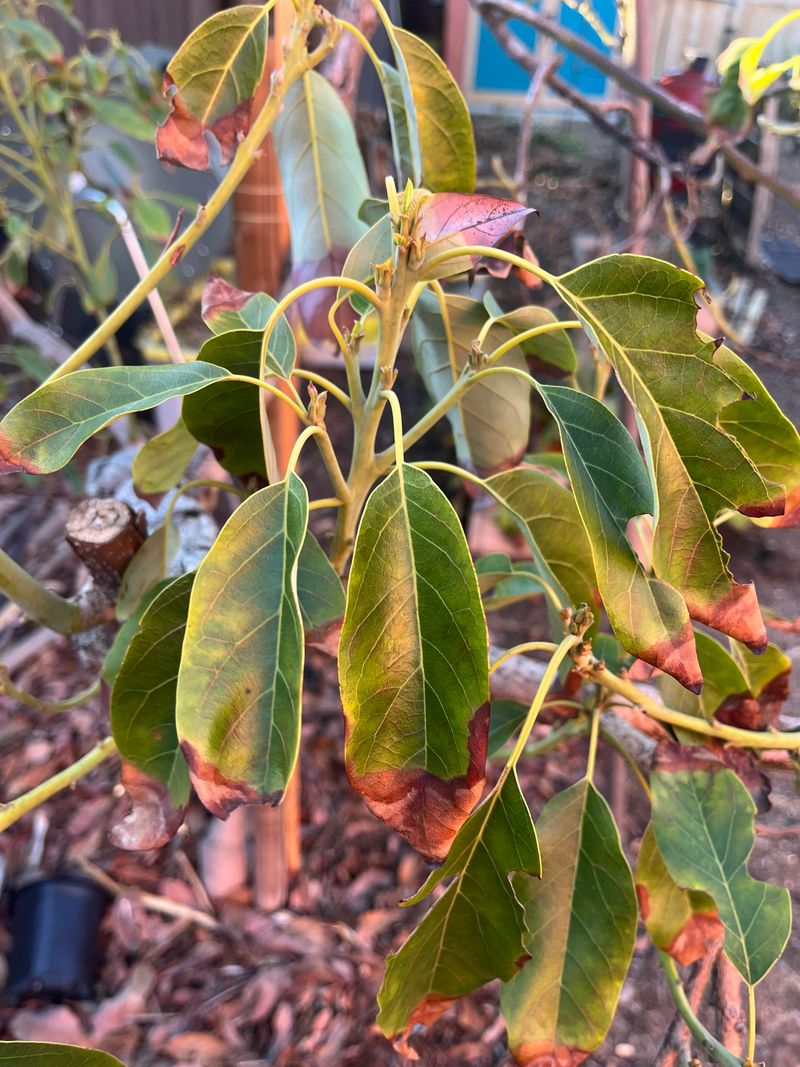
Watering a little every day might feel like you are being attentive to your tree, but shallow watering is actually one of the sneakiest causes of brown leaf tips.
When water only soaks a few inches into the ground, it evaporates quickly and leaves minerals behind right in the root zone.
Avocado roots spread wide and grow down deep when given the chance. Shallow watering encourages them to stay near the surface instead.
Surface roots dry out fast during warm days and are exposed to higher salt concentrations left behind by evaporation.
Over time, this salt buildup acts like a barrier. The roots sit in soil that draws moisture away from them rather than supplying it.
The tree responds with the classic sign of salt stress: dry, brown leaf tips that start at the outer edges and move inward.
Switching to deep, infrequent watering changes the whole dynamic. When you water slowly and deeply, the moisture moves down into the soil and carries salts with it.
This flushes the root zone and encourages roots to follow water downward where conditions are more stable.
A good rule of thumb is to water long enough for moisture to reach at least 18 to 24 inches deep.
You can check this with a long soil probe or a wooden dowel pushed into the ground after watering. Consistent deep watering makes a noticeable difference within just a few weeks.
4. Hot Wind Can Turn Minor Stress Into Crispy Leaf Edges
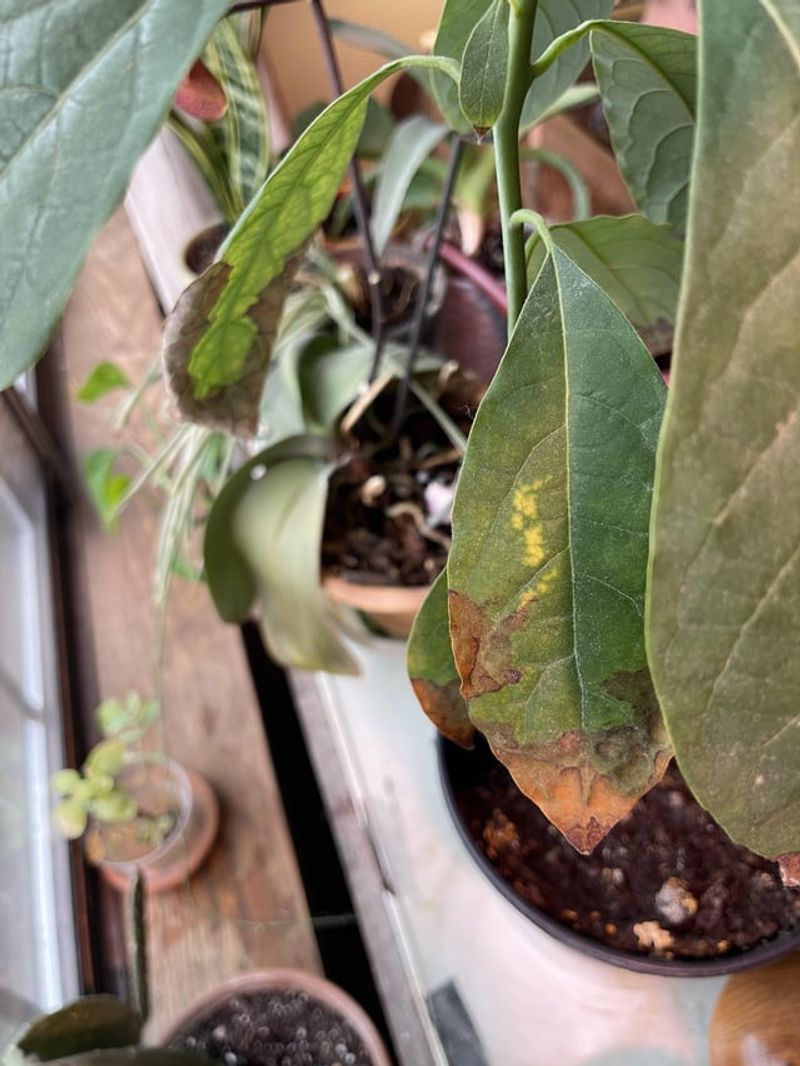
Anyone who has spent a summer in this state knows how brutal the hot, dry winds can get. Santa Ana winds and other seasonal gusts pull moisture out of everything they touch, including avocado leaves.
Even a tree that is doing well can show brown tips after just a day or two of strong, hot wind.
Leaves lose water through tiny pores called stomata. Normally, the roots keep up with that water loss.
But when wind speeds up evaporation dramatically, the roots simply cannot replace moisture fast enough. The leaf tips, being farthest from the water supply, dry out first.
If your tree already has any underlying stress, like slightly salty soil or shallow roots, wind makes everything worse. It is like adding a fan to a room that is already too warm.
The combination of heat, low humidity, and wind creates conditions that push even a healthy tree to its limits.
Windbreaks can help a lot. Planting a row of taller shrubs or installing a shade cloth on the windward side of your tree reduces the force and drying effect of hot gusts.
Even a temporary barrier during peak wind season can prevent significant leaf damage.
Keeping your tree well watered before a predicted wind event also helps. A well-hydrated tree handles wind stress far better than one that is already running low on moisture.
Checking soil moisture a day before strong winds are forecast is a simple habit that pays off quickly.
5. Too Much Fertilizer Can Scorch Sensitive Avocado Roots
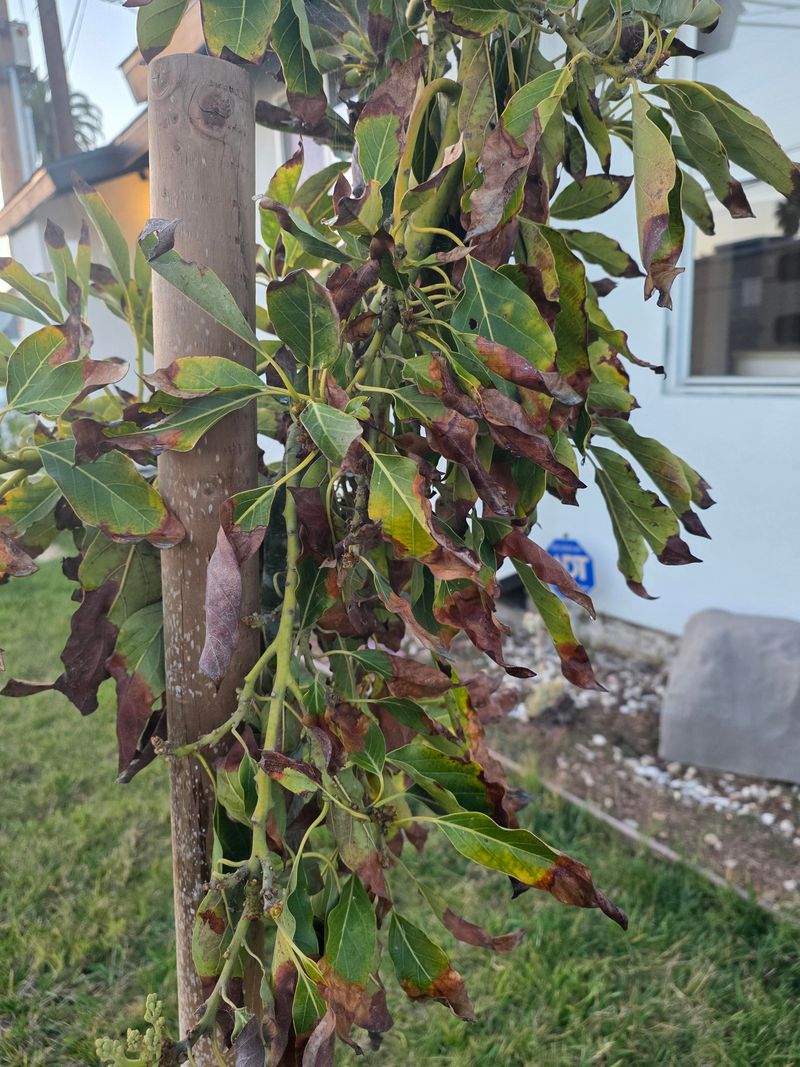
Fertilizing feels like a generous thing to do for your tree, but more is definitely not always better. Avocado roots are sensitive to high concentrations of nutrients, especially nitrogen.
When too much fertilizer is applied at once, it raises the salt level in the soil almost instantly.
This sudden spike in soil salinity causes the same problem as mineral-rich water. The roots struggle to absorb moisture because the salt concentration outside the root cells becomes higher than inside.
Water moves out of the roots instead of in, and the leaves start showing stress at their tips.
Granular fertilizers that are applied too close to the trunk or in large quantities are the most common offenders.
Liquid fertilizers can also cause issues if they are too concentrated or applied too frequently.
The damage often shows up within one to two weeks of over-application.
Reading the label carefully before you fertilize is always a good starting point. Most avocado trees in home gardens do well with a balanced, slow-release fertilizer applied two to three times per year.
Spreading it evenly under the canopy rather than piling it near the base reduces the risk of root contact.
If you suspect over-fertilization, a deep, thorough watering can help flush excess nutrients out of the root zone.
Holding off on any more fertilizer for several weeks gives the tree time to recover and lets the soil chemistry stabilize naturally.
6. Wet Soil Can Cause Brown Tips Too
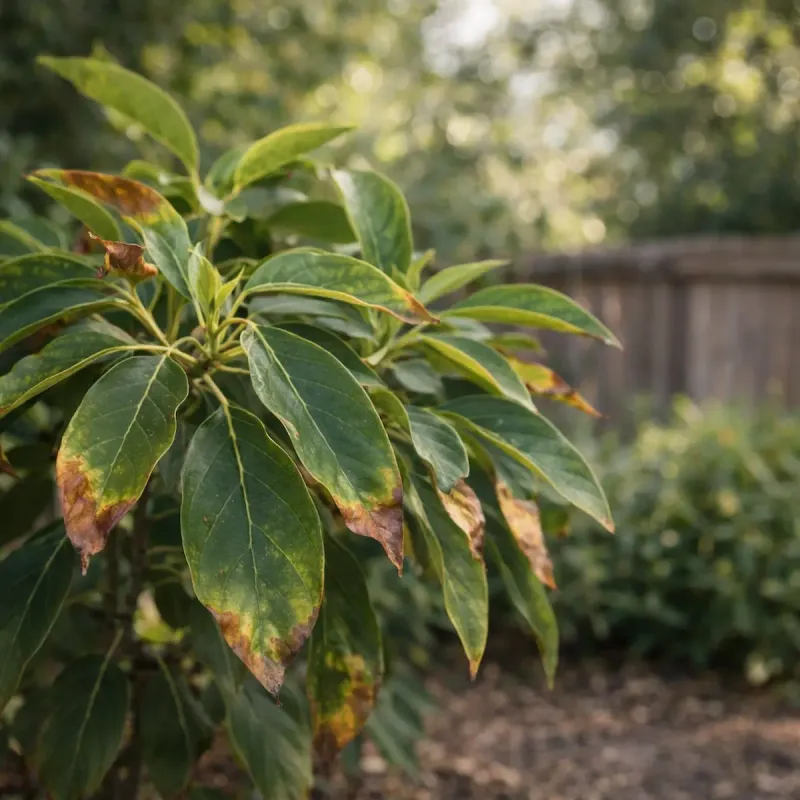
It might seem backward, but too much water can cause the same brown leaf tips as too little. Avocado trees are particularly sensitive to waterlogged soil.
Their roots need oxygen, and when soil stays saturated for extended periods, those air pockets fill with water and the roots begin to suffer.
Root rot is the most serious result of overwatering. A fungal pathogen called Phytophthora cinnamomi thrives in wet, warm soil and attacks avocado roots aggressively.
Once root rot takes hold, the tree loses its ability to absorb water and nutrients regardless of how much is available in the soil.
The symptoms of overwatering and underwatering look surprisingly similar at first. Both cause brown leaf tips and wilting.
The key difference is soil moisture. If the soil feels wet or soggy two to three days after watering, you are likely watering too often or the drainage is poor.
Checking drainage before planting is important in this state where clay soils are common in many areas.
Digging a hole about 12 inches deep and filling it with water helps you see how quickly it drains.
If water sits for more than an hour, the drainage is not good enough for avocados.
Raised planting beds and amended soil with added compost or perlite improve drainage significantly.
Adjusting your watering schedule to allow the top few inches of soil to dry out between sessions is one of the most effective ways to prevent this type of damage.
7. Why Young Avocado Trees Burn Faster In Summer
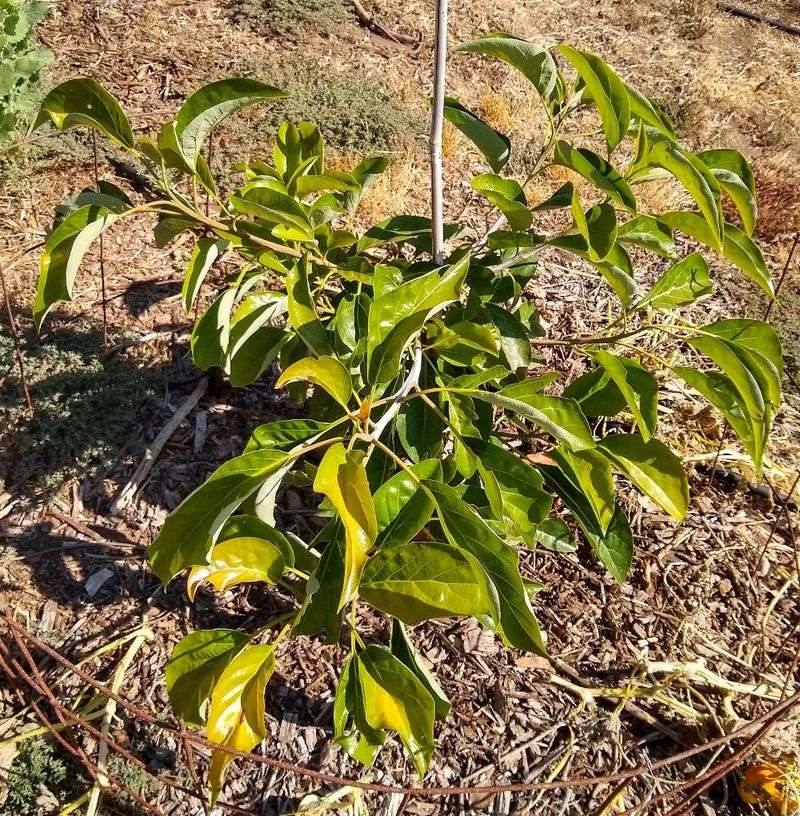
Young avocado trees have not yet developed the deep, extensive root systems that help mature trees handle heat and drought.
Their roots are shallow and limited, which means they can run out of available moisture very quickly on a hot day. That makes them far more vulnerable to leaf tip burn during summer.
A newly planted tree is still adjusting to its environment. The roots are getting established, and the tree is working hard to balance growth with hydration.
Any disruption, like a heat wave, a missed watering, or salty soil, hits younger trees much harder than it would hit a five-year-old tree with deep roots.
Container-grown trees face even more pressure. Pots heat up fast in direct sun, and the small volume of soil dries out quickly.
Roots in a hot container can experience temperature stress on top of moisture stress, which doubles the likelihood of brown tips showing up fast.
Giving young trees some afternoon shade during peak summer heat is one of the best protective steps you can take. A shade cloth that blocks about 30 to 40 percent of sunlight is enough to lower leaf temperature and reduce water loss without slowing growth significantly.
Watering young trees more frequently than established ones during summer is also necessary.
Checking soil moisture every one to two days during heat waves helps you stay ahead of stress before it shows up on the leaves.
Consistency is what young trees need most during their first few summers.
8. When Brown Leaves Mean More Than Simple Tip Burn
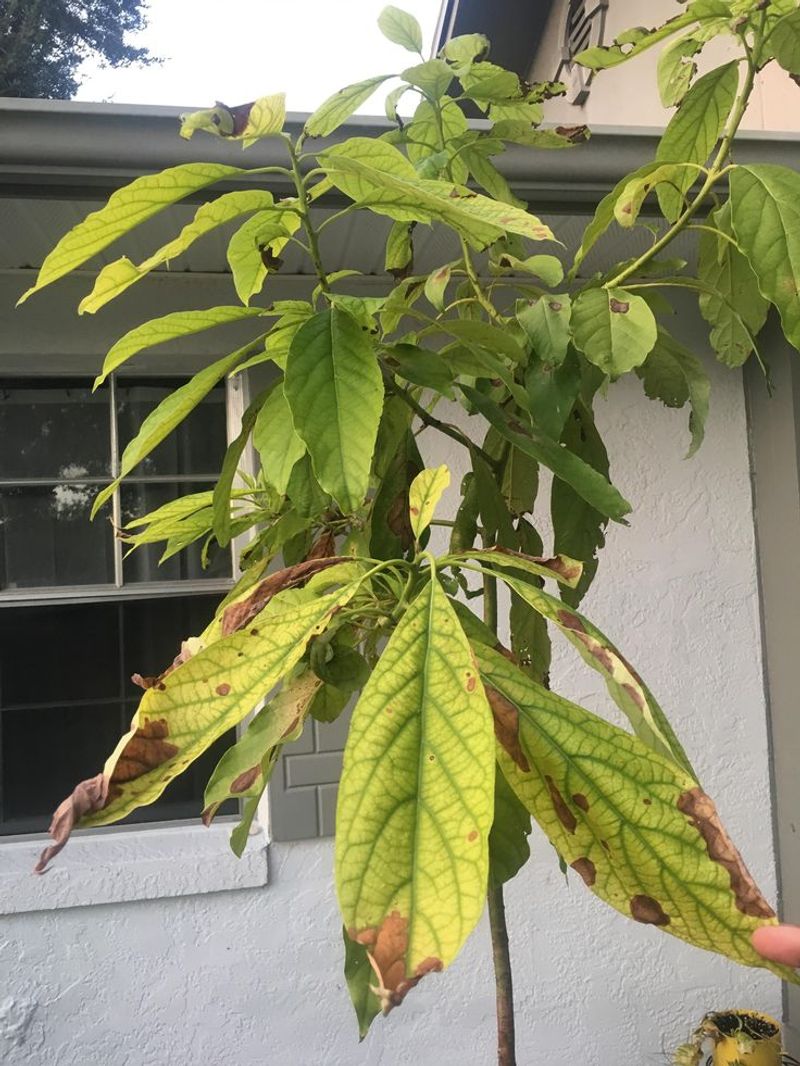
Not every case of browning is just tip burn from salt or wind. Sometimes the discoloration spreads beyond the tips and covers larger areas of the leaf.
When that happens, it is worth looking more carefully because the cause could be something that needs faster attention.
Phytophthora root rot, mentioned earlier, often causes browning that moves inward from the tips and eventually turns entire leaves brown and brittle. The tree may also look generally wilted even after watering.
New growth may appear smaller and paler than usual. These are signs that the root system is in serious trouble.
Avocado lace bugs are another cause of widespread leaf discoloration. These tiny insects feed on the underside of leaves and leave behind a stippled, bronzed appearance that can look similar to burn damage.
Flipping a leaf over and looking for small insects or dark spotting helps confirm whether pests are involved.
Nutrient deficiencies, especially zinc or iron shortages, can also cause unusual leaf color patterns. Zinc deficiency often shows up as small, mottled leaves with yellow areas between the veins.
Iron deficiency tends to cause yellowing in newer leaves while the veins stay green. Both are correctable with the right soil amendments.
When browning is widespread or getting worse quickly, getting a soil test done gives you real data to work with.
Guessing at the cause and applying random treatments can sometimes make things worse.
A targeted solution based on actual soil data is always the smarter and faster path to recovery.