Can Oregon Gardeners Remove Vines Growing Through A Shared Fence?
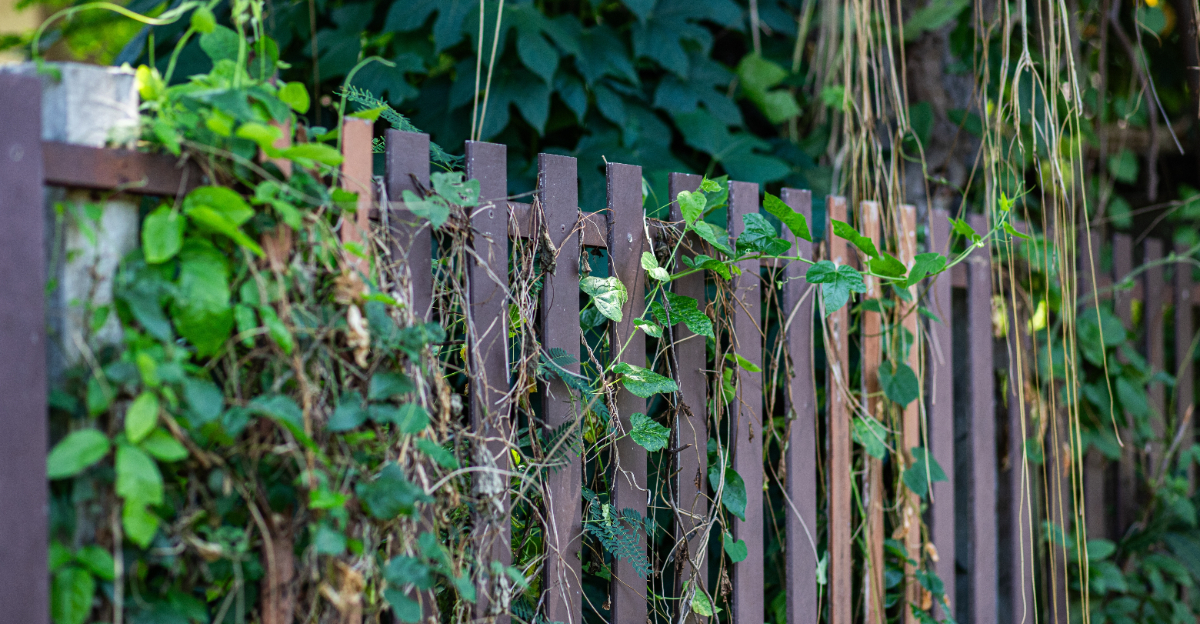
Vines can turn a shared fence into a confusing garden problem. They may look pretty at first, but once they weave through boards or wire, the question gets more complicated.
Oregon gardeners may wonder what they can cut, what belongs to the neighbor, and when they need permission first. A fence on the property line can make the answer feel even less clear.
The safest approach often depends on where the vine is rooted and how much it affects the fence. Damage matters too, especially if the growth is pulling, lifting, or trapping moisture.
Before grabbing pruners, it helps to understand the basic rules around shared fences and overhanging growth. A little caution can prevent a small plant problem from becoming a bigger neighbor dispute.
1. First Find Out Who Owns The Fence
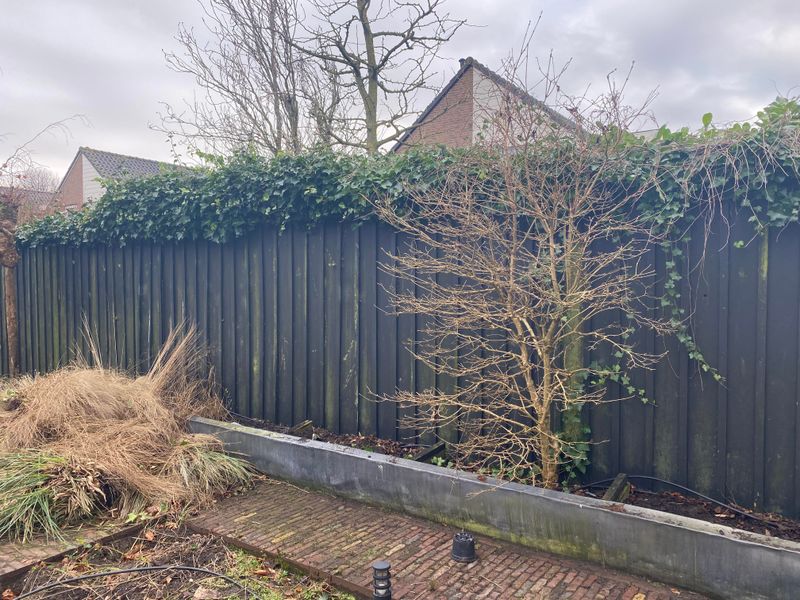
Before you touch a single vine, you need to know who actually owns that fence. Ownership matters a lot when it comes to shared property lines.
In many neighborhoods, fences sit right on the property boundary, which can make things confusing fast.
In Oregon, a fence near a property line may belong to one neighbor, both neighbors, or be treated as a shared partition fence, depending on its location, history, deeds, agreements, and local rules. Checking your property deed is a smart first move.
Your county assessor’s office may have tax maps and property records, but if the exact boundary matters, check your deed, plat, prior survey, or hire a licensed surveyor.
Some homeowners have a recorded fence agreement with their neighbor. This document spells out who owns what and who is responsible for upkeep.
If such an agreement exists, it might also address plants and vines growing near or through the fence.
Not knowing who owns the fence can lead to accidental property damage claims. Cutting into or removing parts of a fence you do not own could get you into legal trouble.
Even trimming vines attached to a fence you do not own could create a dispute if the trimming damages the fence or a neighbor’s plant.
Knowing ownership helps you understand your rights clearly. It also sets the tone for how you approach your neighbor about the situation.
Starting with facts instead of assumptions always leads to a better conversation.
2. Confirm Where The Vines Are Rooted
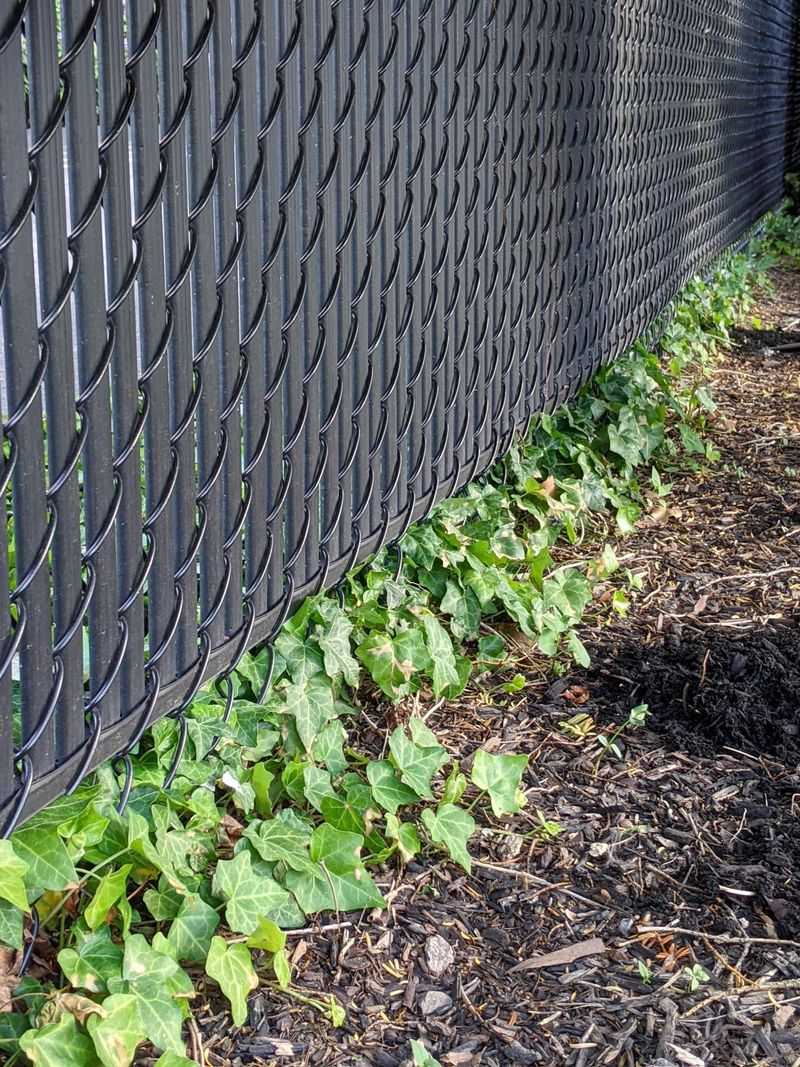
Where a vine is rooted matters more than where it grows. As a general rule, a plant is usually treated as belonging to the owner of the land where its trunk, stem, or roots originate, but boundary plants can be more complicated.
So if the vine clearly originates on your neighbor’s side, you should treat it as your neighbor’s plant unless an agreement or boundary issue says otherwise.
Vines are sneaky growers. They can start on one side of the fence and send branches threading through to the other side within a single growing season.
Just because the greenery is on your side does not mean you own it or can freely remove it.
Your Oregon Garden Changes Every Week. Your Plan Should Too.
Gardening in Oregon changes quickly throughout the season. Every Friday you’ll receive a simple weekly plan showing exactly what to plant, prune, fertilize, harvest, and protect so you never miss the right timing.
Take a careful look at both sides of the fence before making any decisions. Try to trace the main stem or trunk back to its source.
That root location tells you a lot about your legal standing in the situation.
If the roots are clearly on your property, the vine is yours to manage. You have the right to prune, remove, or redirect it as you see fit.
But if the roots sit on your neighbor’s land, you need to think twice before cutting anything.
Sometimes vines grow from a shared garden bed or from a pot right on the fence line. Those cases can be harder to sort out.
When in doubt, talk to your neighbor first and confirm whose plant it really is before taking action.
3. You Can Usually Cut Growth On Your Side
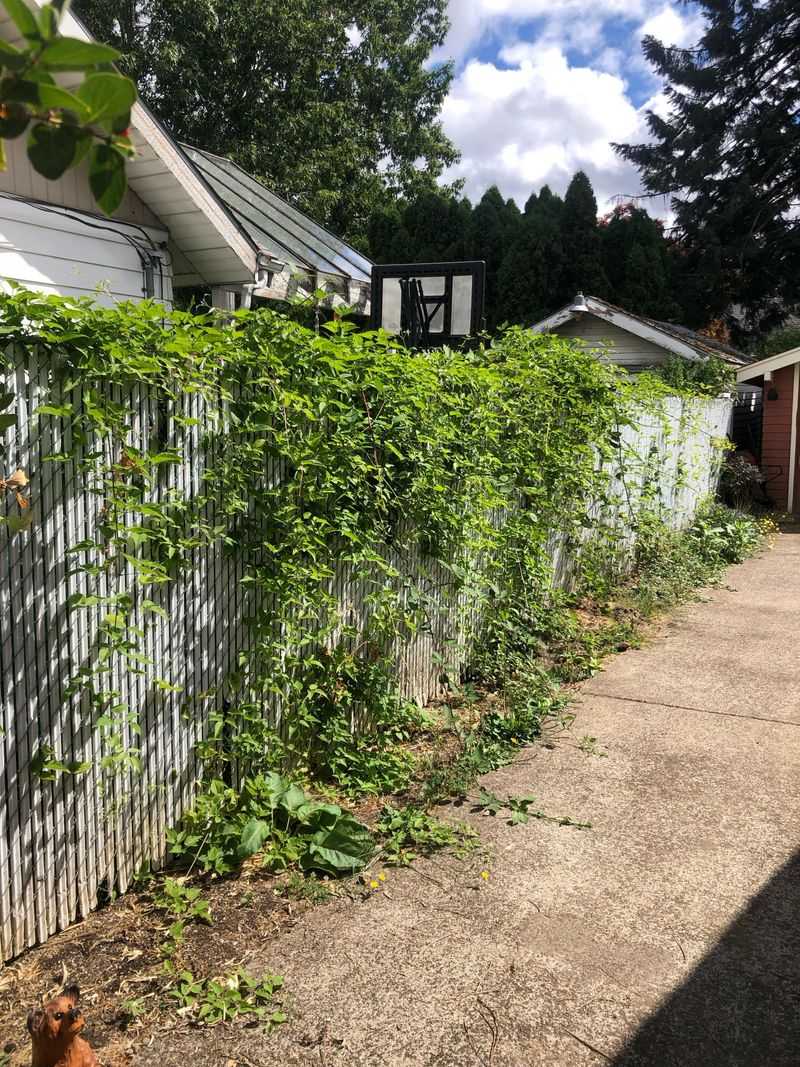
Good news for frustrated gardeners: you can generally trim plant growth that crosses onto your property, but only up to the property line and only if you act reasonably.
This is often called the ‘self-help’ rule, and Oregon generally follows this approach, though local ordinances or special circumstances may affect what you can do.
Oregon generally follows the common rule that you may cut back encroaching vegetation on your side of the property line, as long as you do not trespass, damage the neighbor’s property, or seriously harm the plant. The key word there is encroach.
The growth has to actually be on your side of the property line to qualify.
Pruning back to the fence line is usually acceptable. You do not have the right to reach over and cut growth on your neighbor’s side, even if it is the same plant.
Keeping your trimming limited to your own property keeps you on solid legal ground.
Be careful about how you cut. Hacking through a vine carelessly can stress the plant and cause it to look bad on your neighbor’s side.
Some neighbors may not appreciate seeing a ragged, half-cut vine even if you were within your rights to trim it.
Using clean, sharp tools makes a real difference. A good pair of bypass pruners or loppers gives you a clean cut that helps the plant handle the trim better.
It also shows your neighbor that you are being thoughtful, not aggressive, about the situation.
4. Don’t Reach Over The Fence Without Permission
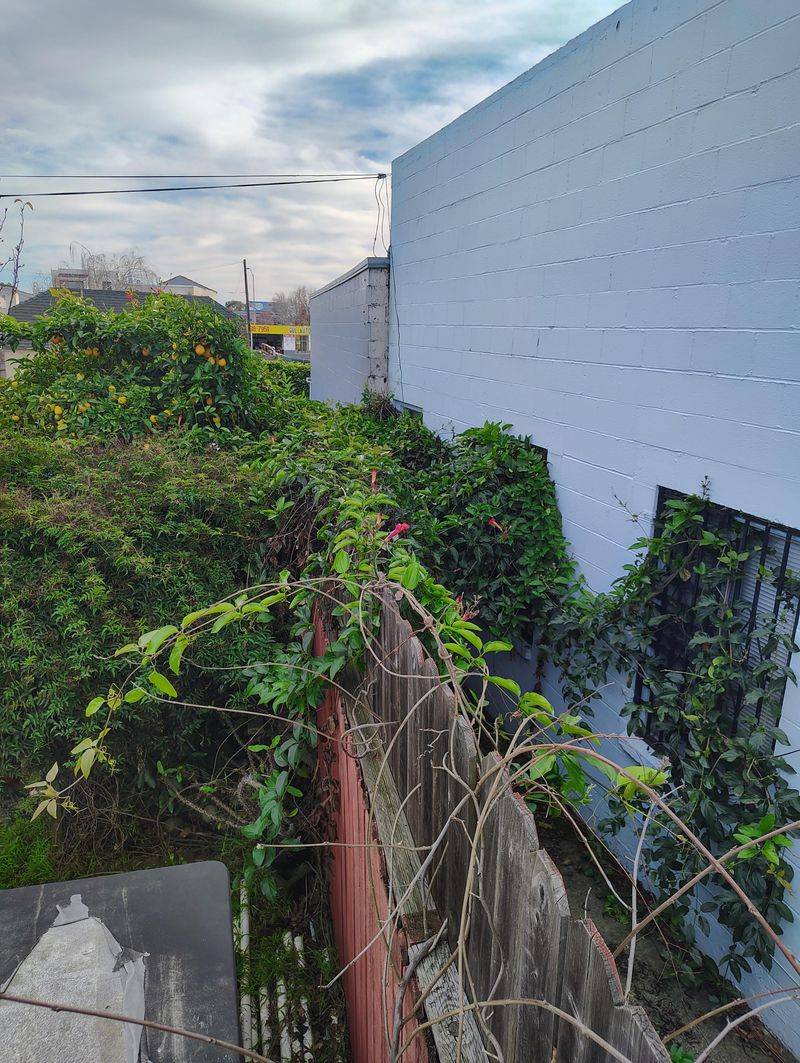
Reaching over the fence to cut your neighbor’s vines without asking first is a move that can backfire quickly. Even if the plant is causing you problems, going onto or over someone else’s property without permission can be considered trespassing.
Our state takes property rights seriously. Cutting vines on your neighbor’s side of the fence, even with good intentions, could lead to a dispute or even a legal claim against you.
The cost of a friendly conversation is zero compared to a potential court case.
Some neighbors may not even realize their vine has grown over the fence. A polite heads-up can go a long way.
Most people are reasonable and will agree to help manage the plant once they know it is causing an issue for you.
If your neighbor is unresponsive or refuses to cooperate, you still have options. You can document the problem and contact your local code enforcement office.
Some cities and counties in this state have ordinances about plants that damage fences or block access.
Patience is part of good neighborly relations. Giving someone a reasonable amount of time to respond before escalating shows good faith on your part.
Courts and mediators tend to look more favorably on people who tried to resolve things peacefully before taking action on their own.
5. Avoid Damaging A Neighbor’s Plant By Accident
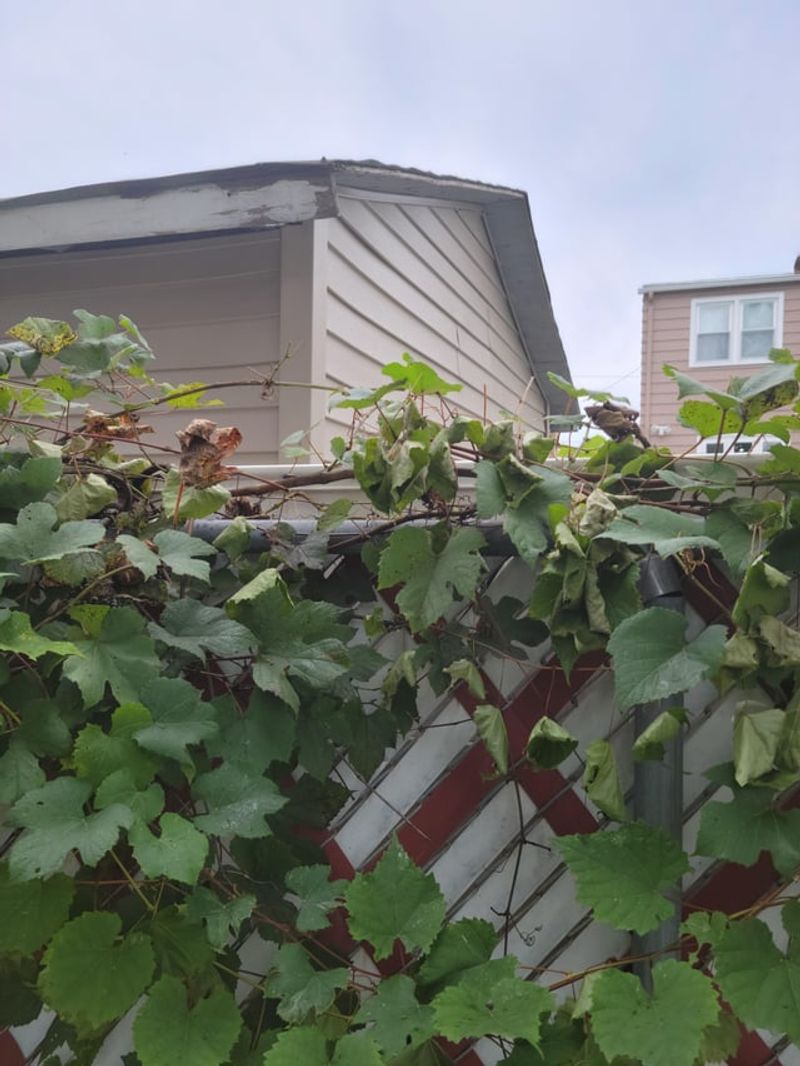
Accidentally harming your neighbor’s plant while trimming your side of the fence is easier to do than most people think.
Vines are often deeply intertwined with fence boards and other plants. One wrong cut can remove more than you planned.
Even when you have the right to trim growth on your side, you may be responsible if you act unreasonably and seriously harm your neighbor’s plant.
Property owners should act reasonably when trimming encroaching vegetation, especially when the plant belongs to a neighbor or is growing through a shared fence.
Taking a slow and careful approach is always the better choice. Start by removing small sections and see how the vine responds.
If the vine is tightly woven into the fence, it may be worth calling a professional landscaper to help with the job.
Some vines, like English ivy or wisteria, have thick woody stems that are hard to cut cleanly. Trying to rip or yank them out can pull fence boards loose or tear roots in a way that causes unexpected harm.
Slow, deliberate cuts are always smarter than brute force.
Keeping your neighbor in the loop during the process also helps. A quick text or knock on the door saying you are going to trim the vines today shows respect.
Most neighbors appreciate the heads-up and are less likely to be upset if something does not go perfectly.
6. Shared Fences Need Shared Decisions
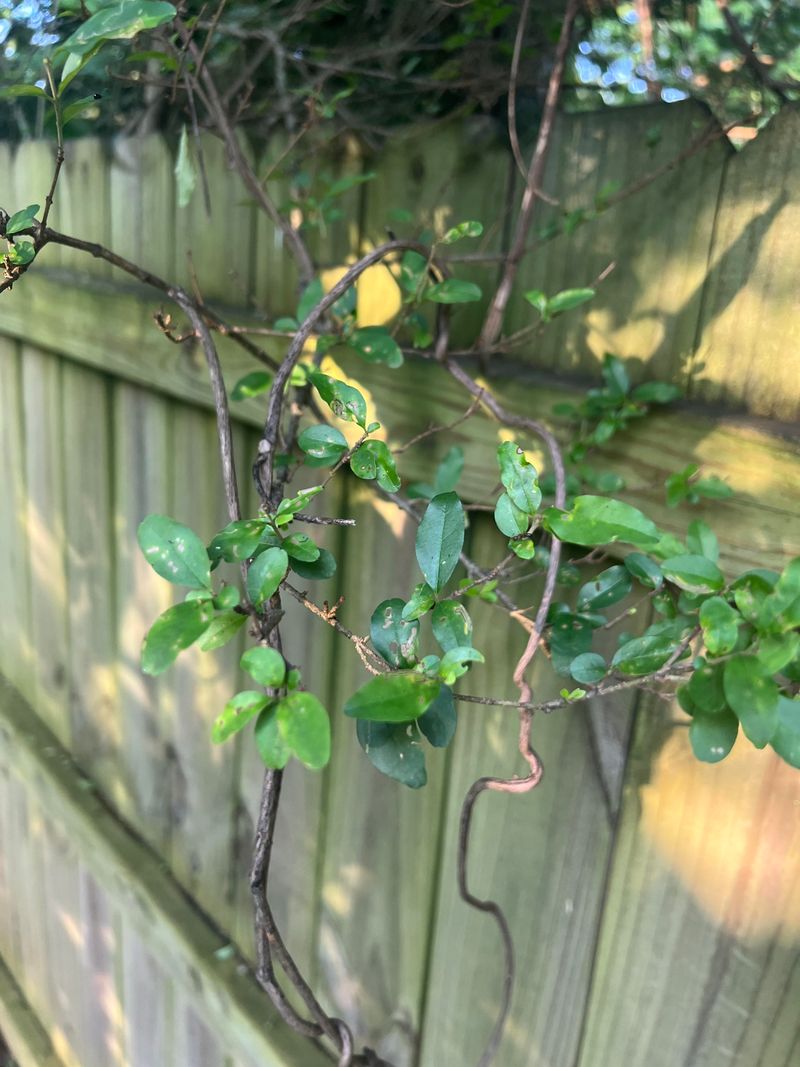
When both neighbors own or are responsible for a partition fence, decisions about repair, removal, or major vine removal should involve both parties.
That includes dealing with vines that are damaging the structure or creating a dispute. Making unilateral decisions about a shared fence is rarely a good idea.
A shared fence is a shared responsibility. If vines are pulling boards loose or causing rot, both homeowners have a stake in fixing it.
Reaching an agreement together means neither person ends up feeling blindsided or disrespected.
Setting up a short meeting or even a quick conversation over the fence can make things much easier. Come prepared with a simple plan, like agreeing to remove the vine together or scheduling a day to trim it back.
Keeping the tone friendly makes the whole process smoother.
If one neighbor wants the vine removed and the other wants to keep it, a compromise might involve redirecting the plant away from the fence.
Training the vine onto a trellis on the owner’s side keeps the plant alive while protecting the fence. It is a solution that works for everyone.
Written agreements are worth considering for future situations. A simple note that both neighbors sign can prevent misunderstandings down the road.
It does not have to be a legal document, just a clear record of what was decided and who agreed to what.
7. Take Photos Before Cutting Or Pulling Vines
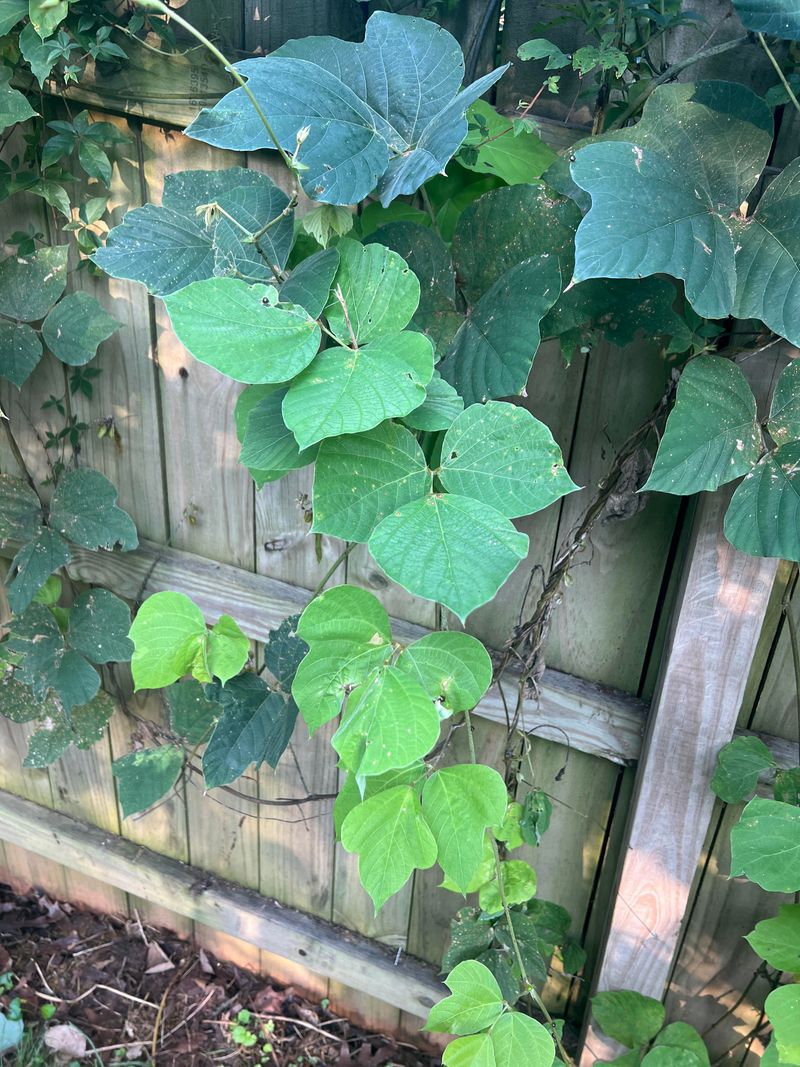
Snapping a few photos before you start any trimming might seem like too much, but it is one of the smartest things you can do.
Photos give you a clear record of what the situation looked like before you touched anything. That documentation can be incredibly valuable if a dispute comes up later.
Good photos should show where the vine is growing, which side of the fence it is coming from, and any damage it may already be causing.
Time-stamped photos from your phone are especially useful because they create an automatic record of when the images were taken.
If the vine has already caused fence damage, document that too. Cracked boards, leaning posts, or pulled nails should all be photographed clearly.
This evidence helps support your case if you ever need to ask your neighbor to cover repair costs.
Some gardeners keep a simple log of their property maintenance activities. Writing down the date you noticed the vine, when you talked to your neighbor, and what was agreed upon gives you a paper trail.
It takes just a few minutes and can save hours of headaches later.
Photos are also helpful when talking to local code enforcement or a mediator. Showing the problem clearly makes it easier for others to understand the situation.
A picture really is worth a thousand words when you are trying to explain a boundary dispute.
8. Ask Before Using Herbicide Near The Fence
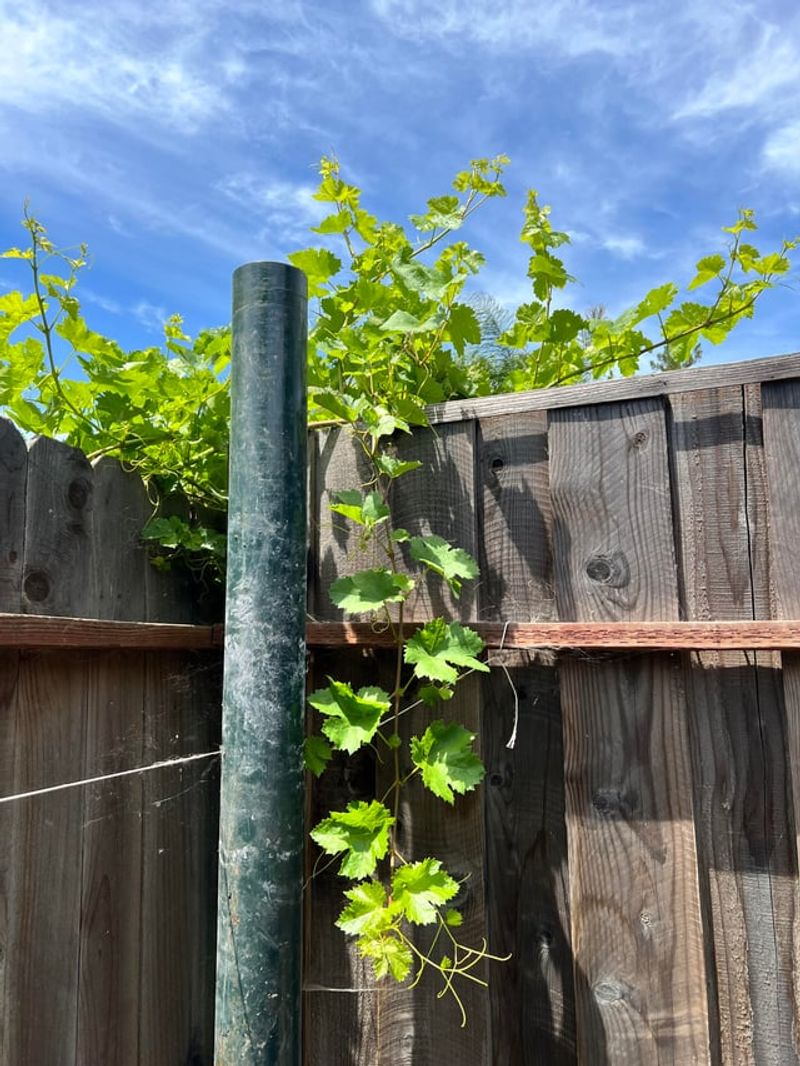
Using herbicide near a shared fence is one of the most sensitive steps you can take in a vine dispute.
Chemicals can drift, soak into the soil, and affect plants on your neighbor’s side, even if you are careful. That kind of damage can lead to serious conflict.
In Oregon, applying herbicide in a way that drifts onto or harms a neighbor’s property could expose you to complaints, penalties, or liability. This is true even if the vine you are targeting is rooted on your side.
Pesticide labels must be followed, and misuse can lead to enforcement, fines, penalties, or damage claims.
Always talk to your neighbor before applying any chemical near the fence line. Let them know what product you plan to use, when you intend to apply it, and how you will try to prevent drift.
Most neighbors will appreciate the transparency and may even have concerns worth hearing.
Some gardeners prefer non-chemical methods for managing vines near shared fences. Manual removal, repeated cutting, and physical barriers can all reduce vine growth without the risk of chemical damage.
These methods take more time but carry far less legal and relational risk.
If you do decide to use a product, choose one with low soil activity and apply it on a calm, dry day. Wind increases the chance of drift onto neighboring plants.
Spot treatment with a brush or sponge is often safer than spraying near a fence line.