These Are The Florida Shade Garden Plants That Don’t Attract Ticks
Shade gardens and ticks share a lot of the same preferences. Low light, consistent moisture, dense ground level cover that stays cool even when temperatures climb.
Most shade garden staples check every box on a tick’s wish list without anyone planning it that way. Florida shade gardeners dealing with tick pressure start looking at their plant list differently once they make that connection.
Not every shade plant creates the same conditions at ground level. Some keep air moving, dry out between rain events, and offer far less of the humid dense cover that ticks look for.
Building a shade garden around those plants does not eliminate tick risk entirely. But it makes the shadiest parts of a Florida yard noticeably less hospitable.
It does that without sacrificing the lush layered look that makes a shade garden worth having in the first place.
1. Plant Coontie To Fill Shady Gaps Under Shrubs
Under a big shrub border, bare soil has a way of collecting leaves, stray weeds, and all the brushy clutter that ticks love to hide in.
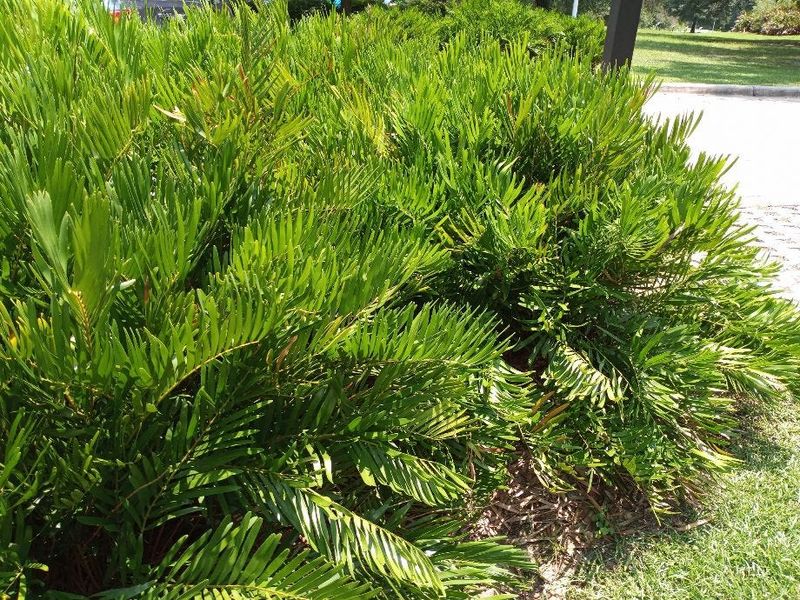
Coontie is a native cycad that can move right into those awkward shaded gaps and hold them with a tidy, low-growing structure that stays manageable year-round.
UF/IFAS Gardening Solutions notes that coontie thrives in shade or part shade and is drought tolerant once established. That makes it genuinely low-fuss for busy homeowners.
Coontie is also the only larval host plant for the atala butterfly, a striking native butterfly that was once nearly gone from this state. Planting coontie can help support that butterfly’s recovery, which is a meaningful bonus for any native garden.
Its dense, feathery foliage fills ground-level gaps much more effectively than bare mulch or thin seasonal plants.
From a yard-management standpoint, replacing weedy open patches under shrubs with established coontie removes loose, brushy material. That material can create tick-friendly habitat.
The plant itself does not repel ticks, but a filled, maintained bed is easier to manage than a neglected one. One important safety note: coontie is toxic if eaten, including its seeds and all plant parts.
Place it thoughtfully in yards with curious pets, small children, or frequent visitors who might handle it without knowing.
2. Use Wild Coffee For A Tidy Native Understory Layer
A shaded side yard with no real structure tends to look like a problem waiting to happen. Weeds creep in, leaves pile up along the fence, and before long the whole bed looks more like a thicket than a garden.
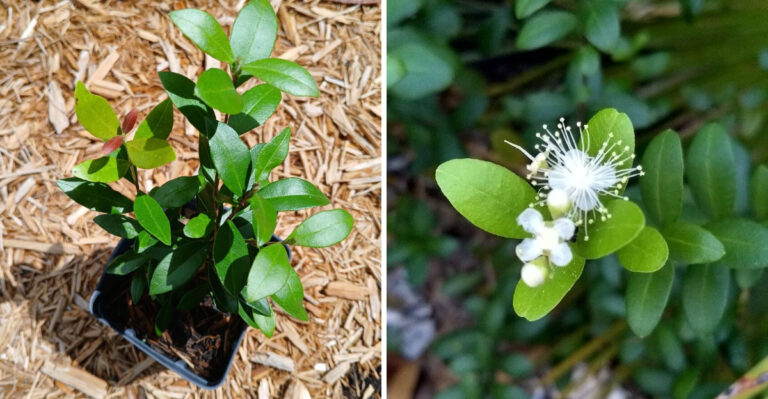
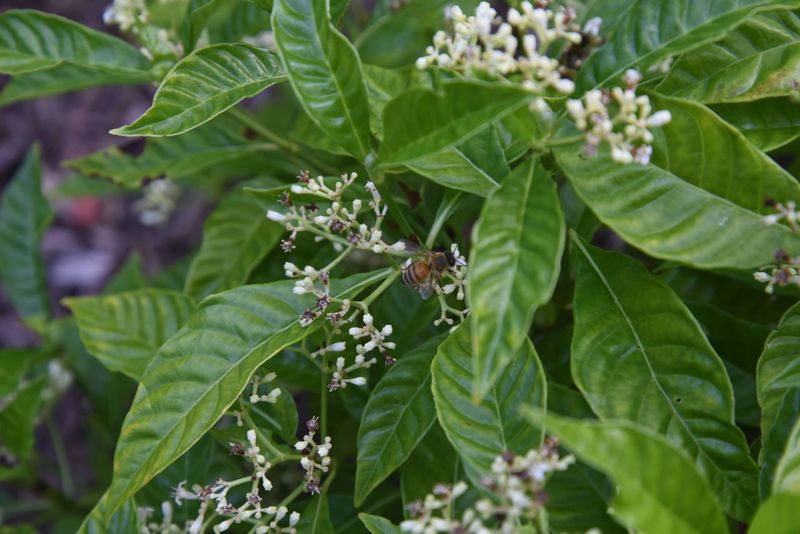
Wild coffee is a native shrub that can bring shape and intention to that kind of space without turning into a maintenance headache.
According to UF/IFAS Gardening Solutions, wild coffee grows well in shaded or partly shaded understory beds. It also produces glossy foliage, small white flowers, and bright red berries that birds find appealing.
That combination of wildlife value and tidy form makes it a strong candidate for layered shade beds that need a mid-height anchor plant.
Your Florida Garden Changes Every Week. Your Plan Should Too.
Gardening in Florida changes quickly throughout the season. Every Friday you’ll receive a simple weekly plan showing exactly what to plant, prune, fertilize, harvest, and protect so you never miss the right timing.
The berries and foliage create visual interest across multiple seasons, which helps the bed look cared for rather than forgotten.
Regional fit matters here. Wild coffee is better suited to southern and central regions of this state, and it may struggle or need protection in colder northern sites during an unusual cold snap.
A maintained understory shrub like wild coffee can help replace brushy, weedy growth with something intentional, which supports a cleaner yard overall.
Ticks are not repelled by the plant itself, but a structured, managed bed with less debris and fewer weedy gaps gives them far fewer places to settle in comfortably.
3. Choose Rouge Plant For Low Shade Structure
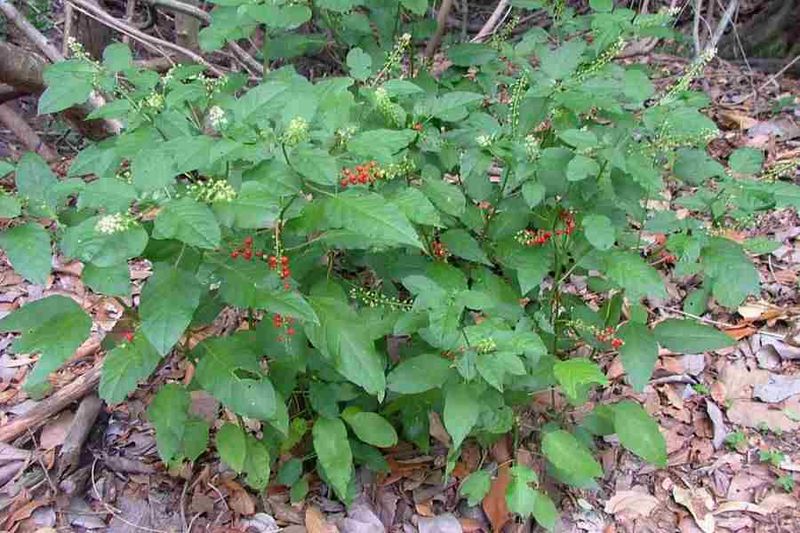
A quiet shaded corner that has been left alone for a season or two tends to fill with whatever volunteers to grow there, and those volunteers are rarely tidy.
Rouge plant is a native shrub that can step in and give that corner a soft, low structure without overwhelming the space or crowding out everything else nearby.
UF/IFAS Gardening Solutions describes rouge plant as a native shrub that produces small flowers and attractive berries with value for local wildlife. Its shade tolerance makes it a workable choice for understory planting in warmer parts of this state.
Its relatively modest size also means it fits layered shade beds and naturalistic borders better than larger hedge-type shrubs. Because it stays on the smaller side, it works best as part of a layered planting rather than as a standalone focal point.
Low, maintained structure like rouge plant provides is genuinely easier to manage than tangled weeds and thick leaf litter. Ticks thrive in loose, brushy material at ground level, so replacing that mess with intentional planting supports a cleaner overall yard.
Rouge plant does not repel ticks, and the bed still needs regular attention. That includes clearing fallen leaves and keeping the surrounding area from turning into an unmanaged tangle.
Used thoughtfully as part of a broader shade planting plan, it adds real native value while helping the space look and feel more intentional.
4. Grow Lyreleaf Sage Where Light Shade Needs Coverage
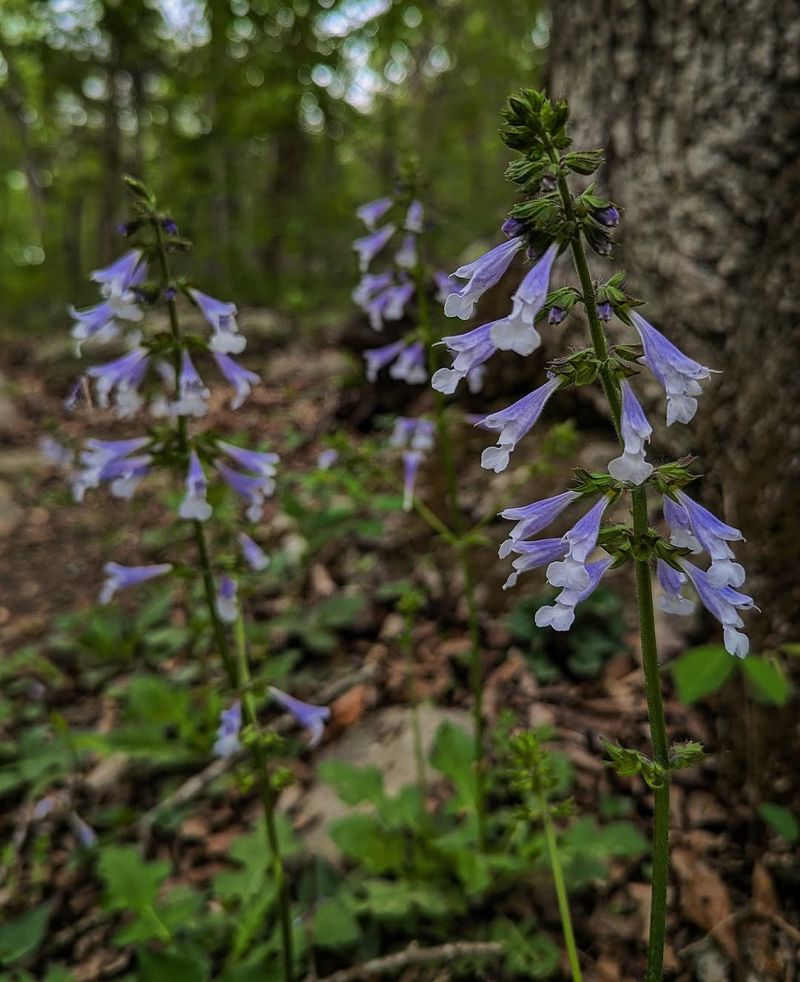
Patchy ground under a big tree is one of the most frustrating spots in any yard. Grass does not grow well there, bare soil invites weeds, and those weeds quickly turn into the kind of low brushy layer that ticks are happy to move into.
Lyreleaf sage is a native plant that can fill those thin, weedy patches in light shade or part shade. Its low rosette form looks intentional and stays relatively tidy.
According to UF/IFAS EDIS and Florida-Friendly Landscaping resources, lyreleaf sage produces attractive spring flowers that pollinators visit. Its ground-hugging rosette foliage can also spread to cover open patches where weeds might otherwise take hold.
That spreading habit is actually useful in informal shade beds, since it means the plant can gradually fill gaps without needing constant replanting.
The spreading tendency also means lyreleaf sage fits informal or naturalistic shade beds better than rigid formal designs. If the space needs crisp edges and predictable shapes, a different plant might be a better match.
For a relaxed woodland-edge bed or a shaded area under trees, though, it can be a real workhorse. Living ground coverage replaces bare soil and leaf-collecting gaps, which supports a cleaner bed overall.
Ticks are not repelled by the plant, but a covered, managed surface gives them less loose material to shelter in than a weedy, neglected patch would.
5. Plant Native Ferns Instead Of Letting Leaf Litter Build
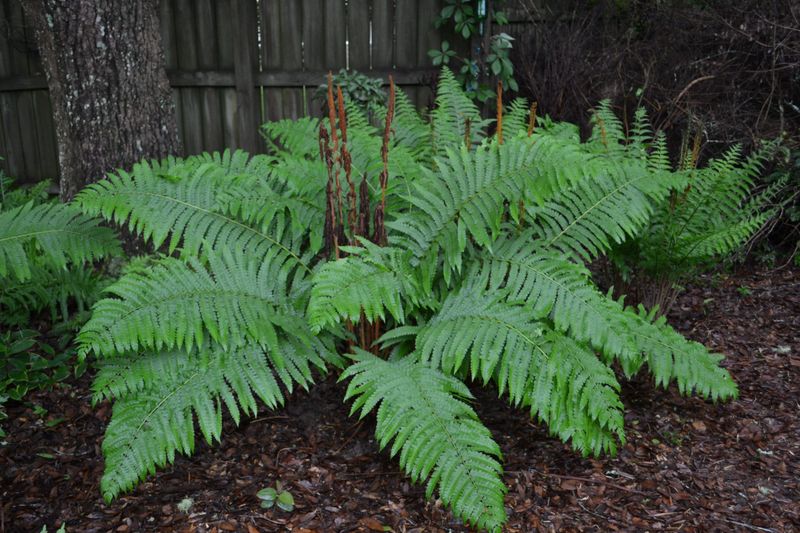
A shaded bed where nothing is planted tends to become a leaf-collection zone. Fallen leaves pile up, stay moist, and create exactly the kind of thick, undisturbed ground layer that ticks prefer for shelter and humidity.
Planting native ferns in those moist or shaded areas can shift the bed from a passive leaf trap to an active, living planting that looks managed and intentional.
UF/IFAS and Florida-Friendly Landscaping resources support several native fern species for shaded and moist sites in this state. These include cinnamon fern and native wood ferns, depending on the specific site conditions.
Matching the fern species to your actual moisture level and light situation matters a great deal. A fern that needs consistent moisture will struggle in a dry sandy spot under a pine, and a species suited to filtered light may not perform well in deep shade.
Ferns bring lush, layered texture to shade beds and can help fill the spaces where leaf litter tends to collect. They do not repel ticks, and the bed still needs active maintenance.
Thick leaf litter should still be cleared from areas near play zones and pet paths, even in a well-planted fern bed. The real benefit is that a planted, maintained fern bed is far easier to keep clean than a bare, weedy patch where debris accumulates unchecked.
Pair ferns with regular cleanup for the best results in a tick-aware yard.
6. Use Woodland Phlox For Soft Seasonal Shade Coverage
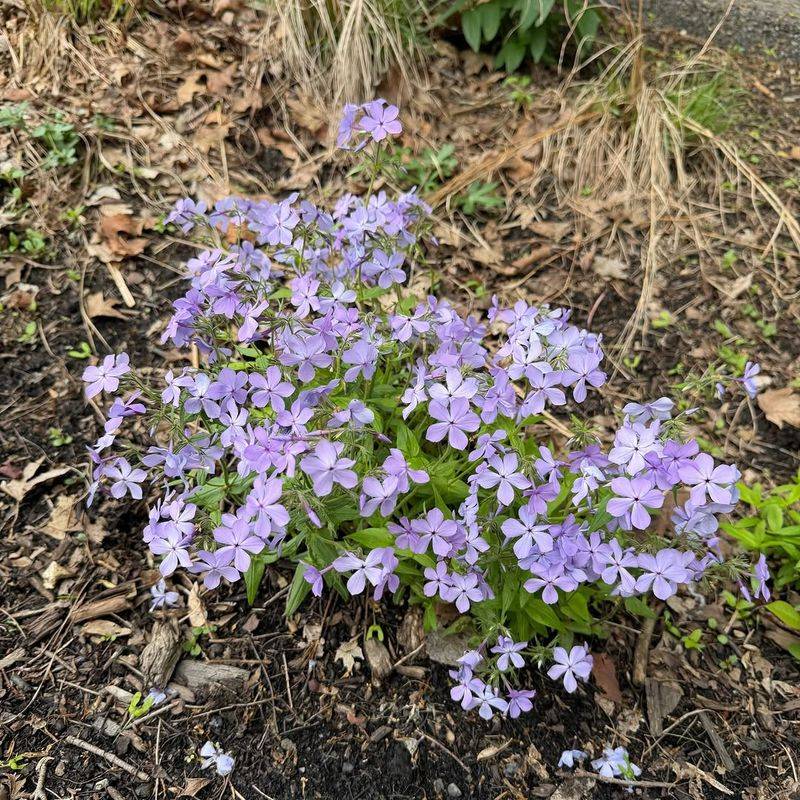
Early in the season, everything under the oaks can still look bare and a little bleak. Woodland phlox shows up with clusters of soft flowers and low foliage that make a shaded bed feel genuinely alive again.
That early-season color is one of the best things about working with seasonal native plants in a shade garden. Woodland phlox delivers it reliably in the right conditions.
UF/IFAS and Extension sources support woodland phlox as a plant suited to shaded or partly shaded woodland-style beds where moisture and light conditions are appropriate.
Its low, spreading form can provide soft coverage in gaps between larger shrubs or under high tree canopies where filtered light reaches the ground.
The flowers attract early pollinators, adding ecological value beyond just aesthetics.
Readers should know going in that woodland phlox is primarily a spring bloomer. It will not provide constant summer flowers or dense year-round coverage.
That means it works best as part of a layered planting that includes other species to carry the bed through warmer months. The bed also needs the right moisture, and cleanup still matters.
Woodland phlox does not repel ticks, and letting the surrounding area become brushy or litter-filled will undercut any habitat-management benefit the planting provides.
Used as one layer in a thoughtfully managed shade bed, it adds real seasonal beauty and helps reduce the open, weedy gaps that accumulate debris.
7. Choose Spiderwort For Bright Shade And Easy Coverage
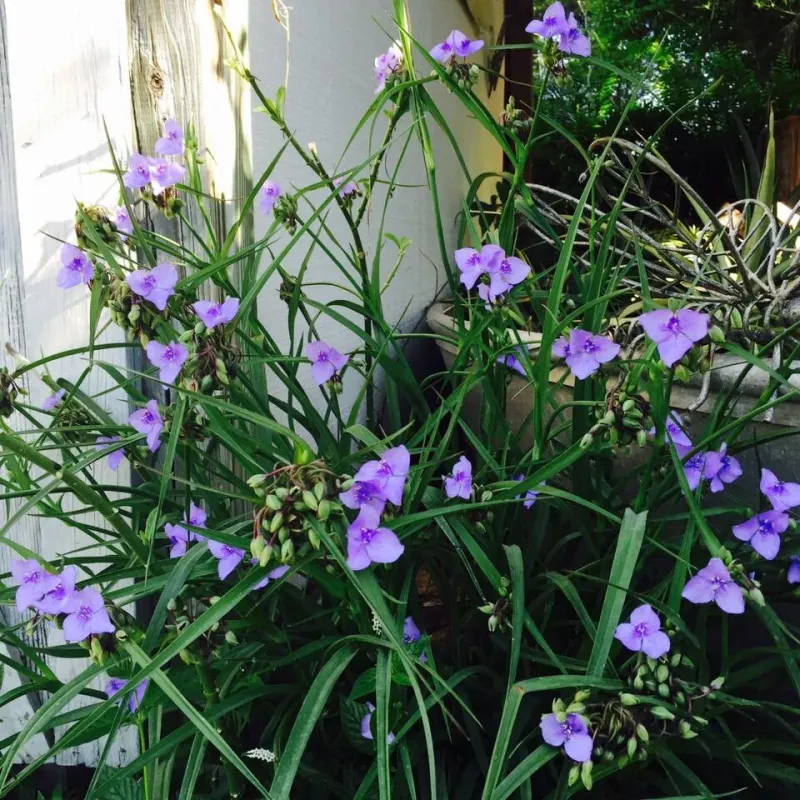
Along a bright shaded edge where the sun just misses the ground for most of the day, bare soil has a stubborn habit of turning into a weed patch by midsummer. Native spiderwort is one of the more cheerful solutions for that kind of spot.
Its purple-blue flowers and clumping, spreading habit can fill a bright-shade gap with real color and coverage before weeds get a foothold.
UF/IFAS Gardening Solutions notes that native spiderwort grows in part shade or bright shade. It also spreads in a way that can provide meaningful ground coverage in informal beds.
The flowers are genuinely pretty and attract pollinators, which makes the plant useful beyond just filling space. Its clumping form stays relatively organized, which helps the bed look planted rather than overgrown.
After the main bloom period, spiderwort can get a bit floppy, and some light cleanup may help keep the bed looking tidy. That is a small trade-off for a plant that covers bright-shade gaps so willingly.
Filling those gaps with spiderwort instead of leaving them bare or weedy removes the loose, brushy material that gives ticks a comfortable place to wait. The plant does not repel ticks, and regular maintenance still matters.
Checking pets and people after time outdoors remains one of the most important parts of any tick-aware outdoor routine. So do using vet-approved tick prevention for pets and following public-health guidance for personal protection.
8. Plant Dwarf Fakahatchee Grass Only Where Shade Stays Bright
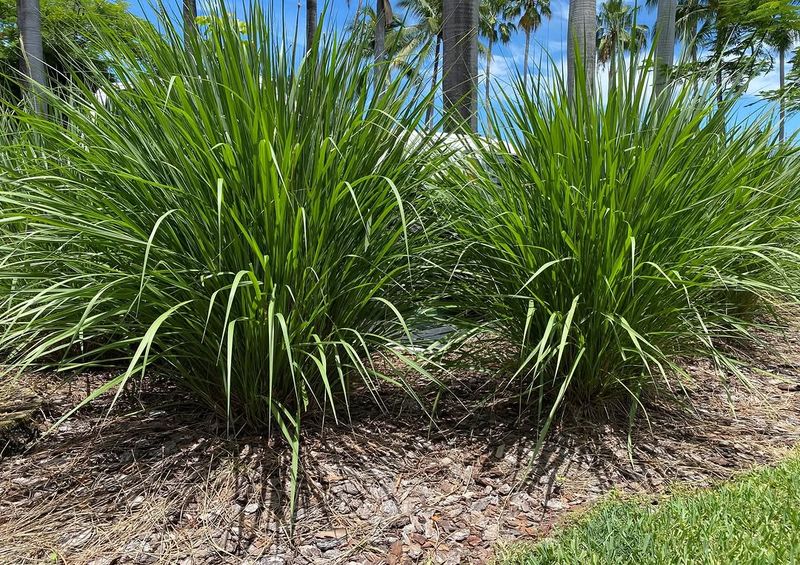
A bright shade edge that gets some filtered morning light but stays shaded through the afternoon can be a tricky spot to plant. Shade-loving plants sometimes stretch toward light there, and sun-loving plants scorch.
Dwarf Fakahatchee grass is a native clumping grass that handles that in-between light level well. It provides soft, arching texture without turning into an unmanageable tangle.
UF/IFAS Gardening Solutions describes dwarf Fakahatchee grass as a native ornamental grass suited to sites with appropriate light and moisture. Its clumping form stays relatively tidy when given the right conditions.
The soft green blades add a naturalistic texture that works well along shade-garden edges, woodland borders, or transitions between turf and understory beds. Even the dwarf form needs adequate space, so crowding it into a tight spot tends to backfire.
This grass is not suited to deep, dark shade. Placing it in a spot that is too dim will result in weak, floppy growth that looks worse than bare soil.
Placement matters, and so does ongoing maintenance. Unmanaged clumping grass can actually create the kind of dense, brushy habitat that ticks prefer.
That happens when it is allowed to grow tall, accumulate deceased material, or spread unchecked. Keeping it trimmed, removing withered blades, and maintaining clear paths around it keeps the planting working as intended.
A tidy clumping grass at a shade edge supports a cleaner yard, but it is one part of a broader plan that still requires regular checks and habitat management.