Try These 8 Cucumber Hacks If You Want A Brag-Worthy Harvest In New York
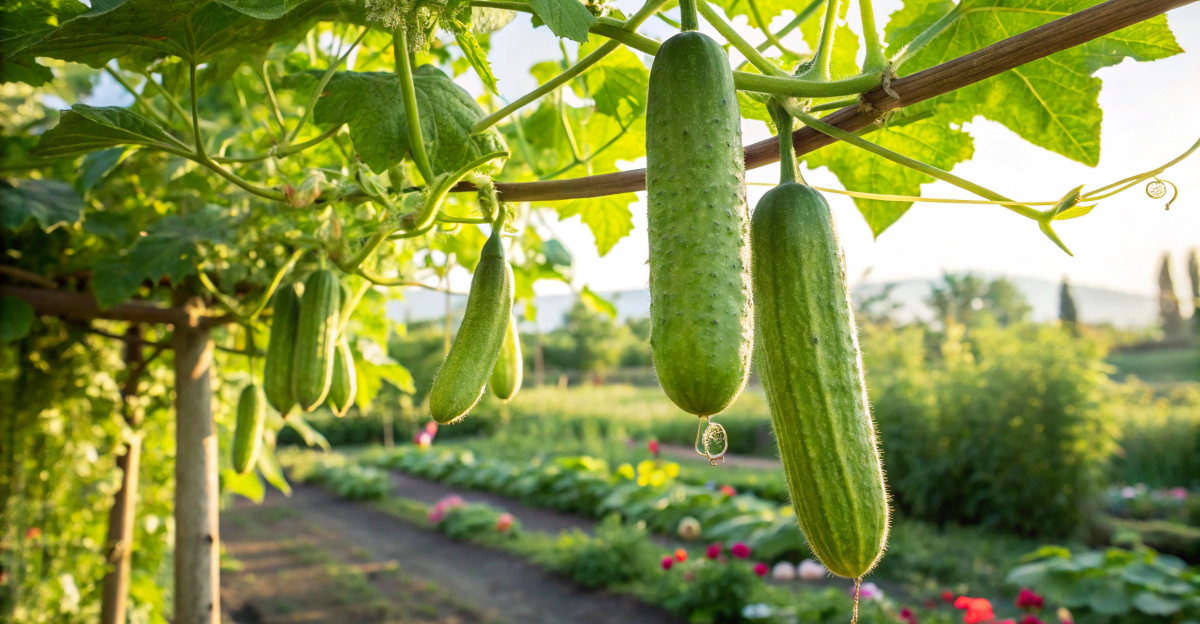
Cucumbers look easy. They are not. New York summers throw everything at them. Sticky humidity, clay soil that holds water long after the rain stops, and a growing window that closes faster than you think.
Most gardeners plant, water, and hope for the best. That is where the harvest falls apart.
The difference between a vine that limps along and one that buries you in cucumbers usually comes down to a handful of small decisions made early in the season.
Not expensive ones. Not complicated ones. A soaking trick before the seed even hits soil. A planting technique borrowed from tomato growers. A companion plant that pulls double duty.
These eight hacks are what experienced New York gardeners reach for every year. This summer, your garden gets to be the one people ask about.
1. Soak Seeds Overnight Before Planting
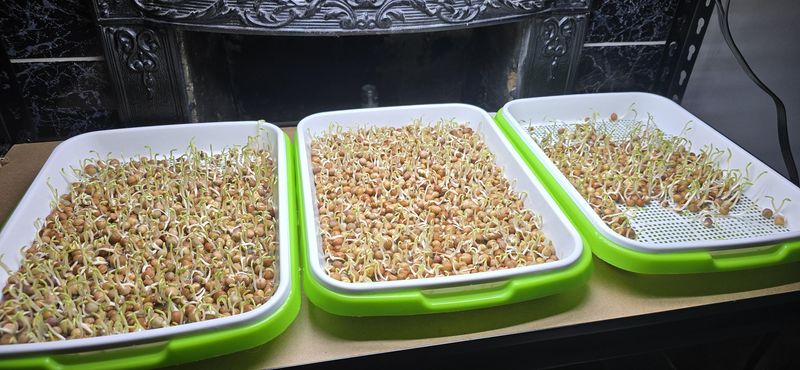
Your seeds are basically sleeping, and soaking wakes them up fast. Cucumber seeds have a tough outer coat that slows germination when left dry.
Drop your seeds into a small bowl of room-temperature water the night before planting. Let them sit for eight to twelve hours, not longer, or they may rot before sprouting.
What happens inside is surprisingly cool. The seed absorbs moisture, swells slightly, and the embryo inside gets a running start on life.
Gardeners in New York often fight the short spring window between frost and summer heat. Soaking can shave two to four days off your germination time, which matters a lot here.
Think of it like pre-heating an oven before baking. You would not skip that step if timing was everything, right?
After soaking, plant the seeds about one inch deep in warm soil. Soil temperature should be at least sixty degrees Fahrenheit for the best results.
If your garden soil is still cold from a late spring, start seeds indoors in small pots. Place them on a heat mat set to seventy degrees for faster sprouting.
Once you see that first tiny sprout curl upward, you will feel the difference this simple step makes. A brag-worthy cucumber harvest starts the night before you even touch the dirt.
2. Bury The Stem Deeper At Transplanting
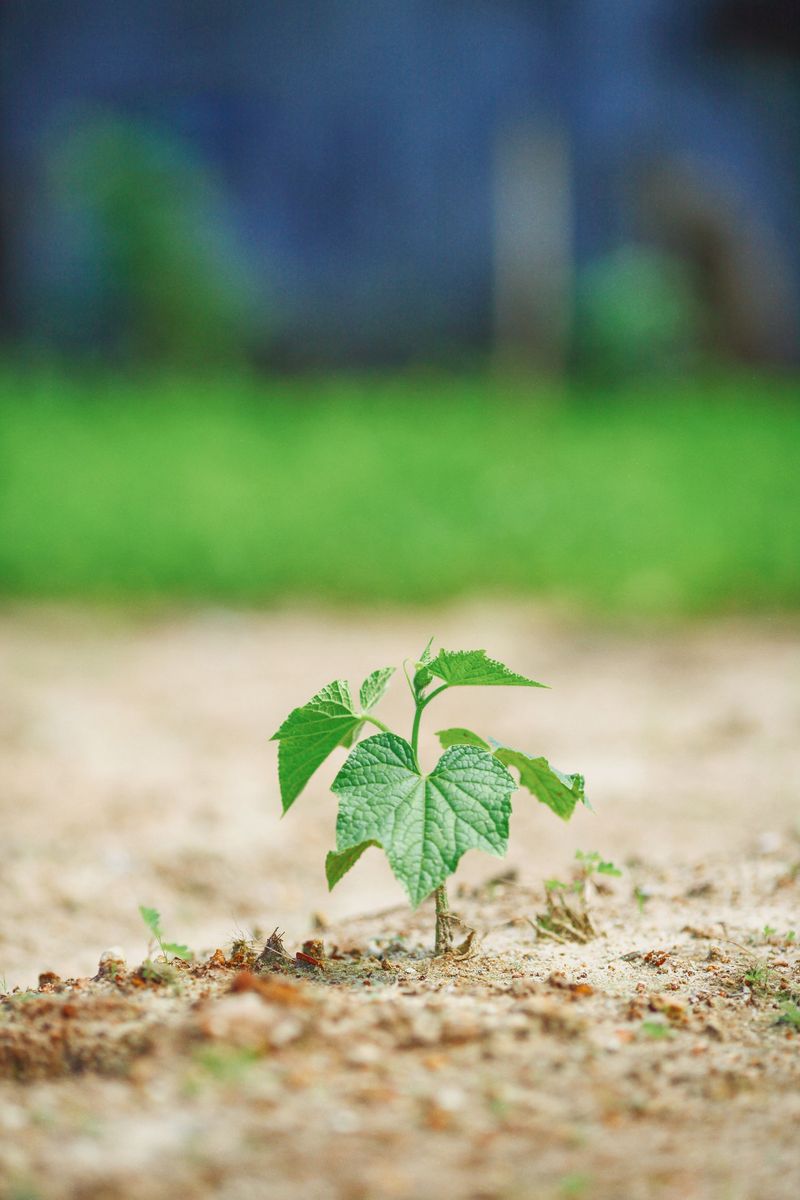
Tomatoes get all the glory for deep planting, but cucumbers deserve the same treatment. Burying the stem a little deeper at transplanting builds a stronger root system fast.
When you move seedlings from pots to the garden, do not just drop them in at the same depth. Bury the stem up to the first set of true leaves instead.
Those tiny hairs along the cucumber stem may develop into roots when buried, helping the plant establish more quickly. More roots mean better water uptake and stronger plants overall.
New York summers can swing from wet and cool to hot and dry within days. A deeper root system helps your plants handle both extremes without wilting or stunting.
Dig your hole a few inches deeper than the root ball. Set the plant in, backfill with loose soil, and press gently around the base to remove air pockets.
Your New York Garden Changes Every Week. Your Plan Should Too.
Gardening in New York changes quickly throughout the season. Every Friday you’ll receive a simple weekly plan showing exactly what to plant, prune, fertilize, harvest, and protect so you never miss the right timing.
Water thoroughly right after planting to help the soil settle around the new roots. A slow, deep watering is far better than a quick splash on the surface.
Some gardeners add a pinch of bone meal to the hole before planting. That extra phosphorus encourages fast root development in the first few weeks after transplanting.
The first week after transplanting is when most seedlings struggle. Give them this deeper start, and they will anchor themselves quickly and grow with real confidence from day one.
3. Drop Compost Straight Into The Planting Hole
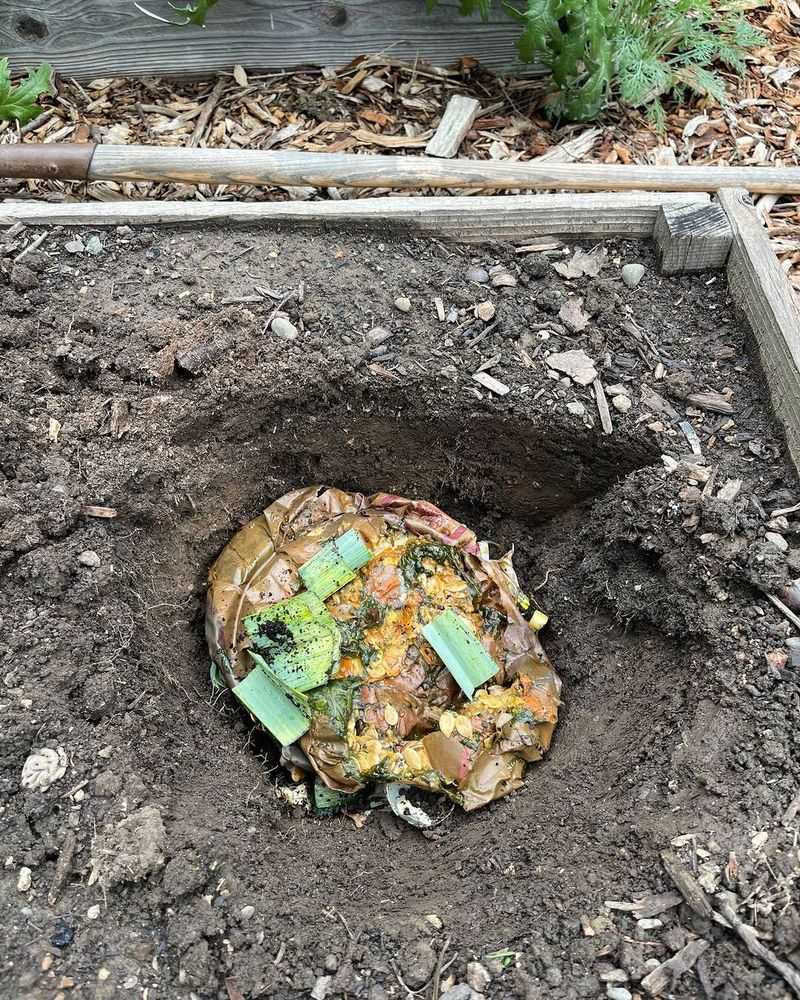
Forget spreading compost across the whole bed and hoping it reaches the roots. Putting it directly in the planting hole is a smarter, more targeted move.
This technique is sometimes called “pocket composting,” and it works beautifully for heavy feeders like cucumbers. You get maximum nutrition exactly where the roots will grow.
Grab a trowel and dig your planting hole about two inches deeper than normal. Fill the bottom two inches with finished compost before placing your seedling on top.
As the roots grow downward, they hit that nutrient-rich layer and thrive. The plant feeds itself naturally without relying on store-bought fertilizer every week.
New York soil tends to be heavy or sandy depending on the region, and most of it benefits from added organic matter to perform well.
Homemade compost is ideal, but store-bought bagged compost works perfectly fine here. Look for a product that is dark, crumbly, and smells like earth after rain.
Mix a small handful of worm castings into the compost for an extra boost. Worm castings release nutrients slowly and improve soil texture at the same time.
This one-time prep step costs almost nothing and takes less than five minutes per plant. The roots do the rest of the work for you all season long.
By mid-summer, your cucumber plants will likely look darker green and fuller than expected. That quiet investment at planting time tends to show up exactly when it matters most.
4. Pinch Off The First Flowers
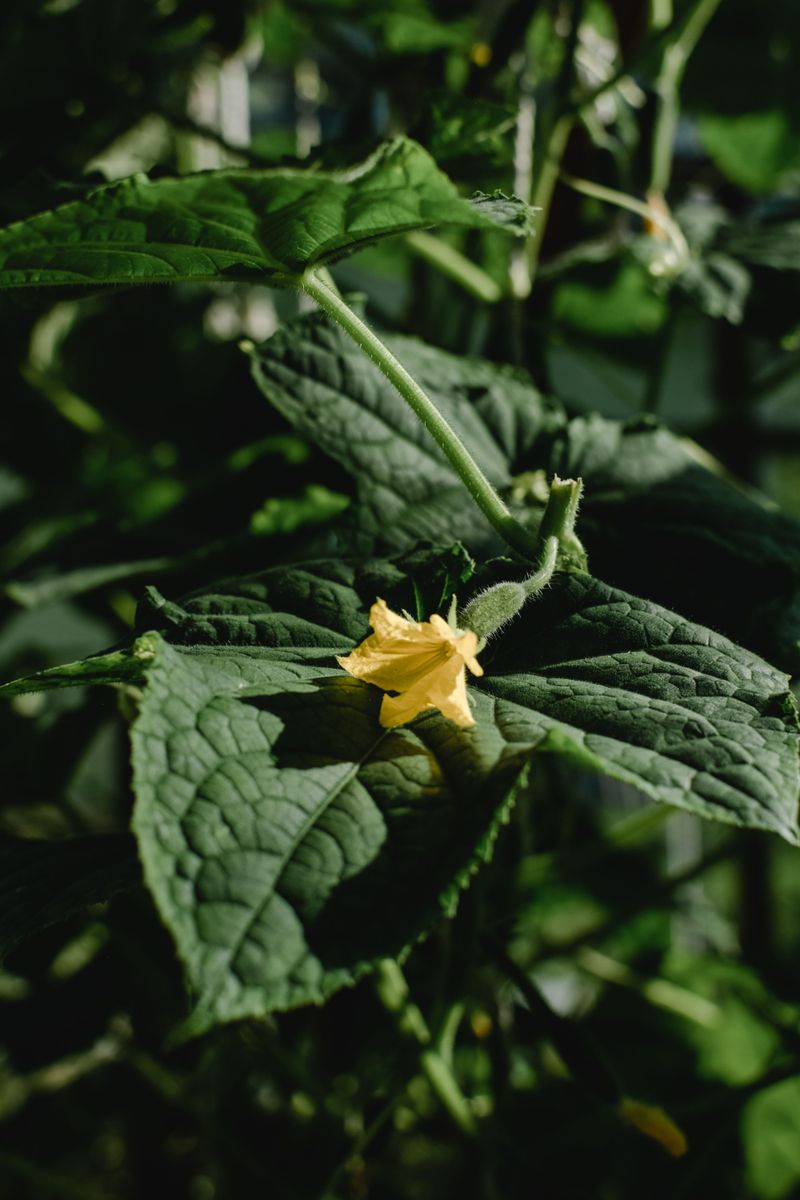
It feels completely wrong to remove flowers from a plant you want to produce food. But pinching off those first blooms is one of the best cucumber hacks you can try.
Early flowers appear before the plant has built enough roots and leaves to support fruit. If you let those blooms stay, the plant pours energy into tiny cucumbers instead of growing stronger.
A bigger, leafier plant produces far more fruit overall. Sacrificing a few early flowers can lead to significantly more cucumbers by midsummer.
Most cucumber plants will set their first flowers within three to four weeks of transplanting. Watch for them carefully, especially on the lower parts of the vine.
Simply pinch the flower off with your fingers or snip it with clean scissors. You do not need any special tools or treatments after removing them.
Some gardeners also remove the first few lateral shoots at the same time. This encourages the main stem to grow taller and stronger before branching out.
In New York’s short season, timing matters more than almost anywhere else. Getting your plant structurally ready by early-to-mid July can extend your harvest window considerably.
Think of it as editing a rough draft before publishing. The final version is always better when you cut what does not serve the bigger picture yet.
5. Plant Near Dill Or Nasturtiums
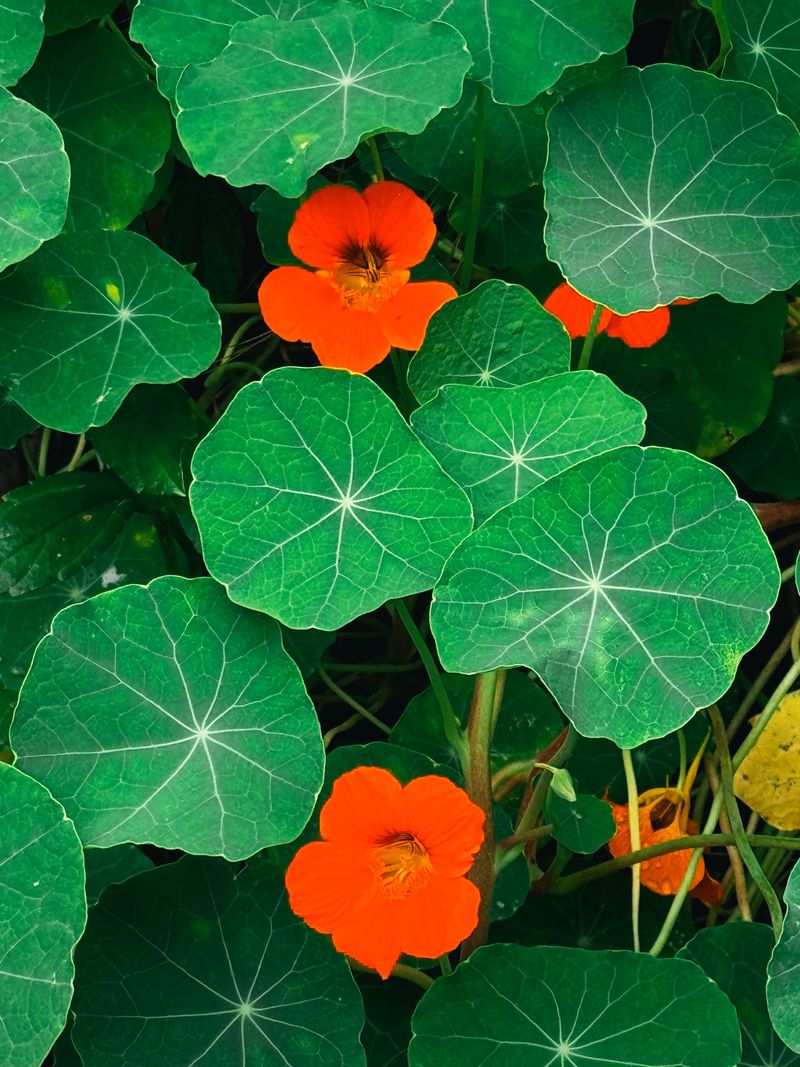
Companion planting sounds like old-fashioned folk wisdom, but there is growing evidence behind it. Certain plants genuinely help cucumbers grow better when placed nearby.
Dill attracts beneficial wasps and predatory insects that feed on aphids and cucumber beetles. Fewer pests on your vines means less stress and more energy going toward fruit production.
Nasturtiums work differently but just as effectively. Their bright flowers lure aphids away from cucumber leaves, acting like a sacrificial crop that protects the main plant.
Plant dill about twelve inches away from your cucumber row. Too close and the mature dill can actually slow cucumber growth, so spacing matters here.
Nasturtiums can be tucked right at the base of the trellis or along the garden border. They spread quickly and bloom all summer with almost no maintenance required.
Both plants also attract pollinators like bees and hoverflies. More pollinators visiting your garden means more cucumber flowers get fertilized and more fruit sets on the vine.
New York gardens face real pressure from striped cucumber beetles each season. These beetles spread bacterial wilt, which can take down an entire plant within a week or two.
Having dill and nasturtiums nearby will not eliminate every pest, but it tilts the odds in your favor. A well-balanced garden ecosystem is one of the most underrated cucumber hacks of all.
6. Use A Sunflower As A Living Trellis
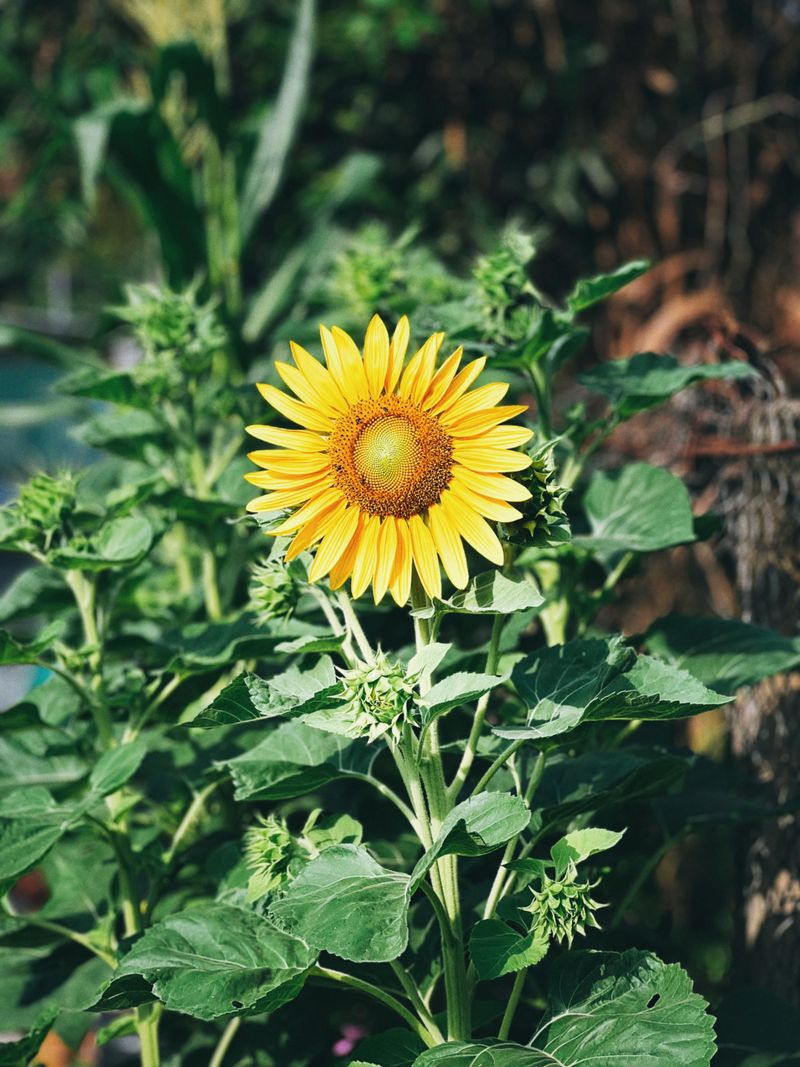
Most gardeners reach for wooden stakes or wire cages when cucumbers need support. But a towering sunflower can do the same job while looking absolutely spectacular.
Sunflower stalks grow thick and rigid, sometimes reaching eight to ten feet tall by late summer. That natural structure is generally strong enough to support a climbing cucumber vine, especially lighter varieties.
Plant sunflowers two to three weeks before your cucumbers go in the ground. By the time cucumbers are ready to climb, the sunflower will already be sturdy and tall.
Space them about eighteen inches apart in a row. Then plant your cucumber seeds or seedlings at the base of each sunflower stalk once the soil warms up.
As the cucumber vines reach upward, gently guide the tendrils toward the sunflower stem. The tendrils will grab on naturally and spiral upward with almost no extra help needed.
This pairing also benefits pollinators in a big way. Sunflower blooms are reliable bee magnets that bring pollinators straight to your garden. Those same bees can pollinate your cucumber flowers while visiting.
Vertical growing keeps fruit off the ground and away from soil-borne diseases. Cucumbers hanging in the air also develop straighter, smoother shapes that look great at the farmers market.
If you have never tried this trick before, prepare to be converted. There is something genuinely magical about watching a cucumber vine spiral up a golden sunflower stalk all summer long.
7. Tuck Straw Mulch Under The Leaves
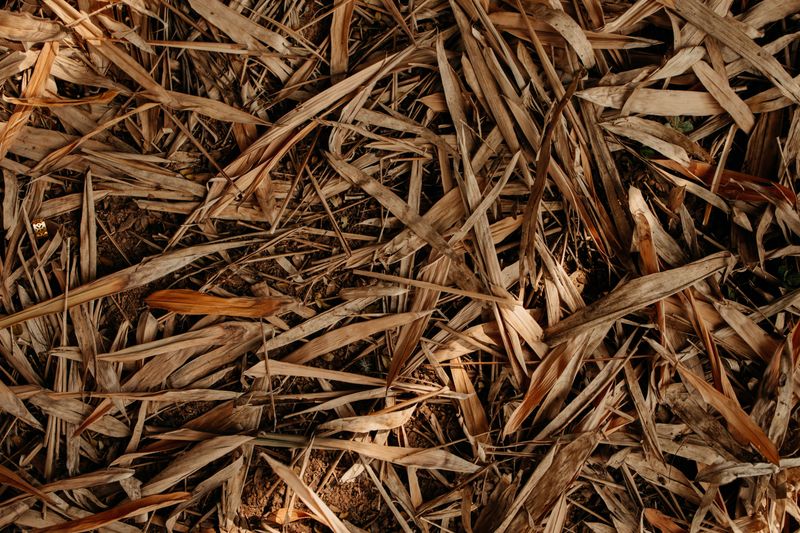
Bare soil under cucumber plants is a problem most gardeners overlook until things go wrong. Straw mulch fixes several issues at once with almost no effort involved.
Spread a two to three inch layer of straw around the base of your plants. Keep it a few inches away from the main stem to prevent rot and fungal issues.
Straw holds soil moisture in, which means you water less often during hot stretches. In a New York summer, that saved moisture can be the difference between thriving and struggling plants.
It also keeps the soil temperature more stable throughout the day. Cucumber roots hate sudden temperature swings, and mulch acts like a cozy blanket that buffers those extremes.
Another bonus: straw suppresses weeds like a champion. Fewer weeds mean less competition for water and nutrients, so your cucumber plants get more of everything they need.
Fruit sitting on bare soil often develops soft spots, yellowing, or rot on the underside. Straw lifts the cucumbers slightly off the ground and keeps air circulating around them.
Look for straw at local feed stores or garden centers. Avoid hay, which contains seeds that will sprout into a weedy mess inside your garden beds.
Once you tuck straw mulch under those big cucumber leaves, your garden will look tidier and perform better all at once. It is one of the easiest cucumber hacks with the biggest visible payoff.
8. Cut Cucumbers Off With Scissors
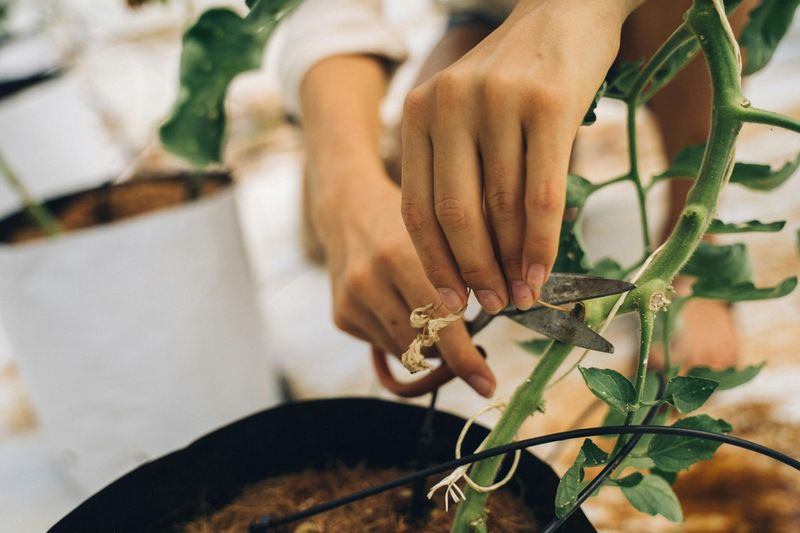
Pulling cucumbers off the vine sounds harmless, but it can actually damage the plant more than most people realize. A clean cut is always the better choice.
When you yank a cucumber free, you risk tearing the stem or snapping a nearby branch. That small wound becomes an entry point for bacteria and fungal disease.
Keep a small pair of clean garden scissors or pruning snips hanging near your garden. Grab them every time you go out to harvest, and make it a habit.
Cut the stem about a quarter inch above the fruit. That little stub protects the vine attachment point and heals over quickly without causing lasting harm.
Harvesting with scissors also encourages the plant to produce more cucumbers faster. Each time you remove a mature fruit cleanly, the vine responds by setting new flowers and fruit.
Cucumbers grow shockingly fast in warm weather. Check your vines every two days during peak season, because an overlooked cucumber can go from perfect to oversized within a day or two.
Oversized cucumbers signal the plant to stop producing, since it thinks its job is done. Keeping up with regular harvests keeps the plant in productive mode all season long.
These cucumber hacks work together like a team, each one building on the last. End your harvest season with a basket so full that your neighbors start asking for your secrets.