These Are The Florida Planting Mistakes That Destroy New Plants The First Time It Rains
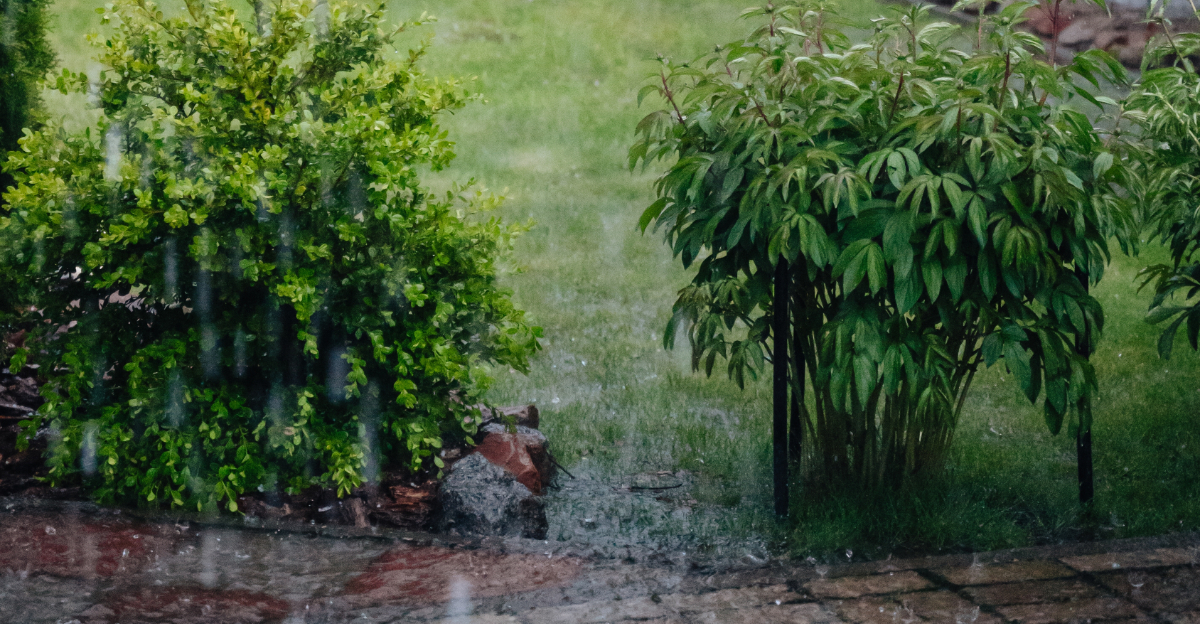
Florida rain does not ease new plants in gently. A good summer storm drops serious water fast, and plants that were not put in the ground correctly find that out immediately.
Most new plant losses are blamed on heat, pests, or bad luck. They actually trace back to planting mistakes that set the plant up to struggle from day one.
The rain just speeds up the inevitable. Soil that drains wrong can create problems fast.
So can planting depth that seems fine until water pools around the crown or roots fail to establish before the first heavy storm. These are not complicated mistakes.
They are easy ones, the kind that happen when general planting advice gets applied to a climate that plays by completely different rules. Florida’s rainfall is relentless in ways that expose every shortcut taken at planting time.
What gets skipped in ten minutes costs weeks of recovery.
1. Planting Too Deep Before The Soil Settles
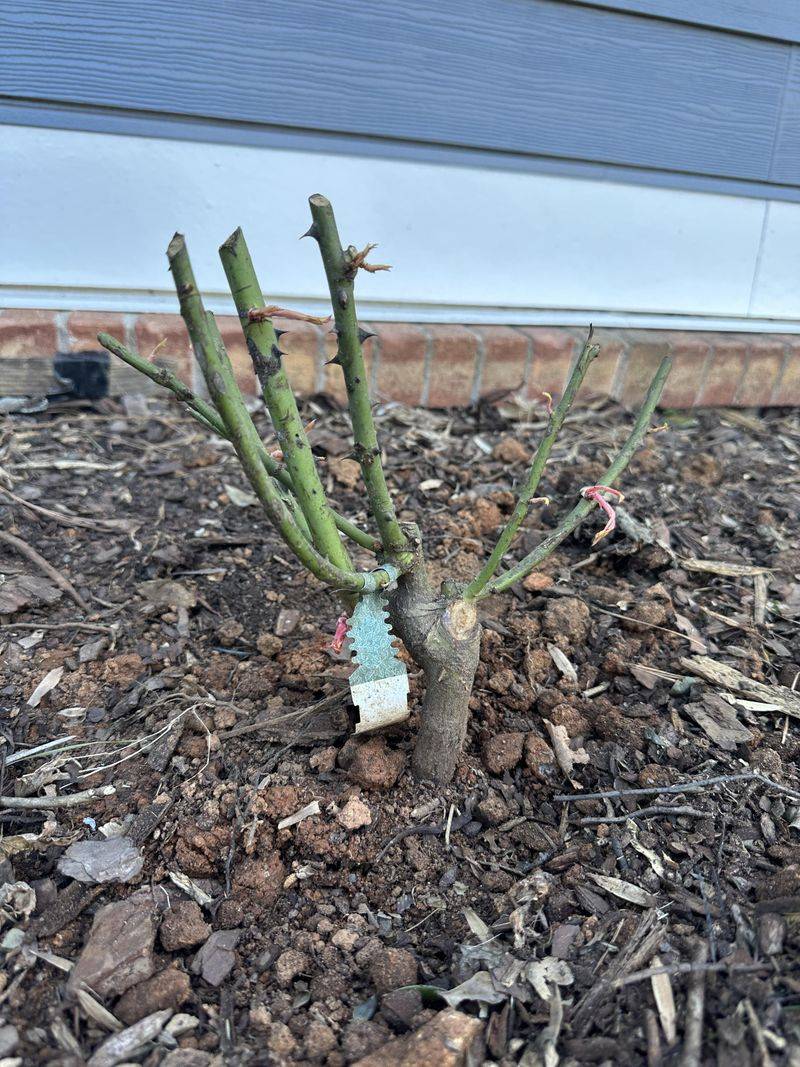
A shrub that looked perfectly placed on planting day can sit noticeably lower in the bed after the first downpour. Loose backfill settles when rain soaks through it, and that movement can pull the root ball deeper than it should ever be.
What seemed like a solid planting job can quietly become a problem before the plant even gets a chance to root in.
UF/IFAS recommends that the topmost main root of a tree or shrub should sit at or slightly above the surrounding soil level at planting time. That guidance exists because soil always settles, especially in freshly dug beds with loosened backfill.
Planting slightly high accounts for that natural drop after the first few rains.
Burying the root flare or crown cuts off the air movement those tissues need to stay healthy. Soil packed around the base can trap moisture against bark or stems that are not designed to stay wet.
Over time, that stress weakens the plant from the ground up.
The fix is simple but easy to skip. Check your planting height right after the first rain, not just before you water on planting day.
If the crown has dropped below grade, gently lift and reposition the plant while the soil is still loose and workable. A few minutes of adjustment early on can make a real difference in how that plant settles in over the season.
2. Choosing A Spot Where Water Pools After Rain
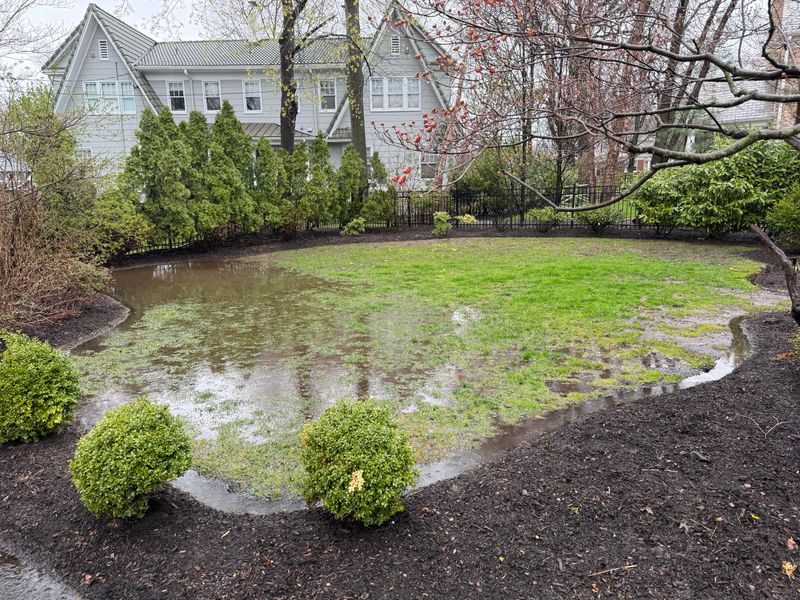
Picture a brand-new plant ringed by a perfect circle of brown water the morning after a storm. That puddle is not just an eyesore.
It is a sign that the root zone is sitting in saturated soil, and most common landscape plants cannot handle that for long.
Low spots, compacted patches, and areas with clay pockets or hardpan beneath the surface all slow drainage significantly.
Sandy soils drain fast in most parts of this state, but fill soil left by builders and compacted zones near driveways or walkways can behave very differently.
Water that has nowhere to go will linger around roots and push out the oxygen those roots need to function.
Your Florida Garden Changes Every Week. Your Plan Should Too.
Gardening in Florida changes quickly throughout the season. Every Friday you’ll receive a simple weekly plan showing exactly what to plant, prune, fertilize, harvest, and protect so you never miss the right timing.
Some plants do tolerate wet feet. Bald cypress, swamp lily, and certain native sedges actually prefer moist or periodically flooded conditions.
But most ornamental shrubs, perennials, and fruit trees planted in home landscapes need good drainage to stay healthy.
The best advice is to watch the yard during or right after a rainstorm before choosing where to plant anything expensive. Walk the property and note where water collects, how long it stays, and where it flows.
A short observation period costs nothing and can prevent placing the wrong plant in a spot that becomes a puddle every summer afternoon. Matching the plant to the actual drainage conditions of the site is one of the most reliable steps toward long-term success.
3. Packing Soil So Tight Roots Cannot Breathe
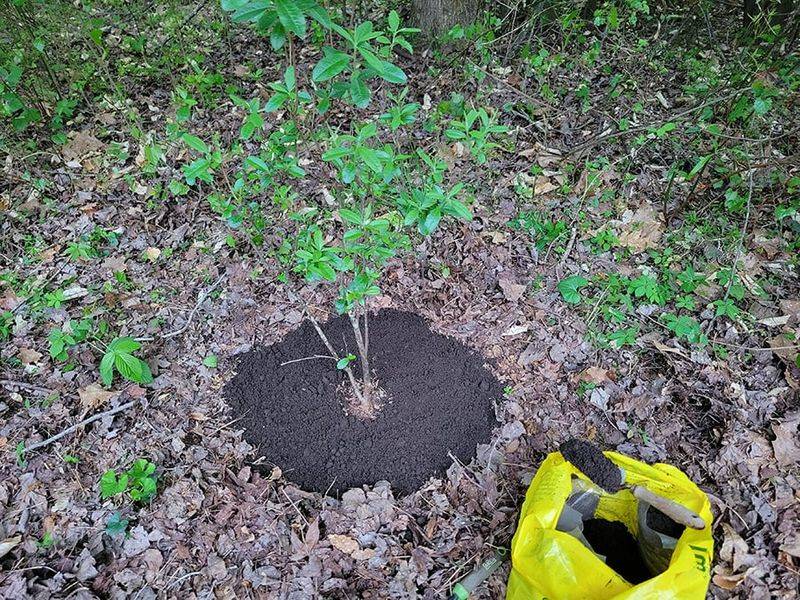
There is a common instinct to stomp the soil firmly around a new plant before a storm, as if packing it in tight will hold everything in place. It feels responsible.
In practice, it can do real harm to a plant that is just getting started.
Roots need two things to grow well: water and oxygen. Overly compacted backfill removes the tiny air spaces that allow oxygen to reach the root zone.
When rain saturates that dense soil, water has trouble moving through it, and the root zone stays wet longer than it should. That combination stresses roots quickly.
UF/IFAS extension guidance recommends firming the backfill gently to remove large air pockets. Avoid compacting the soil into a dense, impenetrable layer.
The goal is stability, not maximum compression. There is a real difference between settling soil lightly and stomping it flat.
After a heavy rain, compaction problems become obvious. Water may pool on top of the bed instead of soaking in.
The plant may look stressed even though it was watered correctly. Roots that cannot push through dense soil will stay confined to the original planting hole, which limits the plant’s ability to anchor itself and access nutrients.
Using native soil mixed with organic matter and handling it loosely gives roots the best environment to spread out and establish before the next summer storm arrives.
4. Piling Mulch Against Stems And Trunks
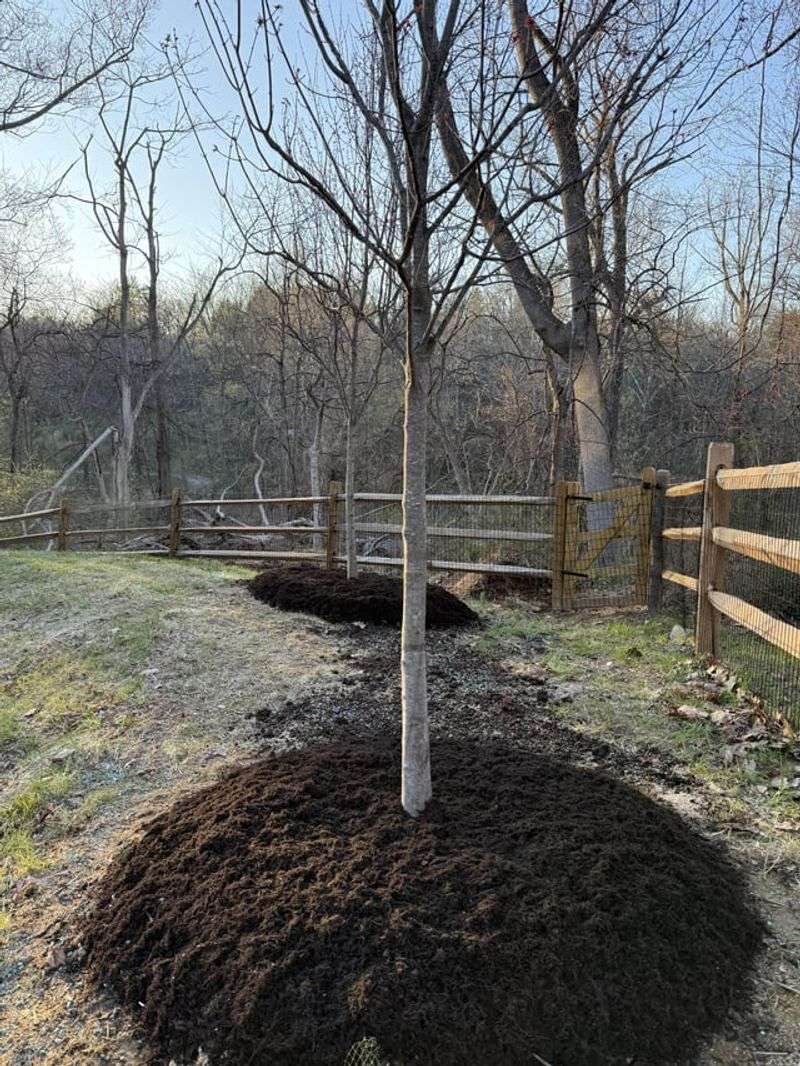
A fresh mulch volcano can look tidy and well-maintained right after planting. Then rain packs that mound tighter against the stem or trunk, and what looked like good garden care starts working against the plant.
Mulch pressed against bark or a plant’s crown holds moisture where it does not belong. According to UF/IFAS Florida-Friendly Landscaping guidance, mulch should be kept a few inches away from the base of trees, shrubs, and other plants.
The goal is to cover the root zone out to the drip line, not to build a wall around the stem itself.
Constant moisture against bark can soften tissue over time and create conditions that invite fungal problems or pest activity. Rainy season in this state is long, humid, and intense.
A mulch pile sitting against a trunk through months of afternoon thunderstorms is not the same as a brief light contact during a dry spell. The sustained moisture during summer storms is what makes this mistake so damaging.
The correction is straightforward. Pull mulch back from the base of each plant so there is a clear gap of a few inches around the stem or trunk.
Spread the mulch outward instead, covering the soil over the root zone at a depth of two to three inches. That placement helps hold soil moisture where roots actually grow, reduces weeds, and moderates soil temperature.
It does this without trapping moisture against the plant’s most vulnerable tissues.
5. Leaving The Root Ball Covered With Extra Soil
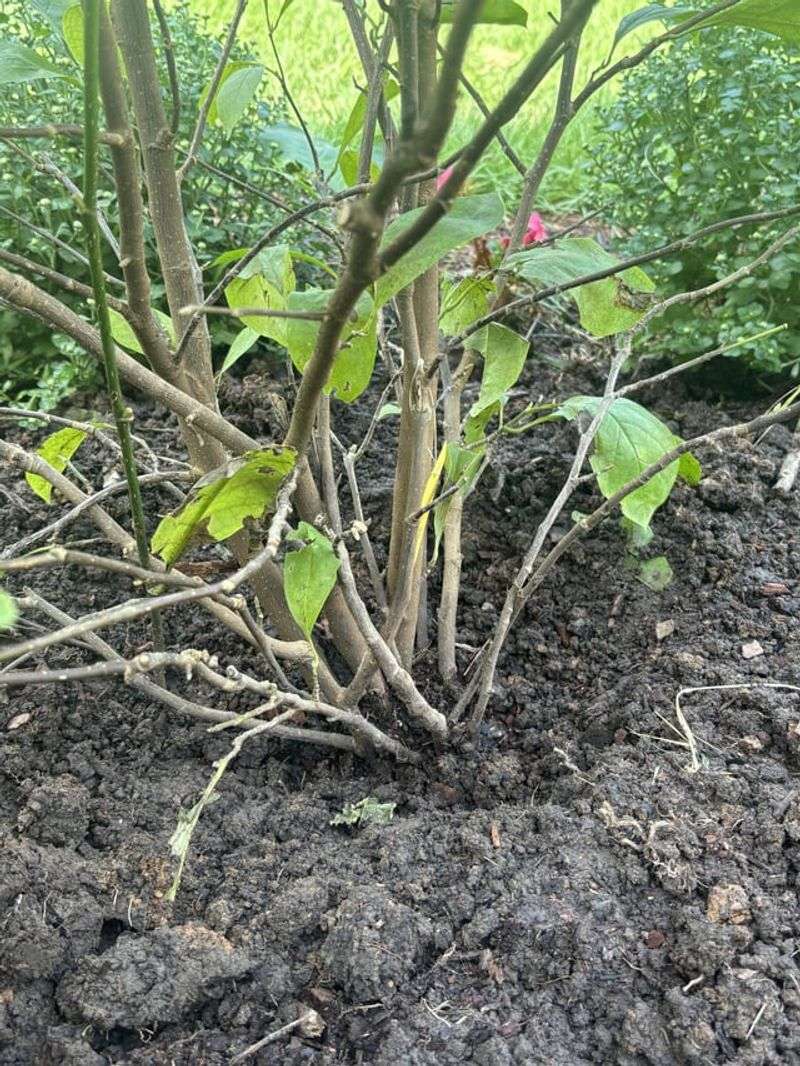
Smoothing out a freshly planted bed with a little extra soil feels like a finishing touch. The bed looks even, the plant looks secure, and everything appears ready for the next storm.
However, that extra layer over the root ball can quietly set the plant back before it ever gets established.
Covering the top of the root ball with additional soil blocks water and air from reaching the roots efficiently. UF/IFAS tree planting guidelines are clear that soil should not be placed over the root ball itself.
The root ball needs direct access to water movement and oxygen exchange at the surface, not a cap of extra material that slows both.
Nursery plants sometimes arrive with excess potting media or soil built up around the upper root zone from repeated repotting. Before planting, it is worth gently removing that extra material until the correct crown level and the first main lateral roots are visible.
This step is often skipped, and rain reveals the problem by creating a waterlogged cap over the root zone.
Extra soil over the root ball also makes it harder to notice if the planting depth is off. Problems that would be obvious with a clear view of the crown get buried under what looks like a tidy bed.
Take the time to set the crown correctly, keep the root ball surface clear of extra material, and let rain move through the way it naturally should.
6. Skipping The Rain Test Before Planting
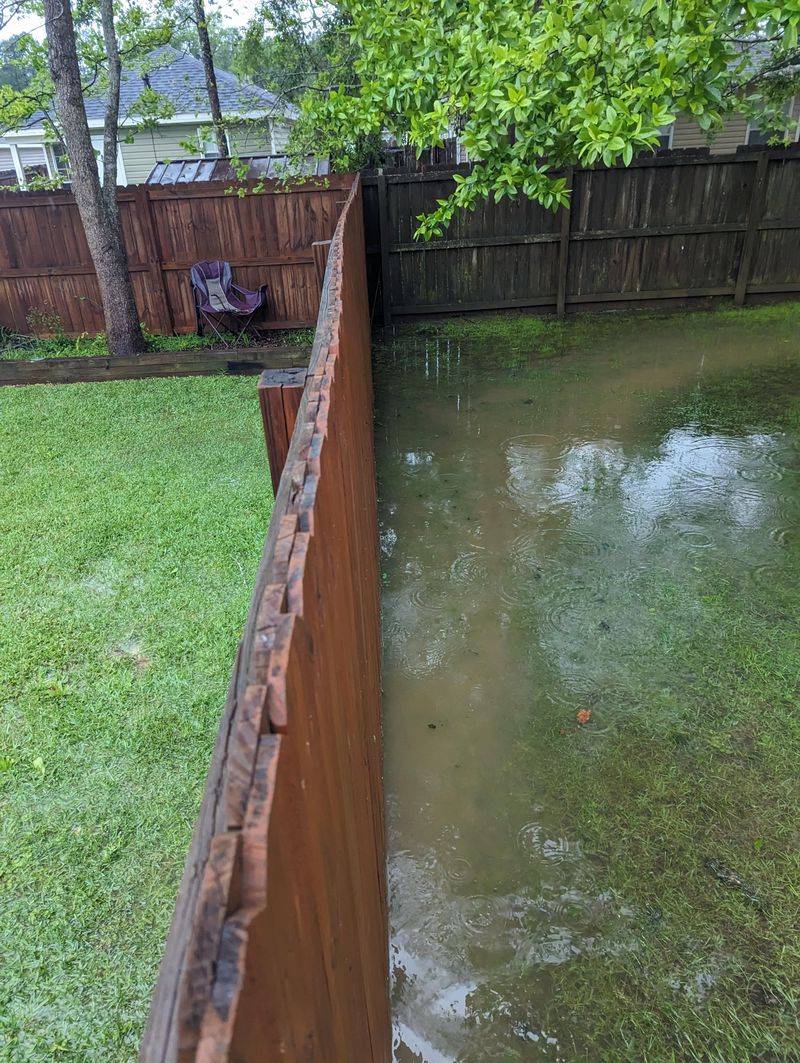
A gardener spends a Saturday carefully planning a new bed, then watches the next storm send a sheet of water straight through the middle of it.
Runoff paths, soggy pockets, roof drip lines, and erosion channels all reveal themselves during rain in ways that a dry yard never will.
Observing the yard during or right after a heavy rain is one of the most practical steps a home gardener can take before planting. Water shows you exactly where it goes.
You can see which areas drain quickly, which stay wet for hours, where soil washes, and where mulch floats toward the street. That information is far more useful than guessing based on how the yard looks on a sunny afternoon.
Rainy season in central regions brings intense afternoon storms that can drop an inch or more in under an hour. Southern regions may see extended wet periods that last for days.
Northern regions tend to have different rainfall patterns and soil types that affect how water moves through the landscape. Every yard behaves differently depending on slope, soil type, and what is nearby.
A short wait before planting can prevent expensive mistakes. Watch one or two storms move through the yard before placing new shrubs, perennials, or trees.
This helps match each plant to the moisture conditions it will actually live in. Spending a rainy afternoon observing drainage patterns is not wasted time.
It is one of the best investments a new gardener can make before putting anything in the ground.
7. Using Plants That Hate The Site’s Natural Moisture
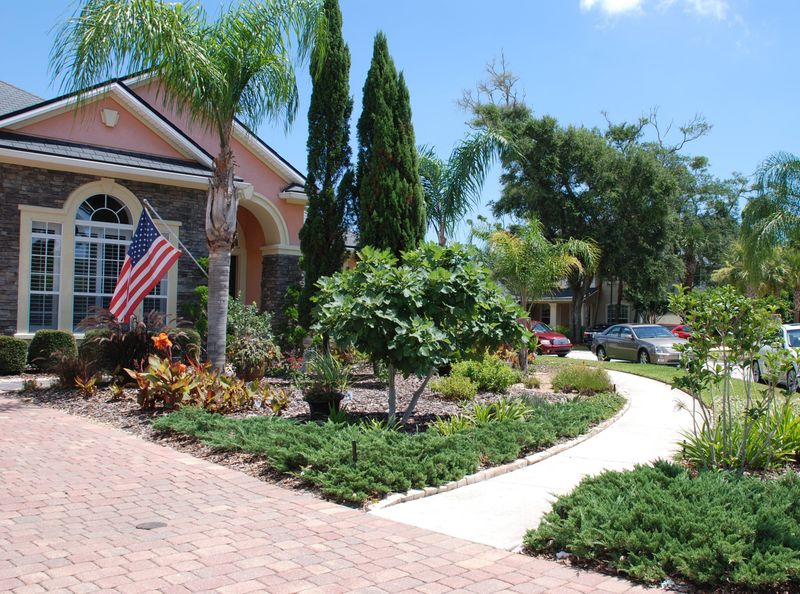
Picking a plant for its flowers or its look at the nursery is easy. Forgetting to check whether it can handle the actual moisture conditions of the planting site is a mistake that often shows up the first time a real storm rolls through.
The right plant, right place principle is a foundation of Florida-Friendly Landscaping, a program developed by UF/IFAS. It means matching a plant’s natural preferences to the conditions already present at the site, including moisture, sunlight, and soil type.
A plant suited to dry, sandy, fast-draining soil placed in a low spot that stays damp for days after rain will struggle regardless of how well it was planted.
Coastal yards often have fast-draining sandy soil and may also deal with salt spray, which narrows plant choices further. Inland low spots and compacted builder soil create very different moisture environments.
Central regions see intense summer rain, while northern regions may have heavier soils with slower drainage. Each of these conditions calls for plants that are actually suited to them.
Before buying anything, observe the site on a dry day and after a storm. Note how long water lingers, how fast the soil dries out, and whether the area sits in a natural low point or on a raised, well-drained mound.
Then search for plants whose native habitat or cultivation requirements match those real conditions. That one step prevents more plant loss than almost any other practice in the home landscape.
8. Forgetting To Redirect Roof And Gutter Runoff
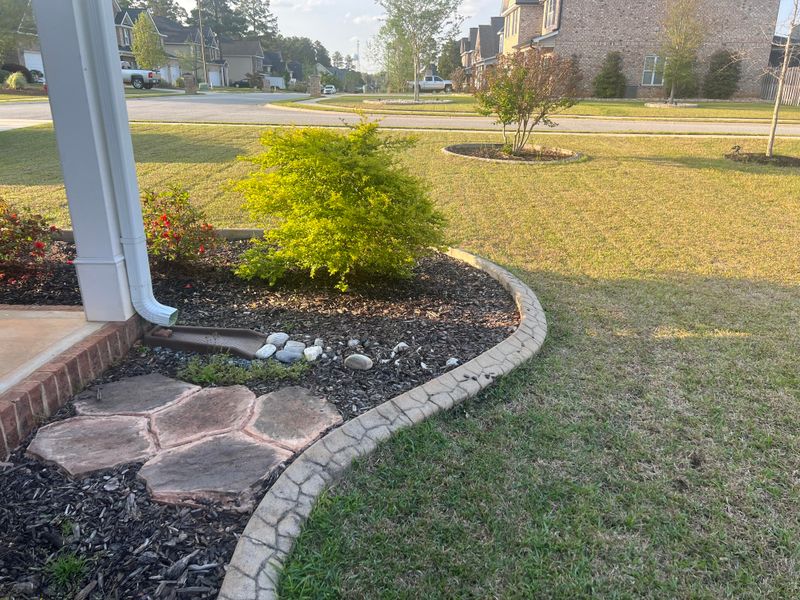
One small bed gets hammered by a waterfall while the rest of the yard drains normally. That is what happens when a downspout empties directly onto new plantings during a summer storm.
The concentrated force of water rushing off a roof is far more intense than rain falling evenly across a bed.
Roof runoff can wash soil away from root zones, expose roots that were just getting established, or keep the area so saturated that roots have no chance to access oxygen.
Hardscape edges, patios, and driveways also direct water in concentrated flows that can overwhelm small or newly planted areas during heavy rain.
Practical solutions exist and most of them are inexpensive. Extending downspouts so water discharges farther from planting beds is a simple fix.
Splash blocks placed at downspout ends help spread and slow the flow. Directing runoff toward a rain garden planted with water-tolerant native species is a longer-term option that manages stormwater while adding habitat value.
Newly planted trees, shrubs, and perennials still need regular water while they establish their root systems. The goal is not to keep them dry.
The goal is to give them steady, even moisture with good drainage and oxygen around the roots, not a concentrated blast from a downspout every afternoon.
Avoiding the drip line and directing roof runoff away from delicate new plantings is a small adjustment that makes a real difference once rainy season begins in earnest.