What It Really Means When A Hummingbird Stops Visiting Your North Carolina Garden
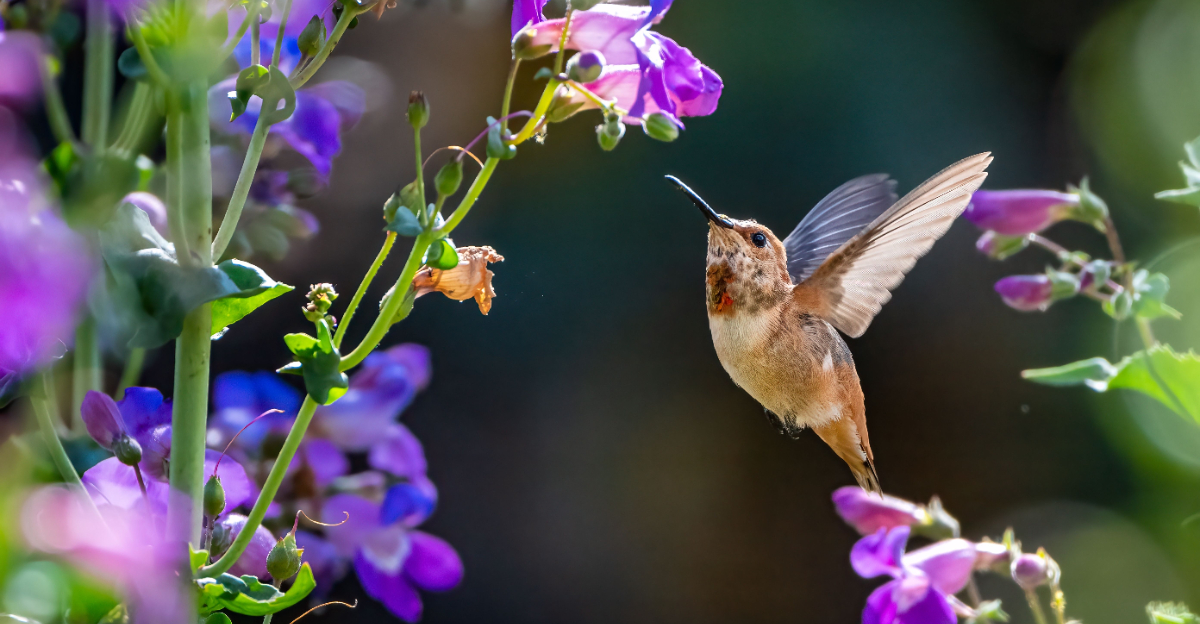
When a hummingbird shows up regularly in your North Carolina garden, it becomes one of those small daily highlights you start counting on without realizing it.
Then one morning the feeder is untouched and the familiar flash of green near the flowers is just gone.
It’s easy to assume something went wrong, but a hummingbird stopping visits usually has a specific explanation, and most of them have nothing to do with anything bad happening to the bird.
These are territorial, observant, and surprisingly particular creatures that make deliberate choices about where they spend their energy.
When those choices shift, the yard is usually sending a signal worth paying attention to. Some causes are seasonal and sort themselves out.
Others point to something in the garden that’s changed and can be adjusted. Either way, the absence of a regular visitor is more informative than it might first appear.
1. Your Garden May Have Stopped Offering What They Actually Need
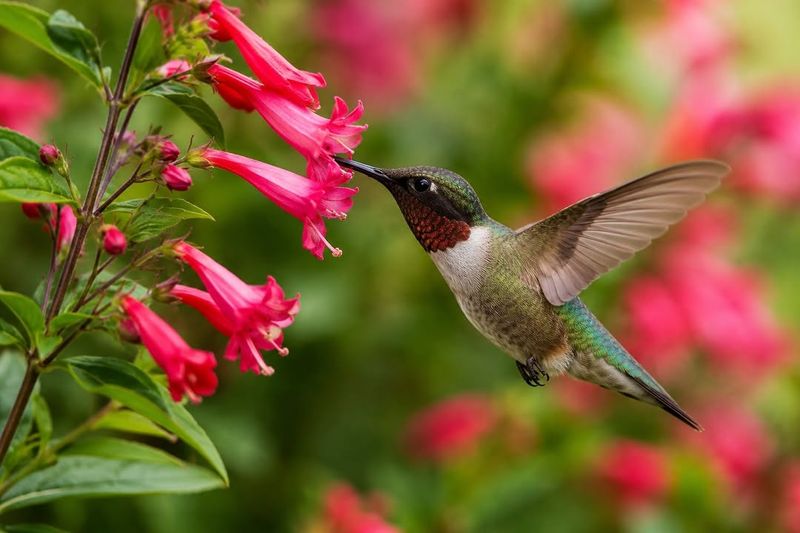
Hummingbirds are not just looking for flowers. They are running a constant energy calculation every time they visit a garden, weighing how much nectar they can collect against how much energy they burn getting it.
A garden that looked perfect in April can quietly stop meeting their needs by July, even if it still looks full and colorful to you.
Beyond nectar, hummingbirds need protein, and they get most of it from tiny insects and spiders hiding among your plants.
A garden with few insects, even one packed with blooms, offers only half the nutrition a hummingbird actually requires. That gap is often invisible to gardeners but very obvious to the birds.
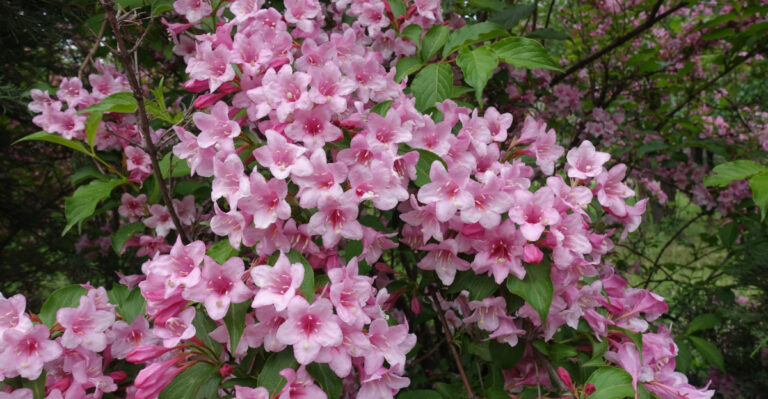
North Carolina native plants like cardinal flower, coral honeysuckle, and trumpet vine are exceptional because they produce high volumes of nectar rather than just attractive blooms.
Many hybrid garden flowers have been bred for appearance and produce very little actual nectar, making them essentially useless to a hungry hummingbird despite looking beautiful.
Reliable water also plays a bigger role than most people expect. A shallow moving water source, like a small dripper or mister, signals to hummingbirds that a garden is worth returning to.
Gardens that combine high-nectar natives, a healthy insect population, and a water feature consistently outperform gardens that only offer a feeder.
If your hummingbirds have moved on, start by honestly evaluating whether your garden is still delivering on all three fronts, not just one.
2. A Dominant Male May Be Blocking Other Birds From Your Yard
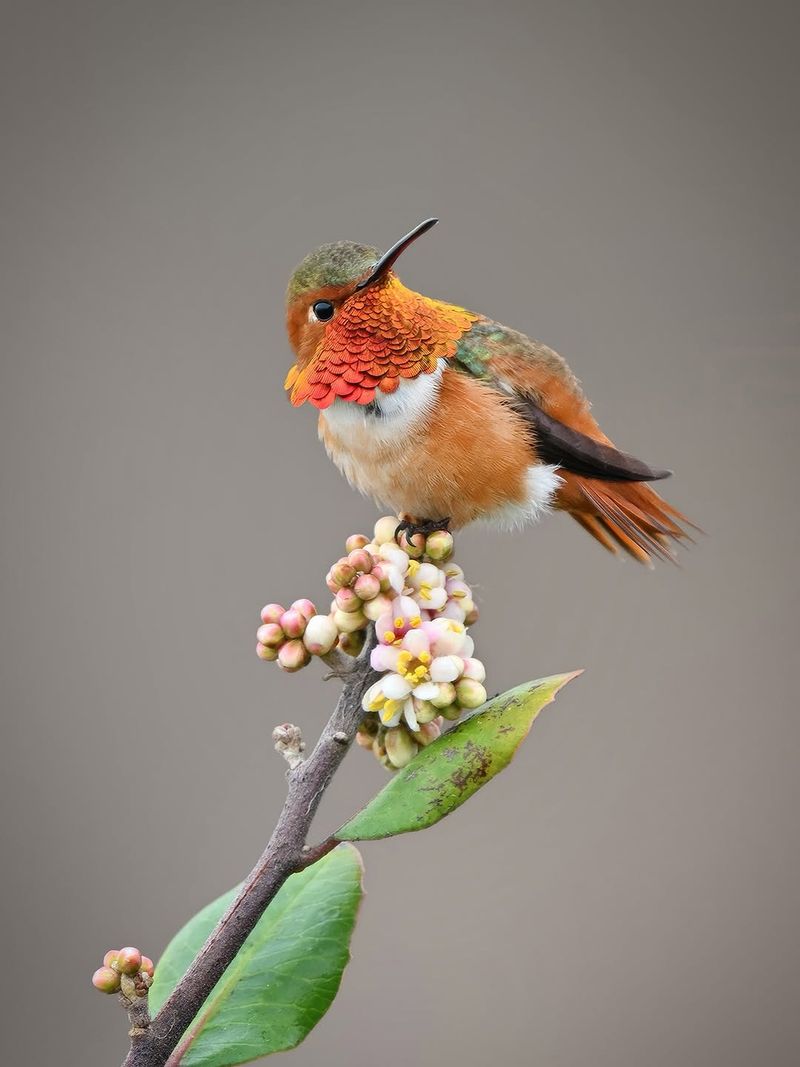
Ruby-throated hummingbirds are tiny, but their attitude is anything but small.
The males of this species, which is the primary hummingbird found across North Carolina, are fiercely territorial and will spend a surprising amount of energy chasing every other bird away from a food source they have claimed as their own.
From a distance, this behavior can look like your garden simply stopped attracting hummingbirds.
What is actually happening is that one dominant male has set up a perch nearby, probably in a tree or tall shrub with a clear view of the feeder, and is intercepting every visitor before they can land.
Your North Carolina Garden Changes Every Week. Your Plan Should Too.
Gardening in North Carolina changes quickly throughout the season. Every Friday you’ll receive a simple weekly plan showing exactly what to plant, prune, fertilize, harvest, and protect so you never miss the right timing.
Females, juveniles, and other males all get chased off repeatedly until they stop trying. Recognizing this pattern is the first step.
Watch for a single bird that arrives, feeds briefly, then perches and watches rather than leaving.
That bird is guarding, not just visiting. The good news is that this is completely solvable with a simple strategy.
Adding a second or third feeder, placed out of the sight line of the first one, breaks the territorial male’s ability to patrol everything at once.
Spreading feeders around corners of the house or behind shrubs makes it physically impossible for one bird to defend them all.
Many North Carolina gardeners who try this approach report seeing three to five birds visiting within just a few days.
Feeder quantity and smart placement can turn a one-bird standoff into a busy, active garden almost immediately.
3. The Migration Timing In NC Is More Complicated Than Most Gardeners Realize
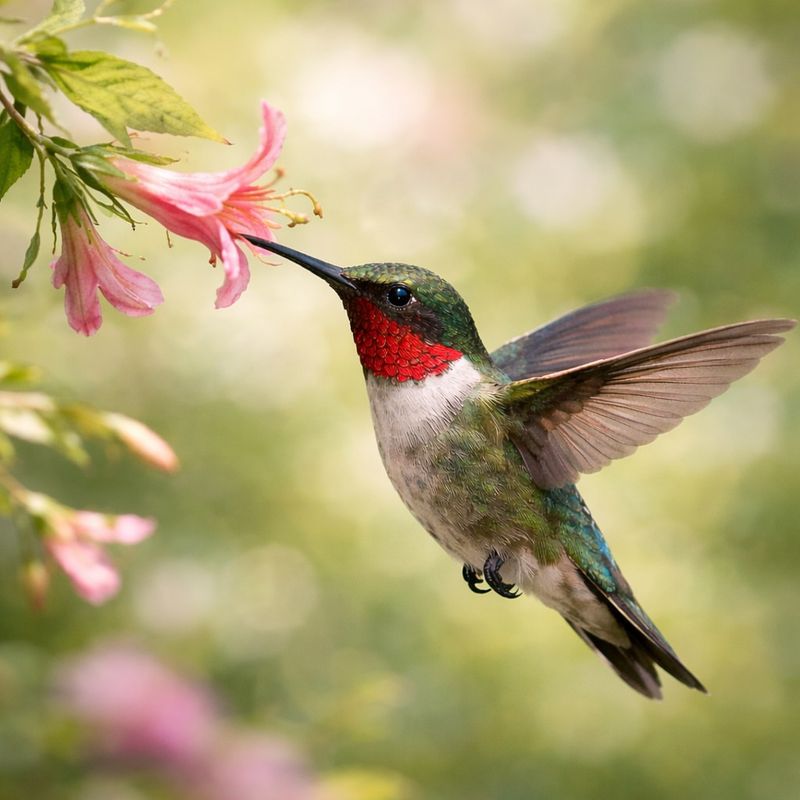
Most people think of hummingbird season as one continuous stretch from spring to fall, but the reality in North Carolina is far more layered than that.
Ruby-throated hummingbirds typically arrive in the state in mid-April, with numbers building through May as birds returning from Central America settle into their summer territories.
By late July, something shifts. Adult males begin moving south earlier than females and young birds, which means the mix of visitors in your garden starts changing even before summer ends.
The birds you see in September are often not the same individuals that were visiting in June.
North Carolina sits along an active migration corridor, and fall migration brings a fresh wave of birds passing through on their way south, sometimes in higher numbers than summer.
This is why a mid-summer slowdown can feel alarming but is often completely normal. The birds that nested nearby may have begun their journey while new travelers have not yet arrived in numbers.
Understanding this seasonal rhythm helps you read absences accurately instead of assuming something went wrong in your garden.
Keeping feeders clean and full through October is one of the most valuable things a North Carolina gardener can do.
Many people take feeders down too early, missing the fall migration window entirely.
A feeder left up through the first weeks of October, with fresh nectar changed every few days, can attract migrating birds that would otherwise pass through without stopping.
Knowing the calendar takes the mystery out of the disappearance.
4. Your Feeder Placement May Be Working Against You
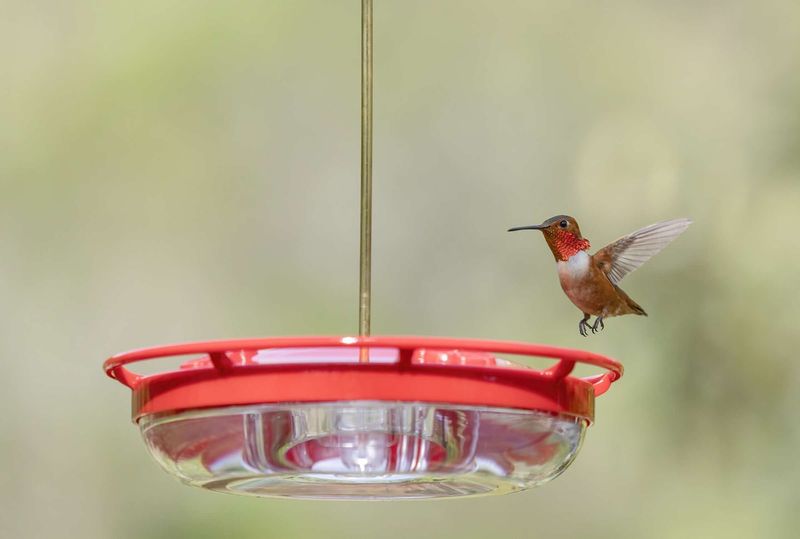
Where you hang a feeder matters far more than most gardeners give it credit for. A spot that worked beautifully in April can become a problem by July simply because the angle of the summer sun has shifted.
Direct afternoon sun heats nectar quickly, causing it to ferment faster and making it less appealing and potentially harmful to hummingbirds. Wind exposure is another factor that rarely gets mentioned.
A feeder swinging on a breezy corner of the house is harder for a hummingbird to use and feels less secure than one positioned near a windbreak of shrubs or a fence.
Hummingbirds prefer feeding in spots where they can hover comfortably without fighting air movement. Proximity to cover is equally important.
Research on hummingbird behavior consistently shows that birds prefer feeders placed within about ten to fifteen feet of trees or dense shrubs, giving them a quick escape route if a predator appears.
A feeder hung in the middle of an open yard may get ignored even when nectar is fresh and available. Human foot traffic is the final piece.
A feeder near a frequently used door or walkway will see fewer visits than one in a quieter corner of the yard.
The fix is often as simple as moving the feeder a few feet into a shadier, calmer, more sheltered spot.
Many gardeners are surprised to find that a small adjustment of even five or ten feet brings birds back within just a couple of days, proving that placement is often the real issue.
5. Pesticide Use In Or Near Your Garden Removes Their Food Supply
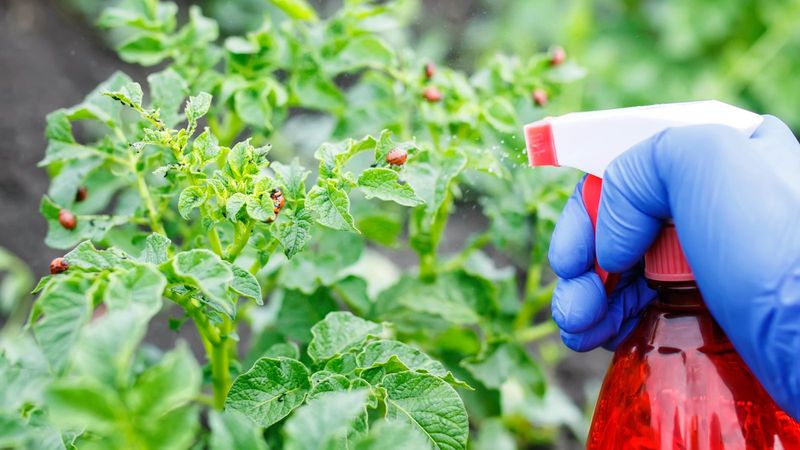
Nectar gets all the attention, but protein is just as critical to a hummingbird’s survival.
Small insects and spiders make up a significant part of their daily diet, especially during nesting season when parent birds feed protein-rich insects directly to their chicks.
A garden that eliminates its insect population through pesticide use is quietly removing half the food supply hummingbirds depend on.
The tricky part is that this effect is nearly invisible to the gardener. Insects disappear first, often within days of a spray application. The hummingbirds follow shortly after, moving to areas where foraging is more rewarding.
From the outside, it looks like the birds simply lost interest, but the real cause happened before they left.
Common lawn and garden sprays, including systemic insecticides, broad-spectrum pesticides, and even some organic options applied in large quantities, all reduce the insect diversity that makes a garden genuinely productive for hummingbirds.
Even neighboring yard treatments can drift and affect your garden’s insect population without you realizing it.
An unsprayed garden with a diverse mix of native plants consistently supports a richer insect community than a heavily managed one.
Leaving some areas slightly wild, tolerating a few aphids or caterpillars, and skipping the routine sprays creates the kind of layered habitat hummingbirds actively seek out.
Gardeners who make this shift often notice hummingbirds spending more time hovering through foliage, hunting insects, rather than just making quick stops at the feeder before moving on.
6. Heat And Drought Push Them To Shift Their Foraging Range
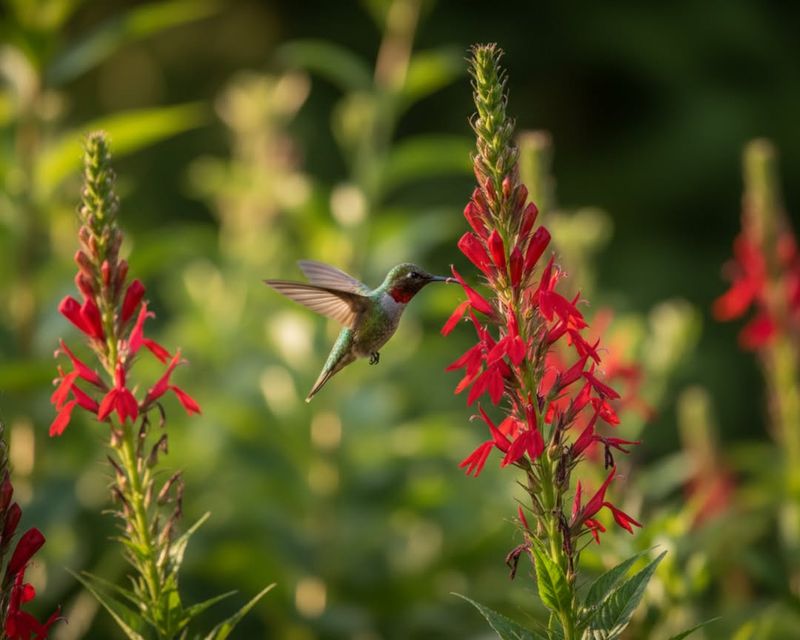
North Carolina summers can be brutal, and hummingbirds feel that heat just as much as gardeners do.
During extended hot and dry stretches, individual flowers produce less nectar, feeder nectar evaporates or ferments faster, and the birds are forced to work harder for the same amount of energy.
Their natural response is to expand their foraging territory and cover more ground. A bird that seems to have abandoned your garden during a heat wave may simply be running a wider circuit.
Instead of visiting your yard three times a day, it might be hitting six different locations once each, spreading its energy across a larger area to compensate for reduced output at any single spot.
From your perspective, the bird has vanished. From the bird’s perspective, your garden is just one stop on a longer route. This is where a reliable water source becomes a powerful anchor.
Hummingbirds are strongly attracted to moving water, particularly fine misters and shallow drippers that let them fly through a cool spray.
A mister running during the hottest part of the afternoon can hold hummingbirds in your yard even when nearby gardens offer more nectar.
Keeping feeders in the shade during summer heat and changing the nectar every two to three days prevents the fermentation that drives birds away during hot weather.
Combining fresh nectar with a mister and a few high-volume native plants gives your garden a real competitive edge during drought stretches, making it the reliable stop on the circuit rather than the one birds skip.
7. What A Sudden Disappearance Usually Means Versus A Gradual One
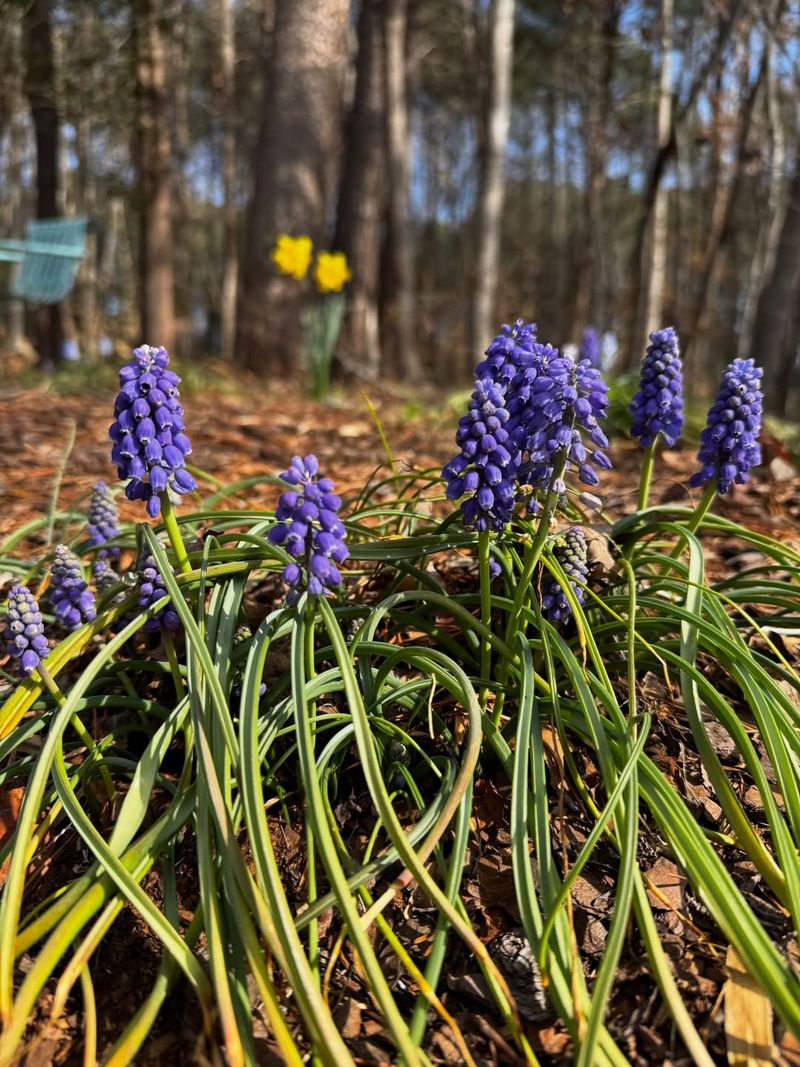
Not all hummingbird absences mean the same thing, and the pattern of how they leave tells you a lot about what is actually going on.
A sudden stop in visits, where birds were reliably coming every day and then simply stopped appearing overnight, almost always points to a specific change in the garden or feeder rather than natural behavior.
Common triggers for a sudden disappearance include spoiled nectar, a feeder that developed a leak or blockage, a new predator like a cat or hawk that has been patrolling the area, or a recent pesticide application nearby.
Checking these factors first is almost always the right move when the absence feels abrupt and unexpected. A gradual tapering off through late summer tells a completely different story.
When visits slowly decrease from daily to every few days through August and September, that pattern matches North Carolina’s natural hummingbird calendar almost perfectly.
Adult males begin leaving in late July, females and juveniles follow through August and September, and the last migrating birds pass through in October.
Reading the timing against the seasonal calendar helps you respond correctly. A sudden July disappearance deserves investigation and action. A slow August fadeout deserves patience and preparation.
For the gradual scenario, the best response is keeping feeders clean and full through October to support migrating birds passing through.
For the sudden one, a quick check of nectar freshness, feeder condition, and recent changes in the yard usually reveals the answer and gives you a clear path to bringing your birds back.