Don’t Wait Until Summer To Mulch These Georgia Garden Plants (It’ll Be Too Late)
Georgia gardeners who wait until the first heat wave to think about mulch are already behind.
Not slightly behind. Meaningfully behind, in ways that show up as wilted tomatoes, struggling blueberries, and hydrangeas that never quite recover their look from one week to the next.
The problem is not the summer. The problem is the window before summer that many gardeners treat as optional preparation time rather than the most critical period in the whole gardening calendar.
Here is a question worth asking before you read another word. Which plants in your garden right now have no mulch around them?
Because the answer to that question determines a lot about what your yard looks like in August.
The plants on this list all share one thing in common. They need mulch down before peak heat arrives, not during it, and not after something starts looking wrong.
1. Tomatoes
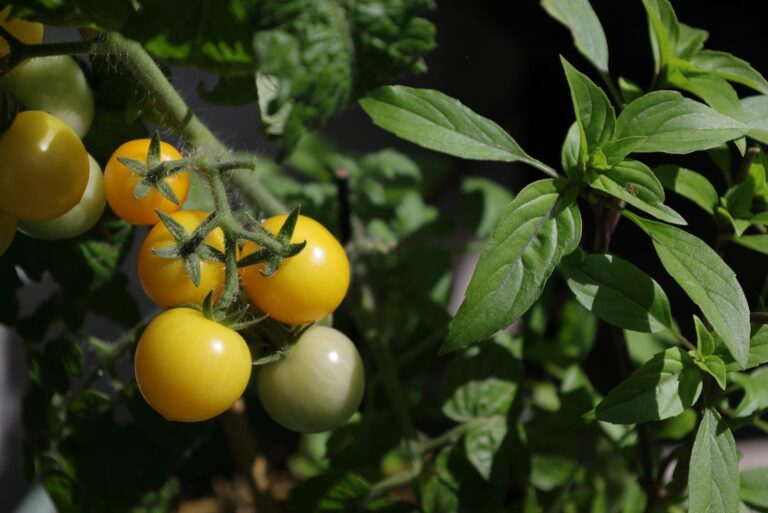
Georgia summer soil can reach temperatures above 100 degrees Fahrenheit at the surface. Tomato roots sitting in that kind of heat start to struggle fast.
Roots need consistently moist, cooler soil to keep delivering water and nutrients to the rest of the plant. Once the top few inches bake dry, tomatoes slow down noticeably. Fruit quality follows.
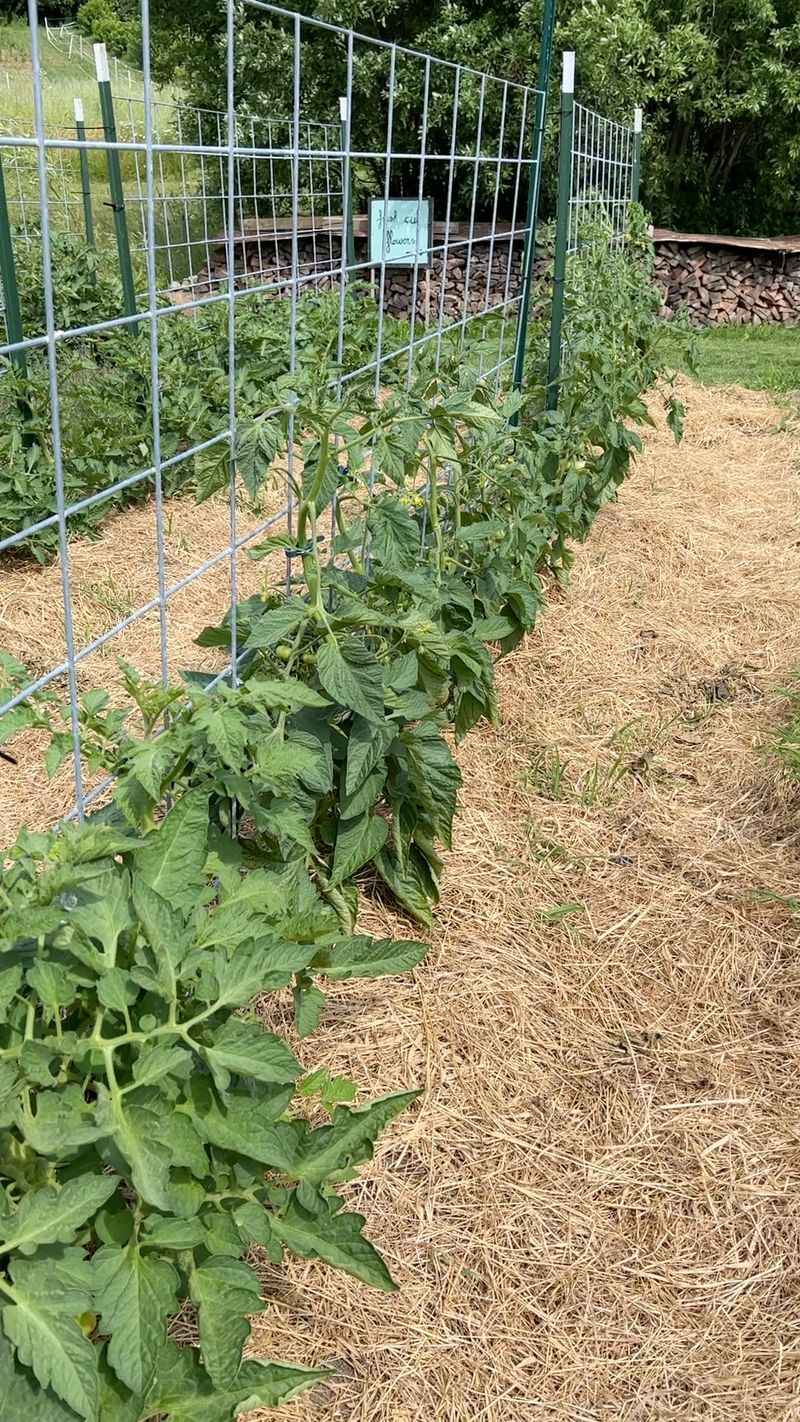
Two to three inches of organic mulch, straw or wood chips both work well, applied before peak heat arrives gives roots a meaningful buffer against that surface temperature spike.
That layer also reduces soil splash during watering and rain, which is one of the main ways soilborne diseases reach the lower leaves of tomato plants. One application handles two problems simultaneously.
Keep mulch at least two inches away from the main stem. Piling it against the stem traps moisture and creates conditions for rot. Spread it wide instead, covering the entire root zone out to the drip line.
A straw or pine straw layer also prevents the soil surface from crusting over, which helps rainwater penetrate instead of running off the bed.
Consistent soil moisture is directly connected to preventing blossom end rot, one of the most frustrating tomato problems in Georgia summer gardens.
Mulching before heat peaks is not just preventive comfort for the plant. It is active protection that pays dividends through the entire growing season.
Tomatoes will not thank you verbally. But the harvest in August will make the message fairly clear.
2. Peppers
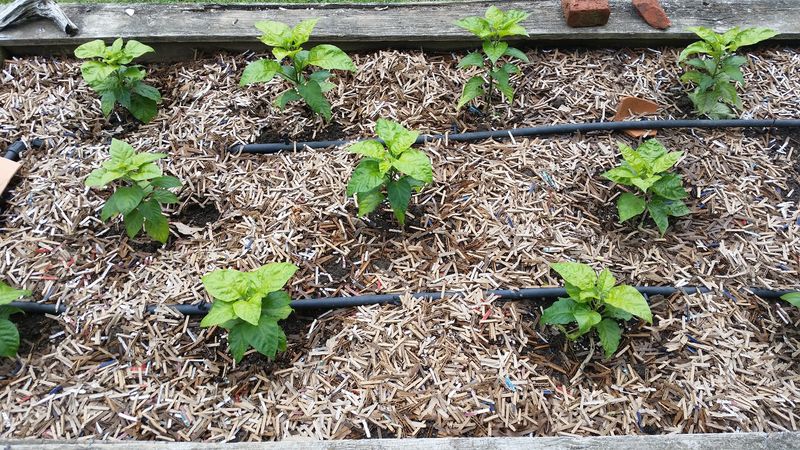
Peppers project a toughness they do not fully back up below the soil surface. Their roots grow shallow, sitting just a few inches down, which means they register every degree of summer heat almost immediately.
Once the soil dries out and temperature climbs, pepper plants redirect energy away from fruiting toward simply managing the stress. That shift shows up as flower drop, reduced yields, and plants that look present but are not producing.
The timing advantage is acting before fruiting ramps up. Getting two to three inches of mulch around pepper plants while the soil still holds spring moisture locks that moisture in before heat pulls it out.
Stress during the flowering and early fruiting stage directly reduces yields in ways that cannot be recovered later in the season.
Your Georgia Garden Changes Every Week. Your Plan Should Too.
Gardening in Georgia changes quickly throughout the season. Every Friday you’ll receive a simple weekly plan showing exactly what to plant, prune, fertilize, harvest, and protect so you never miss the right timing.
Straw, shredded leaves, or wood chips all suit peppers well. Avoid heavy, dense materials that stay too wet and create root problems. Light, airy mulch with some airflow is the better fit for these plants.
Pull mulch back slightly from the main stem, just an inch or two, so air can move around the base. Then spread it generously across the whole bed.
Raised bed pepper growers benefit especially from early mulching since raised beds dry out faster than in-ground plots to begin with.
Peppers in a mulched bed stay productive. Peppers in bare soil spend summer doing the botanical equivalent of running on empty.
3. Blueberries
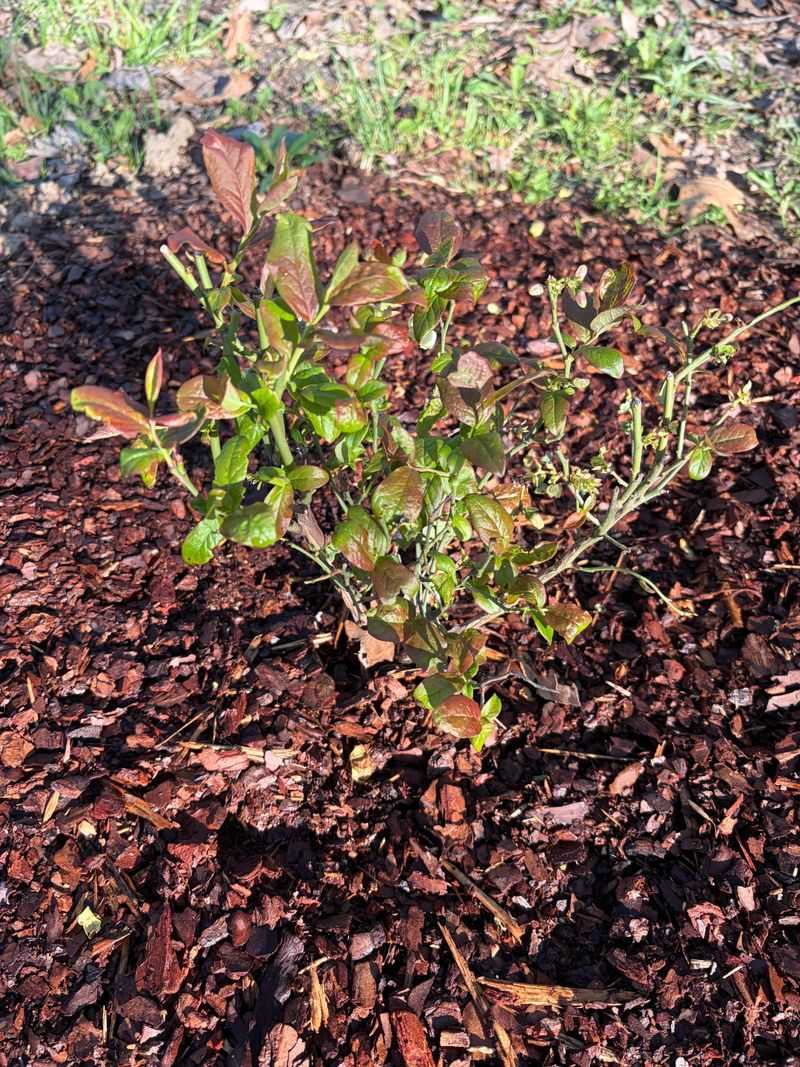
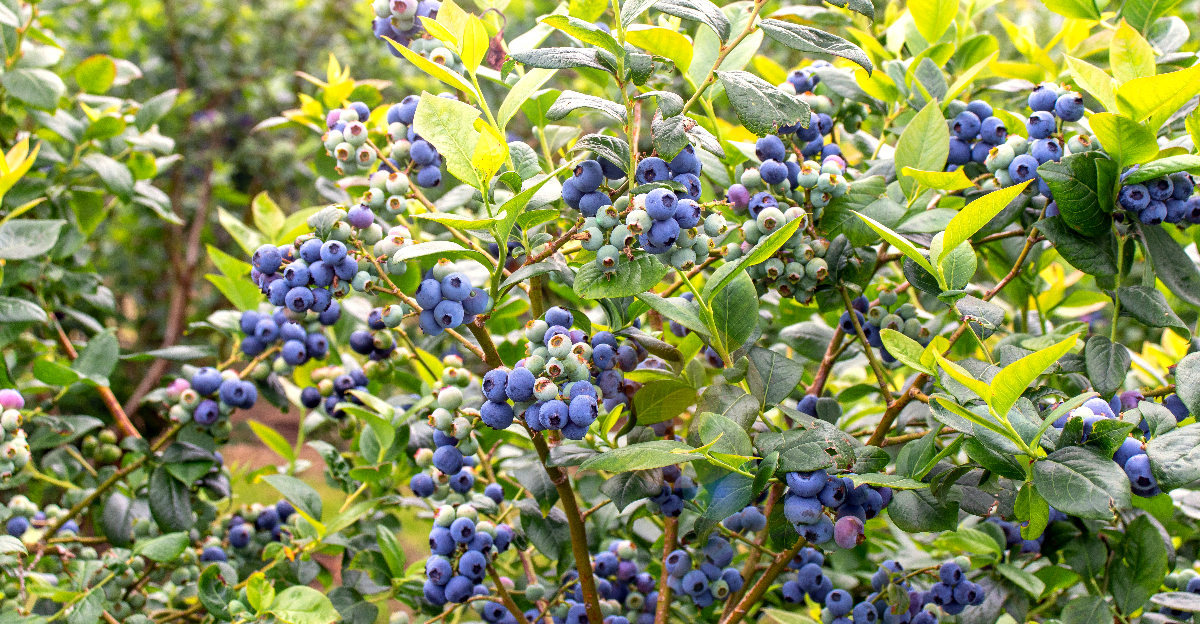
Blueberries have some of the most delicate root systems of any fruit plant in a Georgia garden.
The roots are fine, fibrous, and extremely shallow, spreading just a few inches below the soil surface. When summer heat bakes the top layer of soil, those roots feel the change almost immediately.
Stressed roots translate directly to stressed fruit production, and the timing of that stress often lands right when the crop should be at its peak.
Pine bark or pine straw is the recommended mulch for blueberries, and the reason goes beyond moisture retention. Blueberries require acidic soil with a pH between 4.5 and 5.5.
Pine bark and pine straw contribute to maintaining that environment as they break down over time. Using the wrong mulch material can gradually shift pH in the wrong direction, creating nutrient availability problems that show up as yellowing leaves and poor fruiting seasons.
Apply three to four inches around each bush, keeping the material a few inches back from the main canes.
Spread it wide. Blueberry roots extend two to three feet from the plant base, so a generous ring protects considerably more of the active root zone than a tight circle.
Mulched blueberry plants consistently outperform unmulched ones in yield and overall plant health through Georgia summers.
Refreshing the mulch layer before temperatures climb past 90 degrees sets the bushes up for a productive season.
Pine straw under a blueberry is not just mulch. It is a soil chemistry investment that pays interest in fruit.
4. Hydrangeas
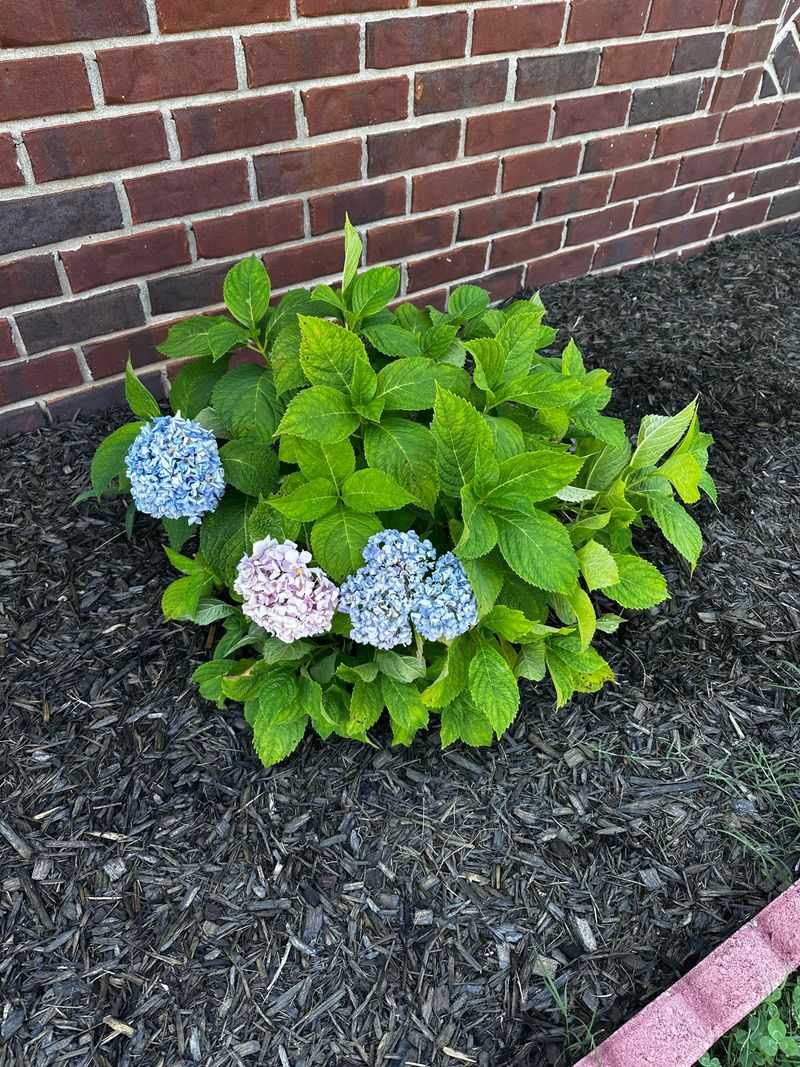
Few plants make a more dramatic statement in a Georgia garden than hydrangeas. Few plants also wilt as dramatically when afternoon heat arrives without adequate soil moisture underneath.
Hydrangeas have shallow, thirsty root systems that depend on consistent moisture to keep large blooms looking lush.
Without a mulch layer acting as a buffer, the soil dries out quickly and the visual consequences are immediate and hard to reverse mid-season.
Refreshing the mulch before heat builds is the practical solution. Two to three inches of shredded wood mulch or pine bark around the base of each plant slows evaporation significantly.
Bigleaf hydrangeas, the most common variety in Georgia landscapes, are particularly sensitive to heat and drought stress.
When roots get too hot and dry, the plant responds by dropping flowers early. The damage can extend further. Next season’s flower buds form on the current season’s growth, so stress this summer affects next summer’s blooms too.
Spread mulch out to the drip line of the plant. Keep it away from the crown where stems meet the soil. A consistent mulch layer can reduce watering frequency significantly during peak summer months.
That is a meaningful return for an afternoon of garden work.
Hydrangeas are not high-maintenance plants. They are moisture-maintenance plants. Mulch handles that maintenance so you do not have to.
5. Azaleas
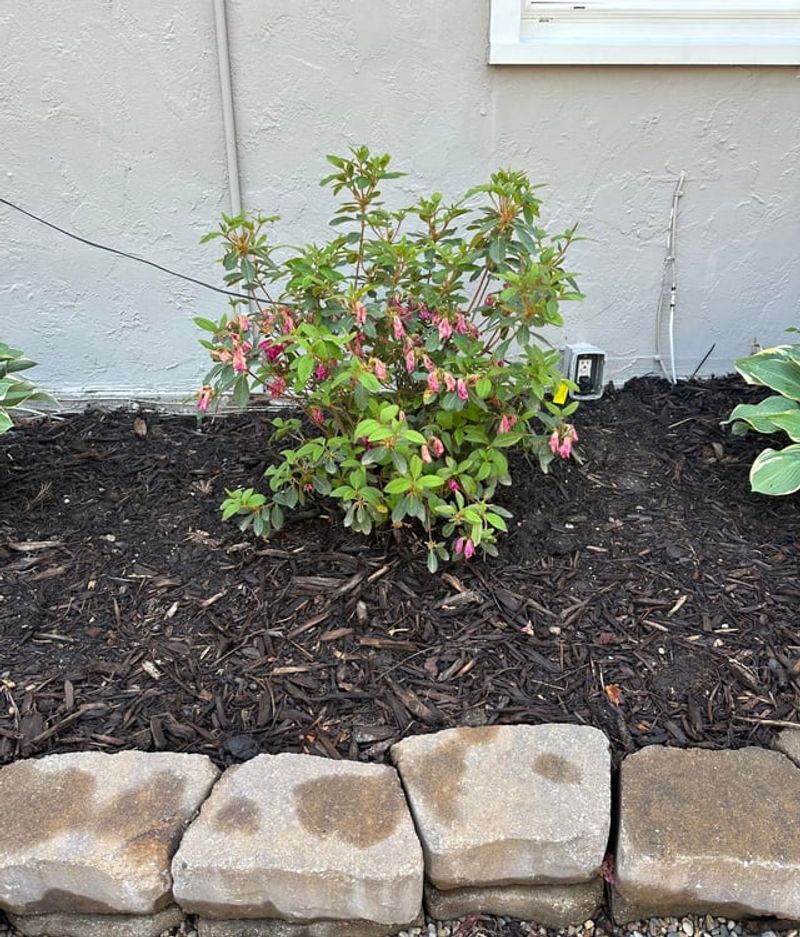
Azaleas are one of Georgia spring’s signature sights, but that beauty rests on a surprisingly fragile foundation.
These shrubs have some of the shallowest root systems in any residential landscape, sitting just beneath the soil surface and spreading wide rather than deep.
That growth pattern makes establishment easy but creates real vulnerability once summer heat arrives and surface soil moisture evaporates quickly.
Pine straw is the traditional choice for azaleas, and the reasons are practical. It breaks down slowly, allows good airflow through the bed, and supports the slightly acidic soil conditions that azaleas genuinely require.
Two to three inches applied before temperatures climb protects the root zone and reduces dependence on supplemental watering through dry summer stretches.
Timing matters here in a specific way. Once peak heat locks in, soil beneath bare beds can heat up and dry out within days of rain.
Roots stressed from recent transplanting or pruning are especially vulnerable during that window and recover slowly.
One application mistake worth avoiding is volcano mulching. Heaping mulch in a cone shape against the stem traps moisture against the bark and creates conditions for rot and pest problems.
Keep a clear gap of two to three inches between the mulch and the base of the plant.
Proper mulch application around azaleas meaningfully improves plant resilience through summer stress periods across the Southeast.
Azaleas put on a spectacular show in spring. The mulch you apply now is what makes the encore possible next year.
6. Herbs
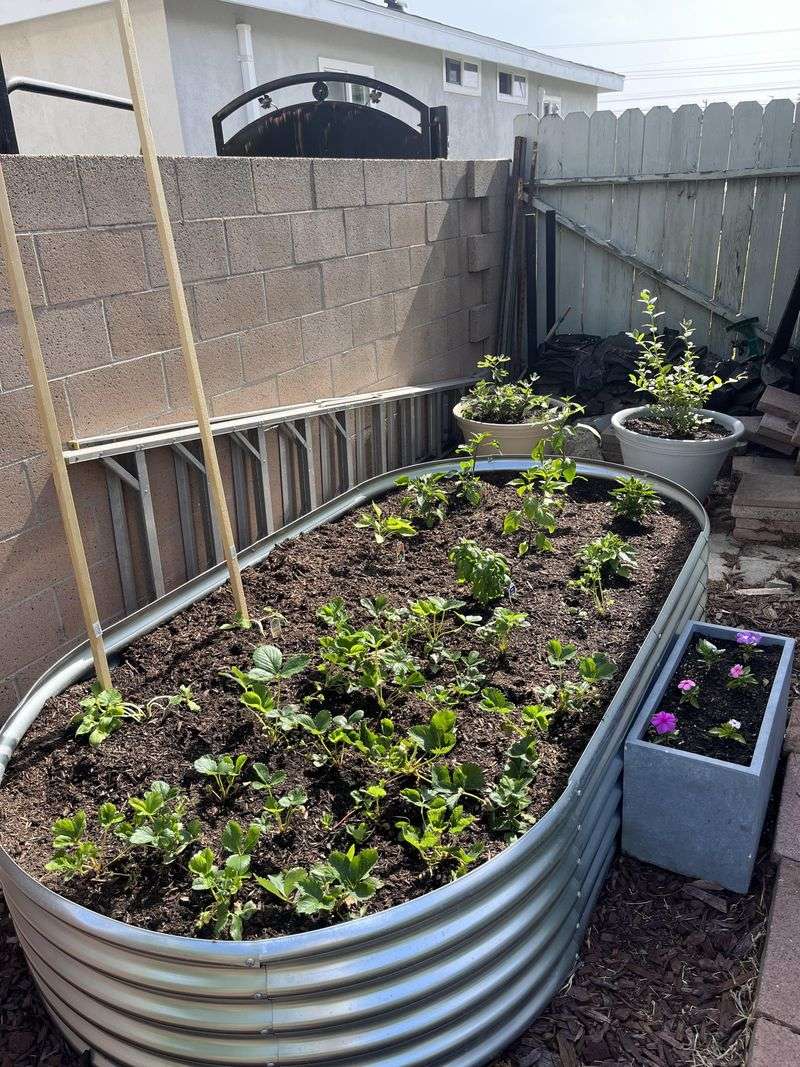
Herb beds can go from lush to struggling faster than almost any other part of a Georgia garden once summer heat builds.
Basil is the most well-known example, notorious for bolting and losing flavor quickly when soil temperatures spike and moisture becomes erratic.
Parsley, oregano, and mint face similar challenges. Their roots prefer steady, evenly moist conditions rather than the cycle of wet and bone-dry that bare summer soil delivers.
A thin layer of mulch, one to two inches for most herbs, makes a noticeable and immediate difference in how well those beds hold up.
Going too thick creates problems for Mediterranean varieties like oregano and thyme, which prefer good drainage and airflow around their base. Light straw or shredded leaves keep the surface protected without smothering the plants.
Basil deserves a separate note. It loves warmth but performs poorly when moisture becomes inconsistent.
A light mulch layer around basil keeps the root zone cool enough to reduce stress while still letting the bed warm adequately during the day. That balance is exactly what extends its productive season.
Mulched herb beds stay productive and flavorful longer into summer because soil temperature and moisture swings are reduced throughout the season.
Getting mulch down before the soil starts baking means more fresh basil for caprese, more oregano for pasta sauce, and less time replacing plants that bolted before their time.
Herbs are not asking for much. Just consistent moisture and a little shade for their feet.
7. Young Perennials
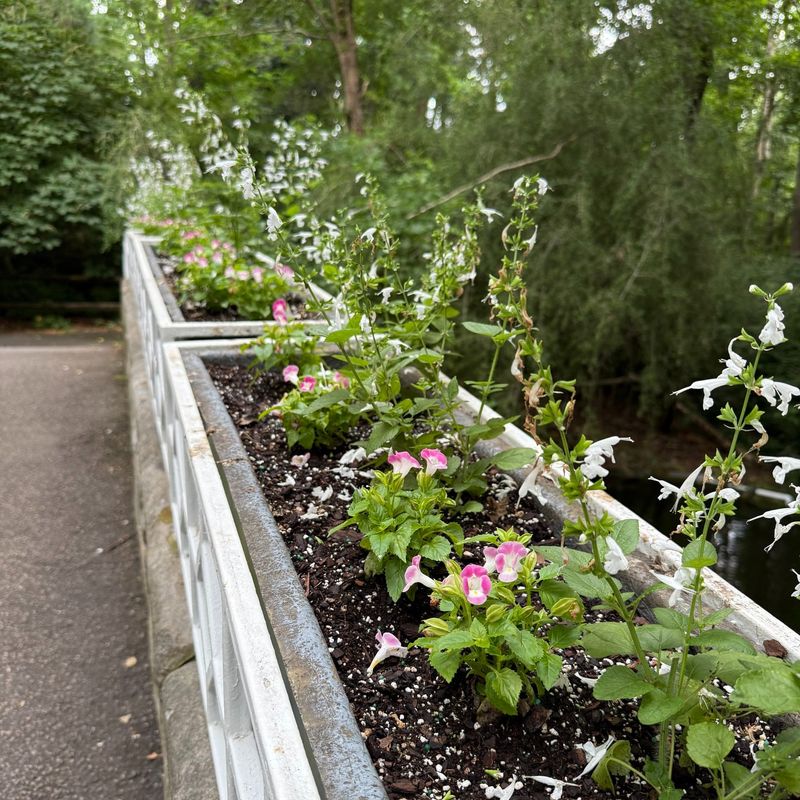
Young perennials planted this spring are at their most exposed right now. They have not had a full season to develop strong, deep root systems.
The roots are small, close to the surface, and not yet equipped to handle the stress of a Georgia summer.
Soil temperatures climbing past 85 degrees Fahrenheit at the root zone can slow root development significantly at exactly the moment these plants need to be building strength.
Two to three inches of mulch applied now creates a buffer between the hot air above and the developing roots below.
Shredded wood mulch, pine bark, and shredded leaves all work well for perennial beds. The goal is cooler, more consistent soil temperature so roots can keep growing as air temperature rises.
Mulch also gives young perennials a meaningful advantage against weeds. Bare soil around new plants invites competition for moisture and nutrients. A solid mulch layer suppresses most weed germination without any ongoing effort required.
A consistent mulch layer can lower soil temperatures by up to ten degrees compared to bare soil in summer conditions. For roots that are still finding their footing, that difference is not trivial.
Mulched perennial beds also need less supplemental irrigation and show better establishment rates through the first growing season.
Young perennials planted in spring are making a long-term commitment to your garden. A layer of mulch is the least you can do to honor that arrangement.
8. Roses
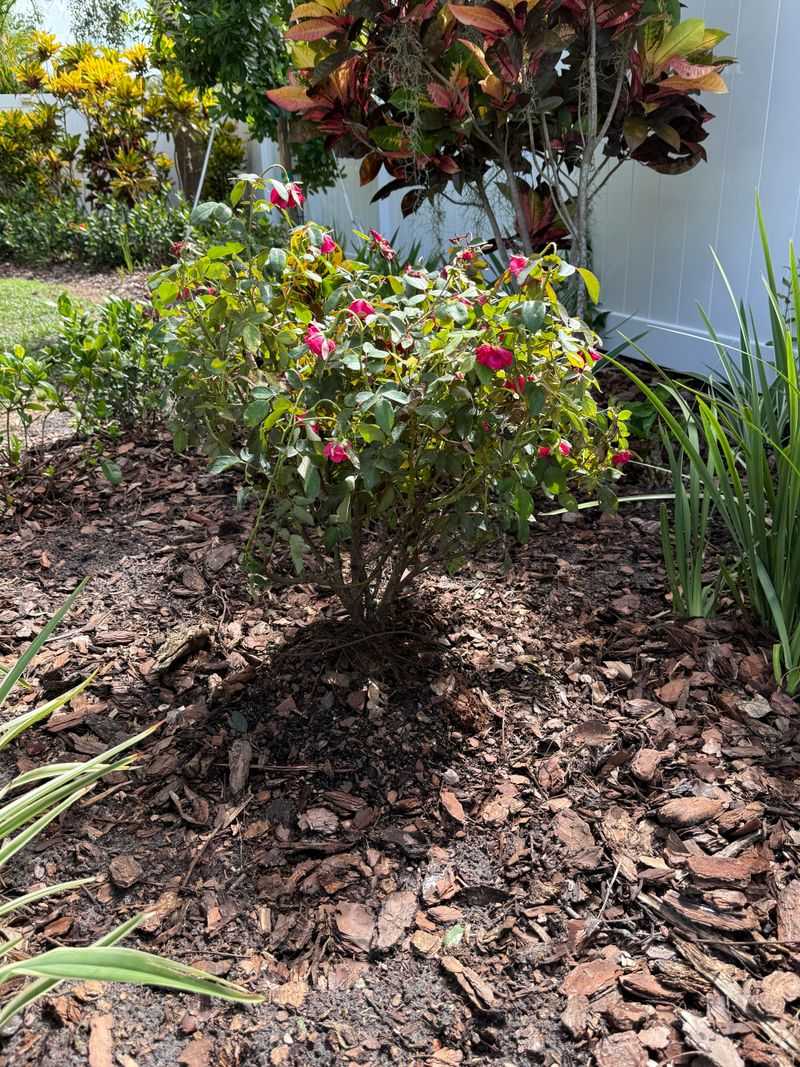
Roses in Georgia have a reputation for being demanding, and summer heat is the main reason why. The root zone of a rose plant is surprisingly sensitive to temperature fluctuations.
When surface soil heats up and dries out rapidly, the plant responds by redirecting energy away from bloom production toward basic survival management.
The result shows up as fewer flowers, smaller blooms, and foliage that looks stressed well before midsummer.
Two to three inches of shredded wood mulch or pine bark around the base of each plant creates a meaningful buffer against that cycle.
The soil underneath stays cooler, loses moisture more slowly, and recovers more quickly between waterings. That stability is what keeps roses blooming consistently through Georgia’s long warm season rather than flushing once and then struggling.
Keep mulch pulled back two to three inches from the main canes. Moisture sitting against the base of a rose plant invites fungal problems and crown rot, both of which are common in Georgia’s humid summers.
Spread mulch wide rather than deep around the base. A generous ring covering the full root zone does more than a thick pile concentrated near the stem.
Roses also benefit from mulch as a disease management tool. Reducing soil splash during watering limits the spread of black spot and other fungal issues that travel from soil to foliage.
Georgia roses are capable of impressive summer performance. Mulch applied before peak heat is one of the most direct ways to make that performance happen consistently rather than occasionally.