The One Thing North Carolina Crape Myrtles Need After First Bloom Or You Lose The Second Flush
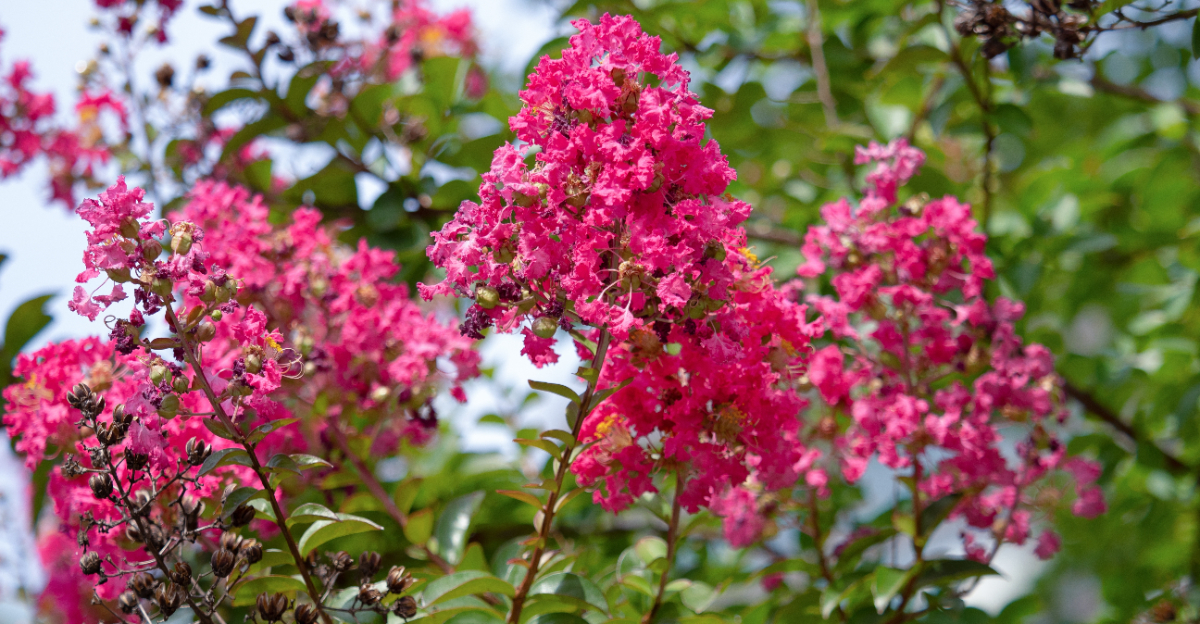
That first wave of crape myrtle color is one of the genuine highlights of a North Carolina summer, and most gardeners enjoy it thoroughly and then move on to other things while the tree quietly decides what comes next.
What comes next depends almost entirely on one action taken immediately after those first blooms fade.
Crape myrtles are capable of producing a second and sometimes third flush of flowers through the season, but that outcome isn’t automatic.
The plant needs a specific signal to redirect its energy toward new growth and new buds rather than putting resources into seed production.
Miss the window right after first bloom and the tree obliges with a long stretch of green and not much else until fall.
Catch it at the right moment and the color keeps coming in waves that make a North Carolina summer feel longer and more generous than it actually is.
1. Remove Spent Flower Clusters Soon After They Fade
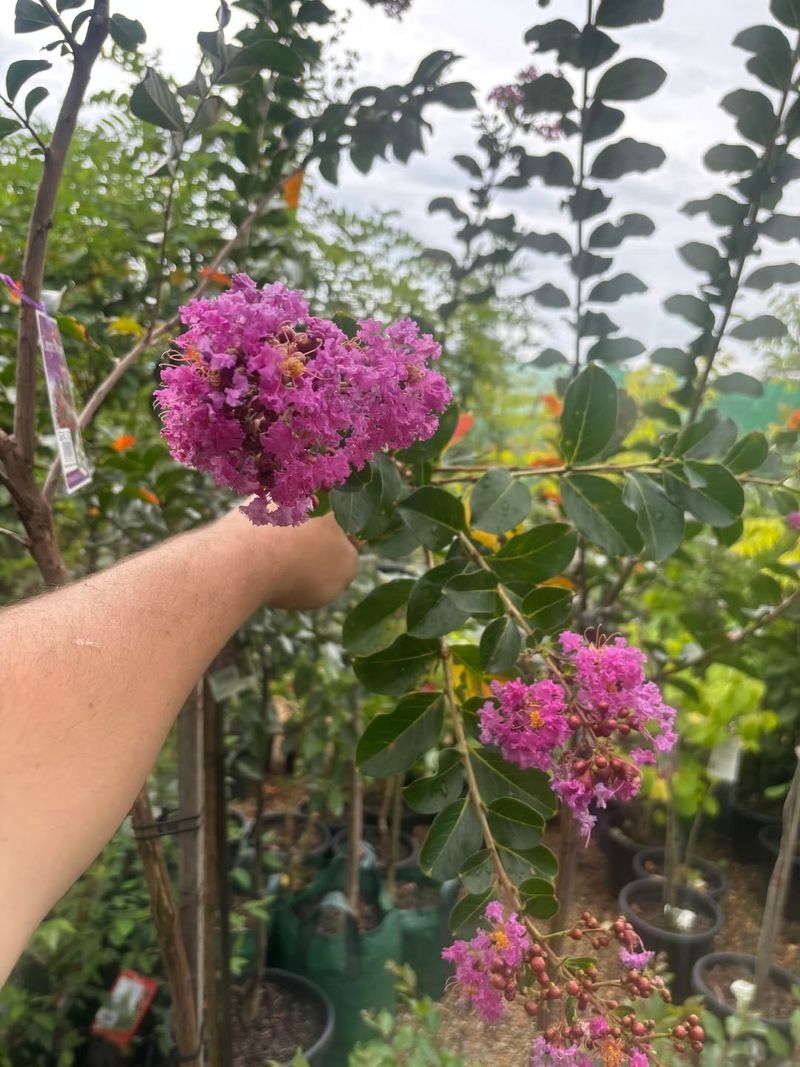
Most gardeners admire their crape myrtles during peak bloom and then walk away, assuming the tree will take care of itself. That hands-off approach is exactly what costs you a second flush of flowers.
Removing spent blooms, a practice called deadheading, is one of the most impactful things you can do right after the first bloom cycle ends.
When a crape myrtle finishes blooming, it naturally begins shifting its energy toward producing seeds inside those faded flower clusters. That seed-making process pulls significant resources away from new growth.
By snipping off those spent clusters before seeds fully develop, you redirect that energy back into the tree, giving it the fuel it needs to push out fresh shoots and potentially a whole new round of blooms.
North Carolina summers are long and warm, which works in your favor. The growing season gives crape myrtles plenty of time to recover and rebloom if you act quickly.
Waiting too long allows seeds to mature, and once that happens, the tree has already committed its resources.
A few minutes with a pair of clean pruning shears right after petals drop can genuinely change what your yard looks like come August. Timing is everything, and acting early pays off beautifully.
2. Crape Myrtles Bloom On New Growth
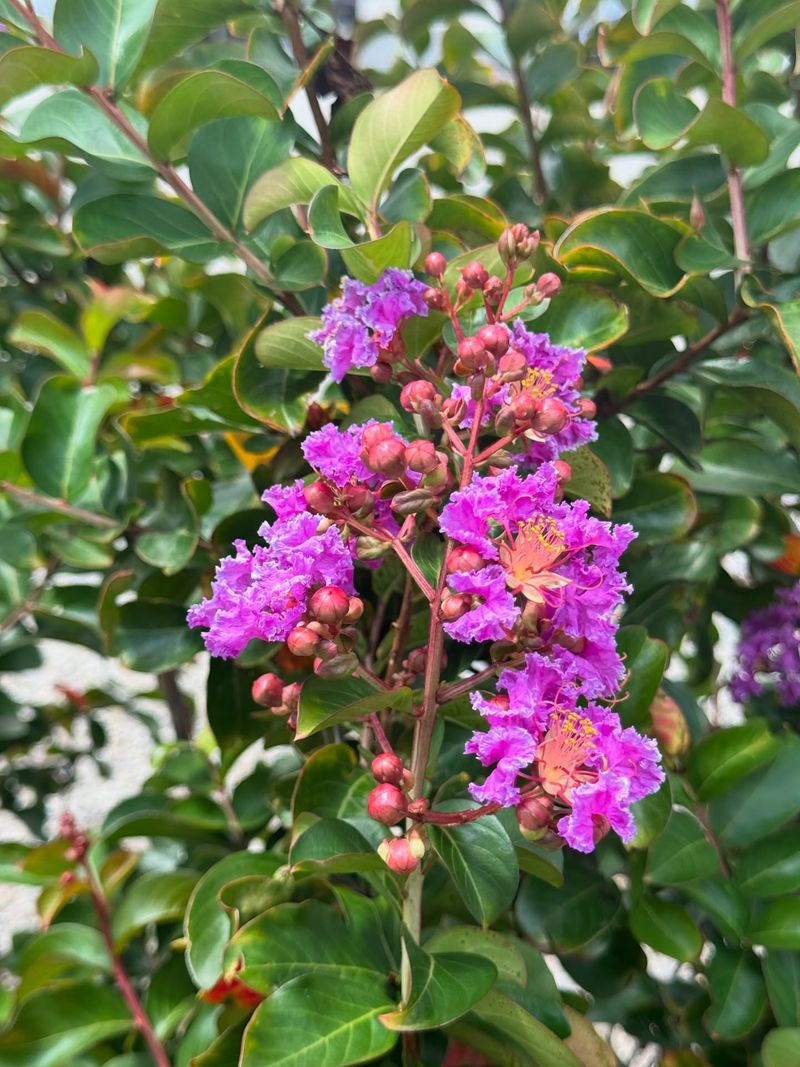
Here is a gardening fact that changes everything: crape myrtles produce their flowers on new growth, not on old wood. That single detail explains why deadheading works so well as a strategy for encouraging a second flush.
When you remove a spent flower head, you are essentially signaling the tree to push out fresh, new shoots from the nodes just below the cut.
Those new shoots are where the magic happens. As they develop and mature over the following weeks, they carry the potential to form brand-new flower buds.
In North Carolina, where summers stretch well into September, that window of time is often more than enough for those new shoots to grow strong and produce another round of colorful blooms.
Think of it like a relay race. The first bloom passes the baton, and if you remove it at the right moment, the tree picks up speed and runs another lap.
Your North Carolina Garden Changes Every Week. Your Plan Should Too.
Gardening in North Carolina changes quickly throughout the season. Every Friday you’ll receive a simple weekly plan showing exactly what to plant, prune, fertilize, harvest, and protect so you never miss the right timing.
Crape myrtles are naturally vigorous growers, especially during the warm months, so they respond well to this kind of encouragement.
Understanding that flowers form on fresh wood rather than old branches helps you see deadheading not as a chore but as a smart partnership with the tree.
You give it a nudge, and it rewards you with more color than you expected.
3. Timing Matters More Than Heavy Pruning
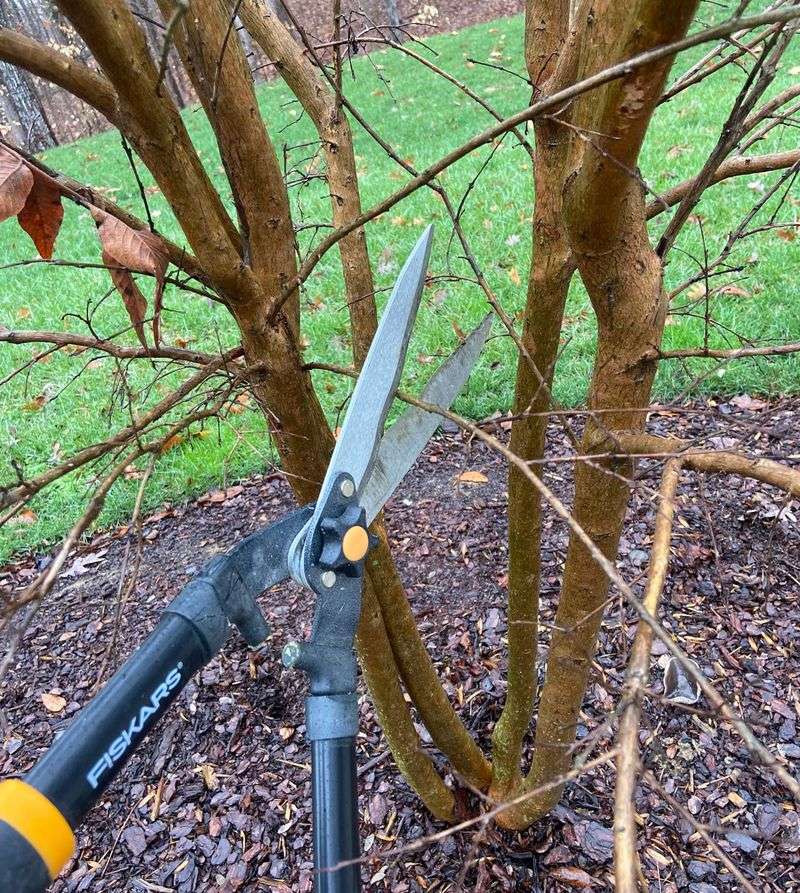
Grabbing your pruning shears at the right moment makes a far bigger difference than how aggressively you cut. With crape myrtles, the window right after the first flush fades is golden.
In North Carolina, that typically falls somewhere between late June and mid-July, though it can shift a week or two depending on your specific cultivar and where you live in the state.
Mountains and Piedmont regions often see slightly cooler temperatures that push bloom timing a little later compared to the coastal plain. Paying attention to your own tree, rather than following a fixed calendar date, is the smartest approach.
When you notice the flower clusters turning brown and dry, that is your signal to act. Waiting even a week or two longer allows seed development to accelerate, which reduces the tree’s motivation to rebloom.
The good news is that you do not need to do anything drastic. Light, well-timed removal of spent flower heads is far more effective than heavy cutting.
Crape myrtles are forgiving trees, but they respond best when you work with their natural rhythm rather than against it. Gardeners who stay observant and move quickly after the first bloom consistently get the most impressive second flushes.
Mark your calendar, keep your shears clean, and watch your tree respond with fresh growth and new color.
4. Cut Only The Spent Flower Heads
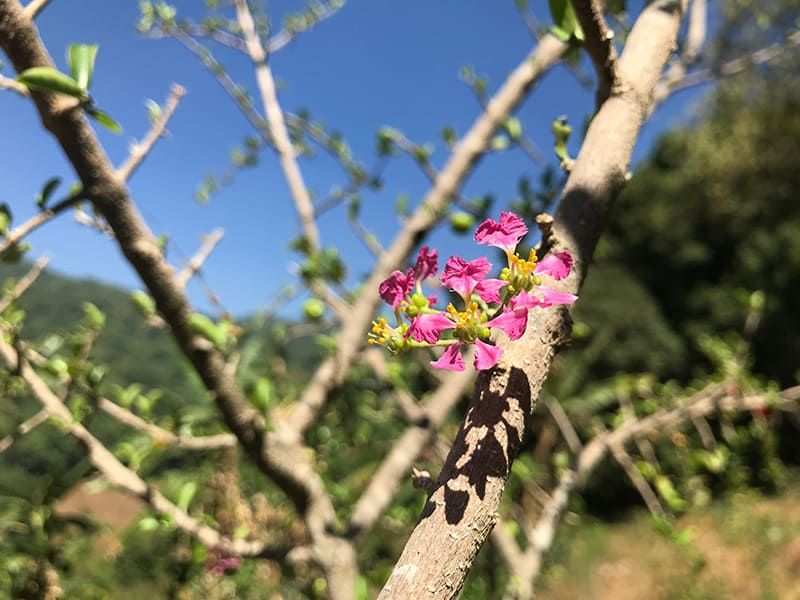
Precision matters when you are deadheading crape myrtles. The goal is simple: remove only the faded flower cluster at the very tip of the branch, and leave everything else alone.
Cutting deeply into healthy green wood does not help the tree rebloom faster. In fact, it can slow things down by removing the nodes where new shoots would naturally emerge.
A clean cut just below the spent flower head, right above the nearest set of healthy leaves or a visible bud, is all you need. Bypass pruning shears work best for this job because they make a clean, precise cut without crushing the stem.
Anvil-style pruners can sometimes bruise plant tissue, so if you have both types, reach for the bypass shears every time. Keeping your tools sharp and clean also reduces the risk of spreading any plant disease from branch to branch.
For taller crape myrtles where the spent blooms are out of easy reach, a pair of long-handled pruning loppers or even a pole pruner can help you work safely without climbing.
You do not need to remove every single cluster to see results, but the more you remove promptly, the better your chances of a strong rebloom.
Think of it as a targeted, surgical approach. Small, careful cuts in the right places make a noticeable difference by the end of summer.
5. It Helps Reduce Seed Production
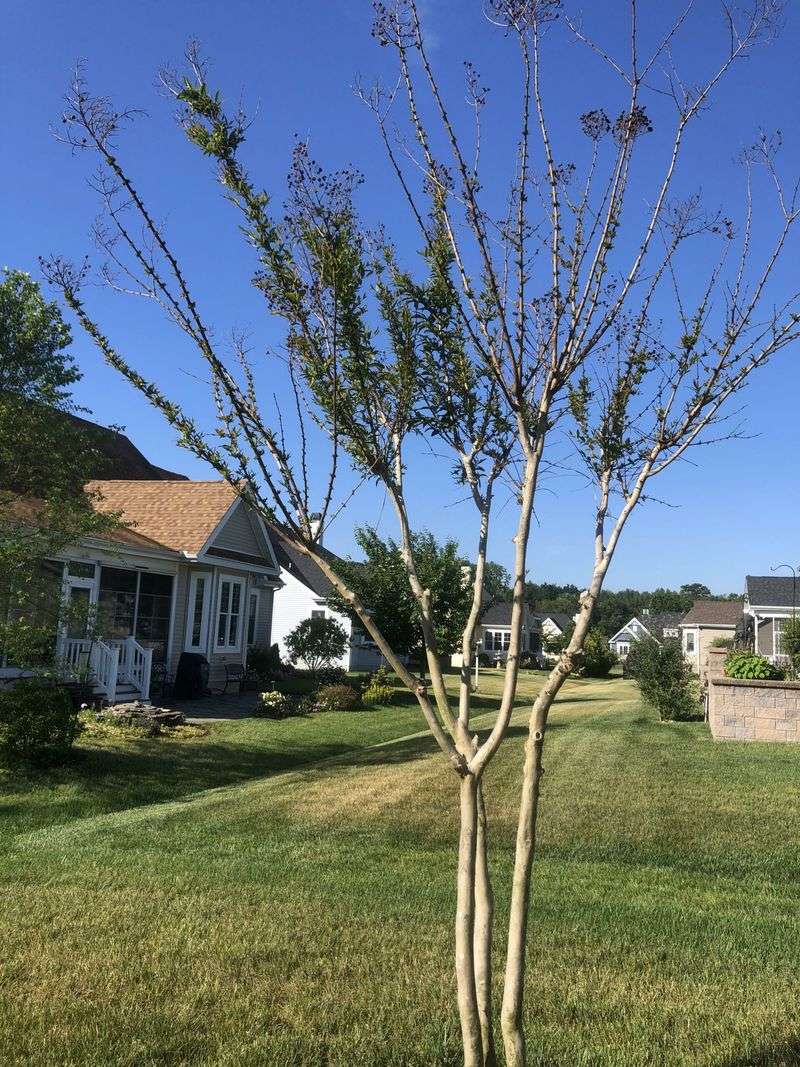
After a crape myrtle finishes flowering, its biology shifts almost immediately toward reproduction. The tree begins forming seed pods inside those faded flower clusters, and that process is surprisingly resource-intensive.
A crape myrtle putting serious energy into seed production has less to invest in pushing out new vegetative growth and potential flower buds. Removing spent blooms before seed pods mature interrupts that cycle in a helpful way.
The tree essentially has to redirect its resources, and when you pair that interruption with warm temperatures and good growing conditions, new shoots tend to emerge fairly quickly.
It is worth noting that crape myrtles are not obligated to rebloom just because you deadhead them. However, reducing seed production definitely improves the odds and often leads to a more noticeable second flush compared to trees that are left untouched.
Some gardeners worry about removing seed pods that birds might use for food later in the season. That is a fair consideration, but the small seeds inside crape myrtle pods are not a significant food source for most bird species.
The trade-off between supporting wildlife and encouraging rebloom is minimal. Your tree will still produce some seeds even with regular deadheading, especially on branches you cannot easily reach.
Focusing on the most accessible clusters gives you real benefits without requiring you to be perfectly thorough every single time.
6. New Side Shoots Often Form Below The Cut
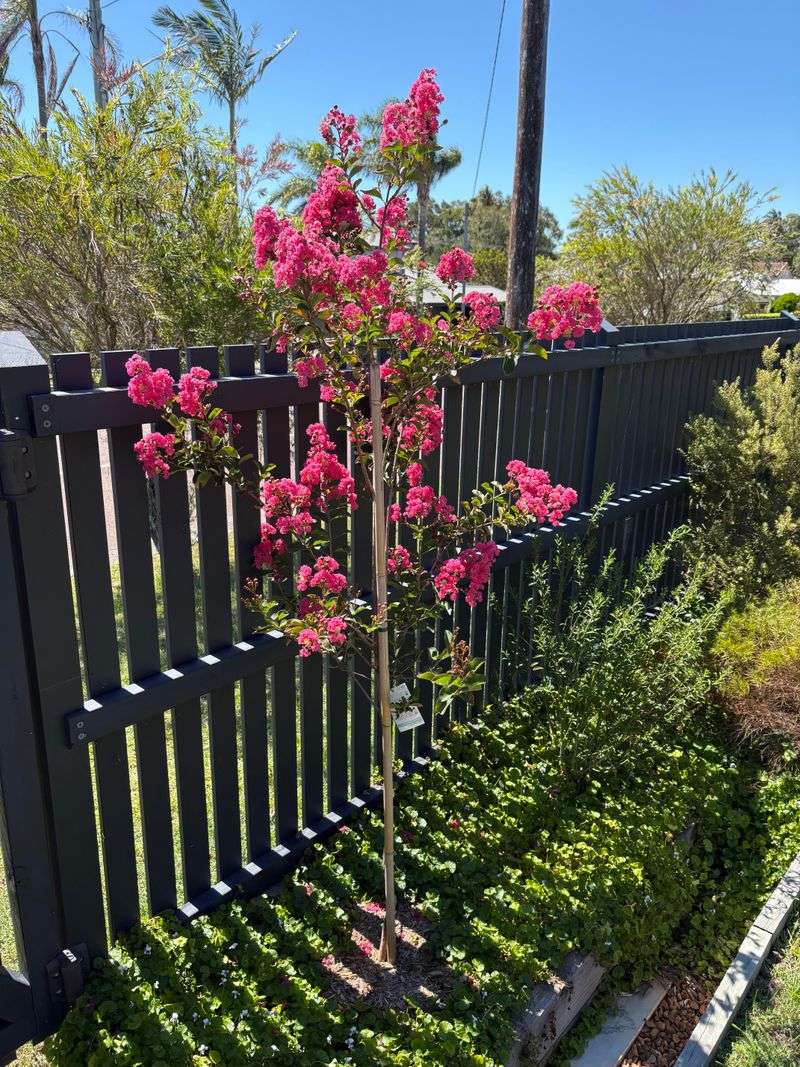
Something almost exciting happens in the days and weeks after you deadhead a crape myrtle. Dormant buds that were quietly waiting along the branch suddenly wake up and begin pushing outward.
These new side shoots emerge just below the point where you made your cut, and they grow with surprising speed during the warm summer months.
Those fresh shoots are not just filler growth. Each one carries the potential to develop its own flower cluster, which is exactly what creates that second flush gardeners love to see.
The new growth tends to be tender and bright green at first, maturing into sturdy little branches over the course of a few weeks.
In North Carolina, where summer heat and humidity support vigorous plant growth, this process can move along faster than you might expect.
Not every shoot will produce a bloom, and results vary depending on the tree’s overall health, available sunlight, and water supply.
But the pattern is consistent enough that deadheading is widely recommended by horticulturists and experienced gardeners alike.
Watching those little green shoots appear below your cut is genuinely satisfying. It is visible proof that your effort made a difference and that the tree is responding exactly the way you hoped.
Give those new shoots a few weeks, keep the tree watered, and you may be rewarded with a colorful second round before summer wraps up.
7. Young And Vigorous Trees Respond Best
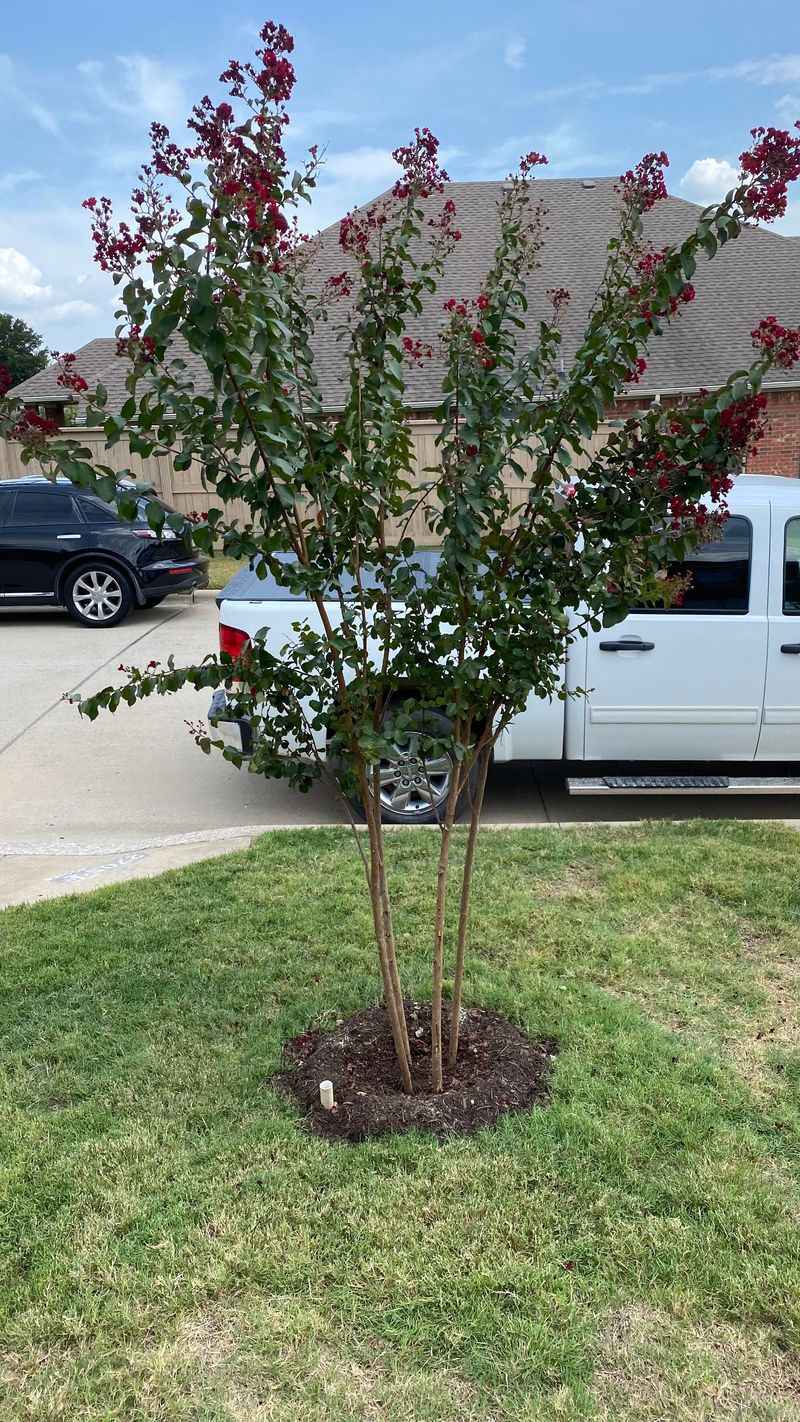
Not all crape myrtles respond to deadheading with the same enthusiasm, and age plays a bigger role than most gardeners realize.
Younger trees that are still in their active establishment phase tend to push out new growth more aggressively after spent blooms are removed.
Their root systems are still expanding, their energy reserves are high, and they are essentially in a growth-first mode that works in your favor. Older trees can still benefit from cuts, but their response is often more modest.
A large, mature crape myrtle that has been in the ground for twenty or thirty years may produce some new growth after cutting, but the second flush might be lighter or shorter-lived than what a younger tree delivers.
That does not mean the effort is wasted, just that expectations should be adjusted based on the tree’s age and overall condition.
Trees that are under stress, whether from compacted soil, root damage, or poor nutrition, also tend to rebloom less reliably.
If your crape myrtle seems sluggish even after deadheading, it might be worth checking the basics: soil drainage, fertilizer levels, and root zone health.
A tree that is genuinely thriving responds to deadheading like a sprinter responding to a starting gun. Give young trees good care from the beginning, and deadheading becomes one of the most rewarding practices in your entire summer gardening routine.
8. Full Sun Supports Better Reblooming
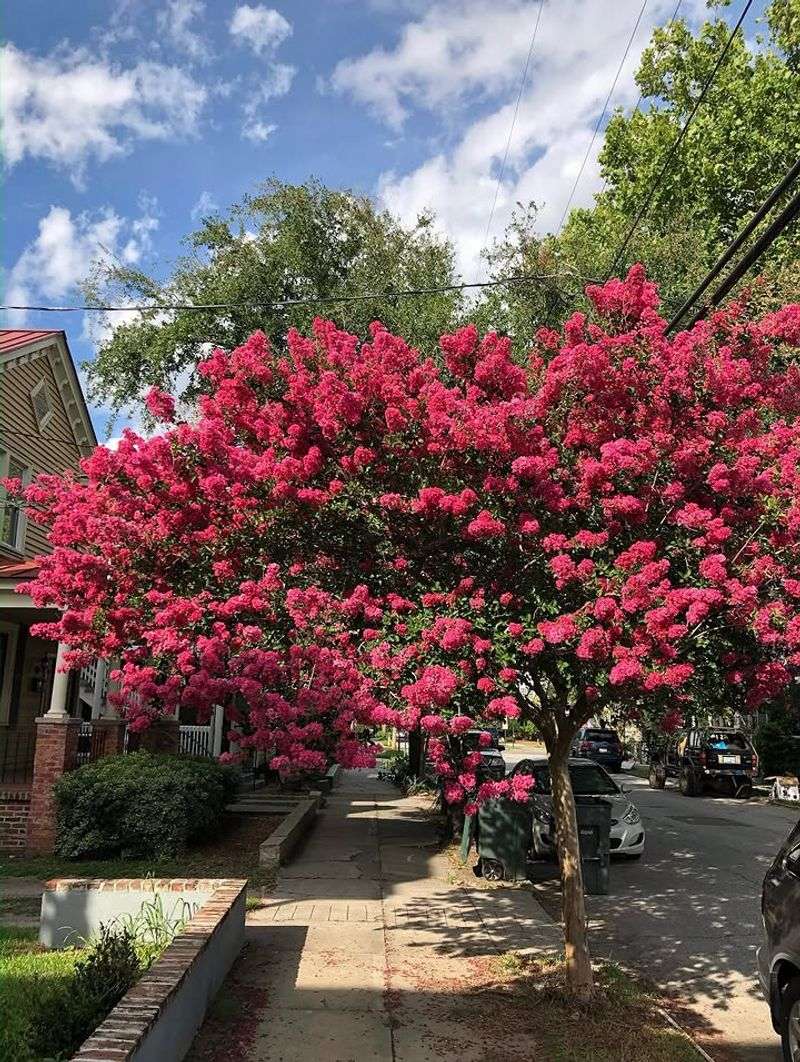
Sunlight is not just a preference for crape myrtles, it is a requirement. These trees evolved in warm, sunny climates, and they perform at their absolute best when they receive at least six to eight hours of direct sunlight each day.
That full-sun exposure is especially important when it comes to reblooming after deadheading.
Trees growing in partial shade tend to produce fewer blooms overall, and their response to deadheading is noticeably weaker.
Shaded conditions slow down new shoot development and reduce the tree’s ability to gather enough energy through photosynthesis to fuel a second flush.
If your crape myrtle sits in a spot where nearby structures or large trees cast significant shade during the afternoon, that could be the primary reason your second bloom is underwhelming, even when you deadhead on time.
For North Carolina gardeners choosing new planting locations, prioritizing full sun is one of the best decisions you can make for long-term flowering performance.
If you already have a crape myrtle in a shadier spot, consider whether any overhanging branches from neighboring trees can be selectively thinned to let more light through.
Even a modest increase in daily sunlight can improve bloom production over time. Pairing good sun exposure with timely deadheading creates the ideal conditions for a crape myrtle to deliver its most impressive summer color show.
9. Consistent Moisture Helps Support New Flower Development
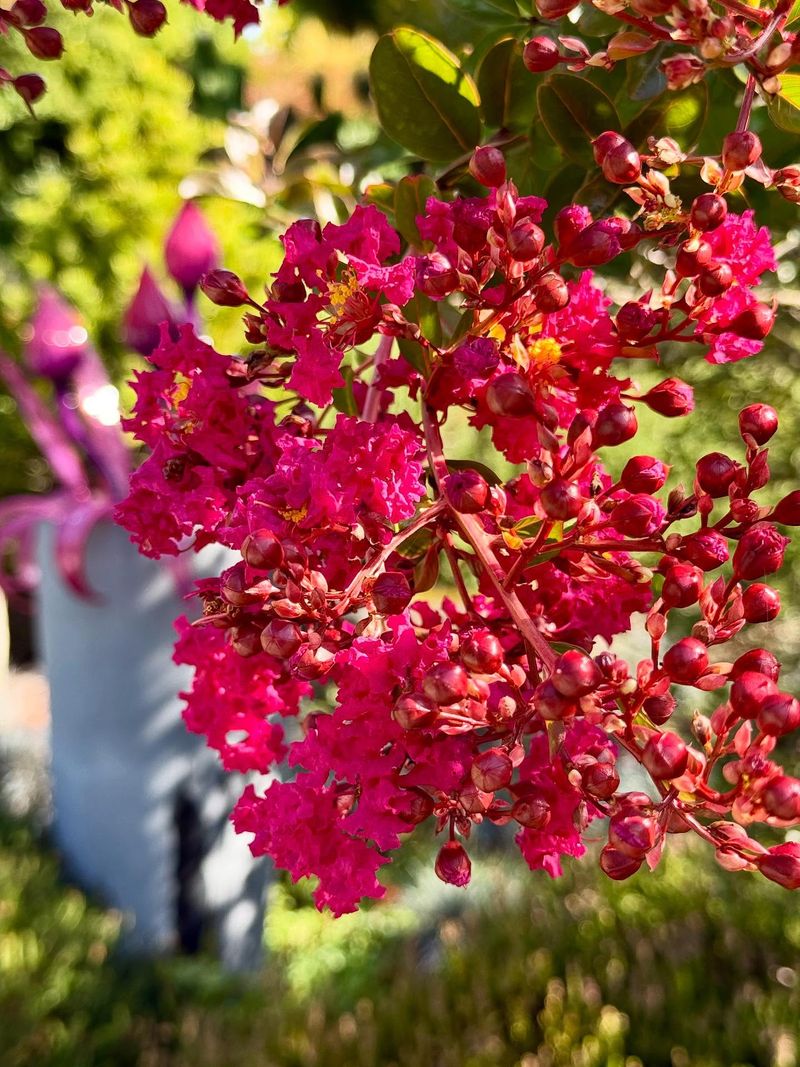
Water might not be the first thing that comes to mind when you think about encouraging a second bloom, but it plays a surprisingly important role.
After deadheading, a crape myrtle needs to push out new shoots and develop fresh flower buds, and that growth requires a steady supply of moisture to fuel cell development and nutrient movement through the tree.
North Carolina summers can swing between periods of heavy rain and stretches of dry, brutal heat. During those dry spells, crape myrtles under drought stress tend to slow down dramatically.
New shoot growth stalls, flower bud development pauses, and the whole reblooming process loses momentum.
Established crape myrtles are reasonably drought-tolerant once they are mature, but even tough trees benefit from supplemental watering during extended dry periods in the weeks following deadheading.
A deep watering once or twice a week is generally more effective than frequent shallow watering. Deep watering encourages roots to grow downward, which makes the tree more resilient during future dry spells.
Applying a layer of mulch around the base of the tree helps retain soil moisture between watering sessions and keeps root temperatures more stable during hot weather.
Aim to keep the soil consistently moist but never waterlogged, and your crape myrtle will have the hydration it needs to push through to a beautiful second flush of color.
10. Rebloom Varies By Cultivar
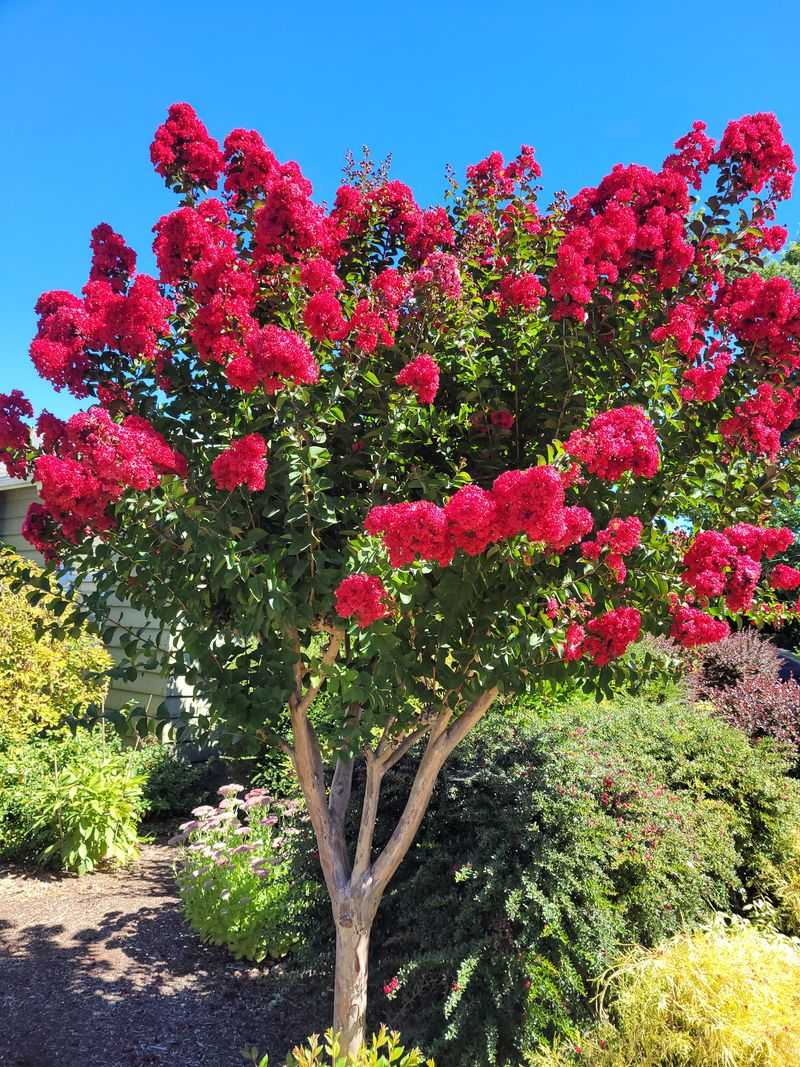
Not every crape myrtle is built the same way, and cultivar selection has a real impact on how reliably a tree reblooms after deadheading.
Some varieties are naturally inclined to push out a strong second flush, while others produce a lighter, shorter second bloom or sometimes skip it almost entirely.
Knowing your cultivar can save you from disappointment and help you set realistic expectations.
Compact and dwarf varieties like Acoma, Hopi, and Zuni are often praised for their reliable repeat blooming.
Mid-size varieties such as Natchez and Muskogee, both extremely popular throughout North Carolina, typically rebloom well when deadheaded promptly.
Larger tree-form varieties can rebloom too, but the second flush is often less dramatic simply because of the sheer size of the canopy and the energy required to push new growth across so many branches.
The second bloom on any cultivar is almost always lighter than the first. That is completely normal and nothing to worry about.
A second flush rarely matches the explosive color of the initial bloom in late spring or early June, but it still adds meaningful color and visual interest well into August and sometimes September.
If you are planting new crape myrtles with rebloom in mind, ask your local North Carolina nursery specifically which cultivars perform best for repeat flowering in your region.
The right variety, combined with timely deadheading, gives you the best possible shot at a rewarding second show.