These Are The Florida Native Plants Replacing Limerock And River Rock In Modern Yards
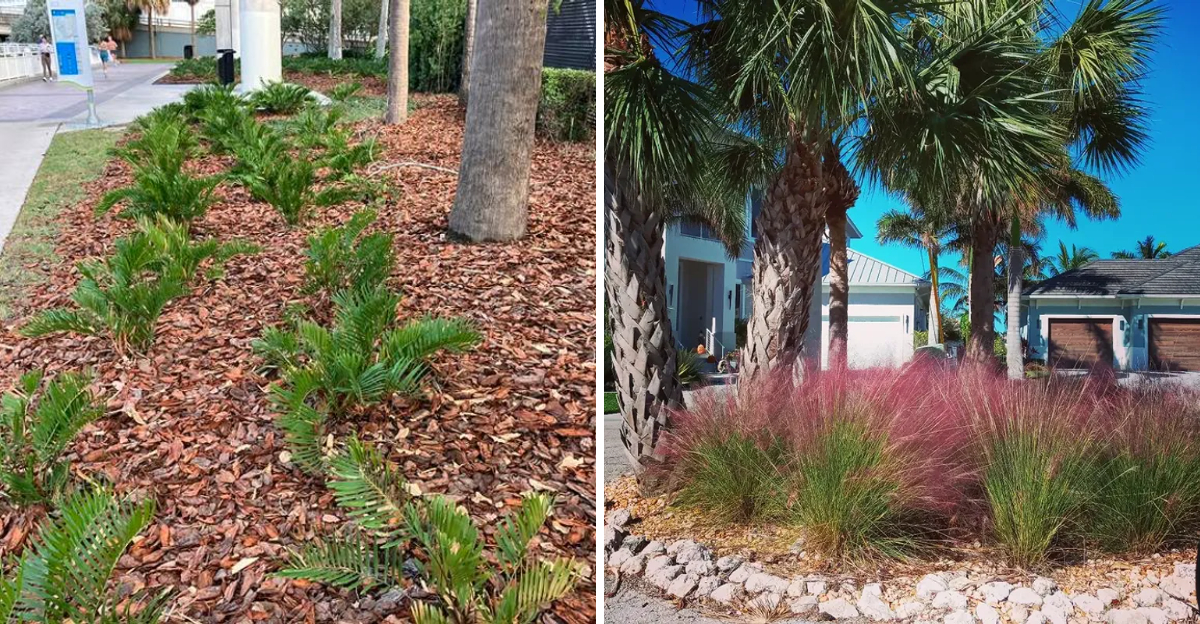
Rock landscape beds are one of those Florida yard features that seem practical until you really think about what they are doing in summer heat.
Limerock and river rock absorb and reflect intense sun, raise soil temperatures significantly, and make life harder for the plants growing nearby.
It is a setup that works against you in a climate that already puts enough stress on landscapes without any extra help.
The good news is that Florida native plants are proving to be a genuinely compelling alternative for homeowners ready to move away from rock-heavy designs.
When the site conditions are right, sun, drainage, space, and moisture, natives can bring texture, color, and real ecological value to beds that have been sitting under rock for years without giving much back.
1. Sunshine Mimosa Works As A Living Groundcover
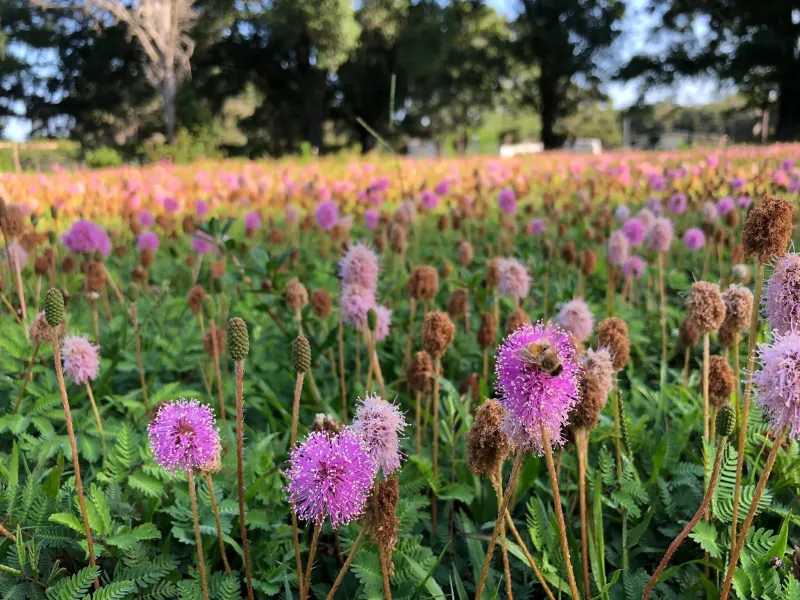
Sunny front yards covered in limerock often bake under the summer heat, leaving little room for softness or life.
Sunshine mimosa offers a different approach, spreading low across the ground with feathery leaves and small pink puffball flowers that bring a gentle, natural look to open beds.
It is one of the more visually appealing native groundcovers available to homeowners looking to reduce rock coverage.
This plant suits sunny to partly sunny spots with well-drained soil, and it tends to do well in the sandy conditions common across much of Florida. Once established, sunshine mimosa can spread steadily, so placement deserves some thought before planting.
Beds near pathways, edging borders, or neighboring plantings may need clear boundaries to keep growth in check.
Sunshine mimosa is not a walkable surface, and it works better as a visual groundcover than a high-traffic solution. It can fill the kind of open, rock-covered areas where homeowners want a living planting rather than bare stone.
Rainfall and natural moisture often support it well once it settles in. It may not suit shaded beds, poorly drained areas, or spots that receive heavy irrigation.
For dry, open, sunny Florida beds, though, sunshine mimosa can be a genuinely refreshing alternative to limerock or river rock.
2. Beach Sunflower Fits Sunny Well Drained Beds
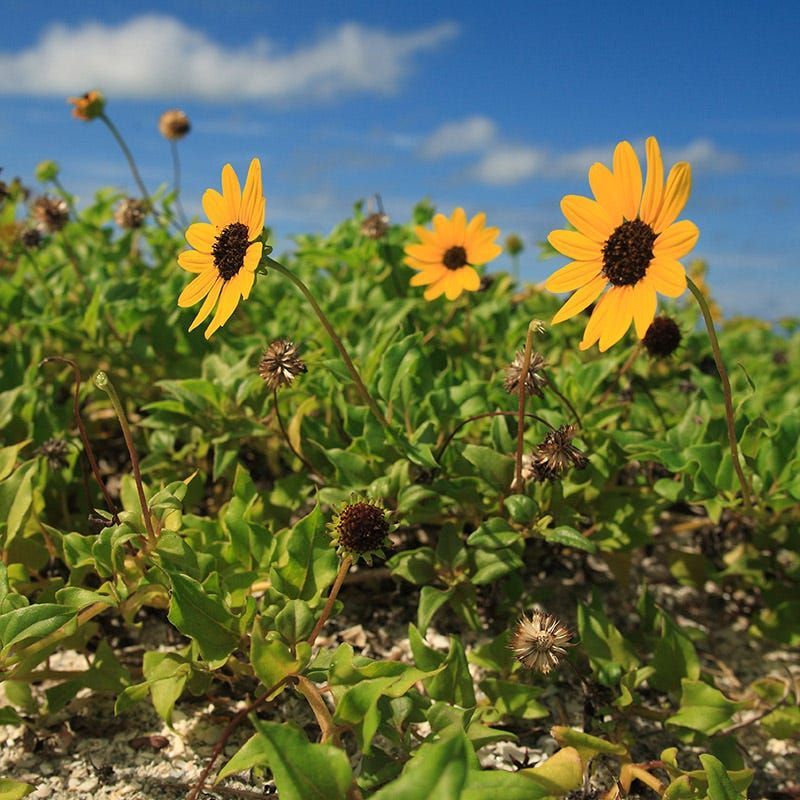
Walk past almost any sunny coastal yard and you may spot beach sunflower lighting up a sandy bed with cheerful yellow blooms.
This Florida native has a relaxed, spreading habit that softens the hard look of rock-heavy beds without requiring heavy watering or complicated care.
It brings a warmth to the landscape that limerock and river rock simply cannot match.
Beach sunflower suits well-drained, sandy beds that receive full sun for most of the day. It can spread over time, gradually filling open areas with low green foliage and bright flower color that attracts pollinators through much of the year in Florida.
That spreading habit is part of what makes it useful in larger, open beds where rock once covered the ground.
Homeowners should keep drainage in mind, because beach sunflower tends to struggle in areas that hold water or receive excessive irrigation. Poorly drained spots or heavily watered foundation beds may not suit it well.
Your Florida Garden Changes Every Week. Your Plan Should Too.
Gardening in Florida changes quickly throughout the season. Every Friday you’ll receive a simple weekly plan showing exactly what to plant, prune, fertilize, harvest, and protect so you never miss the right timing.
It also needs room to move, so tight or formal planting designs may require more maintenance to keep it contained.
Beach sunflower is not a replacement for every rock function, but in the right sunny, sandy Florida bed, it can replace the visual role of river rock with something far more alive and colorful.
3. Frogfruit Creates A Low Native Planting
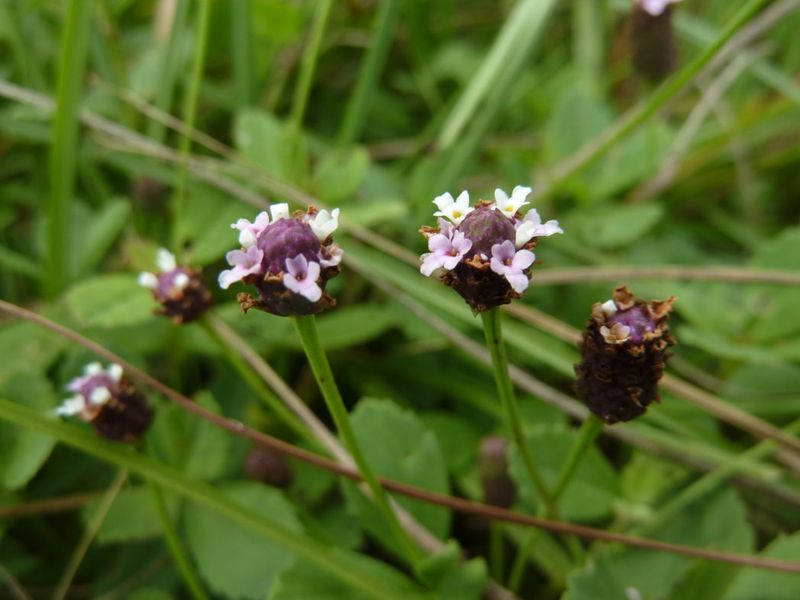
Rock-covered beds near walkways and informal edges are exactly the kind of spots where frogfruit tends to earn its place in a Florida yard.
This low-growing native spreads close to the ground and produces tiny white flowers that attract butterflies and other pollinators, making it one of the more ecologically active groundcover choices available.
It has a quiet, understated look that works well in natural-style Florida landscapes.
Frogfruit can tolerate a range of conditions, including full sun, part shade, and moderately moist to well-drained soils.
That flexibility makes it useful in Florida-friendly beds, pollinator gardens, and informal edges where the goal is to replace bare rock with a living, low planting.
It spreads gradually and can fill open areas over a season or two when conditions suit it.
That said, frogfruit is not a one-size-fits-all groundcover. Site conditions across Florida vary widely by region, soil type, drainage, and rainfall, so matching the plant to the specific spot matters more than assuming it will thrive anywhere.
It is not meant for heavy foot traffic or hardscape replacement, and very dry, sandy sites may need extra attention during establishment.
When the site is right, though, frogfruit can create a soft, low native planting that brings more life to a bed than any layer of limerock or river rock.
4. Gopher Apple Handles Dry Sandy Spots
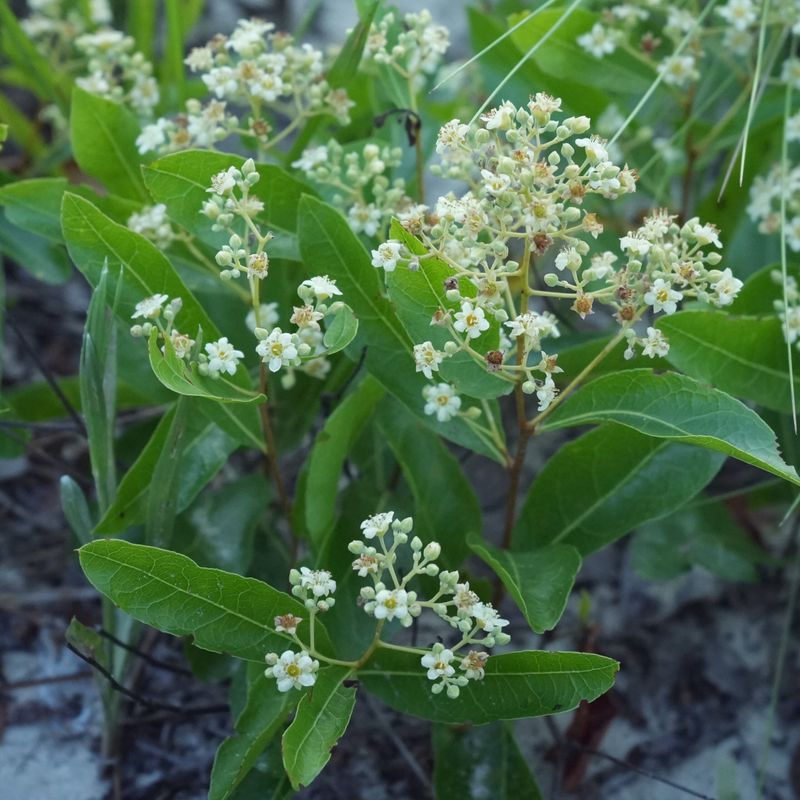
Few plants in Florida’s native plant palette are as well adapted to hot, dry, sandy conditions as gopher apple.
It grows low to the ground and spreads gradually across open, sunny areas, forming a tough little mat of small oval leaves that can hold its own in the kind of bone-dry sandy spots where other plants often struggle.
For homeowners dealing with dry, unshaded beds currently covered in limerock, gopher apple deserves a close look.
This plant is native to Florida’s scrub and sandhill communities, which means it evolved in the exact kind of lean, well-drained, nutrient-poor soils that make up many home landscapes.
It does not need rich soil or heavy watering to establish itself, and it tends to be more at home in natural-looking beds than in formal or manicured planting designs.
Gopher apple is not well suited to high-traffic areas or spaces where a tidy, uniform appearance is the goal. It works best where the landscape has a more relaxed, natural character and where sandy soil is the norm rather than the exception.
Drainage matters too, since this plant is built for dry conditions rather than moist ones.
In the right dry, sunny bed, gopher apple can replace rock coverage with a native planting that fits the land far more naturally than imported stone.
5. Railroad Vine Suits Sandy Coastal Areas
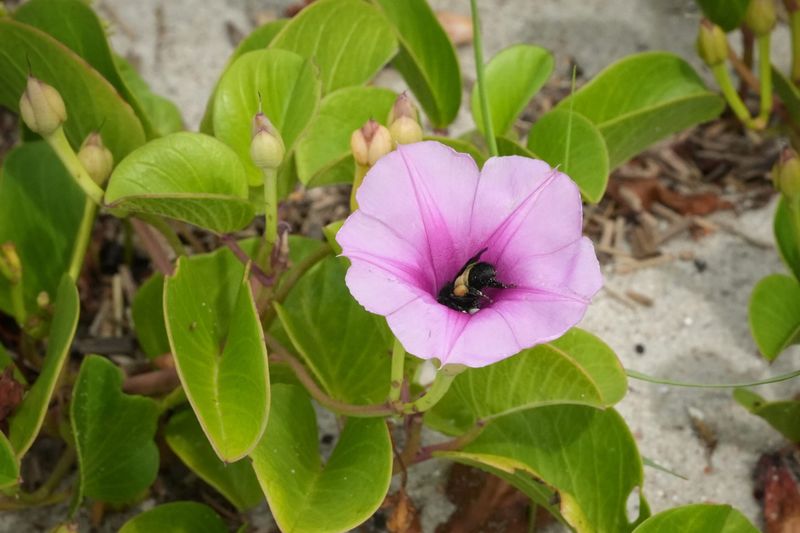
Coastal Florida yards often face conditions that challenge most plants: salt air, intense sun, loose sandy soil, and strong seasonal winds.
Railroad vine is one of the few native plants that can genuinely thrive in those conditions, spreading boldly across open sandy ground with large, showy purple flowers that resemble morning glories.
It is a plant built for the coast, and it looks the part.
Railroad vine needs room to spread, and it can cover significant ground once it gets going in a sunny, free-draining site. That spreading habit makes it a practical option for large, open sandy areas where limerock or river rock once served as ground coverage.
It can hold sandy soil in place and add visual interest to areas that might otherwise look bare or harsh.
Homeowners should consider whether the site gives railroad vine enough space before planting, because it is not a good fit for small, formal beds or tight foundation strips where growth needs to stay contained.
Wet inland sites or poorly drained areas are also unlikely to suit it well.
Railroad vine is very much a coastal and sandy-soil plant, and pushing it into conditions outside that range tends to produce disappointing results.
For the right open, sunny, sandy Florida site near the coast, though, it can replace rock with something bold and distinctly native.
6. Coontie Adds Structure Without Heavy Rock
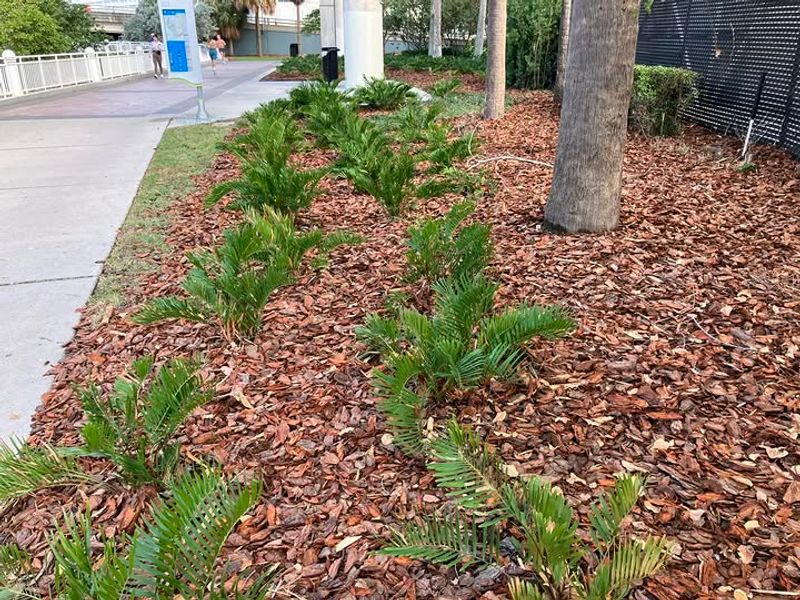
Modern landscape design has been leaning toward clean lines, native texture, and low-maintenance plantings, and coontie fits that direction well.
This small Florida native cycad produces dark green, arching fronds that give a bed a structured, evergreen look without relying on limerock or river rock to create visual weight.
It has the kind of quiet confidence that makes a planting bed feel intentional and finished.
Coontie works more like a low massing plant than a flat groundcover, so it is worth thinking about spacing and mature size before planting.
Individual plants can reach about two to three feet in height and spread, so a bed that looks sparse at planting will fill in over time.
Grouping several plants together creates a dense, layered effect that replaces the visual bulk of rock with living texture.
It tolerates a range of conditions found across Florida, including full sun, partial shade, and well-drained to moderately dry soils. Salt tolerance makes it useful in coastal landscapes as well.
Coontie is also the sole larval host plant for the atala butterfly, which adds an ecological value that no rock bed can offer.
It is not a walkable surface and does not replace drainage functions, but for front yard beds, foundation-adjacent areas, and sunny borders across Florida, coontie brings genuine structure and native character to modern yard designs.
7. Muhly Grass Brings Texture To Modern Beds
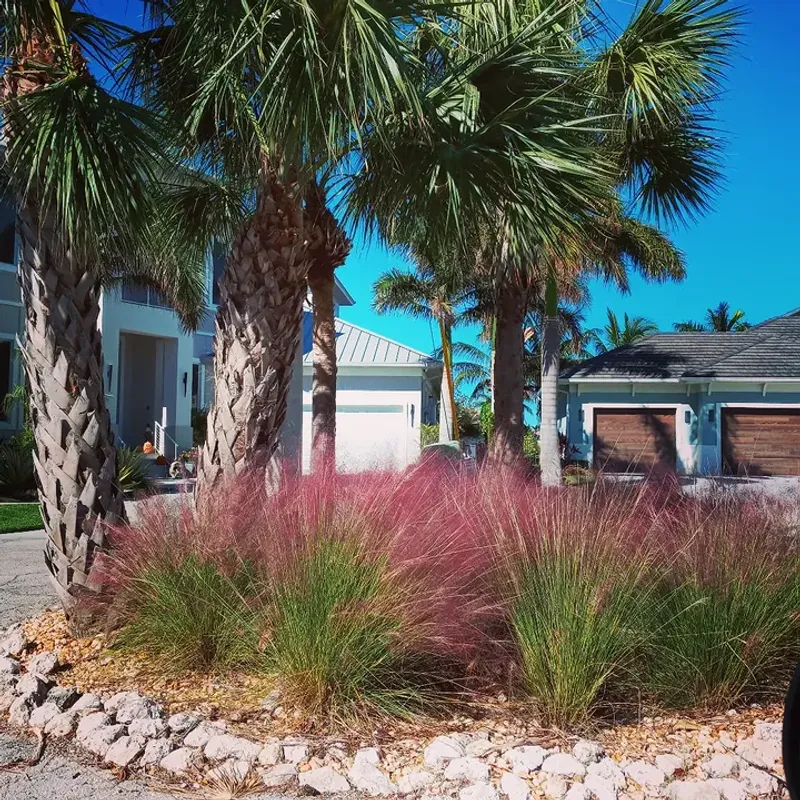
There is a moment in fall across Florida when muhly grass earns every bit of attention it gets.
The plants erupt into clouds of soft pink and purple plumes that move with the breeze, turning an ordinary landscape bed into something that feels genuinely alive and seasonal.
That kind of visual payoff is something limerock and river rock simply cannot provide, no matter how neatly they are arranged.
Muhly grass is an ornamental grass, which means it brings texture and movement to a bed rather than covering the ground the way a flat groundcover does.
Planting it in groups or masses tends to produce the best visual effect, filling a bed with layered, flowing form that reads well from the street.
It suits sunny, well-drained beds and tends to handle the heat and sandy soils common in many parts of the state.
Homeowners should keep in mind that muhly grass is not a walkable surface and does not replace the drainage or utility functions that rock sometimes serves in a landscape.
It works best as an ornamental planting in open beds, sunny borders, and modern native landscapes where texture and seasonal interest are the goals.
Irrigation needs tend to be modest once established, and the plant generally responds well to Florida’s natural rainfall patterns. For modern beds, muhly grass brings a softness and movement that rock never could.
8. Fakahatchee Grass Fills Larger Planting Areas
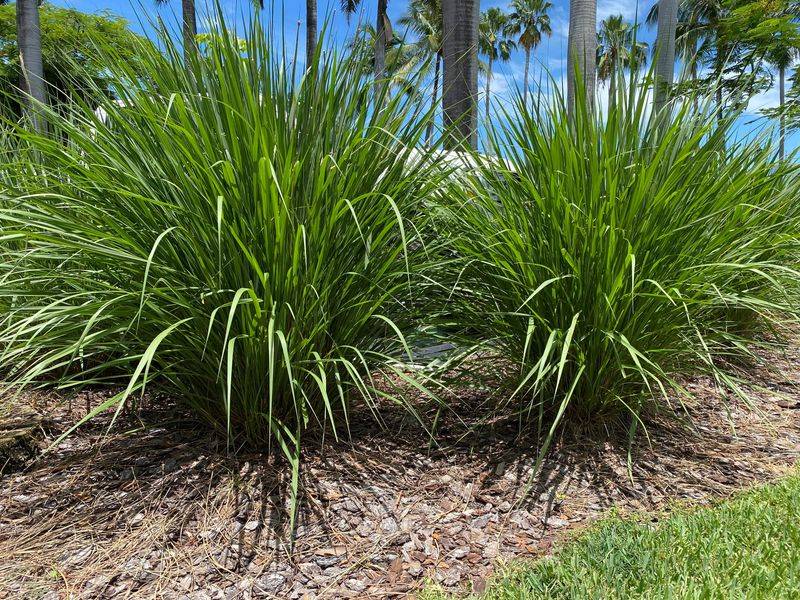
Larger Florida planting beds sometimes need a plant with enough presence to fill real space, and Fakahatchee grass is built for exactly that role.
Its bold, arching blades form generous clumps that can reach several feet in both height and spread, giving wide beds a lush, textured look that river rock and limerock can never produce on their own.
It is the kind of plant that fills a bed with genuine native character.
Fakahatchee grass is native to Florida and tends to suit moist to moderately wet landscape areas better than very dry or droughty spots.
That moisture preference makes it a useful option for low areas, rain garden edges, or damp landscape zones where drainage is not a concern.
It can also work in average garden beds with reasonable soil moisture, though very dry, sandy sites may not suit it as well.
Spacing matters with Fakahatchee grass because the mature clumps need room to develop fully without crowding. Tight foundation strips or narrow borders may not give it enough space to look its best.
It is better suited to larger beds, open borders, and landscape areas where bold, massing texture is the goal.
Like other native grasses, it is an ornamental planting rather than a surface replacement, and it does not serve the drainage or access functions that rock sometimes fills in a Florida yard.