How Georgia Homeowners Are Keeping Weeds From Taking Over Gravel Driveways
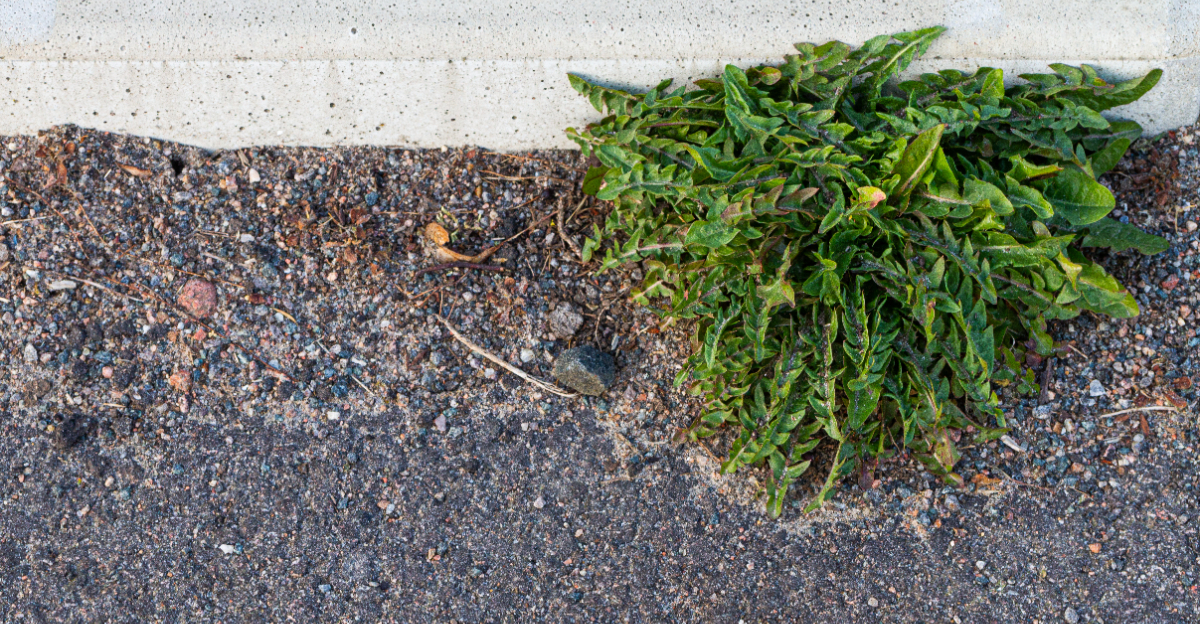
Pulling weeds from a gravel driveway gets old fast. They always seem to come back just when everything looks clean again.
Before you spend another weekend pulling them, take a closer look at what encourages them first. Georgia yards make it easy for stubborn weeds to spread through loose stone.
Small changes can save hours of extra work later. Do not wait until green patches cover the whole driveway.
Simple maintenance keeps new growth from taking over too quickly. The right routine also helps your gravel stay neat much longer.
Learning why weeds return so quickly helps you stop the problem before it becomes another weekend chore again next season.
Give your driveway a little attention now and enjoy cleaner gravel with far less effort all summer long ahead naturally.
1. Pull Young Weeds Before They Become Established
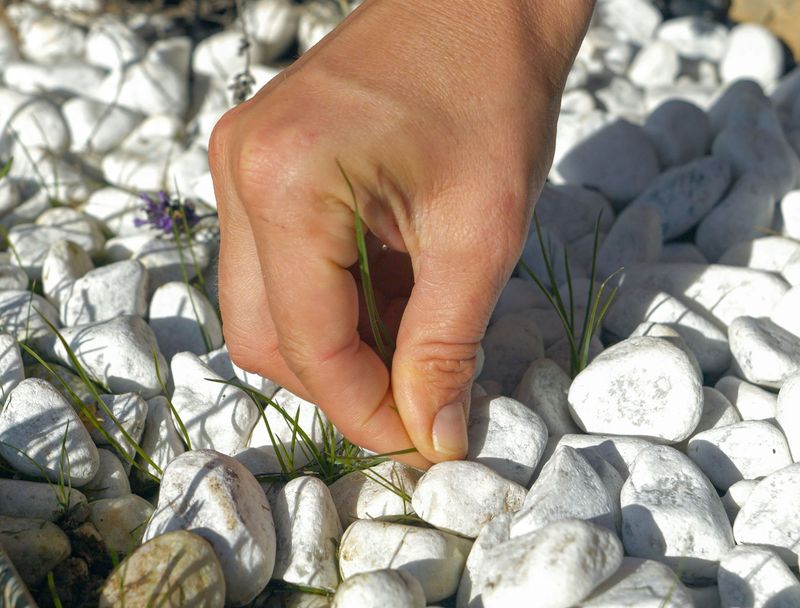
Catching weeds early is one of the most effective things you can do for a gravel driveway. Young weeds pull out easily because their roots haven’t spread deep yet.
Wait too long, and you’re dealing with a root system that’s locked in tight.
A quick walk along your driveway once or twice a week makes a real difference. Look for tiny green sprouts poking up between the gravel.
Pulling them out at that stage takes seconds and no tools.
Wet soil after rain makes this job much easier. Roots slip out cleanly instead of snapping off underground.
A broken root often regrows, so getting the whole thing matters.
Don’t toss pulled weeds back onto the gravel. Some can re-root even after being pulled, especially in humid conditions.
Drop them in a bag or bin right away.
Staying consistent beats doing a big cleanup every few months. A little effort each week keeps the problem from building up into something overwhelming.
Most homeowners find that short, regular sessions are far less stressful than tackling an overgrown driveway all at once.
2. Keep Gravel Deep Enough To Block Sunlight
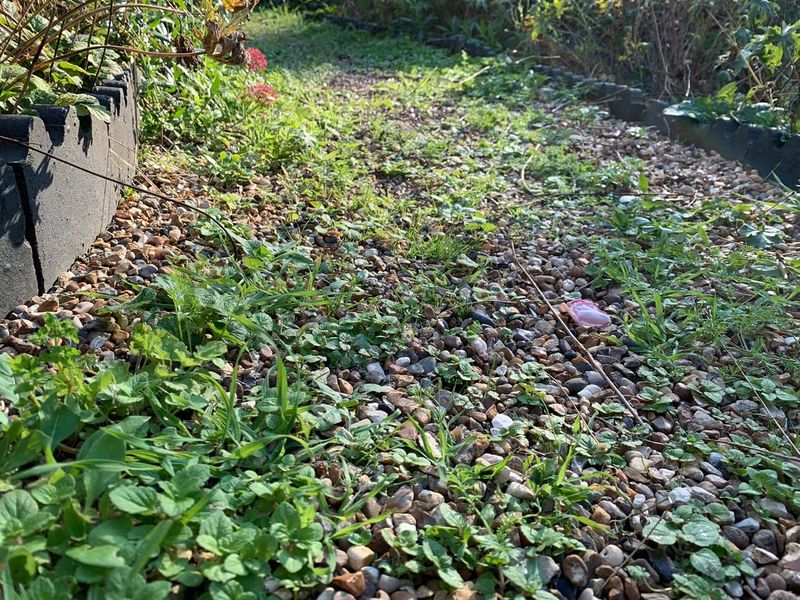
Gravel depth matters more than most people realize. A thin layer lets sunlight hit the soil underneath, and that’s exactly what weed seeds need to sprout.
Keeping your gravel at least three to four inches deep significantly reduces how many weeds break through.
Over time, gravel shifts, compacts, and thins out in high-traffic areas. Tires push stones aside, and foot traffic presses them down into the soil.
Checking depth once a year and adding fresh gravel where needed keeps things working properly.
Smaller gravel tends to pack tighter, which can actually help block light better in some spots. Larger stones leave more gaps.
Mixing sizes or using a consistent mid-range size often gives better coverage overall.
Bare patches are the spots where weeds take hold first. Filling those areas promptly cuts off the opportunity before seeds settle in.
A bag or two of fresh gravel goes a long way when used in the right spots.
Gravel won’t stop every weed on its own, but proper depth reduces the workload considerably. Paired with other methods, it forms a strong first layer of defense.
Your Georgia Garden Changes Every Week. Your Plan Should Too.
Gardening in Georgia changes quickly throughout the season. Every Friday you’ll receive a simple weekly plan showing exactly what to plant, prune, fertilize, harvest, and protect so you never miss the right timing.
Homeowners who maintain good gravel depth tend to spend far less time dealing with weed problems throughout the season.
3. Install Landscape Fabric Before Adding New Gravel
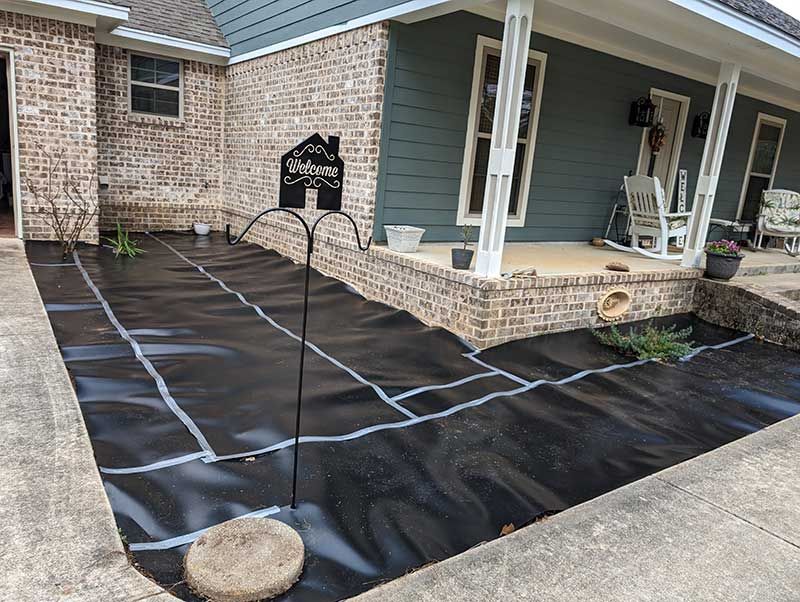
Landscape fabric is one of the most practical tools available for long-term weed control under gravel. It works by blocking sunlight from reaching the soil while still allowing water to drain through.
Installed correctly before gravel goes down, it can slow weed growth considerably for several years.
Prep work matters a lot here. Clear the area of existing weeds before laying the fabric.
Leaving roots underneath gives weeds a head start, even through the barrier.
Overlap fabric edges by at least six inches where sections meet. Gaps are where weeds find their way through.
Secure the edges with landscape staples so the fabric stays flat and doesn’t shift under the gravel.
No fabric lasts forever. Over time, it can degrade, tear, or allow soil to build up on top of it.
That soil layer becomes a growing medium for new weeds even with fabric underneath, so keeping the gravel surface clean helps extend the fabric’s useful life.
Woven landscape fabric tends to hold up better than the thin, non-woven type. It resists tearing under heavy gravel and handles foot traffic more reliably.
Spending a bit more on quality fabric upfront usually saves money and effort down the road compared to replacing cheaper material every year or two.
4. Fix Low Spots That Collect Moisture
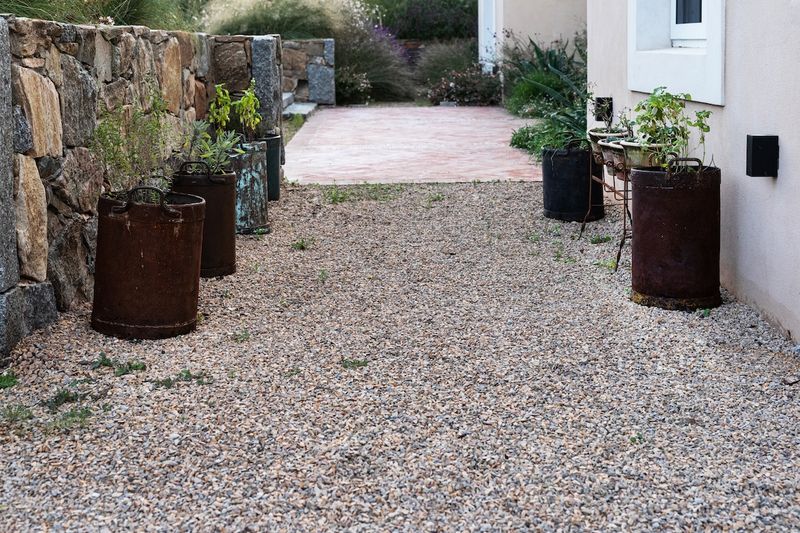
Standing water is a magnet for weeds. Low spots in a gravel driveway hold moisture long after rain stops, and wet soil is exactly where weed seeds love to germinate.
Fixing drainage problems directly cuts down on weed activity in those areas.
Walk your driveway after a heavy rain and look for puddles. Any spot where water sits for more than a few hours is worth addressing.
Those zones tend to grow weeds faster and more thickly than the rest of the driveway.
Adding gravel to fill low areas is a simple first step. Rake it level and compact it lightly.
In some cases, the gravel settles and the problem returns, which means the base soil may need to be regraded before adding more stone.
Georgia’s heavy summer rains can expose drainage issues quickly. A driveway that looked fine in spring might show problem spots by July.
Checking after the first major storm of the season helps you catch issues early.
Proper slope across the driveway surface helps water run off rather than pool. Even a slight grade toward the edges makes a noticeable difference.
5. Create Clean Edges To Stop Grass Spreading In
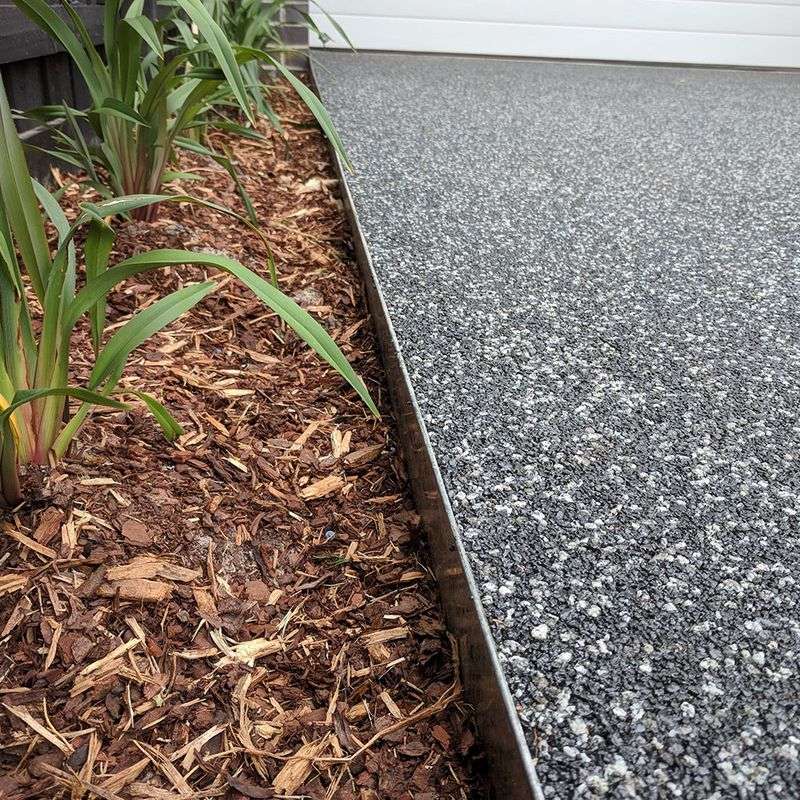
Grass creeping in from the lawn is one of the most stubborn weed problems gravel driveways face. Without a physical barrier at the edges, grass runners spread sideways right into the gravel.
Once they root in, pulling them out is tedious work.
Metal or plastic edging strips installed along the driveway perimeter create a wall that grass has a harder time crossing. Drive them deep enough so they won’t shift with ground movement.
A barrier that sits too shallow gets pushed aside by roots over time.
Concrete or brick borders are another option for homeowners who want something more permanent. They look clean, hold up well, and don’t need replacing.
The upfront cost is higher, but ongoing maintenance drops significantly.
Even with edging in place, check the border a few times each season. Gaps can open up where sections shift or where the ground settles unevenly.
A quick inspection and reset takes far less time than pulling a full row of established grass.
Trimming along the edge with a string trimmer a few times a year also helps.
Cutting back grass before it reaches the gravel removes the runners before they get a chance to cross the barrier.
6. Rake Gravel Regularly To Disturb New Seedlings
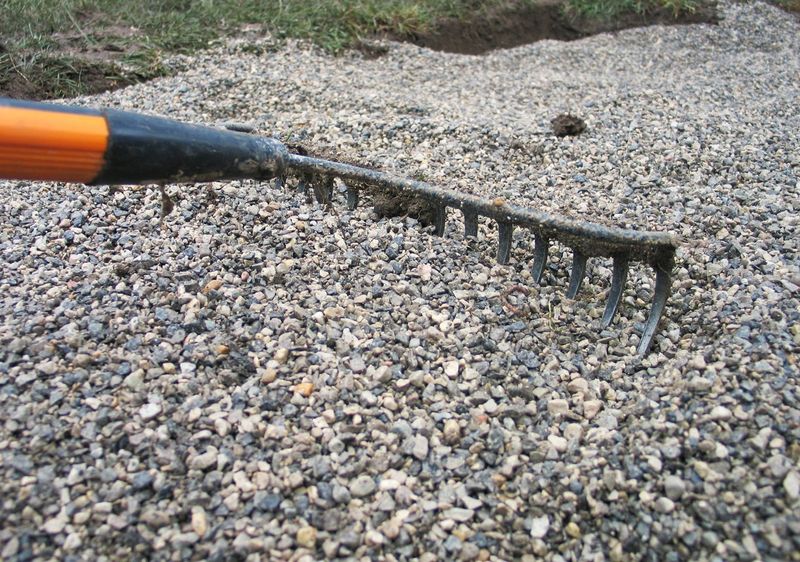
Raking your gravel driveway does more than just keep it looking neat. Dragging a rake across the surface disrupts tiny weed seedlings before they get a chance to root properly.
Most seedlings are so fragile in their first few days that a single pass with a rake is enough to stop them.
Weed seeds need stability to establish roots. Disturbing the gravel surface breaks that stability and exposes seedlings to sun and dry air, which stresses them before they can grow.
It won’t stop every weed, but it reduces the number that make it past the seedling stage.
Aim to rake at least once every two to three weeks during spring and summer. Weed pressure is highest when temperatures are warm and rain is frequent.
Raking more often during those months keeps the surface more hostile to new growth.
A standard metal garden rake works fine for most gravel driveways. Avoid raking too aggressively in one direction, which can pull gravel off to the sides and create thin spots.
Short, even strokes keep the gravel distributed evenly while still disturbing the surface.
Raking also helps you spot problem areas early. Clumps of seedlings in one spot often signal a thin gravel layer or a drainage issue underneath.
7. Remove Windblown Leaves And Soil Before They Build Up
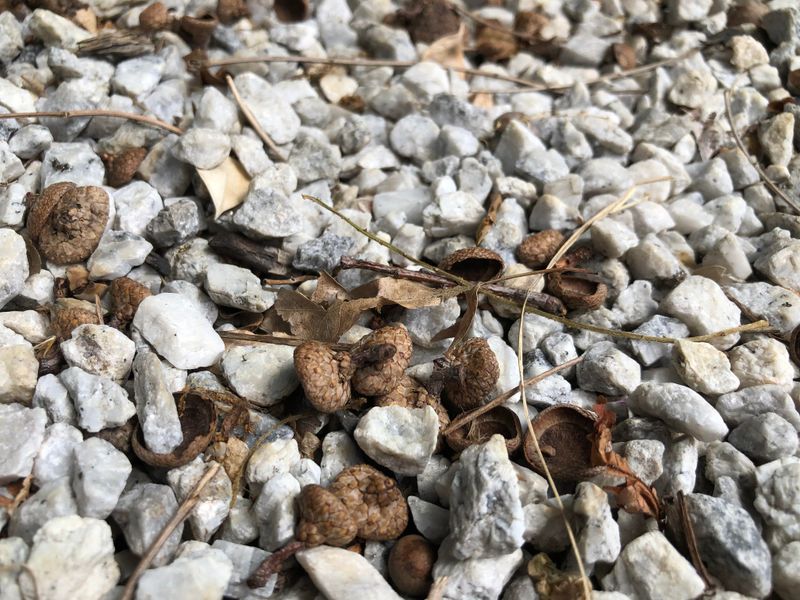
Leaves sitting on gravel don’t just look messy. As they break down, they create a thin layer of organic material right on top of the stones.
That layer acts like a potting mix, giving windblown weed seeds exactly what they need to sprout.
Fine soil also blows in from nearby garden beds and lawns over time. It settles between the gravel pieces and builds up gradually.
Most homeowners don’t notice it happening until weeds are already growing in what looks like solid ground on top of the gravel.
Clearing leaves after they fall prevents this buildup from starting. A leaf blower works well on gravel without scattering the stones too much if you keep the airflow at a moderate setting.
Raking works too, though it takes a bit more time on larger driveways.
In Georgia, oak trees and sweet gums drop leaves well into late fall and sometimes into early winter. Staying on top of leaf removal during that stretch keeps organic matter from accumulating through the cooler months.
A thick leaf layer left over winter gives weeds a running start come spring.
Even a thin layer of decomposed leaves can support weed growth if left long enough.