The Best Climbing Plants For New York Fences That Grow Fast Without Harming Your Foundation
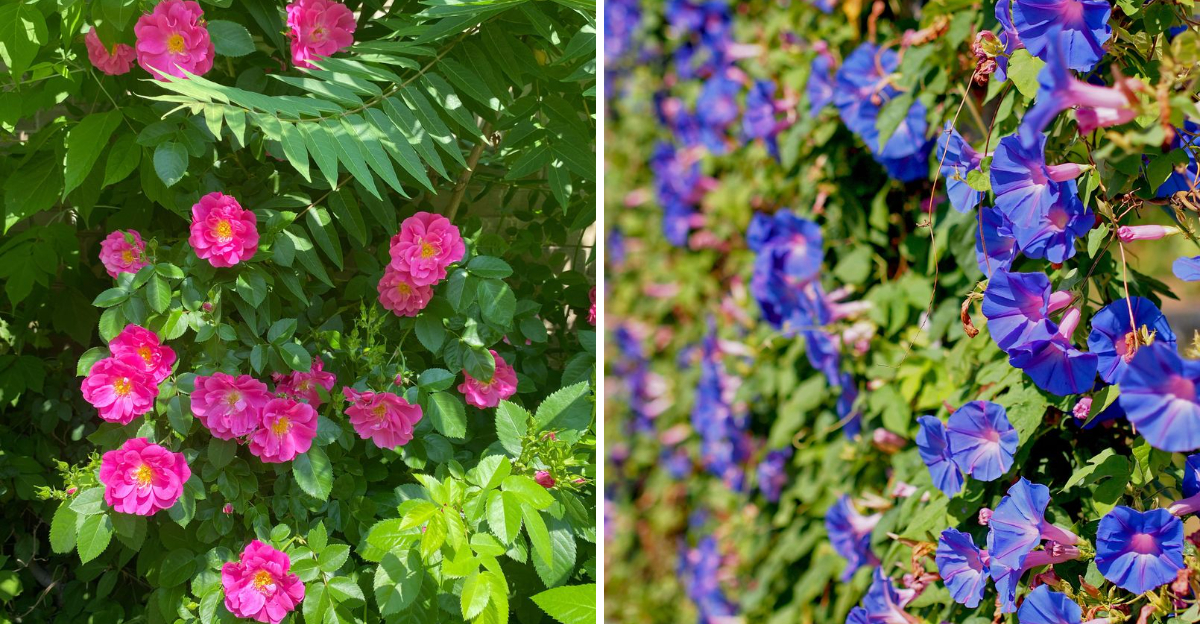
Bare fence panels are a missed opportunity. In a state where summers ignite and winters bite, the right climbing plant doesn’t just survive, it takes over in the best possible way.
New York gardeners know the struggle: you want coverage, fast, without watching an aggressive vine quietly destroy your foundation or earn a spot on an invasive species list.
That narrows the field considerably. But the plants that make the cut are worth every bit of the wait. Some flower for months. Some bring in hummingbirds and swallowtail butterflies without any effort on your part.
A few will have your fence covered before you stop checking the forecast. None of them will crack your concrete or crawl into places they shouldn’t.
Seven climbing plants made this list, and each one earns its spot. Your fence is about to become the most interesting thing on the block.
1. Coral Honeysuckle
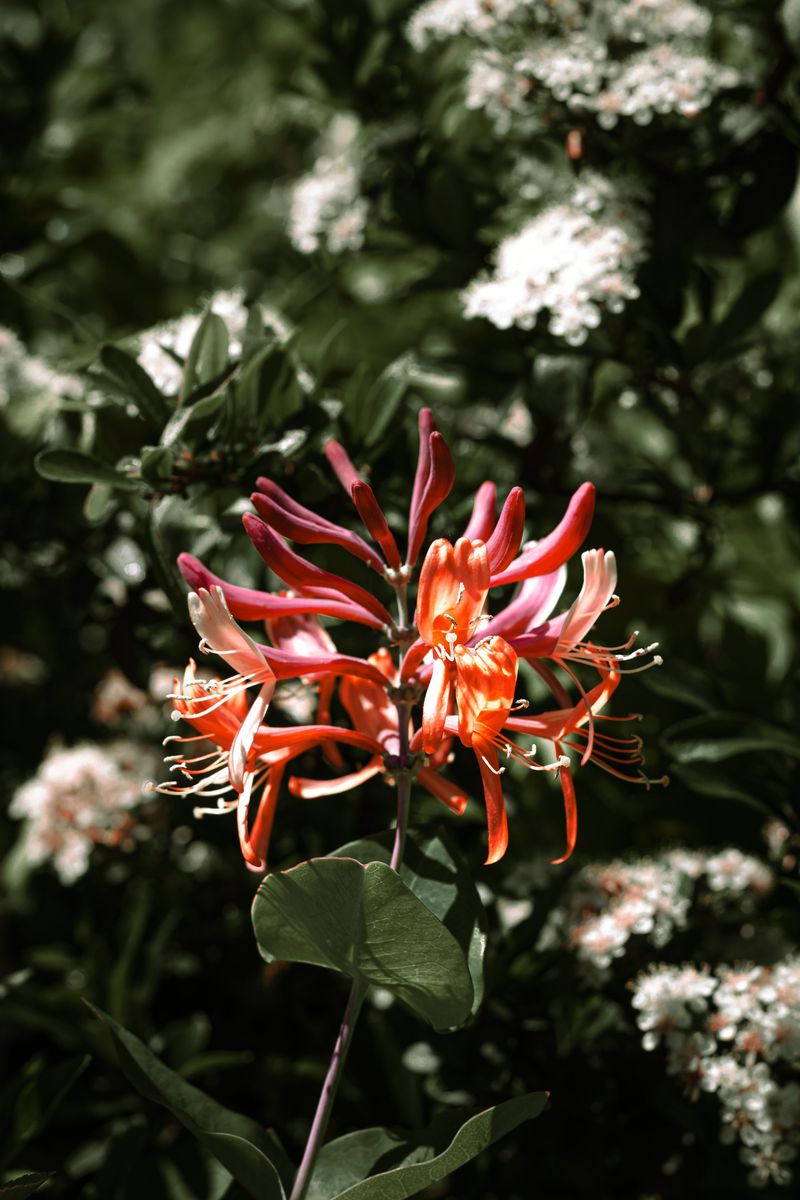
Hummingbirds will find your yard before you even finish planting this one. Coral Honeysuckle, also called Lonicera sempervirens, is a native vine that bursts into brilliant red and orange trumpet-shaped blooms from spring through fall.
Unlike its invasive Japanese cousin, this plant plays nicely with your garden. It twines up fences without sending roots into your foundation or cracking your masonry.
Coral Honeysuckle thrives in USDA zones 4 through 9, which covers all of the state perfectly. It handles cold winters and hot, sticky summers without missing a beat.
Plant it near a chain-link or wooden fence, give it a trellis to grip, and watch it climb six to fifteen feet in a single season. That kind of speed makes it a reliable choice for gardeners who want results fast.
The foliage stays semi-evergreen in milder parts of New York, meaning your fence keeps some coverage even after the growing season ends. In colder upstate areas, it dies back slightly but returns strong each spring.
Watering needs are low once established, and it rarely needs fertilizing. Pruning once a year after blooming keeps the shape tidy and encourages fresh growth the following spring.
Birds love the berries that follow the flowers, so your yard becomes a mini wildlife habitat. Neighbors will ask what that gorgeous red vine is, and you will have a great answer ready.
For best results, plant in full sun to partial shade and make sure the soil drains well. Soggy roots slow this climber down more than anything else.
It is also one of the few native vines that thrives equally well in Buffalo and Brooklyn. New York’s climate range is no obstacle for this one.
2. Virgin’s Bower
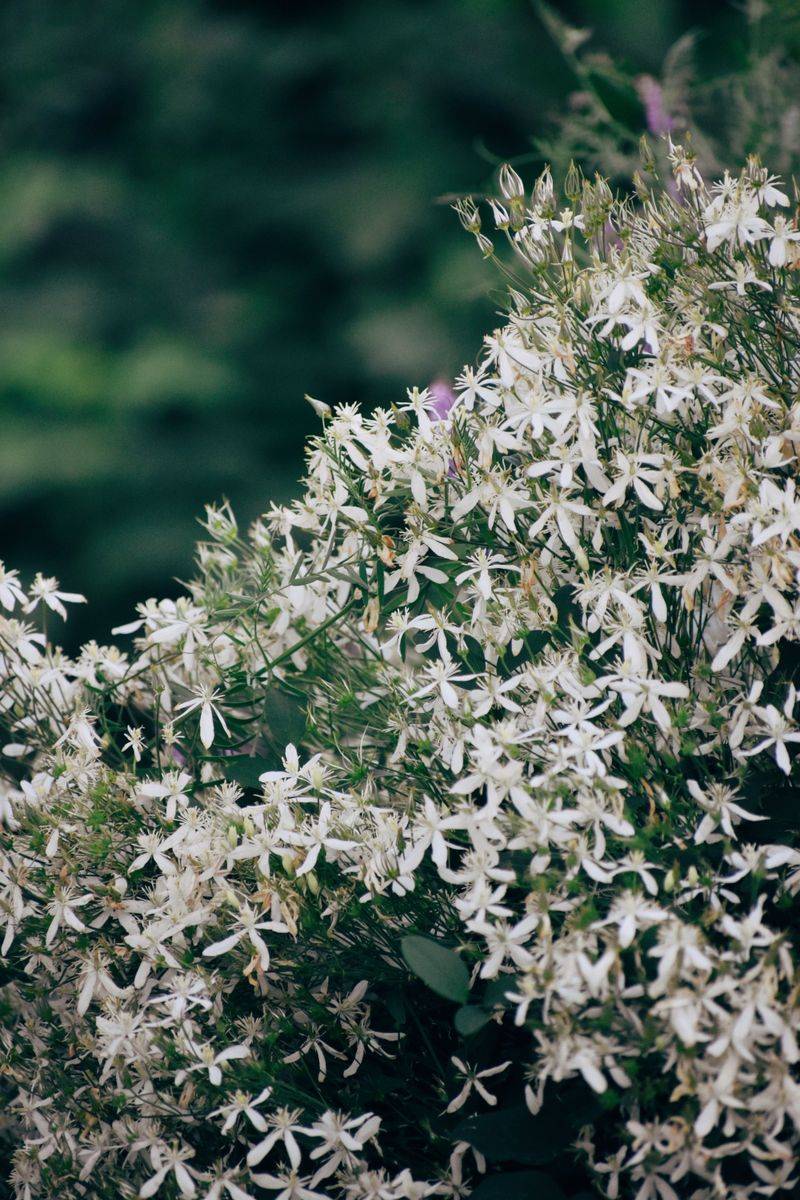
There is something almost magical about a fence that suddenly disappears under a cloud of white flowers. Virgin’s Bower, the wild native clematis known as Clematis virginiana, delivers exactly that kind of jaw-dropping late-summer show.
This plant is a true local, native to the northeastern United States and perfectly adapted to the climate here. It handles cold winters and hot, sticky summers without missing a beat.
Your New York Garden Changes Every Week. Your Plan Should Too.
Gardening in New York changes quickly throughout the season. Every Friday you’ll receive a simple weekly plan showing exactly what to plant, prune, fertilize, harvest, and protect so you never miss the right timing.
Growth is impressively fast, sometimes reaching twenty feet in a single season under the right conditions. That speed makes it one of the top choices when you need a fence covered quickly and naturally.
The small white blooms appear in late summer, just when most other plants start looking tired. After flowering, silky seed plumes catch the sunlight and give the vine a feathery, almost ethereal appearance through autumn.
Virgin’s Bower climbs by wrapping its leaf stems around fence wires, wooden slats, or trellis supports. It does not produce adhesive pads or penetrating rootlets, so your fence structure stays safe and sound.
Plant it in full sun or partial shade and give it consistent moisture while it gets established. Once rooted in, it becomes quite drought-tolerant and low-maintenance through the season.
Pollinators swarm the blooms in late summer, making it a powerhouse for bees and butterflies. Cutting it back hard in early spring keeps the plant tidy and encourages the strongest new growth.
One thing worth knowing: all parts of this plant may cause mild skin irritation in sensitive individuals, so wearing gloves when pruning is a smart habit. It is a small trade-off for a vine that delivers this much visual impact.
3. Climbing Hydrangea
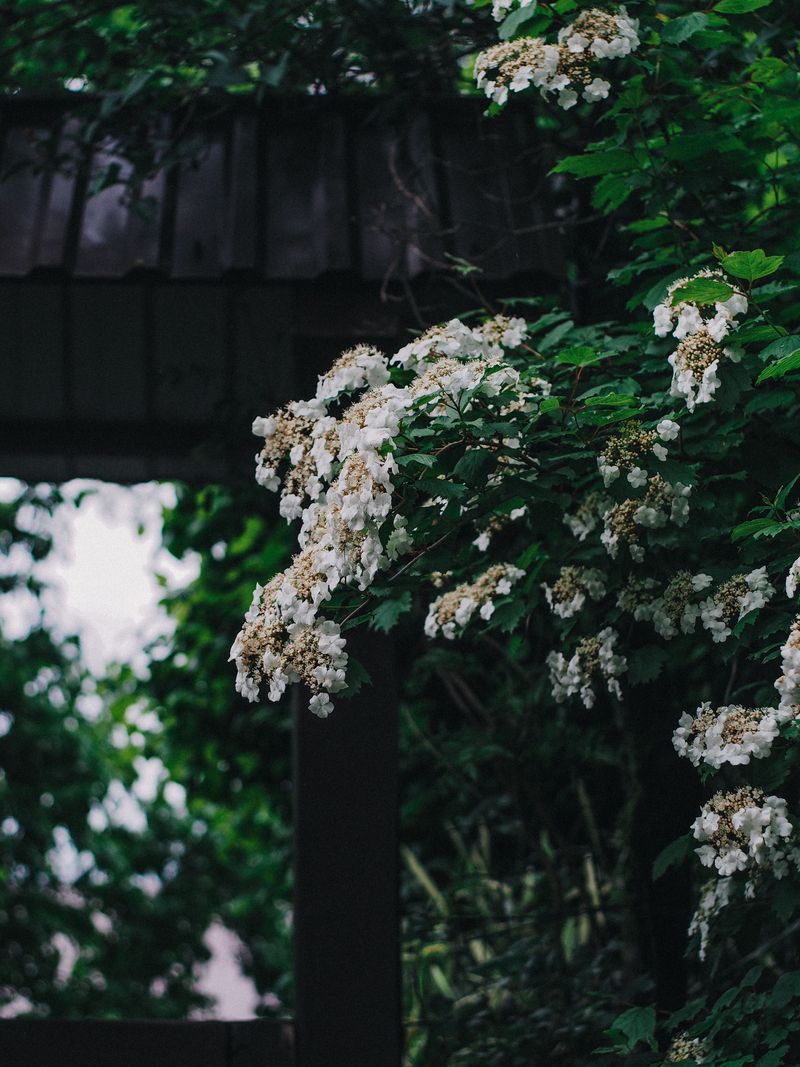
Shady fences have met their match. Climbing Hydrangea, or Hydrangea anomala petiolaris, is one of the rare vines that genuinely thrives in low-light conditions, making it the strongest option for north-facing fences or heavily shaded yards.
The blooms are showstoppers: wide, flat clusters of white lacecap flowers that open in early summer and hold their shape for weeks. Even after the petals fade, the dried flower heads add texture and interest through winter.
Growth in the first two years is slow, which tests a gardener’s patience. But once established, this vine takes off and can cover a fence or wall spanning up to thirty feet over time.
Unlike ivy, Climbing Hydrangea attaches itself using small aerial rootlets that grip surfaces firmly but gently. These rootlets do not penetrate deep into masonry or foundations, so structural damage is not a concern.
It is hardy through zone 4, meaning brutal winters do not slow it down. The woody stems develop gorgeous peeling bark over time, adding year-round visual interest even when the leaves drop.
Pair it with a sturdy wooden or metal fence, since mature plants get heavy. Adding a few extra fasteners to the fence posts gives the vine better support as it fills in over the years.
Feeding with a balanced slow-release fertilizer in spring gives it a helpful boost. Minimal pruning keeps the shape manageable without sacrificing the following season’s flower display.
When searching for the best climbing plants for New York fences in tough shade conditions, Climbing Hydrangea is the clear, confident answer every time.
4. Clematis Hybrids
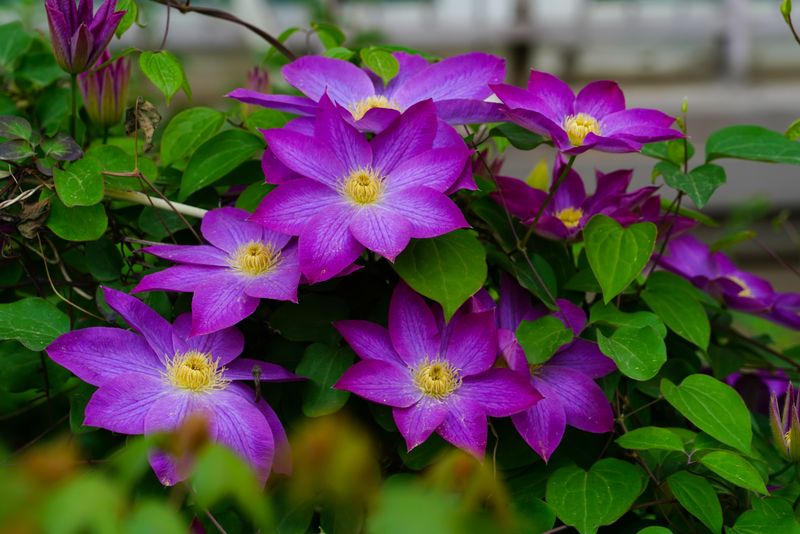
Clematis hybrids are among the most visually striking climbing plants you can put on a fence. Flowers can reach six inches across in shades of purple, pink, white, red, and bicolor patterns that stop people mid-stride.
Hundreds of hybrid varieties exist, and most grow vigorously in USDA zones 4 through 9. That range covers the entire state comfortably, from the Hudson Valley up through the Adirondack foothills.
Most hybrids climb by twisting their leaf stalks around fence wires, lattice, or thin wooden supports. They never produce sucker pads or deep-penetrating roots, keeping your fence and foundation completely safe.
Growth rates vary by variety, but most popular hybrids like Jackmanii or The President reach eight to twelve feet in a single season. That kind of coverage transforms a bare fence into a blooming focal point fast.
Pruning rules depend on the variety, so check your specific plant’s label before cutting. Getting the pruning group right means more flowers and a healthier plant through the years.
Plant the crown of the clematis about two inches below soil level to protect against a common fungal issue called clematis wilt. A thick layer of mulch over the roots keeps them cool and moist, which this plant loves.
Feeding monthly with a high-potassium fertilizer from spring through midsummer encourages strong, sustained flower production. Removing spent blooms encourages a second flush on many popular varieties.
Clematis hybrids rank among the best climbing plants for fences anywhere, delivering unmatched color, reliable growth, and no structural risk to your property.
5. Morning Glory
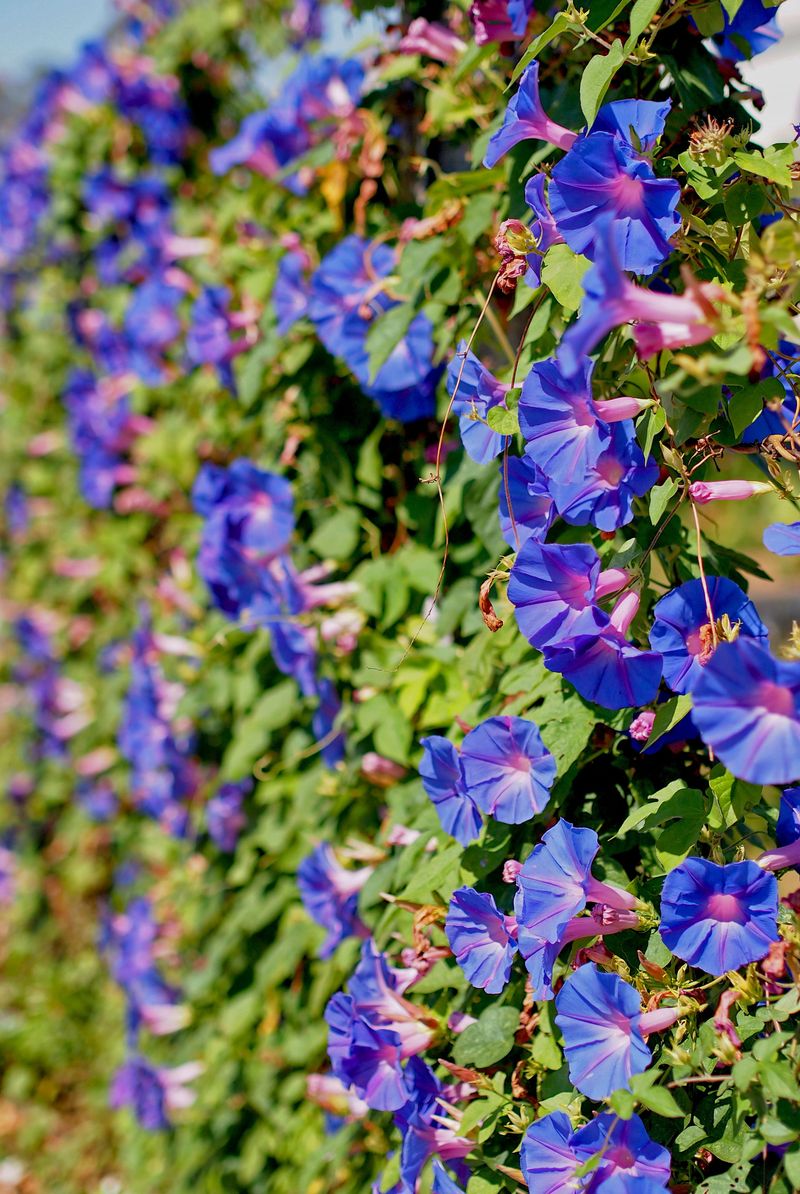
Image Credit: © André Ulysses De Salis / Pexels
Few things feel more cheerful than walking out to a fence covered in spinning blue and purple trumpets first thing in the morning. Morning Glory is one of those plants that makes gardening feel effortless and instantly rewarding.
This annual vine grows from seed to full fence coverage in about sixty to ninety days. Plant seeds directly in the ground after the last frost, and the results will genuinely surprise even skeptical gardeners.
Morning Glory climbs by twining its stems around fence wires, wooden slats, or string supports. It leaves fence posts and foundations completely undisturbed.
Varieties like Heavenly Blue, Grandpa Ott, and Scarlett O’Hara offer a rainbow of colors beyond the classic sky blue. Mixing a few varieties together creates a patchwork of color that looks planned but feels wild and spontaneous.
Because it is an annual, Morning Glory does not overwinter and come back aggressively like some perennial vines. You control exactly where it grows each year, which is a big advantage in smaller yards.
The flowers open in the morning and close by afternoon, which gives the plant its name and its charm. On cloudy days they tend to stay open longer, making overcast summer mornings surprisingly spectacular.
Water regularly during dry spells to keep the blooms coming strong through summer. Avoid over-fertilizing with nitrogen, or you will get lush leaves and almost no flowers at all.
Seeds self-sow lightly, so a few volunteers may pop up near the fence the following spring. Thinning them early keeps the planting from getting too crowded.
For a fast, colorful, and completely foundation-safe option, Morning Glory is one of the most rewarding annuals you can grow on a fence.
6. Black-Eyed Susan Vine
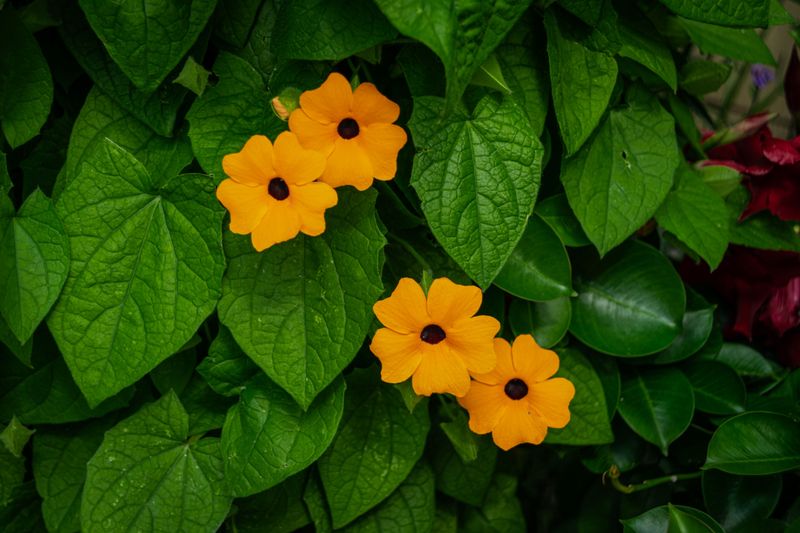
Imagine a fence blazing with orange and gold blooms all summer long. Black-Eyed Susan Vine, or Thunbergia alata, delivers that exact effect with cheerful, high-contrast blooms that keep going from June until frost.
Originally from tropical Africa, this vine is grown as an annual in cooler climates. That means no worrying about it spreading uncontrollably or establishing permanent roots near your foundation.
Each flower features bright petals surrounding a distinctive dark center, which gives the plant its memorable name. Colors range from classic orange to yellow, cream, and even salmon, depending on the variety you choose.
Growth is quick and enthusiastic, reaching six to eight feet by midsummer when planted in a warm, sunny spot. A fence with full southern exposure is basically paradise for this sun-loving climber.
The vine twines naturally around fence wires, thin wooden supports, or trellis netting. It does not cling using rootlets or suction pads, so removal at the end of the season is simple and clean.
Start seeds indoors about six weeks before the last frost date, or buy transplants from a local nursery in late spring. Either approach gives you a head start on coverage before summer heat really kicks in.
Remove spent blooms regularly to keep new flowers coming without pause. A light feeding every two weeks with a balanced liquid fertilizer keeps the color intense through the hottest months.
Among the best climbing plants for fences that want nonstop summer color, Black-Eyed Susan Vine is playful, productive, and impossible to ignore.
7. William Baffin
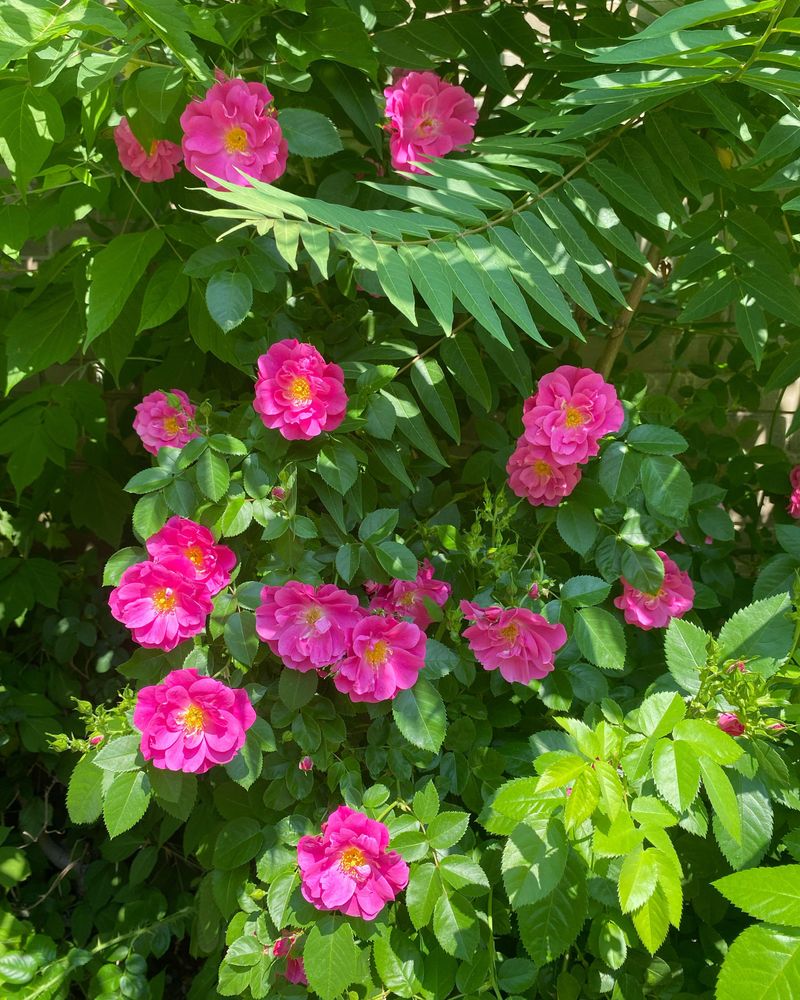
Some roses demand constant attention. William Baffin is not one of them.
This Canadian-bred climbing rose was developed specifically for cold climates, and it shows. Hardy down to zone 3, it handles New York winters without fuss, without special wrapping, and without the winter damage that sidelines less resilient varieties.
The blooms are hard to miss. Deep pink, semi-double flowers appear in large clusters from late spring and keep coming in waves through fall.
Few climbing roses rebloom as reliably as William Baffin. The flowers have a light fragrance and age gracefully, transitioning from bright pink to soft rose as they mature.
Growth is vigorous. William Baffin can reach 8 to 10 feet in a single season once established, sending out long, arching canes that are easy to train along a fence.
Spreading the canes sideways rather than letting them grow straight up encourages more lateral branching and denser coverage. A few anchor points with soft ties are all it takes.
Disease resistance is another strong point. This variety shows good natural resistance to black spot and powdery mildew, two of the most common problems in humid New York summers.
It performs best in full sun with well-drained soil. Small red-orange hips appear in late fall, adding color long after the blooms have faded.
Pollinators find the open-centered blooms easy to access, and bees tend to work the flowers heavily during peak bloom. For a fence that earns its keep on multiple levels, William Baffin is difficult to beat.