The Reason Mourning Doves Nest In Your New York Yard
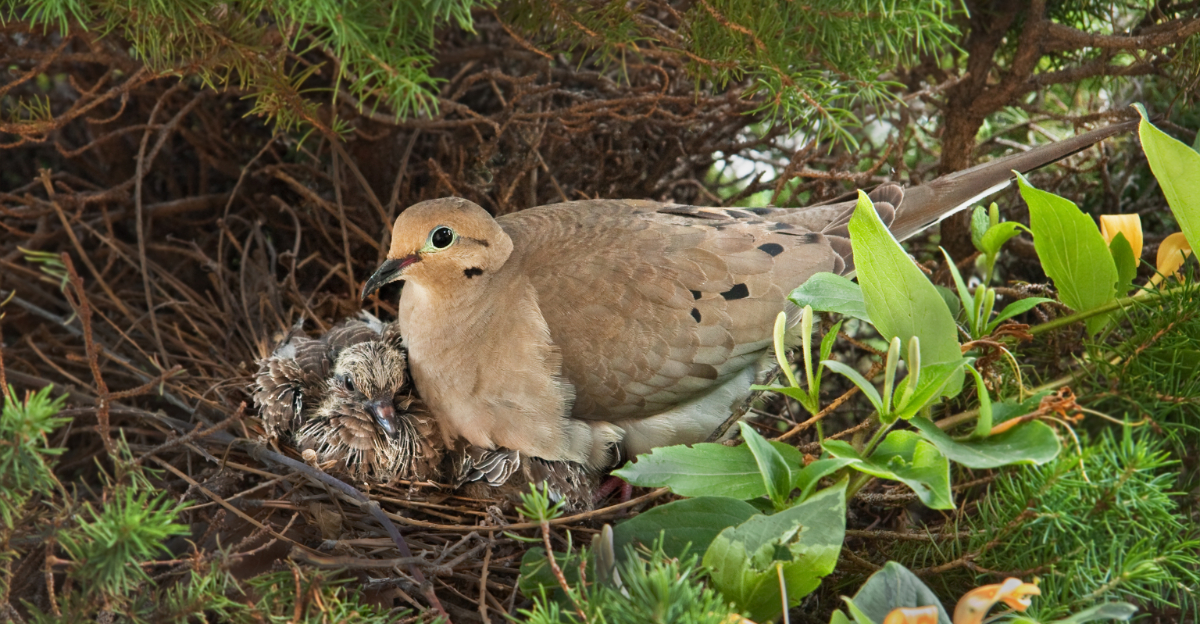
Two mourning doves settle into your hedge like they signed a lease. They tilt their heads, study the yard, then relax into stillness that says they plan to stay. This is not luck.
New York yards are drawing more of these birds each season, and something specific in your setup is pulling them in. Doves scan for exact conditions before they commit to a spot.
Dense branches that hide a nest from hawks. A feeder that keeps seed flowing without much fuss. Open ground nearby for feeding, paired with cover close enough for a quick retreat.
Your New York yard likely offers a mix of these features without you realizing it. The birds already noticed your yard. Now it’s worth noticing what they see in it.
Dense Shrubs And Trees Offer Safe Nesting Cover
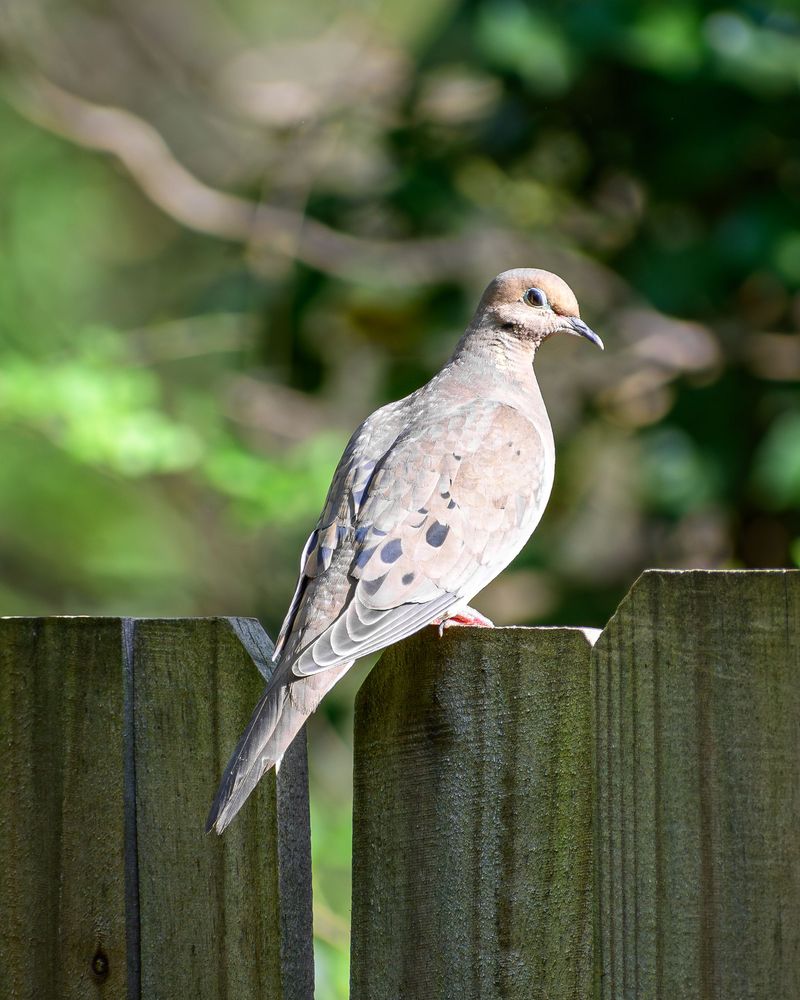
Thick cover is the first thing a mourning dove scouts for. Dense shrubs and low tree branches give nesting pairs exactly the shield they need from wind, rain, and curious predators.
Mourning doves in New York yards often tuck their nests into evergreens, arborvitae, or overgrown hedges. The denser the foliage, the more appealing the spot feels to a searching pair.
Their nests are surprisingly simple structures. A mourning dove builds a loose, flat platform of twigs that barely looks like a nest at all, yet it holds eggs safely when tucked inside thick branches.
Yards with layered plantings, meaning tall trees above and dense shrubs below, offer the best setup. That layered structure mimics natural woodland edges, which is where these birds historically thrived.
If your New York yard has a row of tall arborvitae along the fence, you have likely already hosted a nesting pair without knowing. Check the inner branches near the trunk for that telltale flat twig platform.
Planting native shrubs like viburnum or serviceberry adds both cover and food. Those plants attract insects and berries, making your yard a full-service stop for a nesting dove family.
Even a single overgrown corner of your yard can become prime nesting real estate. Mourning doves are not looking for perfection, just enough shelter to feel safe raising a family.
Open Feeding Areas Sit Close To Nest Sites
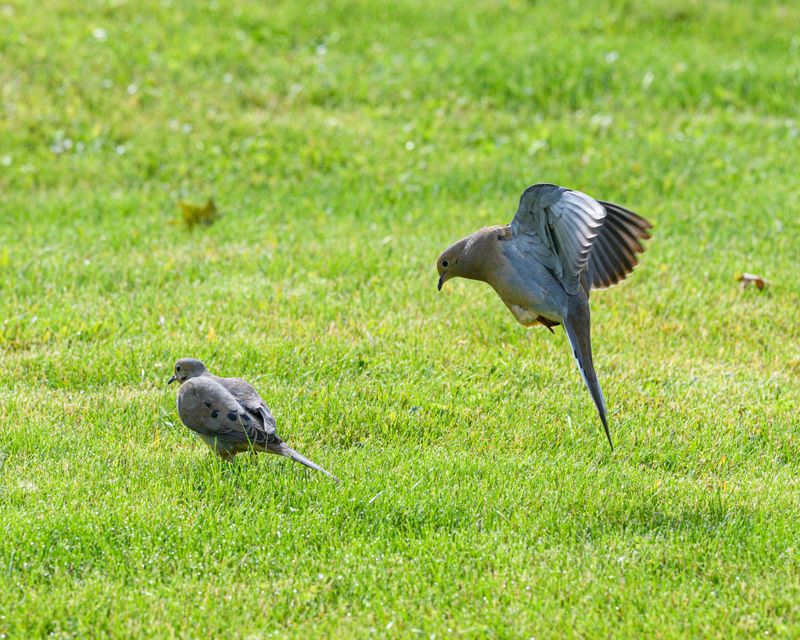
Watch a mourning dove feed and you will notice something right away. They prefer open ground where they can spot danger from a distance while pecking at scattered seeds below.
This feeding behavior directly shapes where they choose to nest nearby. A pair almost always picks a nest location within easy gliding distance of a reliable food source.
Mourning doves are ground feeders by nature. They do not cling to hanging feeders like chickadees or nuthatches, so a yard with open lawn areas or bare garden patches is pure gold to them.
Scattered millet or cracked corn on a low platform feeder or directly on the ground pulls them in fast. Once they find consistent food in your New York yard, they start scouting the surrounding shrubs for nesting spots.
Your New York Garden Changes Every Week. Your Plan Should Too.
Gardening in New York changes quickly throughout the season. Every Friday you’ll receive a simple weekly plan showing exactly what to plant, prune, fertilize, harvest, and protect so you never miss the right timing.
The proximity of food to shelter is key. Nesting pairs typically stay close to feeding zones, keeping their energy focused on raising young instead of long foraging trips.
A birdbath placed in an open area adds another layer of appeal. Clean, shallow water near a feeding spot signals safety and comfort, two things a nesting dove ranks above almost everything else.
When your yard offers food and open sight lines together, doves connect those dots quickly. That combination is one of the strongest draws for a returning nesting pair year after year.
Flat Surfaces Make Easy Nest-Building Spots
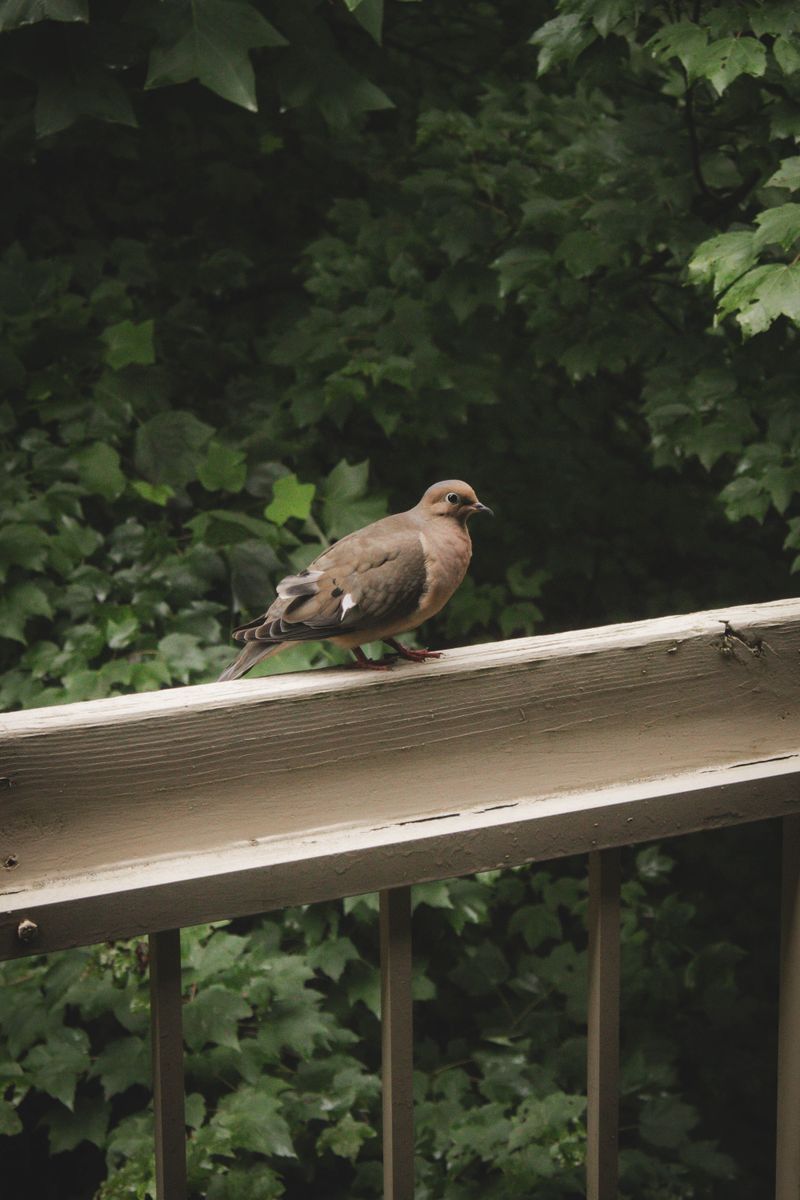
Mourning doves are not ambitious architects. Their nests are flat, loosely woven twig platforms that take almost no time to assemble, which means they favor surfaces that do the structural work for them.
Flat ledges, window sills, gutters, and even outdoor light fixtures become prime real estate when a dove pair is scouting. Any horizontal surface that holds a few twigs is fair game.
This habit surprises many homeowners who expect bird nests to be tucked high in tree canopies. Mourning doves often nest at eye level or just above, making their nests shockingly easy to spot once you know where to look.
Wooden deck railings with flat tops are especially popular in suburban yards. A dove can land, drop a few sticks, and have a functional nest within a few days, which is impressive even for a minimalist builder.
Potted plants on patios also attract nesting attempts, especially wide-mouthed pots with trailing plants around the edges. The rim provides support while the plant offers just enough concealment to feel secure.
If you want to encourage nesting without the mess, consider placing a small nesting shelf or shallow platform on a sheltered wall. Doves will adopt it quickly if it sits near good cover and a food source.
Their low-effort building style means more nesting attempts per season. Flat surfaces throughout your yard multiply the chances that a pair will settle in and stay through the warm months.
Consistent Food Sources Keep Pairs Returning Yearly
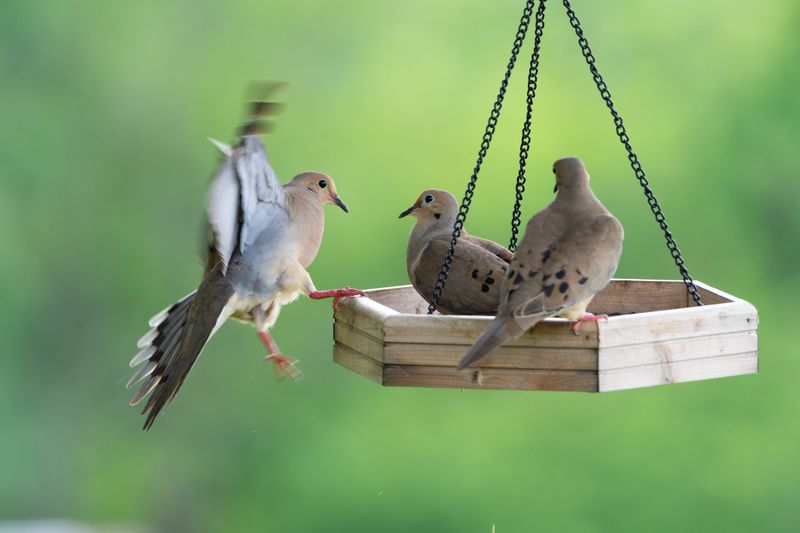
Reliability is everything to a mourning dove. Once a pair discovers a yard with steady food, they log that location in their memory and return to it season after season with remarkable consistency.
Mourning doves eat almost exclusively seeds. Millet, sunflower chips, safflower, and cracked corn rank among their favorites, and a feeder stocked with any of these keeps them coming back reliably.
The returning behavior is not just habit, it is smart survival strategy. A known food source reduces the risk that comes with exploring unfamiliar territory, especially during the demanding nesting season.
Mourning doves are known for strong site fidelity, and pairs often return to the same yards across multiple breeding seasons. Homeowners who keep feeders filled through winter often see the same birds arrive in spring ready to nest again.
Consistency matters more than abundance. A feeder that holds a modest amount of seed but stays reliably stocked beats a large feeder that runs empty for days at a time.
Spreading seed on the ground near shrubs combines two attractions in one spot. Ground-level food next to cover creates a setup that mirrors the natural habitat doves evolved to seek out.
Keeping your feeding routine steady through spring and early summer is especially powerful. That timing aligns with the start of nesting season, and a well-fed pair is far more likely to raise multiple broods right in your New York yard.
Multiple Broods Extend Nesting Into Late Summer
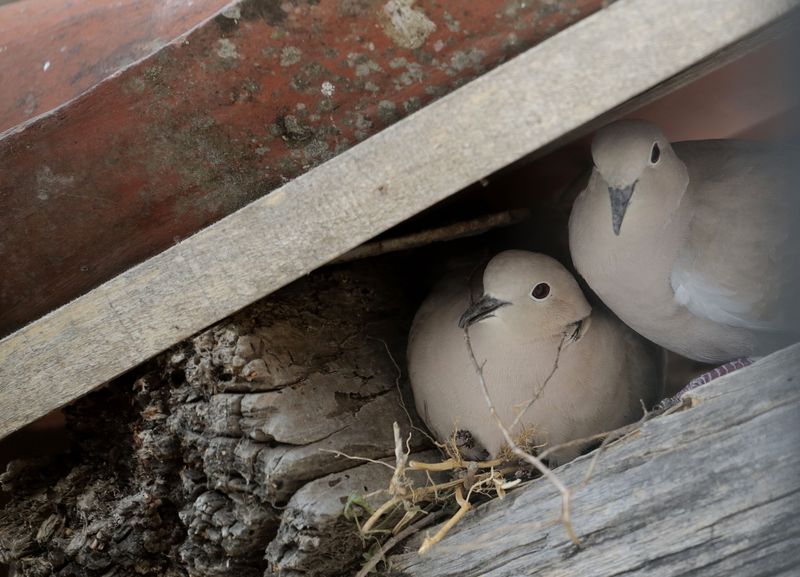
Here is a fact that catches most people off guard. Mourning doves can raise several broods in a single season, sometimes up to four or five in New York, which means nesting activity in your yard can stretch from April all the way into September.
Each nesting cycle runs about four weeks from egg-laying to fledgling departure. That tight turnaround allows a productive pair to cycle through multiple nests before cooler weather arrives.
The male and female share incubation duties in a very organized way. The male typically sits on the eggs during the day while the female takes the night shift, a division of labor that keeps the nest covered around the clock.
After chicks fledge, the pair often reuses the same nest or builds a new one nearby. This loyalty to a productive location is why yards with good cover see wave after wave of nesting activity through summer.
Young mourning doves, called squabs, grow at a startling pace. They typically leave the nest within about two weeks of hatching, fueled largely by crop milk produced by both parents.
That rapid growth rate supports the multi-brood strategy perfectly. Fast development means less time exposed to predators and more time for the parents to begin the next nesting cycle.
If you notice doves in your yard through July and August, you are witnessing late-season broods in action. Your New York yard has become a trusted nesting ground, and that loyalty is worth celebrating.
Simple Yard Choices Encourage Repeat Nesting
You do not need a wildlife sanctuary to keep mourning doves nesting in your yard. A few thoughtful choices go a long way toward making your outdoor space an annual destination for returning pairs.
Start by keeping at least one dense shrub or small evergreen unpruned through spring. That overgrown corner you keep meaning to tidy up might already be sheltering a nest you never noticed.
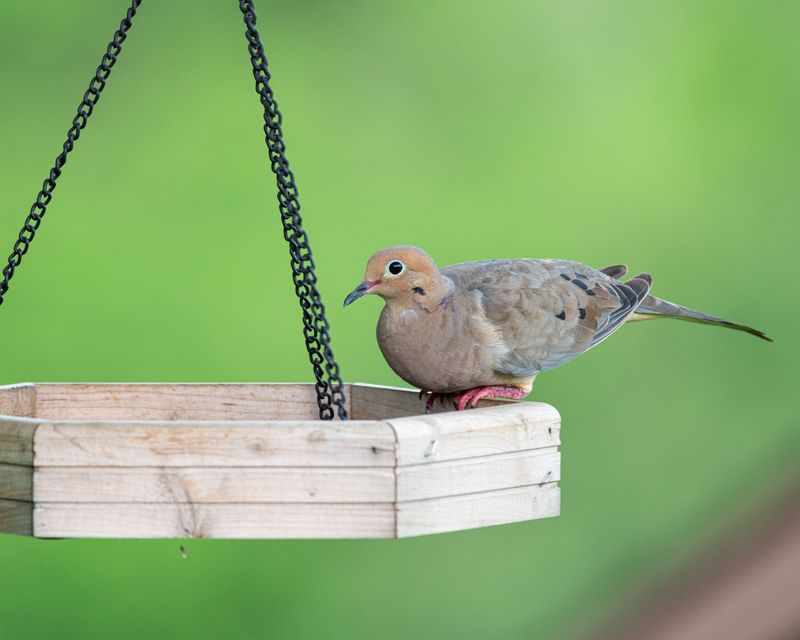
Low platform feeders or ground-scattered seed near cover create the food-plus-shelter combination that nesting mourning doves actively seek. Adding a shallow birdbath within sight of the feeder completes the setup almost perfectly.
Avoid using pesticides on your lawn during nesting season. Mourning doves feed almost exclusively on seeds, so a chemical-free yard keeps their food supply safe for growing chicks.
Reducing foot traffic near active nesting areas makes a real difference. Doves tolerate human presence reasonably well, but repeated close disturbances can cause a pair to abandon a nest mid-cycle.
Leaving a small patch of bare ground or gravel near plantings gives doves a place to forage naturally. That simple detail signals that your yard is safe and productive, two qualities a returning pair values highly.
Every yard that consistently hosts mourning doves becomes part of a local nesting network. Your small choices ripple outward, supporting one of the most recognizable and beloved birds in the New York landscape.