Vertical Growing Vegetables That Actually Thrive In Wisconsin Gardens
Wisconsin gardeners are problem solvers by necessity. Short seasons, cold springs, and plots that never feel quite big enough have a way of forcing creativity.
Vertical growing is one of the smartest solutions this climate has to offer. Pull your vegetables off the ground, give them something to climb, and watch what happens to your harvest.
Airflow improves. Pests have fewer places to hide. Fruits grow straighter and cleaner. And a garden that looked cramped in May suddenly has room for everything by June.
These vegetables were chosen specifically for Wisconsin conditions, not just because they climb, but because they actually produce in the time the season allows.
1. Pole Beans Reach For The Sky So You Don’t Have To Bend Over
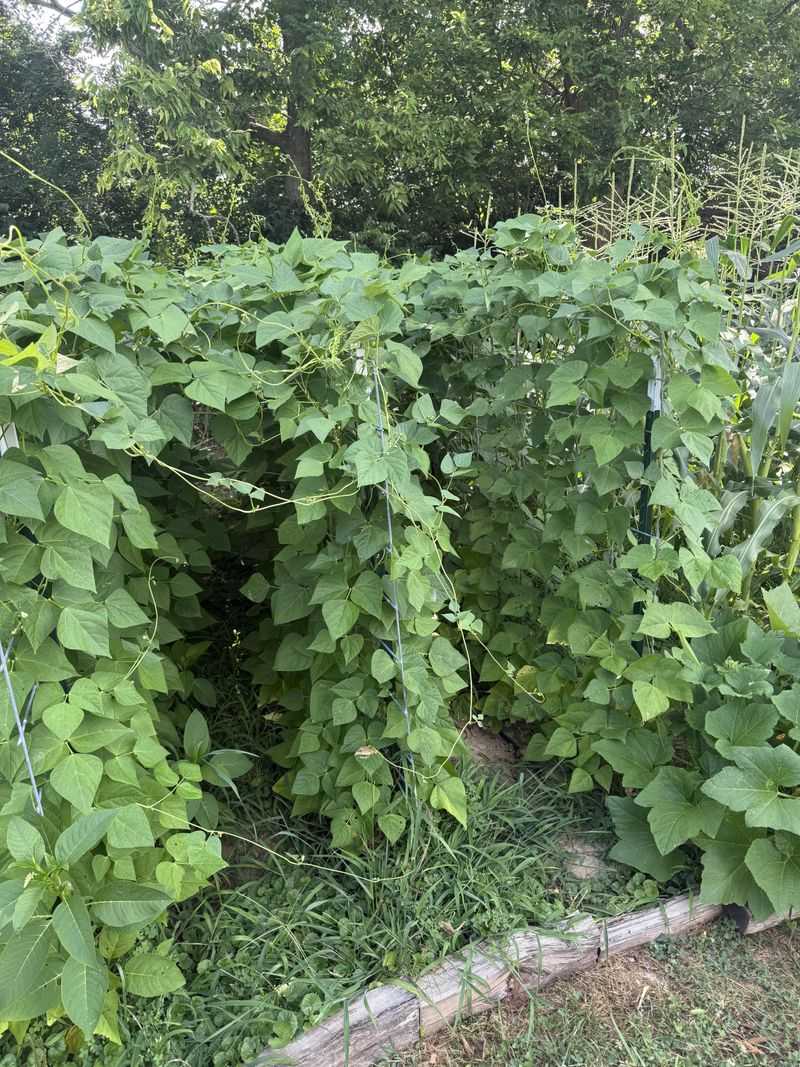
Pole beans are the ultimate lazy-gardener crop, and that is meant as a compliment. They grow upward with almost no help, produce for weeks, and ask for very little in return.
Plant them at the base of a simple tee-pee structure made from bamboo stakes. They will grab on and start climbing within days of sprouting.
Wisconsin summers give pole beans exactly what they crave: warm days, decent rainfall, and full sun. Varieties like Kentucky Wonder and Blue Lake Pole thrive in zones 4 and 5 without fuss.
Harvesting is the part most gardeners love most. Standing upright while picking beans is a back-saving luxury that flat-growing bush beans will never offer you.
Vertical growing vegetables that actually thrive in Wisconsin gardens almost always include pole beans near the top of the list. Experienced gardeners recommend them to beginners every single season.
One underrated bonus is that pole bean plants create shade below them. You can tuck lettuce or spinach underneath and extend your cool-season crops well into July.
Succession planting works beautifully with pole beans too. Sow a second batch three weeks after the first, and you will have fresh beans stretching deep into August.
Space them about four inches apart at the base of your structure. They will fill in quickly and create a lush green wall of productivity in your garden.
Few vegetables reward effort so generously. One packet of seeds, one afternoon of setup, and you are eating fresh beans for two solid months straight.
2. Peas Were Born To Climb So Let Them
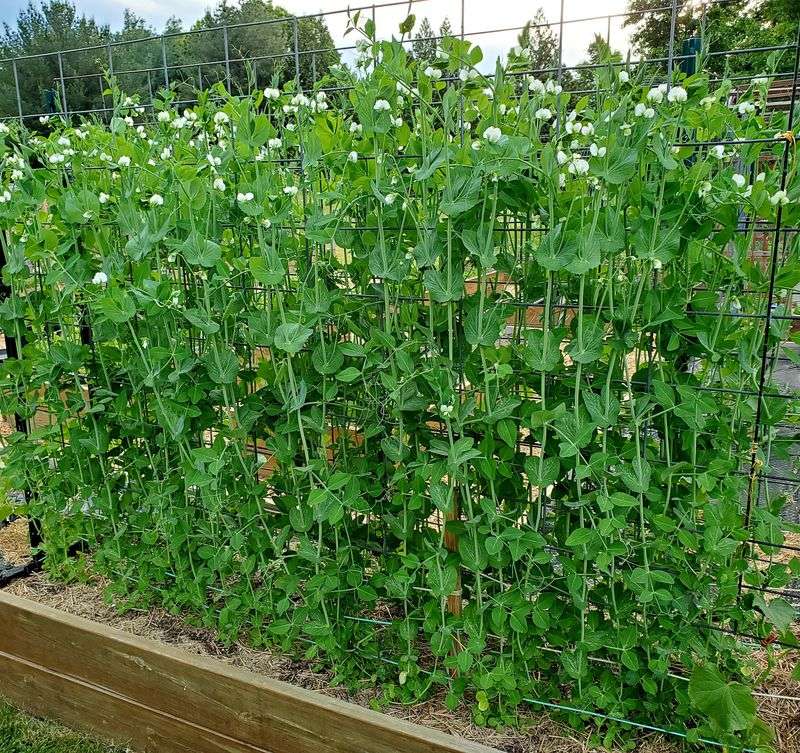
There is something almost poetic about watching a pea tendril curl around a wire trellis. Peas seem to know exactly what they are supposed to do, and they do it without any help from you.
In Wisconsin, peas love the cool spring weather that arrives in April and May. They actually struggle in heat, so getting them into the ground early is the key to a big harvest.
Snap peas, snow peas, and shelling peas all climb beautifully on a simple wire or netting trellis. Aim for a support that stands about five feet tall, and they will fill every inch of it.
Plant seeds about an inch deep and two inches apart along the base of your trellis. Within a week, tiny shoots appear, and within two weeks, the climbing begins in earnest.
Your Wisconsin Garden Changes Every Week. Your Plan Should Too.
Gardening in Wisconsin changes quickly throughout the season. Every Friday you’ll receive a simple weekly plan showing exactly what to plant, prune, fertilize, harvest, and protect so you never miss the right timing.
Vertical growth keeps pea pods off the soil, which dramatically reduces rot and mold issues. Air circulates freely between the vines, and you end up with cleaner, crisper pods at harvest time.
Sugar Snap is a crowd favorite for good reason. The pods are sweet enough to eat raw right in the garden, which means half your harvest disappears before it ever reaches the kitchen.
Peas fix nitrogen in the soil as they grow, which is a hidden gift to your garden. After the season ends, chop the vines and work them into the bed to feed next year’s crops.
A trellis full of peas in May is one of the most satisfying sights a Wisconsin gardener ever gets. Grow them tall and eat them fresh.
3. Cucumbers On A Trellis Yield More And Complain Less
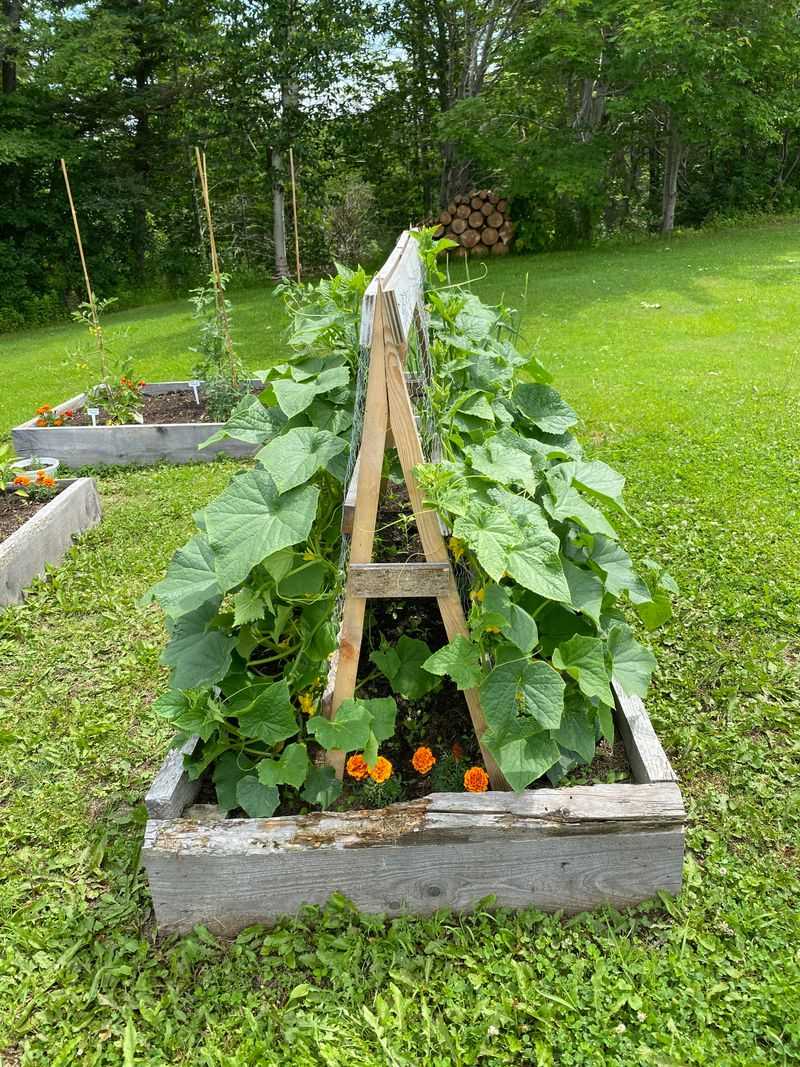
Cucumbers sprawling across the ground look chaotic and take up enormous space. Train them vertically, and the same plant suddenly becomes tidy, productive, and shockingly easy to manage.
A sturdy trellis or cattle panel works perfectly for cucumbers. Set it up before planting so you never disturb the roots later when the structure needs adjusting.
Wisconsin gardeners typically start cucumber seeds indoors in mid-April and transplant after the last frost, usually between late May and early June. The growing season lines up well for a solid harvest.
Vertical cucumbers develop straighter fruits because they hang freely instead of curling on the ground. Straight cucumbers slice more evenly and honestly look more appealing on a plate.
Disease pressure drops significantly when vines are lifted off the soil. Powdery mildew and cucumber beetles still show up, but airflow through the trellis slows their spread considerably.
Varieties like Straight Eight and Marketmore perform well on a trellis in Wisconsin. Slicing types tend to climb more aggressively than pickling types, so plan your support height accordingly.
Watering at the base matters more when cucumbers grow vertically. Overhead watering encourages leaf disease, so use a drip line or soaker hose to keep moisture at the roots where it belongs.
Harvesting is faster and more complete when fruits hang in plain sight. Nothing hides behind a leaf and turns into a yellow softball before you notice it sitting there.
Vertical growing vegetables that thrive in Wisconsin gardens almost always include cucumbers, and once you try them on a trellis, going back feels unthinkable.
4. Scarlet Runner Beans Are The Showoffs Of The Vertical Garden
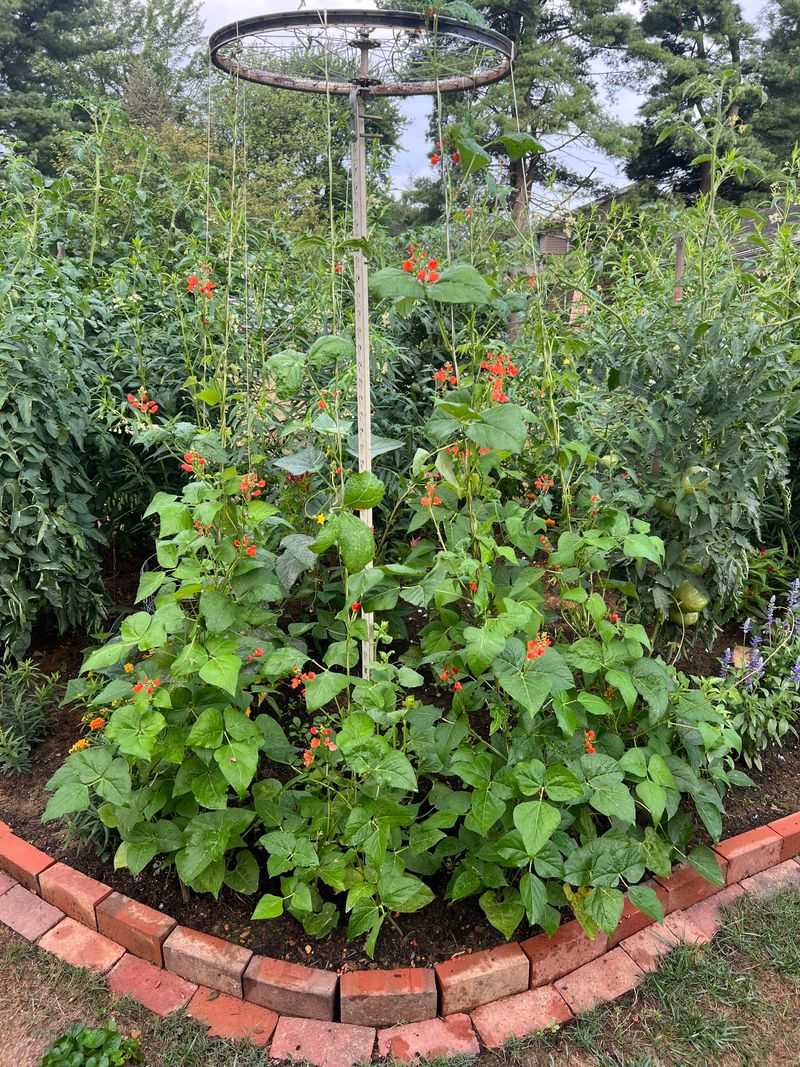
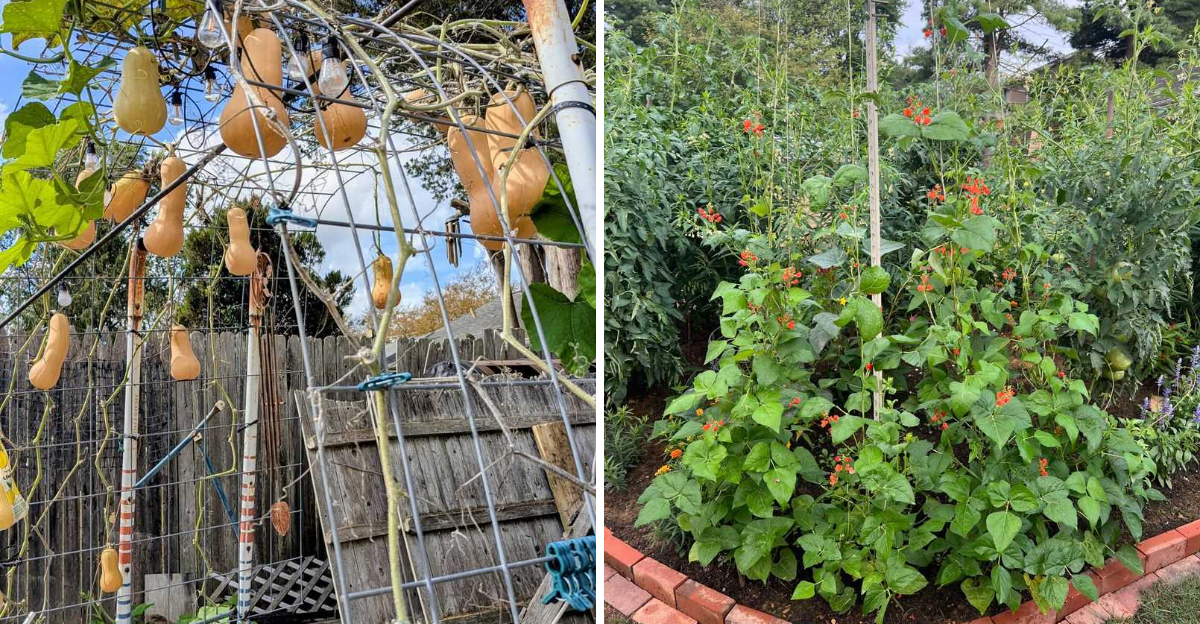
Scarlet runner beans arrive at the party dressed in red and refuse to blend into the background. The flowers are vivid, the vines are vigorous, and the beans are genuinely delicious.
Most gardeners in Wisconsin discover these plants by accident, usually through a seed swap or a neighbor’s recommendation. One season with them and they become a permanent fixture in the garden.
The bright red-orange blossoms attract hummingbirds like a magnet. Planting them near a patio turns your garden into a wildlife show that runs all summer long at no cost to you.
Scarlet runners grow fast and tall, typically reaching six to eight feet in a Wisconsin season, though they can push higher with the right support.
Wisconsin’s warm summers push these plants into overdrive. Plant seeds directly after the last frost date, keep the soil moist for the first two weeks, and then step back and watch them go.
The beans themselves are large, purple-streaked, and meaty when fresh. Dried, they become a gorgeous speckled bean that works beautifully in soups and stews through the long winter months.
Unlike some vertical crops that demand constant attention, scarlet runners are largely self-sufficient. They climb without guidance, flower without fertilizer, and produce without much fuss from the gardener.
One practical tip: soak the seeds overnight before planting. Germination speeds up noticeably, and you will see sprouts pushing through the soil within five to seven days of planting.
Few vegetables earn compliments from non-gardeners quite like this one does every single summer.
5. Winter Squash Grows Big But A Trellis Keeps It In Check
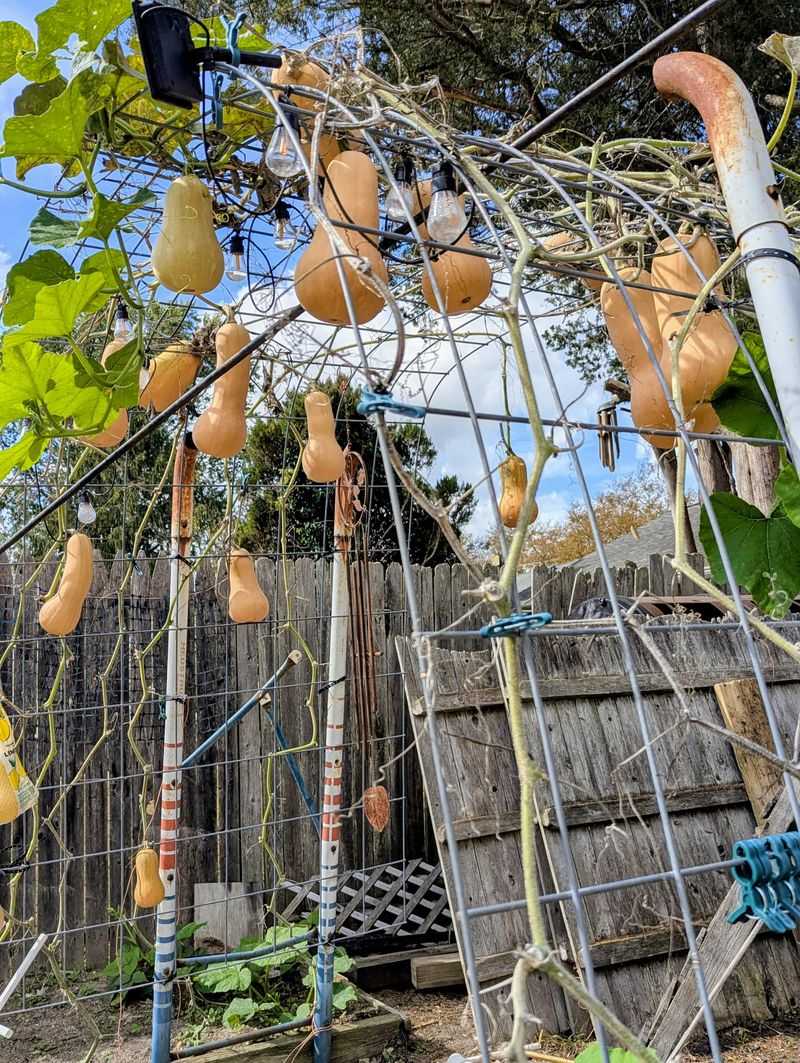
Winter squash has a reputation for being a space hog, and honestly, that reputation is earned. Left to its own devices, one plant can swallow a raised bed and half the lawn beside it.
Training it vertically changes the entire dynamic. The vines go up instead of out, and suddenly a plant that once needed twelve square feet fits comfortably in a two-foot footprint.
You will need a very strong trellis for this project. Cattle panels anchored to T-posts are the gold standard for supporting mature squash vines and their heavy fruits.
As the vine climbs, weave it gently through the trellis openings. Check it every two to three days because winter squash grows fast and will flop sideways if you ignore it too long.
The fruits get heavy, and that is where slings come in. Cut strips of old pantyhose or use mesh produce bags to cradle each squash as it develops, tying the sling to the trellis above.
Butternut, Delicata, and Sweet Dumpling varieties work especially well for vertical growing. Their smaller, more compact fruits are easier to support than a full-sized Hubbard squash.
Wisconsin’s growing season is long enough for most winter squash varieties to mature fully. Start seeds indoors in early May and transplant after Memorial Day for best results.
Vertical growing vegetables that thrive in Wisconsin gardens include winter squash when gardeners commit to the structure it needs. The payoff is a stunning, productive vertical display and a pantry full of squash for winter meals.
6. Zucchini Goes Vertical And Finally Stops Taking Over Your Garden
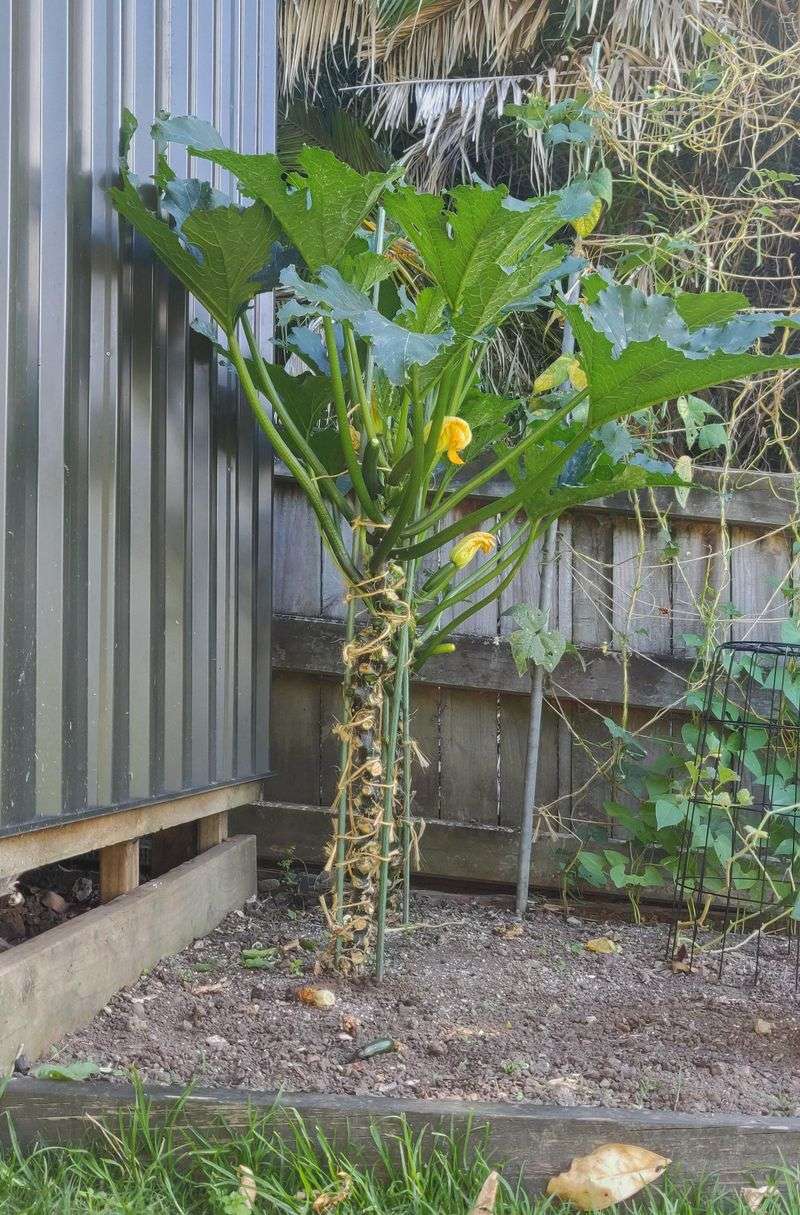
Every Wisconsin gardener has a zucchini horror story. One week you have a tidy plant, and the next week you are leaving bags of squash on neighbors’ doorsteps in the middle of the night.
Growing zucchini vertically solves the sprawl problem almost completely. The plant stays contained, the fruits hang in clear view, and you actually catch them before they become baseball bats.
Choose a compact variety like Black Beauty or Patio Star for vertical growing. These bush types grow from a single upright stem that responds well to staking and training.
Set up a sturdy cage or vertical wire support before you plant. The main stem needs to be tied loosely to the support as it grows, using soft garden tape or strips of fabric.
Wisconsin summers are warm enough to push zucchini into rapid production by July. Direct sow seeds after your last frost date, and expect your first harvest within fifty-five to sixty-five days.
Vertical growth improves air circulation around the leaves, which slows powdery mildew significantly. Mildew is the number one reason zucchini plants fade in late summer, so this benefit is genuinely meaningful.
Pollination is worth watching closely with vertical zucchini. Hand-pollinate using a small paintbrush if you notice fruits forming and then shriveling before they develop properly.
Pick zucchini when fruits are six to eight inches long. At that size they are tender, flavorful, and easy to cook without needing a wheelbarrow to carry them in from the garden.
Going vertical with zucchini is the smartest move a home gardener can make all season long.
7. Indeterminate Tomatoes Will Climb All Summer If You Let Them
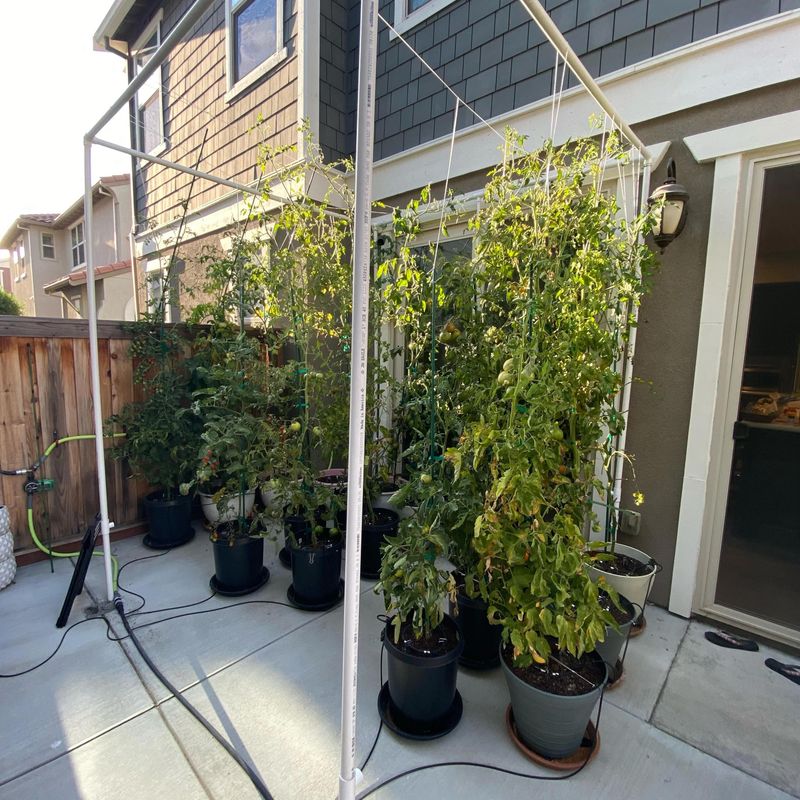
Indeterminate tomatoes do not stop growing until frost shuts them down. They are ambitious, relentless, and absolutely committed to producing as many tomatoes as the season allows.
That ambition needs a strong outlet. A flimsy wire cage from the hardware store will not cut it once a plant hits five feet and starts leaning toward your neighbor’s yard.
Tall wooden stakes, cattle panel cages, or a Florida weave system all work well for managing indeterminate varieties in Wisconsin. Invest in proper support early, and the plants reward you handsomely.
Varieties like Brandywine, Sun Gold, and Cherokee Purple are indeterminate and wildly popular in Midwestern gardens. They climb, they produce, and they taste like summer in a way that store-bought tomatoes simply cannot match.
Pruning the suckers is the key habit that keeps vertical tomatoes manageable. Pinch off the small shoots that emerge between the main stem and side branches, and the plant channels energy into fruit instead of foliage.
Wisconsin gardeners typically start tomatoes indoors in late March or early April. Transplanting happens after the last frost, and by mid-July the vertical growing is in full, glorious effect.
Consistent watering matters enormously with tall tomato plants. Irregular moisture causes blossom end rot and cracking, two problems that ruin an otherwise perfect harvest at the worst possible moment.
Tie the main stem to your support every eight to ten inches as the plant climbs. Soft silicone ties or old T-shirt strips work better than rigid clips that can cut into the stem.
Vertical growing vegetables that thrive in Wisconsin gardens always have room for one more indeterminate tomato climbing hard until the first frost calls it quits.