How To Compost Successfully In Georgia Summer Heat When Everything Dries Out Too Fast
Nothing is more frustrating than checking a compost pile and finding material that feels dry enough to blow away in the wind.
Kitchen scraps, grass clippings, and leaves go in with good intentions, yet the pile never seems to develop the rich, crumbly texture everyone hopes for.
Summer can be especially challenging because heat speeds up moisture loss much faster than many expect. What seemed perfectly damp a few days ago can suddenly feel dry and inactive.
When that happens, decomposition slows down and the pile struggles to make progress.
In the middle of Georgia’s hottest weather, compost often needs a different approach than it does during spring or fall. Moisture management becomes more important, and small adjustments can have a surprisingly big impact on results.
The encouraging part is that successful composting does not require complicated techniques.
Keeping the pile active through summer is often a matter of understanding what the heat is doing and responding before problems start.
1. Build The Pile Large Enough To Hold Moisture
Size matters more than most people realize when it comes to summer composting. A pile that is too small loses moisture quickly and cannot hold internal heat evenly.
Bigger piles create their own microclimate inside, which helps slow down moisture evaporation even on brutal summer days.
Aim for a pile that is at least three feet wide and three feet tall. That is roughly the minimum needed to retain enough moisture and warmth at the center.
Smaller piles just cannot compete with the drying power of a Georgia summer afternoon.
Layering matters too. Alternate between carbon-rich browns like cardboard and straw with nitrogen-rich greens like vegetable scraps and fresh grass clippings.
Thicker layers hold water better than thin, scattered ones.
A well-built pile acts almost like a sponge. When it has enough mass, the outer layer may dry out but the inside stays moist and active.
That inner moisture is what keeps decomposition moving forward.
Do not worry if the outside looks dry. Check about six inches in before deciding whether to water.
If the center feels like a wrung-out sponge, your pile is in good shape.
2. Add More Green Material During Hot Weather
Dry summers pull moisture out of your pile faster than you can replace it. One of the easiest fixes is adding more green materials during hot spells.
Greens like fruit scraps, vegetable peels, fresh grass clippings, and coffee grounds carry water inside them naturally.
When temperatures climb above 90 degrees, your pile needs that extra moisture boost. Greens act as a built-in water source without you having to drag out the hose every day.
Adding a bucket of kitchen scraps can make a noticeable difference within 48 hours.
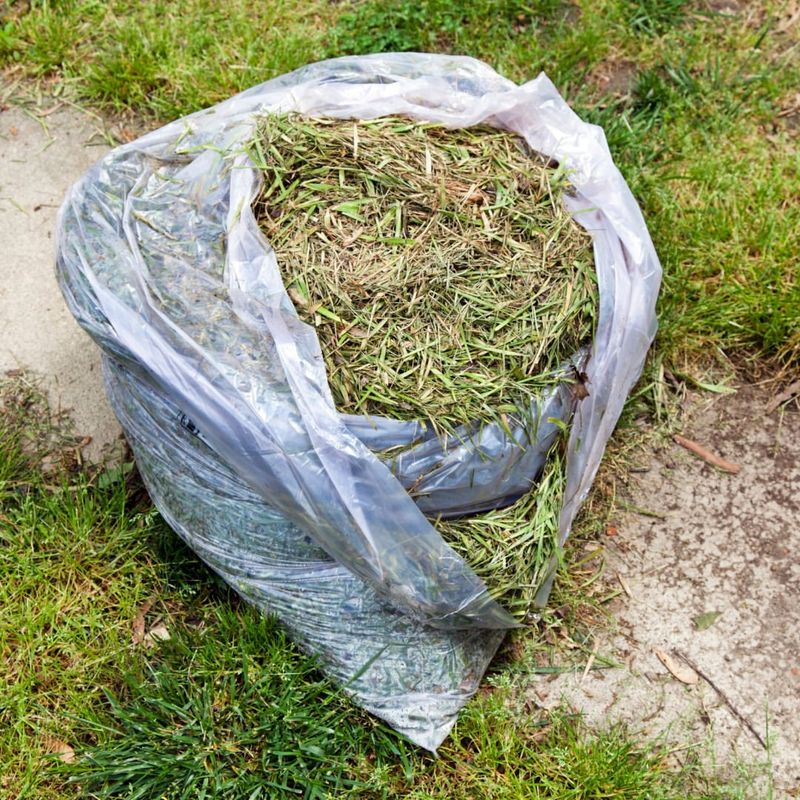
Fresh grass clippings work especially well in summer. They break down fast and release moisture as they decompose.
Spread them in thin layers though, because thick clumps can mat together and block airflow.
Watermelon rinds, cucumber ends, and overripe tomatoes are gold during dry stretches. They are mostly water and break down quickly, feeding both moisture and nitrogen into the pile at the same time.
Your Georgia Garden Changes Every Week. Your Plan Should Too.
Gardening in Georgia changes quickly throughout the season. Every Friday you’ll receive a simple weekly plan showing exactly what to plant, prune, fertilize, harvest, and protect so you never miss the right timing.
Keep a small collection bucket in your kitchen so scraps do not pile up before you get them outside. Regular small additions beat one giant dump every two weeks.
Consistency keeps moisture levels more stable throughout the week.
3. Water The Pile Before It Becomes Bone Dry
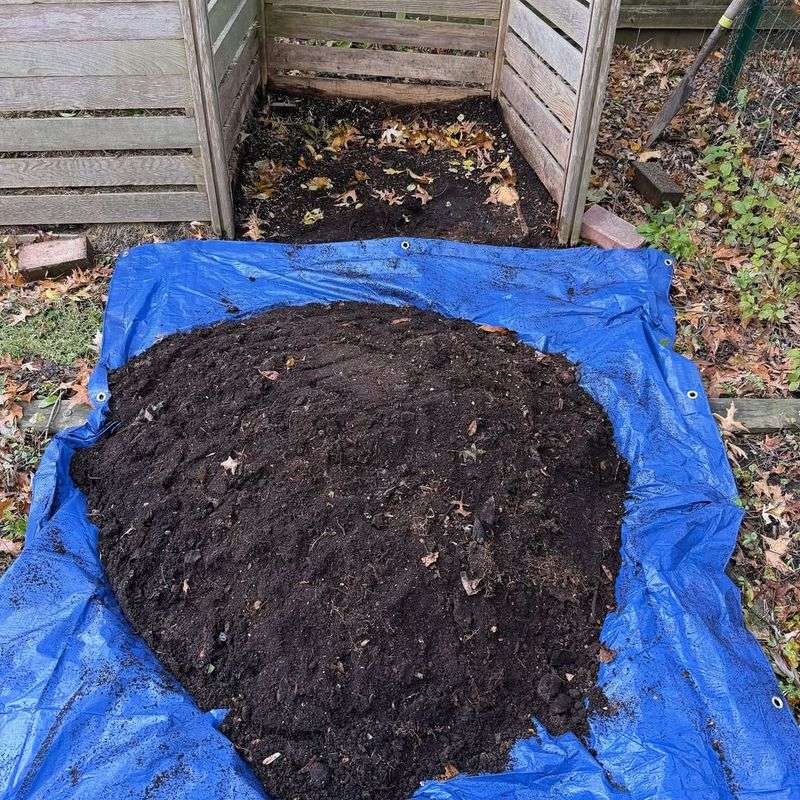
Waiting too long to water is one of the most common composting mistakes in hot climates. Once a pile goes completely dry, the microbial activity slows to almost nothing.
Getting it back to the right moisture level takes much longer than simply staying ahead of it.
Check your pile every few days during summer heat. Push your hand or a stick six inches into the center.
If it feels dry and powdery, water it right away. Do not wait for it to look obviously parched from the outside.
Water slowly and deeply rather than splashing the surface quickly. A quick surface spray barely penetrates the pile.
Use a slow trickle or a watering can with a gentle rose head to soak the material evenly from the top down.
Morning watering works better than evening in most cases. Watering at night can sometimes encourage mold growth in the cooler hours.
Morning moisture gives the pile time to absorb water before midday heat kicks in.
A good moisture level feels like a damp sponge you just squeezed out. Not dripping wet, not dry and crumbly.
That middle range is where decomposition works fastest and most efficiently.
4. Use A Cover To Reduce Moisture Loss
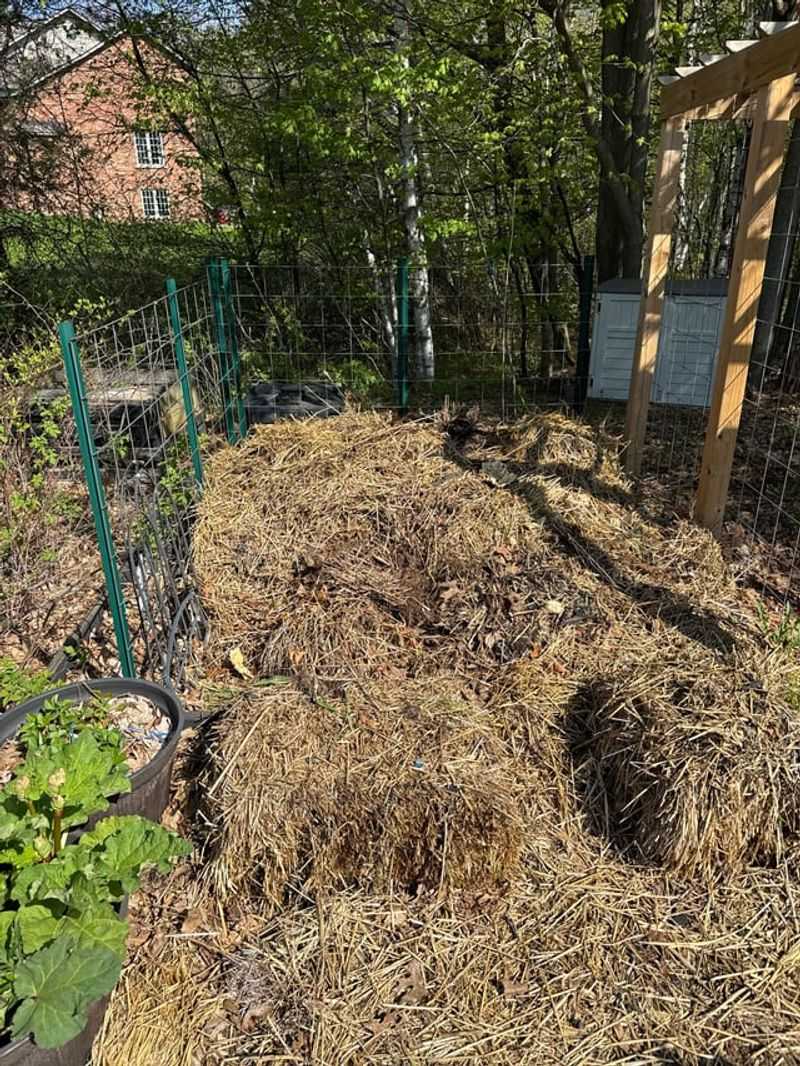
Covering your compost pile is one of the simplest and most effective ways to fight summer moisture loss. An uncovered pile sitting in direct sun can lose a surprising amount of water in just a few hours.
A cover slows that evaporation without cutting off airflow completely.
Old burlap sacks work really well. They block direct sun and wind but still allow some breathability.
Cardboard laid flat over the top is another easy option most gardeners already have on hand.
Straw is one of the best natural covers available. A few inches of straw on top of the pile acts like a mulch layer.
It holds moisture in and also adds carbon material as it slowly breaks down into the pile below.
Avoid using plastic sheeting that seals the pile completely airtight. Trapped heat and no airflow can create anaerobic conditions, which leads to bad smells and slower decomposition overall.
Breathable covers strike the right balance.
Some gardeners use a dedicated compost bin with a lid that has ventilation slots built in. These work great because they block rain from washing nutrients out while also preventing sun from baking the pile dry between waterings.
Recheck the moisture level under the cover every three to four days. Covers slow moisture loss but do not stop it entirely.
Adjust how often you water based on what you find underneath. A covered pile needs less water than an open one, but it still needs regular attention throughout the summer season.
5. Turn Compost Less Often During Extreme Heat
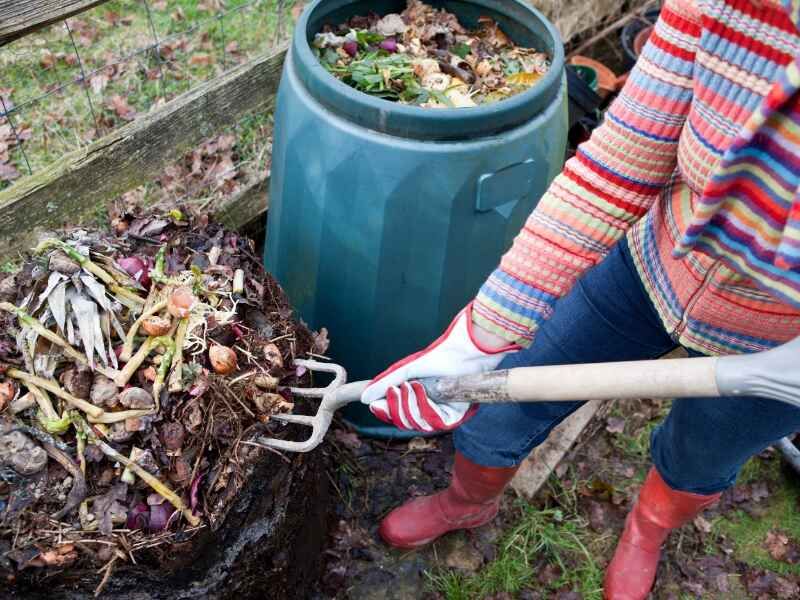
Turning your compost pile too often during a heat wave actually works against you. Every time you turn the pile, you expose moist interior material to hot, dry air.
That moisture disappears fast when temperatures are above 95 degrees.
During extreme heat, cut back turning to once every two weeks instead of every few days. Less frequent turning keeps the moist core protected longer.
Decomposition slows slightly, but the pile stays wetter and more active overall.
When you do turn the pile, do it early in the morning before the heat peaks. Early morning air is cooler and less drying.
A quick turn before 9 a.m. causes far less moisture loss than turning at noon under full sun.
Focus on moving outer dry material toward the center when you turn. The edges and top dry out faster than the core.
Folding dry outer layers inward helps rehydrate them using moisture already stored in the middle of the pile.
After turning, water immediately and cover the pile back up. Never leave a freshly turned pile sitting open and exposed in direct afternoon sun.
That combination will pull moisture out faster than almost anything else.
6. Place The Pile Where It Gets Afternoon Shade
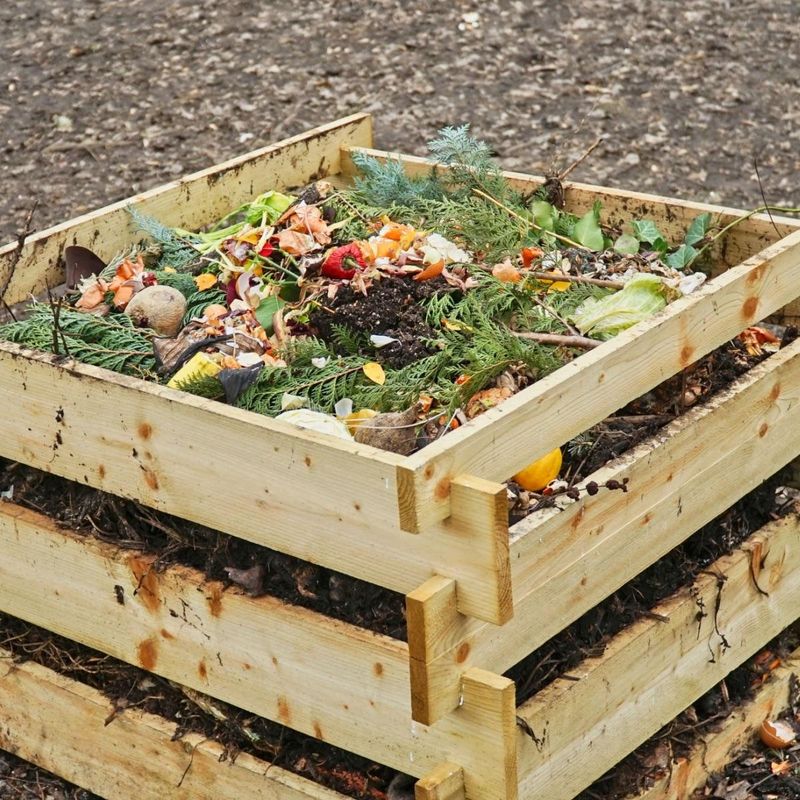
Location is everything when summer temperatures push past 95 degrees for weeks at a time. A pile sitting in full sun all day loses moisture at a staggering rate.
Moving it to a spot with afternoon shade is one of the most effective changes you can make.
Morning sun is actually helpful. It warms the pile gently and gets microbial activity going without scorching everything dry.
Afternoon sun is the real problem. After 1 p.m., direct sunlight combined with peak heat can evaporate surface moisture within hours.
Look for spots near the east or north side of a fence, shed, or large tree. These locations typically get good morning light but stay shaded during the hottest part of the day.
Even two or three hours of afternoon shade makes a measurable difference in moisture retention.
Deciduous trees make ideal neighbors for a compost pile. Their leaves provide summer shade and then drop in fall, giving your pile more sun during cooler months when warming it up is actually beneficial.
Avoid placing the pile directly under dense evergreen trees. Roots from nearby trees can grow into the pile seeking moisture and nutrients.
Keep at least three feet of distance from major tree roots when choosing your spot.
7. Check Moisture Levels Every Few Days
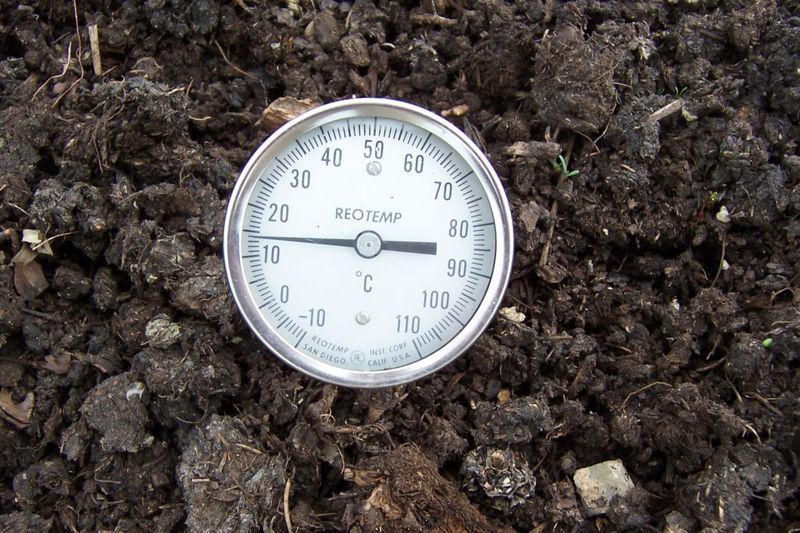
Staying consistent with moisture checks is what separates a thriving summer compost pile from a dried-out, inactive one. Skipping a few days of checks during a heat wave can set your pile back by weeks.
Regular attention keeps small problems from becoming big ones.
Use your hand as the best tool. Push it into the pile about six inches and squeeze a handful of material.
If water drips out, it is too wet. If it crumbles apart with no moisture at all, it needs water right away.
A good pile feels like a damp kitchen sponge after you have wrung most of the water out. That level of moisture supports the most microbial activity and produces compost the fastest.
Memorize that feeling so you can judge it quickly each time.
Check more frequently during dry spells or after several days of wind. Wind dries out exposed piles faster than sun alone.
Hot, windy days are the worst combination for moisture loss.
Keep a simple log if you tend to forget. A small notebook or a phone note works fine.
Jot down the date, moisture level, and whether you watered. Patterns become obvious over time and help you adjust your routine before problems develop.