California’s New Sustainable Garden Trend And The Best Plants For Hot Weather
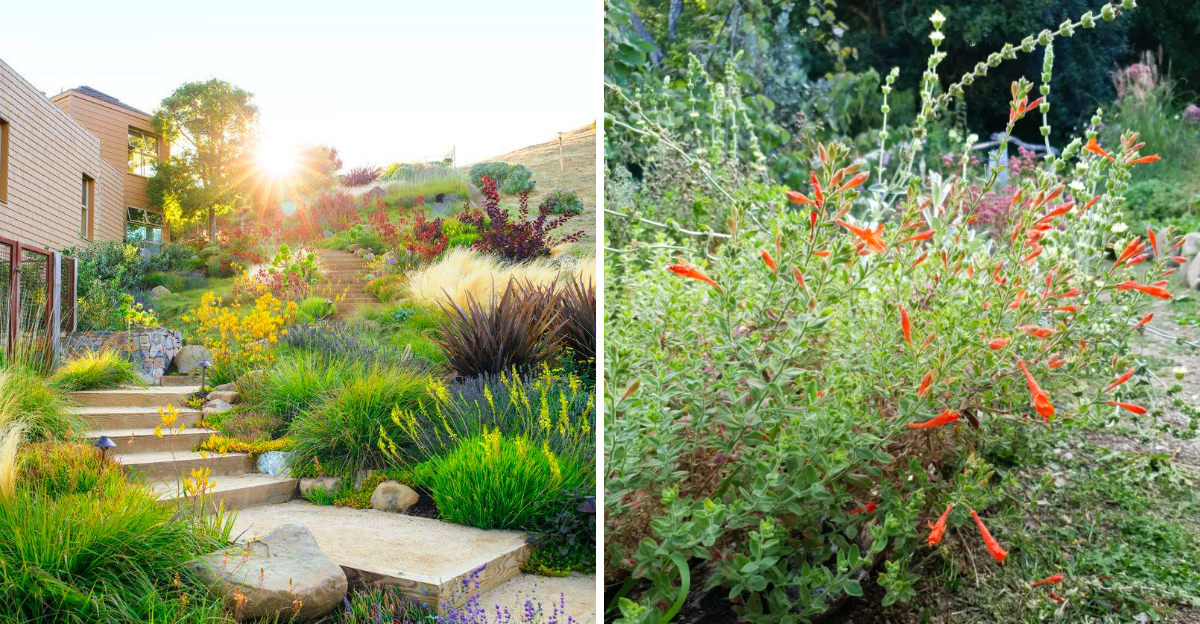
Something is shifting in California yards, and honestly it is about time. Summers are getting hotter, rainfall is less predictable, and water bills have a way of delivering a reality check right around July.
More and more homeowners are looking at their thirsty, high-maintenance landscapes and asking a pretty reasonable question: why are we fighting the climate instead of just working with it?
The good news is that the alternative looks really, really good.
Native plants, climate-ready perennials, pollinator-friendly shrubs that handle dry summers like absolute champions and still manage to look stunning doing it. This is not about settling for a boring yard to save water.
It is about building something tougher, smarter, and genuinely better suited to the California that actually exists right now. The gardens going in today are built to last.
1. Climate-Ready Gardens Are Changing California Landscapes
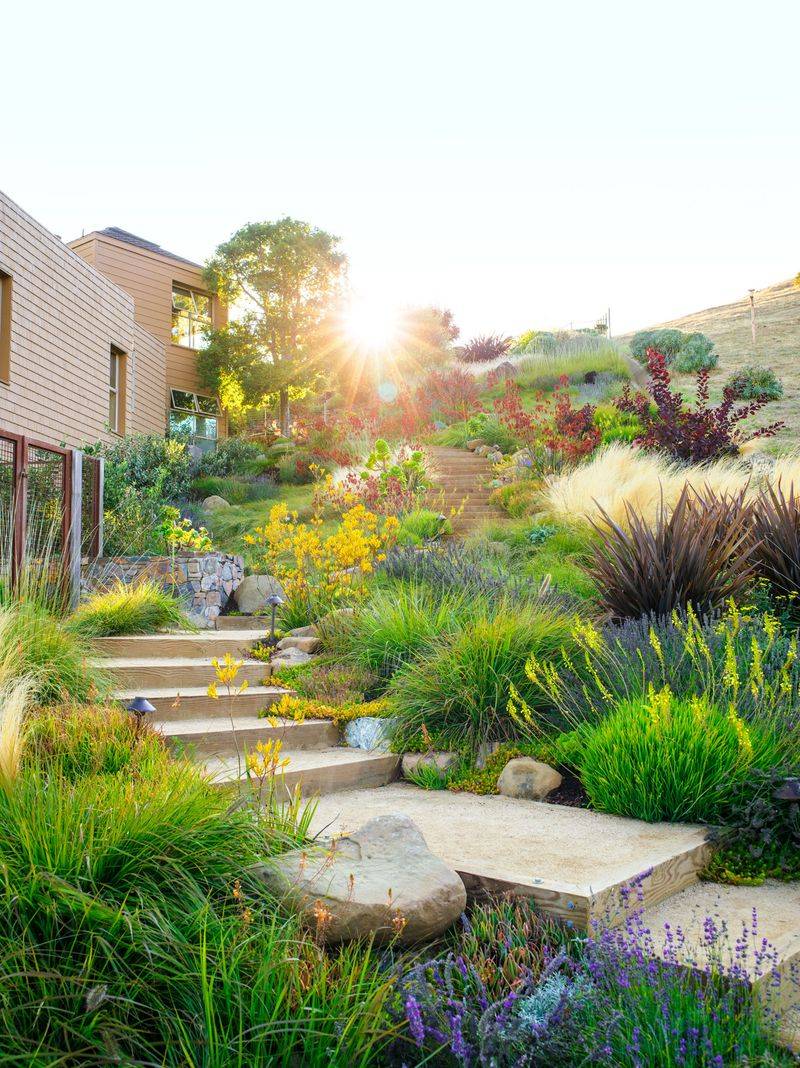
Hot summers and shrinking water budgets are pushing gardeners to rethink their landscapes from the ground up.
Instead of thirsty lawns and high-maintenance beds, many homeowners are choosing plants that fit California’s dry season rather than working against it.
The shift is visible in neighborhoods across the state, from coastal towns to inland valleys where summer heat is intense.
Climate-ready gardening focuses on selecting plants suited to local conditions, improving soil with compost, and using mulch to hold moisture during the long dry months.
Mulch is especially helpful because it slows evaporation, keeps roots cooler during heat spikes, and gradually improves soil over time.
Even a two- to three-inch layer can make a noticeable difference during summer.
New plantings, including native ones, still need regular watering while roots establish in surrounding soil.
Once settled in, many California natives can handle reduced summer irrigation, though performance varies depending on sun exposure, drainage, and local climate.
Gardeners who take time to match plants to site conditions tend to see better results. The trend is growing because it works, and because California’s climate makes water-wise planting not just a good idea but a practical necessity.
2. California Buckwheat Fits Hot Dry Slopes
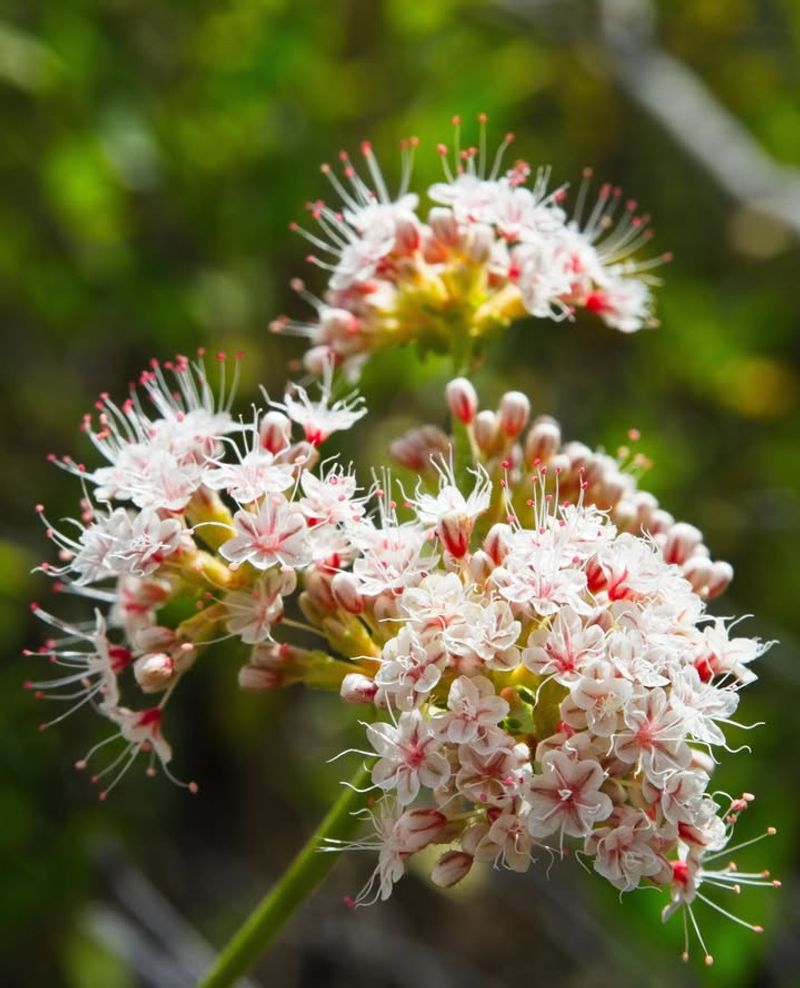
Sunny, rocky slopes can be some of the toughest spots in a garden. Erosion, reflected heat, and fast-draining soil make it hard for many plants to survive.
California Buckwheat, known as Eriogonum fasciculatum, thrives in exactly these kinds of challenging conditions and brings both structure and wildlife value to spots where other plants struggle.
The flowers start out white or pale pink in late spring and gradually deepen to a warm rust color as seeds develop through summer and into fall. That long season of interest makes it especially useful in a garden that needs something to look at during the dry months.
Bees, butterflies, and other beneficial insects visit the flowers regularly, making it a strong choice for anyone trying to support pollinators in a California landscape.
California Buckwheat handles lean, well-drained soil and does not respond well to heavy watering once established. Rich, moist soil can actually cause problems, so it is best to avoid overwatering and skip the fertilizer.
Your California Garden Changes Every Week. Your Plan Should Too.
Gardening in California changes quickly throughout the season. Every Friday you’ll receive a simple weekly plan showing exactly what to plant, prune, fertilize, harvest, and protect so you never miss the right timing.
During establishment, water regularly to help roots settle in, then taper off as the plant matures. It fits well in habitat gardens, dry slopes, low-water borders, and sunny beds where tough, low-maintenance plants are a priority.
3. Valley Violet Maritime Ceanothus Brings Tough Evergreen Beauty
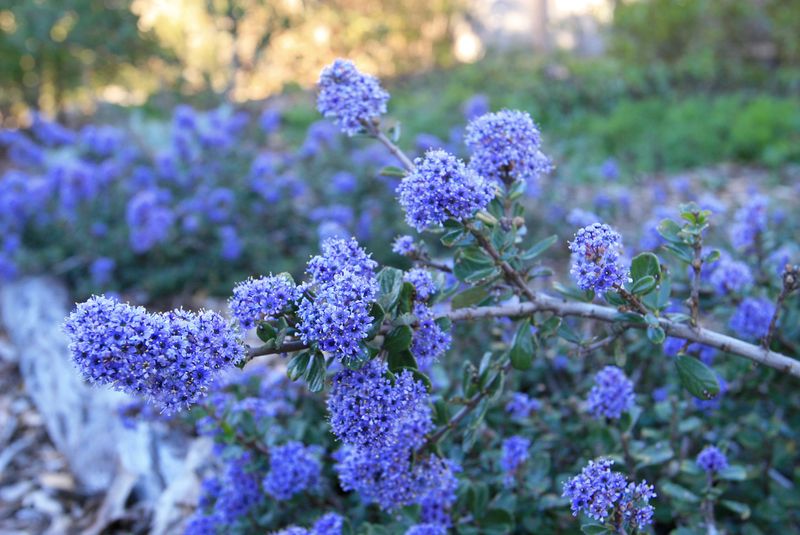
Evergreen shrubs that stay attractive through summer are worth their weight in gold, and Valley Violet Maritime Ceanothus delivers exactly that.
This selection of California lilac produces clusters of deep violet-blue flowers in spring and holds its dense, glossy foliage through the heat of summer and into the cooler months.
For gardeners tired of plants that look ragged by August, this one is a refreshing option.
Maritime Ceanothus cultivars have a reputation for handling coastal and inland conditions reasonably well, though performance always depends on local sun exposure, drainage, and soil type. Good drainage is essential.
Ceanothus roots do not tolerate sitting in wet soil, especially during warm weather, so planting in a raised bed or on a gentle slope can help in heavier soils.
New plants need attentive watering during their first season or two while roots become established.
After that, many Ceanothus selections can get by with little to no summer irrigation in cooler coastal areas, though inland gardens with intense summer heat may need occasional deep watering.
Pruning lightly after flowering helps maintain shape without removing too much growth. It works well as a hedge, a specimen shrub, or a backdrop plant in a California native or low-water garden.
4. California Fuchsia Handles Heat With Bright Color
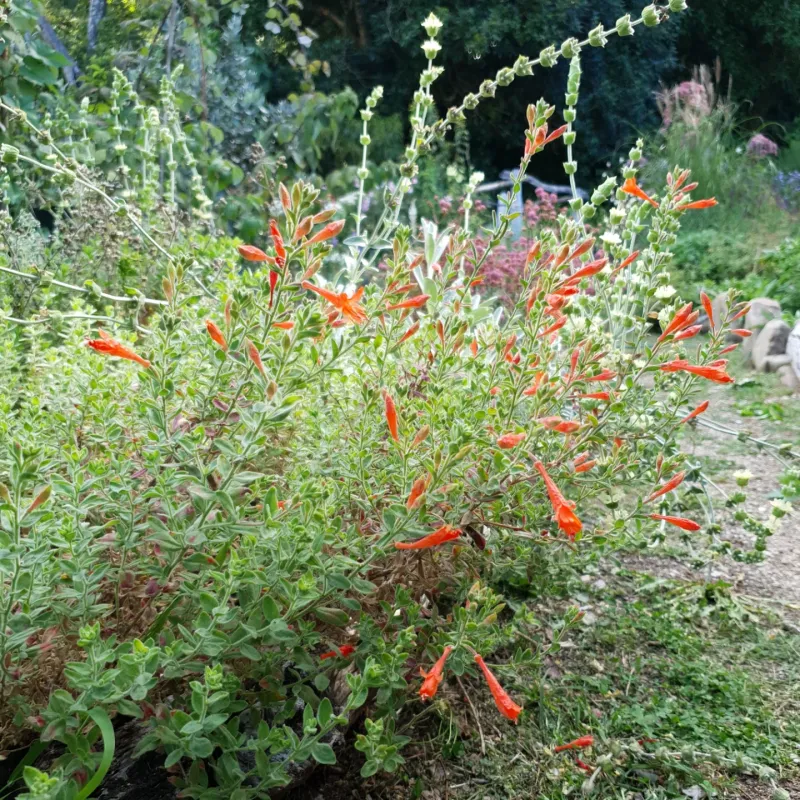
Few plants put on a late-summer show quite like California Fuchsia.
While most plants in a hot yard slow down as temperatures climb, this native perennial hits its stride in late summer and fall, producing a wave of tubular red to orange flowers that hummingbirds find irresistible.
For gardeners who feel like their yard goes quiet during the hottest months, this plant offers a welcome burst of color exactly when it is needed most.
California Fuchsia, known botanically as Epilobium canum, spreads by underground runners and tends to fill in a bed over time. It works well on sunny slopes, at the front of a border, or along pathways where its low, spreading habit can be appreciated.
Good drainage matters, and it tends to perform better in lean soils rather than rich, amended beds.
During the establishment period, new plants need consistent watering while roots spread into surrounding soil.
Once established, California Fuchsia can handle significant summer heat and reduced irrigation, though local conditions like soil type and sun exposure will affect how it performs.
Cutting plants back in late winter encourages fresh growth and keeps them looking tidy through the growing season ahead.
5. Pigeon Point Coyote Brush Works In Sunny Tough Spots
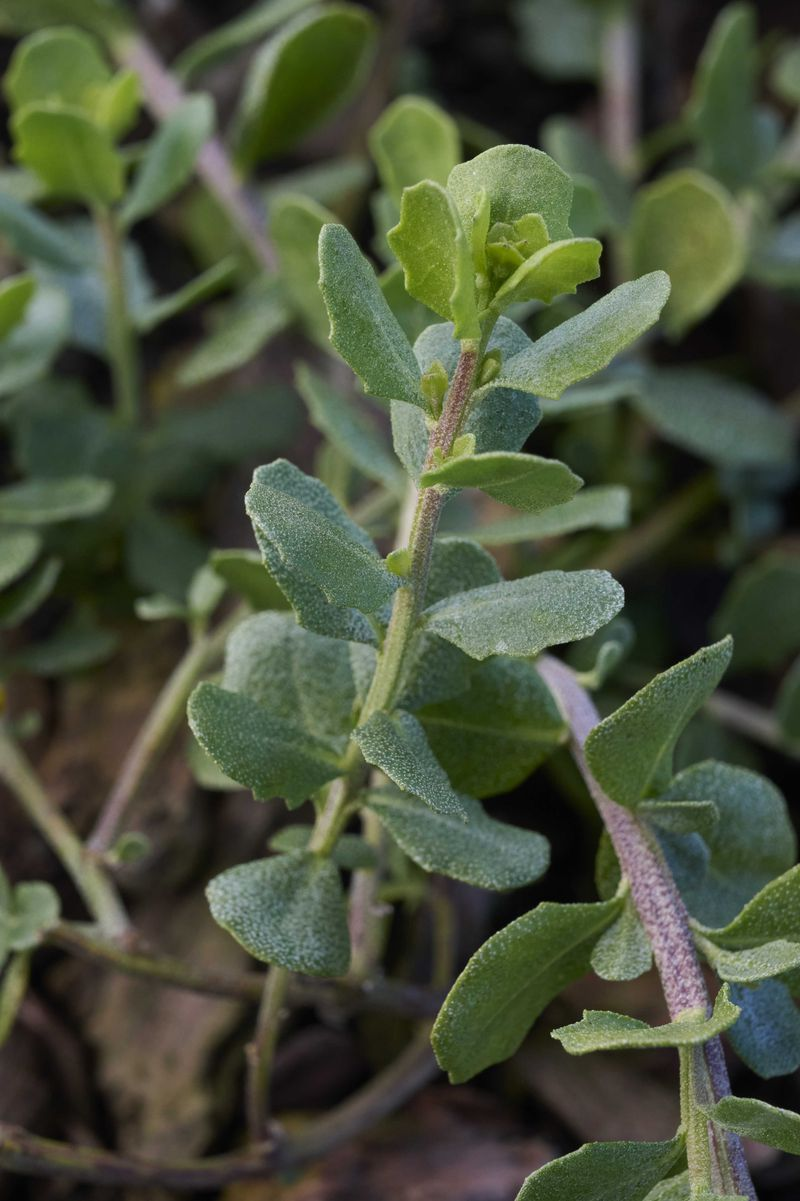
Not every plant in a California garden needs to be showy. Some of the hardest-working plants are the ones that hold soil, fill space, and stay green through long, hot summers without much fuss.
Pigeon Point Coyote Brush is exactly that kind of plant. A low-growing selection of Baccharis pilularis, it spreads as a dense ground cover and handles full sun, coastal winds, and dry summer conditions with quiet reliability.
This plant works well on slopes where erosion is a concern, along roadsides, in parking strips, or in any sunny spot where a tough, spreading ground cover is needed. It stays relatively low, usually under two feet tall, and can spread several feet wide over time.
Small white flowers appear in fall and attract beneficial insects, adding quiet habitat value without demanding attention.
Pigeon Point Coyote Brush is not fussy about soil as long as drainage is decent. During establishment, new plants need regular moisture to help roots anchor into surrounding soil.
Once established, it can handle California’s dry summers with minimal supplemental water, though inland gardens with extreme heat may benefit from occasional deep watering during prolonged dry spells.
Shearing lightly in late winter keeps the plant looking tidy and encourages dense new growth through spring.
6. Great Valley Gumweed Adds Summer Color
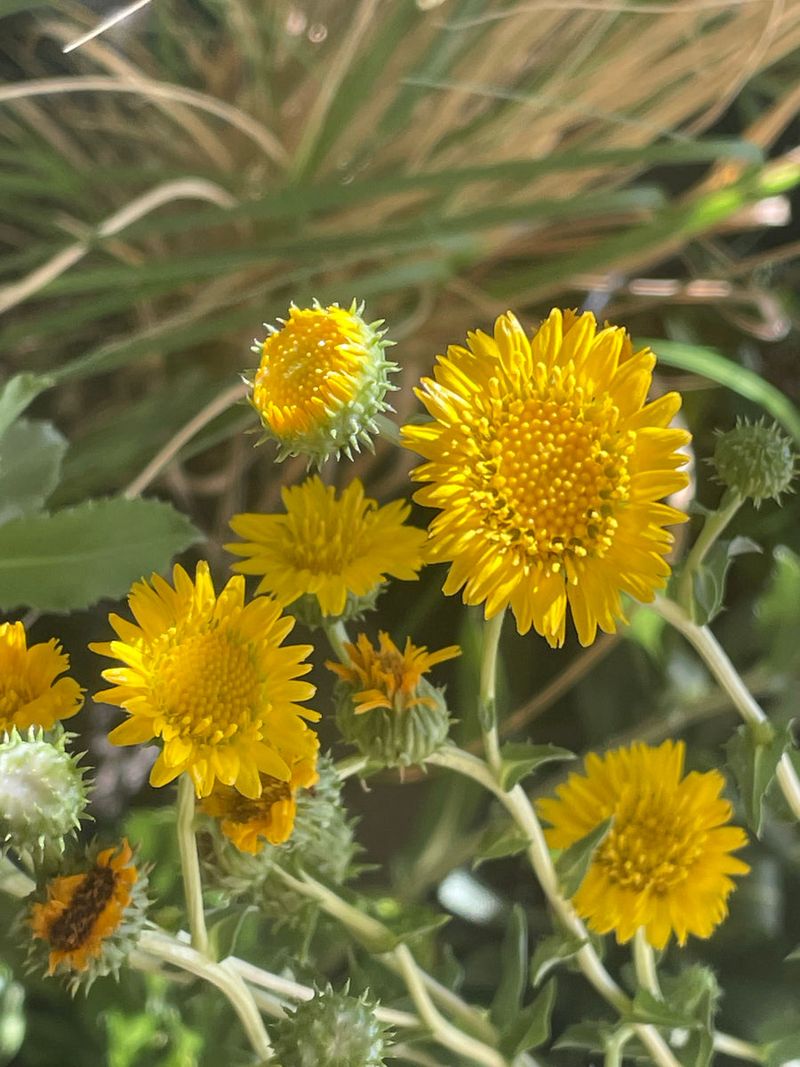
Finding plants that bloom cheerfully through the hottest stretch of summer is a genuine challenge. Great Valley Gumweed, a selection of Grindelia camporum, is one of those underused native plants that steps up exactly when many others step back.
Its bright yellow, daisy-like flowers open in summer and continue into fall, drawing bees and other pollinators during a period when nectar sources can be scarce in dry California landscapes.
Great Valley Gumweed has a somewhat informal, sprawling habit that suits it to naturalistic garden designs, dry meadow plantings, and habitat gardens.
It tends to look more at home in relaxed garden settings than in formal borders, so placement matters.
It pairs well with other summer-blooming California natives like buckwheat and California Fuchsia, creating a layered planting that supports pollinators across multiple seasons.
This plant prefers lean, well-drained soil and tolerates heat and dry conditions once roots are properly established. Overwatering or heavy soil can cause problems, so good drainage is worth paying attention to before planting.
New plants need consistent moisture during establishment, then can be transitioned to lower water inputs as they settle in.
Cutting plants back after the main bloom period can encourage a second flush of flowers and keeps growth looking more managed through the rest of the season.
7. California White Sage Loves Sunny Dry Conditions
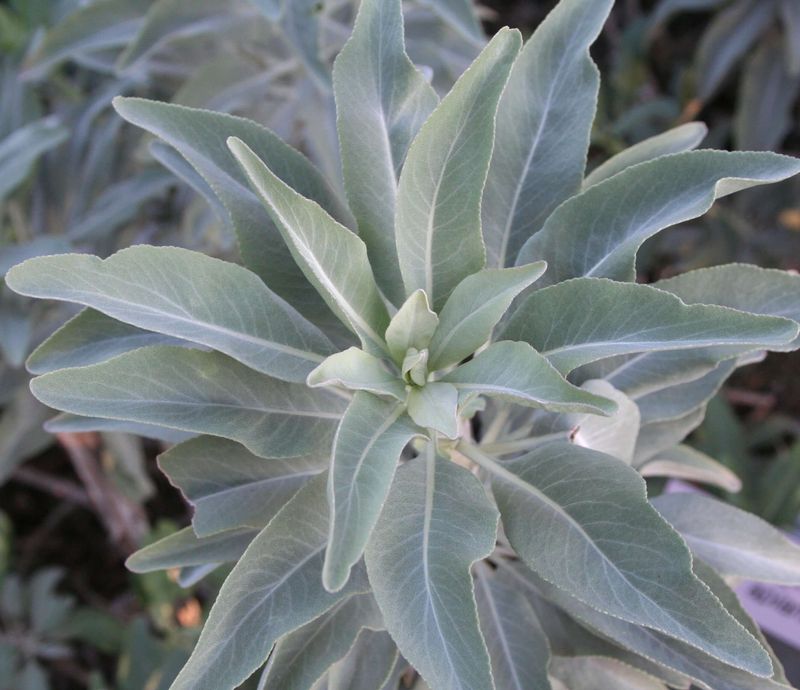
Walk past a planting of California White Sage on a warm afternoon and the scent alone will stop you in your tracks. Salvia apiana has a bold, aromatic presence that is hard to match in a dry garden.
Beyond its fragrance, it brings striking silver-white foliage, tall flower spikes that attract bees and hummingbirds, and a tough constitution that suits it well to hot, low-water landscapes.
White Sage is native to Southern California and Baja California, where it grows on dry slopes and in chaparral plant communities. In a garden setting, it needs excellent drainage and full sun to perform well.
Heavy clay soil or spots that stay wet after rain can cause root problems, so raised beds or sloped areas with fast-draining soil tend to work better than flat, dense ground.
During establishment, new plants should be watered regularly and carefully, allowing the soil to dry out somewhat between waterings rather than staying consistently moist.
Once established, White Sage can handle California’s dry summers with very little supplemental water, though conditions vary by location.
Avoiding summer irrigation once plants are established is often recommended in well-drained sites. It works beautifully as a focal point in a native garden, a fragrant border plant, or an anchor in a pollinator-friendly California yard.
8. Deergrass Brings Movement To Hot Gardens
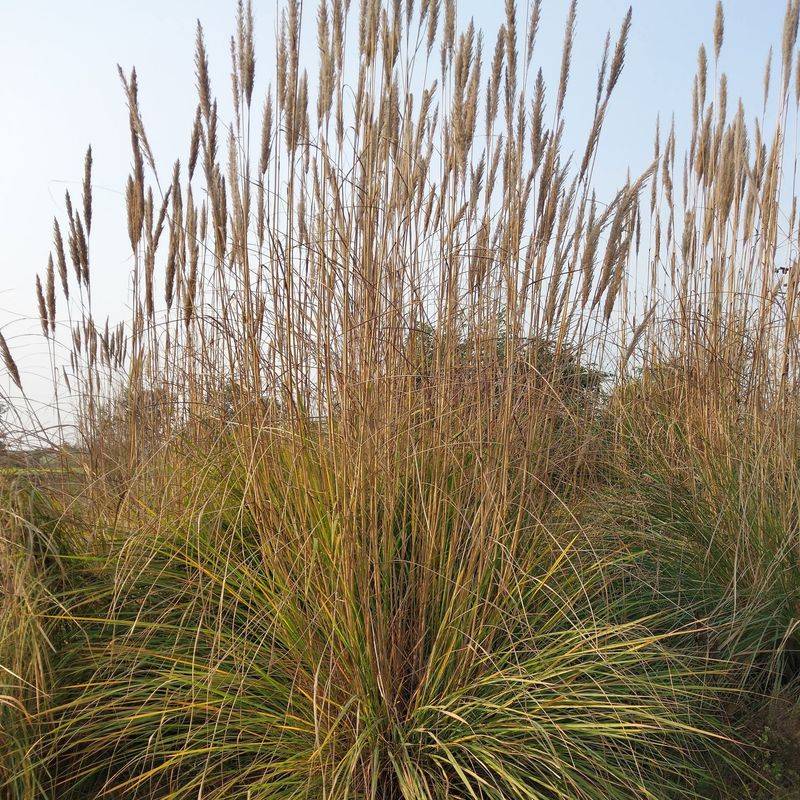
Ornamental grasses can feel overdone in some garden styles, but Deergrass earns its place in a California landscape by being genuinely useful rather than just decorative.
Muhlenbergia rigens is a California native bunchgrass that forms tidy, arching clumps of fine-textured foliage.
Tall, slender flower stalks rise above the mound in late summer, catching any breeze and adding a sense of movement that few other plants can provide in a hot, still garden.
Deergrass handles full sun and tolerates a range of soil types, including heavier clay soils that some California natives find difficult.
It tends to perform well in both coastal and inland gardens, making it a versatile choice for homeowners who want a native grass that adapts to different site conditions.
Birds may visit to feed on seeds during fall and winter, adding habitat value without any extra effort from the gardener.
New plantings need regular watering to establish, and patience is worthwhile because Deergrass tends to settle in gradually before really taking off. Once established, it can manage with reduced summer irrigation in many California garden settings.
Cutting clumps back by about half in late winter or early spring removes old growth and encourages fresh, tidy foliage to emerge as temperatures warm. It fits well in borders, habitat gardens, low-water yards, and dry stream beds.
9. Serpentine Coffeeberry Supports Heat-Ready Planting
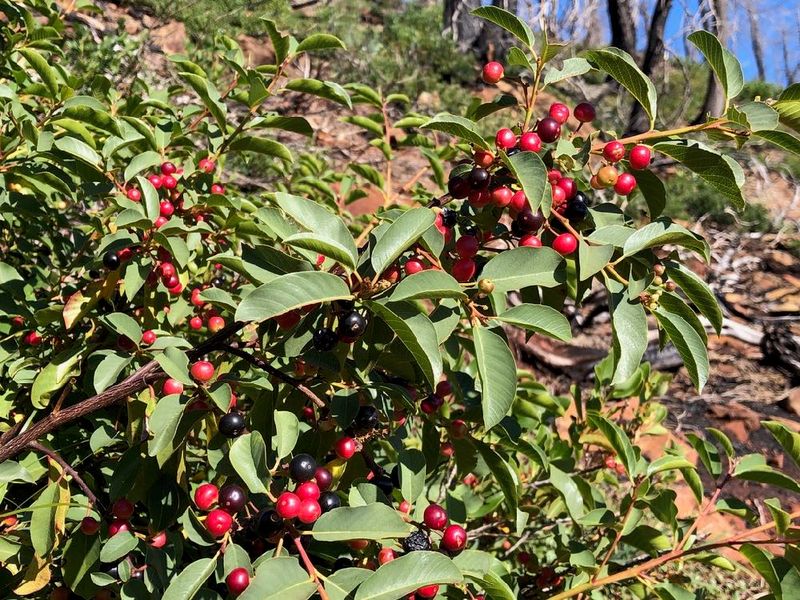
Berries that shift from green to red to deep purple over the course of the season might sound like something from a specialty nursery catalog.
But Serpentine Coffeeberry offers exactly that kind of visual interest in an unpretentious, hard-working California native package.
Frangula californica, particularly selections adapted to serpentine soils, brings multi-season appeal to gardens where toughness and lower water use are priorities.
Coffeeberry shrubs work well as informal hedges, screening plants, or background shrubs in a California native or low-water garden. Their dense, evergreen foliage provides structure and cover for birds, and the berries attract wildlife through fall and into winter.
That habitat value makes Coffeeberry a smart addition for gardeners who want their yard to support more than just aesthetics.
Serpentine selections tend to handle lean, challenging soils and dry summer conditions reasonably well once established, though site conditions like drainage and sun exposure still influence performance.
New plants need consistent watering while roots become established in surrounding soil.
Gradual reduction of irrigation after the first year or two helps plants develop deeper, more drought-tolerant root systems. Minimal pruning is usually needed beyond shaping for size.
For gardeners building a heat-ready, lower-water landscape, Coffeeberry is a dependable, multi-purpose shrub worth including.