Michigan Gardeners Are Just Now Discovering What Happens When You Stop Pruning This Native Shrub In Fall
January in Michigan is not known for being visually exciting. The yard goes gray. The garden beds disappear under snow. Most of the landscape just waits.
But there are a handful of Michigan gardeners who actually look forward to January in the yard. Not because they enjoy the cold. Because they planted something that does something remarkable when everything else checks out for the season.
Have you ever seen a shrub that turns a brighter, more saturated color in the peak of winter than it does at any other point in the year?
It sounds like a trick. It is not. There is a native Michigan shrub that genuinely saves its most dramatic display for the bleakest months, and the longer you leave it standing, the better it looks.
The snow makes it more striking. The cold makes the color deepen. The gray sky turns into a backdrop it was practically designed to perform against.
Many gardeners have seen it without knowing what they were looking at. That is about to change.
It Saves Its Best Color For Winter
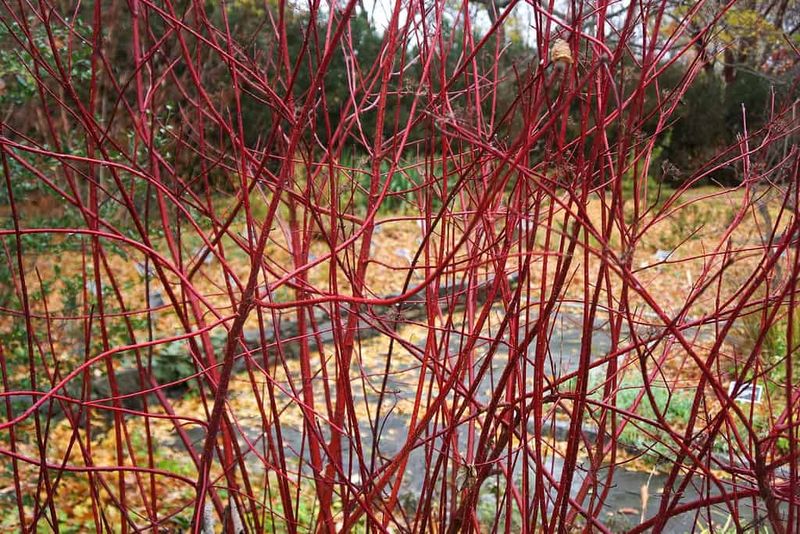
When the leaves drop and the yard goes quiet, the stems of Red Osier Dogwood shift from green to a deep, burning red that genuinely stops people mid-stride.
The color is not a trick of the light. It is real pigment called anthocyanin building up in the bark as temperatures fall and daylight shortens.
What makes this shrub particularly valuable is how naturally it belongs in Michigan landscapes.
It evolved alongside local soils, rainfall patterns, and wildlife over a very long time. The garden is not doing the plant a favor by hosting it. The arrangement runs the other way.
Placement matters considerably with this shrub. A spot where winter sun hits it directly makes the biggest difference.
Near a fence line, along a driveway, or beside a pond all work well. The backlit effect on a clear January morning is one of those sights that makes the whole yard feel intentional.
A grouping of three to five plants creates a visual anchor that carries the property through the bleakest months without requiring anything from the gardener at all.
Red osier dogwood is the rare plant that performs best when the conditions are at their worst.
Many plants peak in June. This one saves its best look for January, which is exactly when you need it most.
Young Red Stems Glow Brightest Against Snow
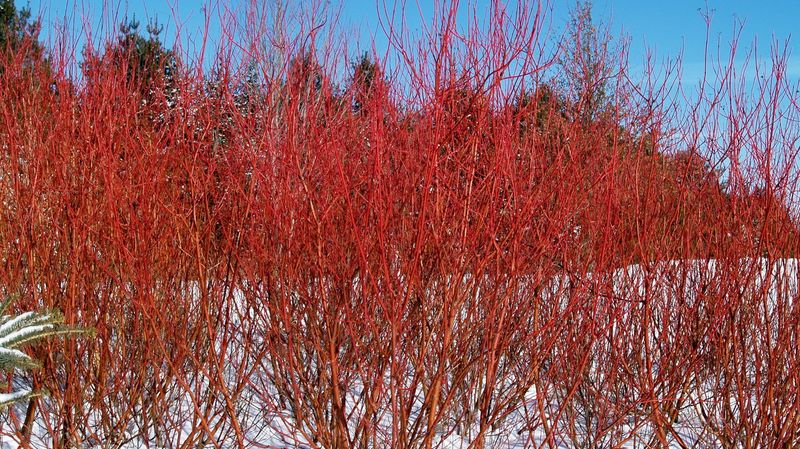
Not every stem on a red osier dogwood performs equally. The newest growth, stems that are one to three years old, carries the richest and most saturated red.
Older stems fade toward gray and brown over time, which is why a shrub left completely unattended for years gradually loses its visual impact.
The good news is that this is entirely within your control.
Renewal pruning means cutting some of the oldest stems down to the ground each spring. That signals the plant to push up fresh new growth. That new growth is what blazes brightest when snow arrives the following winter.
Your Michigan Garden Changes Every Week. Your Plan Should Too.
Gardening in Michigan changes quickly throughout the season. Every Friday you’ll receive a simple weekly plan showing exactly what to plant, prune, fertilize, harvest, and protect so you never miss the right timing.
A common recommendation for Cornus sericea is to remove about one-third of the oldest stems each spring, which keeps the shrub producing vivid young wood consistently without stressing the plant overall.
The process is straightforward. Choose the thickest, most faded stems first and cut them close to the ground. Leave the younger red stems in place. New shoots emerge from the base within weeks.
A pair of sharp loppers and roughly twenty minutes in early spring handles most home plantings completely.
The reward arrives the following January when those new stems turn a red so vivid against white snow that the whole yard shifts.
Twenty minutes of work in April for a January display that genuinely impresses people seems like a reasonable trade. The shrub certainly thinks so.
Moist Fence Lines Help This Shrub Settle In
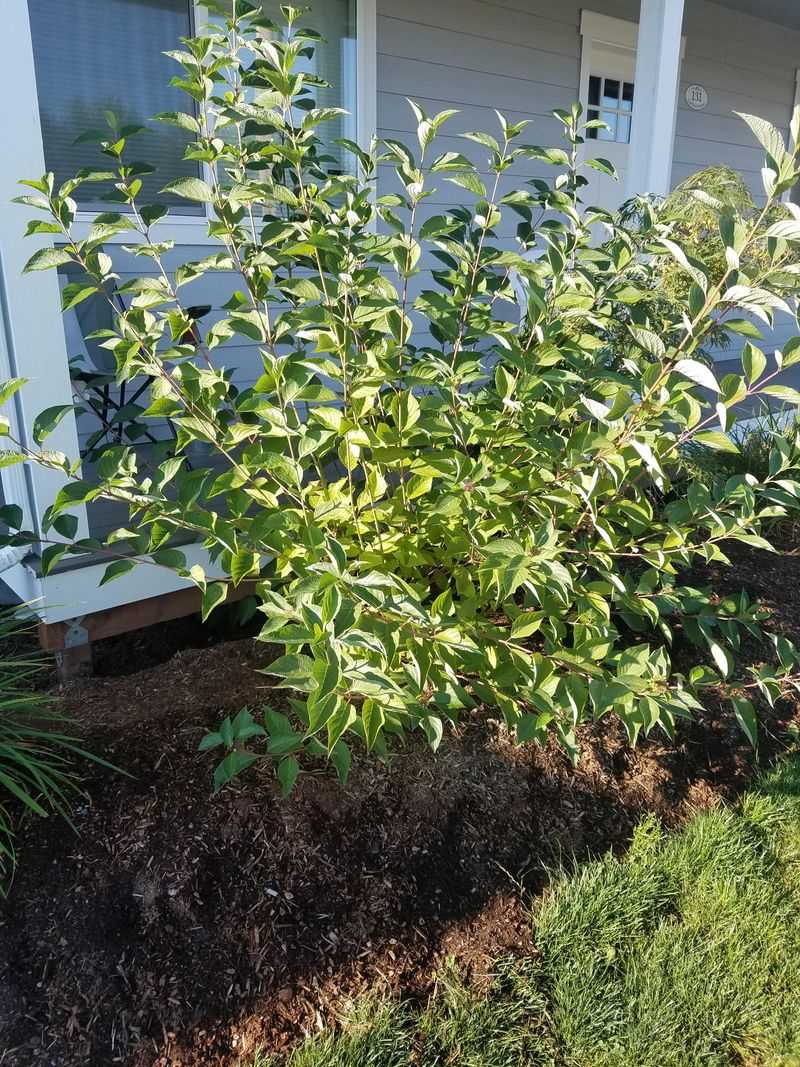
Soggy corners of the yard are a problem for most plants. For red osier dogwood, they are a preferred address.
This shrub naturally establishes along stream banks, pond edges, and low-lying areas throughout Michigan. The spots where other plants struggle are the spots where this one settles in with confidence.
Fence lines that collect runoff from a lawn or driveway offer ideal conditions. The soil stays consistently moist without becoming a standing pool, and the fence provides a backdrop that makes the winter stem color stand out even more effectively.
A row of five or more plants along a fence creates a living privacy screen that contributes something in every season.
Red osier dogwood also tolerates clay soils, which are common across much of lower Michigan. That tolerance is a significant advantage for homeowners who have struggled to establish other shrubs in heavy, slow-draining ground.
Expensive soil amendments are not required. Plant it, water through the first summer, and let the shrub do what it naturally does.
After two full growing seasons, this plant becomes largely self-sufficient. It spreads gradually through suckering, filling gaps along a fence line organically over time. New shoots at the edges can be cut back each spring to keep the spread manageable.
A wet, weedy fence line is not a landscaping failure. With red osier dogwood, it is just a planting bed waiting to be introduced to the right shrub.
White Spring Flowers Start The Show Early
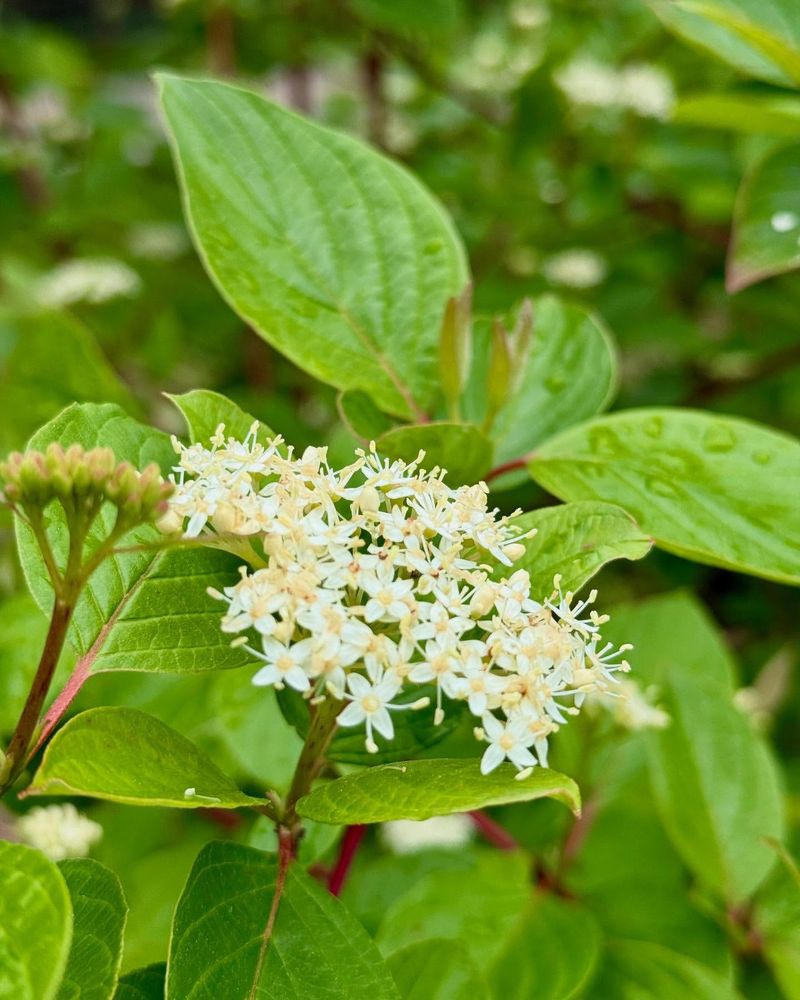
Before the red stems return to center stage next winter, red osier dogwood offers something entirely different in spring.
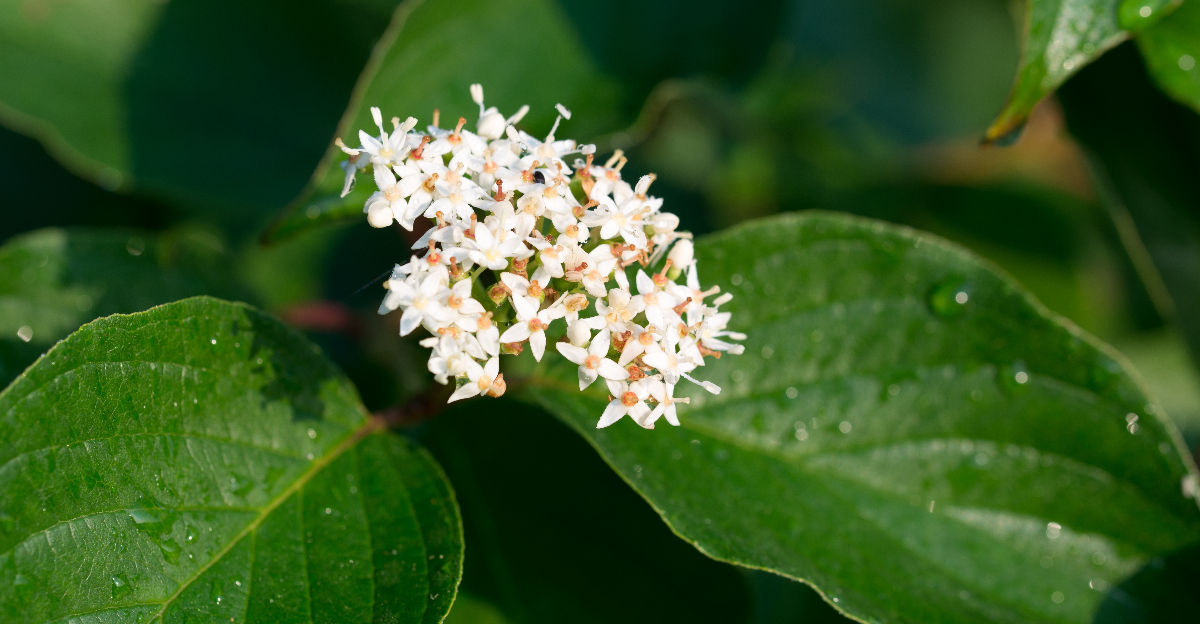
Flat-topped clusters of tiny white flowers appear in May and June, covering the shrub in a soft, layered display that pollinators visit consistently.
Native bees, butterflies, and beneficial insects arrive quickly once the blooms open. The flowers are not dramatic in the way a lilac or magnolia commands attention.
They are understated and genuinely elegant, and they confirm something important about this plant. It earns its space in every season, not just winter.
Spring brings blooms. Summer brings berries and full green foliage. Fall brings a shift in leaf color. Winter brings the red stems.
That is four distinct seasons of visual and ecological value from one native plant. Few shrubs deliver that range without demanding significant maintenance in return.
Planting near a rain garden or wet swale produces especially full and long-lasting spring bloom. Pollinators have a reliable early-season food source and the shrub has the consistent moisture it naturally prefers. Both parties benefit from the arrangement.
For gardeners building a yard that supports local wildlife year-round without complicated management, red osier dogwood consistently delivers.
Four seasons, one shrub, practically no fuss. If this plant were a person, it would have an excellent performance review every single year.
Summer Berries Bring Birds Before The Red Stems Shine
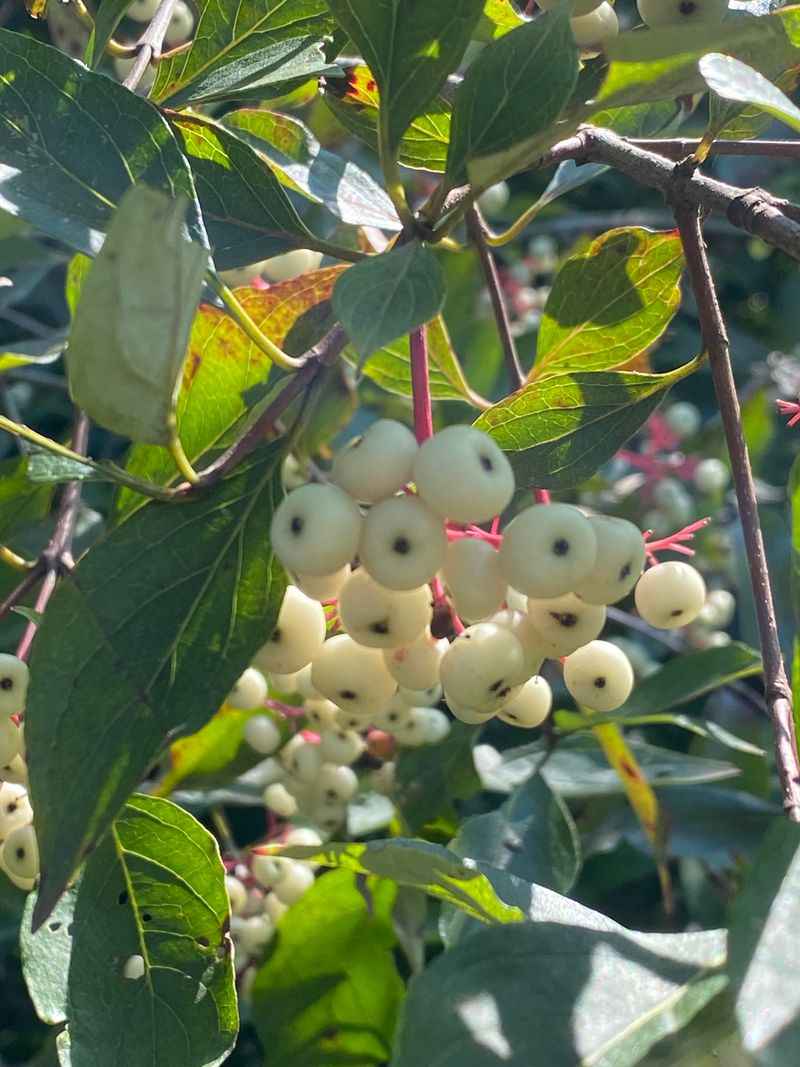
By midsummer, the white flowers have faded and something more immediately exciting takes their place.
Small clusters of white to pale blue berries ripen on red osier dogwood from July through September. Cedar waxwings, robins, and bluebirds are among the species that find the fruit quickly and return consistently until it is gone.
The berries are not meant for human consumption, but for wildlife they represent a high-value food source during a period when natural habitat continues to shrink across Michigan.
Planting red osier dogwood is one of the most direct things a Michigan homeowner can do to support local bird populations without much effort beyond getting the plant in the ground.
The National Wildlife Federation recognizes Cornus sericea as a top native plant for supporting birds and wildlife across its natural range.
That recognition reflects real ecological value rather than just ornamental appeal. The shrub is not just filling a visual role in the garden. It is restoring a piece of the habitat this region once had in abundance.
Grouping several plants together increases berry production and creates a more attractive foraging area. A cluster near a water source draws consistent wildlife activity through the summer months.
The birds that visit for berries in July often return to shelter in the dense branching through January, long after the fruit is finished and the red stems have taken over the show completely.
The shrub feeds them in summer and shelters them in winter. Truly a full-service plant.
Fall Leaves Add One More Color Shift
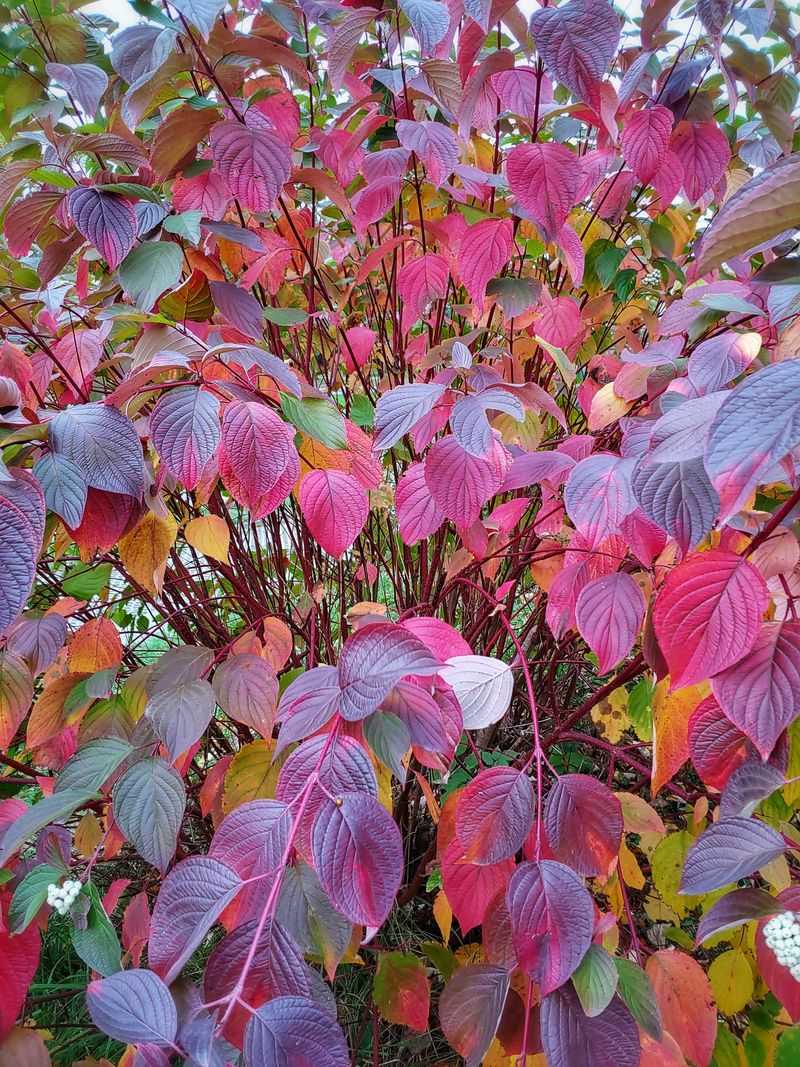
Right before the red stems reclaim the yard, the leaves of red osier dogwood take their own brief turn.
In September and October, the foliage shifts from summer green into shades of reddish-purple and burgundy.
The color is not the most dramatic fall display available, but it is warm, rich, and genuinely appealing in the low-angle light of autumn afternoons.
The transition also serves as a preview. The leaves hint at the red stem color that will deepen through November and intensify into the core of winter.
The yard builds toward its most dramatic moment gradually rather than skipping straight from green to gray.
Pairing red osier dogwood with native grasses extends the seasonal display further. Switchgrass and little bluestem, both Michigan natives, hold warm tan and copper tones through winter and complement the red stems beautifully once the leaves have fallen.
The fall foliage phase often gets overlooked in favor of the winter stem display, but it genuinely adds to the seasonal sequence.
A yard that moves through color gradually, rather than transitioning abruptly from full growth to bare branches, feels more alive and more thoughtfully planted.
Red osier dogwood contributes to that gradual quality in a way that makes the whole garden feel like it has better timing than it actually does.
Autumn is essentially the shrub clearing its throat before the main performance.
Leaving Stems Standing Builds The Winter Drama
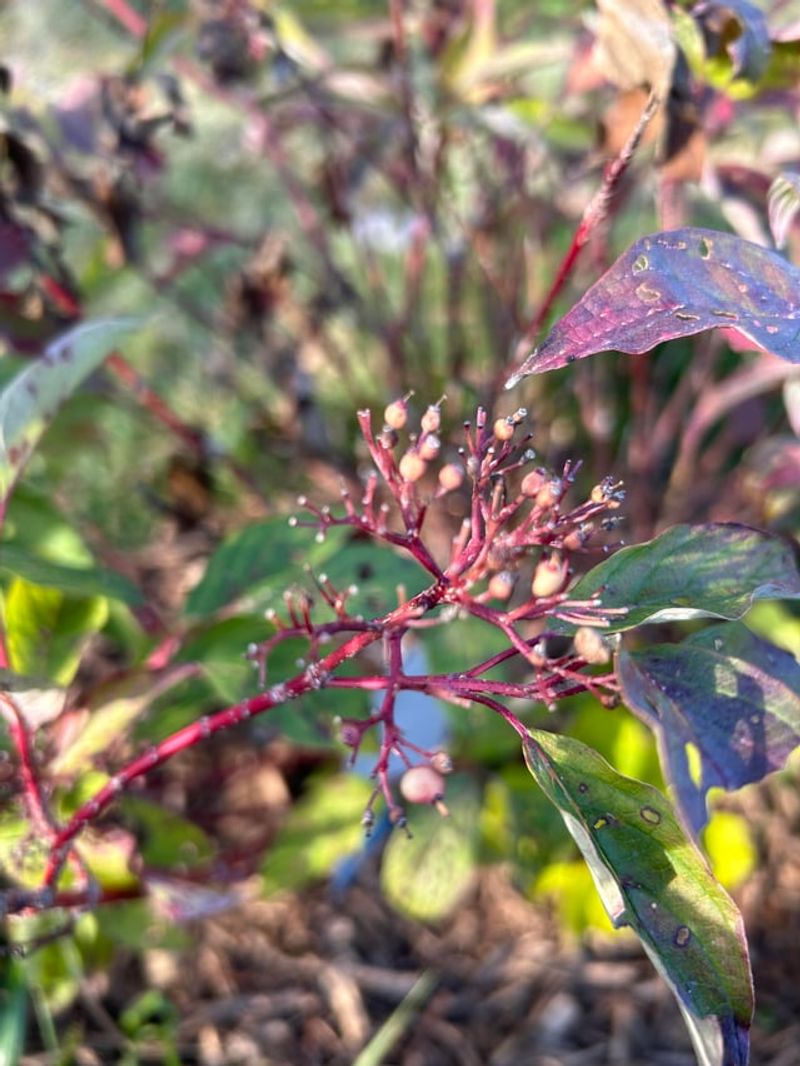
Resist the urge to cut everything back in November. That impulse comes from years of tidiness-focused gardening advice.
With red osier dogwood, leaving the stems standing through winter is the correct decision, and the visual payoff makes the case better than any explanation can.
The stems need exposure to cold temperatures and winter sunlight to develop their deepest color. A shrub cut back in October never gets the chance to build that intensity.
One that stands through January and February rewards everyone who passes it with a display that looks deliberate and striking rather than accidental.
Standing stems also provide shelter for overwintering birds and insects during the coldest months. Leaving the shrub intact is not an oversight. It is habitat stewardship that happens to produce a spectacular yard at the same time.
Red osier dogwood reaches its peak ornamental value in late winter when stem color is most saturated and the contrast with snow is strongest. That peak requires the plant to remain standing. It cannot be rushed or replicated after a fall cutback.
Put the loppers away in October. Pour something warm. Let the shrub do what it does best through the months when nothing else in the yard is doing much of anything.
The January view from the kitchen window is the reward. Gardeners who have experienced it once tend to leave the stems standing every single year after that.
Spring Renewal Cuts Keep The Red Color Strong
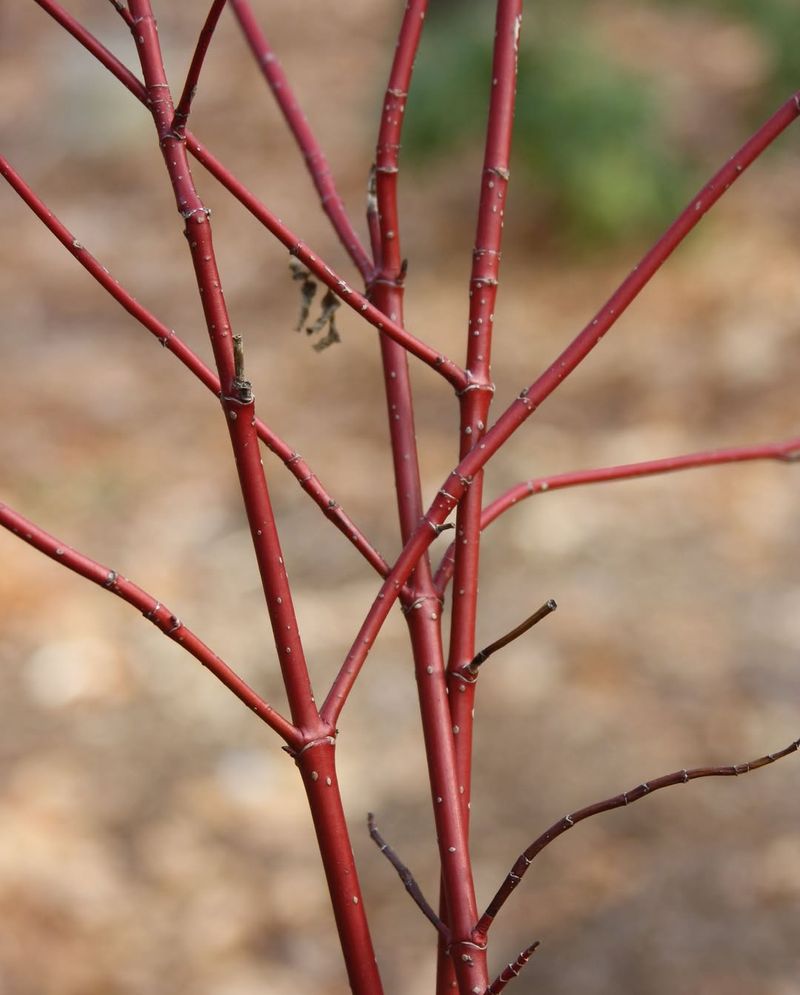
Once the ground softens in late winter, red osier dogwood is ready for the one task that keeps it performing well for years.
Spring renewal pruning is the most important maintenance step for this shrub. The goal is straightforward. Remove the oldest, grayest stems to make room for bright new growth that will carry rich color next winter.
A reliable approach is cutting out about one-third of the stems each spring, choosing the thickest and most faded ones first.
Cut close to the ground and leave the younger red stems in place. New shoots emerge from the base within a few weeks, and those shoots produce the most vivid color the following season.
Late March or early April, before new leaves begin to emerge, is the ideal timing. At that point the difference between old gray stems and younger red ones is easy to see without any guesswork.
The plant responds quickly and vigorously, often sending up several new shoots for each old one removed.
Sharp, clean tools make the work easier and reduce unnecessary stress on the plant. Bypass loppers handle most stems up to an inch in diameter. A pruning saw manages larger, older wood cleanly.
The whole task takes under thirty minutes for most home plantings and keeps the winter display vivid and full season after season.
Twenty minutes in April is a reasonable investment for a January yard that looks like someone actually planned it properly.
Which, thanks to this shrub, you now have.