The One Thing North Carolina Blueberry Growers Must Do Right After Harvest Or Next Year’s Crop Suffers
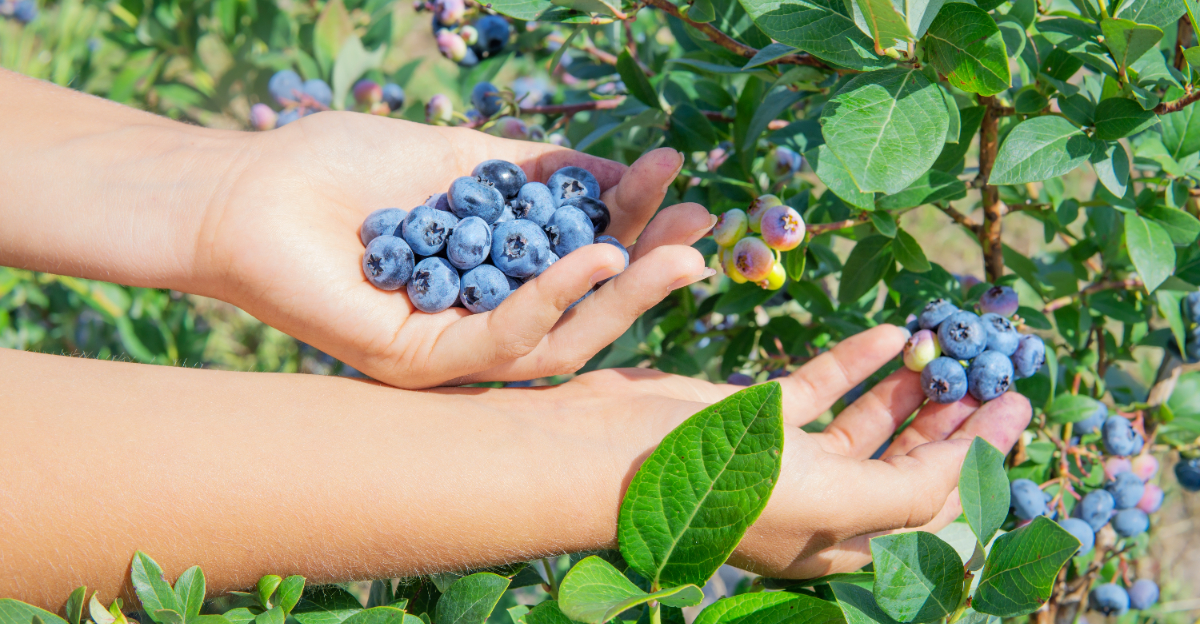
The blueberry harvest feels like the finish line, and after weeks of monitoring ripeness and picking through the bushes, it’s tempting to let the plants coast through the rest of summer without much thought.
That instinct is understandable and also fairly costly when it comes to what happens the following year.
North Carolina blueberries begin setting up next season’s production almost immediately after the current harvest wraps up.
What happens to the plant in those first weeks after picking has a direct and measurable effect on bloom density and fruit set twelve months later.
One specific task done promptly after harvest protects that process and keeps the bush channeling energy in the right direction.
Skip it and the plant survives without question, but next summer’s haul will be noticeably smaller in a way that’s entirely preventable with about an hour of well-timed attention.
1. Next Year’s Flower Buds Form On This Year’s Growth
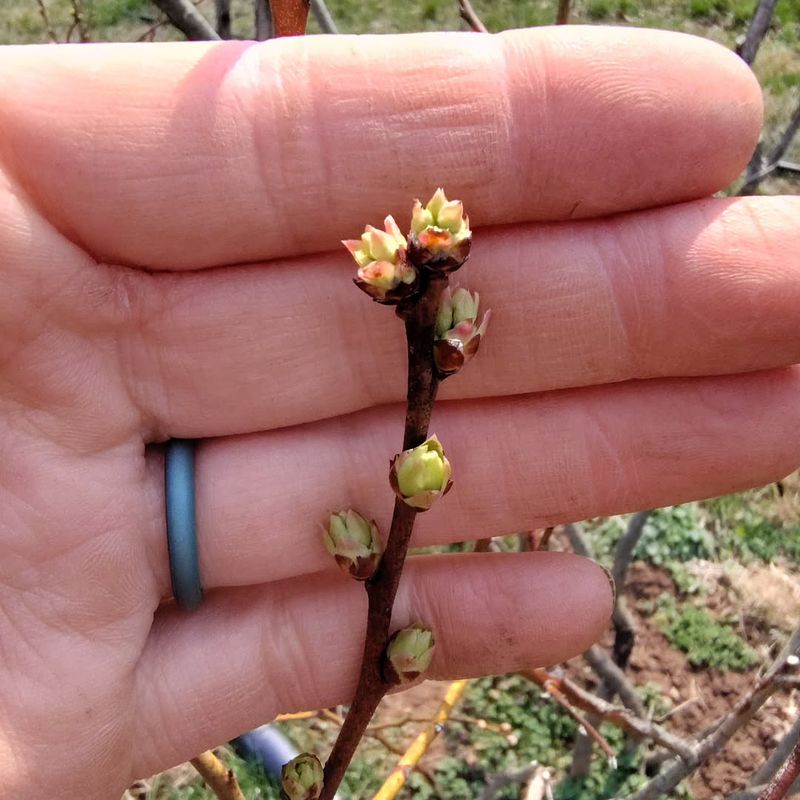
Here is something that surprises a lot of first-time blueberry growers: your bushes are already working on next year’s crop before this season even feels finished.
Right after harvest, blueberry plants shift their energy toward the current season’s new shoots.
Those fresh, green stems are where next year’s flower buds will develop, so keeping them healthy is one of the most important jobs on your summer to-do list.
Flower bud formation on blueberries typically begins in late summer and continues into early fall. During this stretch, your plants need strong, undisturbed new growth to set a generous number of buds.
Any stress that interrupts this process, whether from drought, pest damage, or poor nutrition, directly reduces the number of flowers you will see next spring.
North Carolina growers have an advantage because the long, warm growing season gives plants plenty of time to build strong new shoots after harvest. Focus on keeping those shoots green, upright, and free from damage.
Water consistently, watch for early signs of pest activity, and avoid anything that might cut the season short for your new growth. A little attention right now pays off in a big way when bloom time arrives next year.
2. Do Not Let Bushes Dry Out After Harvest
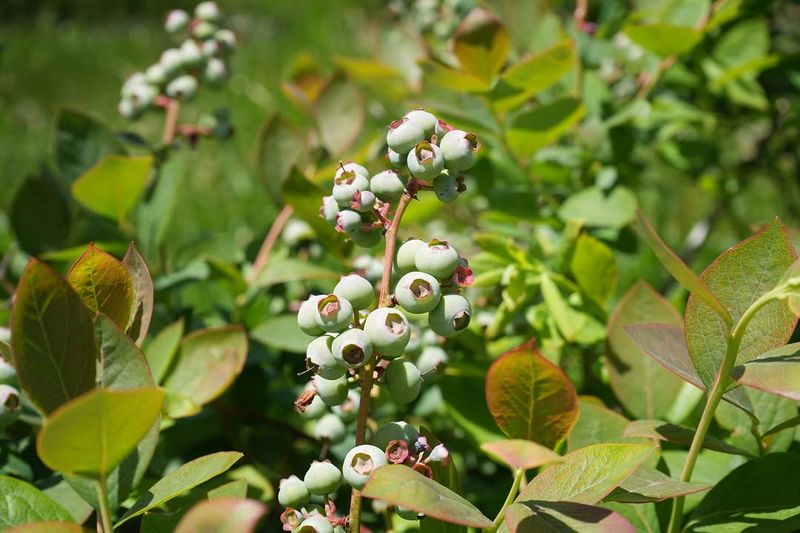
Picking the last blueberry of the season can feel like the finish line, but your plants still have a lot of important work ahead of them.
Water is absolutely critical during the post-harvest weeks because blueberry roots continue growing and flower buds are just starting to form.
Letting the soil dry out now sends stress signals through the entire plant, and that stress shows up as fewer blooms next spring.
Blueberries have shallow root systems, which means they dry out faster than many other fruit plants. In North Carolina, late summer often brings stretches of dry, hot weather that can pull moisture from the soil quickly.
Checking soil moisture regularly, at least two or three times per week, helps you catch dry conditions before they cause real harm to bud development.
Your North Carolina Garden Changes Every Week. Your Plan Should Too.
Gardening in North Carolina changes quickly throughout the season. Every Friday you’ll receive a simple weekly plan showing exactly what to plant, prune, fertilize, harvest, and protect so you never miss the right timing.
A good target is to keep the soil consistently moist but never waterlogged. Drip irrigation works especially well for blueberries because it delivers water directly to the root zone without wetting the foliage, which helps reduce disease pressure.
If you rely on rainfall, keep a rain gauge handy and supplement with hand watering during dry spells.
Even one week of significant drought stress during bud formation can noticeably reduce your yield the following season, so staying on top of irrigation right now is genuinely worth the effort.
3. Maintain A Fresh Mulch Layer
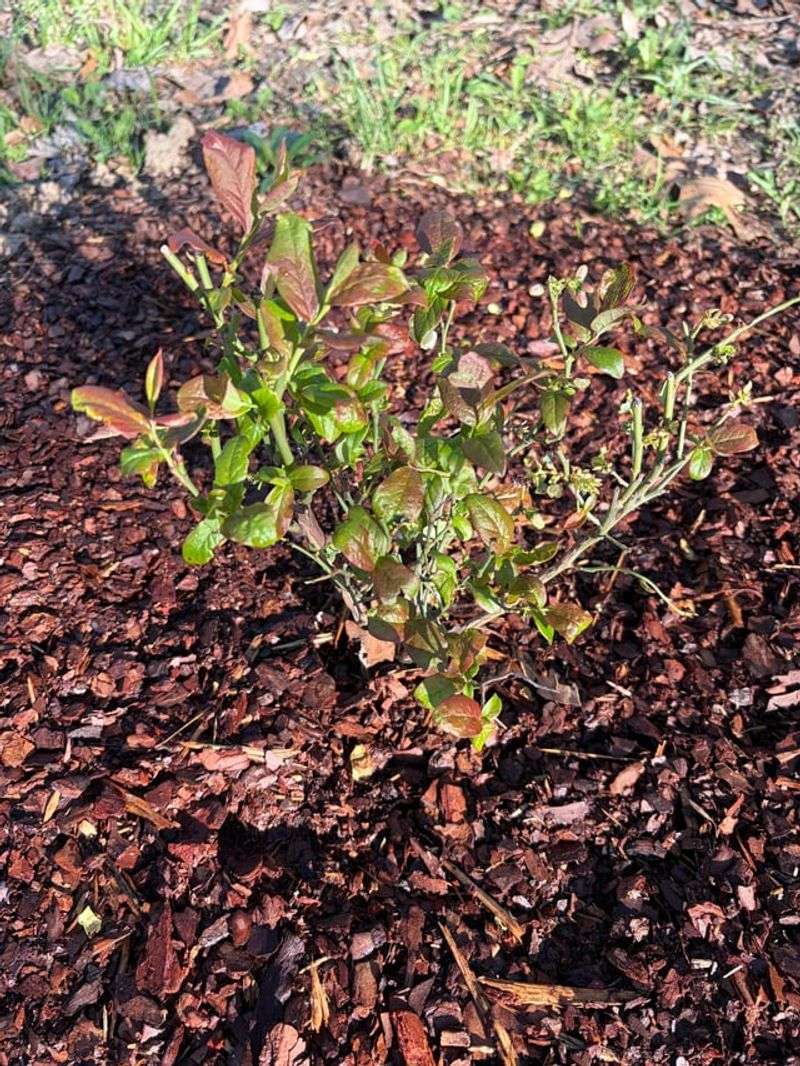
Mulch might be the most underrated tool in a blueberry grower’s toolkit. A fresh 2 to 4 inch layer of pine bark, pine straw, or wood chips around the base of each bush does several important jobs at once.
It slows moisture evaporation from the soil, keeps root temperatures from swinging too high in the summer heat, and gradually breaks down to add organic matter that blueberries absolutely love.
North Carolina summers can be brutally hot, and bare soil around blueberry roots can reach temperatures that slow root activity and stress the plant.
Mulch acts like a natural insulator, keeping things cooler underground where the roots are doing their post-harvest work.
Blueberries thrive in cool, acidic, moist soil, and a good mulch layer supports all three of those needs at the same time.
After harvest is a perfect moment to refresh whatever mulch you already have in place. Pull back any old, compacted material, check the depth, and add fresh mulch if needed to reach that 2 to 4 inch target.
Keep the mulch a few inches away from the main stem to prevent moisture buildup right at the crown, which can invite fungal problems.
Pine straw is a favorite among many North Carolina growers because it is widely available, affordable, and breaks down slowly while adding a slight acidity to the soil over time.
4. Remove Dry, Broken, Or Diseased Wood
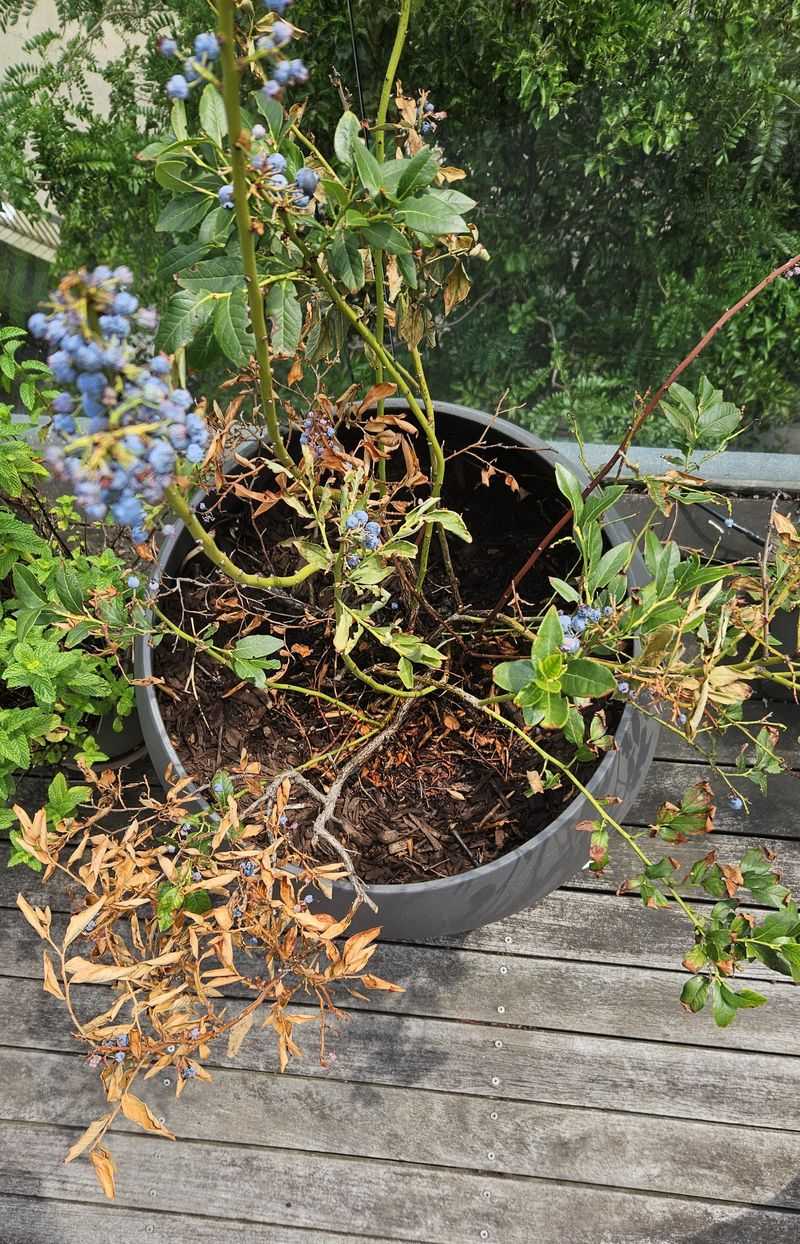
After a full harvest season, blueberry bushes often have a few branches that look rough around the edges. Dry, snapped, or obviously diseased wood does not contribute anything useful to the plant and can actually become a problem if left in place.
Removing these damaged sections right after harvest is a simple sanitation step that improves airflow and reduces the chance of disease spreading to healthy parts of the bush.
The key word here is selective. Post-harvest cleanup is not the time for heavy reshaping or aggressive pruning.
Focus only on wood that is clearly compromised: branches that snap easily when bent, stems with visible discoloration or spots, and any canes that look shriveled or hollow.
Removing just these problem areas helps the plant direct its energy toward the healthy new shoots that are forming flower buds for next year.
Always use clean, sharp pruning tools and wipe the blades with rubbing alcohol between cuts if you are working around any diseased material. This simple habit stops fungal spores and bacteria from hitching a ride from one branch to another.
Bag and remove any diseased clippings rather than leaving them on the ground near the plants.
In North Carolina’s warm, humid climate, plant diseases can spread quickly, so good sanitation practices right after harvest protect your entire planting for the season ahead.
5. Avoid Heavy Fertilization Late In The Season
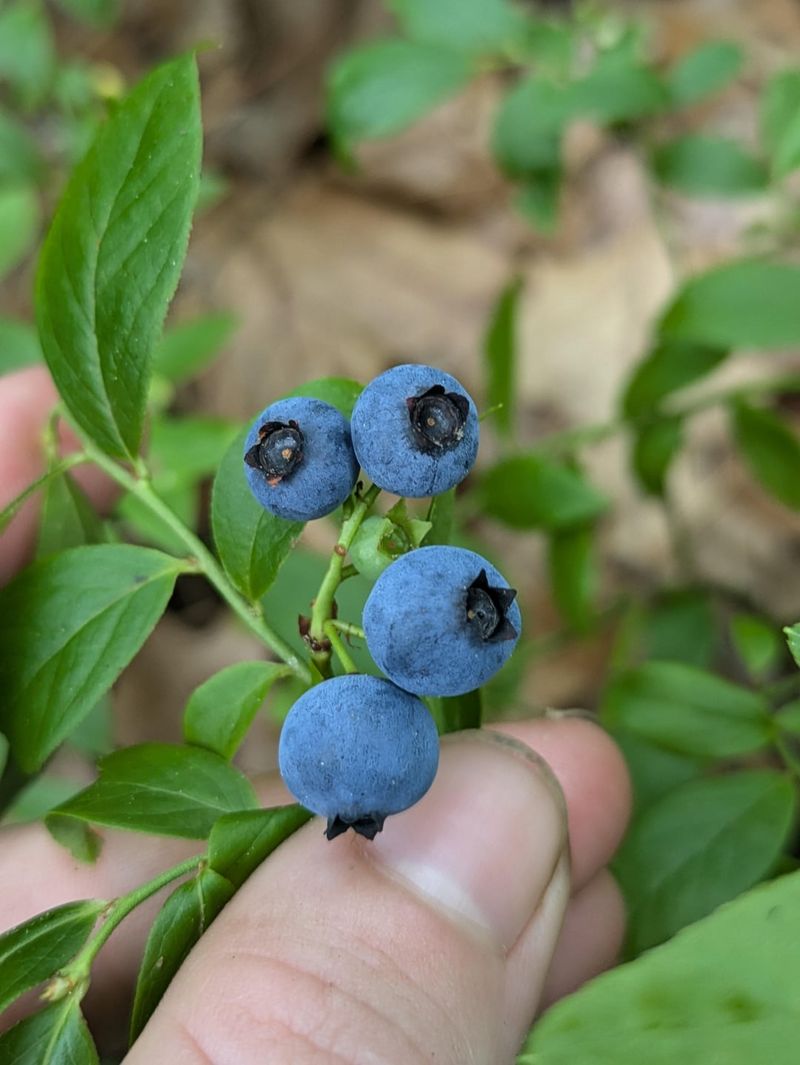
Fertilizing blueberries feels productive, but timing matters more than most growers realize. Pouring on a heavy dose of nitrogen fertilizer in late summer pushes the plant to produce a flush of soft, tender new growth.
That sounds good at first, but growth triggered this late in the season often does not have enough time to toughen up before cooler temperatures arrive, leaving those shoots vulnerable to cold injury during winter.
For North Carolina blueberry growers, the general recommendation is to finish nitrogen applications by early July at the latest.
After that point, the plant needs to slow down, harden its growth, and shift its energy toward bud development rather than building new stems.
Late-season fertilization disrupts this natural process and can reduce the number of flower buds that form properly.
If you feel the urge to do something for your bushes after harvest, focus on soil health rather than fertilizer. A soil test can tell you whether your pH is still in the ideal 4.5 to 5.5 range that blueberries prefer.
Adjusting pH with sulfur if needed, or adding a thin layer of compost, supports the plant without triggering unwanted late growth.
Patience is a real gardening skill, and holding back the fertilizer bag after midsummer is one of the smartest moves a North Carolina blueberry grower can make.
6. Protect Healthy Leaves Through Summer
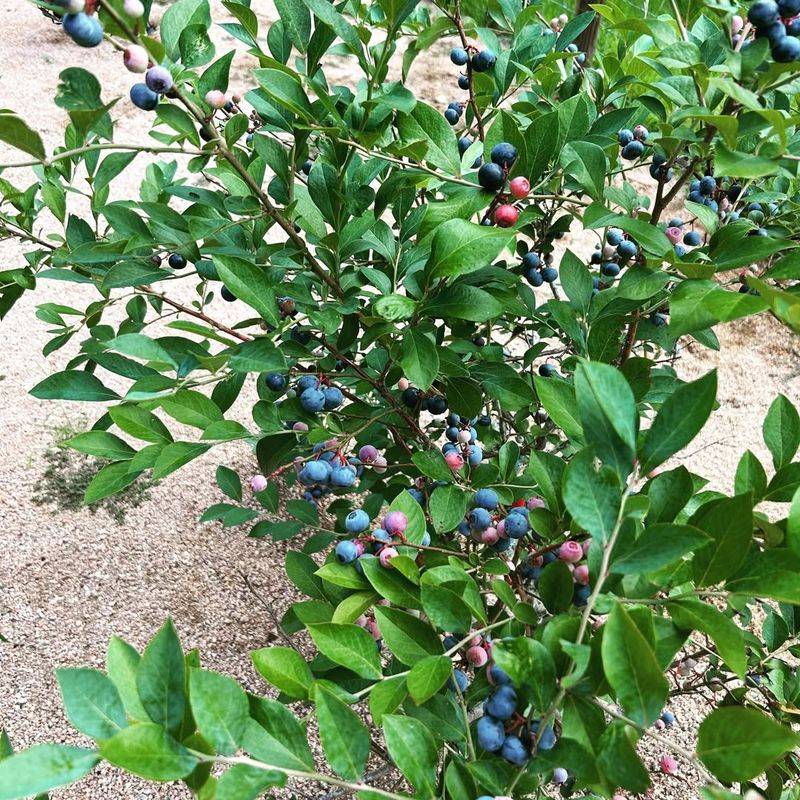
Once the berries are gone, it is easy to stop paying close attention to the leaves, but that would be a mistake. Blueberry leaves stay busy long after harvest, soaking up sunlight and turning it into energy the plant stores in its roots.
That stored energy fuels next spring’s flowering and early fruit development, so keeping the leaves healthy and intact through the rest of summer is genuinely important for future yields.
Think of the leaves as solar panels for your blueberry plant. Every leaf that drops early due to disease, pest damage, or drought stress is one less energy collector working for next year’s crop.
North Carolina’s late summer can bring a mix of heat, humidity, and occasional dry spells, all of which can stress foliage if you are not paying attention.
Keeping leaves green and healthy through September and into early fall gives your plants the best possible energy reserves heading into dormancy.
Protecting foliage starts with the basics: consistent watering, good mulch coverage to reduce soil stress, and watching for early signs of pest or disease problems.
Avoid overhead watering late in the day because wet leaves overnight create ideal conditions for fungal issues.
When leaves stay healthy and active through the post-harvest period, the plant builds stronger root reserves and sets a larger number of high-quality flower buds for the following season.
7. Monitor For Leaf Diseases
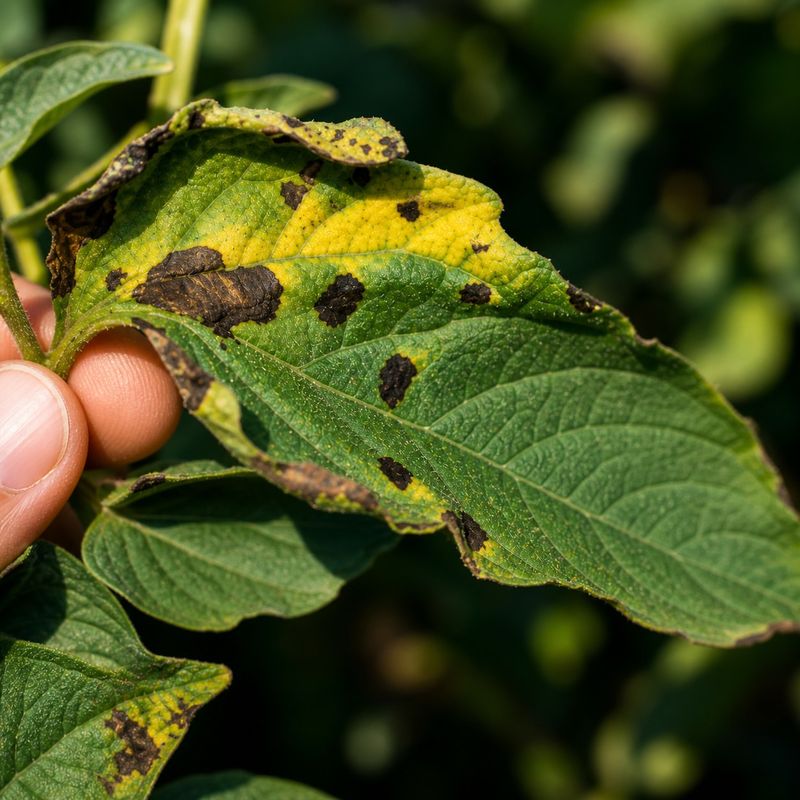
Scouting your blueberry bushes for leaf diseases after harvest is one of those habits that really separates experienced growers from beginners.
North Carolina’s warm, humid late-summer weather creates ideal conditions for fungal diseases like Septoria leaf spot and Phomopsis twig blight.
These problems tend to build quietly, and by the time the damage is obvious, the plant has already lost a meaningful amount of its energy-producing leaf surface.
Walk your planting once a week and flip a few leaves over to check both sides. Look for small spots with dark borders, yellowing patches, or any unusual discoloration spreading across the leaf surface.
Catching these problems early gives you options. Removing and bagging affected leaves, improving airflow around the plants, and avoiding overhead watering can slow or stop the spread without needing to reach for a fungicide right away.
When disease pressure is genuinely high, a labeled fungicide applied according to the product directions can protect the remaining healthy foliage through the end of the season.
Healthy leaves mean better photosynthesis, stronger root energy storage, and ultimately more flower buds set for next year.
North Carolina Cooperative Extension offers excellent resources on identifying and managing common blueberry leaf diseases, and tapping into that local knowledge can help you make smart decisions specific to your region and variety.
8. Keep Weeds Away From The Root Zone
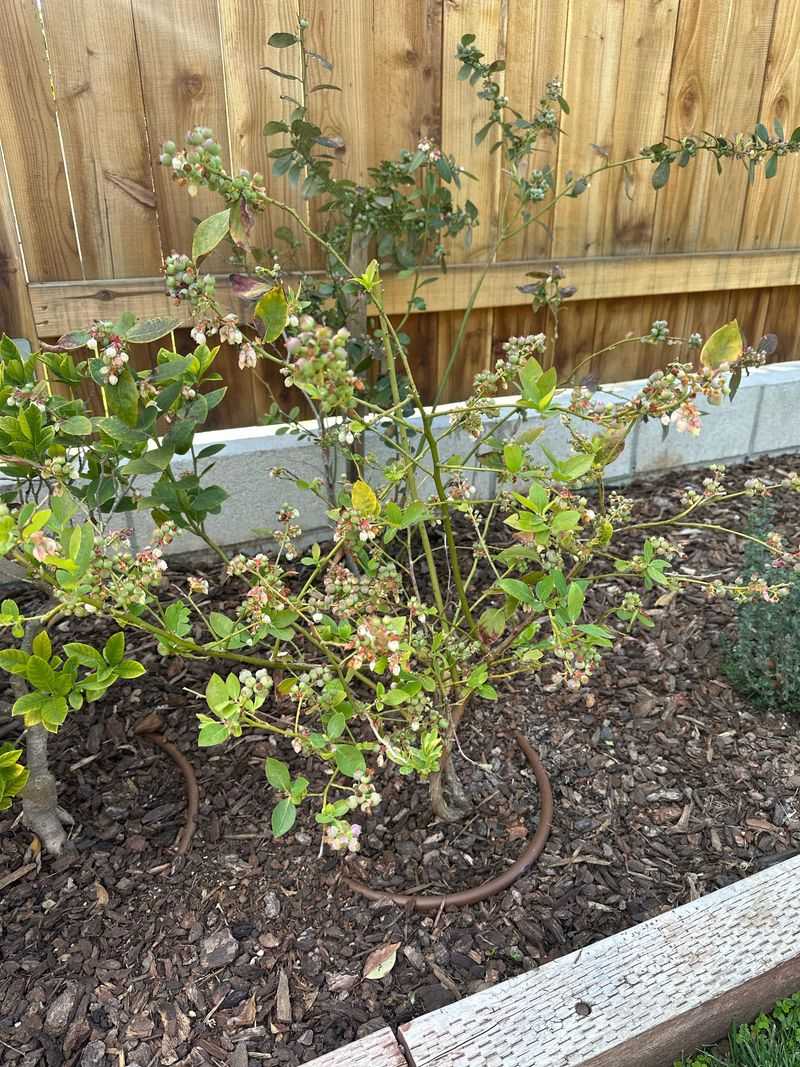
Weeds growing close to blueberry bushes are more than just an eyesore.
During the post-harvest period, every weed in the root zone is actively competing with your blueberry plants for water and nutrients, two resources the plants desperately need to form strong flower buds for next year.
In North Carolina’s warm summer conditions, weeds can grow fast and thick, so staying ahead of them takes consistent attention but pays off in a real way.
The good news is that a solid mulch layer handles a large portion of weed suppression on its own.
Keeping that 2 to 4 inch layer topped up after harvest blocks sunlight from reaching weed seeds and makes the ones that do sprout much easier to pull.
For any weeds that push through, hand-pulling is usually the safest approach close to blueberry roots because the shallow root system can be easily disturbed by hoeing or cultivating tools.
Grassy weeds that sneak in at the edges of the mulch zone can be managed with a grass-specific herbicide labeled for use around blueberries, applied carefully according to label directions.
Broadleaf weeds close to the plants are best removed by hand to avoid any risk of herbicide contact with blueberry foliage or roots.
Keeping the root zone clean and weed-free through late summer gives your bushes the undivided access to soil resources they need during this critical bud-formation window.
9. Preserve Strong New Shoots
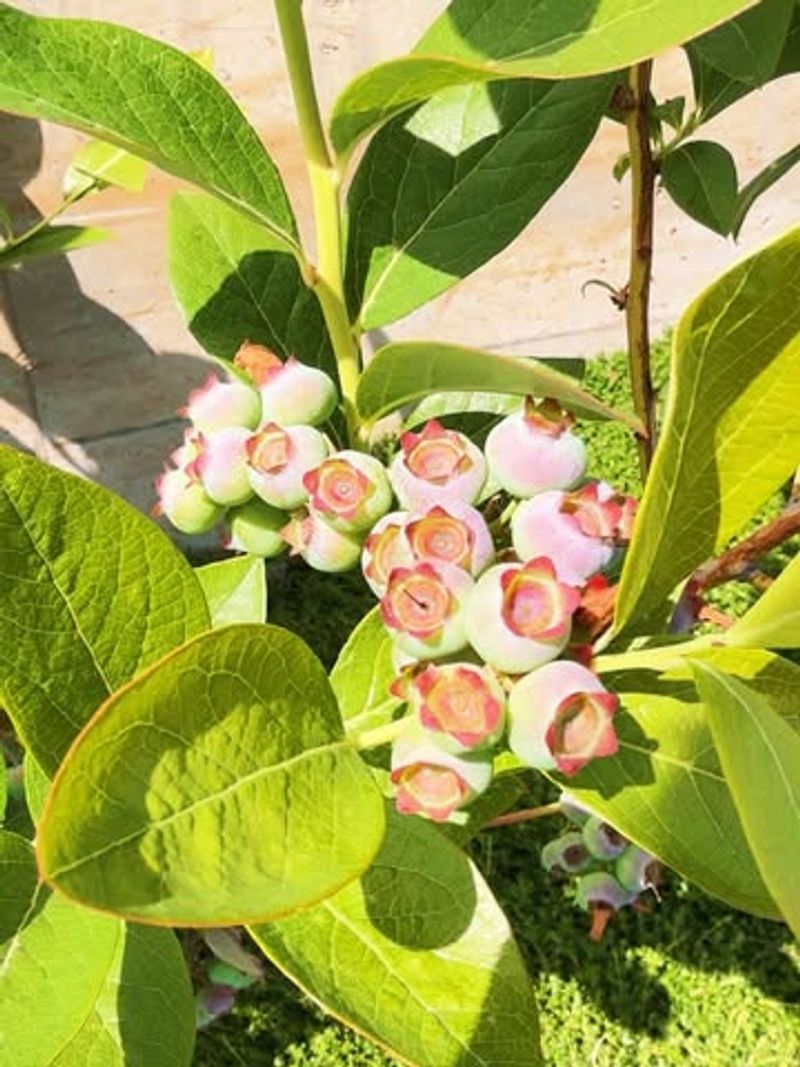
Strong new shoots that emerge after harvest are some of the most valuable growth on your entire blueberry plant. These tall, vigorous canes, sometimes called renewal canes, are what future harvests are built on.
Over the next couple of seasons, they will develop into productive fruiting wood loaded with flower buds. Recognizing them early and protecting them through the rest of summer sets your planting up for years of strong production.
Healthy new shoots typically grow from the base or lower portions of the plant. They are usually thick, upright, and a bright, healthy green.
A single established blueberry bush might send up two to five of these strong new canes in a good growing season, and each one represents a real investment in future fruit.
Accidentally removing them during post-harvest cleanup or accidentally breaking them during mowing or weeding is a common and costly mistake.
Mark them with a small stake or garden flag if you are worried about losing track of them during routine maintenance. Keep the area around their base clear of weeds and make sure they receive consistent moisture through the rest of the summer.
Avoid bending or bumping them during garden work. These canes do not need any special treatment beyond what you are already doing for the rest of the plant, but they do deserve your attention and care as the season winds down toward fall.
10. Save Major Pruning For Dormancy
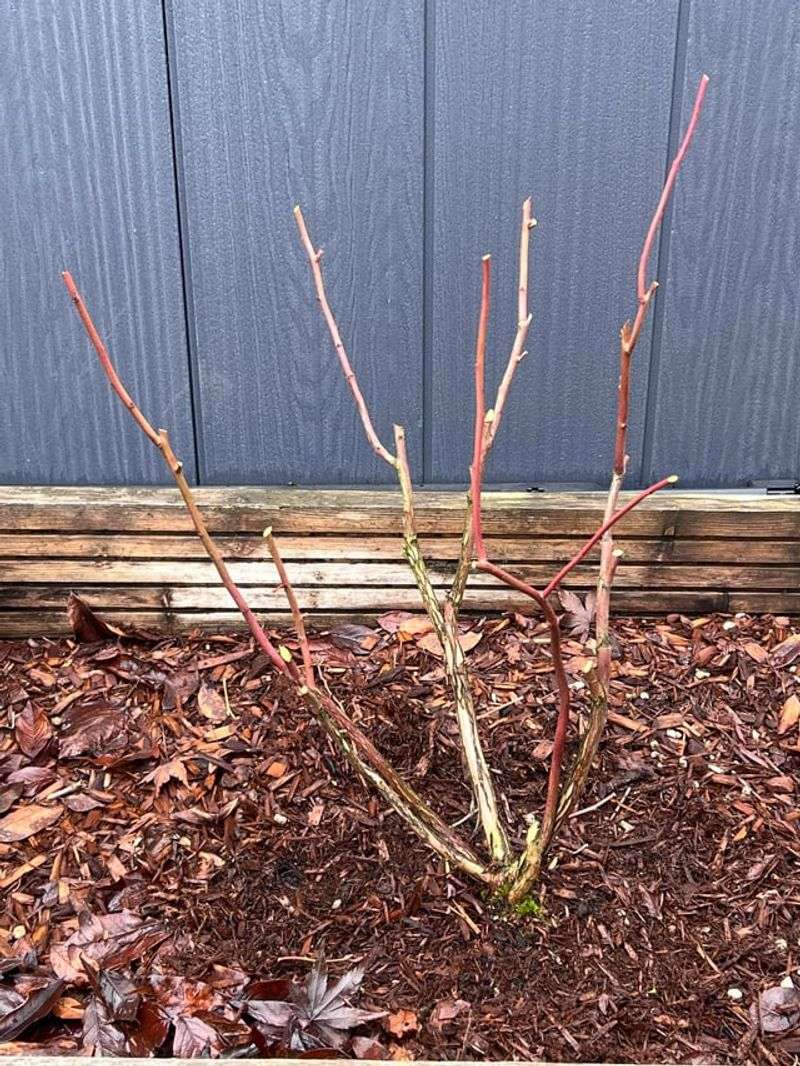
Post-harvest enthusiasm can lead growers to grab their pruning shears and start reshaping their blueberry bushes right away, but holding back is genuinely the smarter move.
Major structural pruning, the kind that removes old canes, thins out crowded centers, or dramatically changes the shape of the plant, is best saved for the dormant season.
In North Carolina, that window typically falls between December and early February, depending on the variety and weather patterns.
Pruning heavily right after harvest removes green, active tissue that the plant is still using for photosynthesis.
It also stimulates the plant to push new growth, which can be a real problem in late summer when that new growth needs time to harden before winter arrives.
The plant ends up spending energy it should be saving on bud development and root storage instead of recovering from pruning cuts.
Waiting until the plants have fully dropped their leaves and entered true dormancy gives you a much clearer picture of the plant’s structure.
You can see exactly which old canes need to come out, where the center is too crowded, and which new shoots from this season should be kept for future production.
Dormant pruning also reduces the risk of disease entering fresh cuts during warm, humid weather.
Patience here is a real strategy, and blueberry bushes respond with noticeably stronger growth and better yields when pruning happens at the right time of year.
11. Maintain Good Airflow Without Over-Pruning
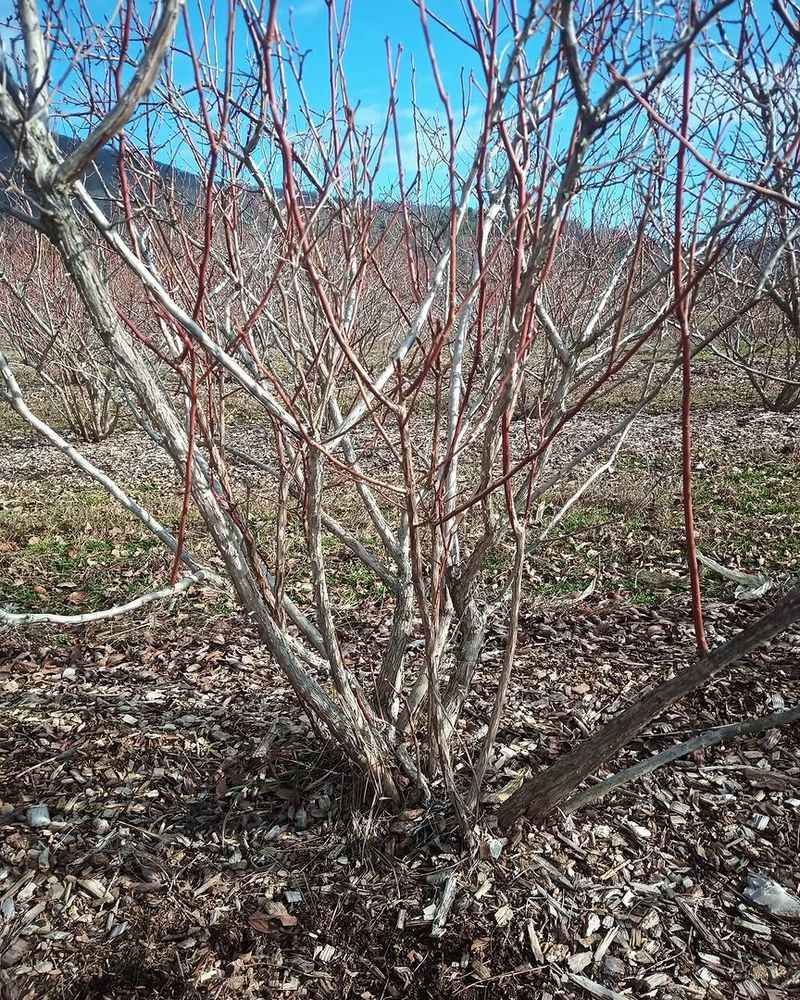
Good airflow through and around blueberry bushes is one of the best natural defenses against fungal disease, and it does not require a lot of pruning to achieve.
After harvest, the main goal is to remove only what is truly in the way: broken stubs, obviously crowded weak stems pressing against each other, and any low-hanging branches dragging on the soil.
These small adjustments can meaningfully improve air circulation without disrupting the plant’s energy cycle.
Over-pruning in summer is a real risk because every cut removes active leaf tissue the plant needs for photosynthesis and bud development.
Some growers get carried away trying to open up the center of the bush during the post-harvest period, but that level of structural work is better left for dormancy.
Right now, think of airflow management as light tidying rather than major renovation work.
Weed control plays a big role in airflow too. Dense weed growth around the base of blueberry bushes traps moisture and limits air movement at ground level, which is exactly where fungal problems like to get started.
Keeping the root zone clean, mulched, and weed-free naturally improves the growing environment without touching a single branch.
Pair that with the selective removal of damaged wood, and your bushes will have the breathing room they need to stay healthy through the rest of summer and into the fall bud-hardening period.