8 Arizona Flowering Shrubs To Prune In June Before Summer Stress Shows Up
Overgrown shrubs have a way of sneaking up on people. One week everything looks tidy and under control.
A short time later, branches are stretching outward, flowers are fading, and the plant no longer looks quite as neat as it did earlier in the season.
Many gardeners leave those shrubs alone because they do not want to remove healthy growth. That hesitation is understandable, but timing matters.
Certain flowering shrubs respond much better when they receive attention before the most intense part of summer arrives.
The challenge is knowing which plants benefit from a light trim and which ones are better left alone. Treating every shrub the same way can create problems, especially when temperatures are about to become much more demanding.
That is why June becomes an important decision point for several flowering shrubs growing in Arizona landscapes.
1. Texas Sage Keeps A Cleaner Outline In June
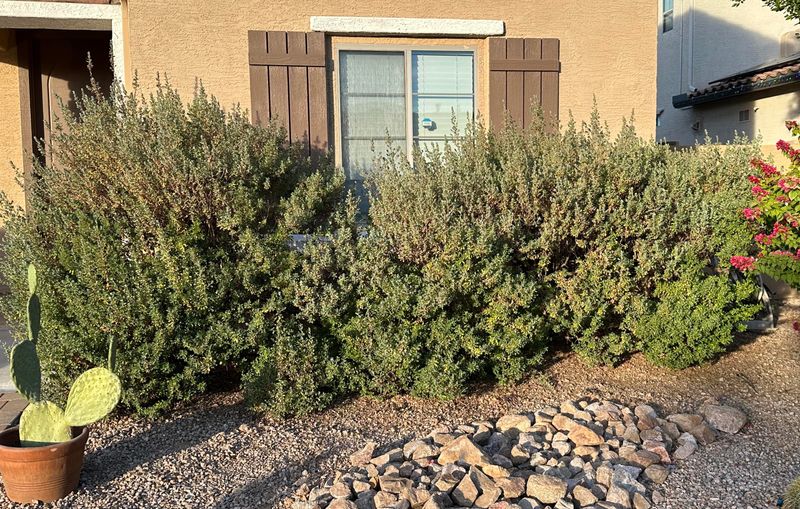
Few desert shrubs make as bold a statement as Texas sage. Those silvery leaves and bright purple blooms look stunning, but by late spring the plant can start looking a little ragged and loose around the edges.
June is the right time to step in with a clean pair of hand shears and tighten things up. A light trim removes spent flower clusters and restores that tight, rounded silhouette the plant is known for.
Avoid cutting back more than one-third of the total growth at once. Heavy pruning in summer heat stresses the plant and slows recovery significantly.
Focus on long, wayward stems that break the natural outline. Snip them back to a side branch or bud, and the shrub will fill in evenly over the next few weeks.
Texas sage is drought-tolerant and heat-loving, but it still benefits from a clean shape heading into peak summer. A tidy outline means better airflow through the canopy, which reduces the chance of fungal issues during monsoon season.
Work in the early morning when temperatures are still manageable. Avoid pruning during midday heat, since freshly cut stems are more vulnerable to sun damage right after trimming.
After you finish, skip the fertilizer. Feeding this shrub before extreme heat pushes soft new growth that scorches easily.
Let it harden off naturally and it will reward you with another flush of blooms come late summer.
2. Yellow Bells Stay More Compact After Light Trimming
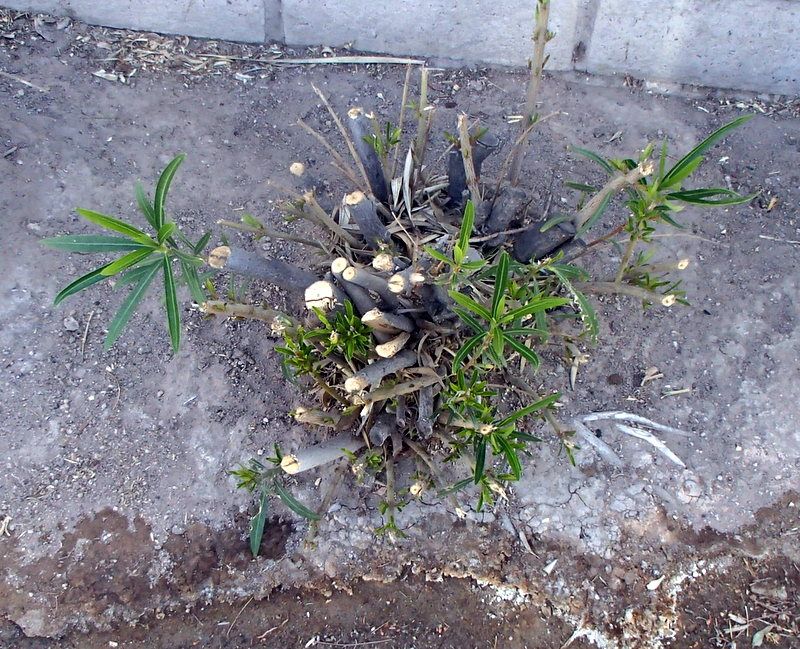
Yellow bells has a reputation for growing fast, and that speed works against it in late spring. By June, stems are often crossing, crowding, and pushing the plant well past a manageable size.
A light trim now keeps the canopy from getting too wide and leggy before summer heat locks everything in place. Cutting back the longest stems by about one-third is usually enough to restore a tidy, open shape.
Sharp bypass pruners work best here. Clean cuts heal faster than torn or crushed stems, which matters more when heat stress is already a factor.
Look for stems that are growing horizontally or dipping toward the ground. Those are the ones pulling the shape apart.
Your Arizona Garden Changes Every Week. Your Plan Should Too.
Gardening in Arizona changes quickly throughout the season. Every Friday you’ll receive a simple weekly plan showing exactly what to plant, prune, fertilize, harvest, and protect so you never miss the right timing.
Remove them first, then step back and assess what else needs to come off.
Yellow bells blooms on new growth, so a June trim actually sets the plant up for a fresh round of flowers once temperatures ease slightly in late summer. Cutting it back now is not a setback, it is a setup for better performance ahead.
Water the shrub a day before trimming if the soil is very dry. A well-hydrated plant handles pruning stress much better than one that is already parched.
After trimming, leave the clippings out of the compost pile if any show signs of disease or pest damage. Bag and dispose of those separately to keep problems from spreading to other plants nearby.
3. Baja Fairy Duster Benefits From Occasional Shaping
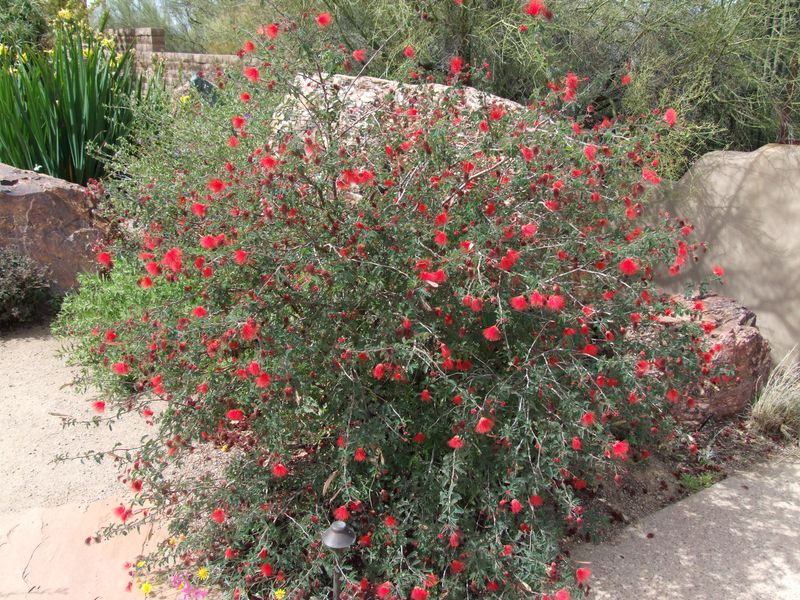
Baja fairy duster has a wild, airy look that most gardeners love, but left completely alone it can sprawl into neighboring plants and lose its natural grace. A little shaping in June helps maintain that open, feathery form without stripping the plant of its character.
Work slowly with this one. Baja fairy duster has fine stems that respond well to selective hand-pruning rather than hedge shearing.
Grab individual long branches and cut them back to a natural fork or junction.
Avoid cutting into bare, woody sections. New growth rarely breaks from old wood on this plant, so always leave some green foliage on every stem you touch.
The goal is not to make it look clipped or formal. Just reduce the outermost reach by a few inches and remove any crossing branches that are creating friction or congestion inside the canopy.
Baja fairy duster attracts hummingbirds and native bees consistently. Keeping the plant healthy and well-shaped means it keeps producing the blooms those pollinators depend on through a long desert summer.
After shaping, check the base of the plant for any dried or weakened stems left from winter. Pull those out cleanly to improve airflow at the crown, where moisture can sometimes collect during monsoon rains.
No fertilizer is needed after this trim. Baja fairy duster is adapted to lean desert soils and does not respond well to heavy feeding, especially heading into peak heat season.
4. Chuparosa Looks Better After A Mid-Year Cleanup
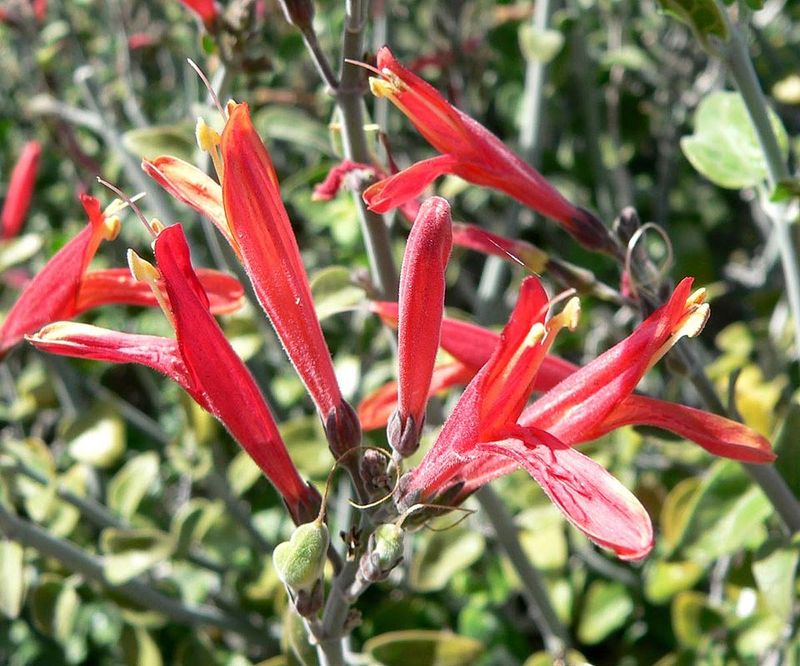
Chuparosa earns its spot in the desert garden every single year. Hummingbirds flock to those bright red tubular flowers, and the plant pushes out blooms reliably even in challenging conditions.
By June, though, it often looks a bit stretched and uneven. Stems that flowered heavily in spring start looking spent and woody, and the overall shape can feel messy heading into summer.
A mid-year cleanup does not mean a hard cutback. Remove spent flowering stems, trim back any branches that are crossing awkwardly, and cut out anything that looks dry or damaged at the base.
Work selectively rather than shearing the whole plant at once. Chuparosa responds well to targeted cuts and tends to push new growth from the cut points within a few weeks.
Keep the interior of the plant open. Good airflow through the center reduces the risk of problems during the humid stretch of monsoon season, which follows close behind June in the low desert.
Chuparosa is a tough, low-water plant once established. Still, if it has been unusually dry leading into June, give it a deep watering the day before you prune.
That extra moisture helps it recover faster from the trim.
After cleanup, step back and look at the overall silhouette. It should feel relaxed and natural, not clipped or boxy.
Chuparosa looks its best when it retains some of that loose, sprawling desert character even after shaping.
5. Mexican Honeysuckle Holds Its Form More Reliably
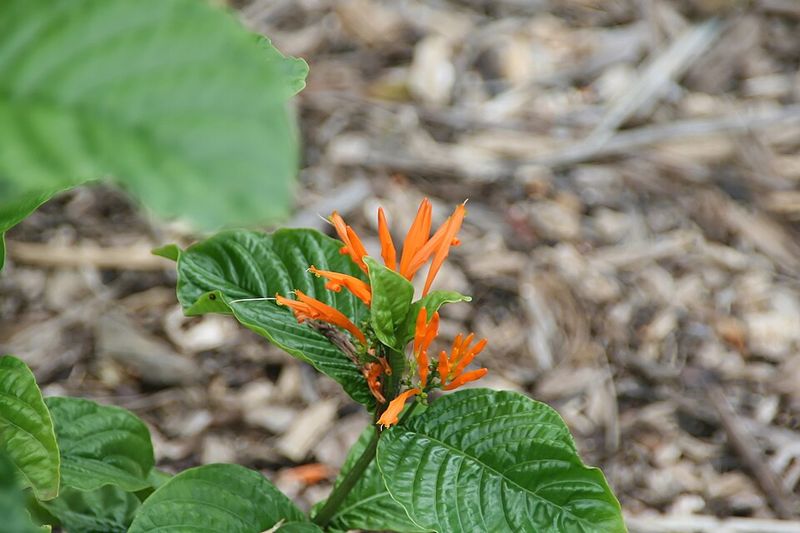
Mexican honeysuckle is one of those plants that rewards consistent attention. Skip the June trim and it gets floppy, top-heavy, and harder to manage as summer heat sets in.
Stay on top of it and the plant keeps a clean, upright form that looks great against walls, fences, or mixed desert borders. A light shaping now makes all the difference in how it holds up through July and August.
Cut back the tallest stems by about one-quarter to one-third. Focus especially on any stems that are bending outward or flopping over neighboring plants.
Those need to come off cleanly at a side branch or natural fork.
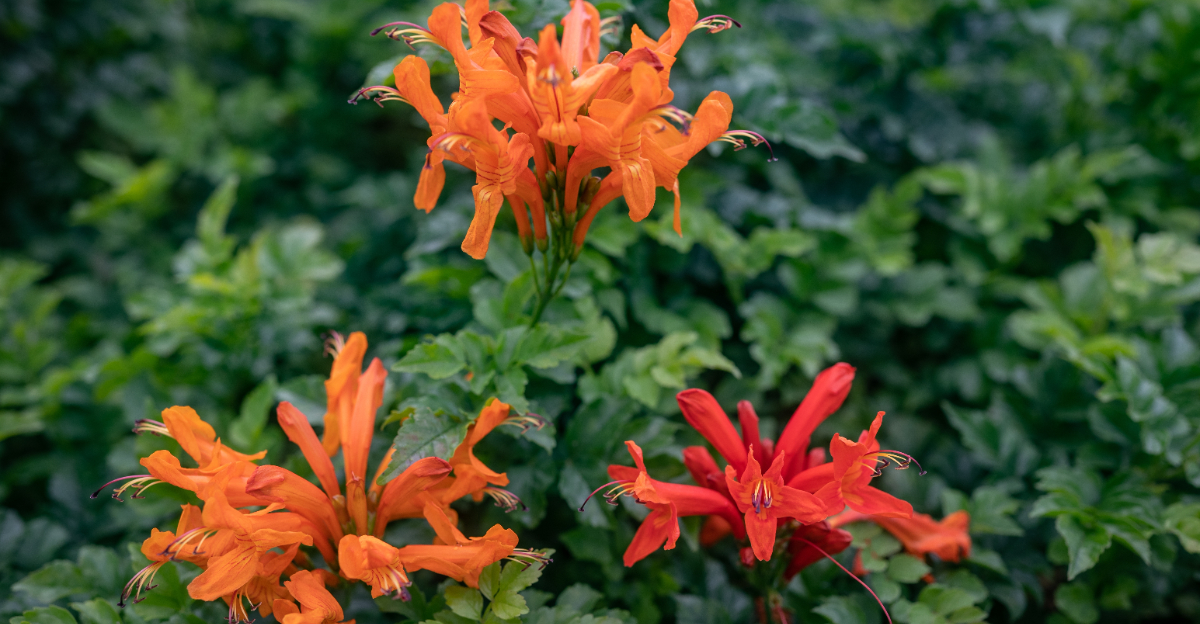
Mexican honeysuckle blooms on new growth, so trimming it in June encourages a fresh flush of those vivid orange flowers later in summer.
Gardeners who skip this step often end up with a plant that looks exhausted by midsummer with very little bloom production.
Use clean, sharp hand pruners for this job. Ragged cuts on soft-stemmed plants like this one invite problems, especially when heat and humidity from monsoon storms arrive shortly after.
Check the base of the plant while you are working. Remove any stems that are crossing at the crown or lying flat on the soil.
Those low stems rarely produce good growth and can trap moisture against the base.
Water lightly after pruning and give the plant a few days to settle before the next deep irrigation cycle. Recovery is quick when conditions are right.
6. Desert Ruellia Benefits From Light Seasonal Cleanup
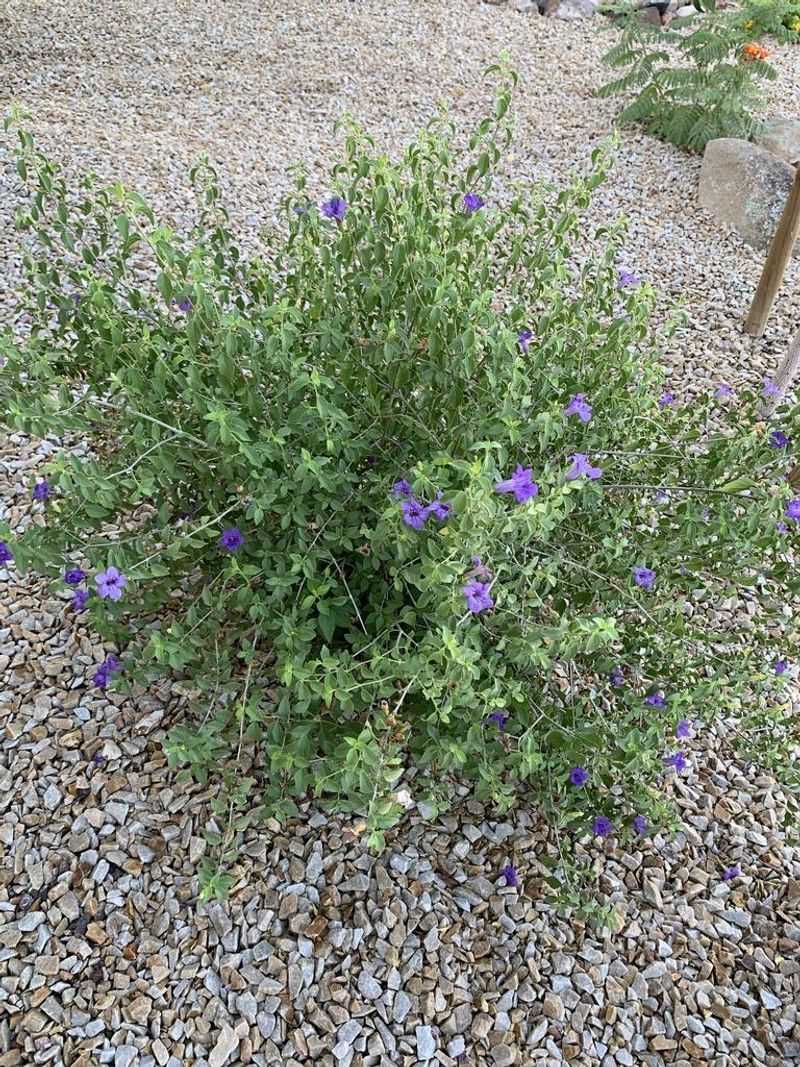
Desert ruellia spreads quickly and blooms almost nonstop, which makes it a favorite in low-water Southwest gardens.
That vigorous growth habit also means it can look overgrown and disheveled by the time June rolls around.
A light seasonal cleanup keeps it from swallowing neighboring plants and restores a tidy, manageable footprint heading into summer.
Focus on the outer edges first, cutting back stems that have pushed well beyond the intended border of the plant.
Ruellia responds well to shearing, which makes it faster to clean up than some of the more delicate desert shrubs on this list. A pair of hedge shears works fine here, especially on larger specimens.
After shearing the edges, switch to hand pruners and thin out the interior a bit. Removing a few of the thicker, older stems from the center opens up the canopy and encourages fresh growth from the base.
Keep in mind that desert ruellia can reseed aggressively. While you are trimming, pull any seedlings that have sprouted around the base if you want to keep the planting contained.
Water the plant well the day before you prune. Ruellia handles trimming stress much better when it is fully hydrated, especially with intense heat approaching fast.
After cleanup, the plant should look refreshed and compact. Expect a strong flush of new growth and fresh blooms within two to three weeks, right as monsoon season begins to bring some relief from the heat.
7. Orange Jubilee Keeps A Tidier Canopy Through Summer
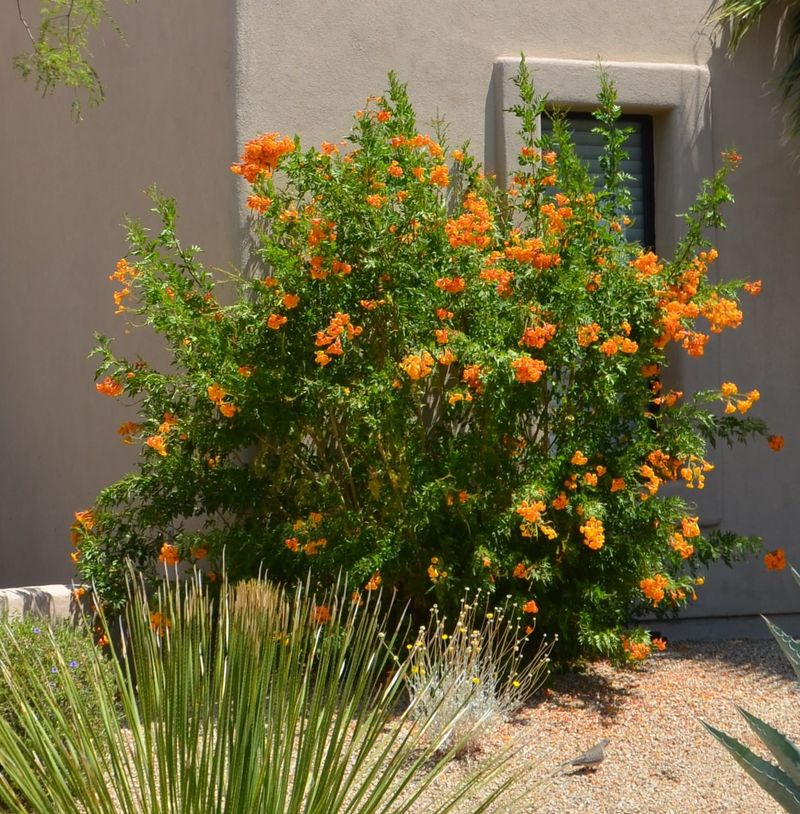
Orange Jubilee grows fast. Really fast.
Left alone from spring into June, it can easily reach six feet or more and start looking more like a small tree than a managed shrub.
Trimming it back before summer heat peaks is one of the best things you can do for its long-term health. A tidy canopy handles heat stress better than an overgrown one, and it looks far more intentional in the landscape.
Start by removing the tallest vertical stems. Cut them back to a strong side branch lower on the plant.
That redirects energy into a wider, more balanced shape rather than a narrow, top-heavy one.
Next, clean up any dried or damaged stems from the previous season. Orange Jubilee sometimes holds onto old growth for a long time, and those stems can clutter the canopy and block light from reaching the interior.
Be thoughtful about how much you remove at once. Taking off more than one-third of the total canopy in June can stress the plant significantly, especially if a heat spike follows shortly after.
Orange Jubilee is a hybrid, and it does not always reseed readily. Shaping it consistently keeps it performing at its best without worrying about unwanted seedlings spreading around the yard.
After pruning, hold off on any fertilizer applications. Feeding it now pushes soft, tender growth that scorches easily under intense desert sun.
Let new growth harden naturally before the next feeding cycle in fall.
8. Cape Honeysuckle Remains Easier To Manage
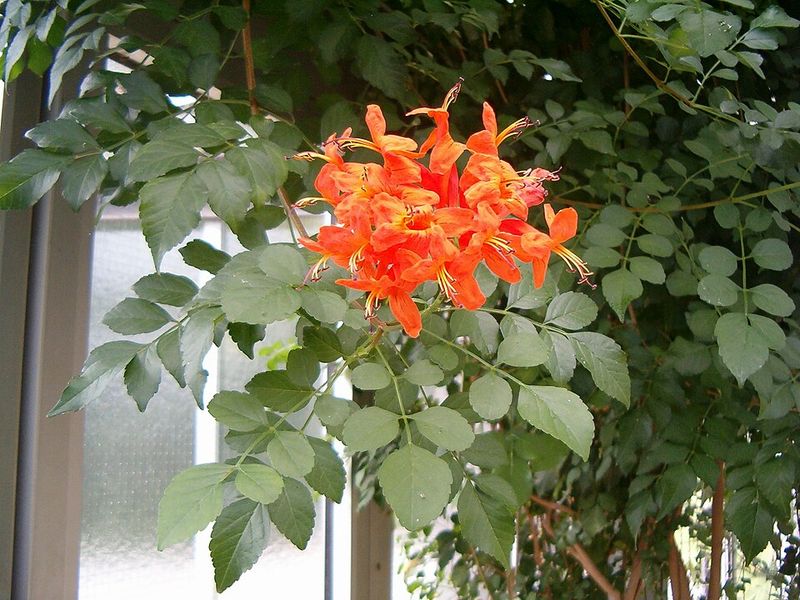
Cape honeysuckle is a powerhouse. It climbs, it sprawls, it blooms heavily, and it handles desert heat with almost no complaints.
But without regular attention, it turns into a tangled, unruly mass by midsummer.
Getting ahead of that in June is the smartest move. A firm trim now keeps it from overtaking fences, walls, and neighboring plants before the hottest months lock everything in place.
Cut back the longest trailing stems first. Cape honeysuckle produces new flowering stems from these cut points, so trimming is not a setback.
Think of it as resetting the plant for a fresh round of blooms.
For plants trained against a wall or fence, remove any stems that have pulled away from the support structure. Tuck or tie back stems that are still in good position, and remove the ones that are heading in the wrong direction entirely.
Check the base of the plant for woody, unproductive stems. These older canes rarely bloom well and take up space that could support more vigorous, productive growth.
Cut them out at ground level.
Cape honeysuckle is tough, but freshly cut stems are vulnerable to intense sun immediately after pruning. Trim in the early morning and let the plant recover before full midday exposure hits.
Watering deeply after the trim helps the plant push new growth quickly. In Arizona, where summer heat is relentless, giving the plant every advantage possible in early June sets it up for a strong, healthy season ahead.