The Texas Garden Habits Most Gardeners Start In June That Ruin Their Fall Season
June in Texas feels like the height of the growing season, and the decisions most gardeners make during this month reflect that energy.
Plants are in the ground, things are growing, and the focus tends to be entirely on managing what is happening right now rather than thinking ahead.
That short-term mindset leads to a specific set of habits that seem completely reasonable in June but quietly undermine everything a Texas gardener is hoping for come fall. Some of these habits involve what gets planted and what gets pulled too soon.
Others come down to watering, feeding, and soil management choices that feel fine through summer but create real problems by September.
The fall garden in Texas is genuinely one of the best growing windows of the year, and most of the gardeners who end up disappointed with it trace the trouble back to something that started going wrong in June without them realizing it.
1. Watering Based On Assumptions Instead Of Soil Needs
Most Texas gardeners water on a schedule, not based on what the soil is actually telling them. That might sound fine, but in June, the Texas heat can dry out the top inch of soil fast while deeper layers stay damp or stay bone dry depending on your yard.
Watering by looks alone is one of the sneakiest ways to stress your plants without even knowing it.
When you water too shallowly, roots stay near the surface looking for moisture. Shallow roots cannot handle the brutal August heat that is coming.
By the time fall arrives, those plants are already worn down and struggling to bounce back for cooler weather blooms.
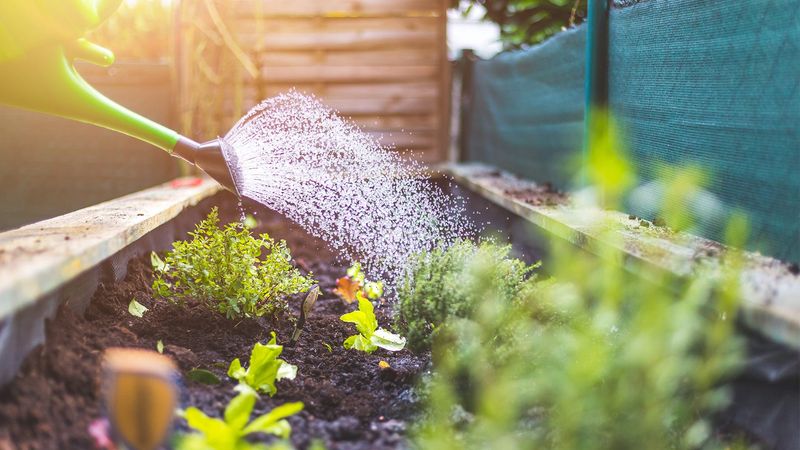
The right move is to check soil moisture a few inches below the surface before turning on the hose. Push your finger or a wooden dowel about three inches into the ground. If it comes out dry, it is time to water. If it is still moist, hold off for another day.
Deep, slow watering a few times a week is far better than light daily sprinkles. Drip irrigation or soaker hoses work great for this.
They send water straight to the root zone where it is needed most, which also helps prevent fungal issues on leaves.
Keeping a simple watering log for June and July can also help you spot patterns in your yard. Some spots dry out faster than others.
Knowing your soil is the first step toward a garden that actually thrives when fall rolls around and temperatures finally start to drop.
2. Neglecting Timely Deadheading And Flower Care
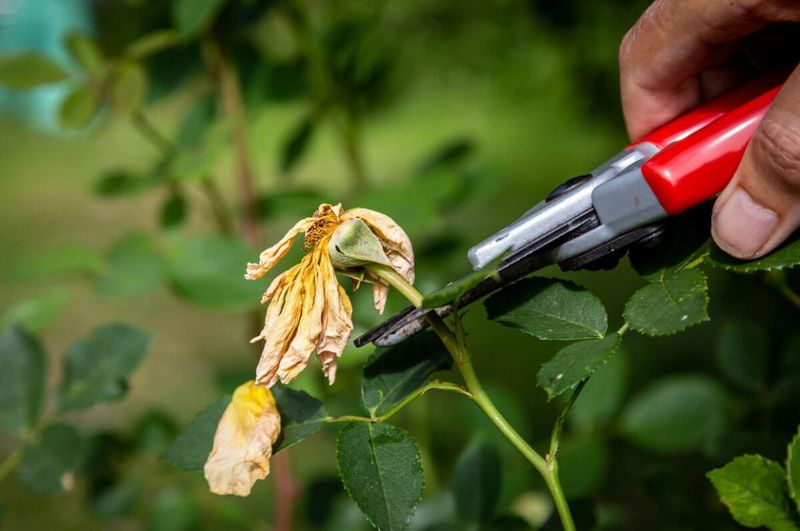
Picture a flower bed in mid-June that looks a little tired. The blooms are browning at the edges, seeds are forming, and the plant is quietly putting all its energy into making more seeds instead of more flowers.
That is what happens when deadheading gets skipped, and it costs you more than you might think.
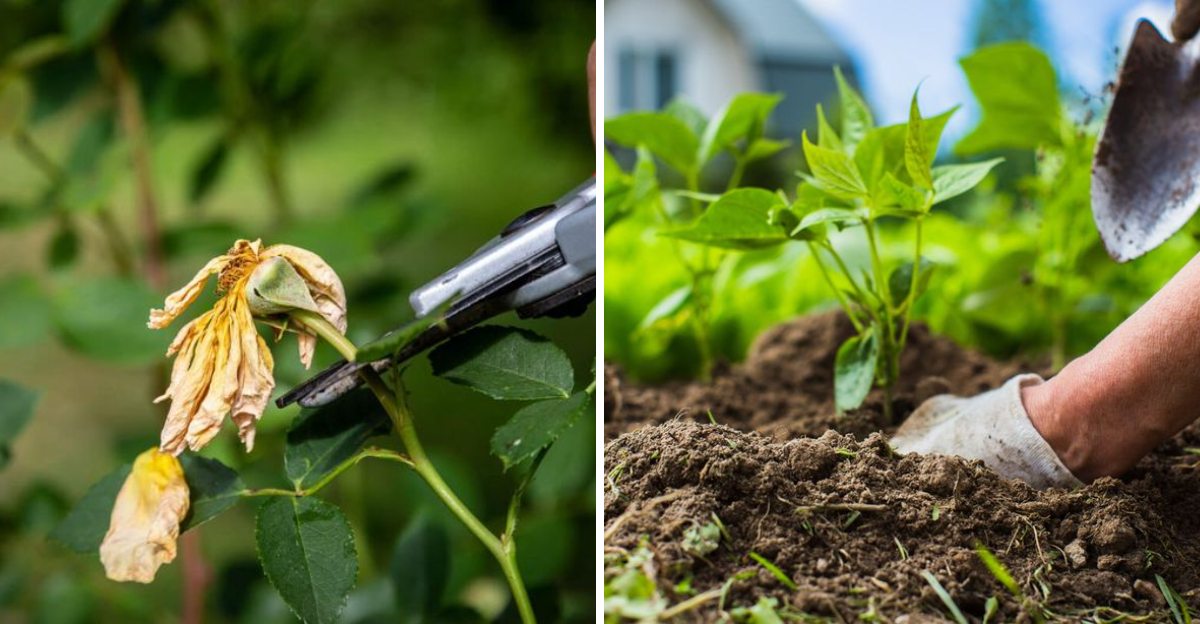
Deadheading simply means removing spent or faded blooms before the plant goes to seed. When a plant produces seeds, it thinks its job is done for the season.
Your Texas Garden Changes Every Week. Your Plan Should Too.
Gardening in Texas changes quickly throughout the season. Every Friday you’ll receive a simple weekly plan showing exactly what to plant, prune, fertilize, harvest, and protect so you never miss the right timing.
It slows down flowering and shifts energy toward seed development. That means fewer blooms now and a weaker plant heading into fall.
In Texas, June is one of the most important months to stay on top of this task. Zinnias, salvia, coneflowers, and many other popular Texas garden plants respond really well to regular deadheading.
A quick snip every few days keeps plants producing fresh flowers through summer and into fall.
Beyond just removing old blooms, giving your flowering plants a little extra attention in June pays off big. Check for yellowing leaves and remove them.
Make sure your plants have enough space around them for air to move. Crowded, neglected plants are more likely to struggle when heat peaks in July and August.
It does not take long to walk through your flower beds a couple times a week with a pair of clean scissors or garden snips.
Even ten minutes of flower care in June can mean the difference between a fall garden that looks amazing and one that looks like it gave up halfway through the summer.
3. Planting Too Close Or Overcrowding Beds
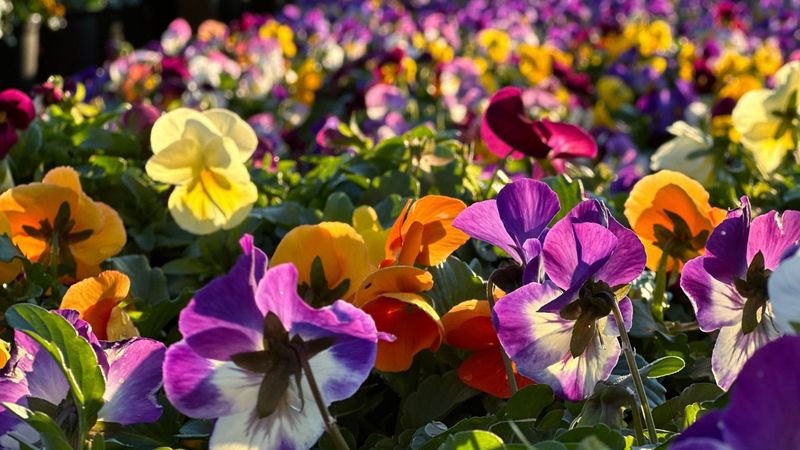
Cramming more plants into a bed feels productive in the moment. More plants should mean more color, more vegetables, and a fuller garden, right?
Not exactly. When plants are packed too tightly in June, something goes wrong fast, especially in a Texas summer where heat and humidity team up against you.
Overcrowding blocks airflow between plants. Poor airflow creates the perfect environment for fungal diseases like powdery mildew and leaf spot.
Once those diseases take hold in summer, they are hard to shake before fall. Diseased plants going into September rarely recover enough to put on a good show.
Roots also compete for water and nutrients when plants are too close together. In Texas summer heat, that competition becomes intense.
The stronger plants might survive, but the weaker ones will suffer. And even the survivors end up smaller and less productive than they would have been with proper spacing.
Before planting anything new in June, read the plant tag carefully. Those spacing recommendations are not just suggestions.
They reflect how wide the plant will actually grow at maturity. Giving each plant its proper space now means less thinning, less disease pressure, and healthier growth all the way into fall.
If your beds are already overcrowded, June is still a good time to thin them out. Yes, it feels wasteful to pull healthy-looking plants.
But thinning now protects the ones that remain and gives them the best shot at thriving when cooler fall temperatures arrive. A little breathing room goes a long way in a hot Texas garden.
4. Ignoring Weed And Pest Control Early
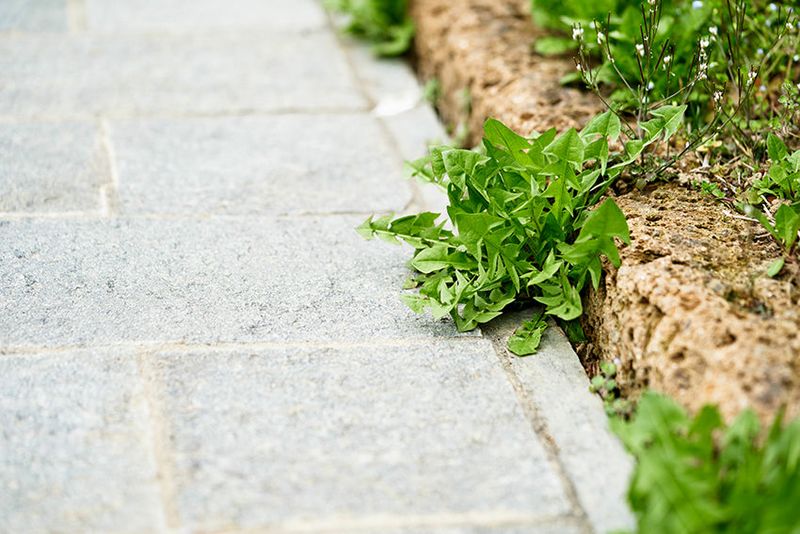
Weeds in June look manageable. A few here and there, easy to ignore when you are busy with other yard tasks.
But those weeds are growing fast in the warm soil, and every day you wait, they are stealing water, nutrients, and sunlight from the plants you actually want in your garden.
By late July, a June weed problem becomes a serious weed crisis. Certain Texas weeds like crabgrass, spurge, and nutsedge spread incredibly quickly in summer heat.
Once they are established, getting rid of them takes a lot more effort. Meanwhile, your garden plants are being quietly starved of the resources they need to build strong roots for fall.
Pests follow a similar pattern. Aphids, spider mites, and whiteflies are common June visitors in Texas gardens.
A small colony in June can explode into a full infestation by August if nothing is done. Stressed, pest-covered plants heading into fall rarely bounce back well enough to produce the blooms or vegetables you were hoping for.
Staying on top of both weeds and pests early in the month saves a huge amount of work later. Pull weeds when they are small and the soil is slightly moist.
Use mulch generously around plants to suppress new weed growth and hold soil moisture at the same time. Check the undersides of leaves regularly for early signs of pest activity.
Catching problems early in June means a quick fix instead of a full battle. Your fall garden will be much stronger because of the attention you gave it when summer was just getting started.
5. Over Or Under Fertilizing
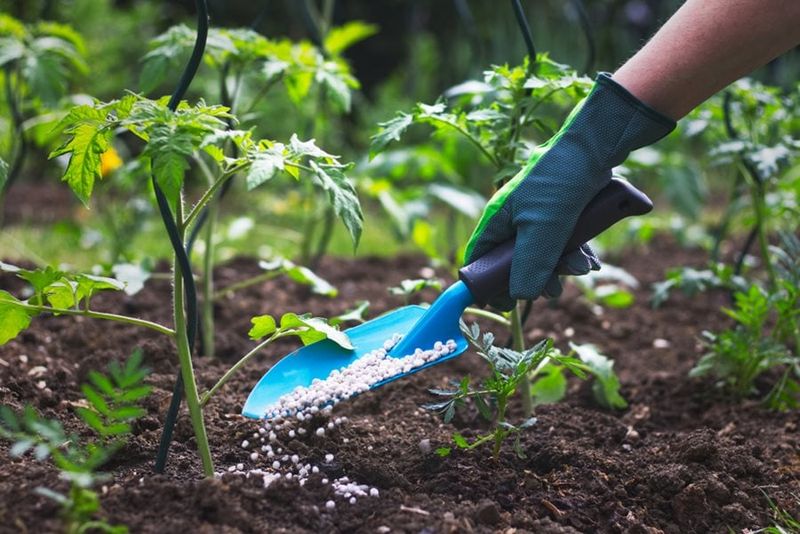
Fertilizer feels like a solution to almost every garden problem. Plants looking pale? Add fertilizer. Growth seems slow? Add more fertilizer.
But in June, reaching for the fertilizer bag too quickly, or not at all, can set your garden up for real trouble come fall.
Too much nitrogen in summer pushes plants to grow lots of leafy green growth fast. That sounds good, but all that soft, lush growth is actually more attractive to pests and more vulnerable to heat stress.
It also means the plant is spending energy on leaves instead of developing the strong root system and flower buds it will need in September and October.
On the flip side, skipping fertilizer entirely in June leaves plants without the nutrients they need to handle the stress of Texas summer heat. A hungry plant in July is a weak plant in September.
Finding the right balance is what separates a thriving fall garden from one that barely limps through to cooler weather.
A balanced slow-release fertilizer applied once in early June is usually a smart approach for most Texas gardens. Slow-release options feed plants gradually over several weeks instead of all at once, which reduces the risk of over-fertilizing.
Always follow the label instructions and water thoroughly after applying. Getting a simple soil test done before fertilizing is even better. Texas A&M AgriLife Extension offers affordable soil testing that tells you exactly what your soil needs.
Guessing with fertilizer wastes money and can actually harm your plants. A little bit of knowledge about your soil goes a long way toward a beautiful fall garden.
6. Planting At The Wrong Time
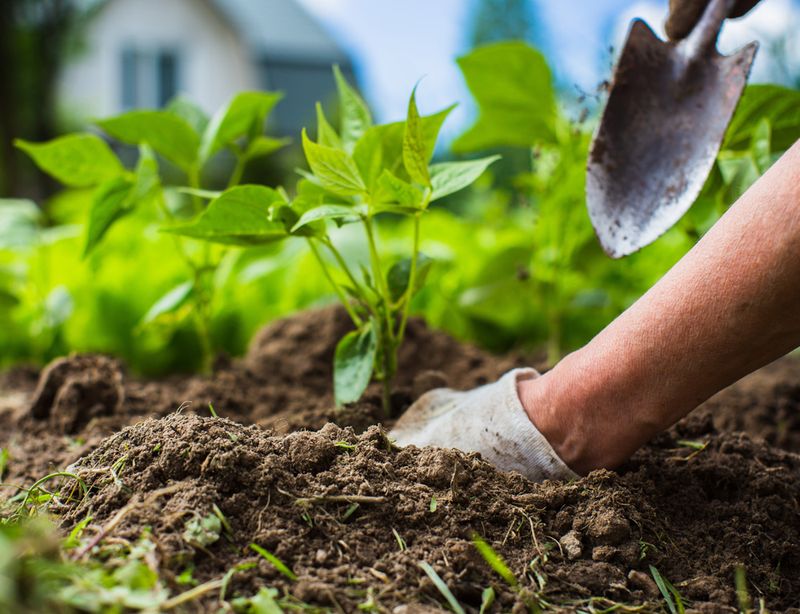
June feels like a great time to get plants in the ground. The garden centers are still stocked, the weather is warm, and there is plenty of growing season ahead.
But for certain plants, June planting in Texas is a gamble that rarely pays off the way gardeners hope.
Trees, large shrubs, and many perennial transplants need time to establish their root systems before they face serious heat stress.
When you plant them in June, they are hit with extreme temperatures almost immediately, before roots have had a chance to spread and anchor properly. The result is a plant that spends all summer just trying to survive instead of growing strong.
A plant that struggles through its first Texas summer rarely enters fall in great shape. Root development suffers, flowering gets delayed, and the plant is often more vulnerable to pests and disease by the time cooler weather finally arrives.
That is a frustrating outcome after putting in the effort and expense of planting. Waiting until late August or early September to plant trees, shrubs, and many perennials is a smarter strategy for Texas gardeners.
The soil is still warm enough to encourage root growth, but the brutal heat has started to ease.
Plants have a much better chance of getting established before winter, which means stronger growth and better blooms the following spring.
For June planting, stick to heat-tolerant annuals, established container plants with strong root systems, and warm-season vegetables that can handle the conditions.
Matching your planting choices to the season is one of the most powerful habits a Texas gardener can build for long-term success.