Skip Japanese Spirea In North Carolina Foundation Beds And Plant This Native Shrub Instead
You probably planted something spreading through Piedmont backyards across North Carolina. It looks tame in your garden, but it moves fast.
Fences never stop this plant from covering your entire yard. North Carolina gardeners like you are noticing change behind pretty blooms. Wild spaces near your favorite trails now struggle under its spread.
Meanwhile, your foundation beds could be doing much more. A native alternative exists, and this choice deserves your full attention. One overlooked native gives you fragrant blooms without invasive baggage.
Fall color turns it into a standout seasonal feature. Roots stay put instead of shifting your home’s foundation. Birds, pollinators, and your soil all benefit from this swap.
Nothing here asks you to trade beauty for responsibility. Habit keeps your yard loyal to something that limits it.
Landscapes across the state deserve better than repetition. Now you’ll finally see exactly why that old habit needs to end.
Why Virginia Sweetspire Outperforms Spirea
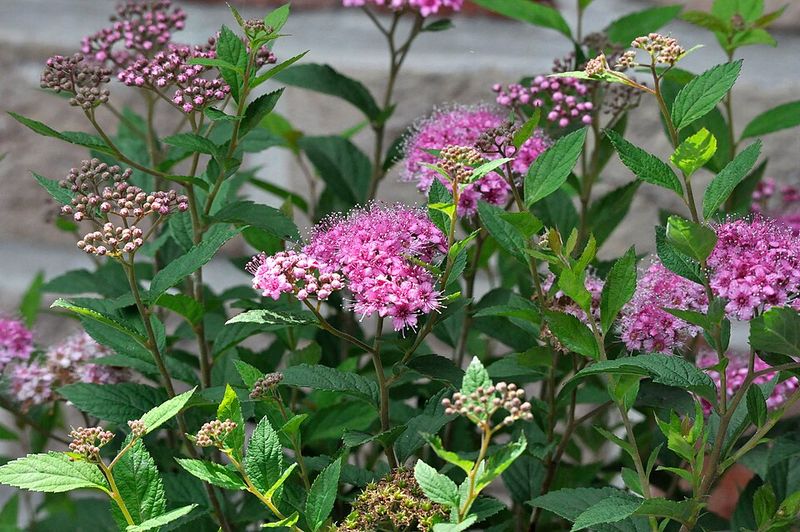
Spirea looks fine in April, then starts to decline by June. Virginia sweetspire, on the other hand, earns its place in North Carolina yards every single season.
Japanese spirea appears on invasive plant watch lists in several southeastern states, including North Carolina, though official regulatory status varies by state. Its seeds spread easily into forests, roadsides, and stream banks near your home.
Virginia sweetspire stays put. It forms a tidy, well-mannered clump that does not creep into your neighbor’s yard or the woods behind your fence.
Sweetspire also supports local wildlife in ways spirea simply cannot. Native bees, butterflies, and moths rely on plants that evolved alongside them for thousands of years.
Spirea provides limited ecological value to native insects compared to native alternatives. Sweetspire, by contrast, is a genuine food source for pollinators throughout the growing season.
The fragrant white flowers attract bumblebees from several feet away. Many gardeners notice increased pollinator activity within the first season or two after making the swap.
Sweetspire also tolerates short dry spells better than most homeowners expect, though it performs best with consistent moisture. Once established, it rarely needs supplemental watering beyond normal rainfall.
Spirea, meanwhile, often looks scorched and ragged by late July in North Carolina’s Piedmont yards. Sweetspire stays green, glossy, and attractive right through the hottest weeks.
Choosing a native shrub is not just a feel-good decision. It is a smarter, lower-maintenance choice that pays you back with beauty and resilience year after year.
Native Range And Growing Conditions
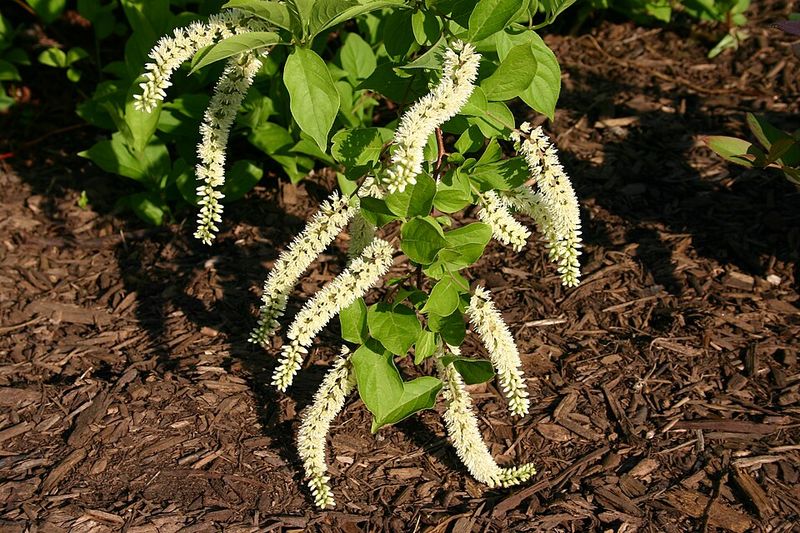
Virginia sweetspire is as local as sweet tea and porch swings. It grows natively from New Jersey all the way down through the Carolinas and into the Gulf states.
That native range matters enormously for foundation plantings. A plant that evolved in your climate already knows how to handle your summers, your clay soil, and your unpredictable springs.
In the wild, sweetspire hugs the edges of streams, bogs, and moist woodland margins. That background means it handles wet spots in your yard far better than spirea ever could.
Your North Carolina Garden Changes Every Week. Your Plan Should Too.
Gardening in North Carolina changes quickly throughout the season. Every Friday you’ll receive a simple weekly plan showing exactly what to plant, prune, fertilize, harvest, and protect so you never miss the right timing.
It also tolerates dry shade, which is one of the toughest conditions in any foundation bed. Most shrubs sulk under roof overhangs, but sweetspire adapts without complaint.
Full sun works well too, as long as the soil holds a little moisture. Afternoon shade in hotter piedmont locations keeps the foliage looking its best through August.
Soil pH flexibility is another big advantage. Sweetspire performs well in the acidic clay soils that dominate most yards in the central and western parts of the state.
You do not need to amend your soil heavily before planting. A little compost mixed into the backfill is plenty to get a new plant off to a strong start.
Hardiness zones 5 through 9 cover its comfort range, which means it handles both mountain cold and coastal heat without skipping a beat. Sweetspire was practically made for this region.
Foundation-Safe Root System And Mature Size

Foundation damage from shrub roots is a real concern for homeowners. Choosing the wrong plant near your house can lead to costly foundation repairs over time.
Virginia sweetspire has a shallow, fibrous root system. Those roots spread outward gently rather than driving downward toward pipes, footings, or drainage lines.
Compare that to some larger ornamental shrubs that develop aggressive, woody roots. Sweetspire simply does not behave that way, making it genuinely safe for close-in foundation placement.
Mature size is another reason sweetspire wins this comparison. Most selections top out between three and five feet tall and equally wide.
That compact footprint means you are not pruning frantically twice a year to keep the plant off your siding. A light shaping every spring is all most homeowners ever need.
The cultivar called Henry’s Garnet is a popular choice for foundation beds specifically. It stays tidy, blooms reliably, and delivers some of the best fall color of any native shrub in the region.
Little Henry is an even more compact selection, reaching only about two feet tall. It works beautifully under low windows where taller shrubs would block light and airflow.
Spirea, by comparison, can spread aggressively through root suckers and self-seeding. You end up managing frequent maintenance instead of enjoying it, which undercuts the goal of a low-maintenance foundation bed.
Sweetspire stays where you put it, looks great doing it, and never threatens what is underneath your home.
Spring Blooms And Fall Foliage Color
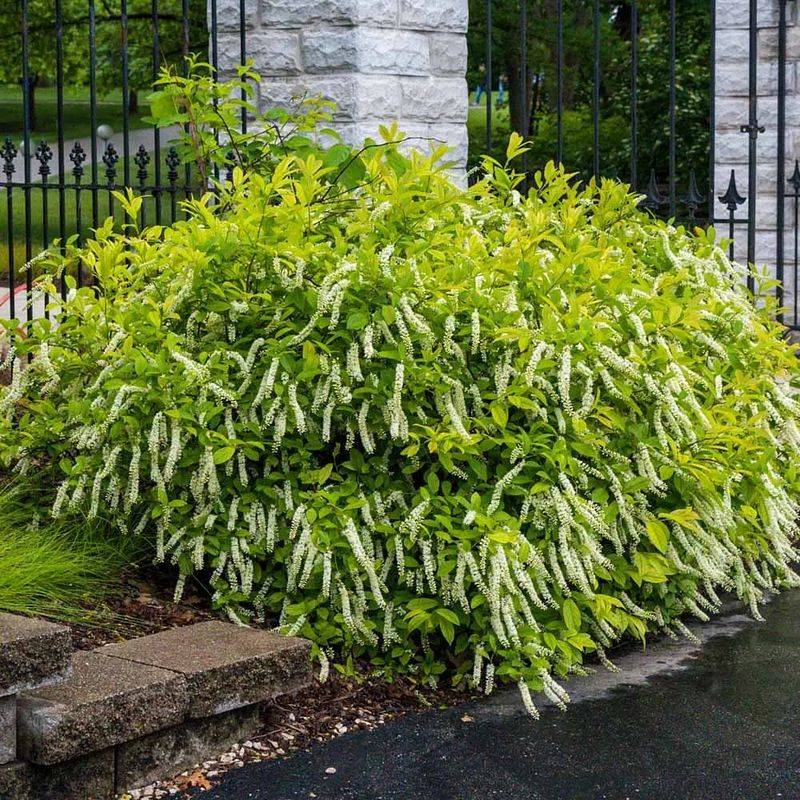
Few shrubs pull double duty the way Virginia sweetspire does. It earns its spot in the landscape twice a year, in completely different ways.
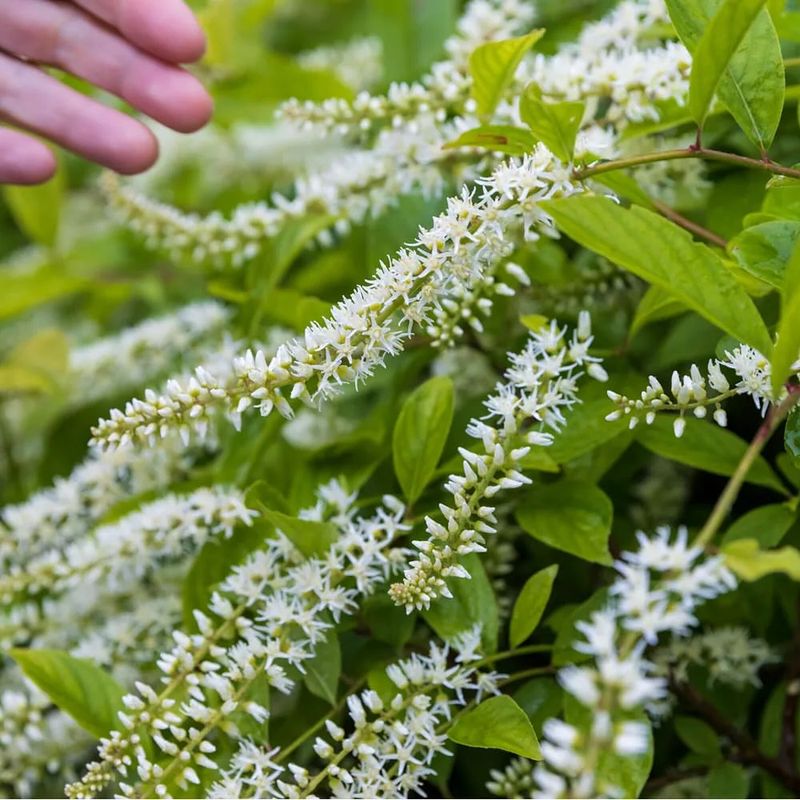
In late spring and early summer, long white flower spikes arch gracefully from the branch tips. Those blooms have a sweet, light fragrance that drifts across the porch on warm evenings.
The flowers last for several weeks, which is longer than most ornamental shrubs in the same size range. Pollinators work them steadily from morning to dusk during peak bloom.
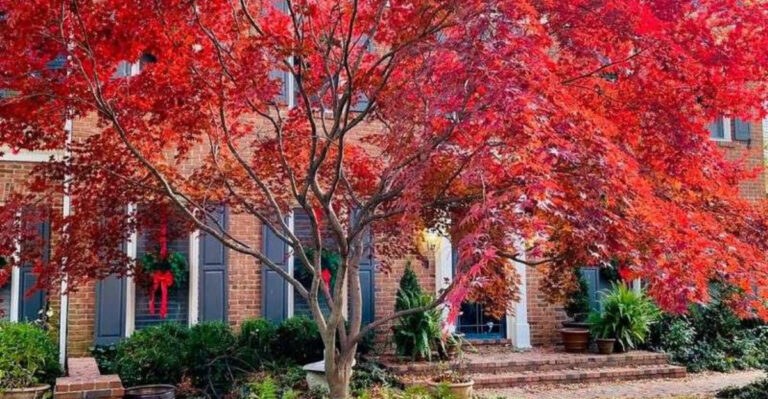
Then fall arrives, and sweetspire transforms into something almost showy. The leaves shift through shades of orange, crimson, burgundy, and deep purple before they finally drop.
Henry’s Garnet earned its name for a reason. The fall color on that cultivar is vivid, standing out among fall-blooming shrubs in a good autumn year.
Color intensity depends partly on sun exposure. Plants in full sun tend to produce the most vivid fall display, while shaded specimens lean more toward softer reds and purples.
Spirea, for comparison, offers a brief pink or white flower flush and then largely disappears visually for the rest of the year. There is no fall reward waiting at the end of the season.
With sweetspire, you get a spring show, a summer of clean green foliage, and then a fall finale that genuinely surprises first-time growers.
That three-season performance is rare in a shrub this easy to grow, offering unexpected value beyond spring.
Planting And Care Tips
Planting sweetspire is refreshingly straightforward. You do not need a horticulture degree or a weekend workshop to get it right.
The best time to plant in North Carolina is fall or early spring, when temperatures are mild and rain is more reliable. Cooler conditions help roots establish before summer heat arrives.
Dig your hole twice as wide as the root ball but only as deep. Planting too deep is one of the most common mistakes gardeners make with new shrubs.
Backfill with a mix of native soil and a generous scoop of compost. Firm the soil gently around the roots and water thoroughly right after planting.
Mulch is your best friend during the first two growing seasons. A three-inch layer of shredded hardwood mulch holds moisture, moderates soil temperature, and reduces weed pressure significantly.
Water weekly during the first summer, especially if rainfall is scarce in your part of North Carolina. Once established, sweetspire tolerates short dry spells well but performs best with consistent moisture.
Pruning is minimal with this shrub. Remove crossing branches in late winter, and cut the whole plant back by a third if it starts to look leggy.
Fertilizer is optional and often unnecessary. If your soil is reasonably healthy, sweetspire will thrive without any supplemental feeding.
Pests and diseases are rarely a concern with this plant, even across North Carolina’s varied climate zones. Its native toughness means you spend less time troubleshooting and more time actually enjoying the garden you worked hard to create.
Best Companion Plants And Landscape Uses

Sweetspire is a natural team player in the landscape. It pairs beautifully with a wide range of native perennials and shrubs that share its preferences for moist, acidic soil.
Oakleaf hydrangea is one of the best companions you can choose. Both shrubs love part shade, both offer stunning fall interest, and together they create a layered, naturalistic foundation planting.
Native ferns like cinnamon fern or autumn fern fill in beautifully at the base of sweetspire. Their delicate texture contrasts nicely with sweetspire’s glossy, oval leaves throughout the growing season.
Coral bells add a pop of burgundy or lime-green foliage at a lower level. That color contrast makes the whole planting feel intentional and polished without requiring constant maintenance.
Beyond foundation beds, sweetspire works wonderfully along shaded walkways and property borders. Its arching form softens hard edges like concrete paths, brick walls, and wooden fences.
Rain gardens are another excellent application for this shrub. Its tolerance for periodic flooding makes it one of the top native choices for low-lying spots that collect runoff.
Mass plantings on slopes help stabilize soil while providing seasonal color. A grouping of three to five plants creates a cohesive, flowing look that a single specimen cannot achieve alone.
Skipping Japanese spirea in favor of Virginia sweetspire is one of the smartest swaps a homeowner can make. You gain beauty, ecological value, and peace of mind all in one well-chosen native shrub.