Things You Should Never Do To Pennsylvania Hostas No Matter What You Read Online
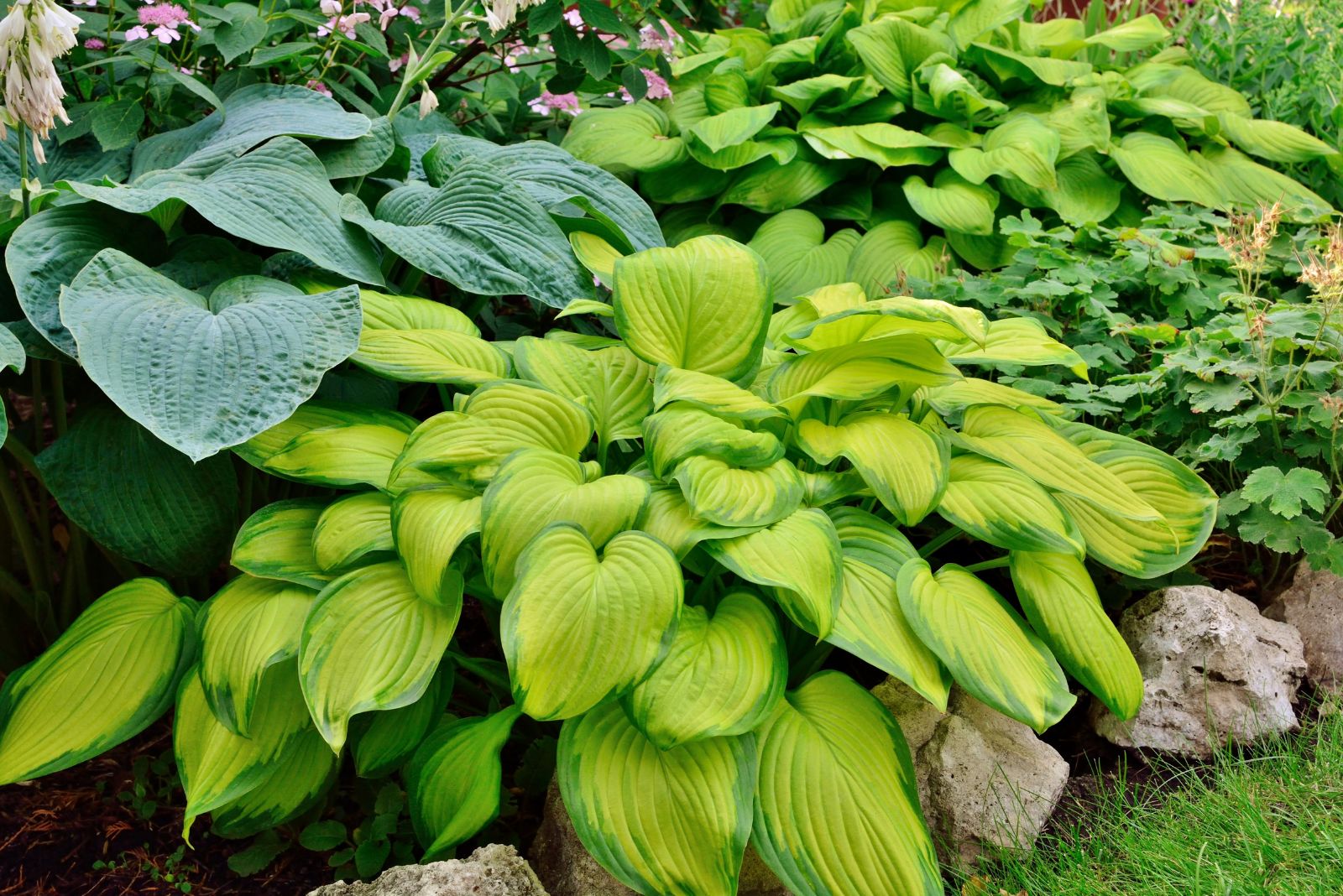
Hostas are one of the most forgiving plants in a Pennsylvania garden, which is exactly why so much well-meaning but genuinely harmful advice about them gets followed without question.
They survive a lot of mistakes, and that tolerance makes it easy to assume that most of what you read online is harmless enough to try.
Some of it is not. There are specific things people do to hostas regularly, based on tips that spread because they sound reasonable, that damage the plants, shorten their lifespan, or set them back in ways that take seasons to recover from.
Pennsylvania’s specific growing conditions also make certain mistakes more damaging here than they would be in a more forgiving climate, and advice written for a different region does not always translate well.
Before you follow the next hosta tip that shows up in your feed, it is worth knowing which ones are genuinely worth avoiding no matter how many times you have seen them shared.
1. Plant Them In Full Hot Sun
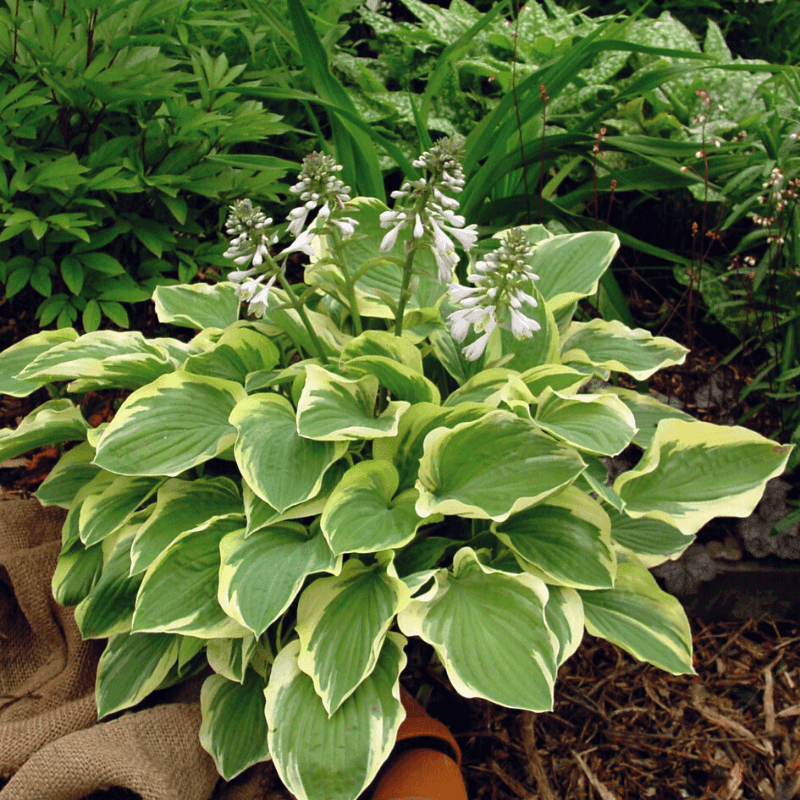
Picture this: you find a gorgeous spot in your yard, full of warm sunshine all day long, and you think it would be perfect for a new hosta. It seems like a great idea, but it is actually one of the fastest ways to stress out your plant.
Hostas are built for shade, and Pennsylvania summers can get brutally hot, especially from June through August.
When hostas get too much direct sun, especially in the afternoon, their leaves start to scorch. The edges turn brown and crispy, and the colors fade or bleach out completely.
Varieties with golden or blue foliage are especially vulnerable. Blue hostas get their color from a waxy coating that melts away under intense heat, and once it is gone, it does not come back that season.
Most hostas do best with morning sun and afternoon shade, or full shade throughout the day. A spot under a tall tree or on the north or east side of your house is usually ideal.
Some newer varieties are bred to handle more sun, but even those need protection during the hottest part of the day in Pennsylvania’s climate.
If your hosta is already in a sunny spot and looking rough, do not panic. You can carefully transplant it in early fall when temperatures cool down.
Move it to a shadier location, water it well, and give it a layer of mulch to help it recover. With the right placement, hostas can bounce back beautifully.
2. Let Them Sit In Dry Shade Under Trees
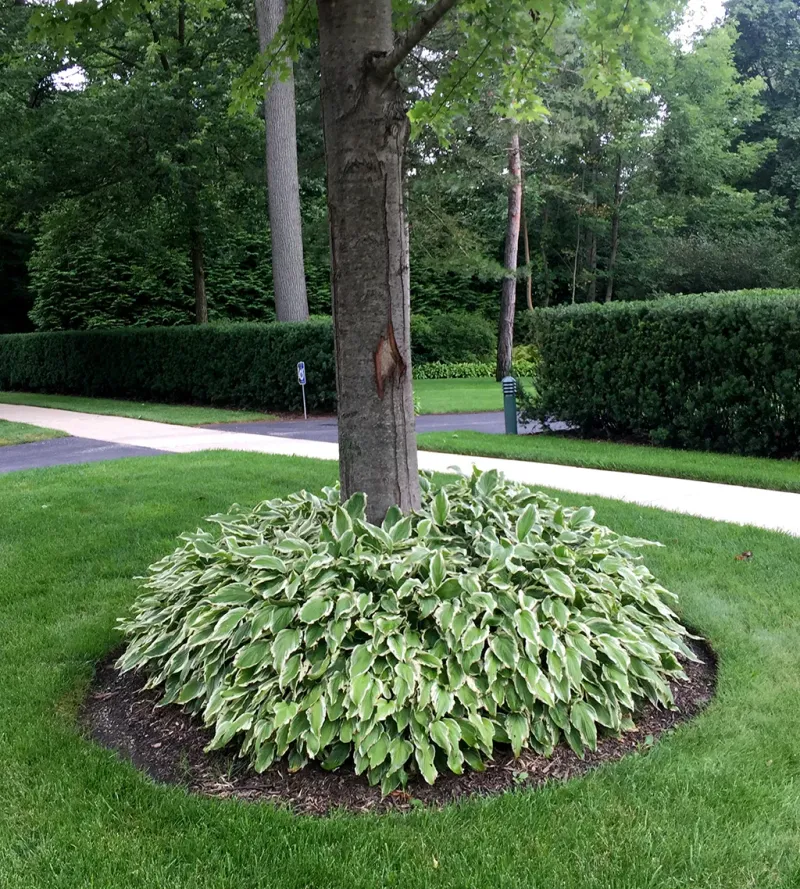
Shade sounds like the perfect home for hostas, and most of the time it is. But there is a sneaky problem that catches a lot of Pennsylvania gardeners off guard: dry shade under trees.
It looks shady and cool, but the soil underneath big trees is often bone dry because tree roots soak up almost all the available moisture.
Maples, beeches, and oaks are especially notorious for this. Their roots spread wide and shallow, competing directly with anything you try to plant nearby.
Your Pennsylvania Garden Changes Every Week. Your Plan Should Too.
Gardening in Pennsylvania changes quickly throughout the season. Every Friday you’ll receive a simple weekly plan showing exactly what to plant, prune, fertilize, harvest, and protect so you never miss the right timing.
Even if you water regularly, those tree roots grab the moisture before your hostas ever get a chance to use it. Over time, hostas planted in these spots grow slowly, look dull, and produce smaller leaves than they should.
You have a few options if you want to grow hostas near trees. First, try amending the soil heavily with compost to help it hold moisture longer.
Second, water more frequently and deeply in these spots so there is enough for both the tree and your hostas. Third, consider raised beds or large containers near the tree instead of planting directly in the ground.
Mulching around your hostas with a two to three inch layer of shredded wood or bark mulch also makes a real difference. Mulch slows evaporation and keeps the soil cooler and moister between waterings.
Dry shade is not impossible to work with, but you have to be intentional about it or your hostas will always look like they are barely surviving instead of truly thriving.
3. Install Them In Poor Soil Without Amending It
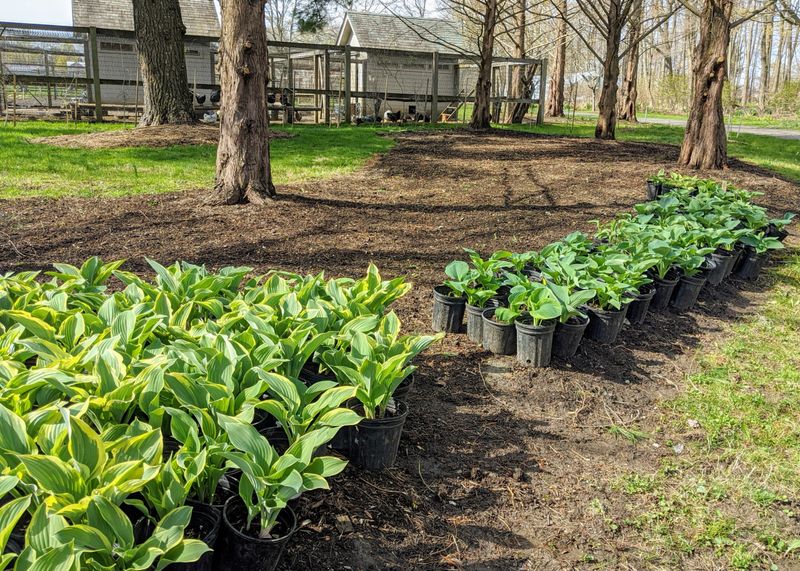
Soil matters more than most people realize, and Pennsylvania has some of the most varied soil types in the entire mid-Atlantic region.
From sticky red clay in the Piedmont to thin, rocky soil in the Ridge and Valley areas, many Pennsylvania yards are far from ideal for hostas straight out of the ground.
Planting without improving the soil first is a mistake that will hold your hostas back for years.
Hostas want soil that does three things well: drains excess water quickly, holds enough moisture between rains or waterings, and provides steady nutrition. Heavy clay soil drains poorly and can drown roots during wet spells.
Sandy or gravelly soil drains too fast and dries out before roots can absorb what they need. Both extremes leave hostas struggling.
The fix is simpler than you might think. Before planting, dig your bed at least twelve inches deep and mix in generous amounts of compost.
A two to three inch layer of compost worked into the existing soil dramatically improves both drainage and moisture retention. If your clay is really dense, adding some coarse perlite or aged bark chips can also help loosen it up.
A slow-release balanced fertilizer worked into the soil at planting time gives hostas a nutritional head start. You do not need to go overboard with fertilizer, though.
Too much nitrogen causes lush but weak growth that attracts pests. Getting the soil right once before planting saves you a lot of trouble and produces hostas that look noticeably healthier and fuller season after season.
4. Water Only When Leaves Look Droopy
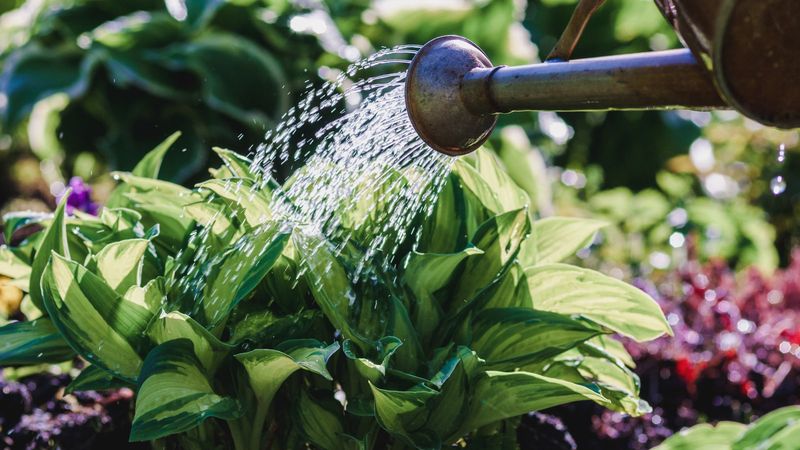
Waiting until your hostas look droopy before reaching for the hose is one of the most common watering mistakes gardeners make. By the time leaves are wilting, the plant has already been stressed for a while.
Repeated stress like this weakens hostas over time, making them more vulnerable to pests, disease, and slow growth throughout the season.
Hostas in Pennsylvania need consistent, deep watering, especially during the warm months of July and August when rainfall can be unpredictable. A deep watering once or twice a week is far better than a light sprinkle every day.
Deep watering encourages roots to grow downward, which makes the plant more resilient during dry stretches. Shallow watering keeps roots near the surface where they dry out fast.
A good rule of thumb is to give hostas about one inch of water per week, including rainfall. Stick your finger about two inches into the soil near the plant.
If it feels dry at that depth, it is time to water. If it still feels moist, you can wait another day or two.
This simple check takes five seconds and saves you from both overwatering and underwatering.
Drip irrigation or soaker hoses work really well for hostas because they deliver water directly to the root zone without wetting the leaves. Wet foliage can encourage fungal problems, especially in humid Pennsylvania summers.
Adding a layer of mulch around your plants also helps the soil stay moist longer between waterings, reducing how often you need to water during hot spells.
5. Crowd Them Too Close Together
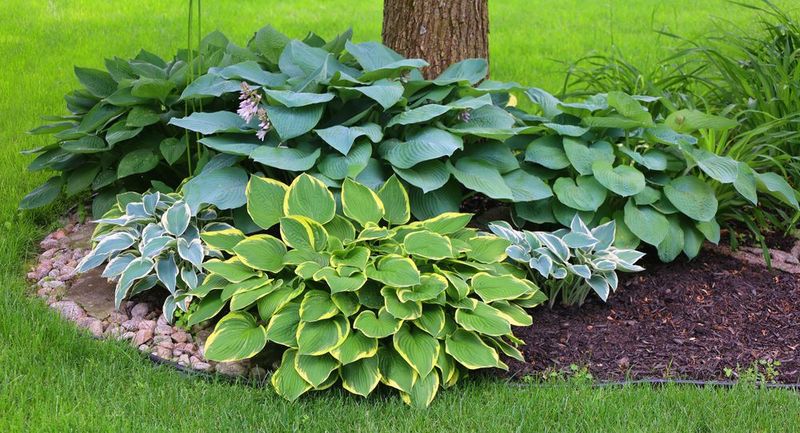
There is something satisfying about filling a garden bed quickly, and it is tempting to plant hostas close together so the area looks full right away. The problem is that hostas keep growing, and they grow bigger than most people expect.
What looks perfectly spaced in spring can become a crowded, tangled mess by midsummer, and that creates real problems for your plants.
When hostas are too close together, airflow between them drops significantly. Poor airflow in Pennsylvania’s humid summers creates the perfect conditions for fungal diseases like leaf spot and crown rot.
You might notice brown spots, mushy patches, or a general dullness spreading across your plants. Once a fungal problem takes hold in a crowded bed, it spreads fast and is frustrating to manage.
Beyond disease, crowding also means competition for water and nutrients. Roots overlap and fight for the same resources, leaving all the plants weaker than they would be if they had their own space.
Smaller, less vigorous hostas get shaded out by bigger ones and may barely grow at all. The lush, full clumps you see in beautiful garden photos come from plants that had plenty of room to develop naturally.
Check the mature size listed on your plant tag before you put anything in the ground. Small hostas need about eighteen inches of space, medium ones need two to three feet, and large varieties may need four feet or more between plants.
Spacing them correctly from the start means less work later and far healthier, more impressive plants by the end of the growing season.
6. Ignore Slugs And Snails
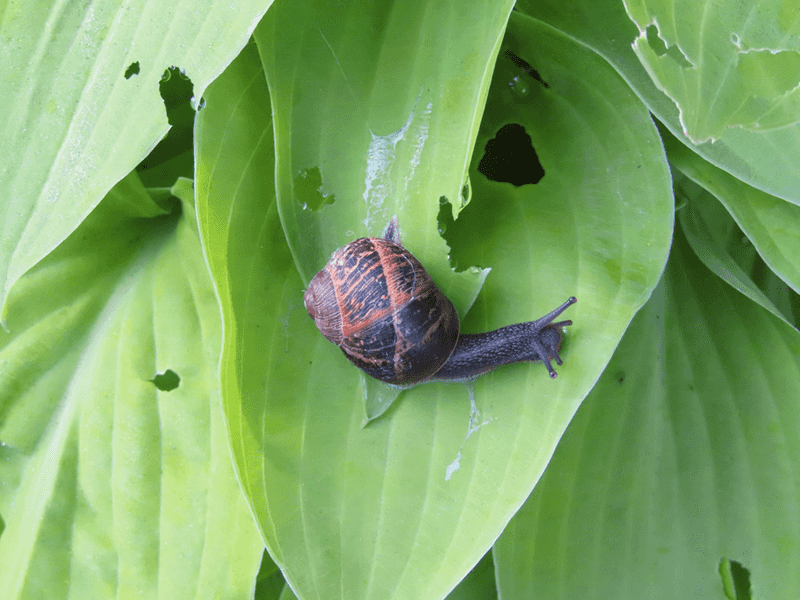
Ask any experienced hosta grower in Pennsylvania what their number one pest headache is, and the answer is almost always the same: slugs.
These slimy little creatures are absolutely wild about hosta leaves, and they can turn a beautiful, hole-free plant into something that looks like Swiss cheese in just a few nights.
Ignoring them because you read somewhere that nature will balance itself out is a mistake you will regret by July.
Slugs and snails are most active at night and love cool, moist conditions, which describes a typical Pennsylvania spring and early summer perfectly. They hide under mulch, leaves, and debris during the day and come out to feed after dark.
By the time you notice the damage in the morning, they are already tucked away again. Young, tender leaves are their favorite, but they will eat older foliage too when populations are high.
Early prevention works far better than trying to manage a big infestation later. Scatter iron phosphate slug bait around your hostas as soon as new growth appears in spring.
This type of bait is safe around pets and wildlife, which makes it a great choice for family gardens. You can also set up simple traps using shallow dishes of beer sunk into the soil near your plants. Slugs are attracted to the yeast and fall in.
Keeping mulch pulled back a few inches from the crown of each hosta also removes a favorite hiding spot. Copper tape around raised beds or containers creates a barrier that slugs dislike crossing.
Staying proactive from early spring gives your hostas the best chance of keeping their leaves looking clean and attractive all the way through fall.
7. Over-Prune Or Cut Back Foliage Mid-Season
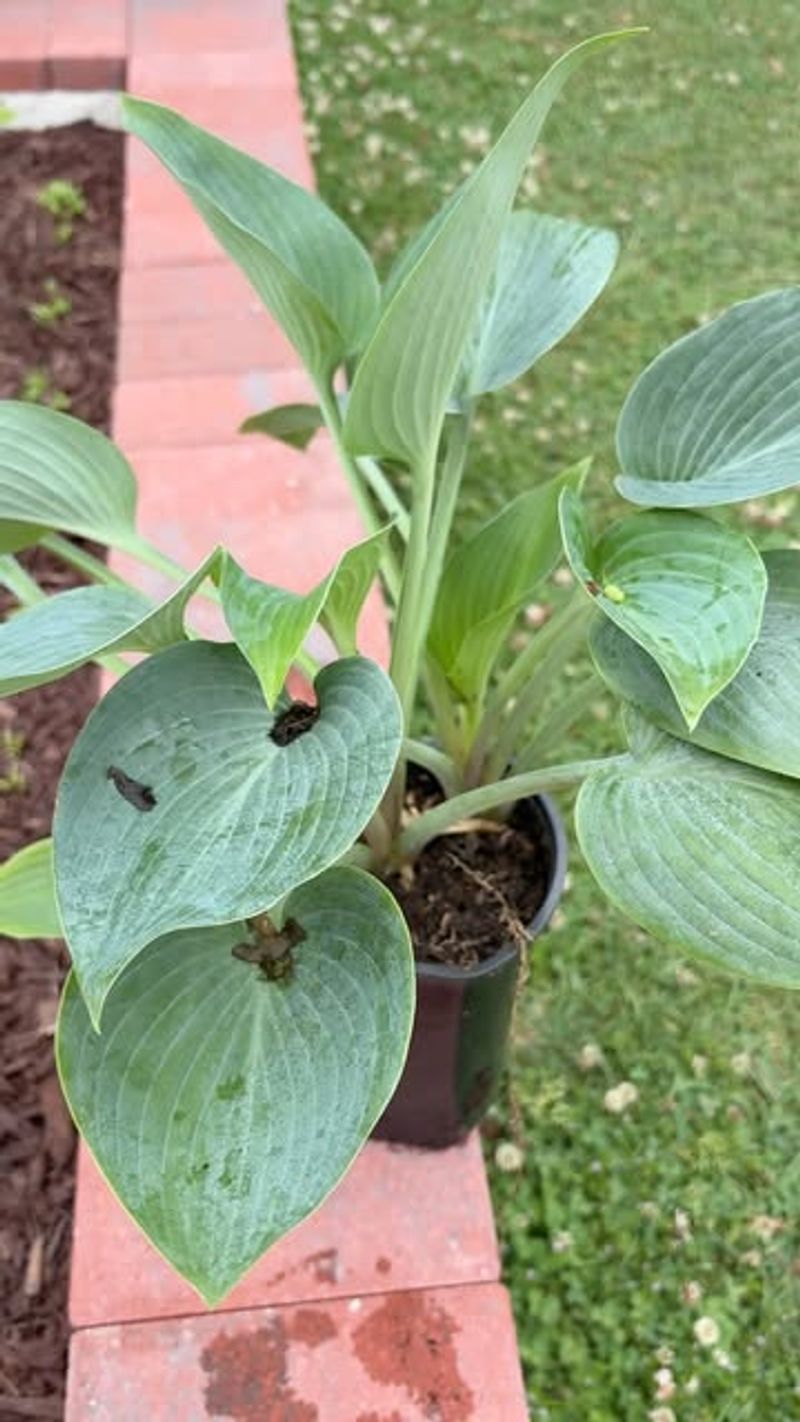
Hostas are not shrubs, and they do not respond well to being trimmed up like one. Yet every summer, well-meaning gardeners grab their pruning shears and start cutting back hosta leaves because they think it will help the plant look neater or grow more vigorously.
For most plants, a mid-season trim is no big deal. For hostas, it can genuinely set them back for the rest of the year.
Every leaf on a hosta is a tiny solar panel. The plant uses those leaves to capture sunlight and convert it into the energy it needs to fuel root growth and prepare for next year.
When you remove healthy green leaves mid-season, you are cutting off the plant’s ability to feed itself. The more leaves you remove, the weaker the plant becomes, and that weakness shows up as smaller, less vibrant growth the following spring.
Flower stalks are a slightly different story. Some gardeners prefer to remove spent flower stalks once the blooms fade, and that is fine.
Removing only the stalk does not harm the plant at all. But leave the foliage completely alone until it naturally starts to yellow and collapse in late fall.
That is the plant’s signal that it is done for the season and has stored what it needs underground.
If a leaf gets damaged by pests, disease, or storm, go ahead and remove just that single leaf. Removing one damaged leaf does not hurt the plant and keeps things looking tidy.
The key is to be selective and conservative. Less is always more when it comes to pruning hostas, especially during the active growing months of summer.