The Most Underrated Pennsylvania Patio Plant That Deters Both Ticks And Mosquitoes
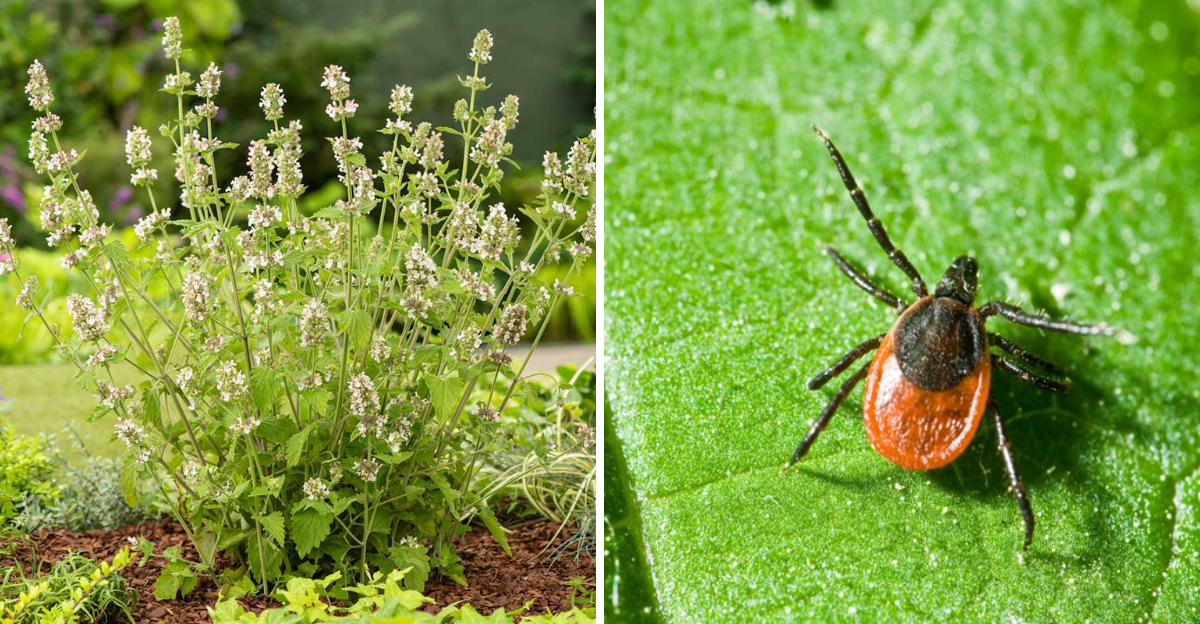
Pennsylvania summers are beautiful. Warm evenings, backyard cookouts, lazy afternoons on the patio.
But the moment you step outside, ticks and mosquitoes show up like uninvited guests who absolutely refuse to leave. Most people just accept it as part of summer life in Pennsylvania. But here’s the thing. You really don’t have to.
There’s one patio plant that Pennsylvania gardeners have been seriously sleeping on. It’s not the most talked about plant at the garden center.
It doesn’t have a flashy reputation or a big social media following. But this underrated gem has a natural ability to repel both ticks and mosquitoes at the same time, which is honestly a pretty rare and remarkable thing.
And it does it while looking absolutely lovely on your patio all season long. It handles Pennsylvania’s humidity like a champ, comes back reliably year after year, and requires very little fuss to maintain.
Pollinators love it too, which is always a bonus. If you’ve been battling bugs on your patio all summer and getting nowhere, this might be exactly the plant you’ve been missing.
Catnip
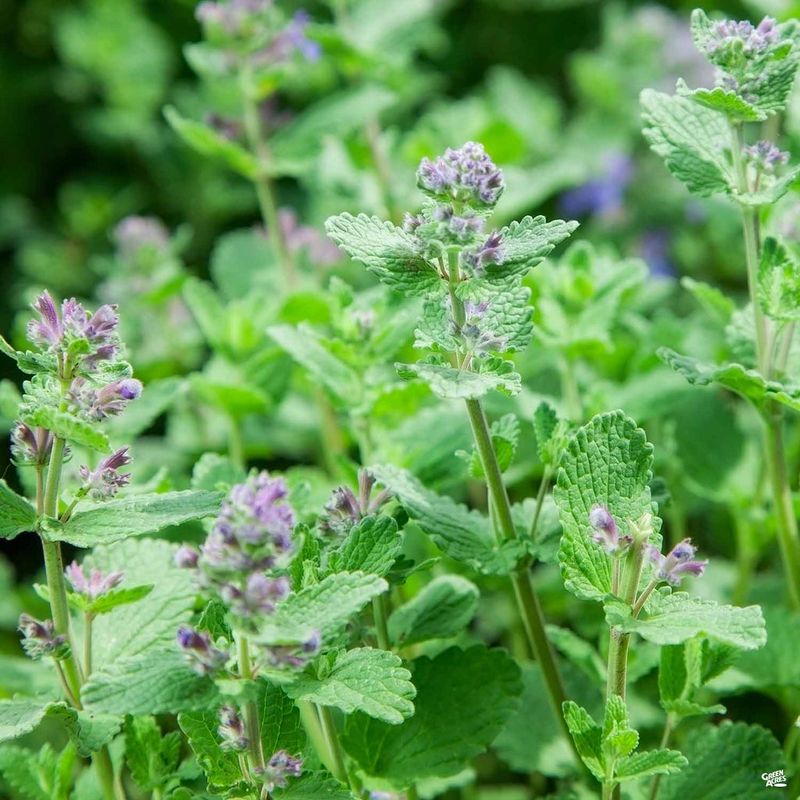
Most gardeners think of catnip as a novelty, something you grow so your cat can roll around in it on a lazy afternoon. But catnip, known scientifically as Nepeta cataria, is a hardworking herb with real benefits beyond entertaining your feline friends.
It belongs to the mint family and has been used for centuries in herbal traditions across Europe and North America.
Catnip grows as a bushy, upright plant with soft, gray-green leaves and clusters of tiny white or pale lavender flowers. The leaves have a distinct, earthy, minty scent that is pleasant to most people but surprisingly off-putting to certain insects.
That scent comes from natural chemical compounds found inside the plant’s leaves and stems.
In Pennsylvania, catnip is well-suited to the climate and can thrive in both garden beds and patio containers.
It is a perennial in most of the state’s growing zones, meaning it comes back year after year without much fuss. You plant it once and enjoy its benefits for many seasons to come.
What makes catnip especially interesting is that research has begun to back up what many gardeners already suspected.
Studies have looked at catnip’s natural compounds and found that they may have real repellent effects against common pests like mosquitoes and ticks. For a plant that most people overlook, that is a pretty impressive resume.
Growing catnip on your patio is a simple, affordable way to add a fragrant, functional herb to your outdoor space. It looks good, smells fresh, and may offer a helpful layer of natural pest deterrence right where you need it most.
Why Catnip Works So Well As A Patio Plant
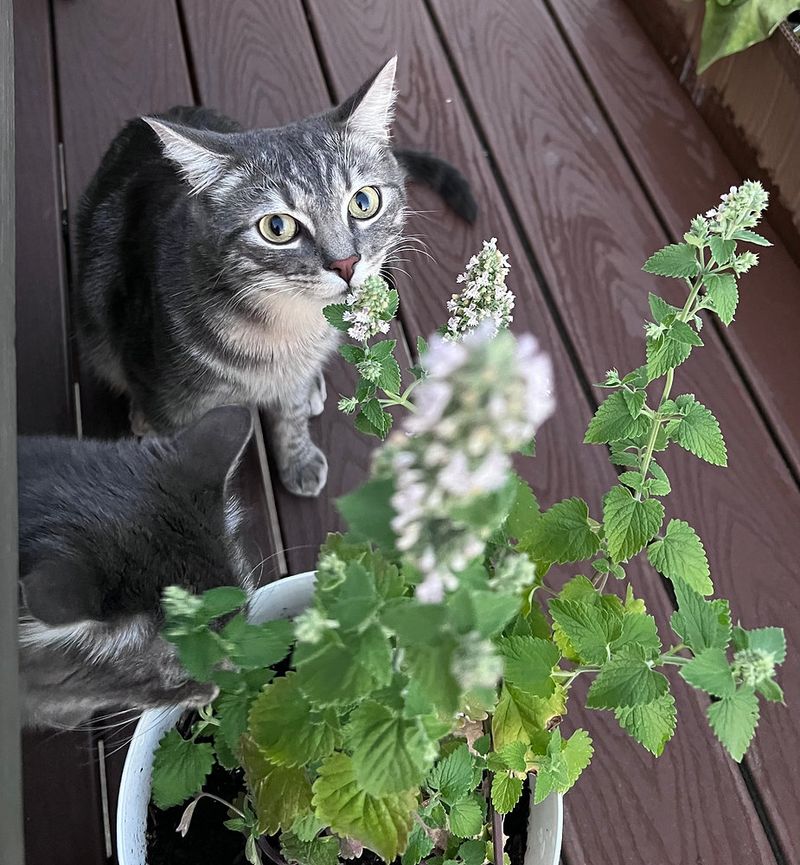
Catnip is the kind of plant that rewards low-maintenance gardeners. It is a hardy perennial across most of Pennsylvania, surviving cold winters and bouncing back strong each spring.
Once it is established, it does not need much attention to keep growing well throughout the season.
Your Pennsylvania Garden Changes Every Week. Your Plan Should Too.
Gardening in Pennsylvania changes quickly throughout the season. Every Friday you’ll receive a simple weekly plan showing exactly what to plant, prune, fertilize, harvest, and protect so you never miss the right timing.
Sun is one of the most important factors for a happy catnip plant. It thrives in full sun to partial shade, making it flexible enough to fit most patio setups.
Well-drained soil is also key, since catnip does not like soggy roots. If your patio has a spot that gets good light and does not collect standing water, catnip will feel right at home there.
Growing catnip in a container is actually one of the smartest choices you can make. In garden beds, catnip can spread aggressively, sending out new shoots and taking over more space than you planned.
A pot keeps it contained and easy to manage. You can move it around the patio to wherever it is most useful, whether that is near the seating area, beside the steps, or along the patio edge.
Containers also make it easier to control soil quality and watering. Use a good quality potting mix with some added perlite for drainage, and water only when the top inch of soil feels dry.
Catnip is forgiving and does not need fertilizing often. A light trim every few weeks keeps it bushy and encourages fresh, fragrant new growth.
For Pennsylvania gardeners looking for a low-effort, high-reward patio plant, catnip checks nearly every box on the list.
How Catnip May Help Deter Mosquitoes
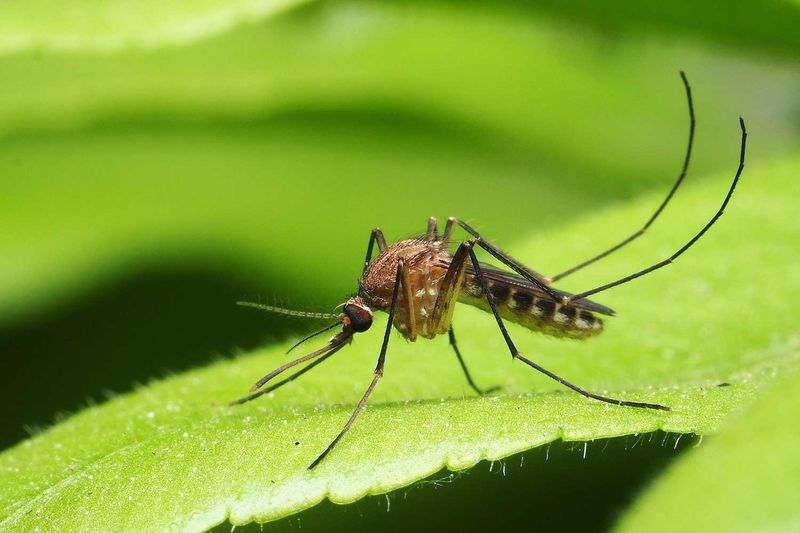
Here is where things get really interesting. Catnip contains a group of aromatic compounds called nepetalactones, and these are what give the plant its signature scent.
Nepetalactones are also what send cats into that famous rolling, purring frenzy. But for mosquitoes, the reaction is very different.
Several scientific studies have looked at catnip essential oil as a potential mosquito repellent, and the early results have been promising.
Some research suggested that catnip oil could be as effective as DEET, the common chemical found in many commercial insect sprays, at repelling certain mosquito species in laboratory settings. That is a bold finding for a backyard herb.
Now, it is important to be realistic here. A potted catnip plant sitting quietly on your patio will not create an invisible mosquito-proof dome around your outdoor space.
The plant releases some scent naturally, but the repellent effect is much stronger when the leaves are bruised or crushed. When you brush past the plant or gently rub the leaves, you release a much stronger burst of nepetalactone into the air around you.
Placing your catnip plant where people naturally walk past it, near steps, along a seating area, or at the edge of the patio, helps maximize this effect. Every time someone brushes the leaves, the plant does its job a little better.
You can also pinch off a few leaves and rub them on your skin for a more direct approach, though a patch test is always a smart idea first.
Catnip alone is not a replacement for other mosquito prevention methods, but it is a pleasant and practical addition to your patio routine.
Why Catnip Is Also Connected To Tick Repellency
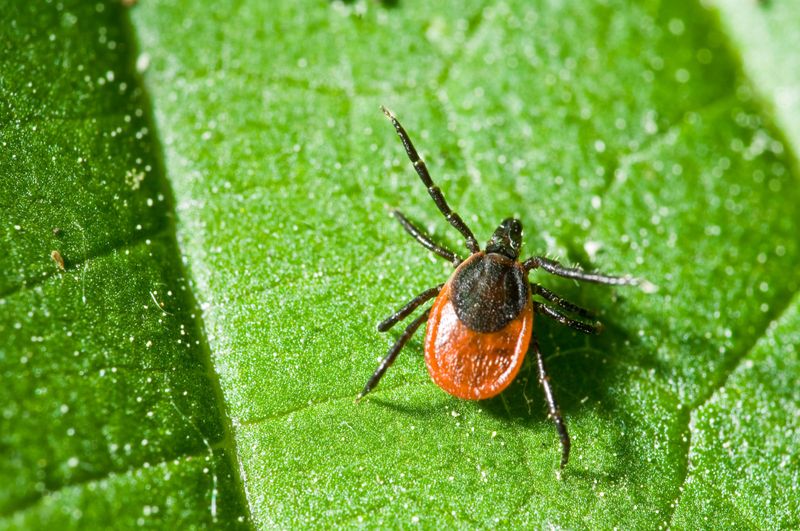
Ticks are one of the most serious pest concerns for Pennsylvania residents. The state is known for having high populations of black-legged ticks, also called deer ticks, which can carry Lyme disease.
Any tool that might help reduce tick encounters is worth paying attention to. Catnip has shown up in tick-repellent research too, and the findings are worth knowing about. Studies have looked at catnip essential oil and its isolated compounds to see how ticks respond.
Some results suggest that nepetalactone and related compounds in catnip may have repellent activity against certain tick species. That is encouraging news for gardeners who spend time outdoors in tick-prone areas.
However, it is really important to be clear about what the research actually shows. The strongest evidence points to concentrated catnip oil or extracted plant compounds, not simply sitting next to a potted plant.
A catnip plant on your patio will not form a protective barrier that ticks cannot cross. The plant is helpful, but it is not a complete solution on its own.
Think of catnip as one layer in a broader tick-prevention strategy. Wearing long sleeves and pants when in wooded or grassy areas, using EPA-approved repellents, and checking your skin and clothing after being outdoors are still the most reliable habits.
Catnip adds a small, natural boost to that overall approach. Placing catnip near areas where people sit and relax outdoors is a smart move. Every bit of natural deterrence helps, especially during peak tick season from spring through fall in Pennsylvania.
How Pennsylvania Gardeners Should Grow And Use It
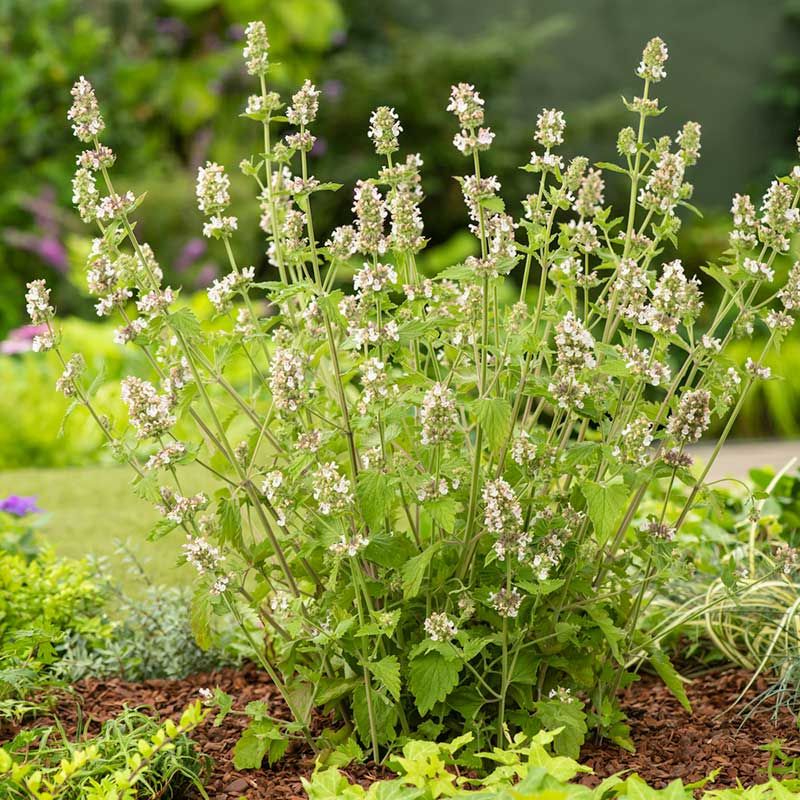
Getting started with catnip is genuinely easy, even for beginner gardeners. You can find catnip plants at most local garden centers across Pennsylvania, especially in spring.
Seeds are also widely available and affordable if you want to start from scratch. Either way, you will be up and growing in no time.
For patio growing, choose a container that is at least 12 inches wide and has drainage holes at the bottom. Catnip roots like room to spread, and good drainage prevents root rot.
Fill the pot with a quality potting mix and place it in a spot that gets at least six hours of sunlight per day. South or west-facing patios tend to work best in Pennsylvania.
Placement matters more than most people realize. Position your catnip near sunny seating areas, along patio steps, or at the edge of the outdoor space where guests naturally walk past.
Every time someone brushes the leaves, those aromatic compounds get released into the air. That is when the plant is most likely to have a noticeable effect on nearby insects.
Keeping the plant trimmed is one of the best things you can do for it. Pinching back the tips every couple of weeks encourages the plant to stay bushy and compact rather than growing tall and leggy.
Bushy plants produce more fresh leaves, which means more aromatic oils and a stronger scent. If the plant flowers and starts to look tired, cut it back by about one-third to encourage a fresh flush of growth.
Water consistently but do not overdo it. Catnip prefers slightly dry conditions over wet ones, so let the top inch of soil dry out between waterings.
A Useful Herb With A Surprising Benefit
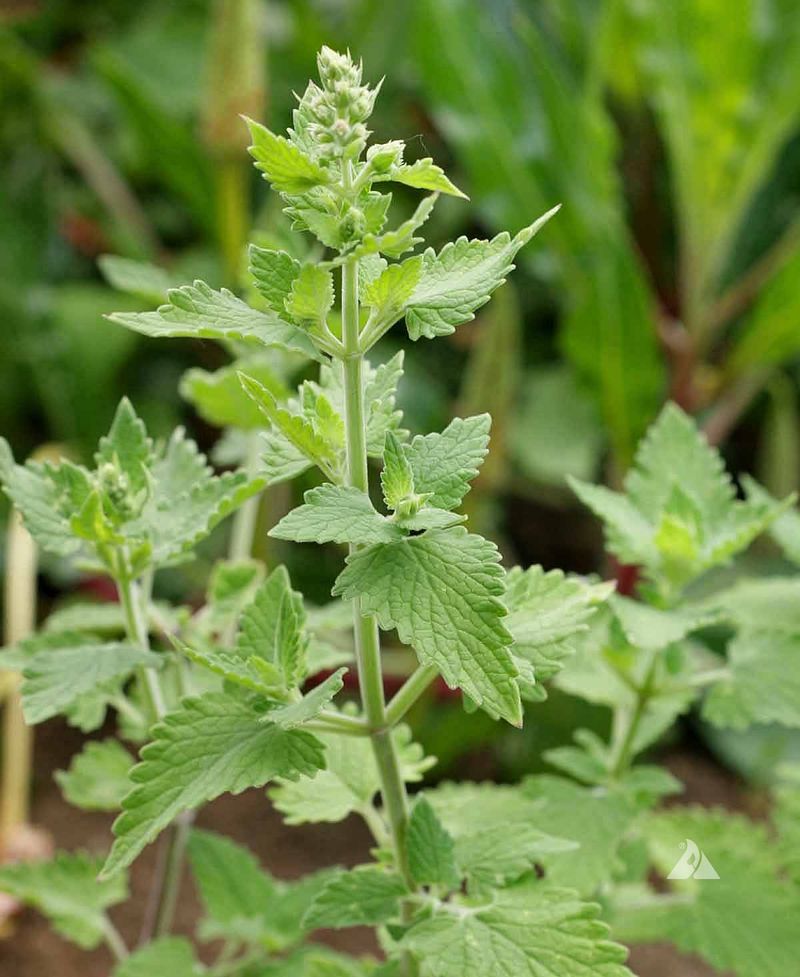
Catnip might just be the most underappreciated herb in the Pennsylvania gardening world. It is easy to grow, comes back year after year, smells wonderful, and offers a natural layer of pest deterrence that most people never even knew was possible.
For such a simple plant, it punches well above its weight. To recap what makes it so practical: catnip is a hardy perennial that thrives in pots on sunny patios.
It contains nepetalactone, a natural compound that has been studied for repellent activity against both mosquitoes and ticks.
Brushing or crushing the leaves releases more of this compound into the air, making the plant most effective when placed where people naturally move past it.
Of course, catnip is not a magic shield. No single plant can completely protect your patio from every biting insect.
But as one piece of a smart outdoor strategy, it is hard to beat. Pairing catnip with other good habits makes a real difference.
Dump out any standing water in planters, birdbaths, or buckets, since mosquitoes breed in still water.
After spending time in the yard, especially near tall grass or wooded edges, check yourself and family members for ticks. Keep patio edges and nearby shrubs trimmed so ticks have fewer places to wait.
Catnip fits naturally into a relaxed, practical approach to outdoor living. It looks beautiful in a pot, fills the air with a fresh herbal scent, and quietly works as part of your pest-deterrence routine.
Give it a spot on your Pennsylvania patio this season and see what a difference one underrated herb can make.