10 Plants Every Kentucky Homeowner Should Remove Before July
A single overlooked plant can quietly unravel years of careful yard work before July even arrives. Kentucky summers do not ease in gradually.
They surge, and invasive species use that sudden heat as rocket fuel to spread, seed, and smother everything native in their path.
Pulling weeds last spring felt routine until an entire corner of the yard had vanished under a canopy of bush honeysuckle so thick it blocked the fence completely.
That is how these plants operate. Not with a dramatic entrance, but with slow, patient takeover.
How many are already rooted in your yard right now? Kentucky homeowners are sitting on some of the most heavily invaded soil in the country, and the removal window is surprisingly short.
Flowers mean seeds. Seeds mean next year is worse. Early removal is not just good gardening practice, it is the only move that actually wins.
1. Bush Honeysuckle
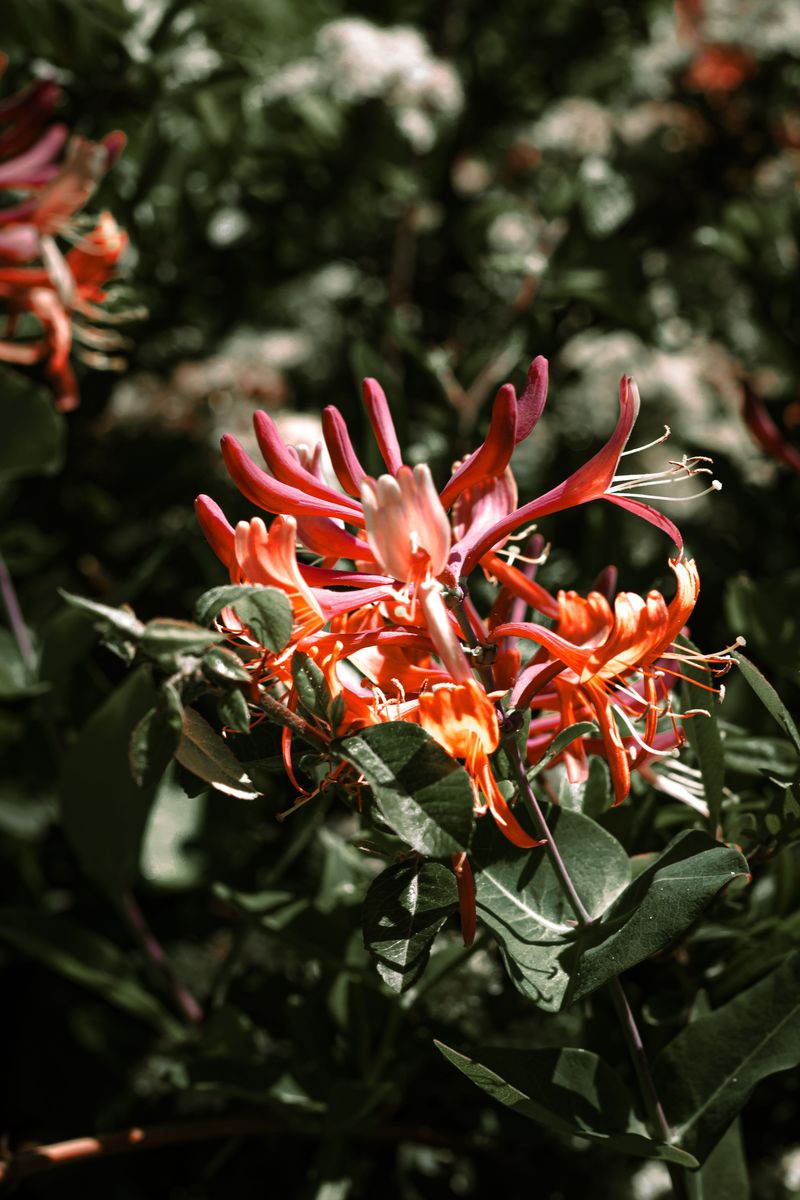
Bush honeysuckle is a quiet thief in your yard. It hides behind pretty flowers while slowly stealing light from everything around it.
But do not let that charm fool you. This shrub leafs out earlier than almost any native plant in spring and holds its leaves later into fall.
That means it hogs sunlight for a longer stretch of the year than anything else around it. Native wildflowers, tree seedlings, and ground cover plants simply cannot compete with that kind of shadow.
Bush honeysuckle was originally brought over from China, Korea, and parts of Japan as an ornamental plant. It was later promoted for conservation and wildlife use in the 1960s and 1970s.
Birds eat the berries and spread the seeds everywhere, which is a big part of why it shows up in so many backyards without anyone planting it.
Removing it before July matters because the plant flowers in late spring and berries develop through late summer into fall.
Each week you wait gives seeds more time to spread. Small plants can be pulled by hand after a good rain when the soil is soft.
Larger shrubs need to be cut at the base and treated with an herbicide on the stump to prevent regrowth. Left alone, one bush can turn into a thicket within just a few seasons.
2. Kudzu
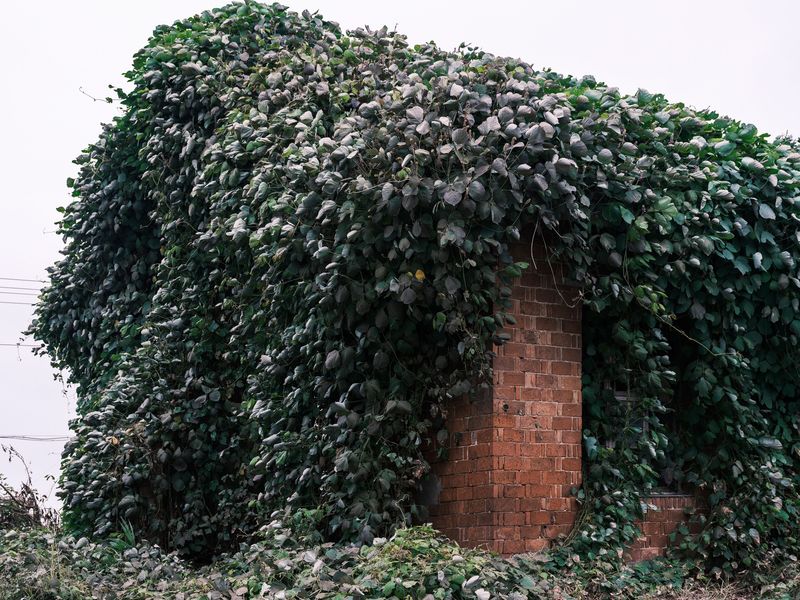
Kudzu does not creep. It charges.
A foot of new growth per day in peak summer heat is not a myth.
This vine from Japan and China was promoted heavily by the U.S. government in the 1930s as an erosion control solution, and it worked a little too well.
Now it covers vast stretches across the Southeast, and Kentucky is firmly in its grip. The vine wraps around trees, shrubs, fences, and even abandoned buildings, smothering everything beneath its broad leaves.
Mature plants develop thick, woody roots that can weigh over 400 pounds, making removal a serious physical challenge.
Starting early in the season, before those roots deepen and before the plant flowers, gives you a real fighting chance.
Repeated mowing or cutting can weaken younger plants over time. For established patches, a targeted herbicide applied in late spring or early summer tends to be the most effective approach.
Your Kentucky Garden Changes Every Week. Your Plan Should Too.
Gardening in Kentucky changes quickly throughout the season. Every Friday you’ll receive a simple weekly plan showing exactly what to plant, prune, fertilize, harvest, and protect so you never miss the right timing.
Goats are also a surprisingly practical option for large infestations, as they love to munch on the leaves and stems. Kudzu does not quit easily, so plan for multiple seasons of management rather than a one-time fix.
3. Japanese Honeysuckle
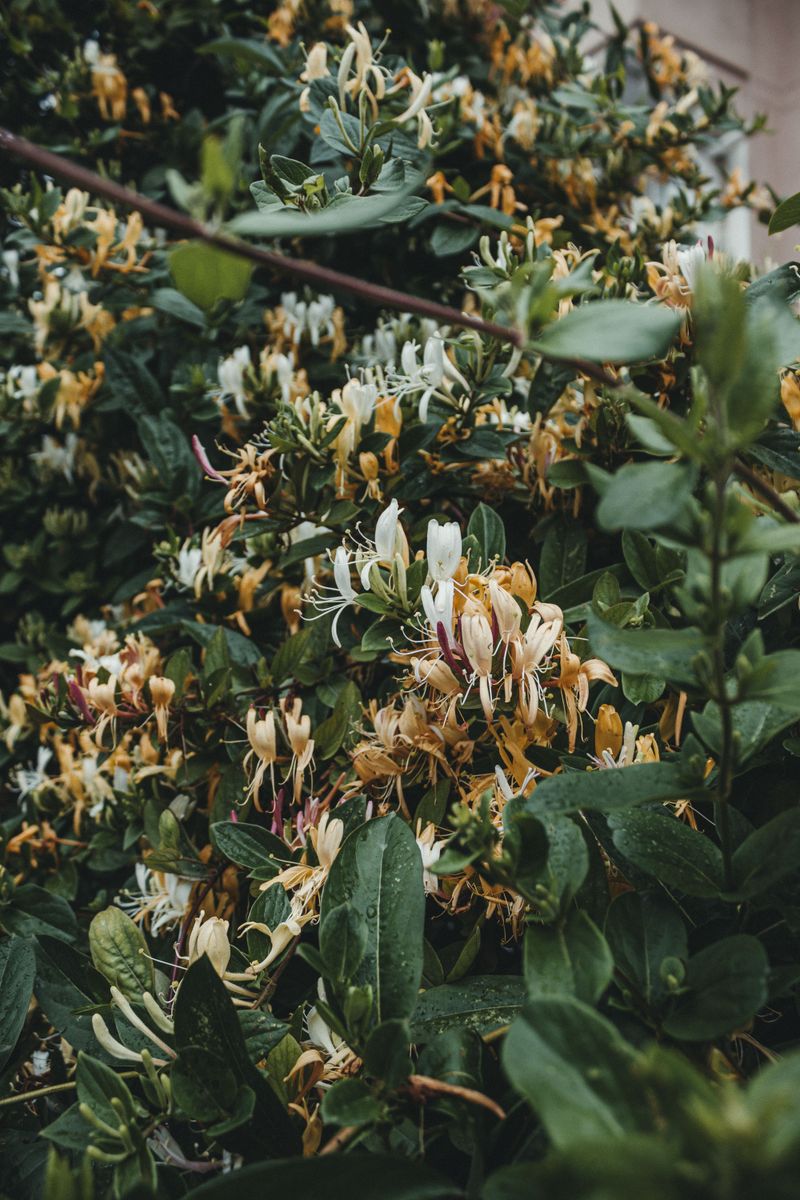
That sweet summer scent drifting along your fence is not innocent. Japanese honeysuckle is one of the most deceptive vines in Kentucky yards.
But this vine twines tightly around young trees and shrubs, girdling their stems and cutting off the flow of water and nutrients.
It also forms dense mats on the ground that prevent native seedlings from ever getting started. Unlike bush honeysuckle, the Japanese variety is a vine rather than a shrub.
That means it spreads both along the ground and up into the tree canopy. Birds spread the black berries widely, so new plants pop up constantly in spots you never expected.
The best time to tackle it is spring and early summer, before it sets fruit. Hand-pulling works well for small infestations, especially after rain when roots release more easily from moist soil.
For larger patches, cut the vines at the base and follow up with an herbicide application on the remaining root crown. Staying on top of it year after year is the only way to truly get it under control.
4. Multiflora Rose
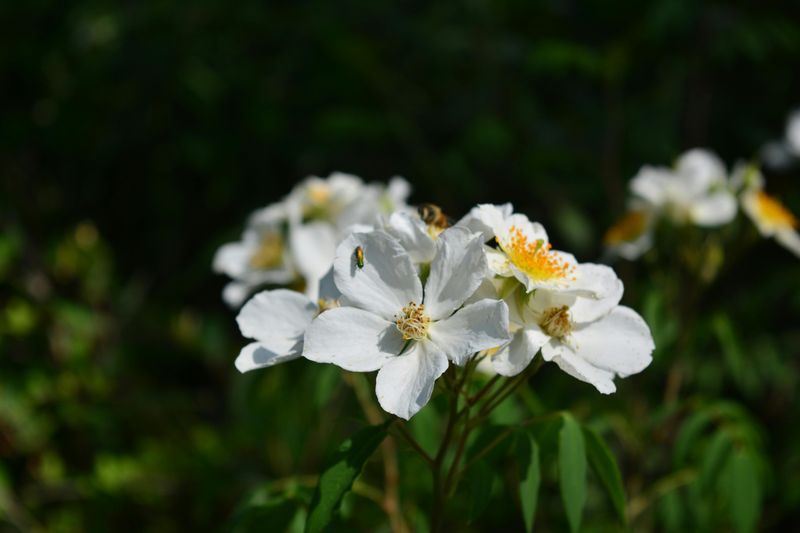
Multiflora rose sounds beautiful. It is not. This thorny shrub is one of the most stubborn invaders in the eastern United States.
It spread into pastures, roadsides, and woodland edges across Kentucky. A single mature plant can produce up to 500,000 seeds per year.
Those seeds remain viable in the soil for up to 20 years, building a staggering seed bank beneath your feet every season you let it go unchecked.
The thorns are curved and sharp, making removal uncomfortable without heavy gloves and long sleeves.
Cutting the plant repeatedly throughout the growing season can exhaust the root system over time, especially on smaller plants.
For larger, established shrubs, cutting followed by a stump treatment tends to produce better results than cutting alone.
Removing it before the white flower clusters bloom in late spring is ideal, since those blooms quickly become the berries that birds carry off to new locations.
Once you get it out, replacing it with a native shrub like spicebush or native rose species helps prevent it from returning.
5. Callery Pear
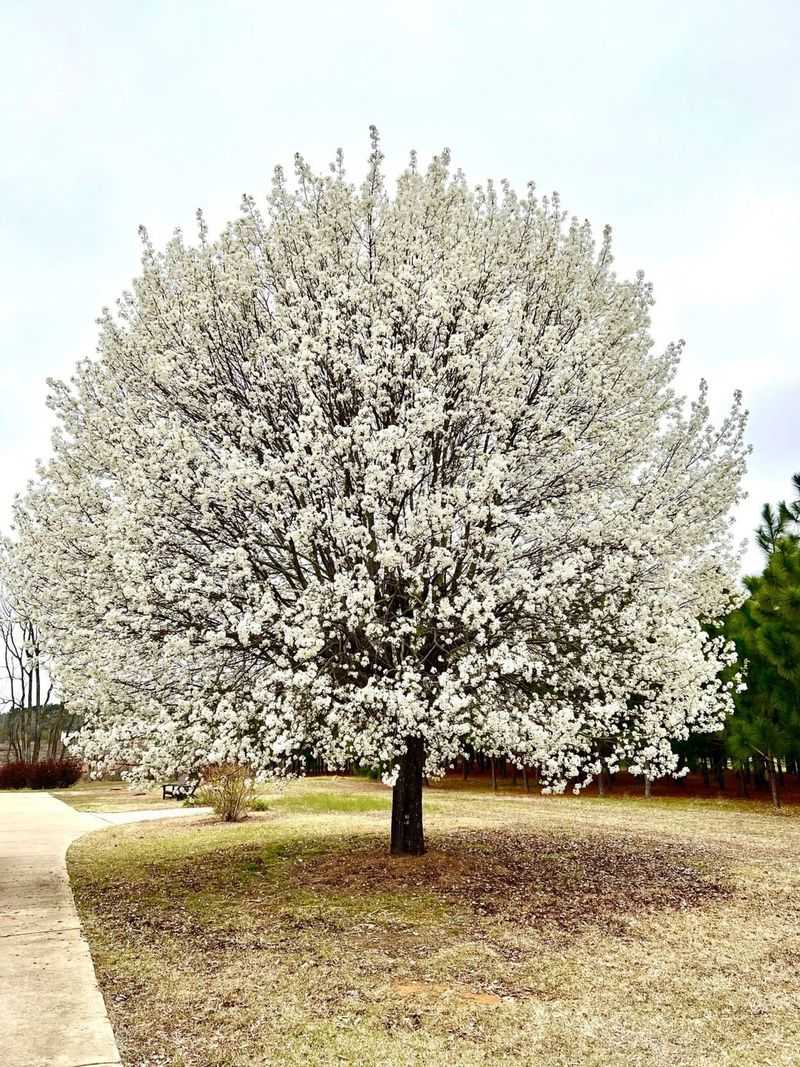
Callery pear was sold as the perfect neighborhood tree for decades. That reputation has not aged well.
Now they are on invasive species lists across the Midwest and Southeast, including Kentucky.
The problem is that different cultivars of Callery pear cross-pollinate with each other, producing fertile seeds that birds spread into natural areas.
Wild seedlings grow into thorny, structurally weak trees that crowd out native vegetation with alarming speed.
The wood is notoriously brittle, meaning the trees split apart in storms and leave debris scattered across the yard.
On top of that, the flowers smell genuinely unpleasant up close, which is something the nursery industry conveniently left out of the sales pitch for decades.
Ohio, Pennsylvania, and South Carolina have enacted formal bans on the sale of Callery pear. Kentucky has not passed a ban but encourages homeowners to remove existing trees before they seed further.
Cutting the tree down and treating the stump immediately is the most effective method of control. Leaving the stump untreated causes vigorous resprouting from the base.
Replacing a removed Callery pear with a native serviceberry or redbud gives you beautiful spring flowers without the ecological baggage.
6. Wintercreeper
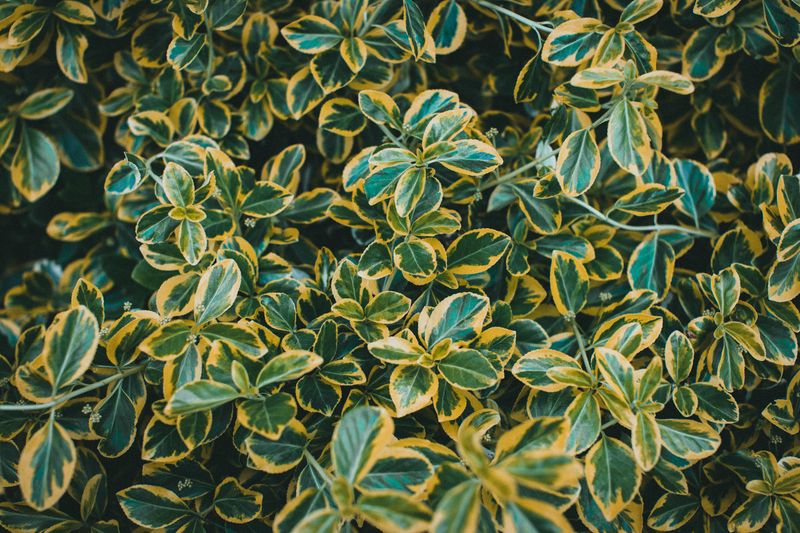
Wintercreeper looks tidy, stays green, and quietly disrupts everything growing beneath it. Most homeowners have no idea it is even invasive.
It was widely sold in the nursery trade for decades because it is tough, shade-tolerant, and stays green year-round. Those same qualities make it a relentless invader in natural areas.
Wintercreeper forms a dense evergreen mat that smothers native wildflowers, ferns, and tree seedlings before they ever have a chance to grow.
It also climbs trees, eventually reaching the canopy and overtopping smaller ones, weakening them over time.
Birds eat the small pink and orange berries and deposit seeds in forests and natural areas far from the original planting.
Removing it before July helps you get ahead of seed production and reduces how far it spreads that season.
Small patches can be pulled by hand, but you need to get the roots out or it will regrow from the base.
Larger infestations respond better to a foliar herbicide application, especially in early spring or fall when native plants are dormant and less likely to be affected.
Replacing it with native ground covers like wild ginger or creeping phlox is a rewarding long-term swap.
7. Garlic Mustard
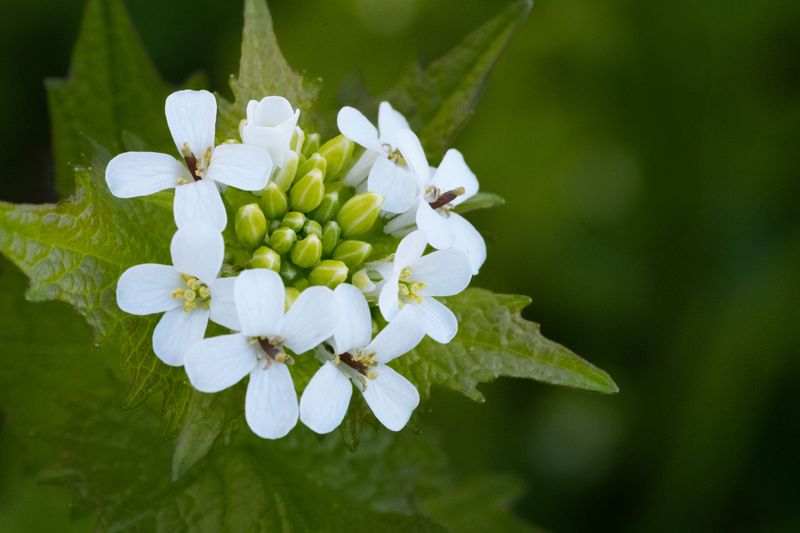
Crush one leaf of garlic mustard and the smell tells you everything. This European herb is quietly rewriting the chemistry of forest floors across Kentucky.
It has become one of the most problematic forest invaders in North America, and it has a particularly clever trick up its sleeve.
Garlic mustard releases allelopathic chemicals into the soil that disrupt the underground fungal networks that native trees and wildflowers depend on for nutrients.
It essentially poisons the playing field so other plants cannot thrive even after the garlic mustard is removed.
Spring ephemerals like trout lily, trillium, and wild ginger are especially vulnerable to this chemical interference.
The good news is that garlic mustard plants are biennials, meaning each individual plant only flowers once before it finishes its cycle.
Pulling plants before they flower and set seed in late spring is one of the most effective removal strategies available to homeowners.
Bag the pulled plants and dispose of them in the trash rather than composting, since seeds can still mature even on pulled stems.
Consistent removal over several years can dramatically reduce a garlic mustard population and give native spring wildflowers room to recover.
8. Tree-Of-Heaven
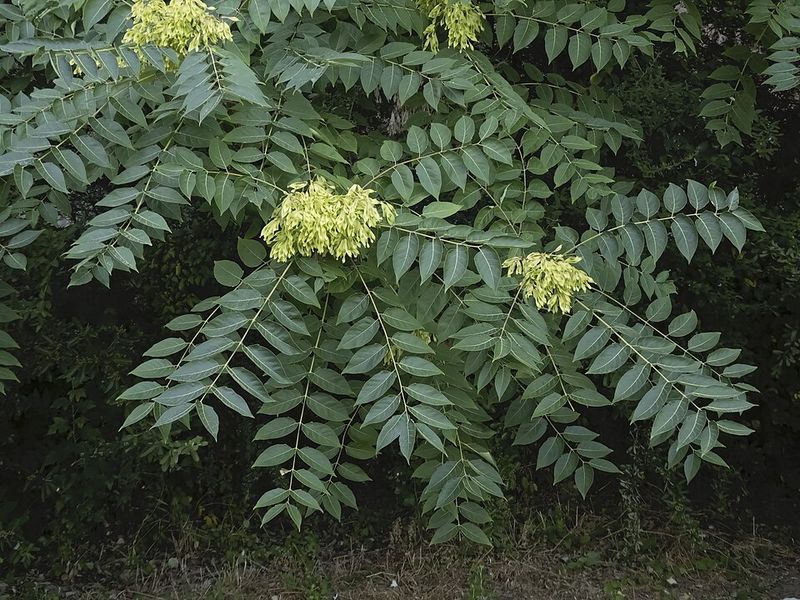
Tree-of-Heaven grows ten feet in a single season. It also rolls out the welcome mat for one of the most damaging pests spreading across the region.
It grows in sidewalk gaps, along fence lines, in gutters, and through the foundations of old buildings. Beyond its own spread, Tree-of-Heaven is the preferred host plant of the spotted lanternfly.
This invasive pest is already established in parts of the eastern U.S. and actively spreading toward and into Kentucky.
That connection alone makes removing it from your yard a genuine act of regional pest prevention. The tree releases chemicals from its roots and leaves that suppress the growth of surrounding plants.
That chemical edge gives it a significant advantage in disturbed soils where other plants struggle to establish.
Cutting it down without treating the stump causes vigorous resprouting, sometimes producing dozens of new shoots from the root system.
Treating the stump with herbicide immediately after cutting is critical for effective control. For smaller seedlings, hand-pulling after rain works well if you remove the entire root.
Getting rid of it before July limits seed spread and helps slow the spotted lanternfly’s advance into new areas.
9. Japanese Stiltgrass
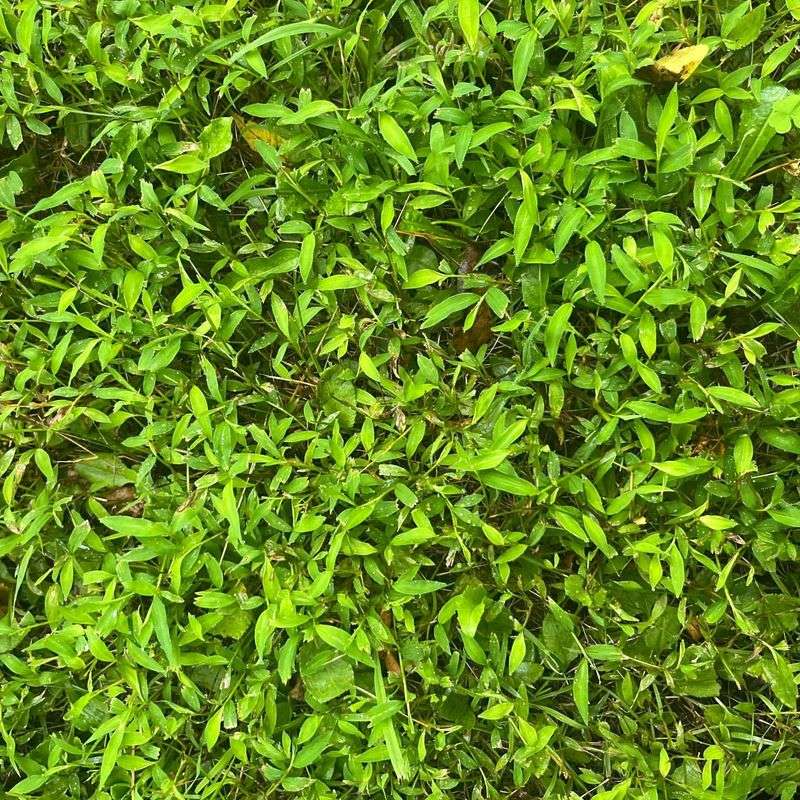
Japanese stiltgrass is the invasive plant most homeowners never see coming. By the time it looks like a problem, it already is one.
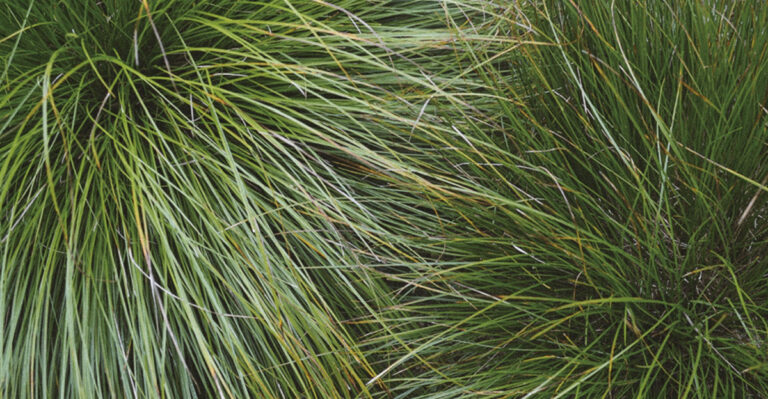
Up close, you can spot it by the distinctive silvery midrib stripe running down the center of each slender leaf, catching the light in a way native grasses do not.
This annual grass spreads in shaded, moist areas like stream banks, woodland edges, and the shady corners of residential yards.
A single plant produces anywhere from hundreds to up to 1,000 seeds, and those seeds can remain viable in the soil for up to five years.
Deer tend to avoid eating it, which gives it a huge advantage in areas with high deer pressure. Native plants get browsed down while the stiltgrass spreads unchecked.
Pulling it by hand before it sets seed in late summer is effective for small patches, and since it is an annual, consistent removal over a few years can genuinely exhaust the seed bank.
Mowing in late August, just before it flowers, is a practical strategy for larger infestations. Starting removal efforts before July puts you ahead of the seed production window. That head start gives native ground covers a real shot at filling in the gaps.
10. Oriental Bittersweet
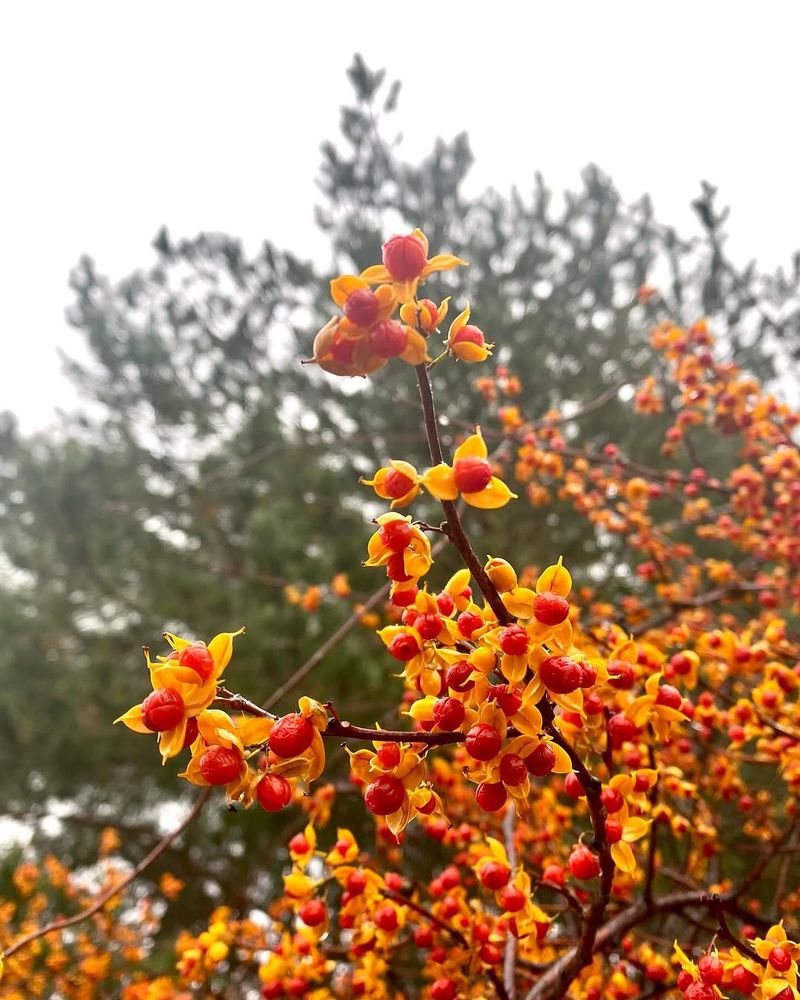
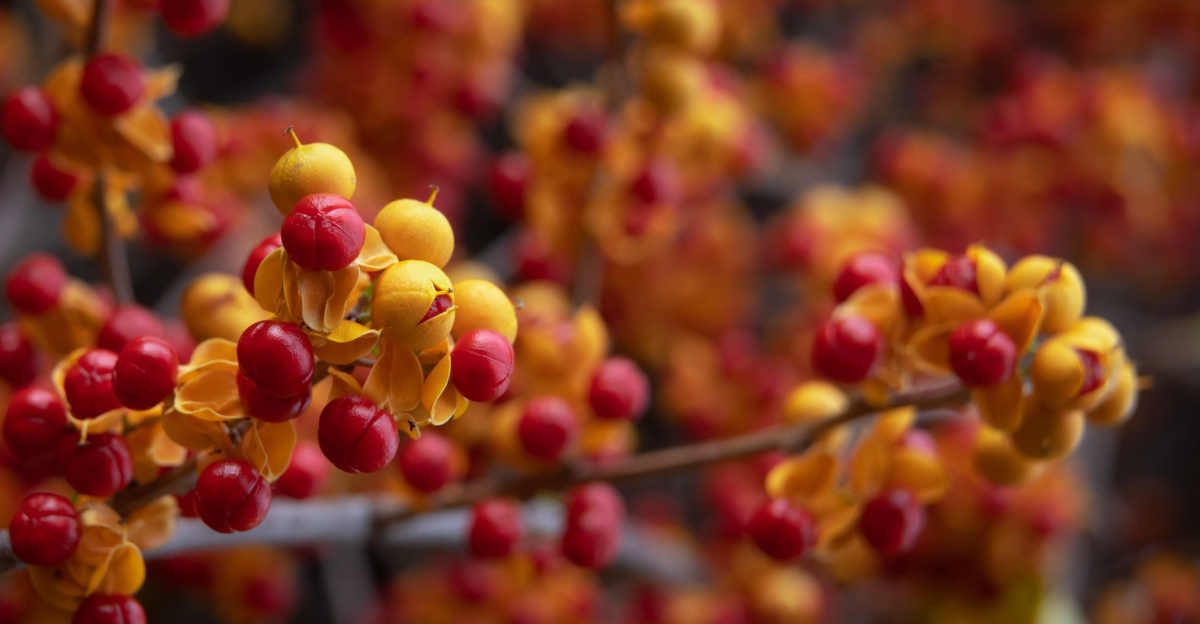
Oriental bittersweet looks charming on a wreath. In your yard, it is slowly bringing trees down.
Unlike the native American bittersweet, the Oriental species wraps around the entire trunk and branches of its host tree.
It does not stop at the tips. It works its way down, slowly strangling the tree over years.
The weight and girdling pressure eventually brings large trees down, creating gaps in the forest canopy that the bittersweet happily fills with more of itself.
Birds are wild about the berries and spread the seeds far and wide. That is why this plant shows up in forests, roadsides, and backyards across Kentucky with such persistence.
Removing it before July means tackling it before those berries ripen and get carried off to new locations. Cut vines at the base and unwrap them from host trees as much as possible.
Severed vines left wrapped tightly around a trunk will continue strangling it even after cutting.
Treat cut stumps with herbicide to prevent regrowth, and monitor the area each spring for new seedlings. Remove it early and everything growing around it benefits.