The Watering Mistake Causing Arizona Flower Gardens To Turn Brown In June
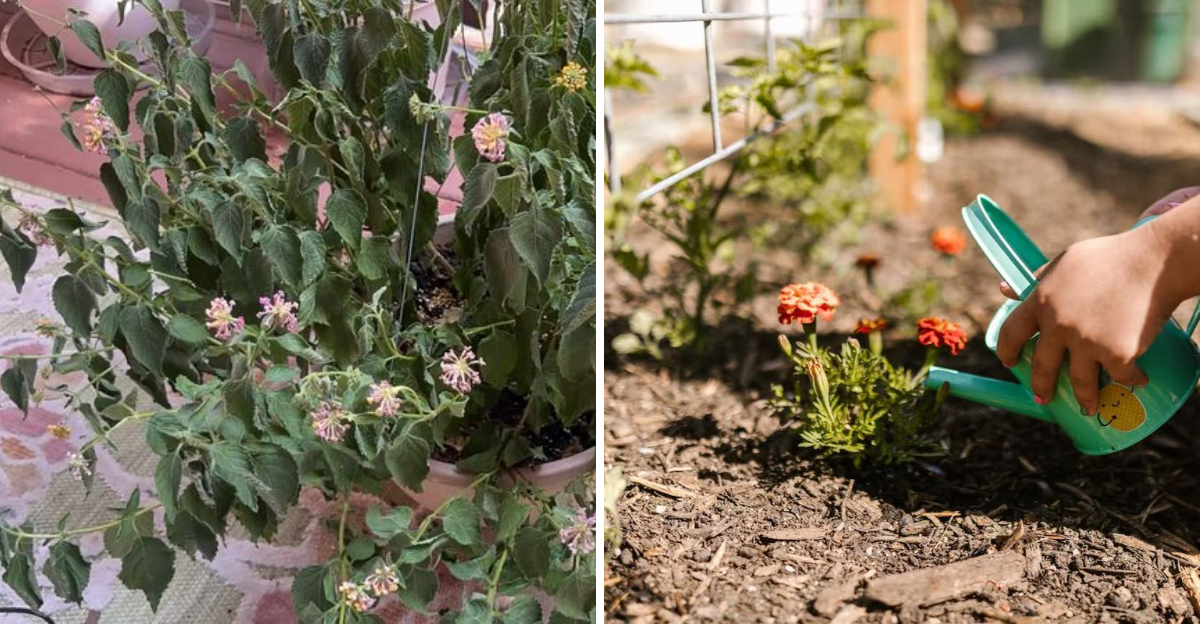
Brown flowers in June can send gardeners into panic mode. After months of growth and weeks of anticipation, nobody expects a colorful flower bed to start losing its appeal.
Yet that is exactly when many gardens begin showing signs of trouble.
What makes the situation confusing is that the symptoms often seem to point in the wrong direction. Flowers fade, leaves lose their healthy appearance, and entire sections of a bed can start looking tired.
The natural response is to assume the plants need more help, more attention, or more water.
Unfortunately, that reaction can sometimes push the problem even further. A mistake that takes only a few minutes can affect an entire flower bed and create issues that become more obvious as temperatures rise.
In Arizona, June is when that mistake tends to catch up with flower gardens in a big way.
1. Frequent Light Watering Is The Mistake
Watering a little every day feels responsible. It feels like you are staying on top of things.
But in reality, frequent shallow watering is one of the biggest reasons flower gardens turn brown and struggle through June.
When water only wets the top inch or two of soil, roots follow it upward. Shallow roots sit close to the surface where soil heats up fast and dries out even faster.
Plants watered this way become fragile and heat-sensitive fast.
Surface moisture evaporates quickly in desert heat. Before roots can absorb much of it, the sun pulls it right back out of the ground.
Plants end up stressed even though they are being watered daily.
Frequent light watering also encourages weak root systems that cannot support a plant through extreme temperatures. Strong roots grow deep where soil stays cooler and holds moisture longer.
Shallow roots just cannot do that job.
Gardeners often notice browning and assume their plants need even more water. Adding another round of light watering on top of the same routine rarely helps.
It usually keeps the problem going.
Cutting back the frequency and increasing the depth of each watering session is the fix. Watering less often but more thoroughly trains roots to grow downward.
2. Water Deeply To Reach Lower Roots
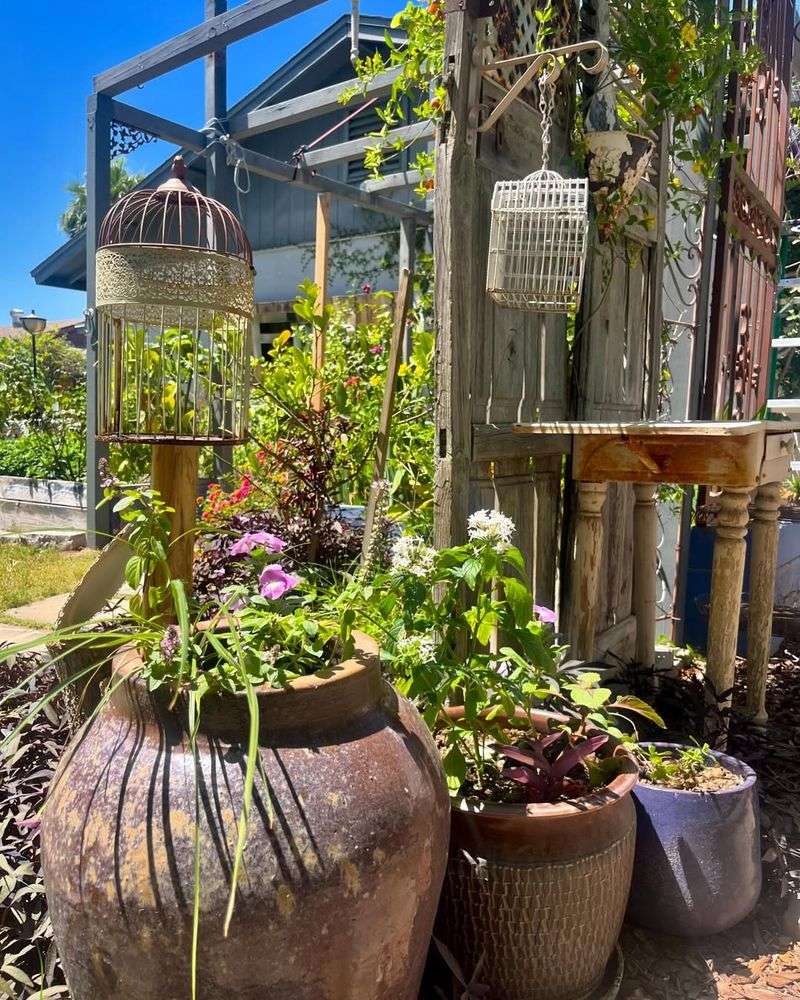
Roots only grow where water tells them to go. Water that stops at the surface keeps roots shallow and weak.
Getting water down deep changes everything about how a plant survives summer heat.
Deep watering means getting moisture at least 8 to 10 inches below the soil surface. At that depth, soil temperature stays lower and moisture lingers much longer between watering sessions.
Roots chase that water downward and anchor the plant firmly.
A slow, steady soak works far better than a quick sprinkle. Running a drip system or a soaker hose for an extended period allows water to move gradually through the soil profile.
Rushing the process leaves the deeper layers bone dry.
Most flower varieties grown in desert gardens respond well to deep watering schedules. Lantana, desert marigold, and globe mallow all develop stronger root systems when water reaches lower soil layers consistently.
Your Arizona Garden Changes Every Week. Your Plan Should Too.
Gardening in Arizona changes quickly throughout the season. Every Friday you’ll receive a simple weekly plan showing exactly what to plant, prune, fertilize, harvest, and protect so you never miss the right timing.
Weak surface roots simply cannot sustain those plants through 110-degree days.
Checking penetration depth after watering is a smart habit. Push a long screwdriver or wooden dowel into the soil after a session.
If it slides down easily past 8 inches, moisture reached where it needed to go.
3. Check Soil Moisture Below The Surface
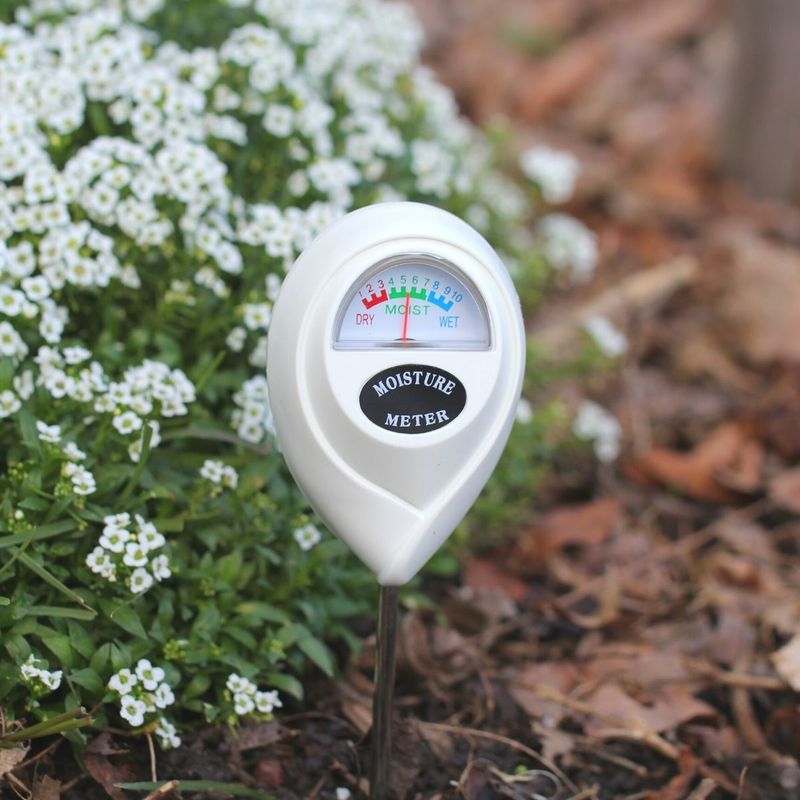
Guessing whether soil is wet enough is a trap. Soil can look damp on top and be completely dry just a few inches down.
Checking below the surface is the only way to know what is actually happening.
Stick a finger two to three inches into the soil near the base of a plant. If it feels dry at that depth, watering is overdue.
If it still feels cool and slightly moist, holding off another day is fine.
A simple wooden dowel or metal screwdriver works well for deeper checks. Push it straight down after watering and pull it out.
Soil clinging to it means moisture reached that level. Clean and dry means it did not.
Inexpensive soil moisture meters are also worth keeping in the garden shed. They give a quick numeric reading without any guesswork.
Readings below the midpoint usually signal it is time to water.
Surface conditions in desert climates are misleading. Wind, low humidity, and intense sun can dry out the top layer within hours of watering.
A dry surface does not always mean plants are thirsty if moisture exists deeper down.
Checking moisture before every watering session prevents both underwatering and overwatering. Both extremes stress flower plants and contribute to browning.
4. Adjust Watering As Temperatures Rise
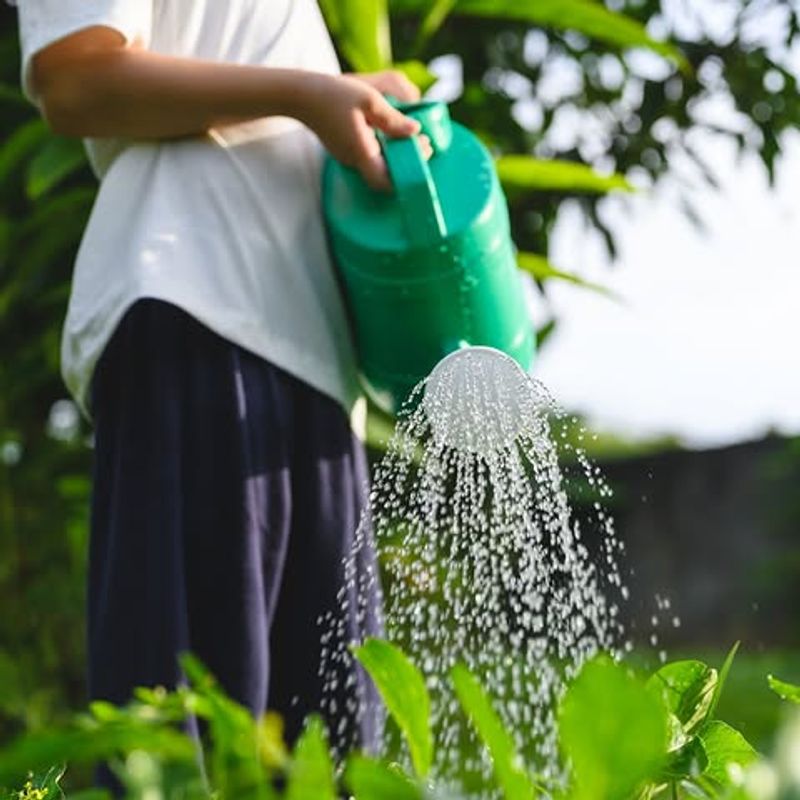
A watering schedule set in March will not cut it by June. Temperatures rise fast in the desert Southwest, and plant water needs shift right along with them.
Sticking to an old schedule is a setup for browning and stress.
As highs climb past 100 degrees, soil moisture evaporates at a much faster rate. Plants pull water more quickly to cool their leaves through a process called transpiration.
Both factors mean the same schedule that worked in spring is now falling short.
Increasing the duration of each watering cycle is usually more effective than adding extra sessions. Longer soaks push water deeper rather than just wetting the surface again.
Depth matters more than frequency when heat peaks.
Early morning watering makes a measurable difference. Watering between 5 and 8 a.m. gives plants moisture before peak heat arrives.
Evening watering can leave foliage wet overnight, which sometimes leads to fungal issues in humid pockets of the yard.
Drip irrigation systems make adjustments straightforward. Most timers allow simple changes to run time or frequency without rewiring anything.
Bumping up run time by 10 to 15 minutes per zone can be enough to compensate for increased evaporation in June.
5. Add Mulch Before Heat Peaks
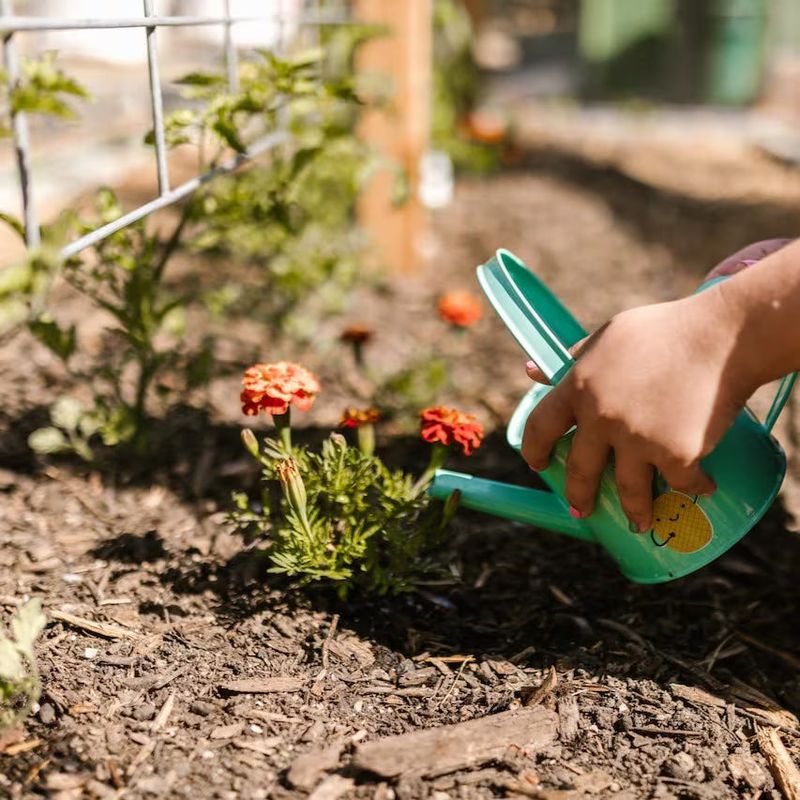
Bare soil in a desert garden is basically a heat trap. Exposed ground absorbs intense sun and radiates that heat back up into the root zone.
Mulch breaks that cycle before it damages flower plants.
A layer of organic mulch two to three inches thick insulates the soil below. Covered ground stays significantly cooler than bare ground on a 108-degree afternoon.
That temperature difference protects roots and slows moisture loss at the same time.
Wood chips, shredded bark, and straw all work well in desert garden beds. Gravel mulch reflects heat rather than absorbing it, but it does not add organic matter or retain moisture the same way.
Organic options generally perform better around flowering plants.
Applying mulch before temperatures spike in June gives it time to settle and start working. Putting it down after a garden is already stressed helps, but getting ahead of the heat is more effective.
Late spring is the right window for most desert gardens.
Keep mulch a few inches away from plant stems. Piling it directly against stems traps moisture and can cause rot at the base of the plant.
A small gap around each stem is enough to prevent that problem.
6. Watch For Early Signs Of Stress
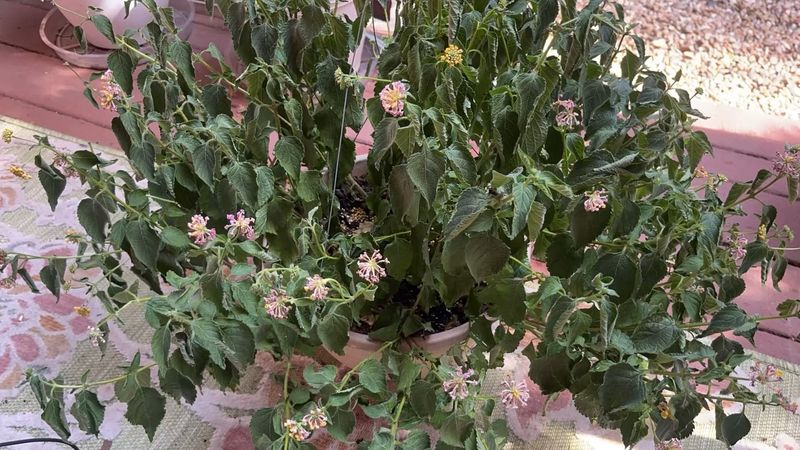
Catching stress early is the difference between a quick recovery and a garden full of brown, dried-out plants. Most flowers give clear signals before serious damage sets in.
Learning to read those signs is a skill worth building.
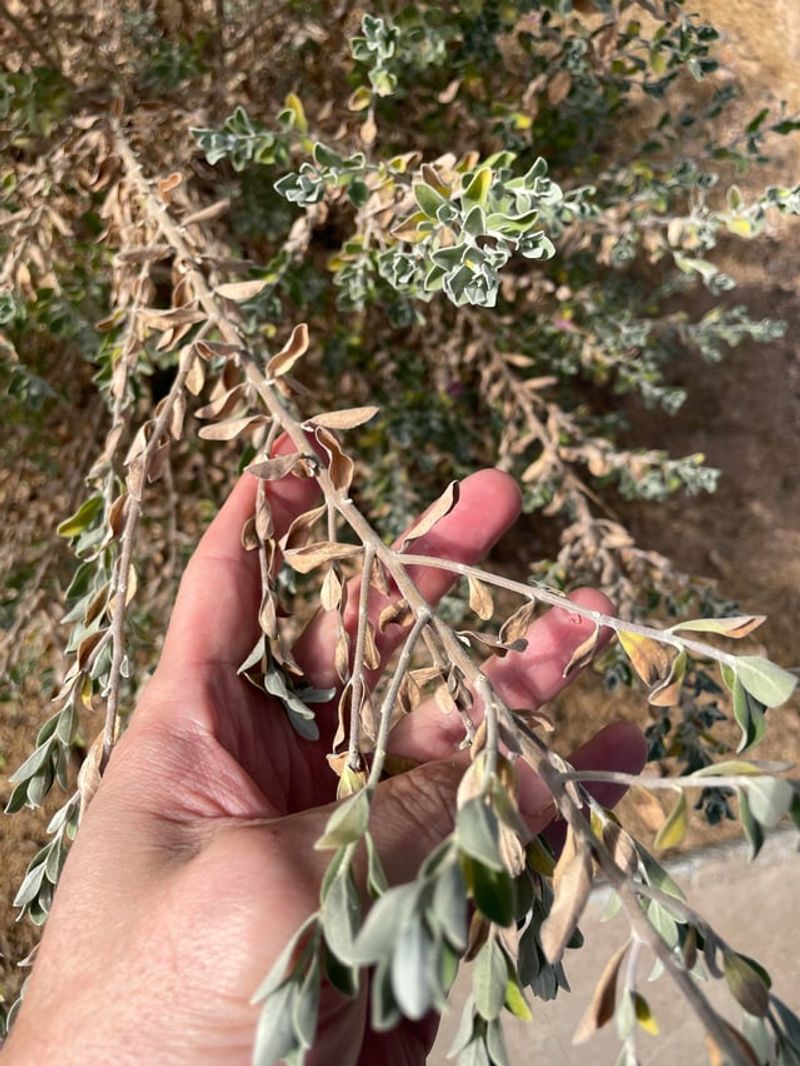
Leaf curl is one of the first things to notice. When plants curl their leaves inward, they are reducing surface area exposed to sun and wind.
It is a protective response, but it also means the plant is working hard to manage water loss.
Dull or grayish leaf color often shows up before visible browning. Healthy leaves have a certain vibrancy to them.
When that fades and leaves look flat or washed out, water stress or heat stress is usually the cause.
Wilting that appears in the early morning before temperatures rise is a red flag. Afternoon wilting during peak heat is common and does not always signal a crisis.
Morning wilting means roots are already struggling to supply enough moisture.
Flower drop before blooms fully open is another early warning. Plants under stress redirect energy away from reproduction and toward basic survival.
Buds falling off before opening is worth paying attention to.
Yellowing at the edges of leaves can indicate either overwatering or underwatering. Checking soil moisture at depth helps identify which one is happening.
Acting on that information quickly prevents further damage.
7. Remove Damaged Blooms And Foliage
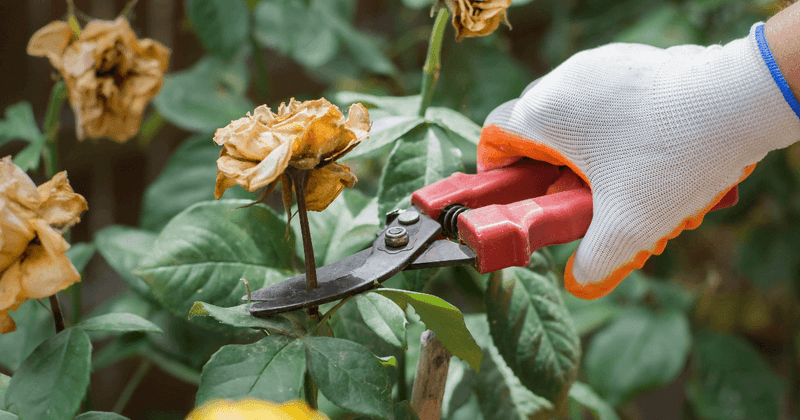
Brown leaves and spent blooms left on a plant are not just an eyesore. Damaged foliage draws energy and resources away from healthy growth.
Removing it gives the plant a real chance to redirect that effort into recovery.
Deadheading spent blooms is a basic but effective practice. Cutting off finished flowers before they go to seed tells the plant to produce more blooms instead of putting energy into seed development.
Regular deadheading keeps flowering plants more productive through summer.
Brown or crispy leaves should come off cleanly. Leaving them attached does not help the plant and can sometimes harbor pests or create conditions for fungal issues.
A clean cut close to the stem is enough.
Pruning shears or small hand scissors work better than tearing foliage by hand. Clean cuts heal faster and reduce the chance of introducing issues at the wound site.
Focus removal on foliage that is more than half damaged. Leaves with minor browning at the tips but still mostly green are still contributing to photosynthesis.
Removing too much healthy foliage at once can stress the plant further.
After removing damaged material, give plants a thorough deep watering. Pruning causes a small amount of stress on its own.