What It Really Means When Carpenter Bees Start Showing Up Around Your Pennsylvania Porch
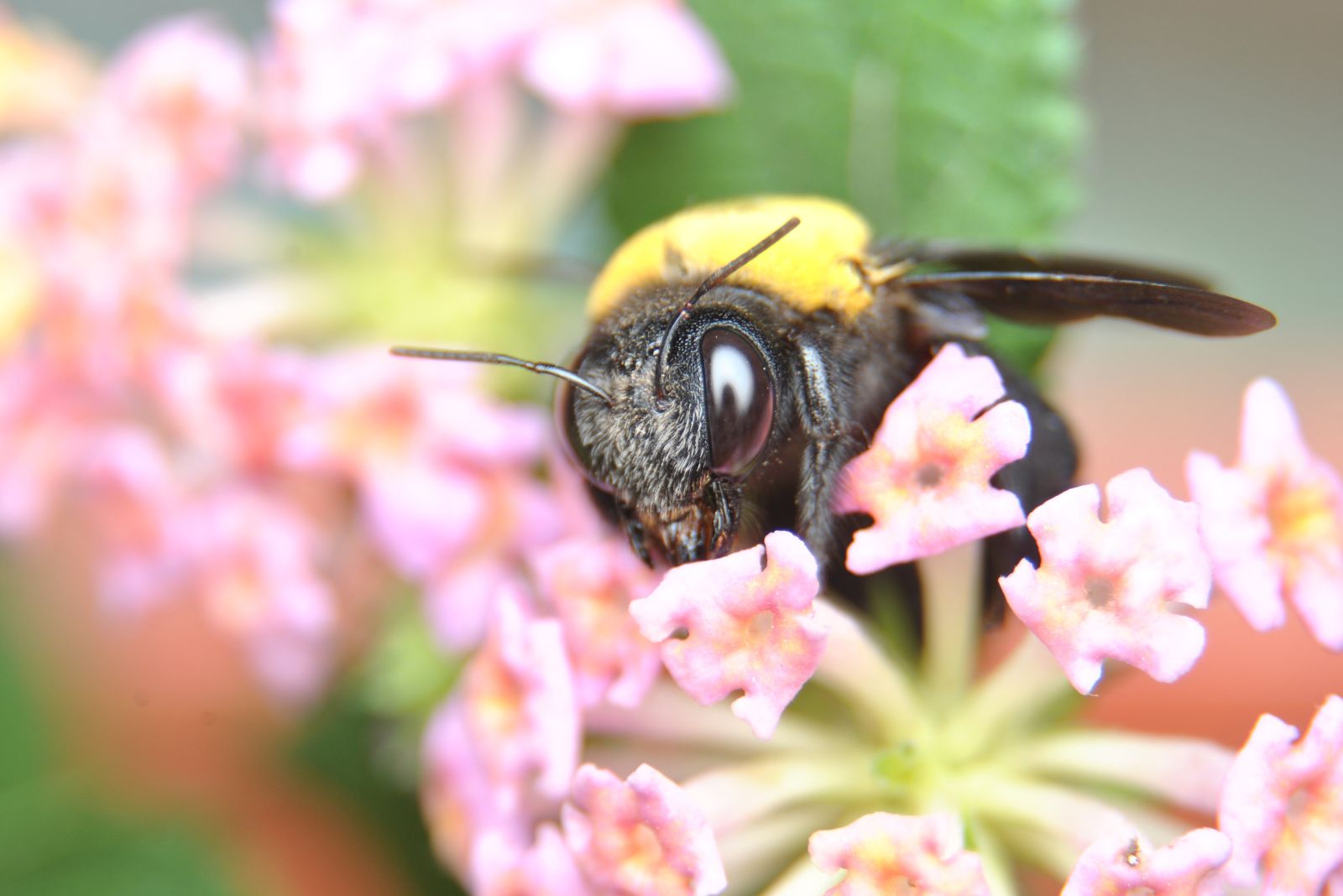
Carpenter bees hovering around a Pennsylvania porch in spring and summer are one of those things that can range from mildly interesting to genuinely concerning depending on how many show up and what they seem to be doing.
Most homeowners notice them, feel vaguely unsettled, and then either ignore them or start looking up how to get rid of them without fully understanding what they are dealing with.
Carpenter bees are more complex than they appear, and the fact that they have chosen your porch tells you something specific about the structure, the wood, and the conditions that are making it an attractive target.
Understanding what their presence actually signals, how much of a threat they represent to the wood around your home, and what distinguishes normal seasonal activity from a situation worth addressing gives you a much clearer picture than the initial alarm usually provides.
Some of what people do in response to carpenter bees makes things worse, and knowing why matters before you react.
1. You’re Seeing Healthy Native Pollinators At Work
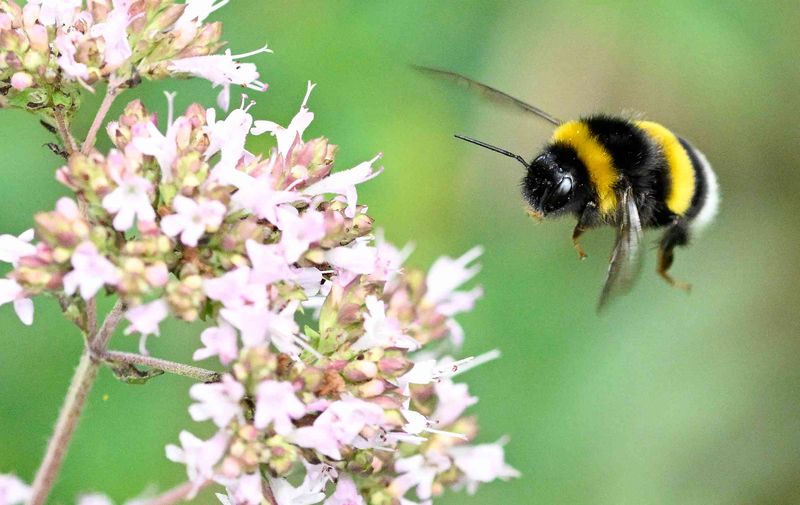
Spotting a carpenter bee near your porch is actually a good sign for your yard. These big, shiny bees are native pollinators that have lived in Pennsylvania for thousands of years. They play a huge role in keeping local plants healthy and productive.
Unlike honeybees, carpenter bees are solitary. Each female works on her own to find food and build a nest.
But while she’s out flying around, she’s also doing the important work of moving pollen from flower to flower. Many plants depend on this process to grow fruits and seeds.
Carpenter bees are especially good at something called buzz pollination. They grab onto a flower and vibrate their bodies really fast.
That shaking loosens pollen that other bees can’t reach. Plants like tomatoes, blueberries, and eggplants absolutely love this technique.
So when you see one of these bees buzzing around your garden, think of it as free help for your plants. Farmers and gardeners actually benefit from having carpenter bees nearby. Studies show that pollinator diversity leads to stronger, healthier harvests.
Pennsylvania is home to many native bee species, and carpenter bees are among the most recognizable. Their large size and loud hum make them easy to spot.
They may look intimidating, but they’re mostly focused on flowers and food. Keeping native plants in your yard is one of the best ways to support them and enjoy a thriving garden all season long.
2. They’re Ready To Nest For The Season
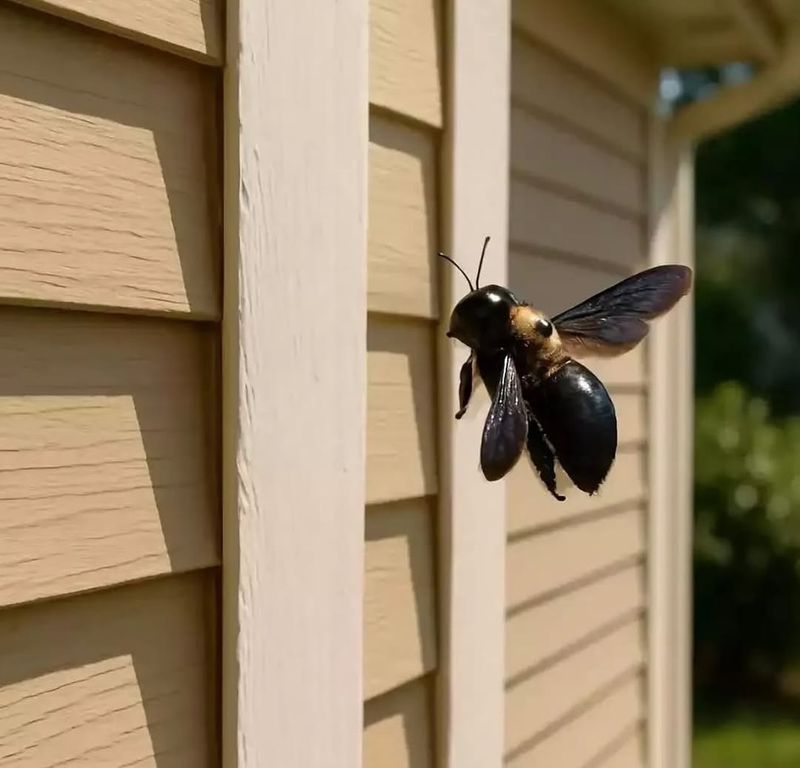
Every spring, something clicks for carpenter bees. The weather warms up, flowers start blooming, and female carpenter bees go into full nesting mode.
If you’re seeing them circle your porch over and over, she’s probably scoping out the perfect spot to raise her young.
Female carpenter bees are the ones doing all the real work. They use their strong jaws to chew through wood, creating smooth, perfectly round tunnels about half an inch wide.
Your Pennsylvania Garden Changes Every Week. Your Plan Should Too.
Gardening in Pennsylvania changes quickly throughout the season. Every Friday you’ll receive a simple weekly plan showing exactly what to plant, prune, fertilize, harvest, and protect so you never miss the right timing.
Once inside, they carve out small chambers where they lay their eggs. Each chamber gets packed with pollen and nectar as food for the baby bees.
The tunnels can go several inches deep into the wood. After laying her eggs, the female seals each chamber and moves on.
The larvae hatch, eat the stored food, and eventually emerge as adult bees later in the summer.
This nesting process usually kicks off in April or May in Pennsylvania. That’s when you’ll see the most activity around porches, decks, and wooden structures.
The bees aren’t being aggressive. They’re just focused on the job of starting a new generation.
Fun fact: carpenter bees often return to the same nesting sites year after year. If your porch had carpenter bees last spring, there’s a good chance the same holes will be used again.
Females sometimes even return to the nest where they were born. Recognizing this seasonal pattern can help you plan ahead and take steps to manage their activity before nesting season begins each year.
3. You Might Have Untreated Or Weathered Wood Nearby
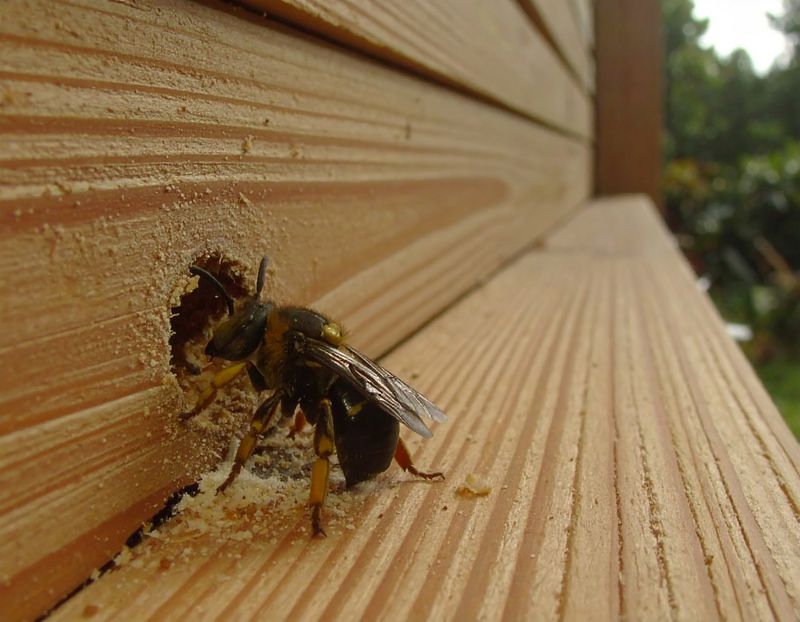
Carpenter bees are picky about where they nest, and they have a strong preference for soft, dry, and untreated wood. If they keep showing up near your porch, take a closer look at the wood around you.
Chances are, something nearby is giving them exactly what they need. Old decks, wooden railings, fascia boards, and porch overhangs are prime targets. Wood that has been exposed to rain, sun, and cold winters gets soft and dry over time.
That makes it much easier for a female carpenter bee to bore into it. Painted or stained wood is harder for them to work with, so they usually skip it.
Pressure-treated lumber is also less attractive to carpenter bees because of its density and chemical treatment. If your porch has a mix of treated and untreated wood, you’ll likely notice the bees gravitating toward the softer, older sections.
Checking your porch for weathered or damaged wood is a smart move every spring. Look for boards that feel soft when you press on them, have peeling paint, or show signs of moisture damage. These are the spots carpenter bees will target first.
Repainting or restaining exposed wood can make a big difference in reducing their interest. Hardwoods like cedar and redwood are naturally more resistant, while pine and fir are softer and more vulnerable.
Doing a quick wood inspection in early spring, before nesting season begins, gives you the best chance of staying ahead of any unwanted drilling on your Pennsylvania porch.
4. Wood Damage Could Begin If Left Unchecked
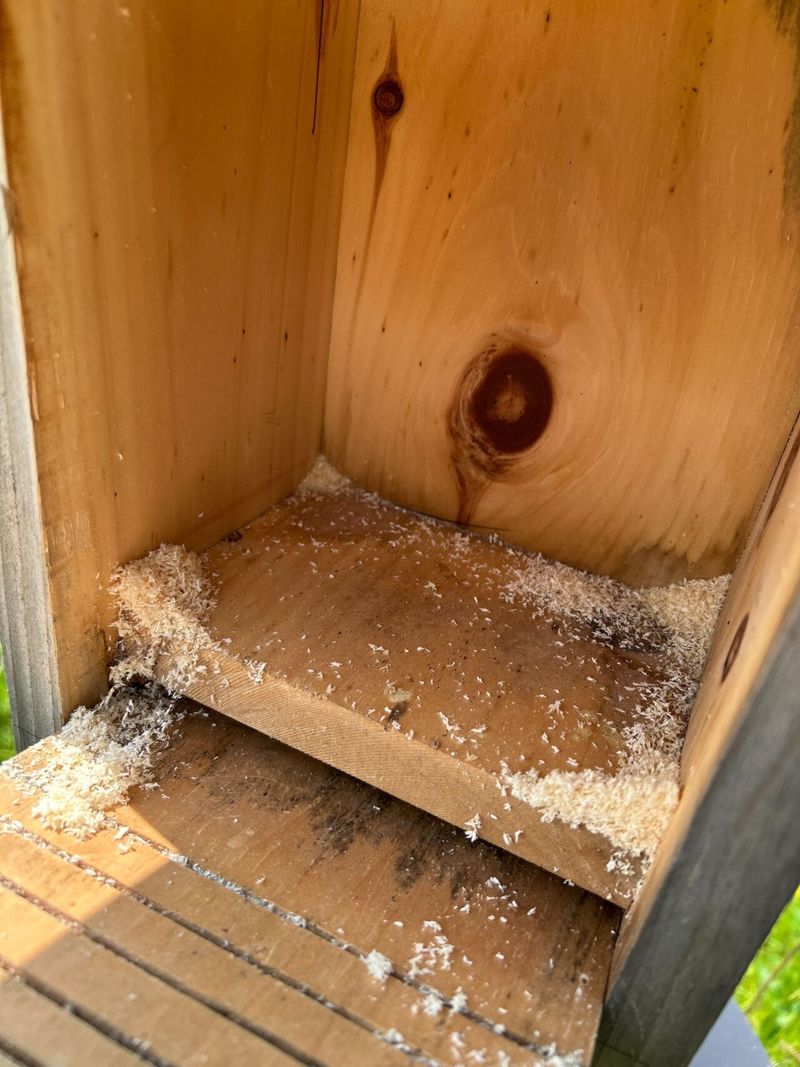
One or two carpenter bees making a nest might not seem like a big deal. But over several seasons, those small round holes can add up to real problems for your porch or deck. Understanding what repeated nesting looks like can help you catch issues early.
Each tunnel a female carpenter bee bores is usually about half an inch wide and can extend six inches or more into the wood. After the first season, new bees often return to expand existing tunnels rather than starting fresh ones.
Over time, these tunnels can branch out and create a network of hollowed-out spaces inside your wooden beams or railings.
That hollowing weakens the wood from the inside out. You might not notice anything wrong at first because the surface looks fine.
But press on the wood or tap it, and you may hear a hollow sound. That’s a sign that more damage has occurred beneath the surface than you can see.
Moisture can also sneak into open tunnels, speeding up rot and making the wood even weaker. Woodpeckers sometimes make things worse by pecking into the tunnels to reach the bee larvae inside. That extra pecking can leave the wood looking rough and ragged.
Catching the problem early makes repairs much easier. Filling old tunnels with wood putty or caulk at the end of the season prevents bees from returning and stops water from getting in.
Repainting or sealing the area adds another layer of protection. Staying on top of small repairs each year can keep your porch looking great and structurally sound for a long time.
5. Male Bees Can Be Territorial But They Cannot Sting
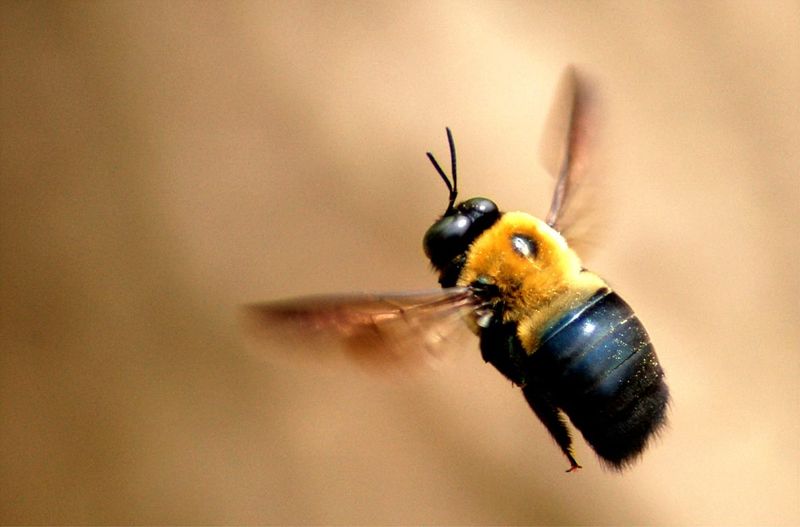
Walking out onto your porch and having a big bee fly straight at your face is enough to make anyone jump back inside.
But here’s something that might calm your nerves: that bold, hovering bee is almost certainly a male, and males cannot sting you. Not even a little bit.
Male carpenter bees have no stinger at all. Their job is to guard the nesting area and keep other insects away.
They hover near the entrance of a nest and charge at anything that comes close, including people, other bees, and even butterflies. It looks threatening, but it’s all bluff.
You can actually tell a male carpenter bee apart from a female by looking at its face. Males have a small white or yellow spot right between their eyes.
Females have a plain black face and are the ones with a stinger, though they rarely use it unless handled roughly or trapped.
So if a bee is aggressively flying at you near your porch but not actually landing on you, it’s almost certainly a male doing his territorial patrol. You can walk past him without worry.
He might buzz around you for a moment, but he’ll move on once he decides you’re not a threat.
This behavior is especially noticeable in spring when nesting activity is at its peak. Males can be surprisingly entertaining to watch once you know they’re harmless.
Some people even enjoy watching them chase off other insects. Knowing the difference between male and female carpenter bees makes the whole experience a lot less stressful and a lot more interesting.
6. Their Presence Means Plenty Of Flowering Plants Nearby
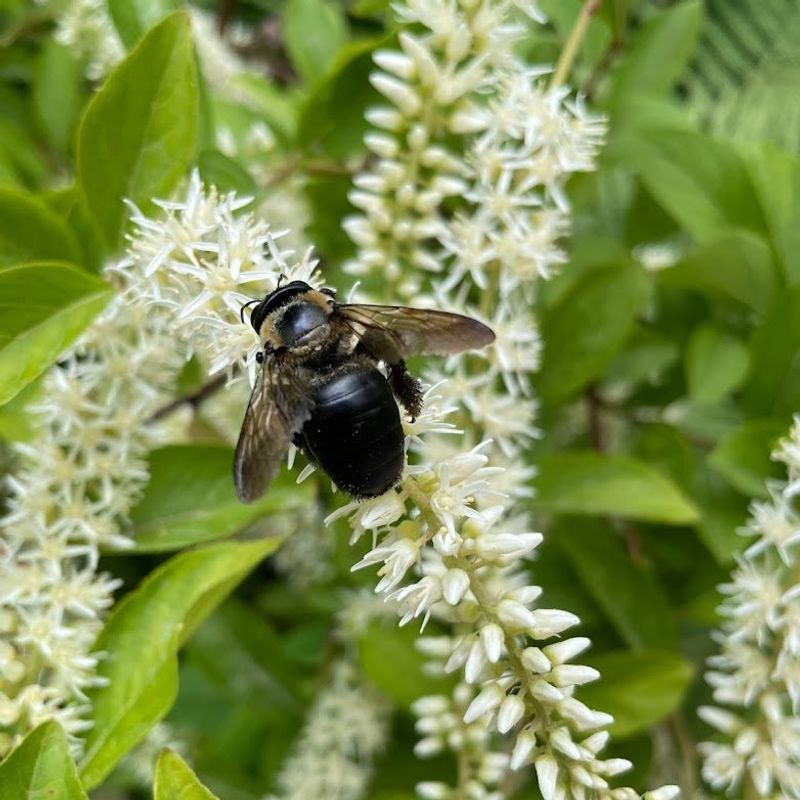
Carpenter bees don’t just show up randomly. They follow food. If they’re visiting your porch regularly, it’s a strong signal that your yard is full of flowers, pollen, and nectar. That’s actually something to feel proud of as a gardener or homeowner.
These bees love open, tubular flowers with easy access to nectar. Favorites include black-eyed Susans, coneflowers, lavender, bee balm, and wisteria.
Many of these plants are native to Pennsylvania, which makes them especially attractive to local pollinators. A yard full of native plants is like an open invitation for carpenter bees to stick around.
Having pollinators visit your garden regularly is a great indicator of yard health. It means your soil, plants, and local ecosystem are in good shape.
Pollinators tend to avoid yards with heavy pesticide use or very little plant diversity. So their presence is a kind of natural report card for your outdoor space.
If you want to encourage more pollinators while also managing where carpenter bees nest, try planting more flowers away from your porch.
Creating a dedicated pollinator garden in another part of your yard can draw them away from wooden structures while still giving them plenty to eat.
Adding a variety of blooming plants that flower at different times throughout the season keeps pollinators coming back from spring through fall. Native plant nurseries in Pennsylvania can help you choose the right species for your region.
Building a pollinator-friendly yard is one of the most rewarding things you can do for your local environment, and carpenter bees are a sign that it’s already working.