This Is Why Yarrow Deserves A Place In Your Pennsylvania Garden
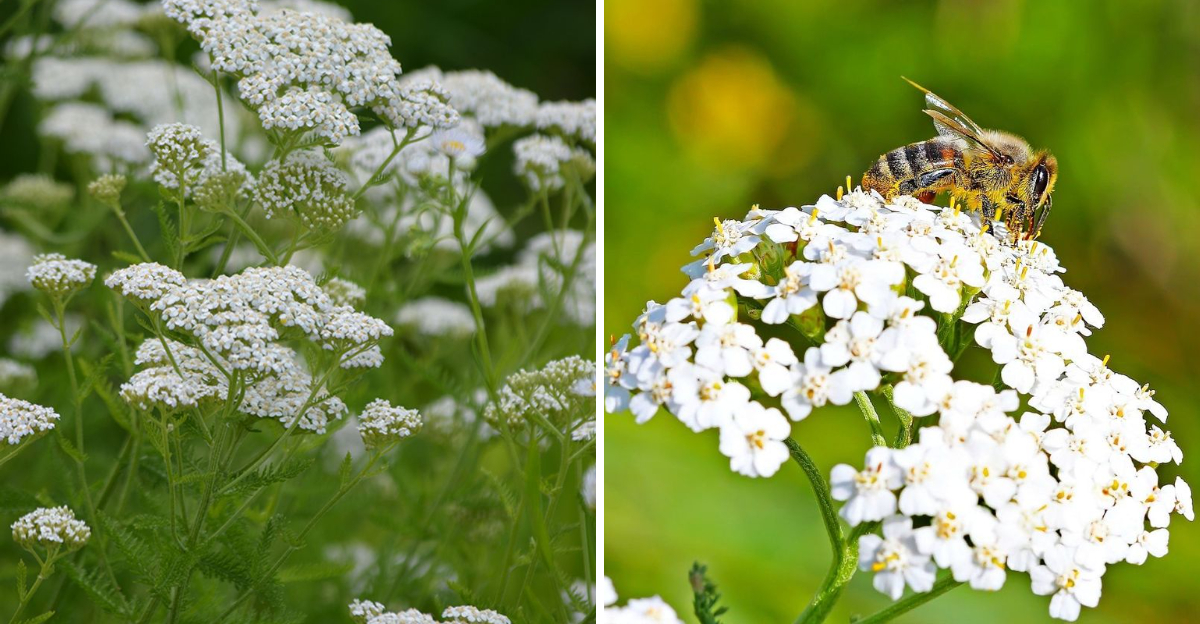
Yarrow is one of those plants that experienced gardeners quietly rely on while everyone else walks right past it at the garden center. It doesn’t have the showiest blooms or the trendiest reputation.
But spend one full season growing yarrow in your Pennsylvania garden and you’ll understand why gardeners who know their plants keep coming back to it year after year. This plant earns its spot in ways that most garden favorites simply don’t.
It blooms generously, attracts an impressive range of pollinators and beneficial insects, handles drought without complaint, and comes back reliably every single year without needing to be fussed over.
In a Pennsylvania summer that can swing between heavy rain and weeks of dry heat, yarrow just keeps going.
Beyond its toughness, yarrow has a long history of practical uses in the garden and beyond that makes it genuinely useful rather than just decorative. Here’s every reason yarrow deserves a permanent place in your Pennsylvania garden.
1. It Handles Dry Spells
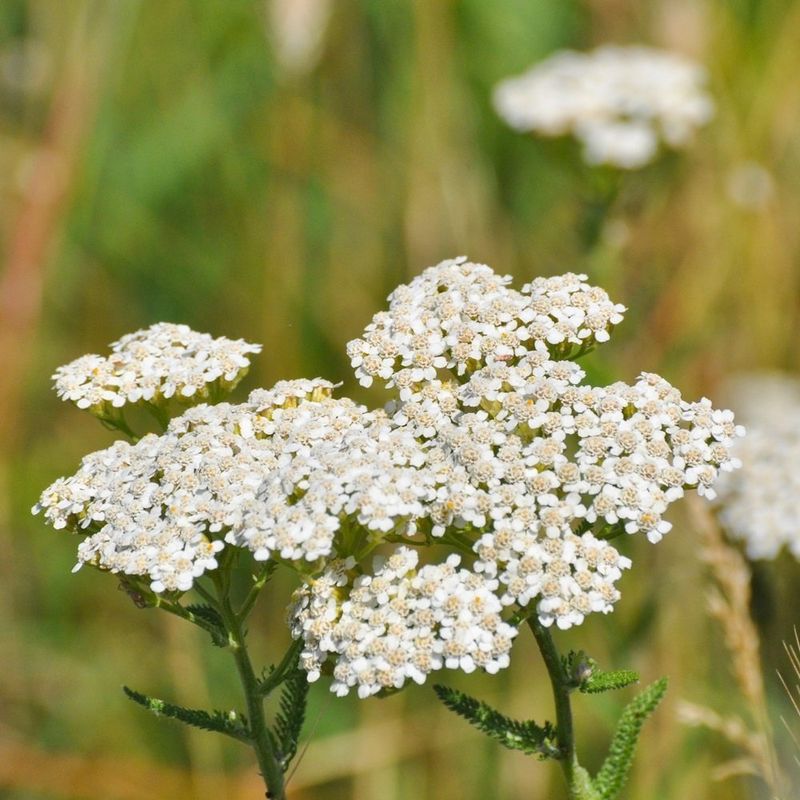
Hot summers in Pennsylvania can be rough on garden plants. Some wilt after just a few days without rain, leaving your beds looking worn out and tired.
Yarrow is built differently. Once it gets settled into your garden, it can handle dry stretches without much help from you.
Yarrow stores moisture well because of its deep root system. Those roots reach down into the soil and find water that shallow-rooted plants simply cannot access.
That is why yarrow keeps looking good even when the top layer of soil dries out fast in July and August.
Gardeners in Pennsylvania often deal with stretches of dry weather between rainstorms, especially in late summer.
Planting yarrow in curbside beds, sunny slopes, or rocky borders is a smart move because those spots tend to drain quickly and dry out faster than other areas. Yarrow thrives exactly where other plants struggle.
You do not need to set up a drip system or drag a hose out every other day just to keep yarrow alive.
Water it regularly while it is getting established during the first season, and after that, let the rain do most of the work. It is one of the most low-maintenance plants you can add to a dry, sunny spot.
Fun fact: yarrow was used by ancient soldiers to help treat wounds in the field, partly because it was so easy to find growing in dry, open ground. Its toughness is legendary, and your garden gets to benefit from that same stubborn strength every single summer.
2. It Loves Full Sun
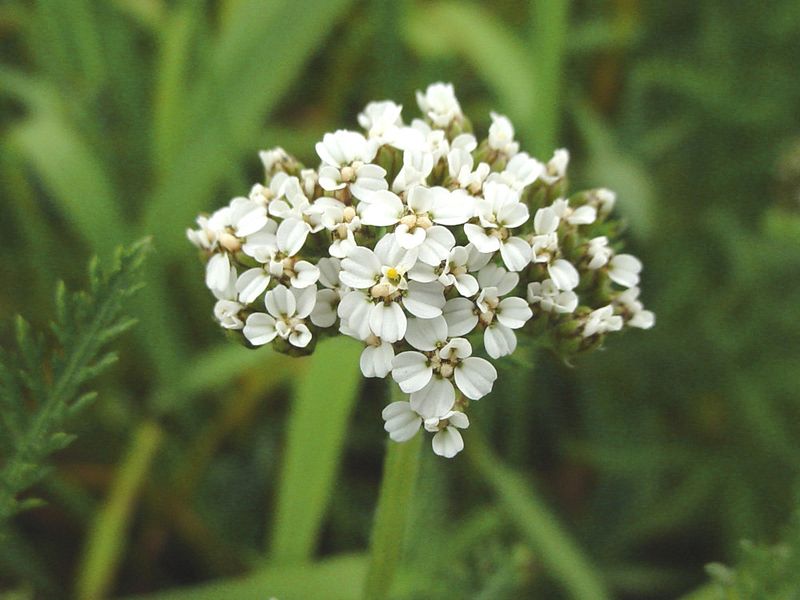
Walk through any open Pennsylvania meadow in midsummer and you will almost certainly spot yarrow soaking up the sunshine. This plant was made for full sun.
Give it at least six hours of direct sunlight each day, and it will reward you with strong upright stems and a full flush of blooms.
When yarrow does not get enough sun, things go sideways fast. The stems get tall and weak, flopping over onto neighboring plants and making the whole bed look messy.
Your Pennsylvania Garden Changes Every Week. Your Plan Should Too.
Gardening in Pennsylvania changes quickly throughout the season. Every Friday you’ll receive a simple weekly plan showing exactly what to plant, prune, fertilize, harvest, and protect so you never miss the right timing.
Rich, damp soil makes this problem even worse. Yarrow actually prefers leaner conditions because that is what keeps it compact and tidy.
Sunny open borders along fences, the edges of driveways, and south-facing beds are all perfect spots for yarrow.
These areas tend to get the most light throughout the day, and they usually have soil that drains well after rain. That combination is exactly what yarrow needs to perform at its best.
If you are redesigning a part of your yard that gets blasted by afternoon sun and you are not sure what to plant there, yarrow is a reliable answer.
Many other flowering perennials fade or struggle in intense heat, but yarrow seems to enjoy it. The brighter and hotter, the better.
Pennsylvania summers can bring intense heat waves, and full-sun garden spots can feel brutal by August. Yarrow handles those conditions without missing a beat.
Pair it with other sun-lovers like coneflowers or black-eyed Susans for a colorful, low-care border that looks great from June right through early fall.
3. It Feeds Pollinators
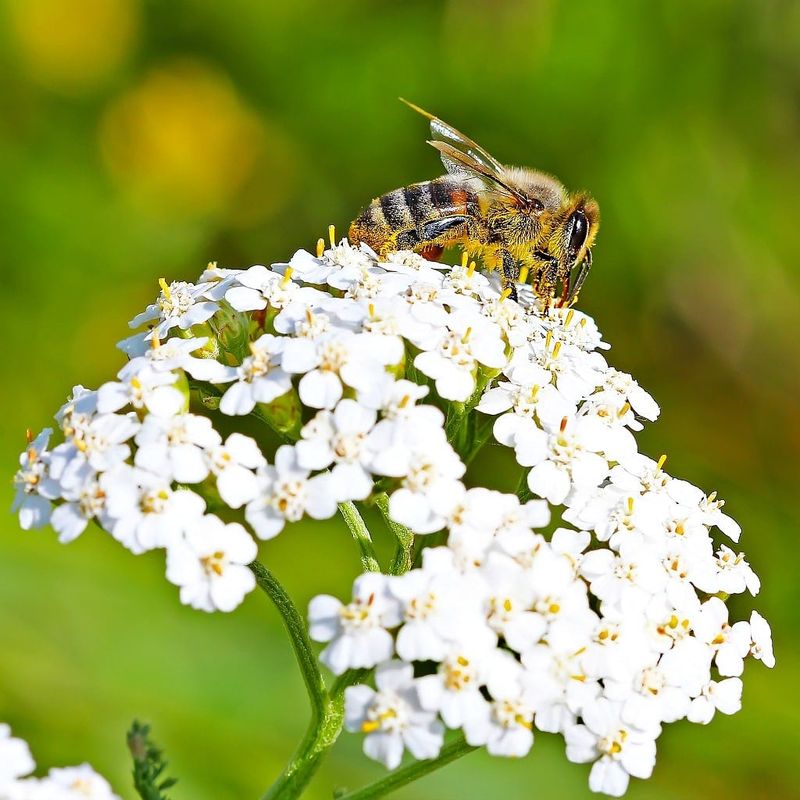
Butterflies, bees, and beneficial insects need reliable food sources all season long. Yarrow delivers exactly that.
Its wide, flat flower clusters act like tiny landing platforms, making it incredibly easy for pollinators to touch down and feed without struggling to reach the nectar.
Bees especially love yarrow. Both honeybees and native bumblebees visit the blooms regularly throughout the summer.
If you stand near a yarrow patch on a warm sunny morning, you will hear it humming with activity. That kind of life in the garden is something you just cannot fake with ornamental plants that offer no food value.
Butterflies are drawn to yarrow too. Species like the painted lady, the cabbage white, and even swallowtails will stop by when yarrow is in full bloom.
Planting a few clumps near your vegetable garden can help draw in more pollinators, which means better fruit and vegetable production for you as a bonus.
Yarrow also supports predatory and parasitic insects that help manage garden pests naturally. Ladybugs, lacewings, and parasitic wasps all find shelter and food among yarrow flowers.
Having those beneficial insects around means you may need fewer chemical sprays to deal with aphids or caterpillars in nearby beds.
Creating a pollinator-friendly garden in Pennsylvania has become more important as wild habitat shrinks. Yarrow is one of the easiest and most effective plants you can add to support local insect populations.
Even a small clump near a sunny fence or garden edge makes a real difference for the creatures that keep our ecosystems running strong.
4. It Blooms For Weeks
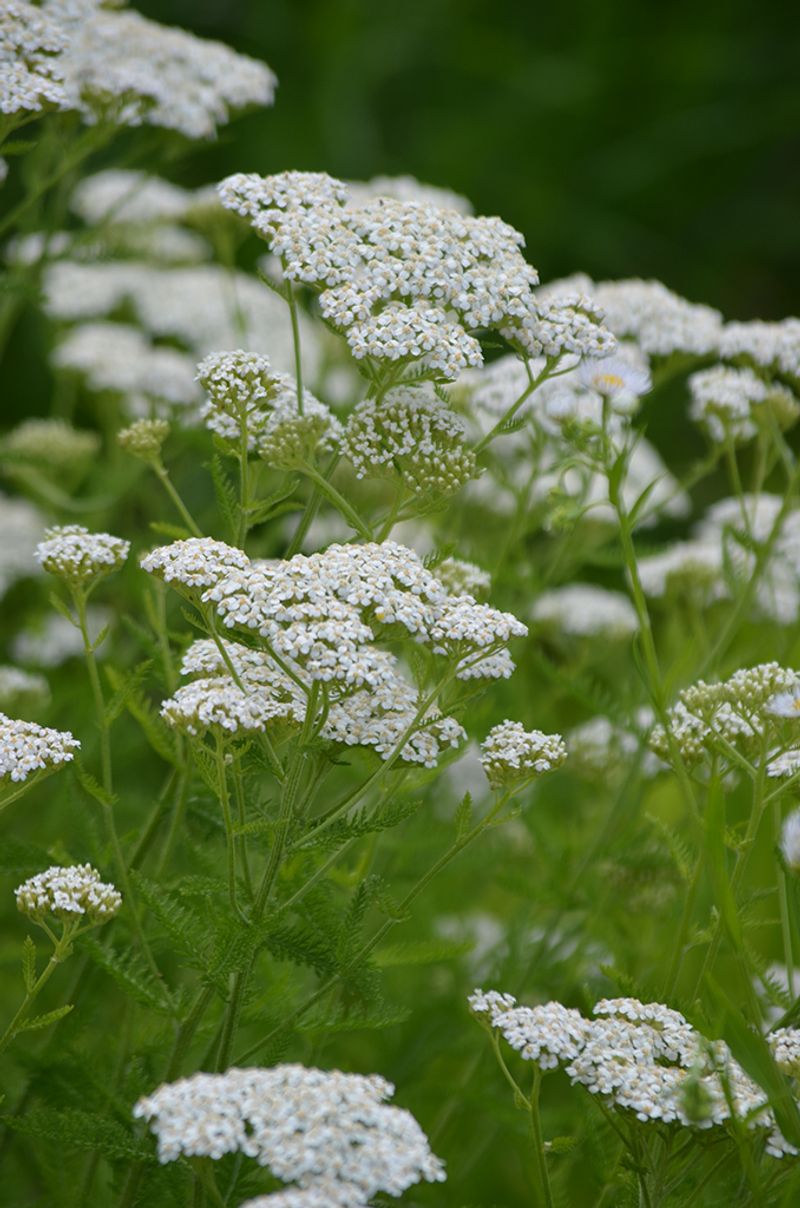
Some perennials give you a week of flowers and then go quiet for the rest of the season. Yarrow is not like that.
Under good conditions, yarrow can bloom for six to eight weeks or even longer, making it one of the best performers in a Pennsylvania summer garden.
The color range is genuinely impressive. Depending on the variety you choose, yarrow blooms can be white, soft yellow, bright gold, coral, peachy pink, deep rose, or rich red.
Mixing a few different varieties in the same bed creates a warm, layered look that stays interesting from early summer into late August.
Deadheading is the secret to keeping yarrow blooming strong. When the flower clusters start to fade and turn brown, snip them off just above the next set of leaves.
New buds will form quickly, and you will get another round of fresh blooms within a week or two. It only takes a few minutes and makes a big visual difference.
Popular varieties like Coronation Gold, Paprika, and Moonshine are well-suited to Pennsylvania gardens.
They hold up well in heat and humidity, and they tend to have stronger stems than some older heirloom types. Checking with a local nursery can help you pick the right one for your specific conditions.
Long-blooming plants are worth their weight in gold when you are trying to keep a garden looking colorful all season.
Yarrow earns that spot in your border by giving you weeks of cheerful flowers without much fuss. Plant it once and enjoy the color it brings back every single summer.
5. It Asks For Little
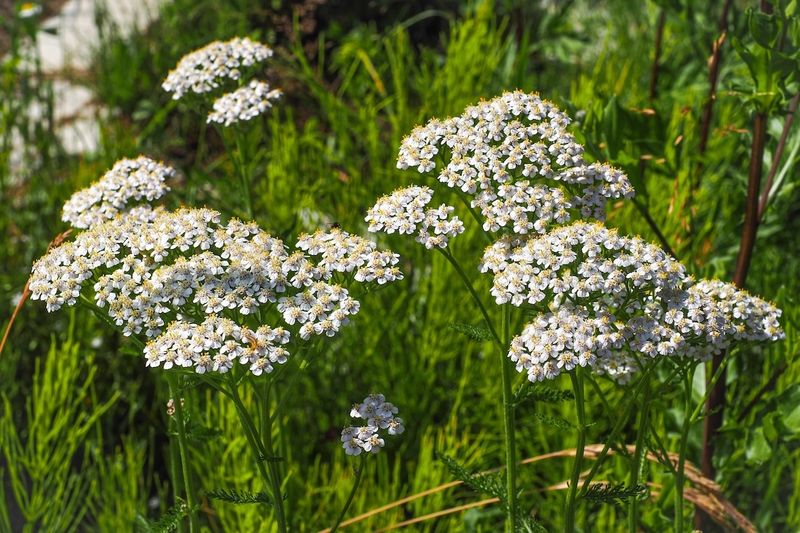
Not every gardener has hours to spend on upkeep each week. Life gets busy, and some plants seem to demand constant attention just to stay alive.
Yarrow goes completely against that pattern. It is one of those rare plants that actually does better when you leave it alone.
Rich soil loaded with fertilizer sounds like it should help any plant grow better, but yarrow is the exception. Too much nitrogen makes the stems tall, weak, and floppy.
Lean soil with good drainage is what keeps yarrow compact, sturdy, and looking its best through the whole growing season.
You also do not need to water yarrow constantly once it is established. Overwatering is actually one of the most common mistakes people make with this plant.
Soggy roots lead to rot and disease, so letting the soil dry out between waterings is actually the right approach. Less is genuinely more with yarrow.
Pest problems are rarely an issue either. Deer tend to avoid yarrow because of its strong herbal scent.
Rabbits usually skip it too. That makes it a particularly good choice for Pennsylvania gardens where deer pressure is a real and frustrating problem for gardeners trying to grow flowers.
At the end of the season, you can cut yarrow back to just a few inches above the ground. It will come back fresh and strong the following spring without any special winter protection in most Pennsylvania growing zones.
No wrapping, no mulching mountains, no fuss. Just cut it down and walk away knowing it will return ready to grow again next year.
6. It Fills Sunny Gaps
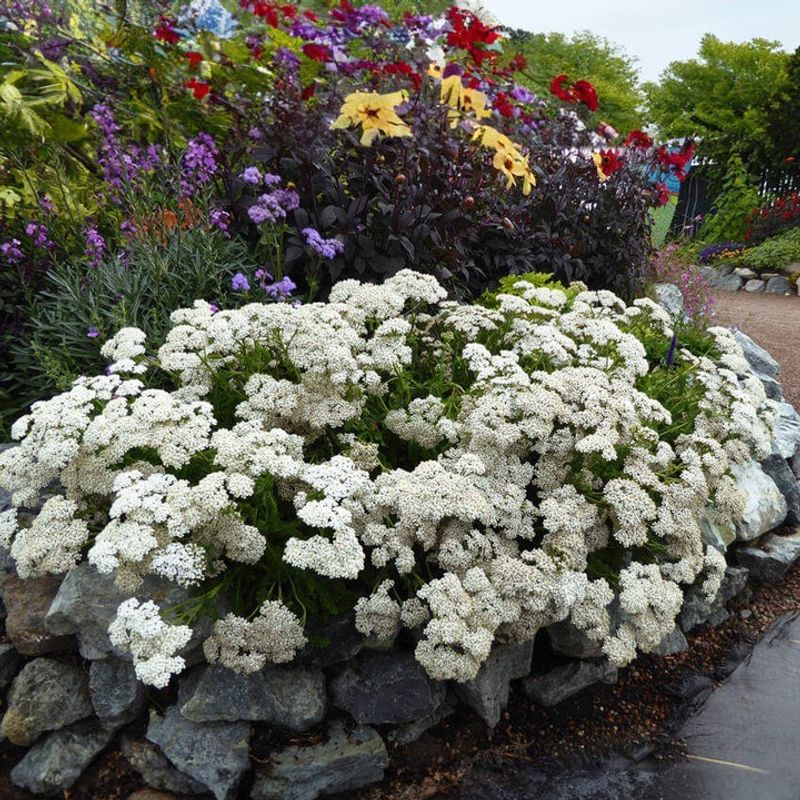
Every garden has those awkward empty patches where nothing seems to want to grow. Maybe it is a strip along the driveway, a sunny bank that erodes in heavy rain, or a wide open border that looks bare after spring bulbs fade.
Yarrow is one of the best plants for filling those kinds of spaces. Yarrow spreads through underground stems called rhizomes. Over time, a single plant will slowly widen into a fuller clump and eventually push into neighboring spaces.
That spreading habit makes it excellent for covering ground in sunny areas where you want low-maintenance color without planting dozens of individual plants.
It can also self-seed if you let the spent flower heads go to seed at the end of the season. Seedlings pop up nearby the following spring and fill in gaps you did not even plan for.
That said, if you want to keep yarrow contained to a specific area, deadhead regularly and divide the clumps every few years to prevent it from wandering too far.
Dividing yarrow is easy and free. In early spring, dig up an established clump, split it into smaller sections with a garden fork or sharp spade, and replant the pieces wherever you need more coverage.
Each division will grow into a full plant within one season, giving you more plants at no extra cost.
Using yarrow as a gap-filler is a smart, budget-friendly strategy for building out a garden over time. It grows quickly, looks great in groups, and keeps sunny bare spots from turning into weed patches. Once it settles in, it holds its ground with very little help from you.