7 Petunia Watering Tips That Actually Keep Blooms Coming In Maryland
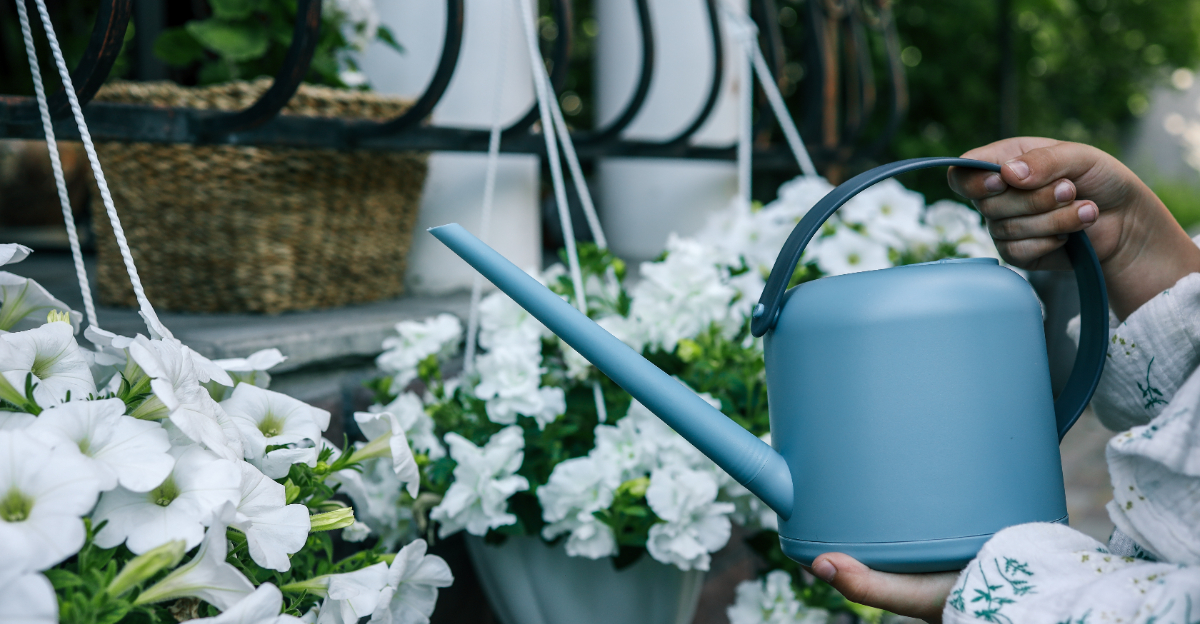
Petunias look easygoing, but they have strong opinions about water.
Too much and the roots suffocate. Too little and the blooms bail on you before summer even peaks.
Most gardeners in Maryland find this out the hard way. Usually around July, when a plant that looked perfect in May starts dropping flowers and looking sorry for itself.
Watering petunias well is less about effort and more about timing, technique, and paying attention to what the plant is actually telling you.
These seven tips cover everything from when to grab the hose to how deep the water needs to go. Follow them consistently and your petunias will keep pushing out blooms long after the neighbors’ have faded.
A little know-how goes a long way with these flowers.
1. Water The Base, Not The Blooms
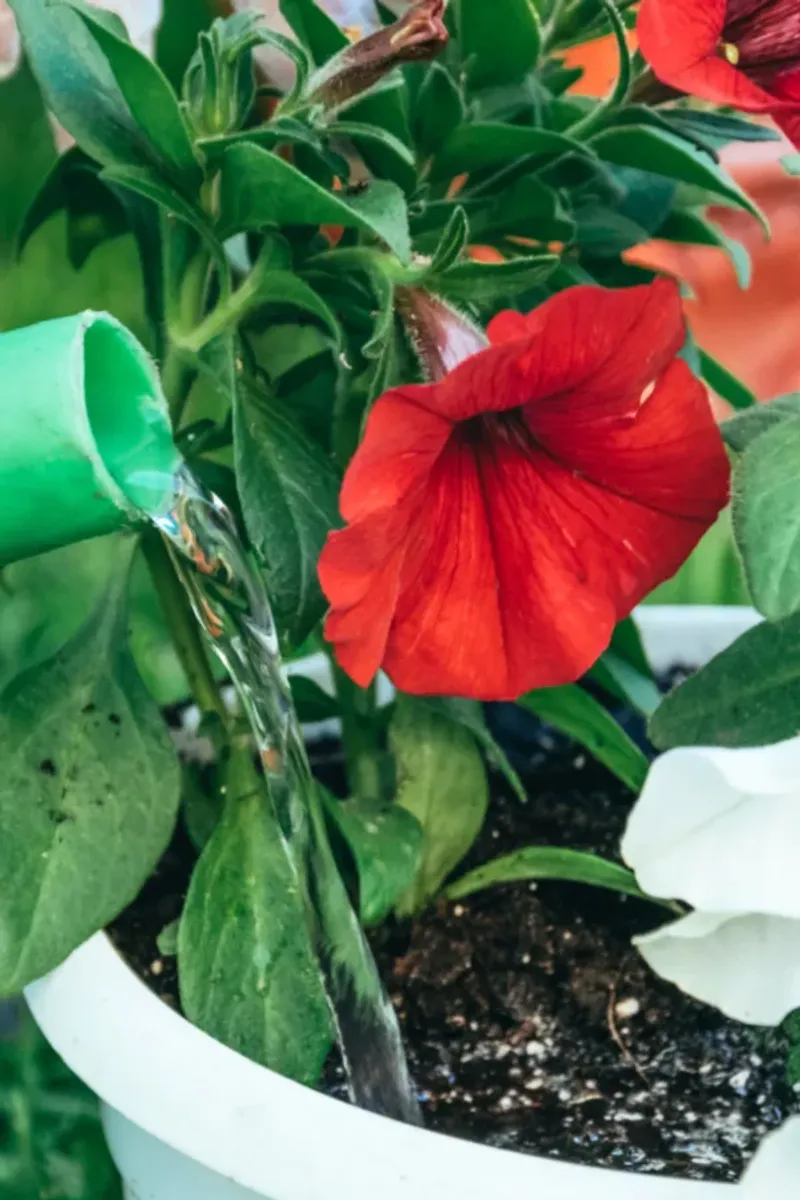
Wet petals are basically an open invitation for trouble. Watering directly on the blooms creates moisture that lingers, and that moisture leads to mold, rot, and faded flowers faster than you would expect.
Aim your hose or watering can at the soil level, right near the base of the plant. The roots are what actually absorb water, so that is exactly where your effort should go.
Think of it like feeding a pet at its bowl instead of tossing food in the air. Precision matters, and petunias genuinely respond better when the water reaches their roots directly.
Watering at the base also keeps the foliage dry, which reduces the chance of fungal disease spreading through your plants. Healthy leaves mean the plant puts more energy into producing those gorgeous blooms you planted it for.
A simple soaker hose works beautifully for in-ground petunias. It delivers steady moisture right where it belongs without splashing anything above the soil line.
For hanging baskets or containers, use a watering wand with a long neck. This tool lets you reach under the leaves and get water directly to the roots without disturbing the flowers above.
Most petunias in containers need this approach even more than garden beds do. Pots concentrate the root zone, so any water that lands on foliage instead of soil is essentially wasted effort.
Consistent base watering is one of the simplest habits that separates struggling petunias from thriving ones.
Once you build this routine into your gardening day, you may start to notice a difference in bloom quality within a few weeks.
2. Morning Is The Best Time To Water Petunias
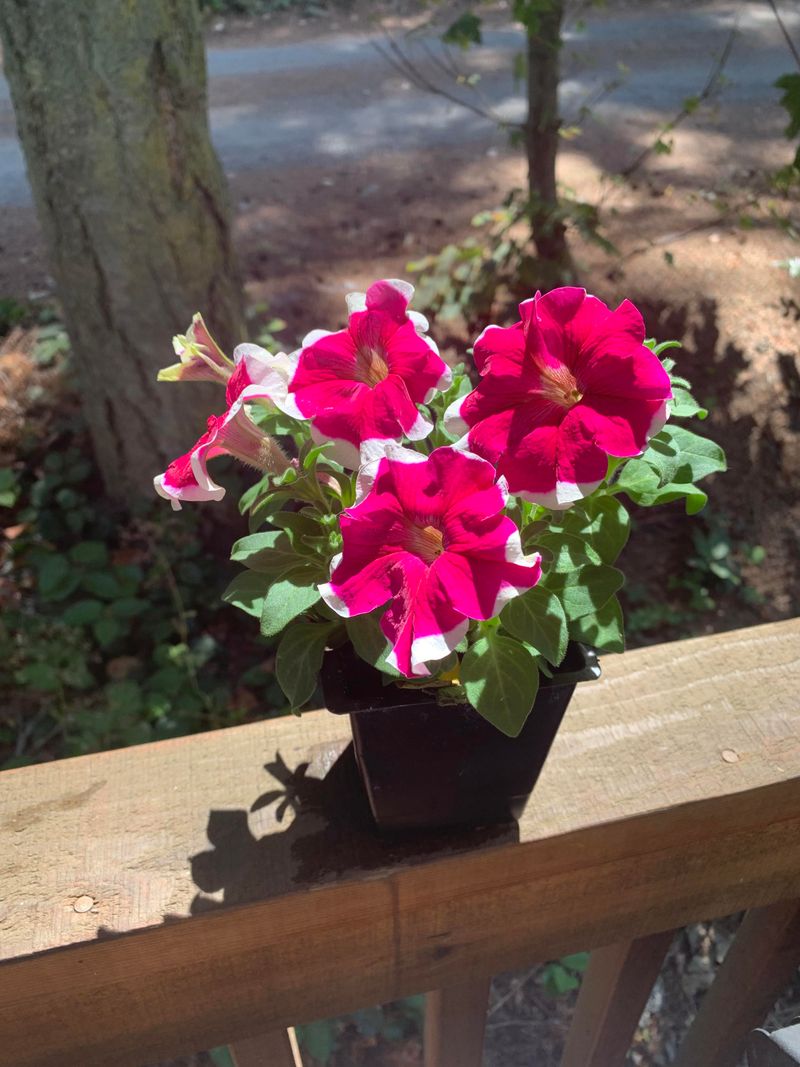
There is something almost magical about a garden in the early morning. The air is cool, the light is soft, and your petunias are ready to soak up every drop you give them.
Morning watering gives the soil time to absorb moisture before the afternoon heat arrives. Any water that splashes on leaves has plenty of time to dry out before evening, which cuts down on fungal problems significantly.
Evening watering is generally less ideal, particularly if any moisture lands on leaves or blooms. Wet foliage overnight can create conditions that encourage fungal issues over time.
Your Maryland Garden Changes Every Week. Your Plan Should Too.
Gardening in Maryland changes quickly throughout the season. Every Friday you’ll receive a simple weekly plan showing exactly what to plant, prune, fertilize, harvest, and protect so you never miss the right timing.
Midday watering is not ideal either, since the sun can evaporate a portion of what you apply before it fully soaks in, making midday sessions less efficient. You end up wasting water and leaving your petunias thirsty.
Aim to water your petunias between 6 a.m. and 10 a.m. for the best results. This window gives roots a full drink and lets the surface dry out well before temperatures drop at night.
Maryland mornings in late spring and early summer are genuinely pleasant for this kind of routine. Temperatures are still comfortable, the soil is receptive, and you get a chance to check on your plants before the day heats up.
If your schedule makes morning watering tough, try setting up a simple drip irrigation timer. It handles the job for you automatically and keeps your plants on a consistent schedule.
Consistency is what petunias crave most when it comes to hydration. Water them at the same time each morning, and they will reward you with dense, colorful blooms that last well into the season.
3. Check The Soil Before You Reach For The Hose
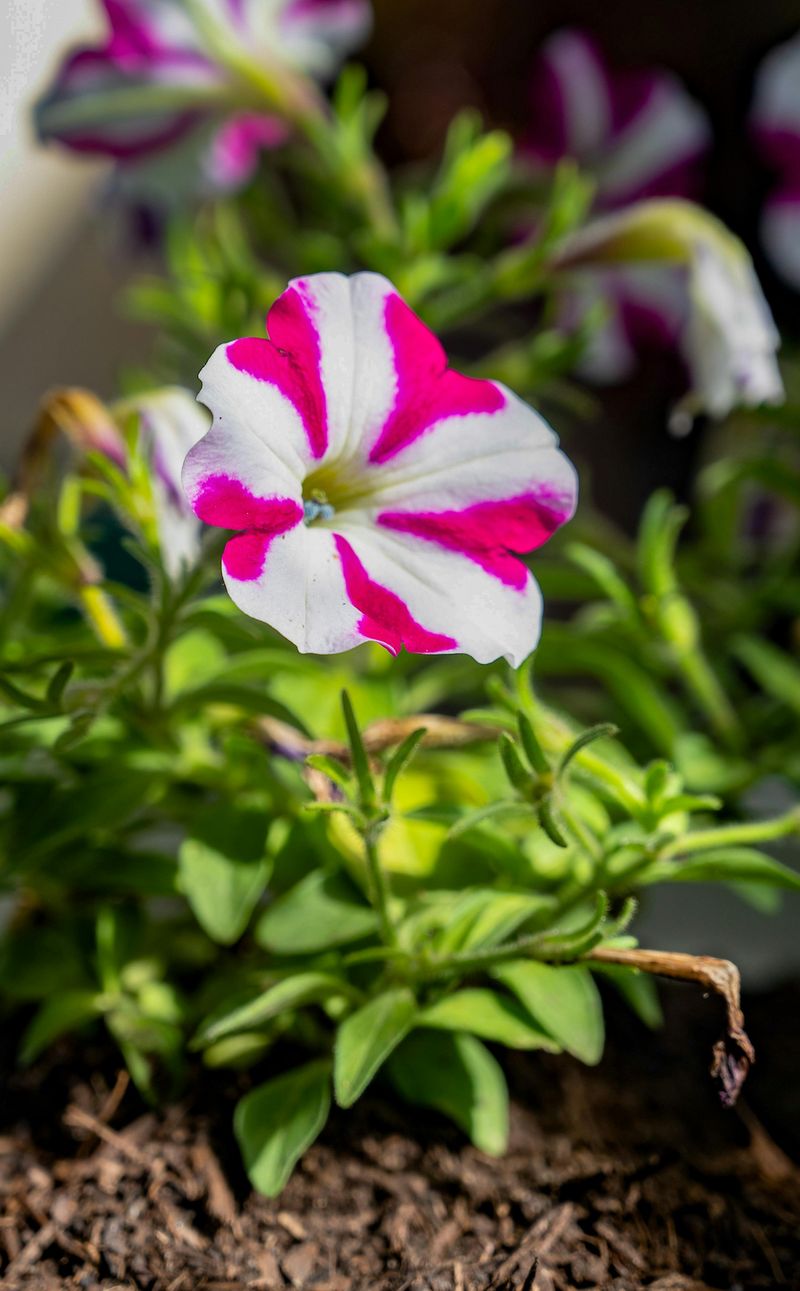
Not every dry-looking day means your petunias are thirsty. Overwatering is actually one of the top reasons petunias stop blooming, and it all starts with watering on autopilot.
Before you grab the hose, press your finger about an inch into the soil near the plant base. If the soil feels moist at that depth, hold off and check again the next day.
If the soil feels dry an inch down, that is your green light to water. This simple finger test takes five seconds and saves you from a lot of unnecessary damage.
Container petunias dry out faster than those planted in garden beds. You may need to check pots once or even twice a day during hot stretches, since smaller volumes of soil lose moisture quickly.
Soil moisture meters are also a helpful tool if you want something more precise than the finger method. They are inexpensive, easy to use, and take the guesswork out of the whole process.
Petunias in Maryland summers can be deceptive that way. The surface soil bakes dry within hours, but an inch down it can still hold plenty of moisture from the night before.
Yellowing leaves on petunias often signal overwatering rather than drought stress. Many gardeners see yellow and immediately add more water, which only makes the problem worse.
Learning to read your soil is one of the most empowering skills in gardening. Once you trust what you feel under your fingertips, you stop second-guessing yourself and start growing petunias with real confidence.
4. Water Deeply But Less Often
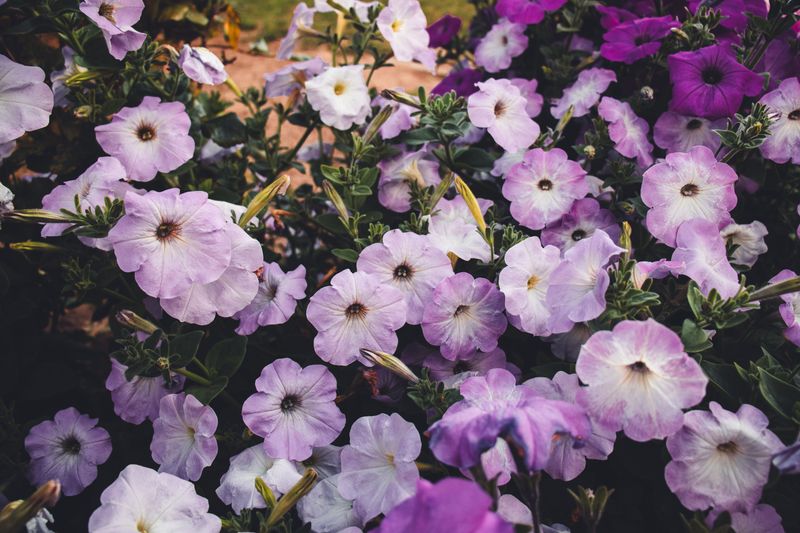
Shallow, frequent watering trains roots to stay near the surface. That makes petunias more vulnerable to heat stress and drought, which is the opposite of what you want during a long summer.
Deep, less frequent watering encourages roots to grow further down into the soil. Deeper roots can access moisture that surface roots never reach, making your plants more resilient overall.
A good deep watering session means the moisture penetrates at least six inches into the soil. You can check this by digging a small hole nearby an hour after watering to see how far down it reached.
For most climates, watering petunias thoroughly every two to three days is a solid starting point. Adjust based on heat, rainfall, and whether your plants are in containers or in the ground.
Container petunias may need deep watering daily during peak summer heat. Water until it flows freely from the drainage holes at the bottom of the pot, which confirms the entire root zone got moisture.
Maryland summers can push temperatures well into the nineties for weeks at a time. During those stretches, even in-ground petunias may need more frequent attention than the usual schedule allows.
In-ground petunias have more soil buffer to work with, so they can handle slightly longer gaps between waterings. Still, never wait so long that the soil becomes bone dry and cracked.
Petunia watering done deeply and deliberately builds stronger, more productive plants. Roots that stretch deep are roots that keep feeding those blooms even when the weather gets tough.
5. Never Let Petunias Sit In Standing Water
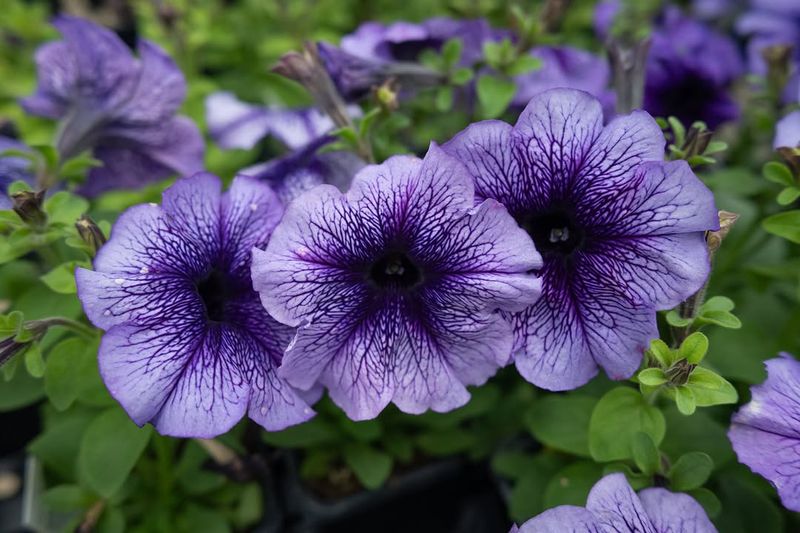
Standing water is the silent enemy of healthy petunias. Roots that sit in pooled water cannot breathe properly, and oxygen-starved roots lead to root rot faster than most gardeners realize.
Root rot does not announce itself with obvious signs right away. By the time you notice wilting or blackened stems, the damage is already deep inside the root system.
For container petunias, always make sure your pots have drainage holes at the bottom. If water collects in the saucer beneath the pot, empty that saucer within thirty minutes of watering.
Raised beds and garden borders with good soil structure naturally drain well. But if your yard has clay-heavy soil, water can pool around roots and cause the same problems as a pot without drainage.
Maryland’s combination of summer humidity and heavy rain events makes this especially relevant. A well-draining setup that works fine in spring can become a soggy trap once August storms roll through.
If you are not sure whether your soil drains well, pour a small amount of water in a spot and watch how quickly it disappears. Slow absorption is a reliable sign that your soil needs amending before you plant.
Improving drainage in clay soil is easier than it sounds. Mix in compost, perlite, or coarse sand to loosen the soil structure and help water move through more freely.
When choosing containers for petunias, always pick ones with multiple drainage holes rather than just one. A single small hole can clog with soil and roots over time, trapping water below.
Petunias are thirsty plants, but they need air around their roots just as much as moisture. Keep water moving through the soil, not sitting in it, and your blooms will stay strong all season.
6. Increase Watering Frequency During Summer Heat
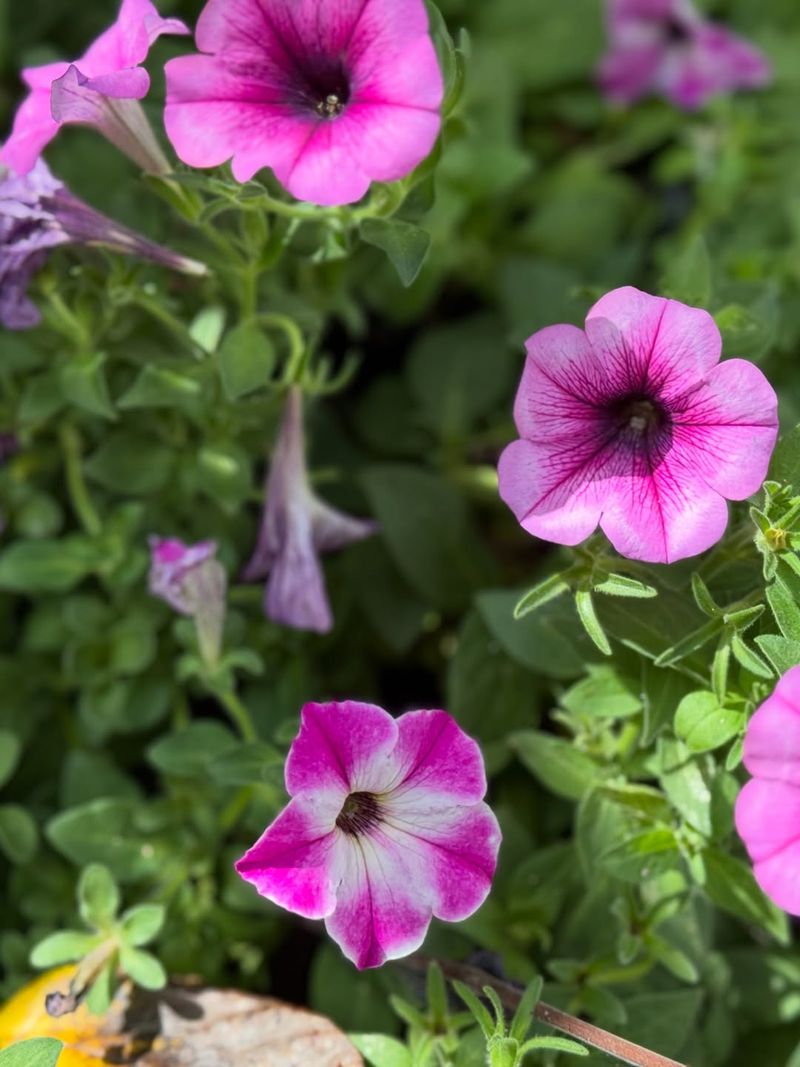
Summer heat hits petunias hard, and they will tell you about it. Wilting in the afternoon sun is a clear signal that your watering schedule needs to shift with the season.
When temperatures climb above 85 degrees, the soil in containers can dry out completely within a single day. Checking moisture levels more frequently during heat waves is not optional, it is essential.
In-ground petunias also need more attention during peak summer weeks. Even well-established plants with deep roots can struggle when heat is relentless and rain is nowhere in sight.
Bump up your watering schedule gradually as summer heats up rather than waiting for plants to show stress. Stressed petunias drop buds and slow bloom production, which takes time to reverse.
Watering twice a day may become necessary for container plants during the hottest stretches. Morning and late afternoon sessions keep roots consistently moist without leaving plants wet overnight.
Maryland gardeners know this rhythm well. The stretch from mid-July through August tends to be the real test, where consistent attention separates thriving plants from ones that simply survive.
Shade cloth is another tool worth considering during extreme heat. A lightweight cover over your petunias during the hottest part of the afternoon helps reduce soil evaporation and eases heat stress on leaves.
Petunia watering during summer is less about sticking to a schedule and more about staying observant. Touch the soil, watch the leaves, and respond to what your plants are actually telling you.
7. Add Mulch To Lock In Moisture Between Waterings
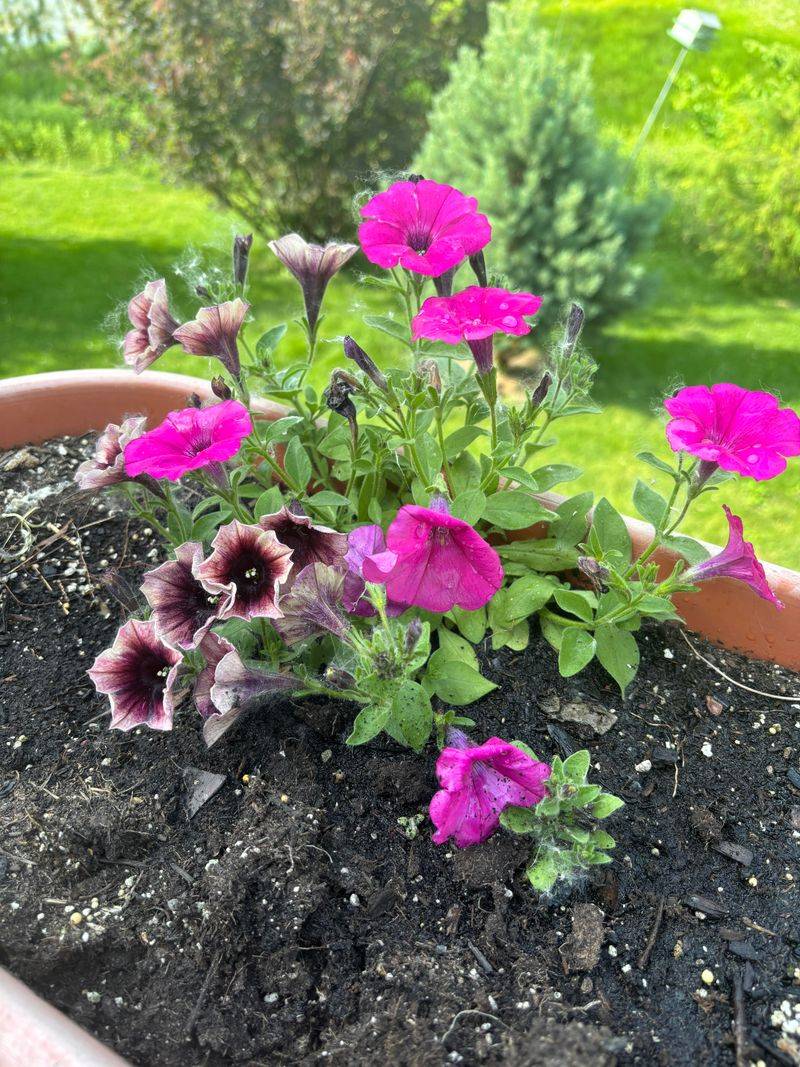
Mulch is one of the most underrated tools in a gardener’s toolkit. A simple two-inch layer around your petunias can noticeably reduce soil moisture loss on hot days, helping you water less often.
Organic mulches like shredded bark, straw, or wood chips work especially well for flower beds. They break down slowly over time, feeding the soil with nutrients while keeping moisture locked in below.
Apply mulch after watering so you are sealing in moisture that is already there. Spreading it over dry soil just insulates the dryness, which is not helpful for your petunias at all.
Keep mulch a few inches away from the base of each plant stem. Direct contact between mulch and stems can trap moisture against the plant and create conditions for rot to develop.
In Maryland, where summer humidity already makes everything feel wetter than it is, this spacing matters more than most gardeners think. Mulch piled against stems in humid conditions can cause damage surprisingly quickly.
In containers, a thin layer of pea gravel or decorative stone on top of the soil slows evaporation noticeably. It also gives your pots a polished, finished look while serving a practical purpose.
Mulch also moderates soil temperature, keeping roots cooler during hot afternoons. Cooler roots absorb water more efficiently, which means every watering session goes further for your plants.
Combining smart petunia watering habits with a good layer of mulch creates a system that practically runs itself. Your blooms stay fuller longer, your watering chores get easier, and your garden looks like you really know what you are doing.