Native Georgia Plants To Grow Instead Of Bradford Pear Along Driveways And Property Lines
A tree can look like the perfect choice when it is young. Fast growth, showy flowers, and a neat shape make it easy to see why so many people plant them along driveways and property lines.
The problem is that what looks great during the first few years is not always what works best over the long run.
That is why more people are taking a second look at the trees growing around their property. A tree is one of the biggest landscape decisions anyone can make.
It affects shade, maintenance, curb appeal, and how a yard looks in every season.
Georgia is home to many native trees that are well adapted to local conditions and bring plenty of beauty without creating extra headaches. Some put on an impressive flower display, some provide excellent shade, and others create a natural screen.
A few deserve far more attention than they usually get when new trees are being chosen.
1. American Hornbeam Handles Tight Spaces Better
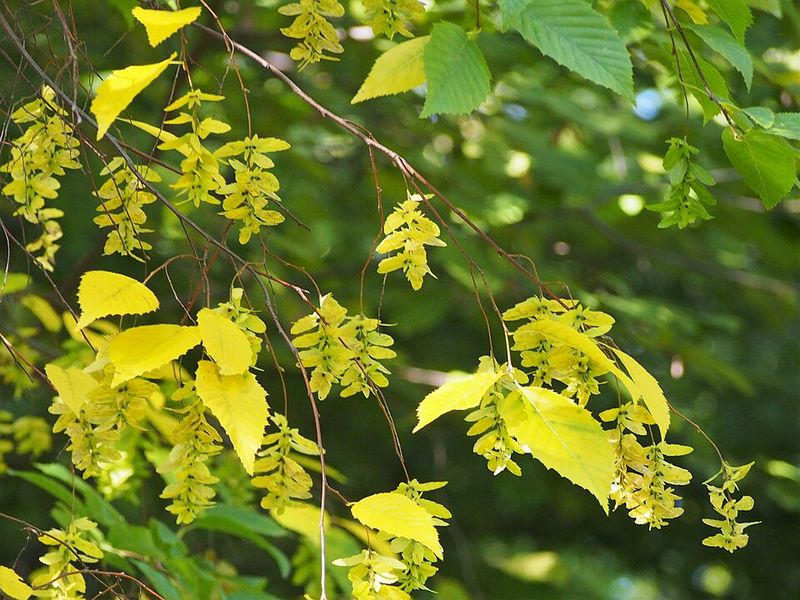
Forget squeezing a big tree into a narrow strip of land. American Hornbeam is built for exactly that situation.
It stays compact, rarely topping 30 feet, and grows slowly enough that you won’t need to prune it constantly.
Its smooth, muscle-like gray bark is one of the most distinctive features of any native tree. Even in winter, when the leaves are gone, it looks interesting.
That kind of year-round presence is hard to find in a small tree.
Hornbeam thrives in moist, shaded spots that other trees struggle with. Along shaded driveways or near low areas where water collects, it holds its own without complaint.
It handles clay soils reasonably well too, which matters in many yards across the region.
Fall color runs from orange to deep red, giving you a real show before winter. Birds feed on the small nutlets it produces each year.
Planting it along a property line gives wildlife a reliable food source while keeping your boundary looking sharp.
One thing to keep in mind: Hornbeam grows slowly. Expect a few years before it really fills in.
Patience pays off, though. Once established, it needs very little care and holds its shape naturally without aggressive trimming or staking.
It also adapts well to life beneath taller trees, making it a dependable choice for spots where larger shade trees would struggle to establish.
2. Serviceberry Brings Multi-Season Interest
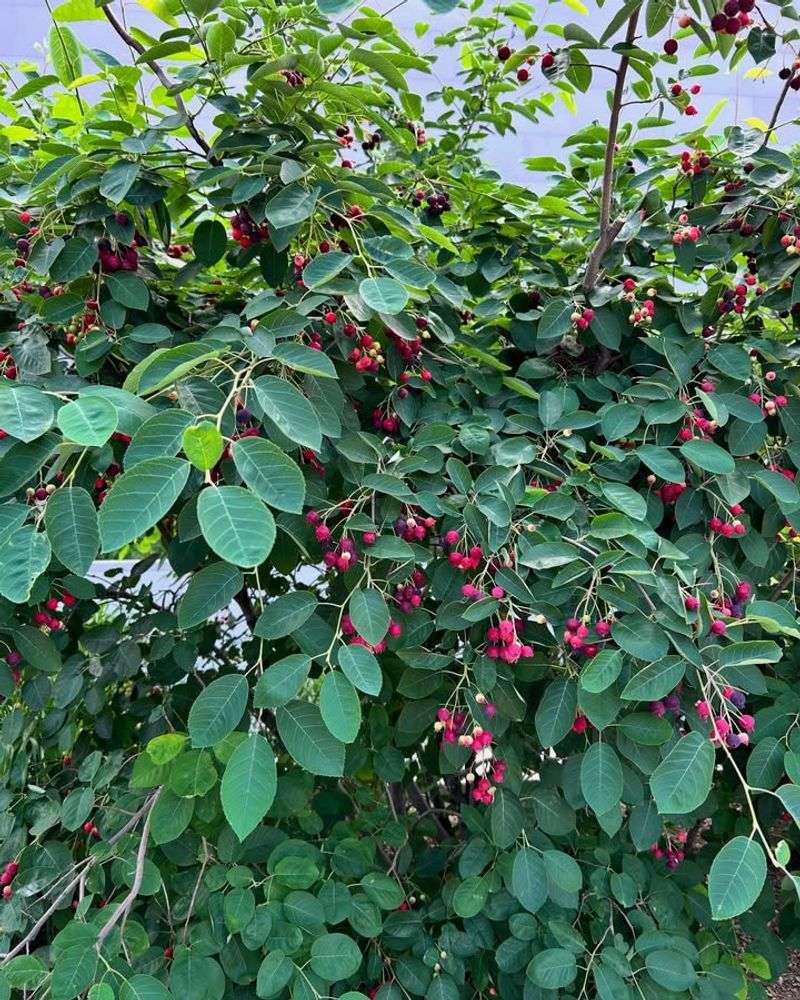
Most trees earn their keep in one season. Serviceberry earns it in four.
White flowers open in early spring, sometimes even before the last frost risk passes. Then come the berries, ripe and sweet by early summer, loved by birds almost immediately after they color up.
Summer foliage is clean and attractive, holding a medium green through the warmest months. Then fall arrives and the leaves shift to orange, red, and sometimes deep burgundy.
Few native shrubs or small trees match that kind of seasonal progression.
Size-wise, Serviceberry fits almost anywhere. Most varieties grow between 15 and 25 feet tall with a relatively narrow spread.
Your Georgia Garden Changes Every Week. Your Plan Should Too.
Gardening in Georgia changes quickly throughout the season. Every Friday you’ll receive a simple weekly plan showing exactly what to plant, prune, fertilize, harvest, and protect so you never miss the right timing.
That makes it practical for tight driveway borders or fence lines where a wide canopy would cause problems.
Soil flexibility is a real strength here. Serviceberry handles both moist and moderately dry conditions, adjusting to what it gets without too much stress.
It does prefer well-drained ground, so avoid planting in spots where water pools for more than a day after rain.
Attracting wildlife is almost guaranteed. Cedar waxwings, robins, and bluebirds all target Serviceberry fruit heavily.
If you want berries for yourself, you may need to act fast before the birds get there first. Either way, planting a row of these along your property line creates a living habitat that supports local wildlife through multiple seasons.
3. Blackgum Stands Up To Changing Conditions
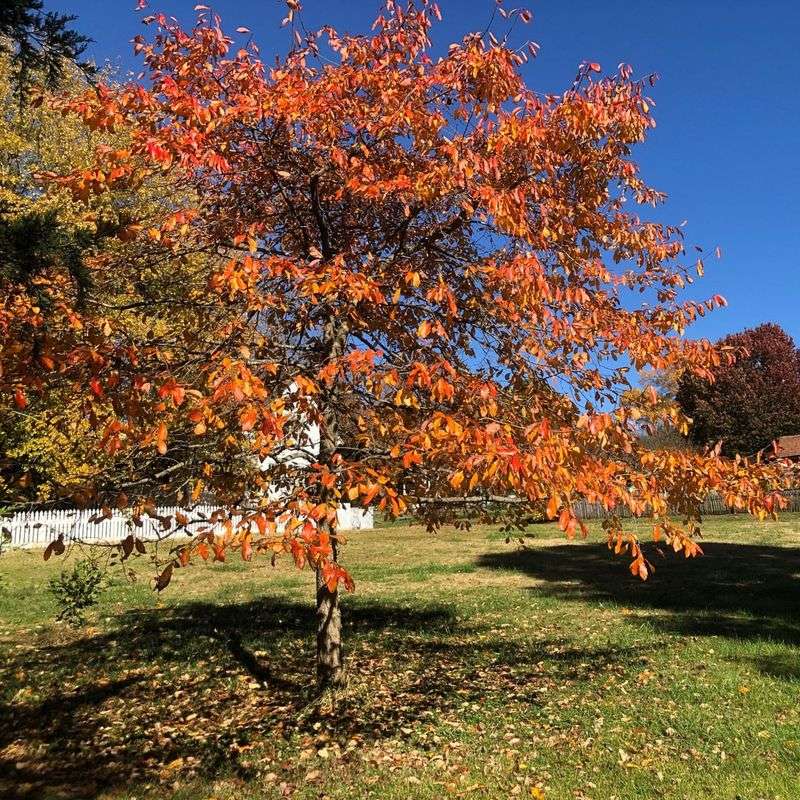
Blackgum is one of the toughest native trees you can plant. It handles wet feet, dry spells, and heavy clay without flinching.
That kind of resilience is exactly what you need along a driveway or property line where conditions shift constantly.
Fall color is genuinely stunning. Leaves turn scarlet, orange, and sometimes deep burgundy weeks before most other trees even begin to change.
A row of Blackgums along a long driveway becomes a seasonal landmark that neighbors notice every October.
Growth rate is moderate, so don’t expect instant results. But the payoff is a long-lived, structurally strong tree that rarely needs corrective pruning.
Bradford Pear is notorious for splitting apart in storms. Blackgum simply doesn’t have that problem.
Small, dark blue fruits ripen in late summer and early fall. Songbirds and larger species like wood thrushes feed on them heavily during migration season.
Planting several trees in a line gives passing birds a reliable stop along their route.
Mature height ranges from 30 to 50 feet depending on site conditions. For property lines, spacing trees 20 to 25 feet apart creates a natural screen without overcrowding.
Blackgum transplants best when young, so start with a small nursery specimen rather than trying to move an established tree. Give it time and it will reward you with decades of dependable beauty.
4. Sweetbay Magnolia Fits Smaller Landscapes
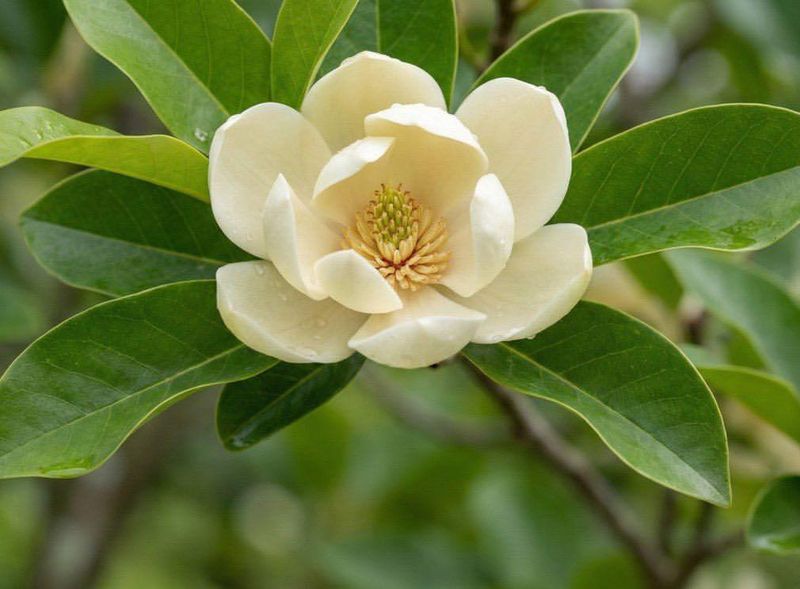
Sweetbay Magnolia punches above its weight class. Creamy white blooms appear in late spring and keep coming sporadically through summer.
Each flower carries a light, sweet fragrance that you can smell from a few feet away on a warm evening.
Unlike the massive Southern Magnolia, Sweetbay stays manageable. Most specimens reach 10 to 20 feet, with some growing slightly taller in ideal conditions.
That restrained size makes it a smart pick for narrower driveways and smaller lot lines where space is limited.
Leaves are glossy green on top and silvery white underneath. When a breeze moves through, the two-toned foliage creates a shimmering effect that looks almost ornamental.
In milder winters, Sweetbay holds many of its leaves well into the cold months.
Wet soil is not a problem for this tree. Sweetbay actually thrives near drainage areas, low spots, and locations where water lingers after rain.
Most ornamental trees struggle in those conditions, but Sweetbay handles them without issue.
Red seeds appear in fall, tucked inside cone-like fruits. Birds pick at them quickly once exposed.
Planting Sweetbay near a fence line or driveway edge adds fragrance, wildlife value, and seasonal interest all at once. It’s a solid replacement for Bradford Pear in spots where a mid-sized, low-maintenance flowering tree is exactly what the space needs.
5. Fringe Tree Produces A Memorable Spring Display
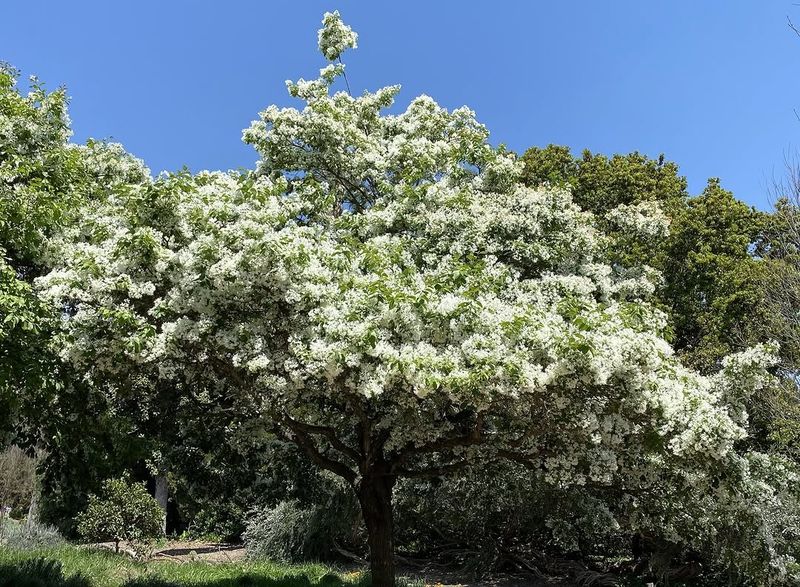
Seeing a Fringe Tree in full bloom stops you cold. Clusters of wispy, white, thread-like flowers drape across the entire canopy in mid-spring, creating a cloud-like effect unlike anything else in a native plant lineup.
It’s genuinely one of the showiest native trees available in the region.
Fringe Tree grows slowly, reaching 12 to 20 feet at maturity. That slow pace means careful placement matters.
Pick your spot thoughtfully because moving a mature specimen is not realistic. Along a driveway or property edge, it makes a bold focal point rather than a background plant.
Male and female trees exist separately, and male trees tend to produce heavier flower displays. If maximum bloom impact is the goal, seek out a male specimen at your local native plant nursery.
Female trees produce small, olive-like fruits that birds find attractive in late summer.
Fringe Tree adapts to a range of soil types, including clay. It handles both sun and partial shade, which gives you flexibility when placement options are limited.
Consistent moisture during the first two growing seasons helps it establish roots before summer heat arrives.
Pollinators respond enthusiastically to the blooms. Native bees and early butterflies visit regularly while the flowers are open.
Pairing Fringe Tree with other spring bloomers along a fence line creates a layered display that extends the season and keeps the landscape looking active from early spring through midsummer.
6. Eastern Redbud Delivers Spring Color Without The Problems
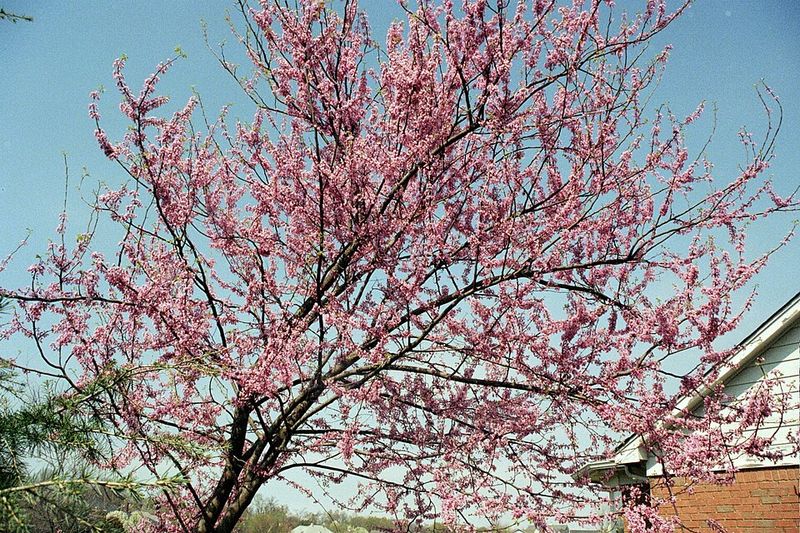
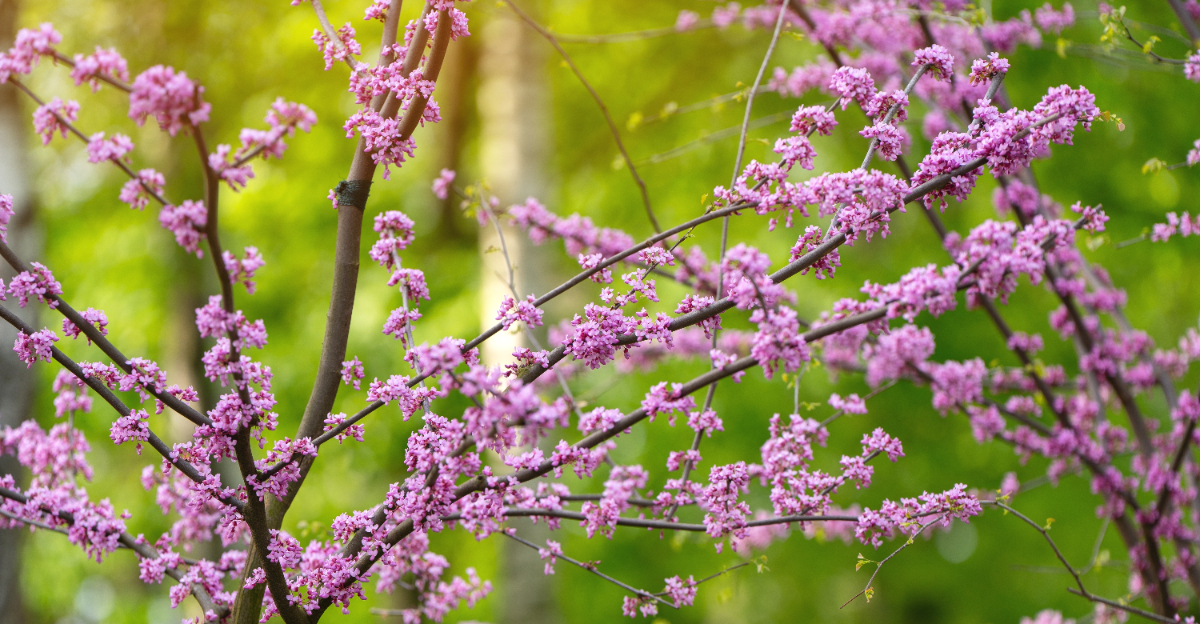
Nothing announces spring like a Redbud in full bloom. Bright pink-purple flowers coat every branch before a single leaf appears.
Planted along a driveway, a row of Redbuds creates a tunnel of color that stops people in their tracks.
Eastern Redbud tops out around 20 to 30 feet with a graceful, spreading canopy. It fits comfortably along property lines without overhanging roads or crowding structures.
That moderate size makes it far more practical than Bradford Pear ever was.
Heart-shaped leaves follow the bloom and stay attractive all summer. Some varieties develop purple or burgundy foliage, which adds contrast against green lawns and neighboring plants.
Fall color is typically yellow, offering a clean finish to the growing season.
Redbuds grow in a range of soil types, including clay-heavy ground common in many Georgia yards. They prefer some afternoon shade in the hottest months, which helps them stay healthy during summer heat.
Avoid planting in areas that stay soggy after rain.
Wildlife benefits are real. Bees swarm Redbud flowers early in spring when few other blooms are available.
That early nectar source matters a lot for native pollinators just becoming active. Songbirds occasionally feed on the seed pods that hang on through fall and winter, giving the tree added value long after the blooms fade.
7. American Holly Creates Natural Privacy
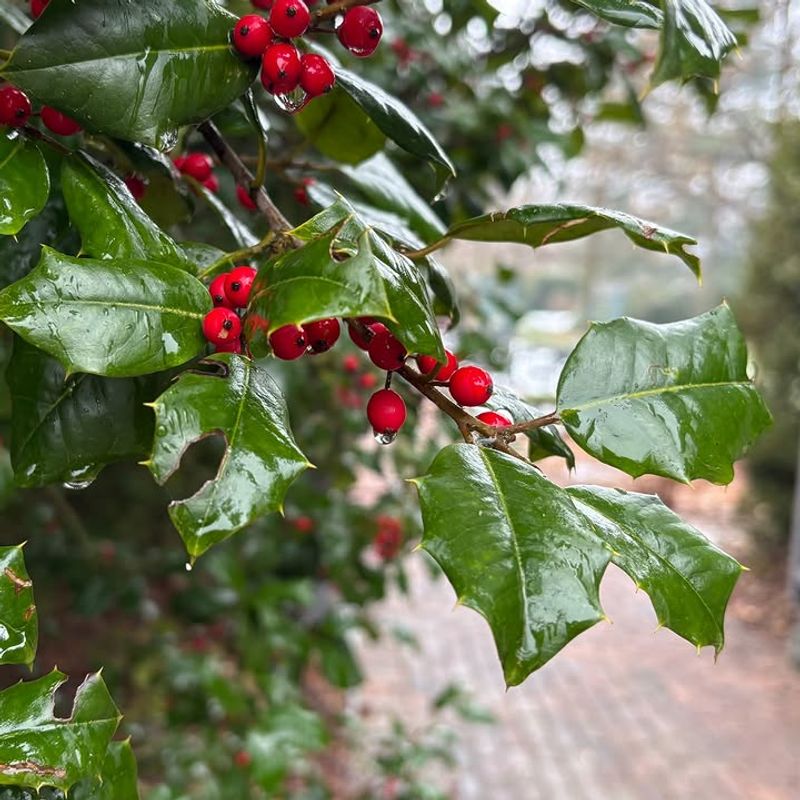
Privacy without a fence is possible. American Holly grows into a dense, upright tree that blocks sightlines year-round because it keeps its leaves through winter.
Along a property line, a row of mature hollies forms a solid green wall that looks sharp in every season.
Red berries appear in fall and persist through winter, sometimes lasting until early spring if birds don’t strip them first. That pop of red against dark green foliage makes American Holly one of the most visually striking native trees during the coldest months of the year.
Height at maturity ranges from 15 to 50 feet depending on conditions and variety. Columnar forms exist that stay narrow, which works well in tight spaces along driveways or fence lines.
Check the specific cultivar before buying to make sure the mature size fits your space.
Holly is adaptable to a wide range of soils, including clay and sandy ground. It handles both wet and dry conditions once established.
Full sun produces the densest growth and most berries, though it tolerates partial shade without major issues.
You need both male and female plants for berry production. One male plant can pollinate several females nearby.
Many nurseries sell them in paired sets to simplify the process. Birds like cedar waxwings and mockingbirds rely heavily on holly berries during winter, making this tree a vital habitat plant along any property line in the region.
8. Chickasaw Plum Supports Wildlife Throughout The Year
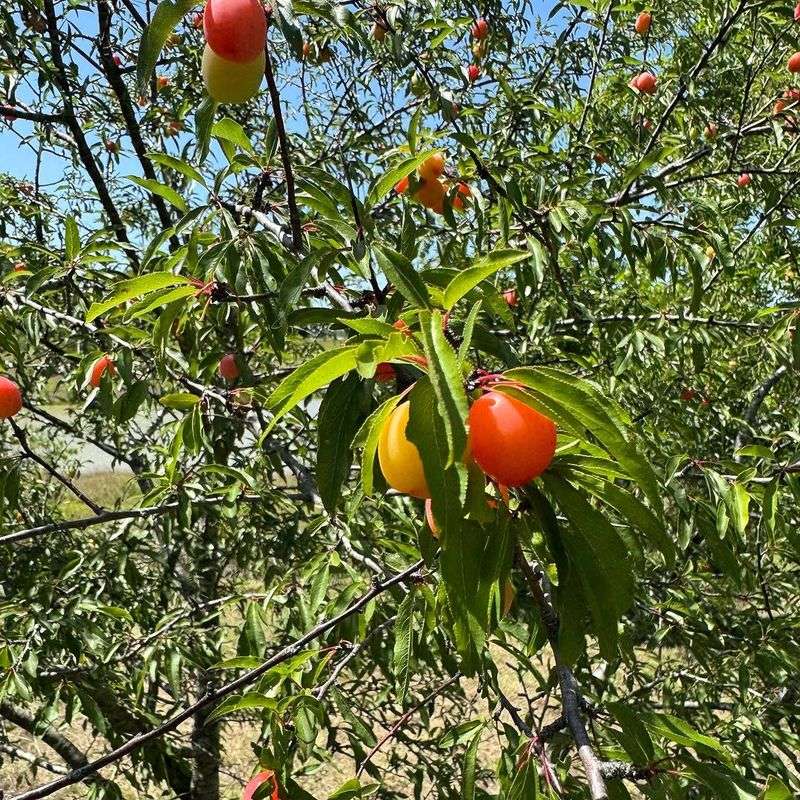
Chickasaw Plum is a workhorse for wildlife. White flowers blanket the entire plant in late winter to early spring, offering one of the earliest nectar sources available to native bees and butterflies.
That early bloom window matters more than most gardeners realize.
Small red and yellow plums ripen by midsummer. Songbirds, mammals, and even box turtles eat the fruit.
If you want to sample them yourself, they’re tart but edible, and some people use them for jams and jellies. Either way, the fruit doesn’t go to waste.
Dense branching makes Chickasaw Plum a natural barrier. Planted along a property line, it forms a thorny thicket that discourages foot traffic and provides nesting cover for birds.
That combination of function and habitat value is hard to beat in a single plant.
It spreads by root sprouts, so give it room to expand or plan to manage the edges occasionally. In a naturalized area or along a fence line where spreading is acceptable, this behavior creates a fuller, more effective screen over time without replanting.
Drought tolerance is a genuine strength. Once rooted in, Chickasaw Plum handles dry summers with minimal stress.
Sandy or loamy soils suit it best, but it adjusts to moderate clay as well. For homeowners across the region looking for a low-maintenance native that pulls its weight every season, this plant consistently delivers real results.