The Spots In Texas Yards Where Ticks Are Most Likely Hiding
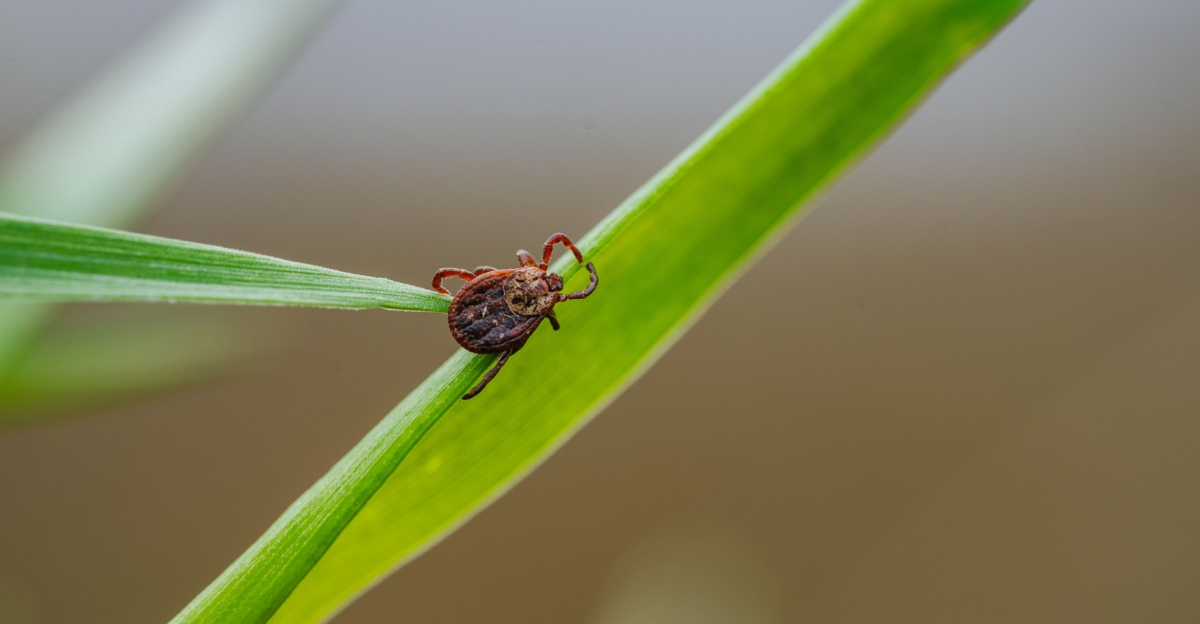
Your Texas yard might look completely fine from the back porch, but ticks are genuinely excellent at staying out of sight until they’re not.
These tiny, patient little creatures have been perfecting the art of hiding in plain sight for a very long time, and they are remarkably good at it.
Tall grass, brushy corners, leaf piles hanging around from last season, shaded spots that stay damp after rain or irrigation: ticks treat all of these like prime real estate. And then there’s the wildlife factor.
Pets, deer, and other creatures moving through your yard can quietly drop ticks off in spots where your family actually spends time outdoors.
The really practical first step toward keeping everyone more comfortable outside is simply knowing exactly where these things prefer to set up camp in a Texas yard.
1. Tall Grass Along Lawn Edges
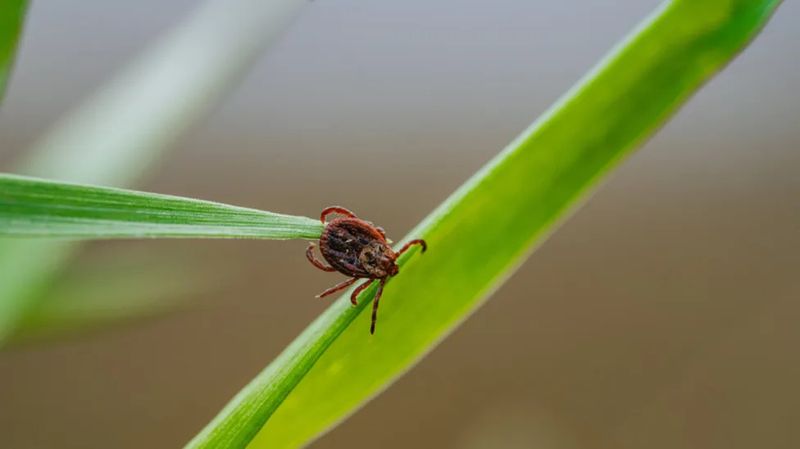
Lawn edges that get skipped during mowing are some of the most common places to pick up a tick in a Texas yard.
When grass grows tall along property borders, fence lines, or the strip between a sidewalk and the lawn, it creates a narrow but dense corridor where ticks can wait at the tips of blades for a passing host.
This behavior, called questing, is how ticks make contact with people, pets, and wildlife.
In Texas, warm weather stretches across much of the year, which means grass grows quickly and those unmowed strips can get thick in just a week or two. The taller the grass, the more shelter it provides for ticks looking for shade and moisture near ground level.
Keeping lawn edges trimmed short on a regular basis is one of the easiest ways to reduce tick-friendly conditions. A clean, low-cut edge removes the vertical structure ticks rely on.
Running a mower or string trimmer along fence lines, garden borders, and property edges every week or so can make a noticeable difference in how tick-friendly those spots remain throughout the season.
2. Bushy Areas Near Fences
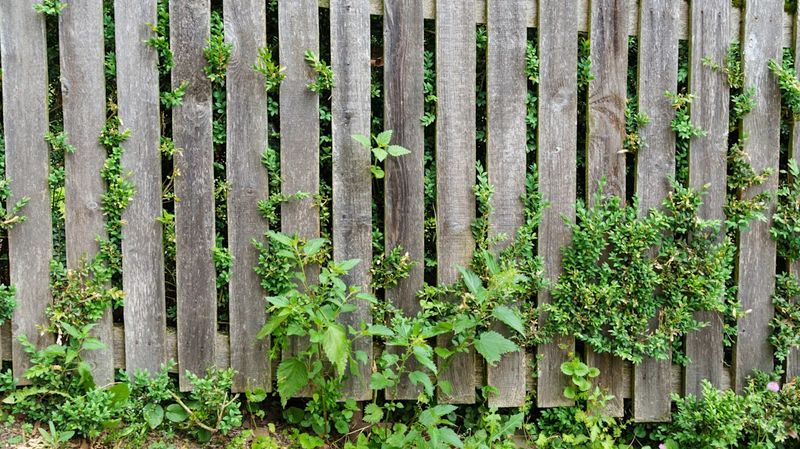
Fence lines have a way of collecting brush over time. Shrubs creep outward, weeds push through from the neighboring side, and vines work their way up posts without much notice until the growth gets thick.
That kind of dense, low vegetation near a fence is exactly the type of environment where ticks feel at home.
In Texas, brushy fence lines are especially common in yards that back up to open fields, creek beds, or wooded lots.
Wildlife like deer, raccoons, and opossums regularly travel along fence lines, and ticks that drop off those animals can establish themselves in the brush nearby.
Once ticks are in that vegetation, they can easily reach people or pets who walk close to the fence.
Pulling back overgrown shrubs, clearing weeds from the base of the fence, and trimming any vines that have taken hold can open up the area and reduce the humid, shaded cover ticks prefer.
If brush removal is not possible right away, keeping foot traffic and pet activity away from heavily overgrown fence lines is a reasonable short-term approach while the area gets cleaned up.
Your Texas Garden Changes Every Week. Your Plan Should Too.
Gardening in Texas changes quickly throughout the season. Every Friday you’ll receive a simple weekly plan showing exactly what to plant, prune, fertilize, harvest, and protect so you never miss the right timing.
3. Leaf Litter Under Trees And Shrubs
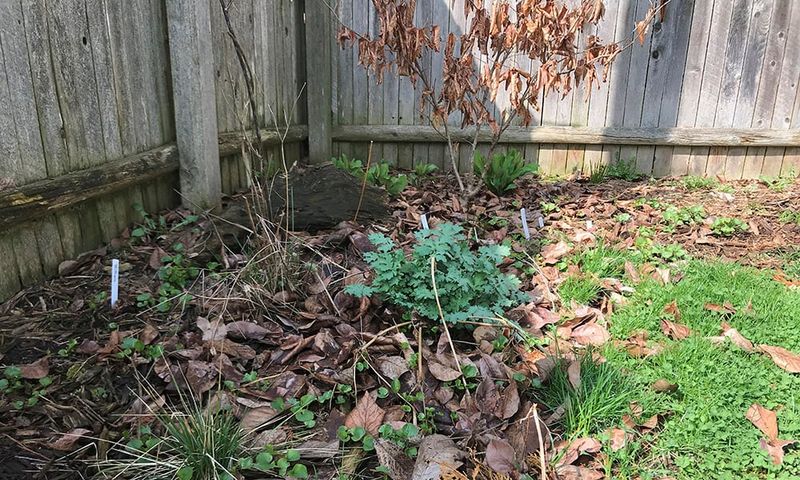
Fallen leaves might look harmless piled under a tree or tucked beneath a shrub, but that layer of leaf litter is one of the most tick-friendly habitats a yard can have.
The decomposing leaves trap moisture, block sunlight, and create a cool, humid environment at ground level.
Ticks are drawn to exactly those conditions, especially during warmer months when drier open spaces offer less shelter.
Texas live oaks, cedar elms, and pecan trees all shed leaves at various points in the year, which means leaf buildup can happen in multiple seasons rather than just fall.
In shaded areas of the yard where sunlight rarely reaches, that litter can stay damp for days after rain or irrigation, making it even more appealing to ticks.
Raking and bagging leaf litter regularly, especially under trees and around the base of shrubs, removes the cover and moisture ticks depend on. Clearing those areas a few times per season rather than waiting for a large buildup can keep conditions less favorable.
Composting the leaves away from high-traffic areas of the yard is a practical way to handle the debris without letting it pile up near the house.
4. Wooded Edges Around The Yard

Where a mowed lawn meets a line of trees, the transition zone between those two environments tends to be one of the highest-risk areas in any Texas yard. Ticks are far more active in that wooded border than they are out in the open lawn.
The shade, leaf cover, and humidity in those few feet of woods-to-grass transition create conditions that ticks find much more suitable than a sunny, well-maintained lawn.
Wildlife like white-tailed deer, squirrels, and feral hogs move regularly along wooded edges in many parts of Texas, and those animals can carry ticks directly to the border of a yard.
Once ticks drop off near the tree line, they can move into the first few feet of the lawn, especially if grass or ground cover extends into the shaded area.
Creating a barrier between the lawn and the wooded edge can be helpful. A strip of gravel or wood chips a few feet wide along the tree line can discourage ticks from crossing into the yard.
Keeping grass short right up to that border and removing brush or low branches that hang over the lawn are also reasonable steps toward reducing tick movement from wooded edges into the yard.
5. Overgrown Weeds Near Walkways

Walkways that cut through the yard seem like low-risk areas because they get foot traffic regularly, but the weedy growth pressing in from the sides can be a different story.
Weeds that crowd a pathway create a narrow gauntlet where ticks can reach out from vegetation and latch onto anyone walking through.
The closer the plants grow to the path, the more likely contact becomes.
In Texas, weeds grow fast during warm months and can reclaim a cleared path edge in a matter of weeks.
Ground-level plants like wild onion, chickweed, and various broadleaf weeds can get thick quickly along walkway edges, especially where foot traffic is less frequent or where irrigation water tends to collect.
That damp, dense growth is exactly what ticks are looking for when they quest for a host.
Keeping weeds trimmed back from walkway edges by at least a foot on each side reduces the chance of brushing against tick-harboring vegetation while walking through the yard.
Applying a layer of mulch or gravel along path edges can also suppress weed growth and create a drier, more open buffer.
Regular edging and spot weeding near walkways are simple habits that can reduce tick exposure in those high-traffic corridors.
6. Mulch Or Groundcover In Shady Spots

Mulched garden beds look tidy and help retain moisture around plants, but those same qualities can make them attractive to ticks.
Wood chip mulch, in particular, holds moisture well and stays cool under shade, creating a microhabitat that mimics the leaf litter and forest floor conditions ticks naturally prefer.
Shaded mulch beds that get regular watering or sit under a tree canopy can stay damp enough to support tick activity for extended periods.
Groundcover plants like Asian jasmine, liriope, and monkey grass are popular in Texas landscaping and do a great job of filling in bare spots under trees.
However, their dense, low-growing foliage can create the same kind of sheltered, humid environment that mulch provides.
Ticks can move through groundcover easily while staying protected from direct sunlight and heat.
Pulling mulch back from the edges of garden beds and raking it occasionally to let it dry out can reduce how hospitable it is to ticks. Keeping mulch depth reasonable rather than piling it too thick also helps.
In heavily shaded beds that stay consistently damp, replacing mulch with gravel or river rock near seating areas or play spaces can be worth considering as a longer-term adjustment.
7. Log Piles And Wood Storage Areas

Firewood stacks are a fixture in many Texas backyards, especially during fall and winter when cooler evenings make a fire more appealing.
But stored wood creates a layered, sheltered structure with plenty of gaps and crevices that small animals and insects find useful.
Mice, lizards, and other small critters that move through log piles can carry ticks, and the wood itself stays cool and shaded enough to support tick survival between hosts.
The bigger the wood pile and the longer it sits in one place, the more established those tick-friendly conditions can become.
Logs stored directly on the ground are especially prone to moisture absorption, which adds another layer of appeal for ticks looking for a humid resting spot.
Ground contact also makes it easier for ticks to move between the soil and the wood stack.
Storing firewood off the ground on a rack or platform helps reduce moisture and limits how easily ticks and the animals that carry them can access the pile.
Keeping the stack away from the house and away from areas where children play or pets rest is also a practical precaution.
Moving wood to a sunnier, more exposed location rather than a shaded corner can make the storage area less hospitable overall.
8. Places Where Pets Rest Or Pass Through

Dogs and cats that spend time outdoors are some of the most reliable ways ticks find their way into a yard and eventually into the home.
Pets that roam near brushy areas, sniff along fence lines, or rest under trees can pick up ticks and carry them back to wherever they sleep or spend time most often.
Over time, the spots where pets regularly rest or pass through can become areas where ticks are more likely to be found.
In Texas, outdoor pets are common, and many dogs spend significant time in the yard patrolling the perimeter or lounging in shaded corners.
Those worn paths and favorite resting spots are worth paying attention to, especially during warmer months when tick activity tends to increase.
Ticks that fall off a pet in the yard can survive in the nearby environment and potentially reach other animals or people.
Checking pets for ticks after outdoor time, keeping pet resting areas clean, and treating pets with veterinarian-recommended tick prevention products are all reasonable steps.
Keeping grass short in areas where pets spend the most time and avoiding letting them wander into brushy or wooded sections of the yard can also reduce how many ticks they encounter in the first place.
9. Shaded Yard Corners That Stay Damp
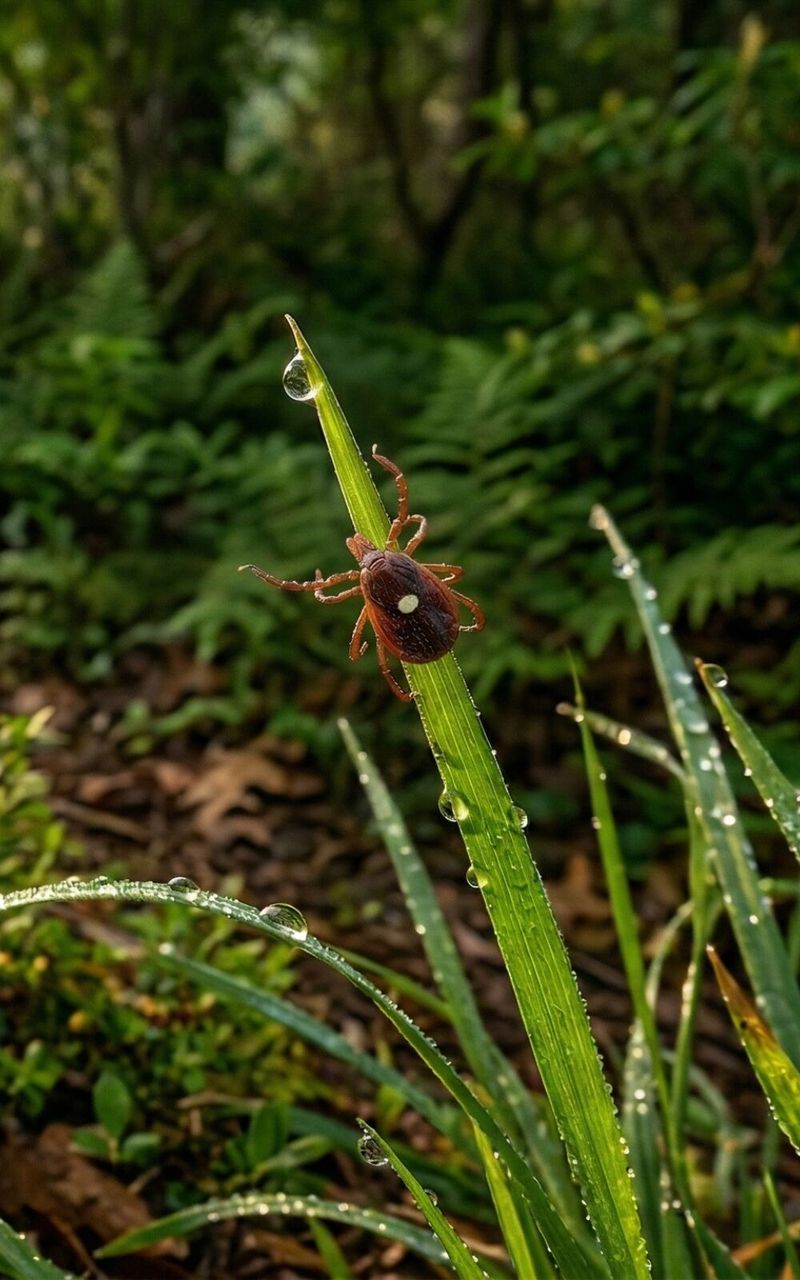
Every yard seems to have at least one corner that the sun barely reaches. Maybe two fences meet at an angle, or a large tree canopy blocks light for most of the day.
Those corners tend to stay cooler and hold moisture longer than the rest of the yard, and that combination of shade and dampness is genuinely inviting to ticks.
In Texas, irrigation systems and afternoon thunderstorms can keep certain low-lying or shaded corners consistently wet for days at a time. Moss, algae, and thick ground-level plants often take hold in those spots, adding more organic material for ticks to shelter in.
Because those corners are usually out of the main flow of yard activity, they can go uninspected for a long time.
Taking a closer look at shaded corners during yard maintenance is a useful habit. Pulling back overgrown plants, improving drainage if water pools consistently, and thinning out vegetation can make those spots less tick-friendly.
If the corner is near a fence gate, a frequently used path, or a spot where kids or pets tend to wander, addressing the conditions there is worth prioritizing.
Even modest improvements in airflow and sunlight exposure can reduce how long moisture lingers in those areas.
10. Around Decks, Patios, And Play Areas Near Trees
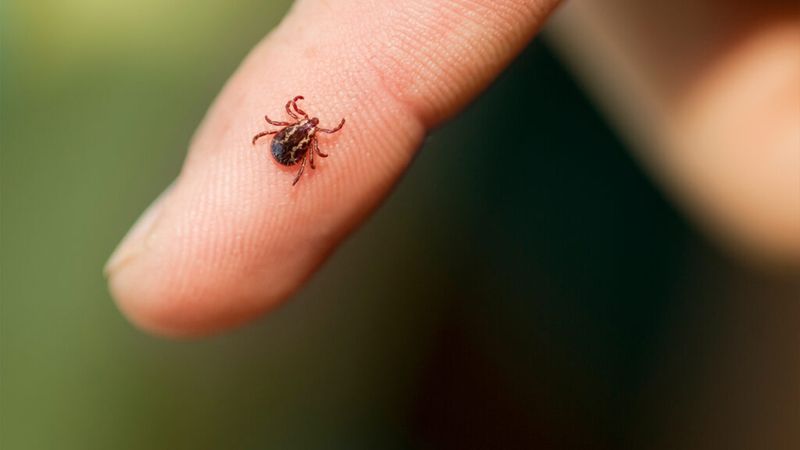
Decks and patios feel like the safest parts of the yard because they are where families spend the most intentional outdoor time. But when those structures sit close to trees, shrubs, or brushy borders, the surrounding area can carry real tick risk.
Leaf litter, mulch, and plant debris that collects around the base of a deck or along the edge of a patio creates cover that ticks can use, especially in shaded spots that stay damp.
Play sets installed under or near trees are particularly worth examining. Fallen leaves and organic debris collect in and around the structure, and children playing there can brush against vegetation or ground-level cover where ticks may be present.
In Texas, backyards with mature trees are common, and those beautiful shaded spaces can also be areas where tick activity is more likely.
Keeping the area under and around decks clear of leaf debris and trimming back any shrubs or low branches that overhang the structure can reduce tick-friendly conditions significantly.
Placing play equipment in sunnier, more open parts of the yard when possible takes that protection a step further near those high-use spaces.
Doing a quick visual check of ground-level vegetation near the deck or patio after mowing or heavy rain is a simple but worthwhile routine.