The Best Plants For Keeping Critters Away In Tennessee
Deer do not knock. Rabbits do not ask permission. One morning your garden looks great, and the next it looks like something held a banquet there overnight.
Tennessee gardeners deal with this more than most. White-tailed deer populations alone have reached levels that require active wildlife management across the state.
The most practical defense often starts with what you plant. Certain herbs, perennials, and bulbs carry scents, textures, or compounds that critters instinctively avoid.
They do not need sprays or maintenance to work. The plants just do it on their own.
Getting the plant selection right does not guarantee a critter-free garden, but it can shift the odds considerably in your favor.
1. Lavender
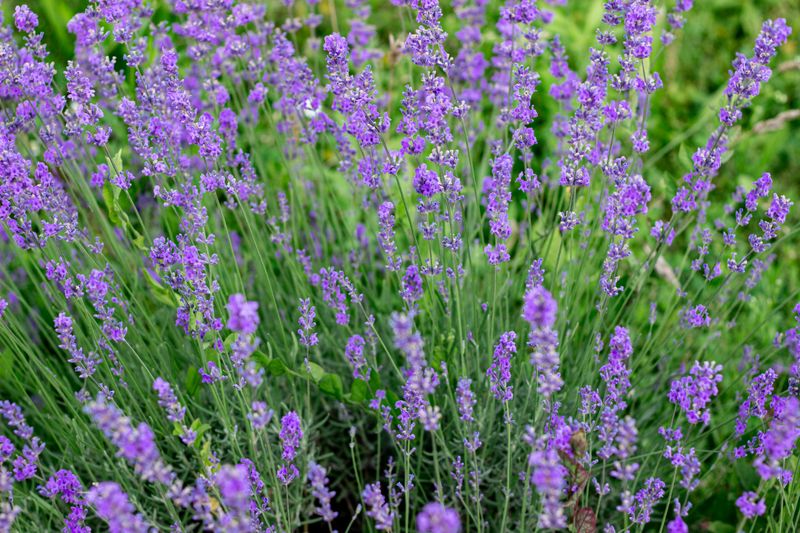
Few plants punch above their weight like lavender does in a critter-fighting garden. That dreamy purple bloom you love? Deer and rabbits cannot stand it.
The strong, oily scent that humans find calming is overwhelming to most garden pests. It messes with their sense of smell and sends them searching for an easier meal.
Lavender thrives in the hot, sunny summers that Tennessee dishes out. Plant it along borders or near entry points where deer tend to wander in.
It loves well-drained soil and actually handles drought better than most perennials. Once established, it asks for almost nothing in return.
Beyond pest control, lavender attracts pollinators like bees and butterflies. Your garden gets prettier and more productive all at once.
Plant it near vegetables or other plants you want protected. Think of it as a fragrant fence that actually works.
Trim it back after blooming to keep it bushy and full. A well-maintained lavender plant can live for years with minimal effort.
It also works as a cut flower and dries beautifully for indoor use. One plant gives you so many reasons to love it.
For best results in Tennessee, choose English lavender varieties like Hidcote or Munstead. These are among the hardiest options for the region and stay compact in garden beds.
2. Russian Sage
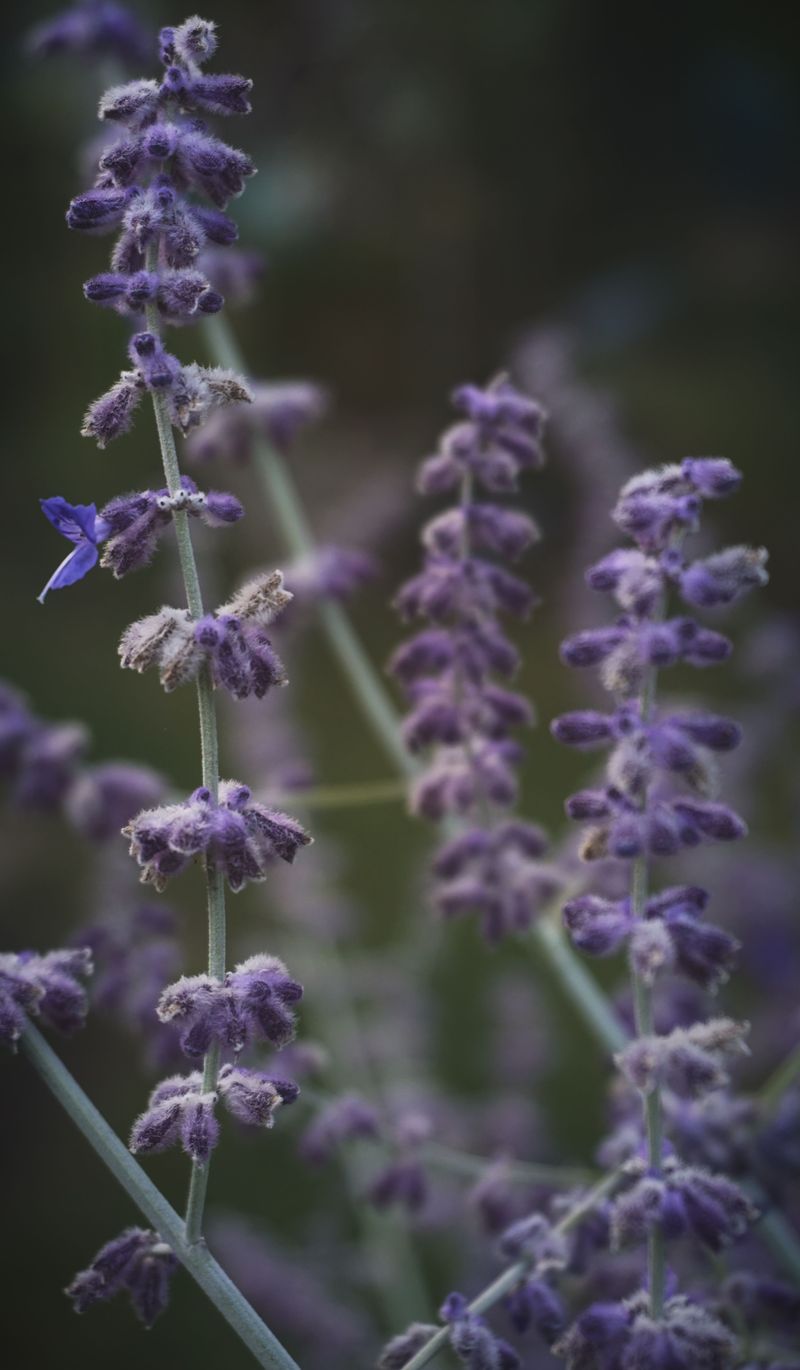
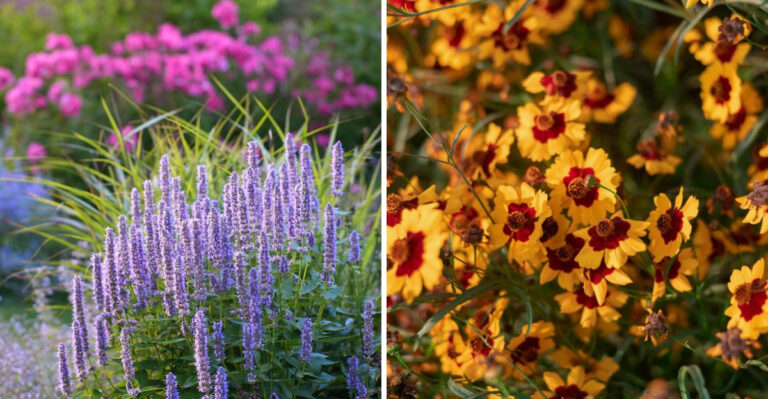
Russian sage looks like something out of a fairy tale with its misty blue-purple spires swaying in the breeze. But beneath that soft beauty is a seriously tough plant.
Deer avoid it completely, and so do most insects that would otherwise munch your garden to shreds. The secret is a pungent, medicinal scent that animals find deeply unpleasant.
Rub a leaf between your fingers and you will understand immediately. It smells sharp, almost like a mix of sage and turpentine.
Russian sage is one of the best plants for keeping critters away in Tennessee because it handles the heat like a champ. It blooms from midsummer well into fall, giving you months of pest protection.
It grows tall, sometimes reaching four feet, which makes it a great back-of-border plant. Use it to shield shorter, more vulnerable flowers from browsing deer.
This plant loves full sun and dry to medium soil. Overwatering is the one thing that will do it in.
Once established, it is practically indestructible. Drought, heat, poor soil? Russian sage handles all of it without complaint.
Your Tennessee Garden Changes Every Week. Your Plan Should Too.
Gardening in Tennessee changes quickly throughout the season. Every Friday you’ll receive a simple weekly plan showing exactly what to plant, prune, fertilize, harvest, and protect so you never miss the right timing.
Cut it back hard in early spring to encourage fresh, vigorous growth. New shoots appear quickly and the plant fills in beautifully by summer.
Pair it with coneflowers or black-eyed Susans for a stunning, wildlife-friendly combination that still keeps the wrong wildlife out.
3. Yarrow
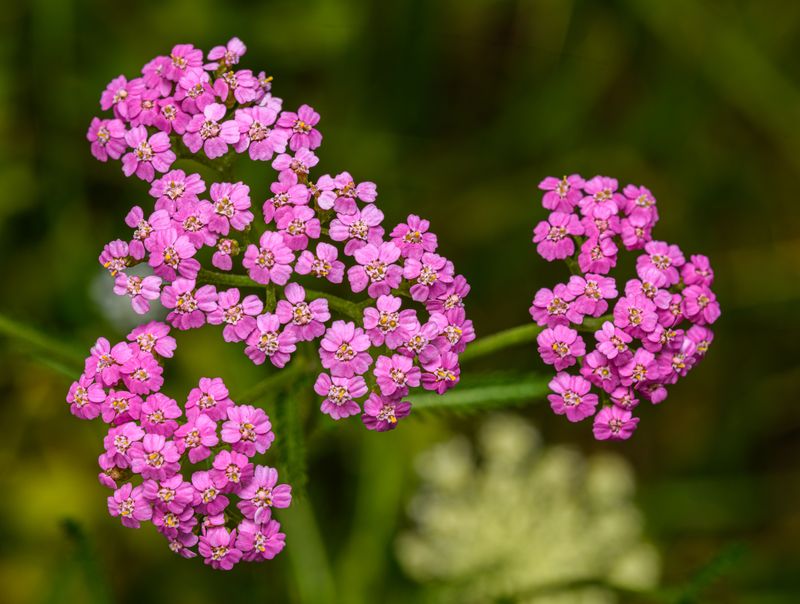
Yarrow has been growing wild in fields for centuries, and it has earned every bit of its tough reputation. This is not a delicate flower that needs babying.
Deer and rabbits tend to skip right past it, put off by its bitter, medicinal scent. That smell comes from natural compounds in the leaves that most critters find repulsive.
What makes yarrow especially smart for Tennessee gardens is its adaptability. It grows in poor soil, handles drought, and spreads slowly to fill gaps in your beds.
Plant it along the edges of vegetable gardens or flower borders where pests tend to sneak in. It creates a low, aromatic barrier that works around the clock.
Yarrow blooms in shades of yellow, white, pink, and red, so it adds serious color while doing its job. Pollinators go absolutely wild for the flat-topped flower clusters.
It is a perennial, meaning you plant it once and enjoy it for years. That kind of return on investment is hard to beat in any garden.
Keep in mind that yarrow spreads by rhizomes, so divide it every few years. This keeps it from taking over and gives you free plants to spread around the yard.
It also dries well for arrangements, giving it a bonus use beyond the garden. Cut stems at peak bloom and hang them upside down for a week.
Few plants offer this level of toughness, beauty, and pest-repelling power in one tidy package.
4. Catmint
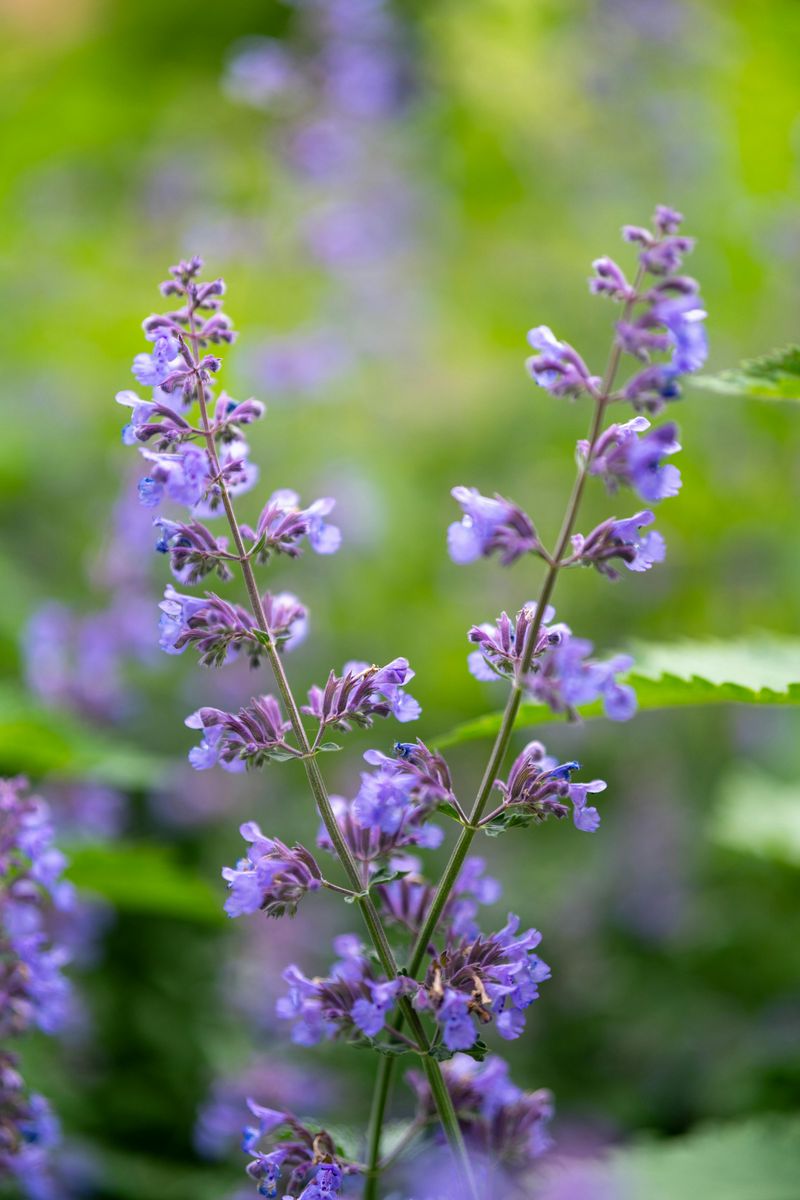
Catmint is the kind of plant that makes your garden look effortlessly pulled together. Those soft, billowing mounds of blue-purple flowers have a way of softening any hard edge.
But catmint is more than pretty. Deer avoid it, and most insects that damage plants steer clear of its strong minty fragrance.
The scent is pleasant to humans but acts like a warning signal to browsing animals. It is one of those happy cases where what you love and what pests dislike are exactly the same thing.
Catmint is closely related to catnip, so your neighborhood cats might pay it a visit. That is a small price for a plant this hardworking and beautiful.
It blooms heavily in spring and often rebounds for a second show in fall if you cut it back after the first flush. That second bloom is one of the best surprises in gardening.
Plant it along walkways, at the front of borders, or cascading over retaining walls. Wherever you put it, it looks intentional and polished.
It handles Tennessee summers with ease as long as it gets full sun and decent drainage. Avoid soggy spots and it will reward you for years.
Walkers Low is a popular variety that stays compact and blooms reliably. It is widely available at garden centers across the region.
Pairing catmint with roses is a classic combination that also doubles your pest-repelling power. Two strong scents are better than one.
5. Bee Balm
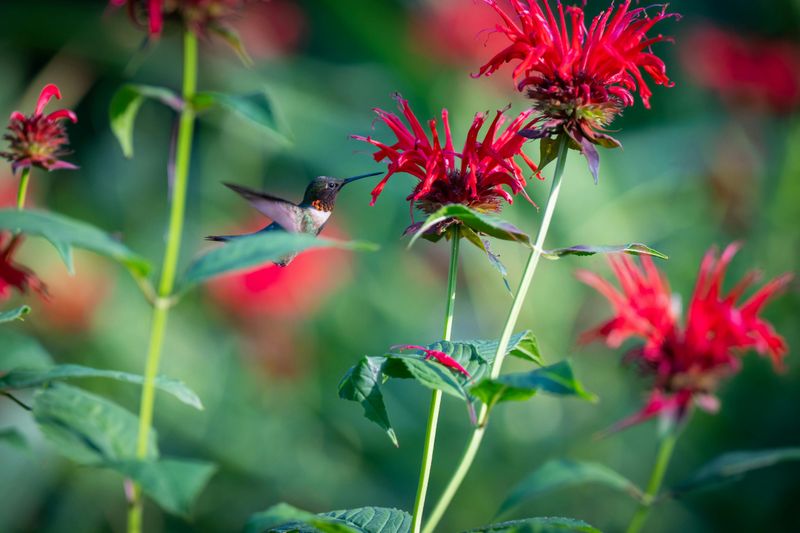
Image Credit: © Chris F / Pexels
Bee balm is one of those plants that practically hums with life when it is in bloom. Bees, butterflies, and hummingbirds flock to those wild, spiky flower heads all summer long.
What the good pollinators love, deer and rabbits tend to dislike. The strong oregano-like scent that makes bee balm so appealing to beneficial insects is a serious turnoff for browsing pests.
This plant is native to North America, including Tennessee, which means it is well suited to the climate and soil conditions found across the state. It does not need much help to thrive.
Bee balm spreads by underground runners, filling in garden beds over time. If it starts to take over, simply dig up sections in spring and share them with neighbors.
It blooms in shades of red, pink, purple, and white, giving you plenty of options to match your garden palette. Red varieties are especially attractive to hummingbirds.
Plant it in full to partial sun with moist, well-drained soil for best results. Good air circulation helps prevent the powdery mildew that can sometimes affect the leaves.
Choose mildew-resistant varieties like Jacob Cline if that is a concern in your garden. Raspberry Wine is another popular option, though it tends to offer somewhat less mildew resistance.
Bee balm also makes a wonderful herbal tea with a flavor similar to Earl Grey. It earns its place in both the ornamental and edible garden.
Few plants offer this much color, wildlife value, and critter-repelling ability in one spot.
6. Garlic
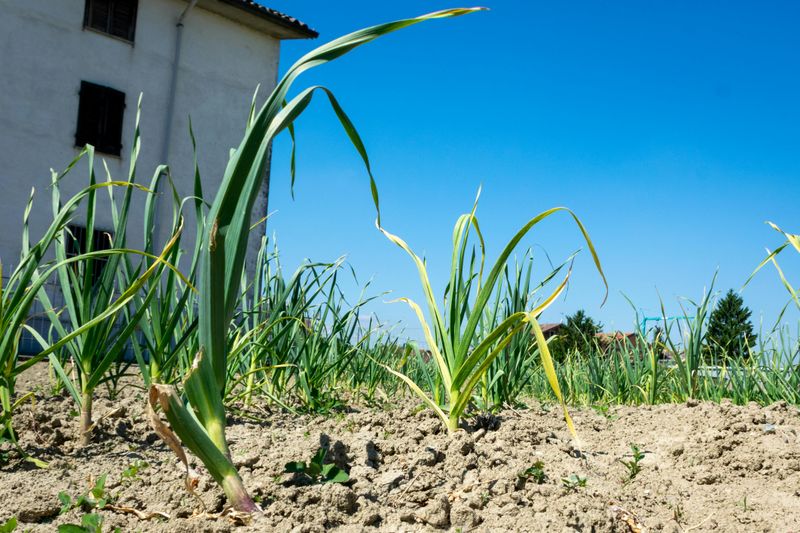
Garlic might be the most underrated critter deterrent in any garden. That sharp, sulfurous smell that makes your eyes water in the kitchen? Pests dislike it even more than you might expect.
Deer, rabbits, and many insects avoid garlic with impressive consistency. Planting it near vulnerable crops creates a natural barrier that works without any sprays or gadgets.
Garlic is one of the best plants for keeping critters away in Tennessee because it does double duty. You get serious pest protection and a harvest of delicious bulbs at the same time.
Plant cloves in fall for a summer harvest. This timing works perfectly with Tennessee seasons and gives garlic the cold dormancy period it needs to form full bulbs.
Space cloves about six inches apart with the pointed end facing up. Cover with two inches of soil and a layer of mulch to protect against winter temperature swings.
Garlic grows well in raised beds, traditional garden rows, or tucked between other plants. Interplanting it with roses or tomatoes is a classic technique that gardeners have used for generations.
Harvest when the lower leaves start to brown, typically in late May through June in most parts of Tennessee. Cure the bulbs in a warm, airy spot for two to three weeks before storing.
Even the green tops have a mild garlic flavor and can be used in cooking. Nothing in this plant goes to waste.
A row of garlic along a garden border sends a clear message to unwanted visitors: not today.
7. Alliums
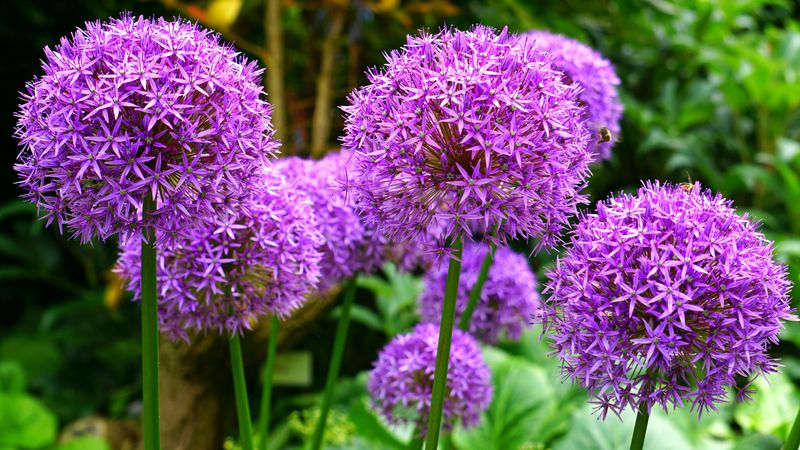
Image Credit: © Mike Bird / Pexels
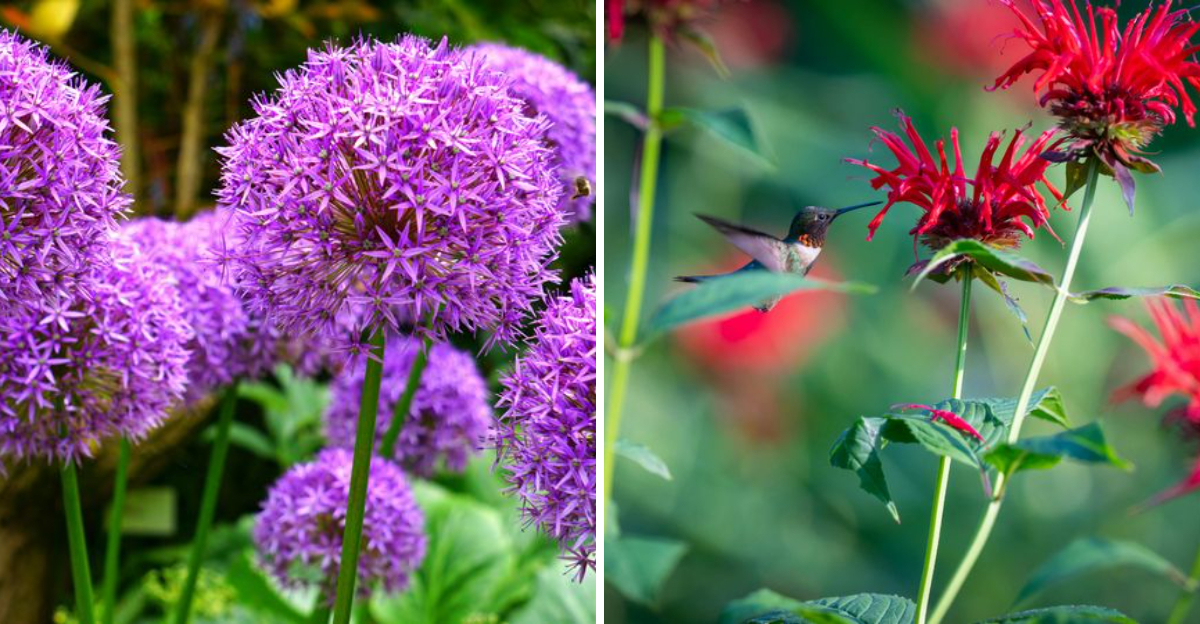
Imagine a garden full of perfectly round purple globes floating above the flower bed like something from another planet. That is allium in full bloom, and it is genuinely stunning.
Alliums are the ornamental cousins of onions and garlic, and they carry the same powerful scent that sends deer and rodents in the opposite direction. Beauty with built-in security is a rare combination.
The smell is not noticeable to humans unless you crush a leaf. But animals with sensitive noses pick it up from a distance and choose to browse elsewhere.
These bulbs are planted in fall and bloom in late spring, filling that gap between early tulips and summer perennials. They add vertical drama that most spring gardens are missing.
Popular varieties like Gladiator, Purple Sensation, and Globemaster produce large, showy heads that last for weeks. Even after the flowers fade, the dried seed heads add texture well into summer.
Alliums pair beautifully with ornamental grasses, salvia, and catmint. Mixing them into existing beds creates layers of interest that keep the garden looking lively all season.
Plant bulbs in well-drained soil in a sunny spot. Poor drainage is the main enemy of allium bulbs, especially during wet winters.
They naturalize over time, meaning the clumps get bigger and more impressive each year. One initial investment pays off for many seasons to come.
If critters have been raiding your spring bulb display, adding alliums to the mix sends a strong message they will not ignore.
8. Daffodils
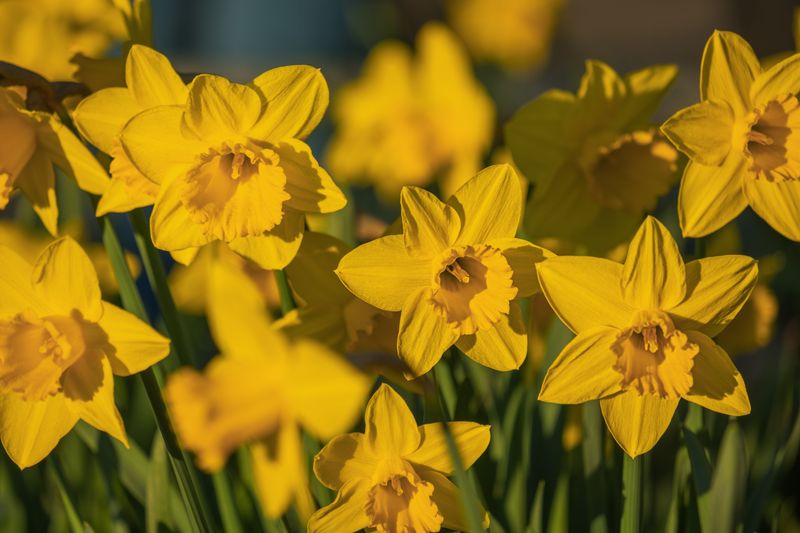
Daffodils are one of the oldest tricks in the gardener’s book for outsmarting deer. These cheerful yellow blooms contain lycorine, a toxic compound that makes them completely unappetizing to most animals.
Deer learn quickly that daffodils taste terrible and will avoid entire beds once they have had a bad experience. That learned avoidance can protect neighboring plants too.
Rabbits also steer clear of daffodil bulbs and foliage. Unlike tulips, which get eaten to the ground, daffodils come back year after year without a nibble out of them.
Plant bulbs in fall before the ground freezes, which in Tennessee usually means October through November. Pointy end up, about six inches deep, and you are done.
They naturalize beautifully, spreading slowly and returning reliably each spring. A small planting in year one becomes a sweeping display by year five.
Mix daffodils with tulips to protect the more vulnerable bulbs. Deer tend to avoid the whole area once they associate it with the bitter daffodil taste.
Daffodils come in dozens of varieties ranging from classic yellow trumpets to soft peach and white doubles. There is a type for every garden style and color scheme.
They also make excellent cut flowers that last well in a vase. Bring the spring indoors while the garden holds the line against critters outside.
Few spring bulbs offer this combination of reliability, color, and natural pest resistance. Planting them is one of the smartest garden decisions you can make.
9. Sage
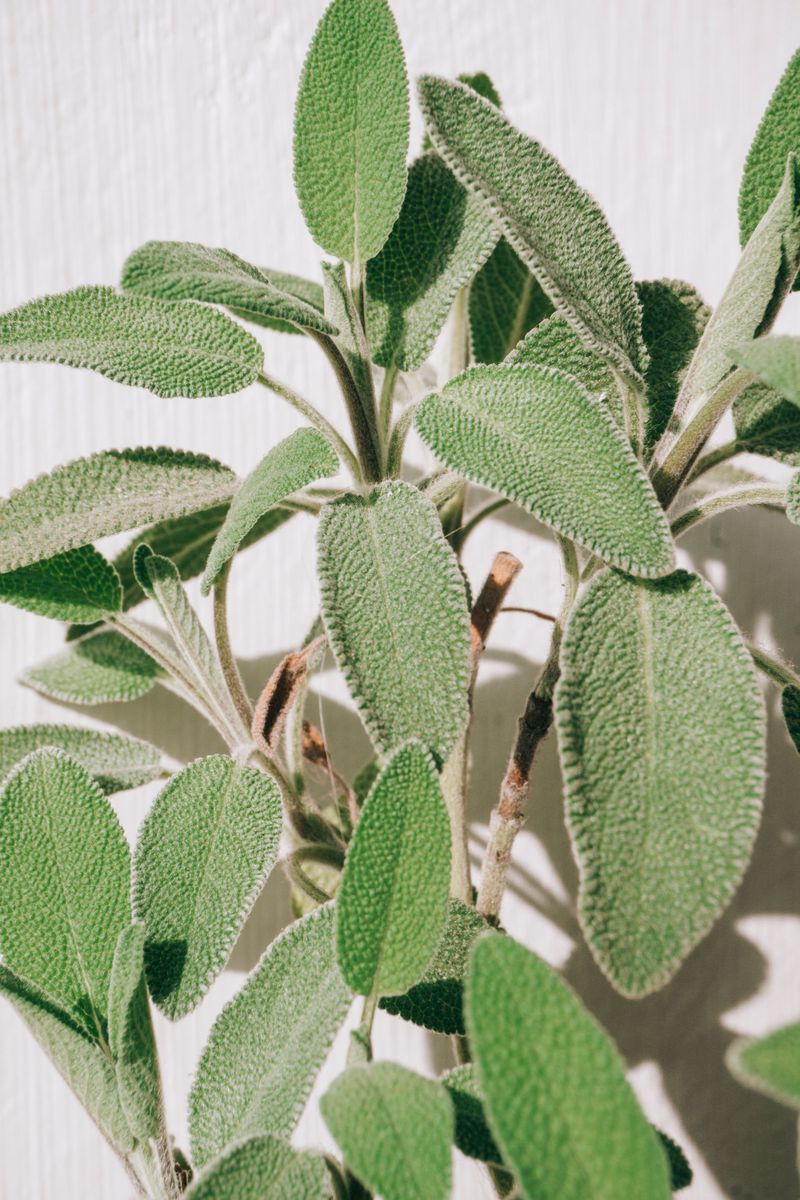
Sage is the quiet workhorse of the critter-repelling garden. It does not shout with flashy blooms, but its silvery, textured leaves carry a scent that sends most pests packing.
Deer, rabbits, and many insects find the strong aromatic oils in sage overwhelming. That same quality that makes it a kitchen staple makes it a natural boundary marker in the garden.
Common culinary sage is one of the best plants for keeping critters away in Tennessee because it grows so easily here. It loves heat, handles drought, and asks for almost nothing in return.
Plant it along the edges of vegetable beds or herb gardens where you need the most protection. Its low, spreading habit makes it a natural border plant that fills in nicely over time.
Sage is a perennial in most of Tennessee, meaning it comes back each spring with woody stems and fresh new growth. Cut it back in early spring to encourage bushy, compact growth.
Beyond pest control, you get a steady supply of fresh herbs for cooking all season long. Roasted chicken, pasta, and stuffing all taste better with sage fresh from the garden.
Try purple sage or tricolor sage for added visual interest. These ornamental varieties carry the same pest-repelling power with even more color to show off.
Pair sage with rosemary and lavender for a powerhouse trio of aromatic plants that covers a wide range of critter threats. Together, they form a fragrant defense line that is hard to beat.
Your garden deserves protection that looks as good as it works.