If You See This Bug In Your Arizona Garden Do Not Touch It
Arizona gardens are full of interesting insects, and most of the time that’s a genuinely good thing. Pollinators, beneficial beetles, helpful predators doing their thing quietly in the background.
But every now and then you come across something that makes you stop, squint, and think “I am absolutely not touching that.”
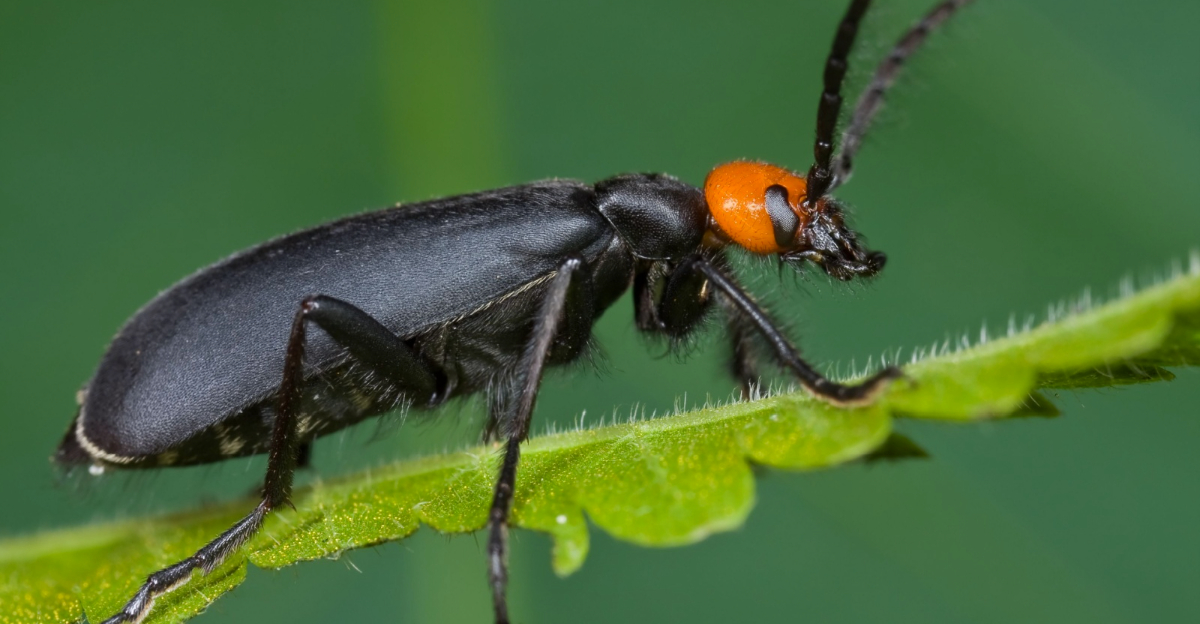
Meet the blister beetle. It’s not the most famous garden insect in Arizona, but it’s easily one of the most important to recognize.
This soft-bodied bug carries a defensive chemical called cantharidin that can cause real skin irritation on contact, and it has a habit of showing up in vegetable beds and flowering plants without much warning.
The good news is that handling a blister beetle encounter safely is completely straightforward once you know what you’re looking at and what to do about it.
1. Blister Beetles Carry A Skin-Irritating Chemical
What makes the blister beetle stand out from most garden insects is not just how it looks, but what it carries inside its body.
Blister beetles produce a defensive chemical called cantharidin, which is released when the insect feels threatened or is accidentally crushed.
Even a small amount of this substance can cause skin blistering or redness if it comes into contact with exposed skin.
Cantharidin is not something the beetle sprays outward like a defense mechanism. Instead, it seeps out through the beetle’s leg joints and body fluids when the insect is disturbed or pressed against skin.
This process, called reflex bleeding, is the body’s natural response to perceived danger.
In an Arizona garden, it is easy to brush against a plant and unknowingly make contact with a beetle resting on a leaf or stem. The reaction may not appear immediately, but within hours a blister or irritated patch of skin can develop.
Knowing that this chemical exists is the first step toward handling these beetles with appropriate care and avoiding unnecessary skin contact when working outdoors in Arizona’s warm growing season.
2. Their Shape Helps Set Them Apart
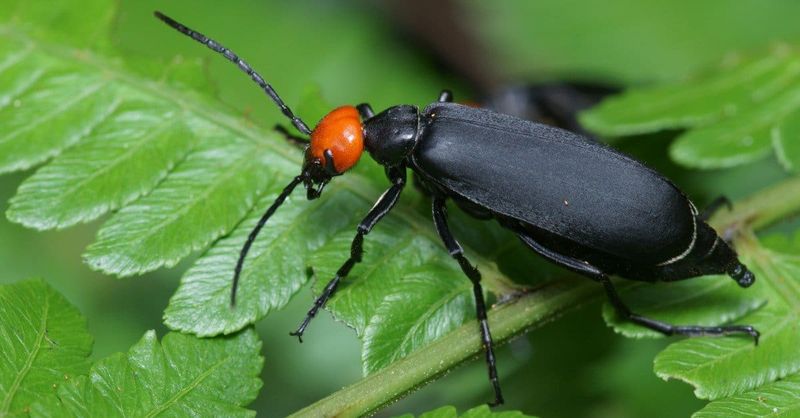
One of the most reliable ways to recognize a blister beetle is by paying attention to its overall body shape rather than relying on color alone.
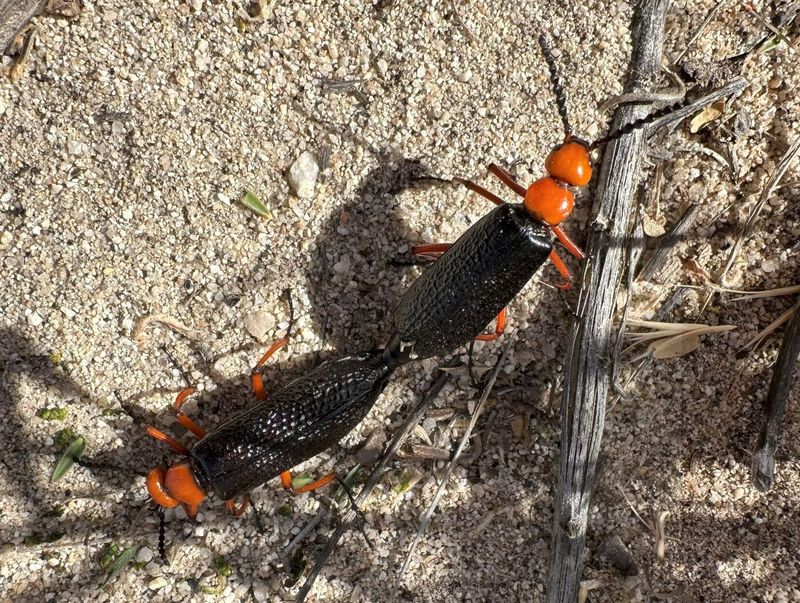
Blister beetles have a distinctly elongated body, a soft abdomen, and a narrow neck that separates the head from the rest of the body.
This narrow, pinched neck region is one of the clearest features that sets them apart from other common garden beetles.
Their wing covers, called elytra, tend to be softer and more flexible than those of hard-shelled beetles like ground beetles or click beetles.
The body often appears slightly cylindrical, and the head looks noticeably wider than the narrow neck connecting it to the thorax.
Blister beetles typically range from about half an inch to over an inch in length depending on the species.
Color can vary widely among blister beetle species found in Arizona, ranging from solid black or gray to striped or spotted patterns.
Because color alone can be misleading, focusing on the narrow neck and soft, elongated body shape gives gardeners a more consistent way to identify these insects during routine garden checks or when inspecting vegetable beds and flowering plants.
Your Arizona Garden Changes Every Week. Your Plan Should Too.
Gardening in Arizona changes quickly throughout the season. Every Friday you’ll receive a simple weekly plan showing exactly what to plant, prune, fertilize, harvest, and protect so you never miss the right timing.
3. Arizona Gardens Can Attract Them In Warm Weather
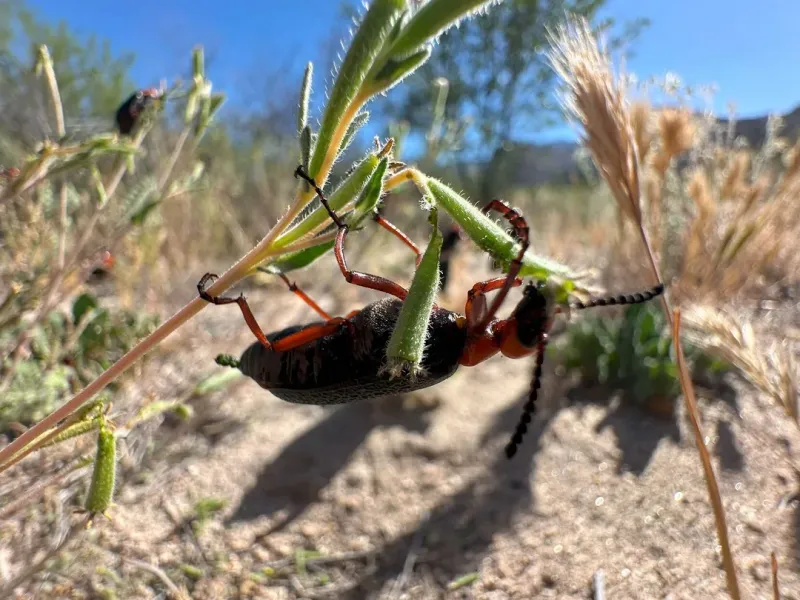
Warm temperatures create conditions that many insects find appealing, and blister beetles are no exception. These beetles tend to become more active during late spring through summer, which lines up with some of the busiest growing periods in Arizona gardens.
Vegetable beds, pollinator plantings, and flowering borders can all bring blister beetles closer to areas where gardeners spend time outdoors.
In Arizona, the combination of heat, blooming plants, and available food sources can encourage blister beetles to move through residential landscapes. They are often found in groups rather than alone, which means spotting one may suggest that others are nearby.
Garden beds with dense plantings or lots of flowering vegetation tend to attract more insect activity overall during warm months.
Raised vegetable beds and container gardens are not immune to blister beetle visits either.
Gardeners working in Arizona’s heat may focus on watering and harvesting without pausing to check leaves carefully, which increases the chance of accidental contact.
Taking a few extra moments to scan plants before reaching in, especially during the warmest parts of the growing season, can make a meaningful difference in avoiding unwanted contact with these beetles in an Arizona garden setting.
4. Bright Flowers And Vegetable Beds May Draw Them In
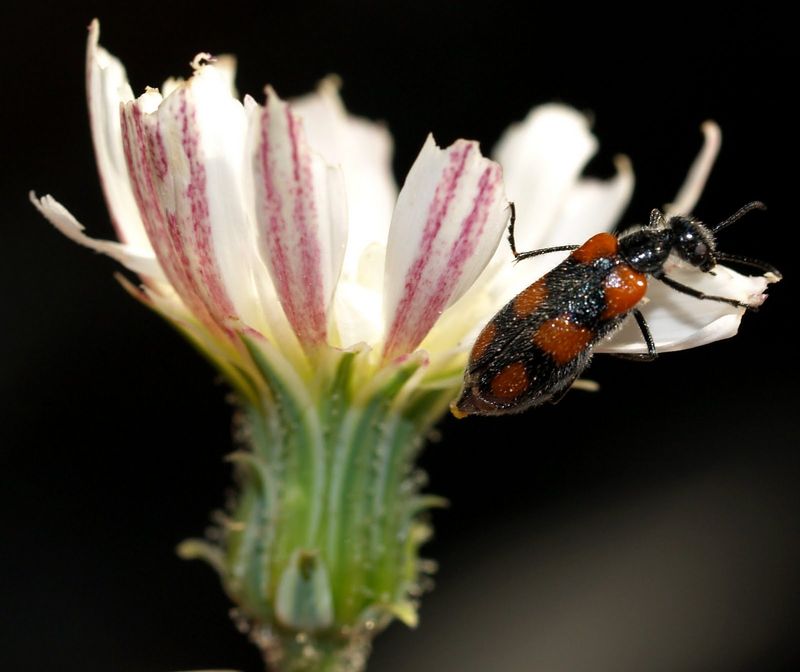
Flowering plants are a major draw for blister beetles, and many gardeners cultivate exactly the kinds of blooms these insects are attracted to.
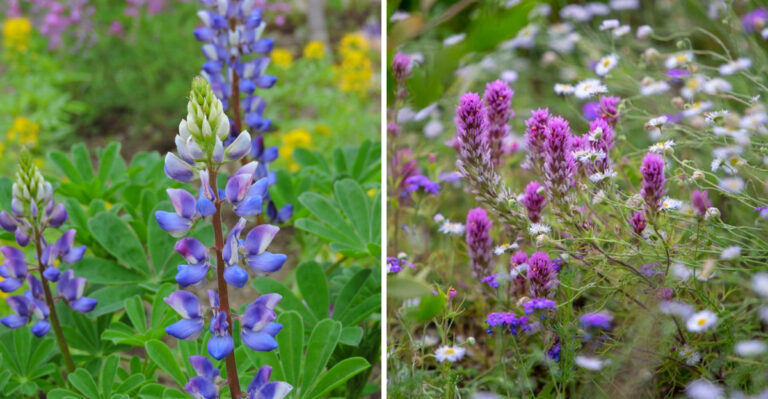
Plants in the legume family, along with alfalfa, tomatoes, potatoes, and a range of flowering ornamentals, are known to attract blister beetles during the active summer season.
Vegetable beds that include these plants may see more beetle activity than beds focused on leafy greens alone.
Bright blooms like sunflowers, zinnias, and other pollinator favorites can bring blister beetles into close contact with the areas where gardeners work most often.
When beetles gather on flower heads or along plant stems, they can be easy to miss among the foliage, especially during the busy growing months when Arizona gardens are full of plant activity.
Knowing which plants tend to attract blister beetles can help gardeners pay closer attention to specific areas of the garden during warm months.
Checking tomato plants, flowering herbs, and ornamental beds before reaching in to prune, harvest, or deadhead flowers is a practical habit worth developing.
Wearing gloves as a routine part of gardening in Arizona reduces the risk of accidental skin contact, especially around plants known to attract a wider range of insects during peak summer activity.
5. Touching Or Crushing Them Can Cause Skin Irritation
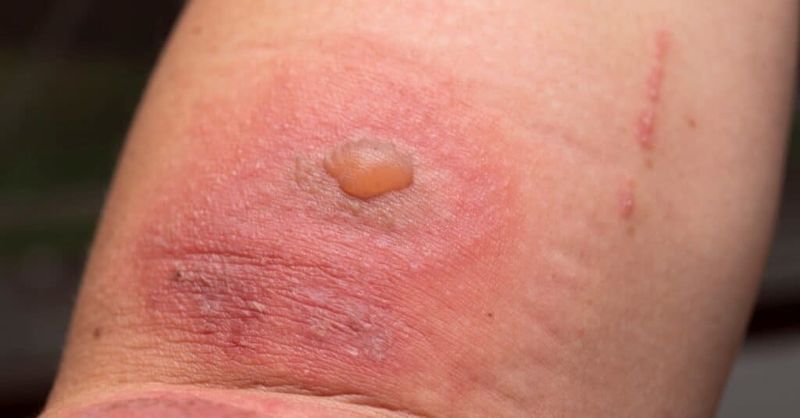
Accidentally pressing a blister beetle against skin, whether by grabbing a plant stem, pulling weeds, or brushing past dense foliage, can trigger a reaction that most people do not expect.
The cantharidin released during contact or crushing does not cause immediate pain the way a sting or bite might.
Instead, the skin reaction tends to develop gradually over several hours, which can make it harder to connect the irritation to the beetle encounter.
Symptoms can include redness, swelling, and the formation of fluid-filled blisters on the skin surface. In most cases involving brief contact, the reaction stays localized to the area that touched the beetle.
However, rubbing the affected area or touching the eyes or mouth after contact can spread the irritation to more sensitive tissue.
Arizona gardeners who notice unexplained skin blistering after working outdoors should consider whether they may have come into contact with a blister beetle during their garden time.
Washing the affected area thoroughly with soap and water as soon as possible is a reasonable first response.
If irritation is significant, spreads quickly, or involves sensitive areas like the face or eyes, reaching out to a medical provider or poison control for guidance is a sensible step rather than waiting to see if symptoms resolve on their own.
6. Gloves Make Removal Safer When Needed

Keeping a pair of sturdy gloves nearby while working in an Arizona garden is one of the simplest and most practical habits a gardener can adopt.
When blister beetles show up on plants or in vegetable beds, gloves provide a reliable barrier between skin and the beetle’s cantharidin.
Thin cotton or fabric gloves may not offer enough protection since the chemical can potentially seep through porous material, so thicker rubber or nitrile gloves tend to work better for handling or removing these insects.
Putting gloves on before reaching into dense plantings, harvesting produce, or deadheading flowers during the warmer months reduces the chance of accidental contact.
Many gardeners already wear gloves to protect against thorns, soil, and rough plant stems, so extending that habit to insect safety is a natural fit.
After using gloves to remove or relocate a blister beetle, washing the gloves thoroughly before taking them off is worth the extra step. If cantharidin has transferred to the glove surface, peeling off the gloves carelessly could still result in skin contact.
Turning gloves inside out while removing them and rinsing them with water and soap helps reduce lingering residue. Treating gloves as a key piece of Arizona garden safety gear rather than just a comfort tool makes a real difference during active beetle season.
7. Handpicking Should Be Done With Care
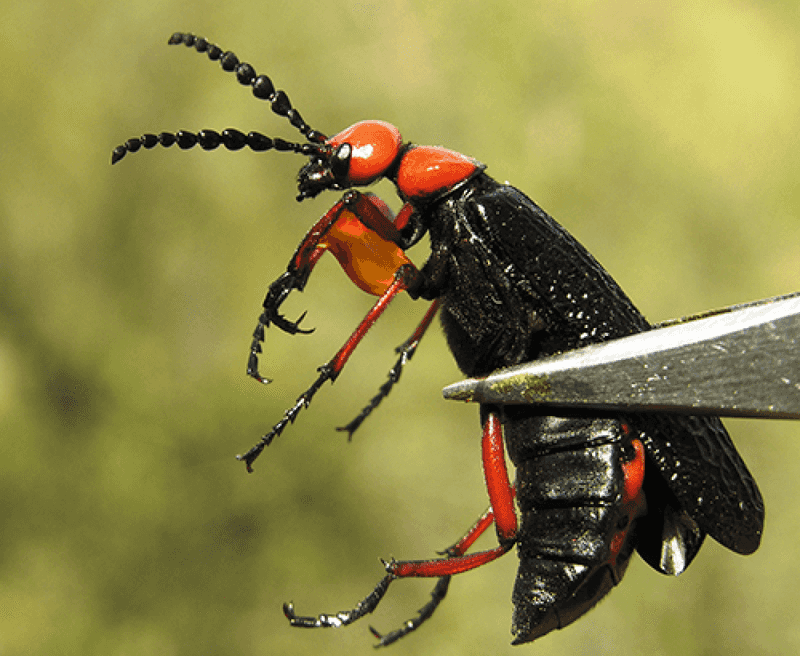
Some Arizona gardeners prefer to remove beetles by hand rather than using sprays or other methods, and that approach can work reasonably well for blister beetles as long as proper precautions are taken.
Using a stick, tongs, or a folded piece of cardboard to nudge the beetle into a container is a safer approach than picking it up directly with fingers, even gloved ones.
Blister beetles can be dropped into a container of soapy water or moved to a location away from the garden bed. Handling them gently rather than squeezing or crushing them reduces the chance of cantharidin release during removal.
The goal is to relocate or contain the beetle without causing it to release its defensive chemical in the process.
Working slowly and deliberately tends to produce better results than rushing through removal, especially when beetles are clustered together on a single plant.
Moving too quickly can cause beetles to fall onto exposed arms or legs, which increases contact risk.
In an Arizona garden where temperatures can encourage quick outdoor tasks, slowing down for a careful beetle check and removal process is a worthwhile investment of a few extra minutes.
Patience during this step helps protect both the gardener and the surrounding plants from unnecessary disruption.
8. Healthy Garden Cleanup Helps Reduce Hiding Spots
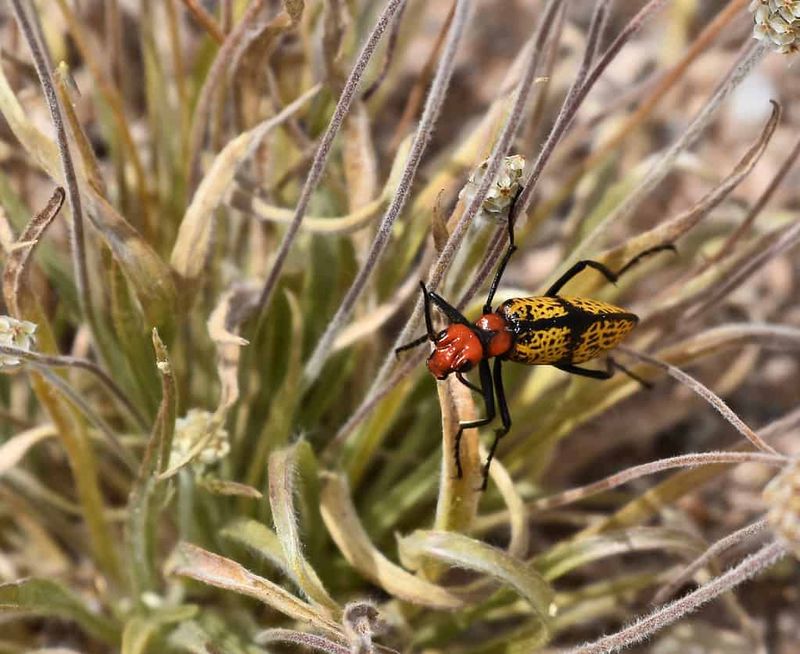
Keeping an Arizona garden tidy throughout the growing season does more than just improve appearances.
Removing spent plant material, fallen leaves, and overgrown vegetation reduces the number of sheltered spots where beetles and other insects can gather unnoticed.
Blister beetles tend to congregate in areas with dense plant growth or accumulated organic debris, so regular cleanup can make the garden less inviting to them over time.
Clearing out spent plants at the end of the season, pulling weeds that crowd vegetable beds, and keeping pathways between garden rows open all contribute to a less hospitable environment for insects that prefer cover.
In Arizona’s warm climate, plant material can break down slowly and accumulate around the base of garden beds if not managed consistently.
Mulching is still a valuable practice for moisture retention and soil health in Arizona gardens, but keeping mulch pulled slightly away from plant stems is a smart habit worth maintaining.
Checking beneath it occasionally during warm months can also help gardeners stay aware of what insects may be sheltering underneath.
Combining regular garden cleanup with routine visual checks of plants gives gardeners a practical and low-effort way to stay ahead of potential pest activity without relying heavily on chemical interventions.
This habit is especially worth maintaining during the late spring and summer months when blister beetle activity in Arizona gardens tends to increase.
9. Similar-Looking Beetles Can Cause Confusion
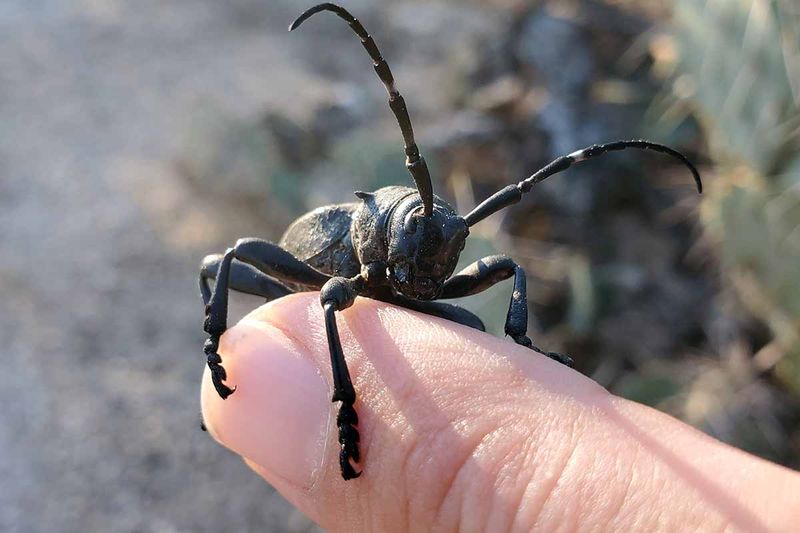
Not every elongated, dark-colored beetle found in an Arizona garden is a blister beetle, and the resemblance between species can sometimes create unnecessary worry or, on the flip side, a false sense of safety.
Several common beetles share a similar dark coloring or elongated shape, including ground beetles and some longhorn beetles, which can lead to confusion during a quick visual check.
Ground beetles, for example, are generally beneficial insects that feed on soil pests and are not known to cause skin irritation. Longhorn beetles have distinctly long antennae that help separate them visually from blister beetles.
Learning a few key identifying features, particularly the narrow neck and soft, flexible wing covers of blister beetles, helps gardeners make more confident observations without needing to handle the insect directly.
When in doubt, the safest approach is to treat any unfamiliar beetle with the same caution you would apply to a known blister beetle. Avoiding bare-hand contact until the insect can be identified more clearly is a reasonable habit in any Arizona garden.
Local university extension resources and online insect identification guides with verified photos can be helpful tools for gardeners who want to build their identification skills over time without risking skin contact during the learning process.
10. A Calm Response Works Better Than Panic
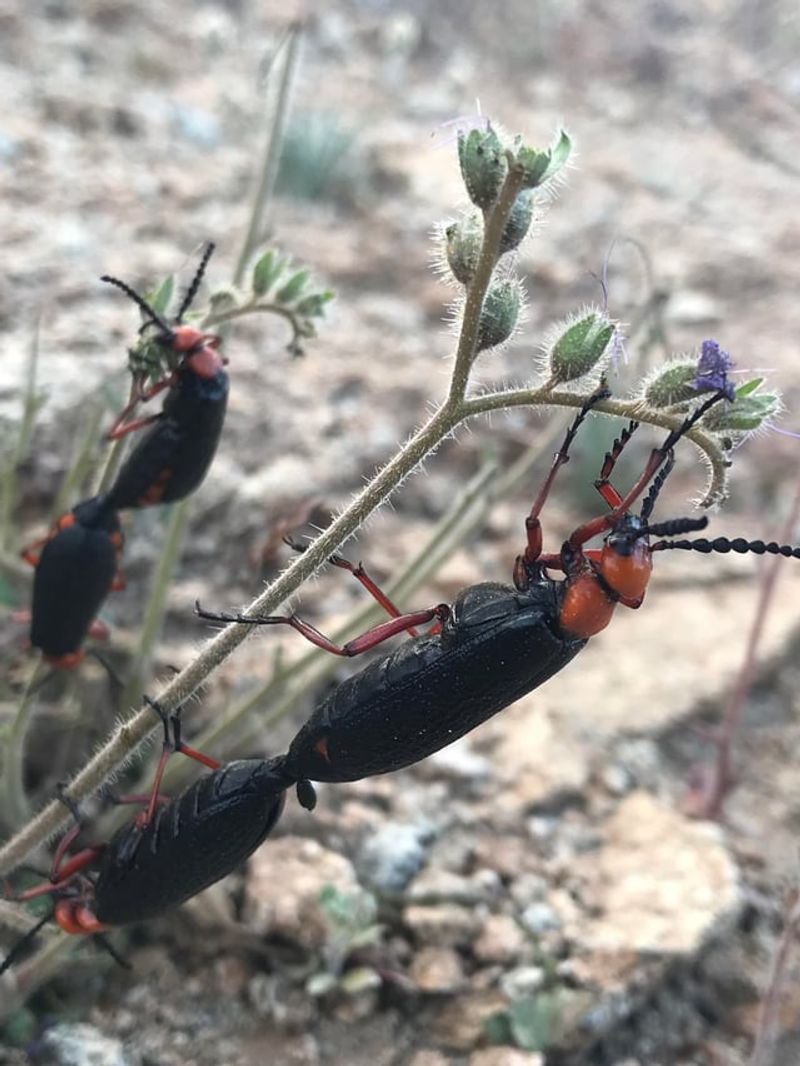
Coming across an unfamiliar or potentially harmful insect in the garden can feel alarming, but taking a calm, measured approach leads to better outcomes than reacting quickly out of fear. Blister beetles are not aggressive insects and do not seek out human contact.
Most encounters happen because a gardener reaches into a plant or brushes against foliage where a beetle is resting, rather than because the beetle is actively moving toward a person.
Stepping back, taking a breath, and observing the beetle from a short distance gives a gardener time to assess the situation without making contact.
There is no need to rush to remove a blister beetle immediately unless it is in a spot where accidental contact is likely during normal garden activity.
Watching it for a moment can also help confirm the identification before deciding on next steps.
An Arizona garden is home to many insects throughout the year, and most of them are harmless or even beneficial. Developing a habit of calm observation rather than automatic swatting or grabbing helps protect both the gardener and the garden’s broader ecosystem.
Knowing that blister beetles exist in Arizona, understanding what they look like, and having a plan for safe removal if needed turns an unsettling discovery into a manageable part of gardening in the Arizona landscape.