The Rat-Repelling Herbs Florida Gardeners Are Growing Right Now
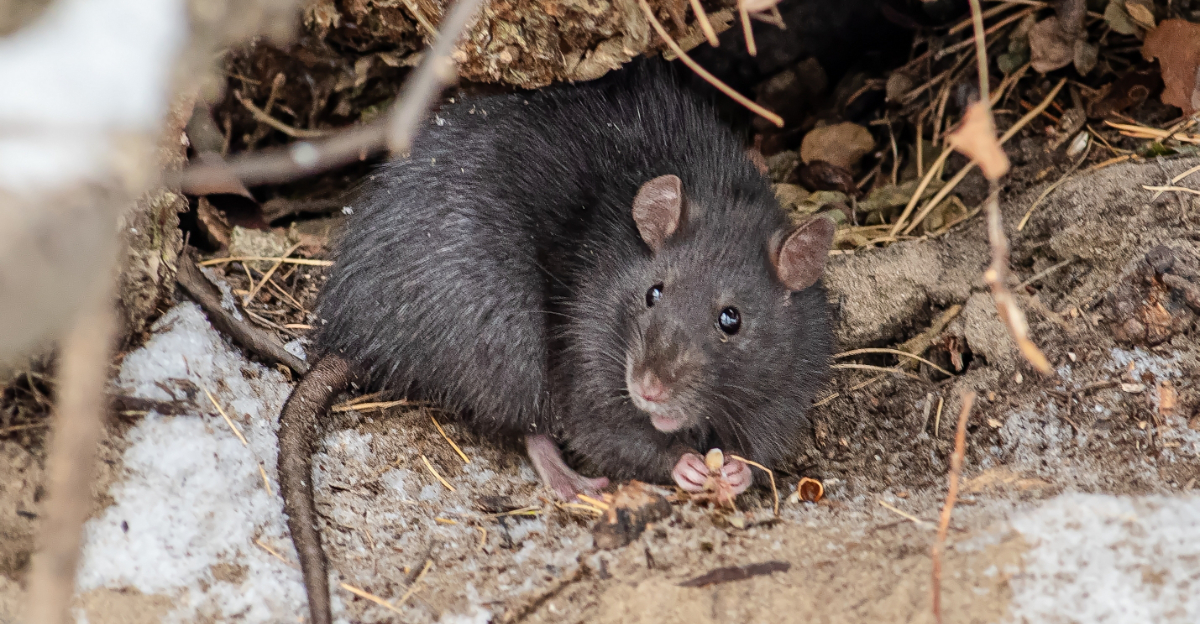
Rats in Florida yards are a real and persistent problem. Most homeowners reach for traps or bait stations, deal with the immediate issue, and repeat the cycle a few months later.
But a growing number of gardeners are paying closer attention to plant selection as part of a broader approach to pest management around the home.
Certain herbs have a long reputation for being unappealing to rodents, strong volatile oils, intense scents, and compounds that rats actively avoid in their environment.
Do they work as a standalone solution? No. But as part of a yard that is already managed well, they add something worth considering.
Several of these herbs also happen to be useful in the kitchen, low maintenance in Florida’s climate, and genuinely attractive in a garden bed. Worth growing for multiple reasons, with rodent deterrence as a reasonable bonus rather than a guarantee.
1. Plant Mint In Containers Near Problem Edges
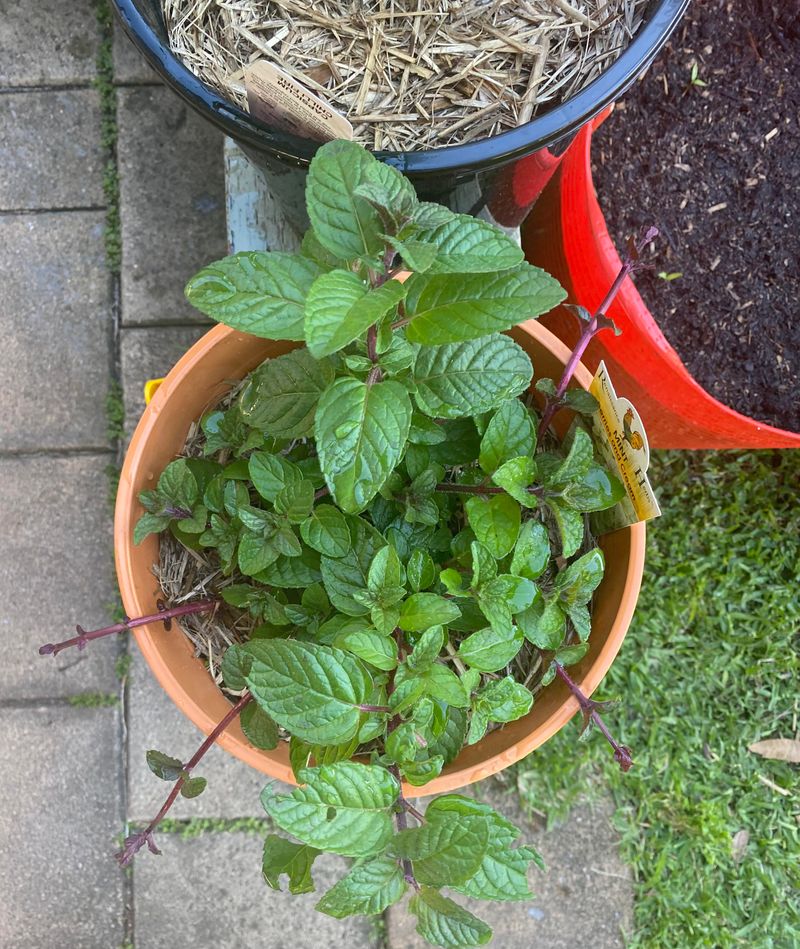
A pot of mint sitting near a raised bed does more than smell good on a warm afternoon. Its sharp, cooling scent is strong enough to notice from several feet away.
That intensity is exactly why Florida gardeners place it along patio edges and garden borders as one aromatic layer in a broader rodent-deterrent plan.
Mint is not a guaranteed rat repellent, but its presence as part of a clean, scent-layered garden is a reasonable starting point.
The most important thing to know about mint is that it spreads fast and aggressively if planted directly in the ground. UF/IFAS recommends growing mint in containers to control its spread, and that habit actually works in your favor here.
You can move pots to wherever a problem edge needs coverage, whether that is near a compost area, a garden gate, or a fence line where activity seems high.
Mint prefers consistent moisture and can tolerate some shade, though it does best with morning sun in warm climates. Water containers regularly because they dry out faster than in-ground beds, especially during summer.
Keep the area around the pots clean, remove any fallen fruit or debris nearby, and check that saucers are not holding standing water. Healthy, fragrant mint is far more useful than a stressed, dry plant that has lost most of its scent.
2. Grow Rosemary Where Hot Sunny Beds Stay Dry
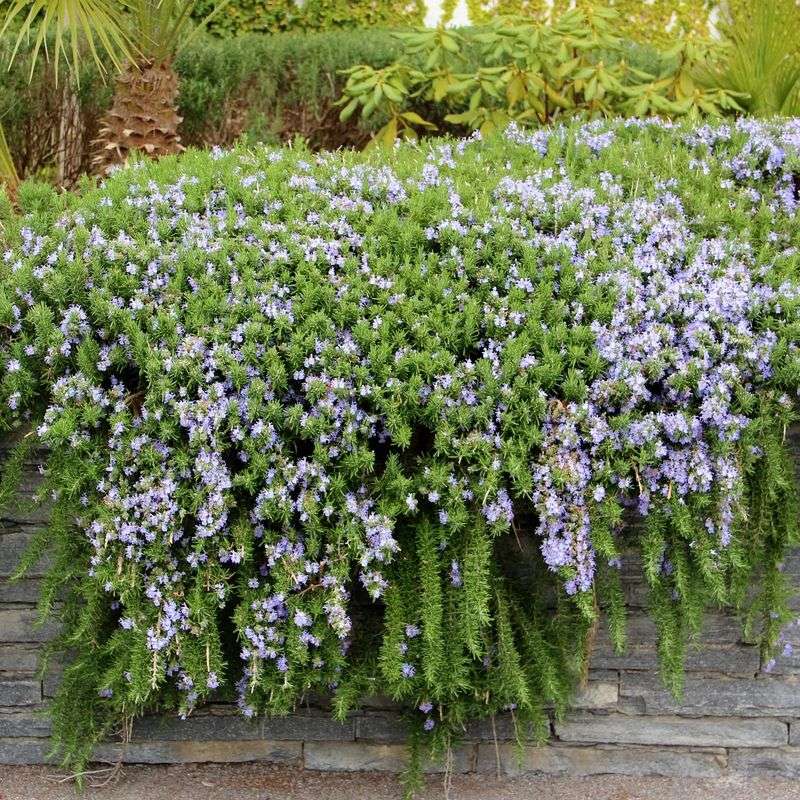
Picture a hot, sandy strip along a sunny walkway where nothing much wants to grow. That is exactly where rosemary earns its place.
This tough, strongly scented herb handles heat, drought, and poor soil better than almost any other culinary herb. That makes it well-suited to the dry, bright edges that many local gardens have in abundance.
According to UF/IFAS, rosemary thrives in full sun and well-drained soil, and it struggles badly in soggy or compacted conditions.
That means you should keep it away from leaky irrigation heads, low spots that hold rainwater, and wet mulch piles that stay damp for days after a storm.
Sandy or rocky raised beds, dry border strips, and container gardens with fast-draining mix are all good options.
Your Florida Garden Changes Every Week. Your Plan Should Too.
Gardening in Florida changes quickly throughout the season. Every Friday you’ll receive a simple weekly plan showing exactly what to plant, prune, fertilize, harvest, and protect so you never miss the right timing.
As an aromatic layer near edible gardens or outdoor seating areas, rosemary adds a bold, piney scent that hangs in the air during warm afternoons.
Place it along the dry outer edges of vegetable beds or near patio furniture where the scent can work as part of a broader sensory deterrent.
Rosemary will not drive rats away on its own, so keep up with sanitation habits like securing food waste and removing clutter. Prune it lightly after flowering to keep the plant dense, fragrant, and healthy through the growing season.
3. Use Basil Around Summer Vegetable Beds
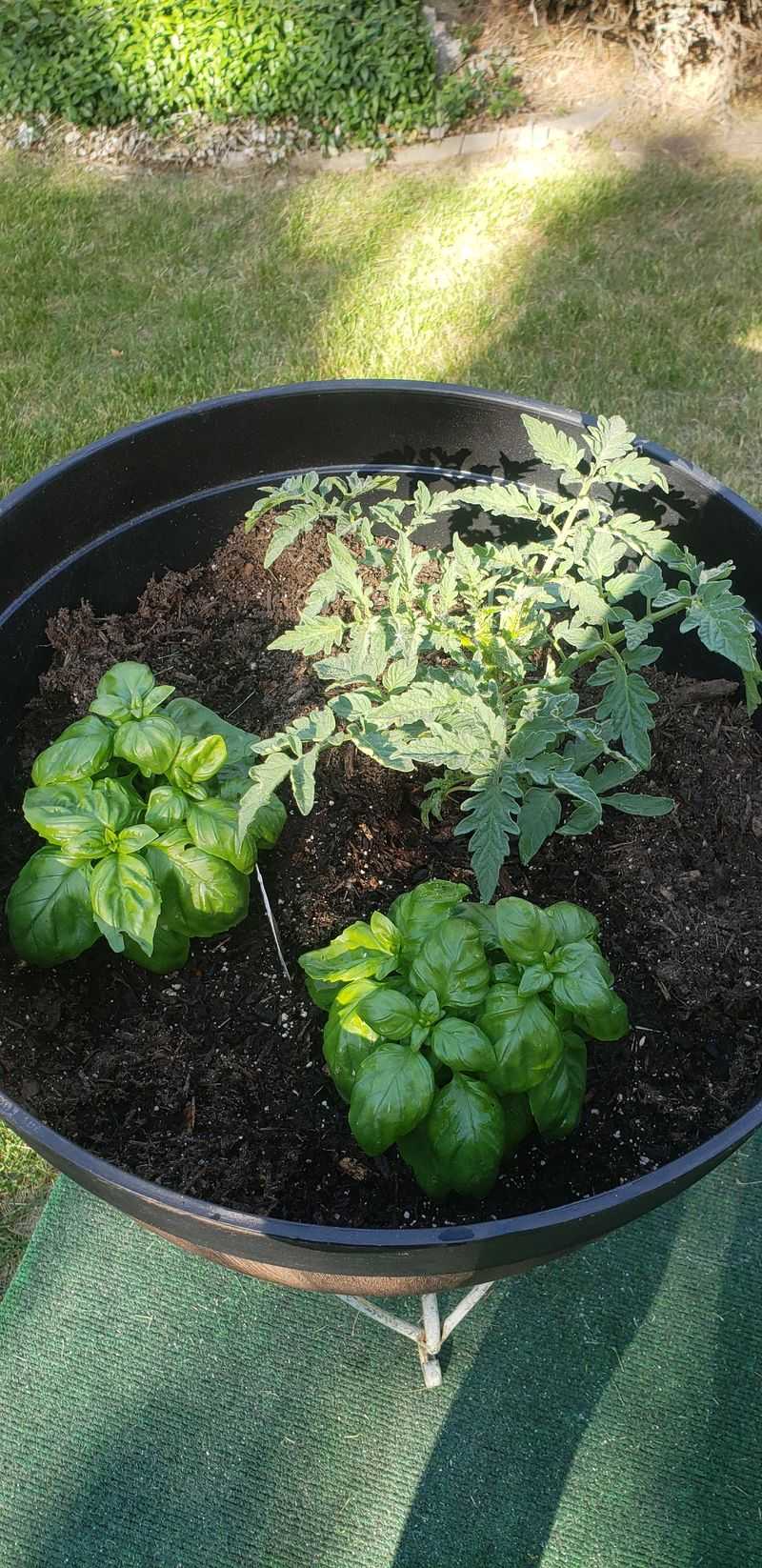
A summer vegetable bed in full swing smells incredible, especially with basil planted in rows between tomatoes and peppers. The leaves release a spicy, clove-like fragrance every time the wind moves through.
That layered scent is part of what makes a well-planted edible garden feel intentional and alive. Gardeners often tuck basil among warm-season crops for culinary reasons, and its strong scent adds one more aromatic element to the mix.
UF/IFAS lists basil as a warm-season herb that performs well in this state during hot weather, needing full sun, regular watering, and fertile, well-drained soil. It is not a drought-tolerant plant, so consistent moisture matters.
Pinch flowers off regularly to keep the plant producing fragrant leaves instead of going to seed too quickly.
The honest truth about basil and rats is that no herb will protect your tomatoes if fallen fruit is rotting on the ground nearby. Harvest ripe vegetables promptly, pick up anything that drops, and avoid leaving any food source accessible after dark.
Basil is most useful as part of a clean, actively managed vegetable garden where sanitation habits are already solid. Think of it as a fragrant companion that makes your edible bed smell rich and fresh, not as a shield that lets you skip the daily garden walkthrough.
Healthy basil in a tidy bed is a much stronger message than a neglected one.
4. Plant Lemongrass In Sunny Spots With Room
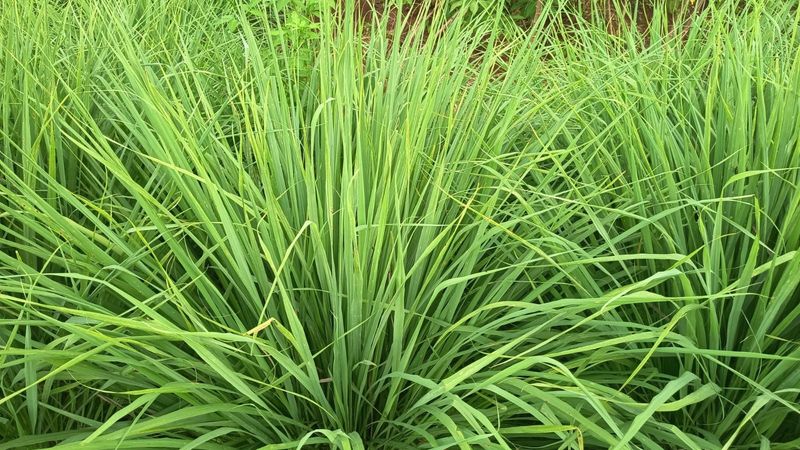
There is a sunny back corner of many local gardens where a bold, tall plant could do a lot of good, and lemongrass fills that role better than most. Its strong citrus scent is unmistakable, and its clumps grow large and dramatic.
Its presence near a garden edge adds a dense aromatic presence that fits well into a scent-layered rodent-deterrent strategy.
UF/IFAS notes that lemongrass grows vigorously in warm, sunny conditions and can form substantial clumps over time. That size is worth planning for.
Avoid squeezing it into narrow foundation strips, small containers, or tight paths where it will quickly outgrow its space and become difficult to manage. Give it an open sunny spot with room to spread, good drainage, and regular moisture during the growing season.
Gardeners in southern regions of the state can often grow lemongrass as a reliable perennial, while those in northern regions may see cold setbacks during winter. After a cold snap, clumps may look rough but often recover when cut back and given time.
Even in cooler zones, many gardeners treat it as an annual or replant from divisions each spring. As a deterrent layer, place lemongrass along wide open garden edges where its citrus scent can spread freely.
Combine it with good sanitation and habitat reduction for the best results, since no plant does the job alone.
5. Grow Thyme Along Dry Walkway Edges
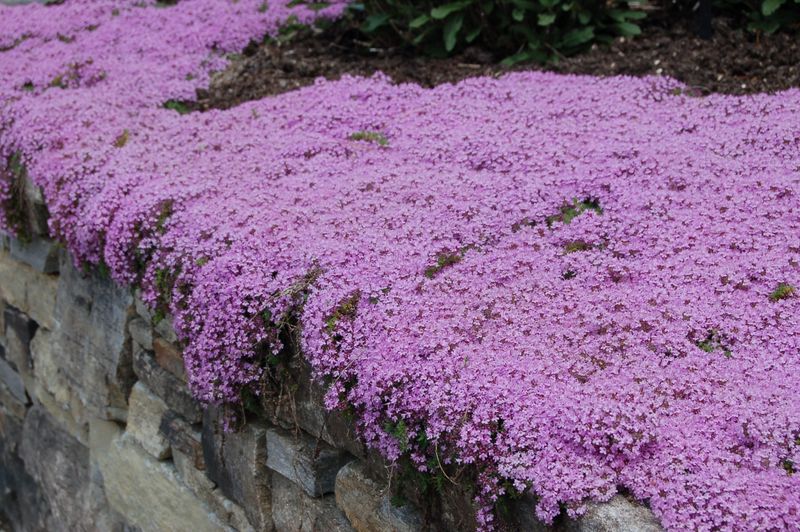
Bare soil along a dry walkway is wasted space, and thyme has a way of fixing that quietly and usefully. This low, creeping herb settles into path edges, steps, and dry garden borders with a woody, aromatic presence.
It releases scent whenever leaves are brushed or the sun warms the ground. Gardeners who want a practical, low-maintenance herb for a tough spot often come back to thyme again and again.
UF/IFAS supports thyme as an herb that prefers full sun and well-drained soil, which makes it a natural fit for the sandy, dry edges common in many local gardens.
Poor drainage is the main threat in a humid summer climate, so avoid placing it in spots that stay wet after rain or near irrigation zones that run frequently.
Raised beds, containers with drainage holes, and sandy border strips all work well.
As an aromatic layer near edible beds or patio paths, thyme adds a subtle but persistent herbal scent to the area. Trim it lightly after flowering to keep it compact and encourage fresh growth.
Avoid overwatering, give it good airflow, and skip heavy mulching directly around the base since that traps moisture and can cause root problems.
Thyme will not keep rats away on its own, but a dry, tidy, scent-rich path edge is a much less appealing environment than a cluttered, damp one.
Keep the surrounding area clean and clear for the best effect.
6. Use Oregano In Containers Where It Can Trail
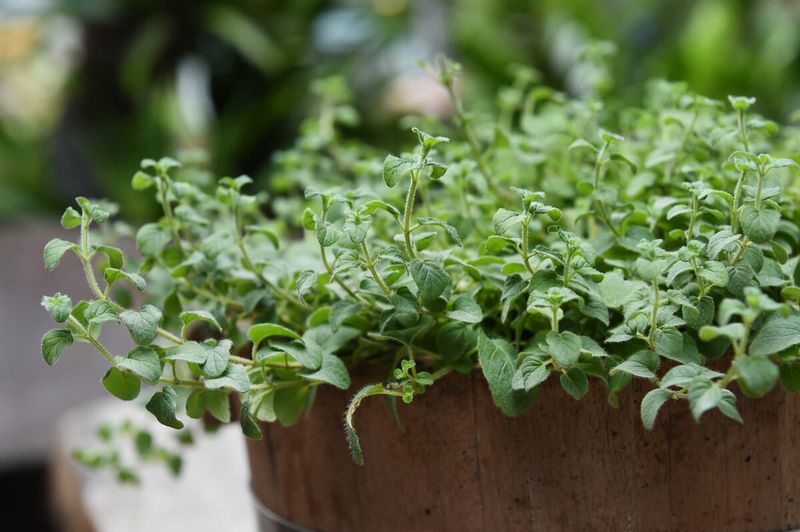
Near an outdoor kitchen or sunny patio table, a trailing oregano plant in a terracotta pot looks as good as it smells. The leaves carry a bold, peppery, herbal scent that gets stronger in full sun.
The trailing habit means stems spill over container edges in a way that looks intentional and full. Container placement also makes it easy to move the pot wherever a scent layer is most needed around the garden.
Oregano grows well in containers with fast-draining potting mix and full sun, according to general herb-growing guidance backed by Extension sources.
The container approach is especially smart in areas where garden soil stays too wet or compacted for Mediterranean herbs to thrive.
Use a pot with drainage holes and avoid saucers that collect and hold standing water, since that can cause root problems and weaken the plant over time.
As one aromatic element near raised beds or outdoor cooking areas, oregano contributes a strong herbal scent that fits naturally into a sensory-rich garden plan.
It will not act as a barrier against rats, but a healthy, fragrant herb near a tidy patio sends a different signal than bare, cluttered ground.
Keep the area around the container free of food scraps, grease drips from grills, and pet food bowls left out overnight. Healthy oregano paired with consistent sanitation habits is a much smarter combination than either one alone.
7. Plant Sage Where Drainage Stays Sharp
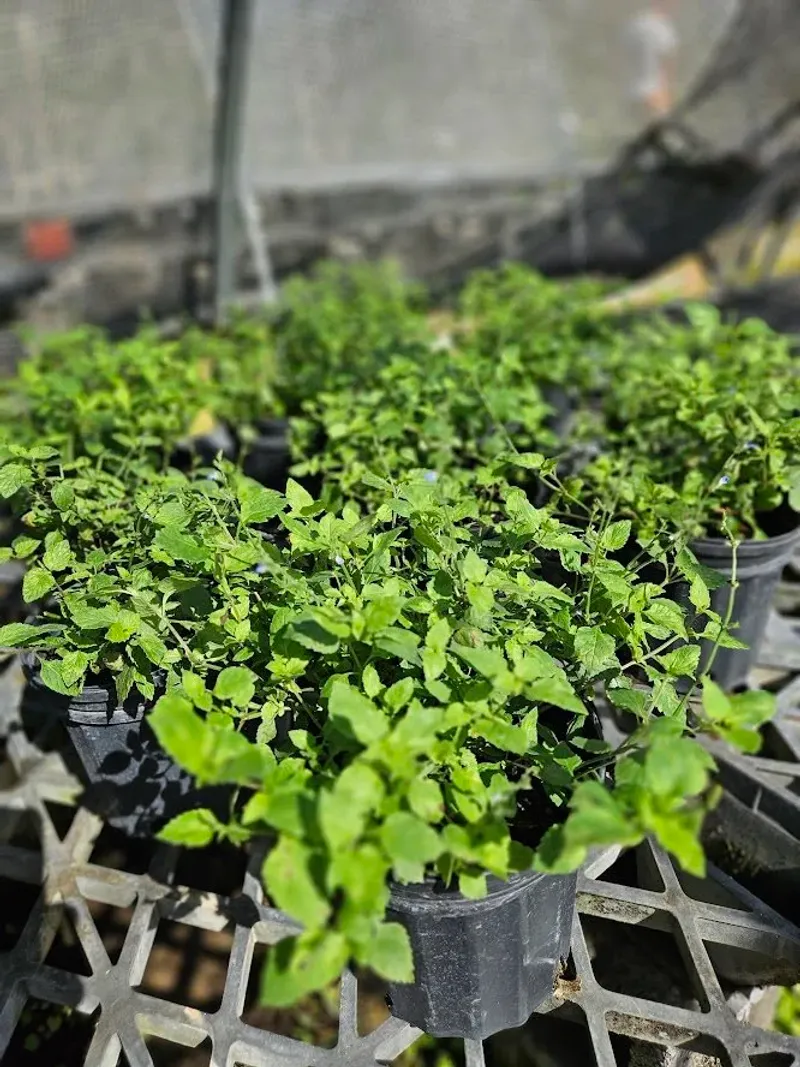
A raised herb bed along a dry front edge is one of the best spots in the garden for sage. Its silvery-green leaves and strong, earthy scent stand out visually and aromatically, and the plant stays relatively compact in well-managed conditions.
Gardeners who want a bold-scented herb that can hold up through long stretches of heat often find sage worth the effort of finding the right site.
Sage is a Mediterranean herb that needs excellent drainage and full sun to stay healthy, especially during the humid summer months common across this state. Wet soil, poor airflow, and heavy clay are the main challenges.
Raised beds, containers with drainage holes, and sandy sites that dry quickly after rain are all better choices than low-lying or poorly drained spots.
UF/IFAS guidance on Mediterranean herbs consistently emphasizes sharp drainage as the key factor for success.
As part of a dry, aromatic border near edible beds or patio edges, sage adds a distinctive herbal scent that contributes to a scent-layered garden environment. Prune it lightly to keep the plant open and airy, which also helps with airflow during rainy stretches.
Sage will not solve a rat problem on its own, so pair it with good sanitation, clutter removal, and trimmed vegetation near structures.
A tidy, well-drained border planted with strongly scented herbs like sage is a more deliberate and less inviting space than overgrown, debris-filled ground.
8. Grow Garlic Chives Near Edible Garden Borders
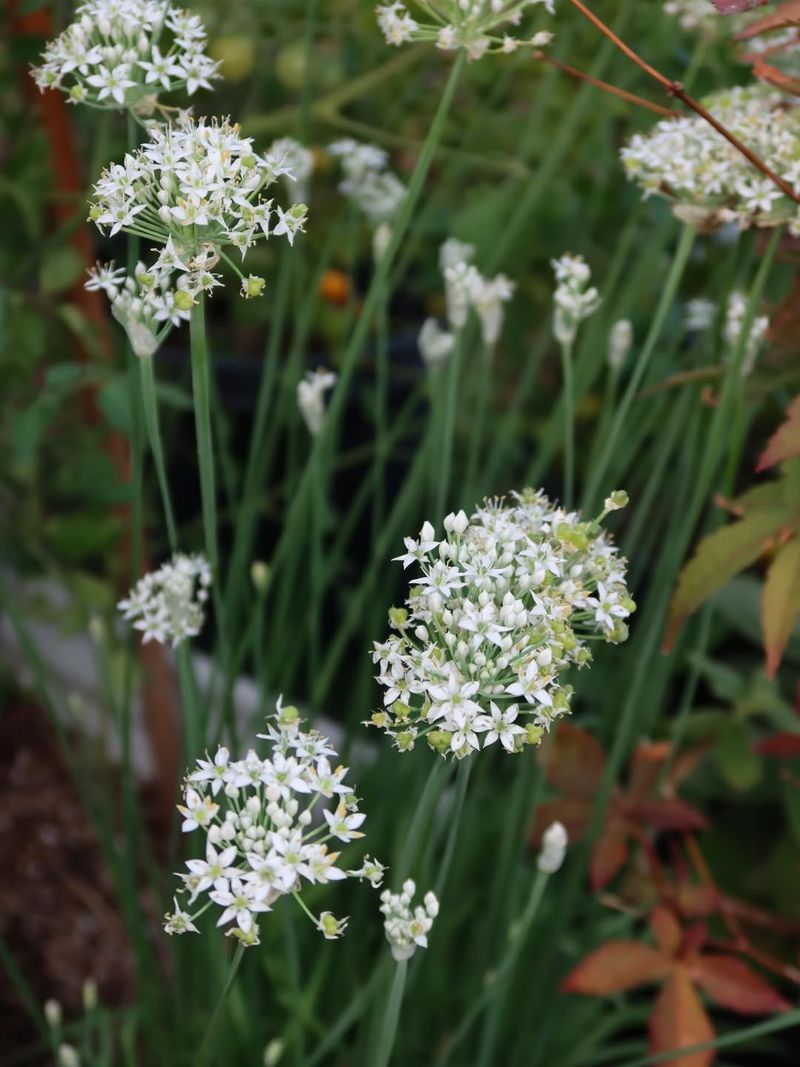
Brush against a clump of garlic chives and the scent hits you immediately, sharp, garlicky, and unmistakably pungent. That intensity is exactly what makes them an interesting border plant near edible garden edges.
They are easy to grow and useful in the kitchen. Their strong onion-garlic fragrance adds a bold aromatic element to garden borders without requiring much fuss or special conditions.
Garlic chives are edible herbs with flat, strap-like leaves and small white flowers that appear in late summer and fall. UF/IFAS recognizes chives as an herb suited to local gardens.
Garlic chives share similar cultural needs: full sun to partial shade, consistent moisture, and well-drained soil. They grow in tidy clumps that make them easy to place along bed edges, in containers, or in mixed herb plantings near vegetable gardens.
One important management note: garlic chives can reseed heavily if flowers are allowed to mature and drop. Trim spent flowers before seeds form to keep the planting from spreading beyond where you want it.
As a border herb, garlic chives add real culinary value alongside their aromatic presence, so harvest leaves regularly for cooking and enjoy both benefits at once.
Like every herb in this list, they work best as part of a garden where sanitation is solid, food sources are secured, and vegetation near structures is kept trimmed back.
The scent adds a layer, but the habits do the real work.