Get Your Virginia Crape Myrtles Ready Before Summer Heat Sets In With These 8 Steps
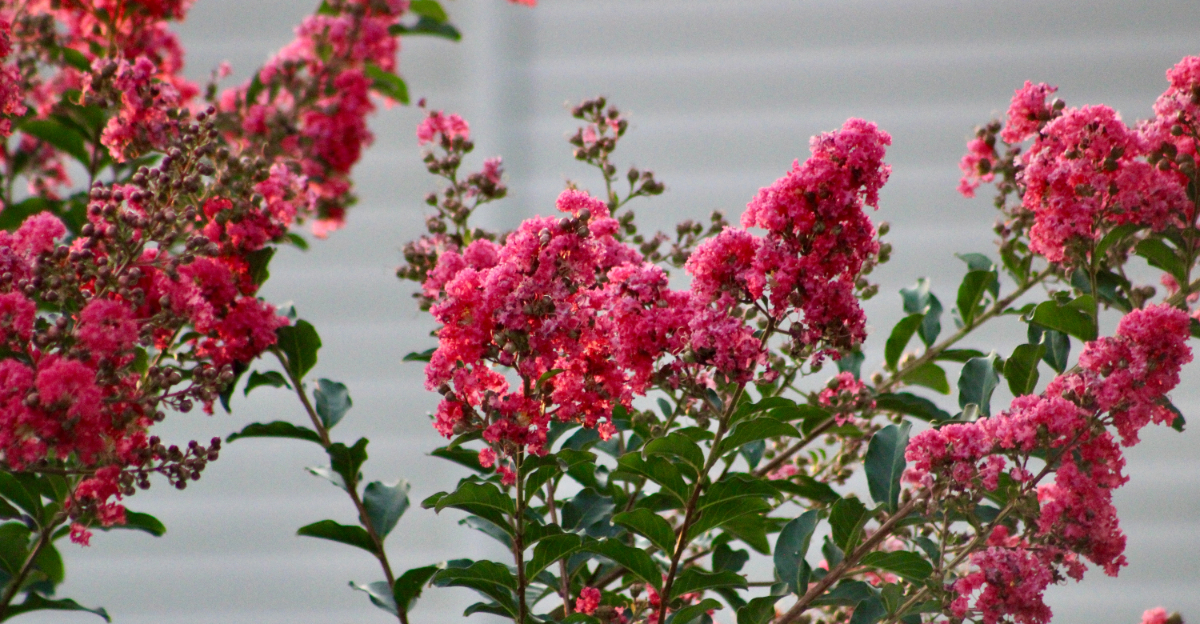
Virginia crape myrtles are tough, but they are not invincible. Spectacular summer blooms start in late spring, before the heat makes everything harder.
Most gardeners wait too long, then wonder why their blooms look thin or their branches look stressed by July. The window for making a real difference is right now.
Crape myrtles respond fast to good timing, and a few focused steps before temperatures climb can change what your tree does all season.
This is not about complicated techniques or expensive products. It is about knowing what your tree actually needs and doing it at the right moment.
These eight steps are practical, quick, and genuinely effective for Virginia’s specific climate.
Work through them before the heat settles in, and your crape myrtles will handle summer the way they were always meant to.
1. Water Deeply And Infrequently Before The Heat Peaks

Roots need room to reach down, not just sideways. Deep watering trains crape myrtle roots to grow toward moisture far underground.
Shallow, frequent watering keeps roots near the surface. That makes trees weak and vulnerable when summer heat bakes the top layer of soil dry.
The goal is to water slowly and thoroughly, soaking the ground at least 12 inches deep. A drip hose or soaker hose works better than a sprinkler for this purpose.
Water your crape myrtles once or twice a week before summer arrives. This schedule gives the soil time to partially dry between sessions, which encourages stronger root development.
Morning watering is best because leaves dry out before evening. Wet foliage overnight can create conditions favorable for fungal issues later in the season.
Check soil moisture by pushing a finger two inches into the ground near the base. If it feels dry at that depth, it is time to water again.
Young trees planted within the last two years need more attention than established ones. Their root systems are still building, so consistent moisture matters more during this prep window.
Established crape myrtles are surprisingly drought-tolerant once summer fully sets in. But right now, before the heat peaks, generous watering builds the foundation that carries them through the toughest months ahead.
2. Add A Fresh Layer Of Mulch Around The Base
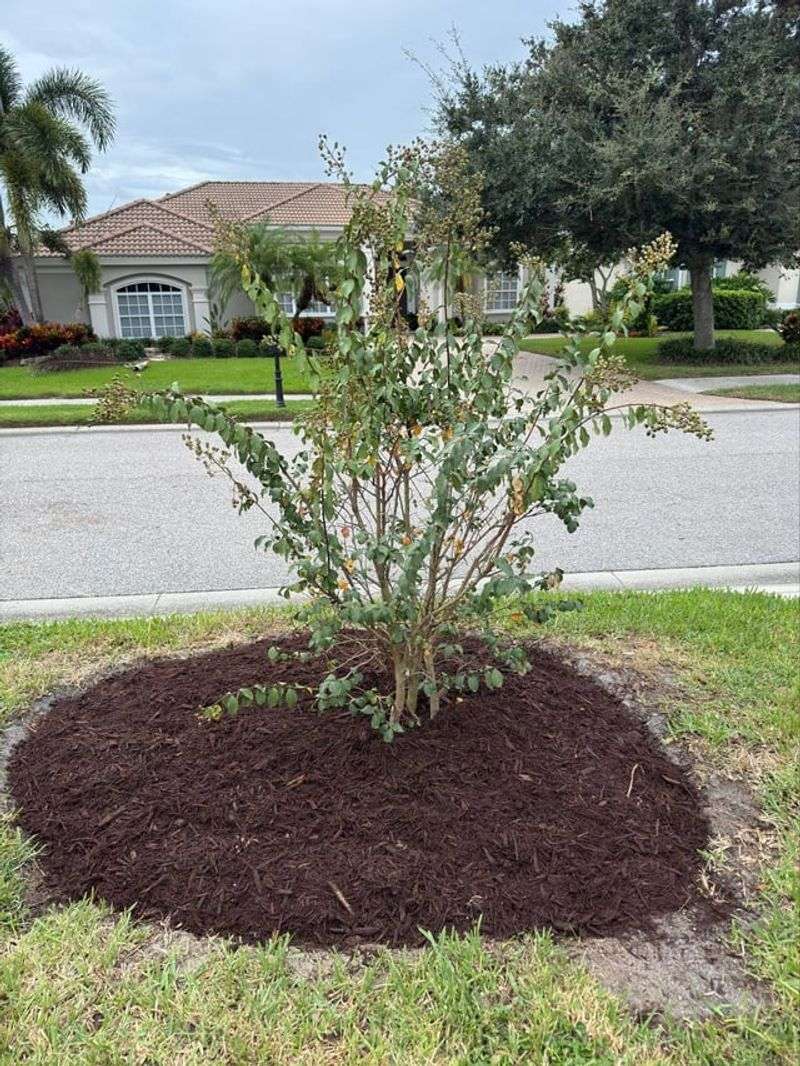
Mulch is one of the most practical and affordable things you can do for your crape myrtle, and a fresh layer does three big things at once.
First, it locks in soil moisture so roots stay hydrated longer between watering sessions. Second, it keeps soil temperatures cooler when the sun starts hammering down.
Third, mulch suppresses weeds that compete with your tree for water and nutrients. Fewer weeds means more resources going directly to the crape myrtle.
Spread mulch in a wide ring around the base, extending at least two to three feet out from the trunk. A three-inch depth is the sweet spot for moisture retention and weed control.
Here is a mistake many homeowners make: piling mulch directly against the trunk. That traps moisture against the bark and creates a breeding ground for rot and pests.
Your Virginia Garden Changes Every Week. Your Plan Should Too.
Gardening in Virginia changes quickly throughout the season. Every Friday you’ll receive a simple weekly plan showing exactly what to plant, prune, fertilize, harvest, and protect so you never miss the right timing.
Always leave a two-inch gap between the mulch and the trunk itself. Think of it like a donut shape, with the tree trunk sitting in the hole.
Use organic mulch like shredded hardwood, pine bark, or wood chips. These materials break down slowly, feeding the soil with nutrients as they decompose over time.
Refreshing the layer now gives roots the insulation they need before summer heat peaks.
3. Fertilize Before Summer Stress Sets In
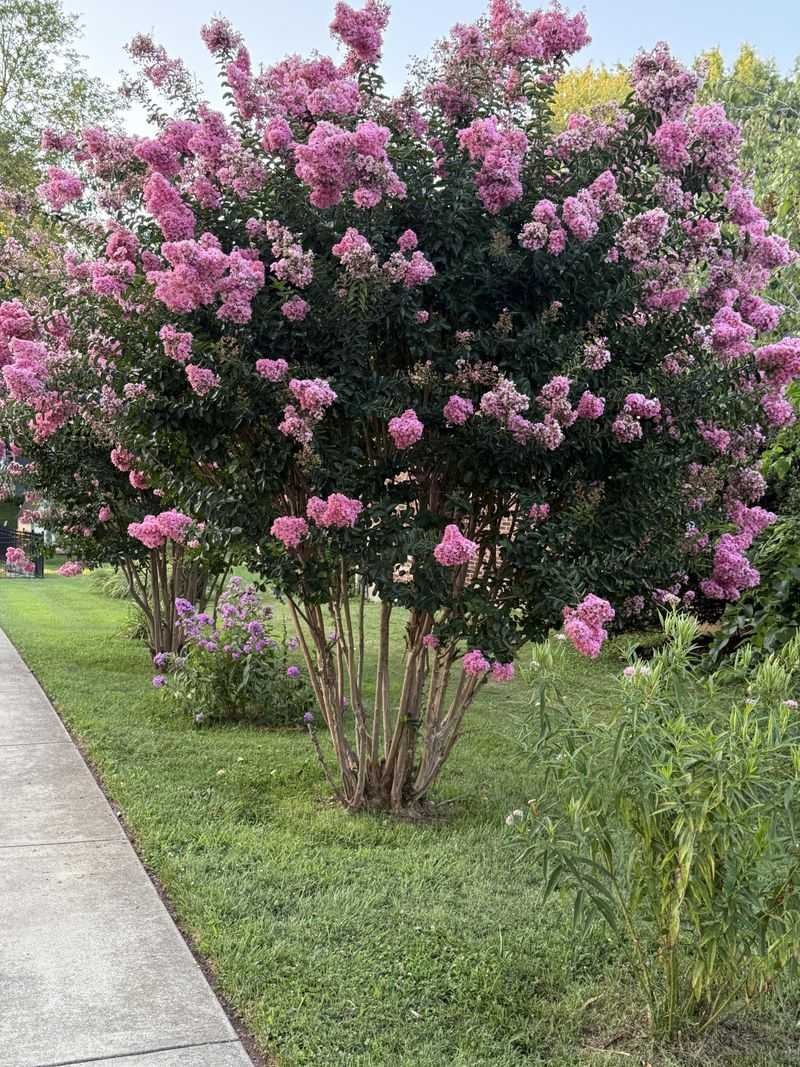
Feeding your crape myrtle at the right time is like fueling up before a long road trip. Timing matters just as much as the product you choose.
Late spring is the ideal window for fertilizing, right before summer stress begins. Applying too late may push new growth that has less time to harden off before heat arrives.
Choose a slow-release, balanced fertilizer with an equal ratio of nitrogen, phosphorus, and potassium. Something labeled 10-10-10 or 12-4-8 works well for most crape myrtles in Virginia soil.
Avoid high-nitrogen fertilizers that push lots of leafy green growth at the expense of blooms. You want flowers, not just foliage, so balance is key here.
Scatter granular fertilizer evenly around the drip line of the tree, not right at the trunk. The drip line is the outer edge of the tree canopy, where feeder roots are most active.
Water the area thoroughly after applying fertilizer. This helps nutrients move down into the root zone where they can actually be absorbed.
Do not over-fertilize thinking more is better. Too much fertilizer can burn roots and may cause leaf scorch, which is the last thing you want heading into a hot Virginia summer.
One application in late spring is usually enough for established trees. Young crape myrtles may benefit from a second light feeding in midsummer, but keep amounts modest to avoid pushing tender growth during peak heat.
4. Inspect For Pests Before They Take Hold
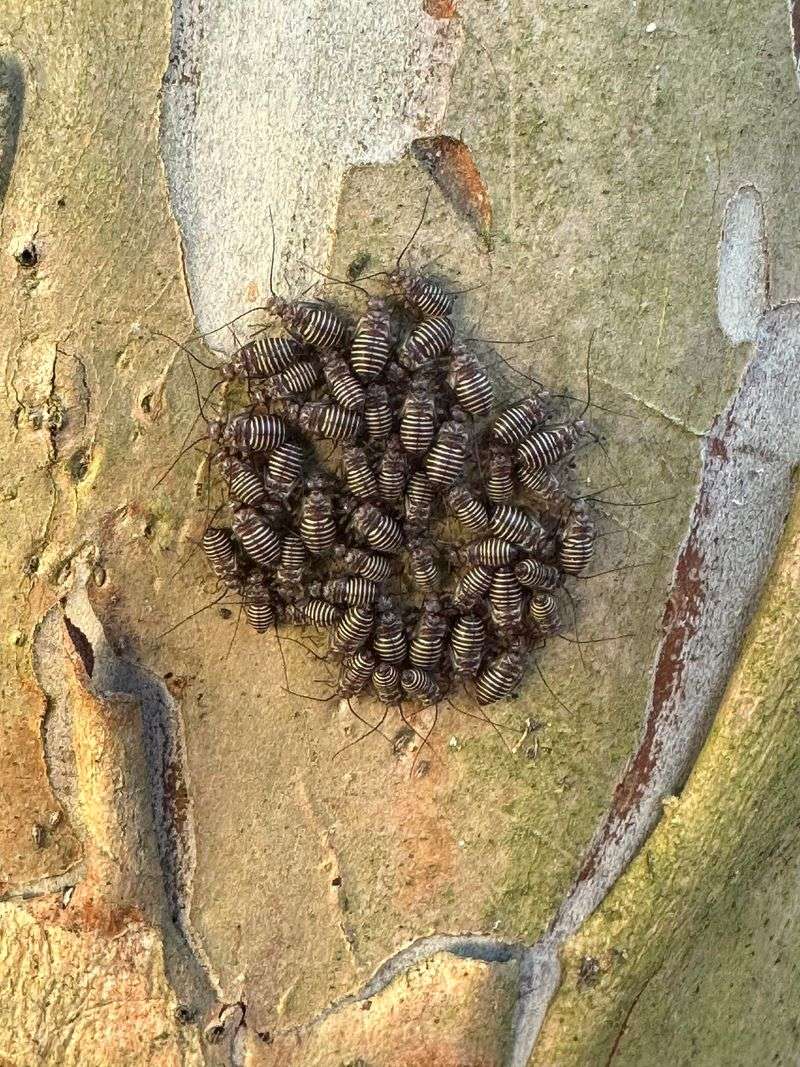
Pests love crape myrtles, and they love them even more when no one is paying attention. A quick inspection now can save you weeks of frustration later.
Aphids are the most common culprits, clustering on new growth and tender branch tips. They are tiny, but a heavy infestation leaves behind sticky honeydew that coats leaves and attracts mold.
Crape myrtle bark scale is another pest that has been spreading across Virginia in recent years. Look for white or gray crusty patches on branches and trunks, often with a pink residue underneath.
Check the undersides of leaves carefully, since that is where most soft-bodied insects hide. Turn a few leaves over and look closely with good lighting or a magnifying glass.
Catching an infestation early means you can treat it with something simple, like a strong spray of water or insecticidal soap. Early action keeps chemical treatments minimal.
Ants climbing up and down the trunk are often a sign of aphids above. Ants protect aphids from predators because they feed on the honeydew aphids produce.
If you spot bark scale, treat affected branches with horticultural oil in late spring. This smothers the insects before they spread to healthy parts of the tree.
Make inspection a habit every two weeks from now through summer. Consistent monitoring means problems never get a chance to escalate into something that threatens your tree’s health heading into the hottest months.
5. Remove Weak And Crossing Branches Now
Not all branches deserve a spot on the tree. Removing the wrong ones now sets your crape myrtle up for a stronger, more open structure all season long.
Crossing branches rub against each other as the tree grows and sways in the wind. That friction creates wounds that invite disease and pests into otherwise healthy wood.
Weak branches, especially thin shoots growing straight up from the base, drain energy without contributing much to the tree’s overall shape or bloom production. Cutting them now redirects that energy toward the main canopy.
Use clean, sharp pruning shears for small branches and loppers for anything thicker than your thumb. Dull tools crush tissue instead of cutting cleanly, leaving ragged wounds that are slow to heal.
Make cuts just outside the branch collar, which is the slightly swollen area where a branch meets a larger limb. Cutting there allows the tree to seal the wound naturally.
Try not to remove more than one-third of the canopy at one time. Aggressive removal stresses the tree right before summer, which is the opposite of what you are trying to accomplish.
This is also a great time to remove any branches growing inward toward the center of the tree. Opening up the canopy improves airflow and reduces the risk of fungal issues like powdery mildew.
A well-pruned crape myrtle looks intentional and graceful, not chopped or stubby. Clean up your cuts now, and the blooms will thank you come July.
6. Skip Late Pruning If You Want Blooms
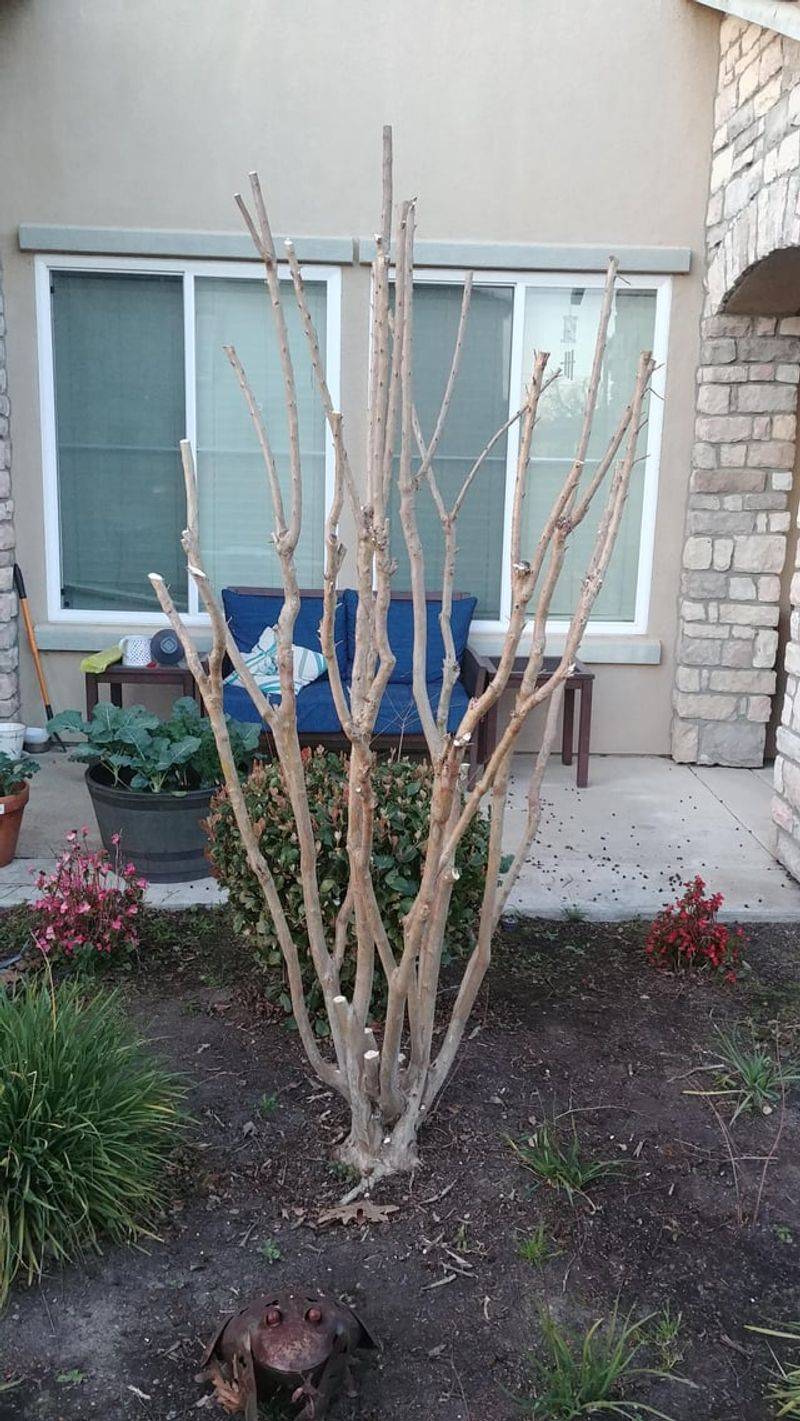
Here is a truth that saves a lot of heartbreak: crape myrtles bloom on new growth from the current season. Prune too late, and you cut off the very wood that would have carried your flowers.
Late pruning, meaning anything done after new growth begins in spring, removes the branch tips where flower buds are forming. You may end up with a leafy tree and significantly fewer blooms.
The window for any necessary structural pruning closes once you see leaves pushing out of the buds. Avoid heavy pruning after spring growth begins. Limit yourself to damaged, crossing branches, or suckers.
Many homeowners make the mistake of heavy pruning in late spring, thinking they are shaping the tree. What they are actually doing is scheduling a bloomless summer for themselves.
If you missed the early pruning window this year, resist the urge to cut now. A slightly unruly crape myrtle with full blooms is far more rewarding than a tidy one with none.
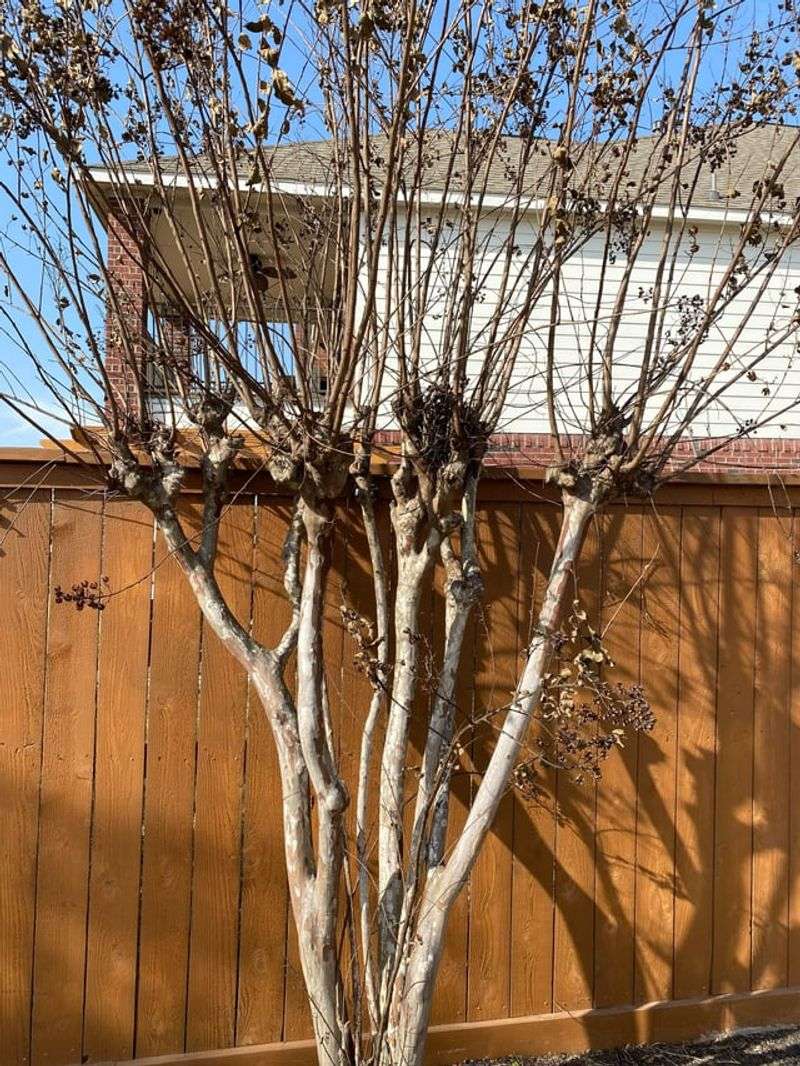
The practice of cutting crape myrtles down to stubs every year, sometimes called crape murder, is especially damaging when done late. It produces weak, knobby regrowth and almost always delays or reduces flowering.
Stick to light, intentional cuts before bud break in early spring. That is the only window where pruning helps rather than hurts your bloom potential.
Your patience now will pay off in spectacular flower clusters by midsummer, making the wait absolutely worth every restrained snip you chose not to take.
7. Watch For Powdery Mildew Before It Spreads
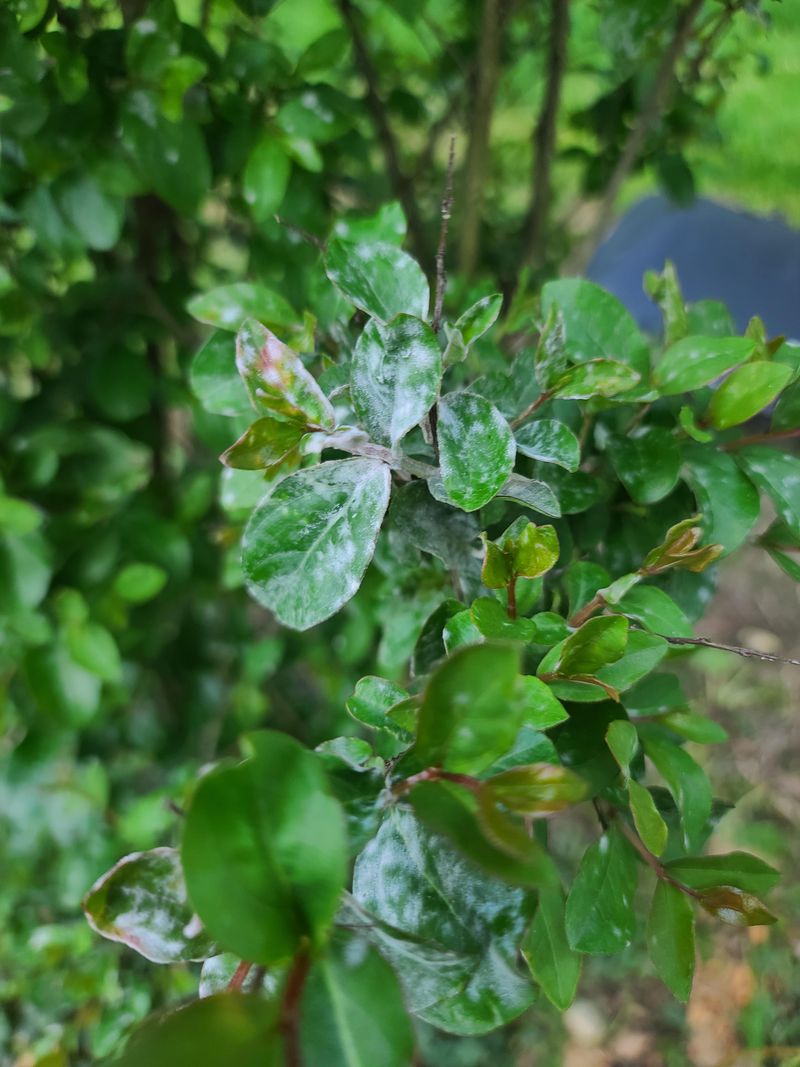
Powdery mildew looks exactly like its name suggests: a white, dusty coating on leaves and stems. Spotting it early is the difference between a quick fix and a season-long battle.
This fungal issue thrives in warm days paired with cool nights, which describes Virginia spring weather almost perfectly. High humidity and poor airflow make conditions even more favorable for its spread.
Check new growth first, since mildew typically appears on young, tender leaves before moving to older ones. Look for grayish-white patches that wipe off easily with your finger.
Overcrowded plantings and dense canopies trap moisture and restrict airflow, creating a perfect environment for mildew to multiply. Thinning out crossing branches, as mentioned earlier, directly helps prevent this problem.
If you catch it early, a simple spray of diluted neem oil or a baking soda solution may help slow the spread. Apply in the morning so foliage dries completely before evening.
Avoid overhead watering, which wets leaves and keeps them damp for extended periods. Soaker hoses and drip irrigation deliver moisture to the roots without touching the canopy.
Some crape myrtle varieties are naturally more resistant to powdery mildew than others. If your tree struggles with it every year, consider whether a more resistant variety might serve your yard better long term.
Staying ahead of mildew now means your tree enters peak summer with clean, healthy foliage that can support maximum flower production all the way through September.
8. Give Young Crape Myrtles Extra Protection From Afternoon Sun
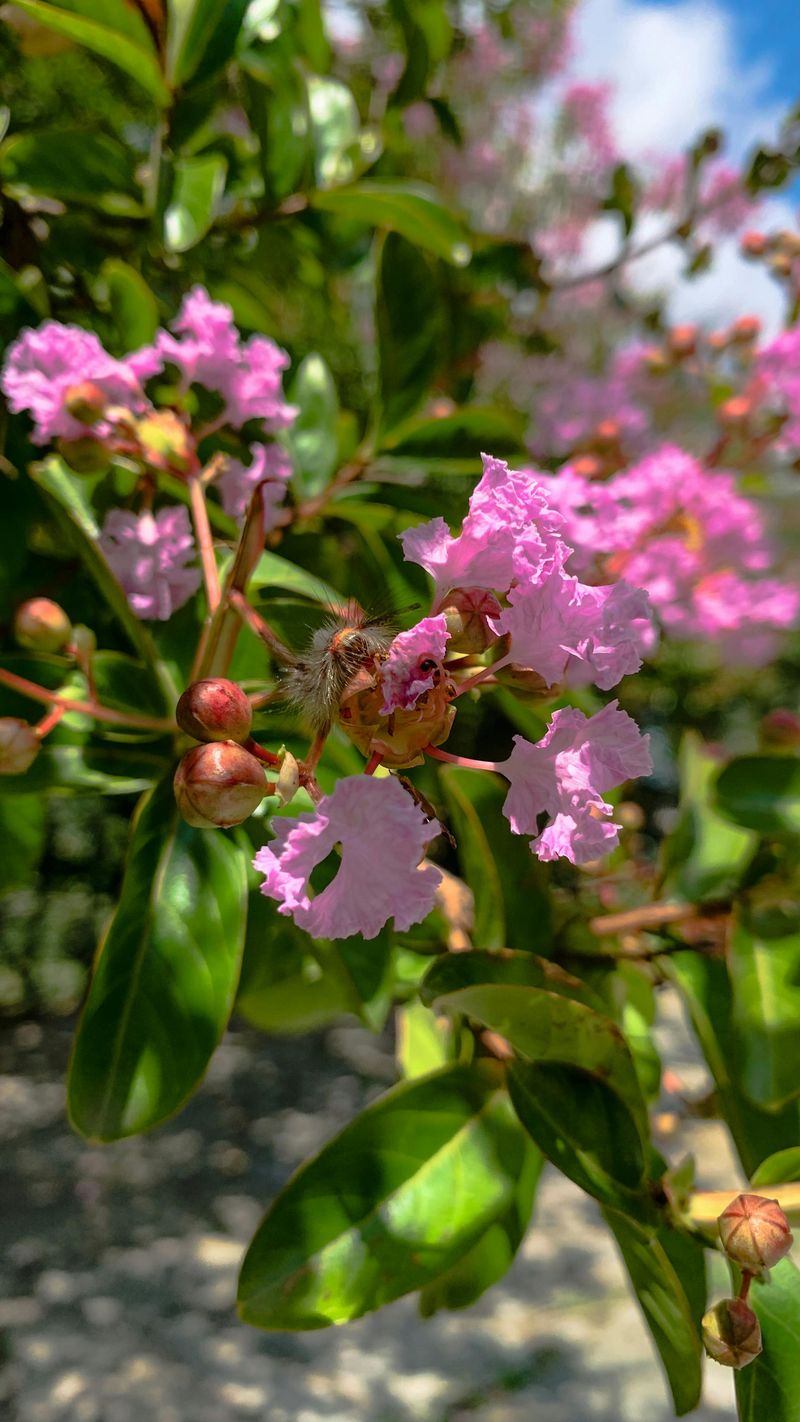
Young trees planted within the last year or two face a harder road than established ones. Their root systems are still small, and they cannot pull up water fast enough to keep pace with intense afternoon heat.
Afternoon sun in Virginia, especially from late June through August, can be intense enough to scorch tender leaves and stress shallow roots. A little protection now prevents major setbacks later.
Temporary shade cloth attached to simple stakes can block 30 to 40 percent of direct afternoon sun. This small investment dramatically reduces heat stress during the tree’s most vulnerable period.
Position shade cloth on the west side of the tree, since that is where the harshest late-day sun comes from. You do not need to block morning light, which is gentler and actually beneficial for growth.
Deep watering, as covered in the first step, becomes even more critical for young trees facing afternoon heat. Their roots need to reach deeper moisture before hot weather locks in.
Mulching generously around young trees helps keep root zone temperatures lower. Cooler roots mean a more stable, hydrated tree even on the hottest afternoons.
Remove shade cloth once the tree shows strong, steady growth and temperatures begin to moderate in early fall. You want the tree to harden off naturally before winter arrives.
With the right prep, a young crape myrtle planted last fall can absolutely thrive through a Virginia summer and come back even stronger the following year.