These 8 Vegetables Keep Georgia Gardens Busy Without Replanting All Summer
When June arrives in Georgia, gardeners start making mental notes. What needs to come out. What might survive the heat. Which beds to let rest until fall.
Most of that planning assumes summer is the hard season. The one to manage through rather than get excited about. That assumption is only partially right.
Do you know what a well-chosen summer vegetable garden in Georgia actually looks like in August?
Not struggling plants. Not a yard in survival mode. A garden producing more than the household can actually keep up with, without any replanting since spring.
The secret is not a particular technique or a special tool. It is choosing vegetables that were built for exactly these conditions: long days, intense heat, high humidity, and very little gardening mercy.
Georgia summer is not a pause in the gardening calendar. For the right plants, it is the main event.
1. Okra Keeps Pods Coming Through Georgia Heat
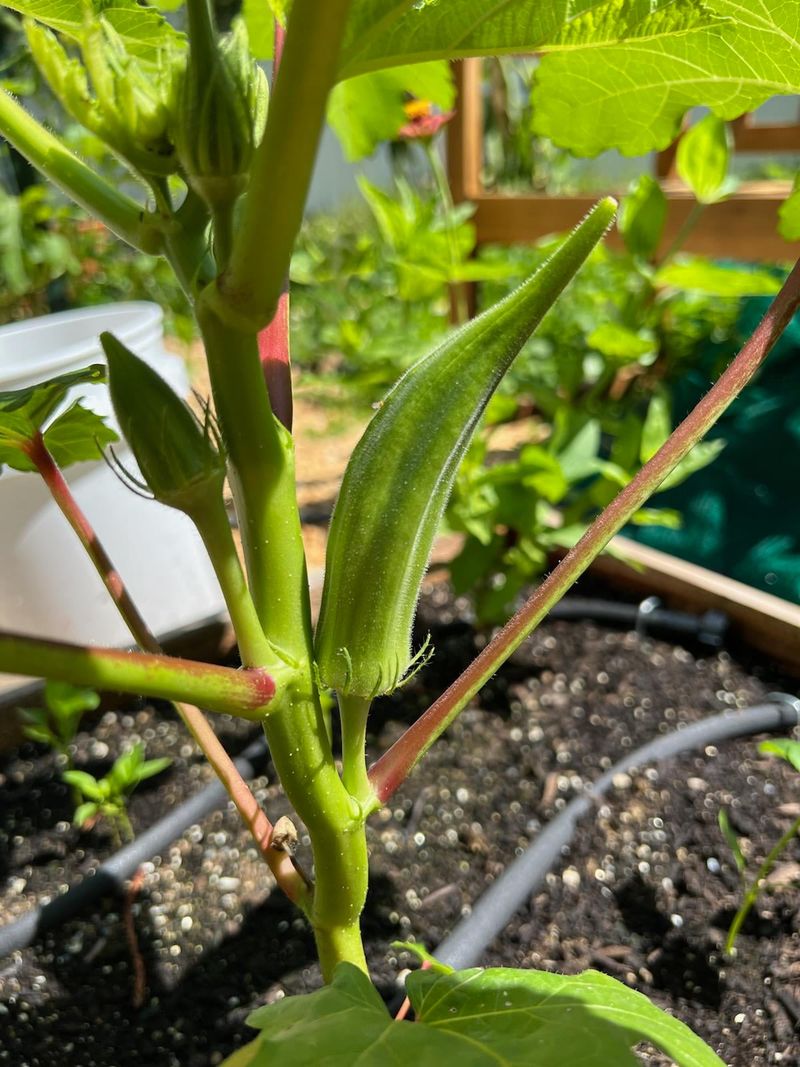
Few vegetables handle a Georgia heat wave as comfortably as okra. While other crops slow down and look stressed, okra stretches taller and pumps out pods at a pace that challenges even enthusiastic harvesters.
The secret to keeping okra producing all summer is straightforward. Pick pods early and often. Pods are best at two to four inches long, which means checking plants every one to two days.
Pods left to grow too large turn tough and woody, and the plant shifts energy away from new production. Regular harvesting keeps the plant focused on making more.
Mulching around the base makes a noticeable difference through the hottest weeks. A thick layer of straw or wood chip mulch holds soil moisture during dry stretches and keeps roots cooler during peak afternoon heat.
Plant in full sun with at least eighteen inches between plants. Spacing matters because okra grows tall and needs room to work.
Varieties like Clemson Spineless and Annie Oakley II perform reliably in Georgia conditions and stay at a manageable height.
A second planting in mid-July extends the harvest well into early fall without any replanting effort on the first round.
Okra is the vegetable that shows up to work every day in July and August without being asked.
Is there a more loyal summer garden plant in Georgia? Possibly not.
2. Eggplant Produces Again After Each Careful Harvest
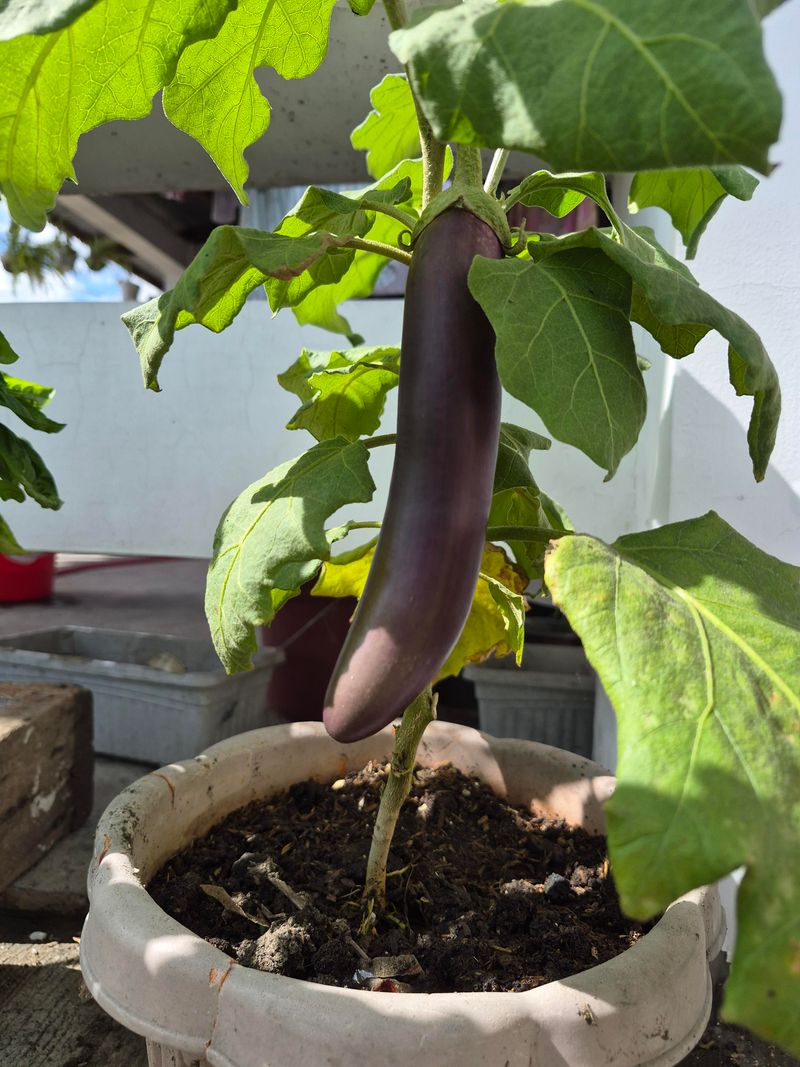
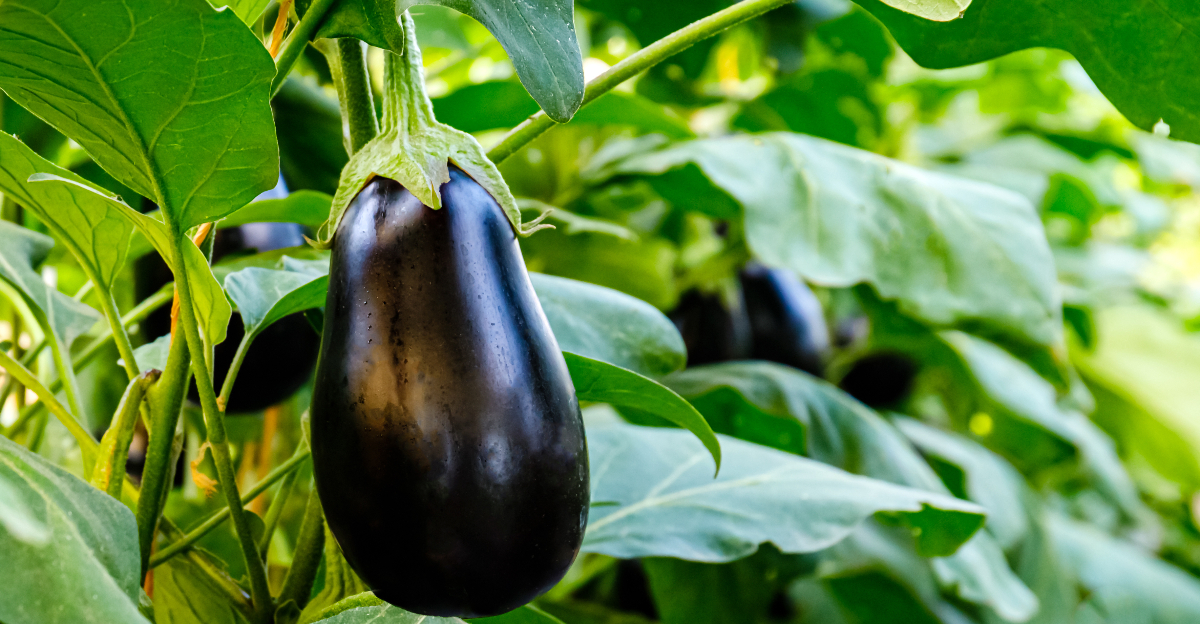
A healthy eggplant in a Georgia garden almost always has more than one fruit ready to pick at a time. The plant rewards consistent attention, producing from midsummer into fall as long as harvesting stays regular and basic needs are met.
Timing the harvest correctly matters more than most gardeners expect. Fruits should come off the plant while the skin is still glossy and firm.
A dull skin signals overripeness, which means harder seeds and increasing bitterness inside. Use clean pruning shears or a sharp knife to cut the stem rather than pulling, which can stress the branch and slow the plant down.
Eggplant performs best in full sun with deep, consistent watering rather than frequent shallow sessions.
Your Georgia Garden Changes Every Week. Your Plan Should Too.
Gardening in Georgia changes quickly throughout the season. Every Friday you’ll receive a simple weekly plan showing exactly what to plant, prune, fertilize, harvest, and protect so you never miss the right timing.
One to two inches of water per week, particularly during dry Georgia stretches, supports continuous fruiting.
Because plants can grow quite heavy with fruit, staking or caging them early prevents branch damage under the weight.
Fertilizing with a balanced vegetable fertilizer every four to six weeks keeps plants vigorous through the whole season.
Varieties like Black Beauty and Ichiban are well-suited to Georgia heat and produce abundantly from July through September with steady management.
The glossy skin is the signal. The harvest window closes faster than most gardeners realize on their first eggplant.
Check every few days. Eggplant is not known for patience, and neither is the person waiting on it in the kitchen.
3. Peppers Keep Setting Fruit With Steady Moisture
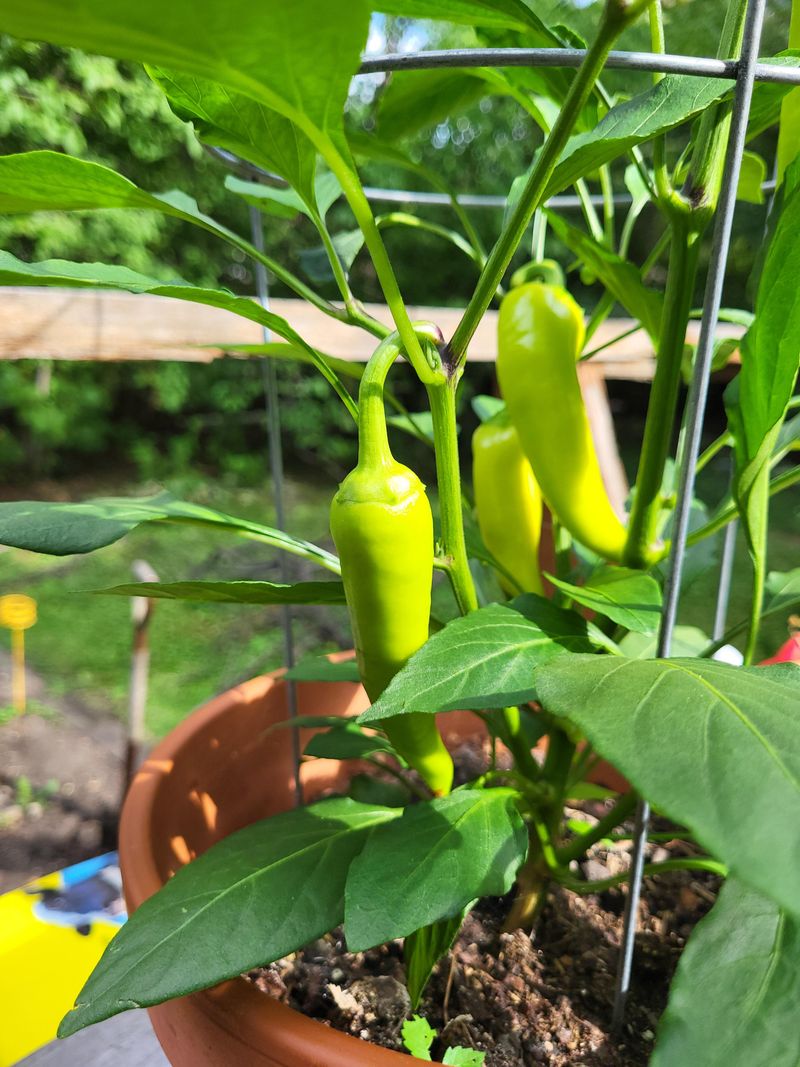
A pepper plant that runs dry during a Georgia heat wave responds by dropping blossoms before they become fruit.
Consistent moisture is the single most important factor in keeping peppers productive through the full summer season.
Peppers need about one to two inches of water per week, and that requirement becomes more critical as temperatures climb above ninety degrees.
The plants are slow starters but long producers once established. Regular harvesting signals the plant to keep setting new fruit throughout the season.
Bell peppers can be harvested green or left to ripen to red, yellow, or orange. Hot varieties like cayenne and jalapeño tend to set fruit more aggressively in Georgia heat than bell peppers.
It makes them a reliable choice for gardeners who want steady production through the hottest months.
A two to three inch layer of mulch around each plant retains soil moisture and protects roots from afternoon heat.
Side-dress with a balanced fertilizer about six weeks after transplanting to support continued production.
Overhead watering in the evening can encourage fungal issues in Georgia’s humid air. Drip irrigation or soaker hoses deliver water to roots directly while keeping foliage dry.
Varieties like Cajun Belle and Cubanelle hold up well through Georgia summers and continue producing as long as moisture stays consistent.
Peppers are forgiving about a lot of things. Running out of water is not one of them.
4. Cherry Tomatoes Keep Picking Baskets Busy
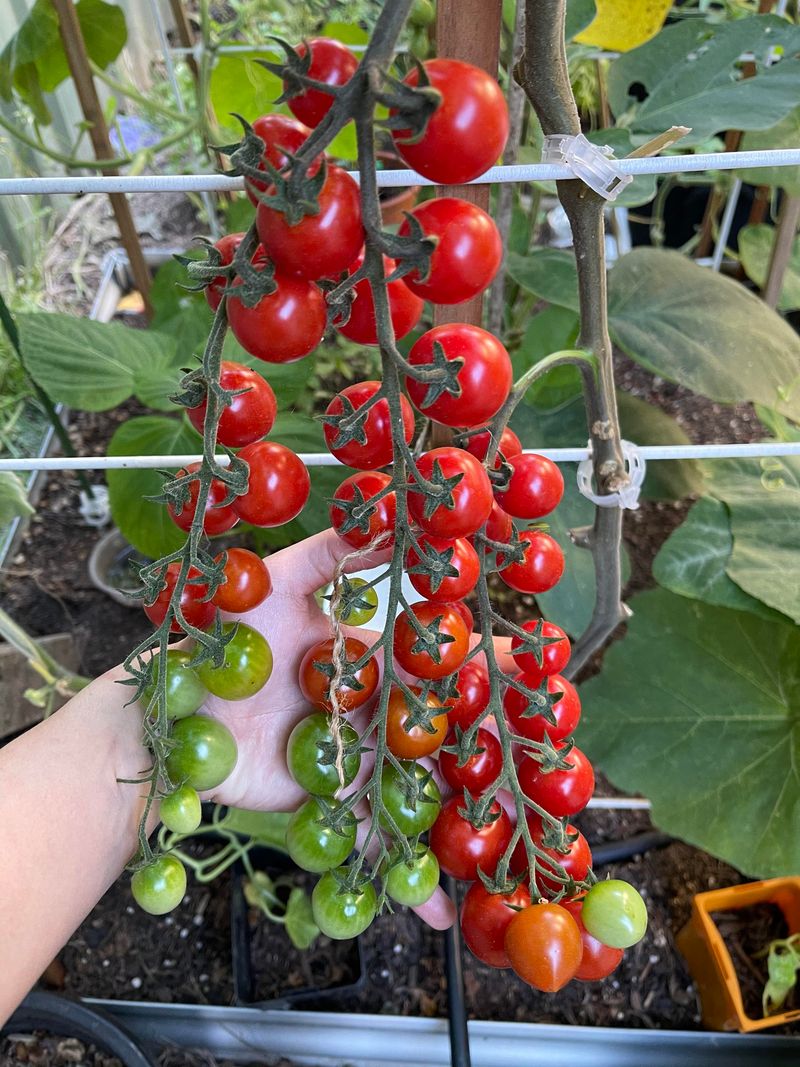
Large slicing tomatoes struggle to set fruit when temperatures stay consistently above ninety degrees.
Cherry tomato varieties keep producing through Georgia’s hottest months with considerably less stress on the plant and the gardener.
Varieties like Sweet 100, Juliet, and Sun Gold have built loyal followings in Georgia for practical reasons.
Smaller fruit size means faster and more consistent ripening even when nighttime temperatures stay warm.
Indeterminate varieties keep growing and producing until frost, meaning a single spring planting can carry harvests all the way to October with proper management.
Trellising is essential with cherry tomatoes. Vines left to sprawl on the ground become vulnerable to soilborne disease and rot quickly in Georgia’s humid conditions. Sturdy cages, stakes, or a wire trellis keeps vines upright and maintains airflow through the canopy.
Pruning suckers regularly redirects energy into fruit production rather than excessive vine growth. Consistent watering of one to two inches per week prevents blossom end rot.
Allowing soil to dry out completely between waterings creates conditions where that problem develops reliably.
A shade cloth providing about thirty percent shade during peak afternoon heat protects blossoms from stress without reducing production significantly.
Picking every two to three days keeps overripe fruit from attracting pests and signals the plant to keep setting new clusters.
Cherry tomatoes in Georgia August are basically a part-time job with very good benefits.
5. Pole Beans Keep Climbing With Regular Harvests
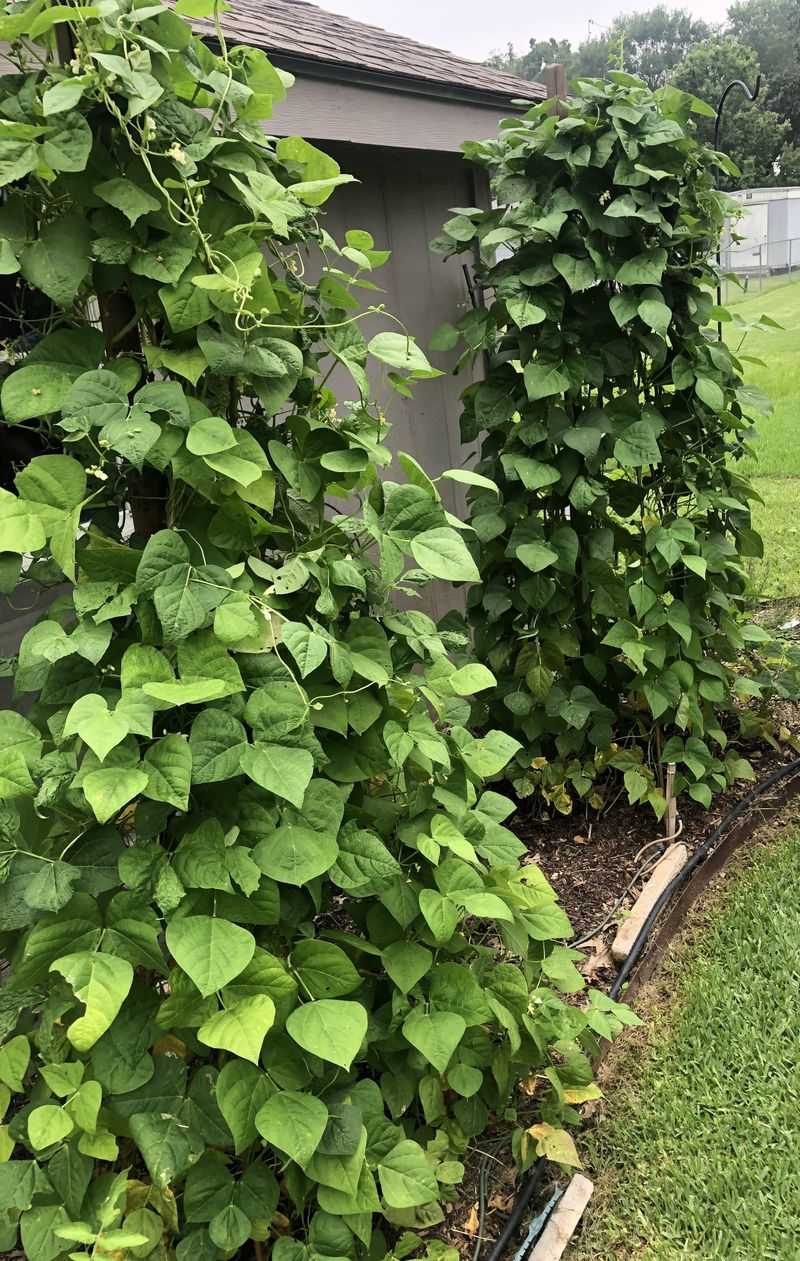
A sturdy trellis, a warm Georgia summer, and a harvester who shows up every few days. That combination produces one of the most consistently rewarding garden setups available for a Georgia summer bed.
Pole beans climb and keep producing across an extended season, unlike bush beans that set one large crop and finish.
A single planting can feed a household for weeks without any replanting required. The plant’s willingness to keep going depends almost entirely on whether pods get picked before seeds inside begin to mature.
Pods are ready when they are firm and snap cleanly. Leaving mature pods on the vine signals the plant that its job is finished, which slows or stops new flower production.
Picking every two to three days during peak season keeps the harvest moving continuously.
Pole beans prefer full sun and well-drained soil with a slightly acidic pH between 6.0 and 6.8. As legumes, they fix nitrogen from the air, which actively improves soil health through the season rather than depleting it.
Water deeply once or twice a week rather than shallow daily sessions to encourage strong root development.
Wetting leaves during watering raises fungal disease risk in Georgia’s humid air, so directing water at the base is worth the small extra effort.
Popular Georgia varieties include Kentucky Wonder, Blue Lake Pole, and Rattlesnake Pole. Seeds planted directly in the ground after the last frost are climbing and producing within sixty to seventy days.
A vegetable that feeds the family and improves the soil simultaneously. Pole beans do not advertise this, but it is worth knowing.
6. Malabar Spinach Brings Greens When Lettuce Quits
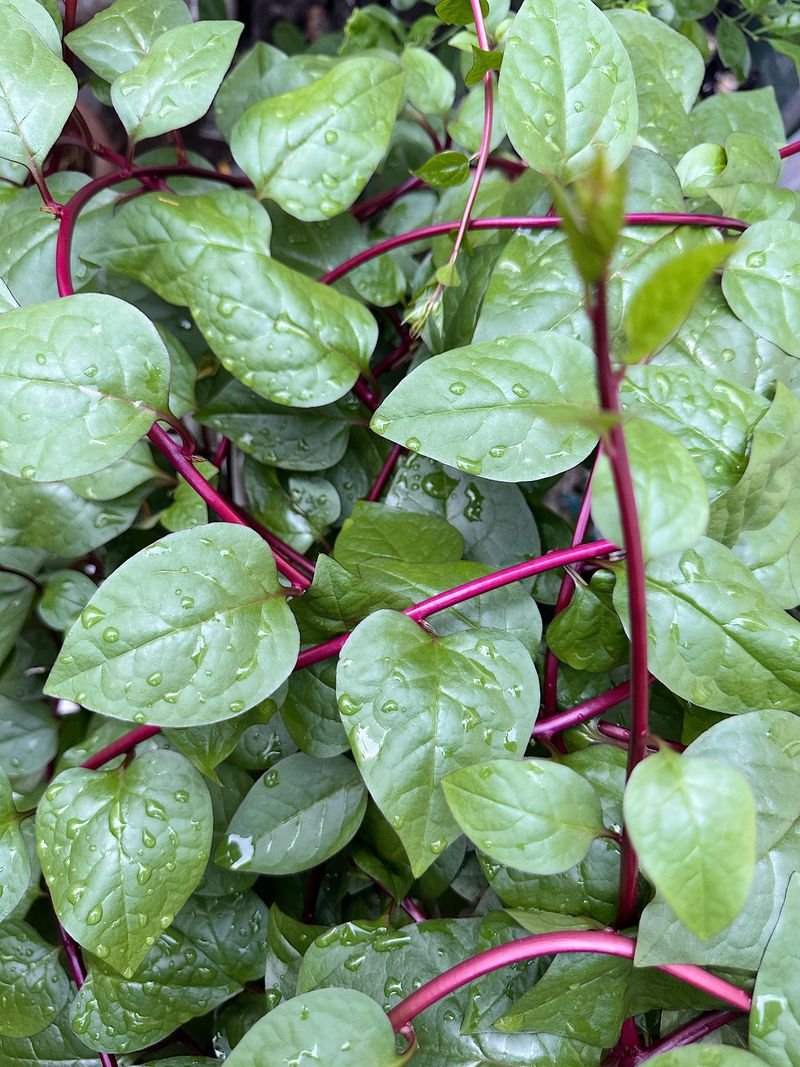
By June in Georgia, lettuce has bolted, turned bitter, and largely checked out for the season. Malabar spinach steps into that gap with genuine enthusiasm.
Despite the shared name, Malabar spinach has no botanical relationship to true spinach. It is a tropical vine that thrives in heat and humidity, two conditions Georgia provides reliably from June through September.
The plant climbs quickly once temperatures warm, covering any trellis or fence given to it. The thick, glossy leaves carry a mild flavor with a slightly mucilaginous texture when cooked, comparable to spinach or Swiss chard.
Young leaves and shoot tips are the most tender and flavorful. Harvesting regularly from the growing vine ends keeps new growth coming while preventing the plant from moving toward seed production too quickly.
Two common varieties are available: red-stemmed and green-stemmed. The red-stemmed type adds strong visual interest to the garden and works well in fresh summer salads.
Both perform equally well through Georgia heat. The red-stemmed version also looks considerably more dramatic, which may or may not matter depending on the gardener.
Malabar spinach prefers full sun and consistent moisture but handles short dry spells better than most cool-season greens.
Seeds or transplants go in after soil temperatures reach seventy degrees. Vertical support keeps the vine manageable and productive.
Lettuce never wanted the summer shift anyway. Malabar spinach was born for it.
7. Swiss Chard Holds Up Better Than Tender Greens
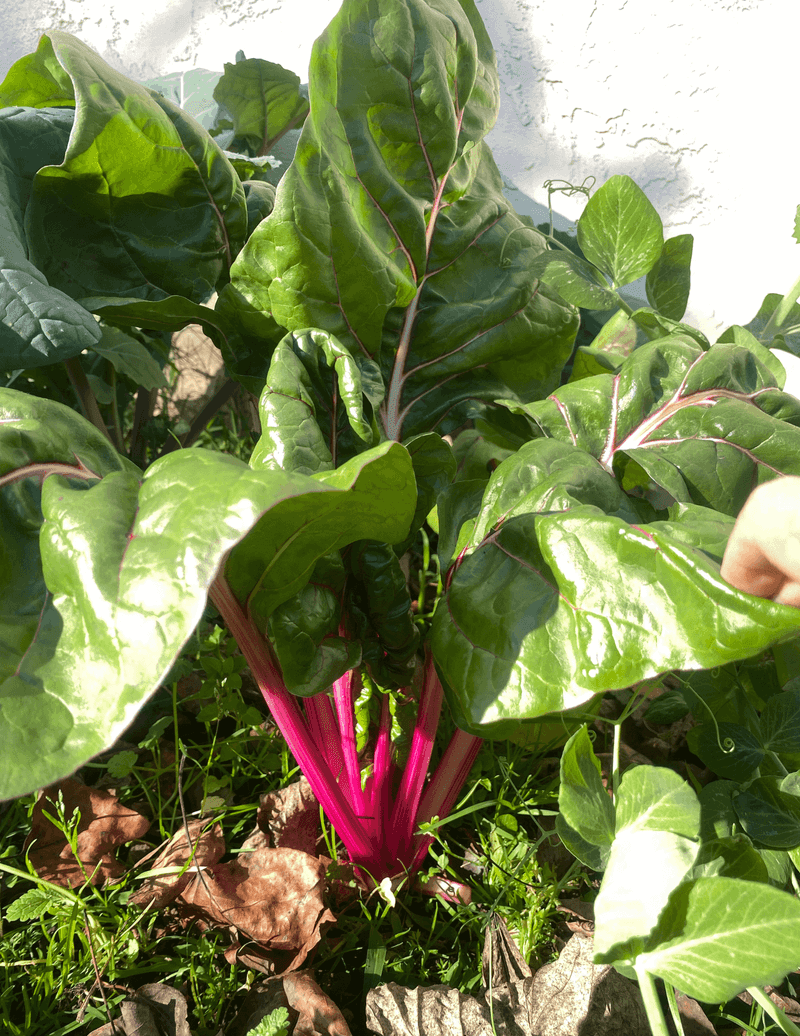
Most tender greens reach their limit once Georgia midsummer arrives in full. Swiss chard keeps going.
The thick, waxy leaves and sturdy stems handle heat and humidity far more reliably than spinach or lettuce.
As long as outer leaves get harvested consistently and the plant gets some shade relief during the hottest afternoon hours, chard continues producing new growth week after week.
The outer-leaf method is what sustains production across the season. Rather than cutting the whole plant, removing the outermost leaves at the base while leaving the inner growth intact allows the center to keep pushing out new leaves continuously.
Rainbow chard varieties like Bright Lights are popular in Georgia for both flavor and appearance. The red, yellow, and orange stems add visual interest to a summer garden that can otherwise look worn down by August.
Swiss chard adapts to a wider range of soil conditions than many vegetables but performs best in rich, well-drained soil with consistent moisture. Deep watering two to three times per week during dry stretches keeps production steady.
Intense afternoon sun can cause leaf scorch, so a shade cloth or the natural shade from taller plants like okra provides useful relief without reducing overall production.
Fertilizing every four to six weeks with a nitrogen-rich formula supports continuous leaf output.
Chard is the green that shows up in June and is still there in September asking what else needs doing.
8. Southern Peas Keep Going Through The Hottest Beds
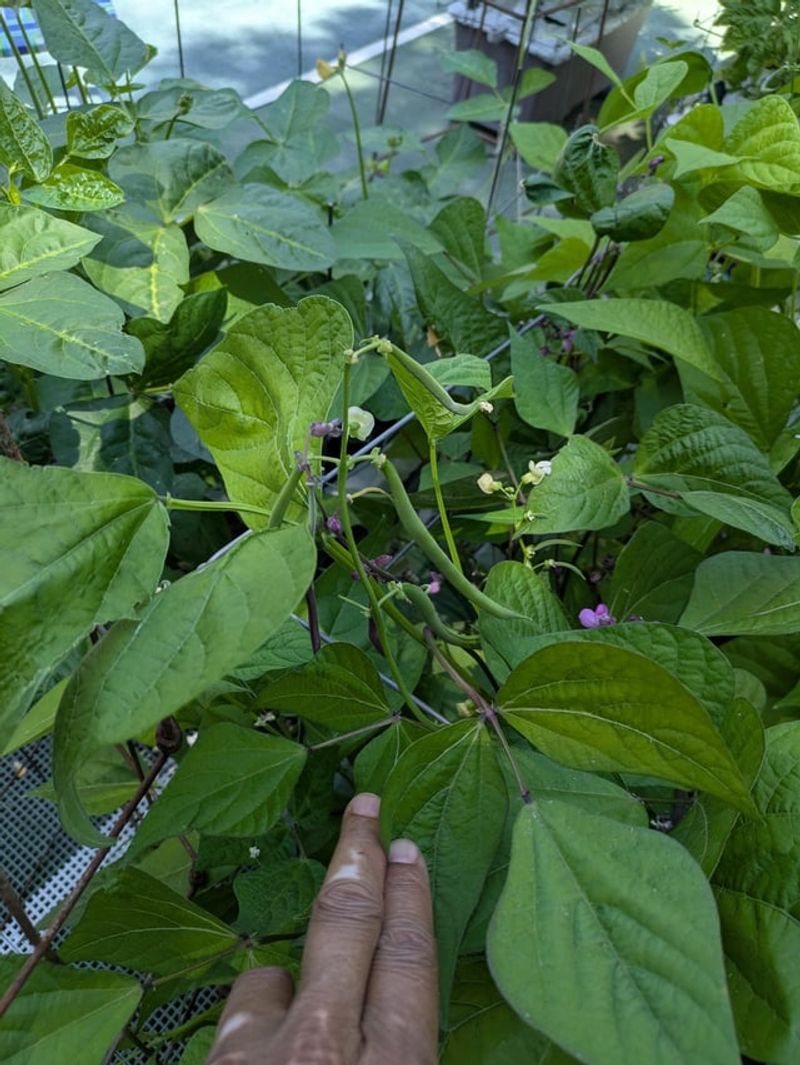
Southern peas, including black-eyed peas, crowder peas, and cream peas, belong in the category of plants that were practically designed for Georgia summer conditions.
Hot, sunny beds and even poor soil produce reliable harvests while other vegetables are struggling to stay functional.
Harvesting Southern peas works at two different stages depending on intended use. Pods picked when plump with the shell still green deliver fresh shelling peas.
Pods left on the vine until they turn tan and papery provide dried peas for long-term storage. Regular harvesting at either stage encourages the plant to keep setting new pods rather than shifting all energy toward maturing a single crop.
Southern peas also improve the soil they grow in. As legumes, they fix atmospheric nitrogen, which builds fertility for whatever gets planted in the same bed during a subsequent season.
Seeds go directly in the ground after the last frost in full sun. These plants prefer well-drained soil and do not require much fertilizer.
Heavy nitrogen applications can actually reduce pod production by pushing leafy growth instead. Water once or twice a week and let the plants work through the heat on their terms.
Varieties like Zipper Cream, Whippoorwill, and Iron and Clay perform consistently through Georgia summers without demanding much in return.
Southern peas thrive in conditions most vegetables find genuinely difficult. They have been doing it in Georgia summers for generations and show no signs of stopping.